
Da Nang All-on-6 Implants: A Safe and Permanent Solution?

Restoring a full arch of missing teeth is a significant medical decision. For patients looking to combine advanced dental care with international travel, understanding the safety, durability, and practicalities of the procedure is essential. The All-on-6 method utilizes six strategically placed titanium posts to support a permanent prosthetic bridge. When performed correctly, this technique can provide a highly stable and functional smile.
Key Takeaways
- The safety of the procedure depends heavily on the dentist's expertise and the clinic's adherence to international sterilization protocols.
- When adequately maintained, titanium implants can last for many years, though the attached prosthetic bridge may eventually need replacement due to normal wear.
- Choosing a reputable All-on-6 dental implant clinic in Da Nang, Vietnam requires careful research into provider credentials and technology.
- Underlying health conditions, such as uncontrolled diabetes or severe bone loss, can impact your eligibility and the long-term success of the implants.
- Patients must plan for proper aftercare, including routine visits to a local dentist back home for ongoing maintenance.
What determines the safety of All-on-6 dental implants in Da Nang?
When evaluating safety, the technology utilized by the dental team plays a significant role. Modern practices utilize 3D Cone Beam Computed Tomography (CBCT) scanners to map out the jawbone's exact dimensions. This precise imaging allows the surgeon to identify vital structures, such as nerves and sinus cavities, minimizing the risk of accidental damage during placement.
Furthermore, safety is heavily tied to the clinic's sterilization protocols. Facilities that cater to international patients typically follow strict hygiene standards comparable to those in Western countries. It is important to ask potential clinics about their sterilization equipment, such as autoclaves, and their adherence to international health guidelines before committing to treatment.
The patient's own medical history also dictates safety. A comprehensive consultation, blood tests, and an honest discussion about medications are vital steps to ensure you are healthy enough for oral surgery and anesthesia.
How long can All-on-6 dental implants realistically last?
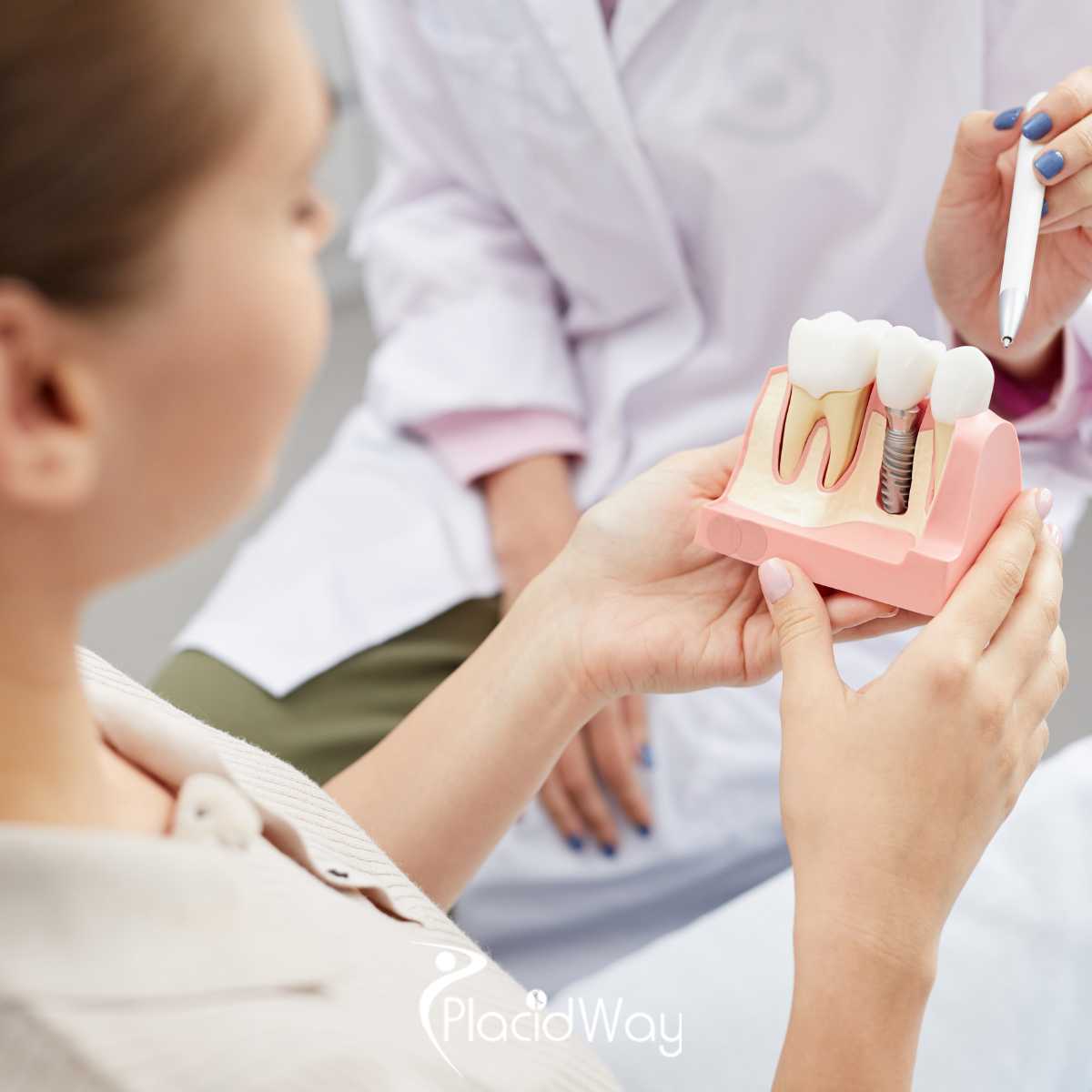
The longevity of dental implants is largely attributed to a biological process known as osseointegration. Because titanium is biocompatible, the jawbone naturally grows around and fuses with the surgical posts, creating an exceptionally stable anchor. When this integration is successful, the foundation of the All-on-6 system becomes a permanent part of your jaw.
However, the longevity of the restoration as a whole is not absolute. The prosthetic bridge—often made of zirconia, porcelain, or acrylic—is subjected to daily wear from chewing and biting. Over a decade or more, this material may chip, stain, or wear down, requiring maintenance or eventual replacement.
Patient habits are the most common reason for premature failure. Poor oral hygiene can lead to peri-implantitis, a destructive gum infection that can cause bone loss around the implants. Regular brushing, specialized flossing, and professional cleanings are non-negotiable for long-lasting results.
Bruxism (teeth grinding) places excessive force on the implant bridge. If you grind your teeth at night, your dentist may strongly recommend wearing a custom night guard to protect your investment and extend the lifespan of your prosthetic teeth.
Are the materials used in Vietnam the same as in Western countries?
- Global Brands: Premium clinics often use well-documented systems like Nobel Biocare, Straumann, and Osstem.
- Biocompatible Posts: The surgical posts are typically manufactured from medical-grade titanium or titanium alloys, which have decades of clinical research supporting their safety and durability.
- High-Quality Prosthetics: The permanent bridges are often milled using advanced CAD/CAM technology from durable materials like monolithic zirconia or porcelain-fused-to-metal (PFM).
- Traceability: Patients can, and should, ask for the "implant passport" or barcode stickers from the implant packaging, which prove the origin and authenticity of the materials used in their mouth.
- International Sourcing: The materials are imported directly from the manufacturers in Switzerland, the USA, Germany, or South Korea, ensuring there is no drop in quality based on the geographic location of the clinic.
What are the potential risks and complications of this procedure?
While complications are generally rare in suitable candidates, patients must be aware of the possibilities. Infection at the surgical site is a primary concern, which is why antibiotics and antibacterial mouthwashes are frequently prescribed post-operatively. If an infection takes hold, it can jeopardize the entire healing process.
Another risk is nerve damage, particularly in the lower jaw where the inferior alveolar nerve is located. Precise 3D imaging significantly lowers this risk, but if it occurs, patients may experience lingering numbness or tingling in the lips, chin, or tongue.
In the upper jaw, there is a risk of the implant protruding into the sinus cavity. Finally, sometimes an implant simply fails to achieve osseointegration. If a post becomes loose, it must be removed. The site can often be allowed to heal and an implant retried later, but this extends the overall treatment timeline considerably.
Who is a good candidate for an All-on-6 implant restoration?
Eligibility is determined through a detailed clinical evaluation. A strong candidate must be free from active periodontal (gum) disease. If severe gum disease is present, it must be comprehensively treated before implant surgery can even be considered, as active bacteria can quickly cause implant failure.
Systemic health is equally critical. Conditions that suppress the immune system or restrict blood flow can interfere with osseointegration. For example, patients with uncontrolled diabetes or those undergoing certain cancer treatments may be advised against the procedure or required to undergo specialized medical clearance.
Smoking is one of the heaviest contraindications in implant dentistry. Because smoking limits oxygen supply to the oral tissues, it dramatically elevates the risk of complications. Dentists typically require candidates to stop smoking for weeks or months before and after the surgery to promote safe healing.
How does bone density impact the success of All-on-6 implants?
When teeth are lost, the jawbone no longer receives the stimulation it needs from chewing, leading it to resorb or shrink over time. The All-on-6 technique is designed to maximize available bone by angling the back implants, which can sometimes bypass the need for extensive bone grafting.
However, a minimum threshold of bone height and width is still mathematically and structurally required to support six posts. If a CBCT scan reveals severe bone atrophy, the dentist may determine that bone grafting or a sinus lift is necessary prior to, or during, the implant placement.
In cases where bone is exceptionally thin, alternative treatments—such as the All-on-4 method or zygomatic implants (which anchor into the cheekbone)—might be discussed as more appropriate and safer alternatives.
What does the typical recovery timeline look like after surgery?
Immediately following the surgery, patients can expect varying degrees of swelling, bruising, and discomfort. These acute symptoms typically peak around the third day and gradually subside. During this first week, patients manage symptoms with prescribed pain relievers, cold compresses, and ample rest.
| Recovery Phase | Estimated Timeline | What to Expect |
|---|---|---|
| Initial Healing | Days 1–7 | Swelling, mild pain, soft diet only. |
| Suture Removal | Days 10–14 | Gums close up; transition to slightly firmer (but still soft) foods. |
| Osseointegration | 3 to 6 Months | Bone fuses to implants. Strict adherence to non-chewy diet to protect posts. |
| Final Restoration | After Month 6 | Permanent bridge placed; gradual return to normal eating. |
During the entire 3 to 6-month osseointegration phase, patients usually wear a temporary, lightweight acrylic bridge. It is imperative during this time to avoid chewing hard foods, as excess force can disrupt the microscopic bone connections forming around the implants.
How should patients care for their new implants to maximize longevity?
- Water Flossing: A water flosser is often considered mandatory. It uses a targeted stream of water to flush out food particles and bacteria trapped in the tiny space between the gums and the prosthetic bridge.
- Soft Brushing: Use a soft-bristled toothbrush and non-abrasive toothpaste to clean the surface of the prosthetic teeth without scratching the material.
- Super Floss: Specialized floss with a stiffened end can be threaded underneath the bridge to mechanically wipe the abutments and gum line.
- Routine Dental Visits: You must visit a local dental hygienist every 6 months. They have specialized non-metal tools to professionally clean around implants without scratching the titanium.
- Monitoring Gum Health: Be vigilant for any signs of redness, swelling, or bleeding around the implant sites, as these are early warning signs of peri-implantitis.
Why is Da Nang becoming a popular choice for this dental procedure?
Over the past decade, Vietnam’s major cities have heavily invested in private healthcare infrastructure to attract international patients. Da Nang, in particular, offers a calmer, more resort-focused environment compared to bustling metropolises, allowing patients to recover in a more relaxed setting.
Many patients research the All-on-6 dental implants cost in Da Nang, Vietnam, finding that the overall financial outlay can be significantly different from what is typical in the US, Australia, or Europe. This allows patients to access top-tier materials—such as premium zirconia bridges and Swiss-made implants—that might otherwise be financially out of reach in their home countries.
Additionally, numerous dental professionals in these top-tier clinics have completed postgraduate training or fellowships internationally, bringing global best practices back to their local facilities.
What should international patients plan for regarding follow-up care?
A successful medical tourism journey does not end when you board the flight home. Dental implants require ongoing professional supervision. Before leaving Vietnam, you should request all your medical records, including pre- and post-operative X-rays or CBCT scans, surgical notes, and the exact specifications (brand, size, model) of the implants used.
Upon returning home, it is highly recommended to schedule an introductory visit with a local prosthodontist or general dentist who is experienced with implants. Provide them with your records so they can establish a baseline for your oral health.
Should a complication arise—such as a loose screw, a chipped prosthetic, or localized pain—having a trusted local professional who understands your case will ensure you receive timely and appropriate medical attention without needing to fly back overseas immediately.
Why Choose PlacidWay for Medical Tourism?
Navigating international healthcare options can be complex. PlacidWay serves as a global medical tourism platform helping patients research and connect with healthcare providers abroad.
- Global Directory: PlacidWay offers an extensive database of clinics and hospitals across multiple continents, including destinations in Southeast Asia.
- Provider Information: The platform provides access to clinic profiles, doctor credentials, and facility accreditations to assist in your research.
- Treatment Comparisons: Patients can compare different treatment approaches and read about varied global healthcare practices.
- Direct Connection: The service allows patients to directly request information and initiate consultations with international healthcare facilities.
- Educational Resources: PlacidWay offers articles and guides to help patients better understand the logistical and medical aspects of seeking care internationally.
Frequently Asked Questions
Is it painful to get All-on-6 dental implants?
The procedure is typically performed under local anesthesia, and sometimes with sedation, meaning you should not feel pain during the surgery. After the anesthesia wears off, mild to moderate discomfort, swelling, and bruising are common for a few days, which can usually be managed with prescribed or over-the-counter pain medications.
How long do I need to stay in Da Nang for the procedure?
Patients usually need to plan for two separate trips. The first trip for the implant placement typically requires a stay of 7 to 10 days to allow for initial healing and the fitting of temporary teeth. After a healing period of 3 to 6 months at home, a second trip of about 7 to 14 days is necessary to attach the permanent prosthetic.
Will I need a bone graft for All-on-6 implants?
Because the All-on-6 technique strategically angles the posterior implants to maximize the use of available bone, many patients can avoid traditional bone grafting. However, if your jawbone has severely deteriorated, your dental specialist may determine that a minor graft is still necessary to ensure a stable foundation.
How soon can I eat normally after the surgery?
You will need to adhere strictly to a soft-food or liquid diet for the first few months while the implants integrate with your jawbone. Eating hard, crunchy, or chewy foods too soon can disrupt the healing process and lead to implant failure. You can gradually return to a normal diet once the permanent restoration is securely placed.
Are there age restrictions for getting All-on-6 implants?
There is no strict upper age limit for dental implants. As long as a patient is in good general health, has healthy gums, and possesses sufficient bone density, they may be a candidate. The primary restriction applies to young patients whose jawbones have not yet fully developed.
What happens if an implant fails after I return home?
While rare, implant failure can occur. If you experience severe pain, mobility of the implant, or signs of infection after returning home, you should seek immediate care from a local dentist or oral surgeon. You should also contact the clinic in Vietnam to discuss your records and see how they handle post-operative complications.
Do I need to see my local dentist after treatment in Vietnam?
Yes, establishing a relationship with a local dentist for routine cleanings, maintenance, and regular check-ups is essential for the long-term success of your implants. Routine professional maintenance helps prevent conditions like peri-implantitis.
Can smoking affect the lifespan of my implants?
Yes, smoking significantly increases the risk of implant failure. It restricts blood flow to the gums, slows down the healing process, and raises the likelihood of infection. Most dental professionals strongly advise quitting smoking well before the procedure and during the entire recovery phase.
Can I travel or fly immediately after implant surgery in Da Nang?
Most dentists recommend waiting at least a few days before flying. Changes in cabin pressure can sometimes cause discomfort, especially if sinus lifting was involved. It is also important to stay nearby for a short time so the clinical team can monitor your initial healing and remove any sutures if necessary.
Are temporary teeth placed on the same day?
In many cases, a temporary, lighter acrylic bridge can be attached to the implants on the same day or within a few days of the surgery. This allows you to leave the clinic with a functional smile while you wait for the permanent, more durable prosthesis to be crafted during the osseointegration period.
Compare Treatment Options
Take the next step in gathering information. Connect with specialized dental facilities worldwide to review your case and understand your treatment options.
Request Treatment InformationReferences
- Dental Implants: What You Should Know – U.S. Food and Drug Administration (FDA)
- Dental Implants Overview – American College of Prosthodontists
- Dental Implant Surgery Risks and Recovery – Mayo Clinic
- Osseointegration: An Update – National Institutes of Health (NIH) / PubMed
- Medical Tourism: Travel for Medical Care – Centers for Disease Control and Prevention (CDC)
- Smoking and Dental Implants: A Systematic Review – PubMed Central




















Share this listing