
Save up to 70% on Rotator Cuff Surgery in Cancun
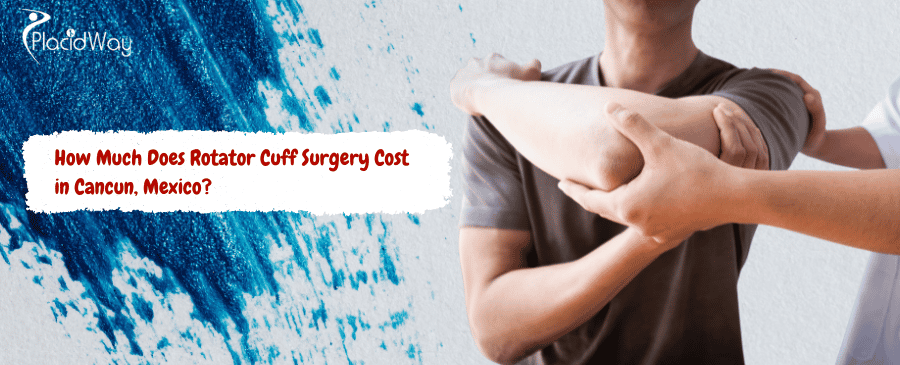
Dealing with a torn rotator cuff can severely limit your mobility and quality of life. For many patients facing high out-of-pocket expenses for orthopedic care at home, traveling abroad has become an option worth exploring. If you are considering rotator cuff surgery in Cancun, Mexico, understanding the financial breakdown, the medical logistics, and the necessary recovery steps is vital to making an informed decision.
This comprehensive guide explores pricing estimates, the factors that influence your final bill, safety considerations, and what you can expect if you choose to pursue orthopedic treatment as a medical tourist.
Key Takeaways
- Average procedure estimates range from $4,500 to $6,500, varying by tear complexity.
- A companion is strongly recommended to assist with travel and immediate post-operative care.
- Patients typically need to stay in the destination for 5 to 10 days before receiving clearance to fly home.
- Long-term physical therapy arranged with a local provider in your home country is critical for restoring shoulder function.
- Comprehensive pre-surgical evaluation and imaging (MRI) are required to confirm eligibility.
What is included in the price of rotator cuff surgery in Cancun?
When you receive an estimate for the rotator cuff surgery cost in Cancun, Mexico, it usually covers the primary medical interventions required on the day of the operation. Standard packages often include:
- The orthopedic surgeon's professional fee.
- Anesthesiologist fees and basic anesthetic medications.
- Operating room time and standard surgical equipment.
- The cost of suture anchors used to reattach the torn tendon to the bone.
However, it is crucial to recognize what might not be included. Pre-operative blood tests, recent MRI scans, and cardiac clearance exams may be billed separately. Additionally, post-operative needs such as a medical-grade sling, prescription pain medication for your recovery, and initial physical therapy sessions are often additional out-of-pocket costs. Always ask for a written, itemized quote so you can budget appropriately for the entire medical journey.
How much can you save compared to having surgery in the US or Canada?
In the United States, an uninsured patient or someone with a high-deductible plan might face hospital bills ranging from $10,000 to over $20,000 for a rotator cuff repair, depending on the facility and the complexity of the tear. In contrast, the $4,500 to $6,500 estimate in Cancun presents a noticeable difference in base medical costs.
While the procedure itself may cost less, you must calculate the total expense of medical tourism to understand your true savings. You need to factor in round-trip airfare for two people (yourself and a companion), hotel accommodations for a week or more, ground transportation, and meals. Even with travel expenses added, many patients find the overall financial burden remains lower, though individual budgets vary significantly.
What factors influence the final cost of a rotator cuff repair?
Not all shoulder injuries are the same, which means no two surgeries are identical. Several clinical variables dictate the ultimate price you will pay:
- Surgical Technique: Most repairs today are performed arthroscopically—a minimally invasive approach using a camera and small instruments. If you have a massive or highly complex tear, the surgeon might need to perform an open surgery or a mini-open repair, which can alter operating time and costs.
- Number of Anchors: Tendons are secured to the bone using small devices called suture anchors. A small tear may require only one or two anchors, while a massive tear might require several. Each anchor adds to the materials cost.
- Additional Procedures: While repairing the rotator cuff, the surgeon might discover bone spurs that need removing (subacromial decompression) or a damaged bicep tendon that requires repair (biceps tenodesis). These concurrent procedures can increase the final bill.
How do I find a reliable rotator cuff surgery clinic in Cancun, Mexico?
When searching for a rotator cuff surgery clinic in Cancun, Mexico, prioritizing patient safety and medical quality is paramount. Start by looking for hospitals that hold recognized accreditations. In Mexico, the standard is certification by the Consejo de Salubridad General (CSG), which models its criteria after international healthcare standards. Some hospitals may also carry Joint Commission International (JCI) accreditation.
Equally important is the surgeon's individual background. You want an orthopedic specialist who is board-certified, often recognized by the Mexican Council of Orthopedics and Traumatology. Look for surgeons who specialize specifically in shoulder arthroscopy or sports medicine. Ask about their training, how many rotator cuff repairs they perform annually, and their specific protocols for managing post-operative complications.
Why is medical tourism in Cancun, Mexico, popular for orthopedic surgery?
The rise of medical tourism in Cancun, Mexico, is largely due to its accessibility and established infrastructure. Because it is a major international travel hub, Cancun offers numerous direct flights from the US and Canada. This short travel time is especially beneficial for patients who might be in pain or anxious about navigating long-haul flights with an injured shoulder.
Furthermore, the destination has developed a network of private healthcare facilities specifically designed to cater to international visitors. Many of these hospitals feature modern surgical theaters, bilingual staff, and patient coordinators whose job is to assist with logistics, medical record translation, and local transport between the hotel and the hospital.
How do I know if I am a candidate for rotator cuff surgery?
Surgery is not usually the first line of defense. Most physicians recommend trying conservative treatments—such as rest, physical therapy, and anti-inflammatory medications—before considering surgery. You may be a candidate if these methods have failed to relieve your pain, if your tear is the result of a recent acute injury, or if you have significant weakness that impacts your daily life.
Not everyone is a suitable candidate for medical tourism. Patients with severe chronic illnesses, advanced heart disease, high risks of blood clots, or severe shoulder arthritis may be advised against traveling for surgery. A thorough remote consultation with the international surgical team, combined with clearance from your primary care doctor at home, is essential to confirm your eligibility.
What is the typical recovery time before I can fly home?
Recovery from rotator cuff surgery is a long process, but the immediate post-operative phase dictates your travel plans. You will not be able to fly home the day after surgery. You will wake up in an immobilization sling, and you will likely experience significant pain and swelling during the first few days.
Staying in Cancun for 5 to 10 days allows the surgical team to monitor your healing, check your incisions for any early signs of infection, and manage your pain medications. It also mitigates the risk of deep vein thrombosis (DVT), a type of blood clot that can occur during flights shortly after undergoing anesthesia and surgery. You should follow your surgeon's specific timeline for when it is medically appropriate to board an airplane.
What are the potential risks and complications of this procedure?
While arthroscopic rotator cuff repair is commonly performed, it is a major medical procedure carrying inherent risks. Medical risks specific to the shoulder include post-operative stiffness (often called frozen shoulder), which can severely limit range of motion. There is also a risk that the tendon does not heal to the bone, or that it tears again in the future, particularly if post-operative restrictions are not strictly followed.
General surgical risks apply as well, including reactions to anesthesia, bleeding, and surgical site infections. Medical tourists face the added risk of complications arising after returning home. If an infection or complication develops once you are back in your home country, you will need to seek immediate care at a local hospital, which could result in unexpected medical bills. It is vital to discuss these risks with both the operating surgeon and your local physician.
How do I handle physical therapy after returning home?
The success of a rotator cuff repair relies just as much on the post-operative rehabilitation as it does on the surgery itself. The physical therapy process typically lasts four to six months. It begins with passive range of motion, where the therapist moves your arm for you to protect the healing tendon, before slowly progressing to active motion and, finally, strengthening exercises.
Because you will complete this phase at home, coordination is essential. Before you leave Cancun, the surgical team should provide you with a detailed physical therapy protocol and a copy of your surgical notes. You must establish a relationship with a local physical therapist who can follow these protocols and communicate with your operating surgeon if questions arise during your rehabilitation.
Why Choose PlacidWay for Medical Tourism?
Navigating healthcare systems in a foreign country can be complex. Platforms like PlacidWay are designed to provide resources for patients exploring treatment options internationally. Consider these facts about the platform:
- Global Connections: PlacidWay connects patients with healthcare providers, clinics, and hospitals in numerous destinations worldwide.
- Informational Resources: The platform offers access to clinic profiles, doctor credentials, and facility accreditations to help you research your options.
- Communication Support: Patients can use the service to facilitate initial conversations and request quotes directly from international medical teams.
- No Upfront Platform Fees: PlacidWay does not charge patients a fee to browse facilities or request initial information.
- Patient Autonomy: The platform supports informed decision-making, allowing patients to compare providers without pressure to commit to a specific treatment plan.
Frequently Asked Questions
Does health insurance cover rotator cuff surgery in Cancun?
Most US and Canadian health insurance providers do not cover elective procedures performed outside their networks in foreign countries. Patients traveling for medical tourism generally pay out of pocket or use medical financing.
Is rotator cuff repair an outpatient procedure?
Yes, it is often performed as an outpatient procedure, meaning you may leave the hospital the same day. However, depending on the complexity of the repair and the time of day, some patients might be advised to stay overnight for observation.
Do I need an MRI before getting a surgical estimate?
Yes. Most orthopedic surgeons require a recent MRI to assess the exact size and location of the tear before they can confirm if you are a candidate and provide an accurate cost estimate.
What type of anesthesia is typically used for this surgery?
Surgeons typically use general anesthesia, often combined with a regional nerve block. The nerve block helps control pain for several hours after the procedure is complete.
How long does the actual surgery take?
The procedure usually takes between one and two hours, though this can vary depending on the surgical technique used and the severity of the tendon tear.
When can I return to work after surgery?
Return-to-work timelines depend heavily on your job. Desk workers might return in a couple of weeks with their arm in a sling, while jobs requiring heavy lifting or manual labor may require several months of recovery.
Can I travel alone for orthopedic surgery?
Traveling alone is highly discouraged. You will be in a sling, experiencing pain, and unable to manage luggage or self-care comfortably during the first few days. Bringing a companion is essential for your safety and comfort.
What happens if I experience complications after flying home?
If you experience complications such as fever, severe pain, or signs of infection after returning home, you should immediately visit a local emergency room or consult a local physician. It is important to have a backup plan for local care.
Will there be a language barrier at the hospital?
Many private hospitals catering to international patients employ bilingual staff, and many specialists speak fluent English. However, you should confirm this during your initial consultations.
Are the surgical materials the same as those used in the US?
Reputable private facilities generally use surgical instruments and implants from internationally recognized, FDA-approved manufacturers. You can always ask the surgical team about the specific brands they utilize.
Compare Treatment Options Abroad
Take the next step in your research. Connect with international healthcare providers and request detailed information about orthopedic procedures, facilities, and cost estimates.
Request Treatment InformationReferences
- Rotator Cuff Tears: Surgical Treatment Options – American Academy of Orthopaedic Surgeons (AAOS)
- Rotator Cuff Injury Diagnosis and Treatment – Mayo Clinic
- Medical Tourism Guidelines – Centers for Disease Control and Prevention (CDC)
- Shoulder Arthroscopy Overview – Cleveland Clinic
- Accredited Organizations Directory – Joint Commission International (JCI)
- Patient Safety Fact Sheet – World Health Organization (WHO)
























Share this listing