
Popular Medical Tourism in Mexico City: A Guide to Top Treatments
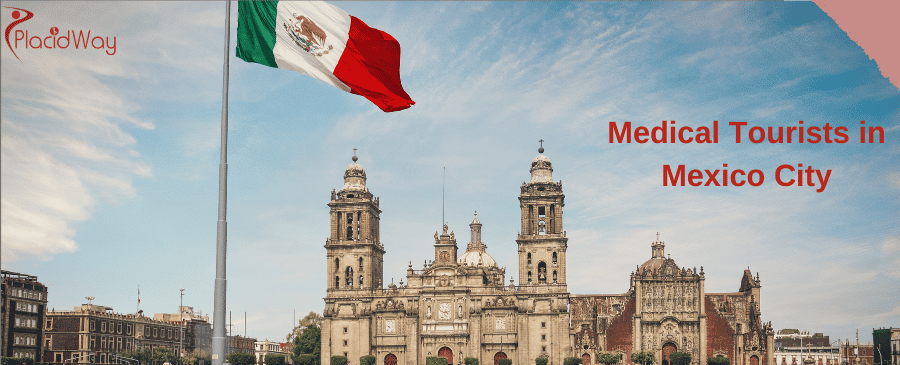
Many patients travel internationally each year seeking medical care, and Mexico's capital has become a prominent destination. Medical tourism in Mexico City encompasses a wide variety of specialties, drawing patients who are looking for experienced specialists and established private healthcare infrastructure.
When considering health travel, understanding which procedures are commonly performed helps patients set realistic expectations. Different medical disciplines require varying levels of preparation, specific aftercare, and distinct travel arrangements. While researching a procedure, it is essential to focus on safety, provider qualifications, and your own physical readiness for both the treatment and the associated travel.
Key Takeaways
- Mexico City receives medical travelers primarily for bariatric, cosmetic, dental, fertility, and orthopedic care.
- Choosing the right facility involves researching national certifications and international accreditations.
- Post-operative recovery often requires remaining in the city for several days or weeks before flying is safe.
- Continuity of care with a physician in your home country is necessary for long-term health and managing potential complications.
- Medical outcomes, risks, and recovery timelines vary widely among individual patients.
Why do international patients choose Mexico City for healthcare?
The capital serves as a central hub for medical education and specialized practice in the country. Patients often seek out medical treatments in Mexico City because large private hospitals frequently feature modern diagnostic equipment, intensive care units, and multidisciplinary teams capable of handling complex cases.
Additionally, the geographic proximity to the United States and Canada makes it accessible via direct flights. Many physicians operating in these major private hospitals have completed fellowships or additional training internationally. However, standards of care can vary between institutions, meaning patients must independently verify the specific credentials of their chosen medical team.
What makes bariatric surgery a common choice for medical tourists?
Weight-loss surgery is frequently pursued by international patients aiming to manage obesity and related metabolic conditions. Surgeons in the city commonly perform procedures such as sleeve gastrectomy, Roux-en-Y gastric bypass, and occasionally bariatric revision surgeries for patients who have had previous, unsuccessful procedures.
Bariatric surgery is not suitable for everyone. Eligibility typically depends on body mass index (BMI) and the presence of co-morbidities like type 2 diabetes or hypertension. Patients considering this route must be prepared for major anatomical changes and lifelong commitments to dietary restrictions and vitamin supplementation. Risks can include internal bleeding, infection, staple line leaks, and long-term nutritional deficiencies. Proper pre-operative evaluation by a qualified medical professional is required to determine if the benefits outweigh the risks for an individual patient.
Which cosmetic and plastic surgeries are most frequently requested?
Cosmetic surgery accounts for a significant portion of medical travel to the region. Patients often request breast augmentations, reductions, abdominoplasty (tummy tucks), and facial rejuvenation procedures. The goal for many patients is to access experienced board-certified plastic surgeons.
Any plastic surgery carries inherent surgical risks, including adverse reactions to anesthesia, excessive bleeding, fluid accumulation, delayed wound healing, and unfavorable scarring. Outcomes vary by patient, and realistic expectations are necessary. Furthermore, combining multiple cosmetic procedures into a single operation—a practice sometimes requested by traveling patients to save time—can significantly increase the risk of complications and extend recovery periods. Surgeons must carefully assess patient health before agreeing to extensive combination surgeries.
How does the quality of dental treatments compare for international visitors?
Finding an appropriate medical treatment clinic in Mexico City for dental care often involves looking for facilities that utilize modern imaging technology, such as 3D CBCT scanners, which are essential for precise implant placement. Dental travelers usually present with needs that go beyond routine cleanings, requiring the expertise of prosthodontists, endodontists, or oral surgeons.
While standard restorative work might be completed in a few days, placing dental implants typically requires a phased approach. The initial surgery involves placing the titanium post into the jawbone. Patients then normally wait several months for osseointegration (bone healing) to occur before returning to the clinic to have the final crowns attached. Patients must also undergo evaluations to ensure they have sufficient bone density, which may necessitate preliminary bone grafting procedures.
Are fertility treatments like IVF commonly sought by tourists in the capital?
Reproductive medicine draws patients managing infertility. Clinics in the city offer conventional IVF, intracytoplasmic sperm injection (ICSI), intrauterine insemination (IUI), and egg freezing. Some patients also explore third-party reproduction, such as egg donation, though legal frameworks regarding these practices can be complex and subject to change.
Fertility treatment is physically and emotionally demanding. Success rates are never guaranteed and depend heavily on the patient's age, medical history, and the underlying causes of infertility. Patients should anticipate multiple visits or extended stays to accommodate the phases of ovarian stimulation, egg retrieval, and embryo transfer. Risks include ovarian hyperstimulation syndrome (OHSS), ectopic pregnancies, and the potential for multiple births.
What orthopedic procedures do foreign patients typically seek?
Orthopedic patients traveling abroad are typically dealing with degenerative joint diseases like osteoarthritis or seeking treatment for sports injuries, such as ACL reconstructions. Orthopedic surgeons in the capital often utilize minimally invasive arthroscopic techniques where appropriate, which can sometimes reduce tissue trauma and speed initial recovery.
Orthopedic surgery requires intense post-operative physical therapy. Traveling soon after a major joint replacement is a significant risk factor for deep vein thrombosis (blood clots). Patients must follow their surgeon's specific timeline regarding when it is safe to board an airplane, and they usually need to arrange for ongoing physical therapy in their home community to regain full mobility and strength.
| Procedure Category | Estimated Initial Stay Required | Common Post-Op Requirement |
|---|---|---|
| Bariatric Surgery | 7 - 10 Days | Strict liquid diet adherence, leak testing |
| Major Cosmetic Surgery | 10 - 14+ Days | Drain removal, limited mobility, compression garments |
| Orthopedic (Joint Replacement) | 10 - 14+ Days | Immediate physical therapy, DVT prevention |
| Dental Implants (Phase 1) | 3 - 5 Days | Soft diet, 4-6 month healing period at home |
*Note: Timelines are general estimates. Your doctor will dictate your specific travel clearance based on your individual healing progress.
How do patients verify the safety and credentials of healthcare facilities?
Patient safety must be the primary focus when planning medical travel. In Mexico, medical professionals should be board-certified by their respective national medical councils (Consejos de Especialidades Médicas). Hospitals and clinics can also be evaluated based on accreditations.
The Consejo de Salubridad General (CSG) is the national accreditation body in Mexico that certifies hospitals maintaining specific quality and safety standards. Additionally, some major private hospitals pursue accreditation from the Joint Commission International (JCI), which indicates adherence to rigorous global healthcare standards. Patients are encouraged to ask providers directly for their license numbers (cédula profesional) and verify them through official government portals prior to making any commitments.
What should patients expect regarding recovery times and aftercare?
Aftercare is a critical component of any medical procedure. Patients cannot undergo surgery and immediately fly home. A local recovery period is mandatory to monitor for early post-operative complications such as infections, bleeding, or issues with wound healing.
During this period, patients will have follow-up appointments with their surgeon to remove sutures or surgical drains and to receive clearance for travel. It is equally important to arrange for continuing care back home. Informing your primary care physician about your plans to receive treatment abroad ensures that they are prepared to assist with your long-term recovery or manage any late-onset complications once you return.
How do expenses for medical care in Mexico City compare to other regions?
Cost is a well-known factor in medical tourism. Many patients find that the financial burden of elective surgeries, extensive dental work, or self-funded fertility treatments is lower in Mexico City compared to their home countries. The differences in cost are generally attributed to different economic structures, lower administrative overhead, and varied cost-of-living indices.
However, it is crucial not to make medical decisions based on price alone. Extremely low estimates may sometimes reflect a lack of appropriate safety protocols, less experienced providers, or hidden fees for anesthesia, facility use, or aftercare. Patients should request detailed, written estimates that outline exactly what is included in the quoted price, acknowledging that unforeseen medical complications can result in additional, unexpected expenses.
What are the potential risks of traveling abroad for medical procedures?
All surgical and medical interventions carry risks, which can be compounded by international travel. Air travel shortly after surgery increases the risk of deep vein thrombosis (DVT) and pulmonary embolism. Changes in altitude and cabin pressure can also affect healing tissues and surgical incisions.
Continuity of care is another significant challenge. If a complication arises after the patient has returned home, local doctors may lack access to detailed surgical notes or information about the specific medical devices used (such as the exact brand of a dental implant or joint prosthesis). Language barriers can also lead to misunderstandings regarding medication dosages or physical therapy protocols. Proper planning, securing detailed medical records translated into your native language, and setting up domestic medical oversight are required steps to mitigate these risks.
Why Choose PlacidWay for Medical Tourism Information?
Navigating healthcare options abroad requires access to clear, structured information. PlacidWay serves as a resource for patients researching international medical care. Consider these factual points about the platform:
- Global Medical Directory: The platform lists medical providers, hospitals, and clinics across numerous specialties in dozens of countries, including Mexico.
- Provider Profiles: Patients can review available details regarding doctors' educational backgrounds, specialties, and facility accreditations.
- Direct Communication: PlacidWay allows users to request information and communicate directly with international clinics to ask clinical questions.
- Educational Resources: The site offers articles, treatment overviews, and guides aimed at helping patients understand various medical procedures.
- Multi-Specialty Scope: The platform covers a wide array of treatments, ranging from dental and cosmetic care to orthopedics, fertility, and chronic disease management.
Frequently Asked Questions
Do doctors in Mexico City speak English?
Many specialists and surgeons who frequently treat international patients speak English. Large private hospitals often have bilingual staff and international patient departments, though you may still encounter support staff who primarily speak Spanish.
Do I need a visa to travel to Mexico City for medical reasons?
Citizens of many countries, including the United States and Canada, typically do not need a visa for short visits to Mexico. However, you will need a valid passport and an entry permit (FMM), which is usually provided by the airline or at border control.
Can I use my US or Canadian health insurance in Mexico City?
Most standard domestic health insurance plans do not cover elective treatments performed abroad. Some employer-sponsored plans or specialized medical tourism insurance policies may offer partial coverage, but patients generally pay out-of-pocket.
What is the best time of year to visit Mexico City for surgery?
The city has a mild climate year-round due to its high elevation. The dry season, from November to April, is often preferred by travelers to avoid heavy afternoon rains, making getting to and from medical appointments easier.
How long should I stay in the city after a major procedure?
Stay requirements depend on the specific procedure and your surgeon's recommendations. Minor treatments may require only a few days, while major surgeries like joint replacement or bariatric surgery often necessitate a stay of 7 to 14 days for initial recovery and follow-up.
Are prescription medications easily available for recovery?
Yes, standard post-operative medications like antibiotics and certain pain relievers are available at local pharmacies. Your treating physician will provide the necessary local prescriptions before you are discharged.
Can I fly immediately after having surgery in Mexico City?
Flying immediately after major surgery is generally contraindicated due to the increased risk of deep vein thrombosis (DVT) and pulmonary embolism. You must wait until your doctor explicitly clears you for air travel.
Are blood transfusions safe in Mexican hospitals?
Private hospitals that cater to international patients usually maintain strict blood banking protocols in accordance with national health regulations, heavily screening blood for infectious diseases.
What happens if I experience complications after returning home?
If complications arise after you return home, you should immediately contact a local healthcare provider or go to the nearest emergency room. It is highly recommended to establish care with a local doctor before traveling abroad.
Is it safe to travel around Mexico City during my recovery?
While Mexico City has safe tourist and medical districts, strenuous activity or extensive sightseeing is usually discouraged during early surgical recovery. Patients should prioritize rest and follow their doctor's guidelines on physical movement.
Compare Treatment Options
Explore international healthcare providers, review credentials, and request treatment information directly through PlacidWay.
Request Treatment InformationReferences
- Medical Tourism - Centers for Disease Control and Prevention (CDC)
- JCI-Accredited Organizations - Joint Commission International
- Obesity and Overweight Fact Sheet - World Health Organization (WHO)
- Traveling for Plastic Surgery - American Society of Plastic Surgeons
- Traveler's Health: Mexico - Centers for Disease Control and Prevention (CDC)
- Deep Vein Thrombosis Post-Surgery - American Academy of Orthopaedic Surgeons























Share this listing