
A Step-by-Step Guide to Choose the Right Dentist in Croatia
To choose the right dentist in Croatia, verify active licenses with the national dental chamber, read genuine patient reviews, and check certifications to ensure adherence to strict European Union clinical and hygiene safety standards.
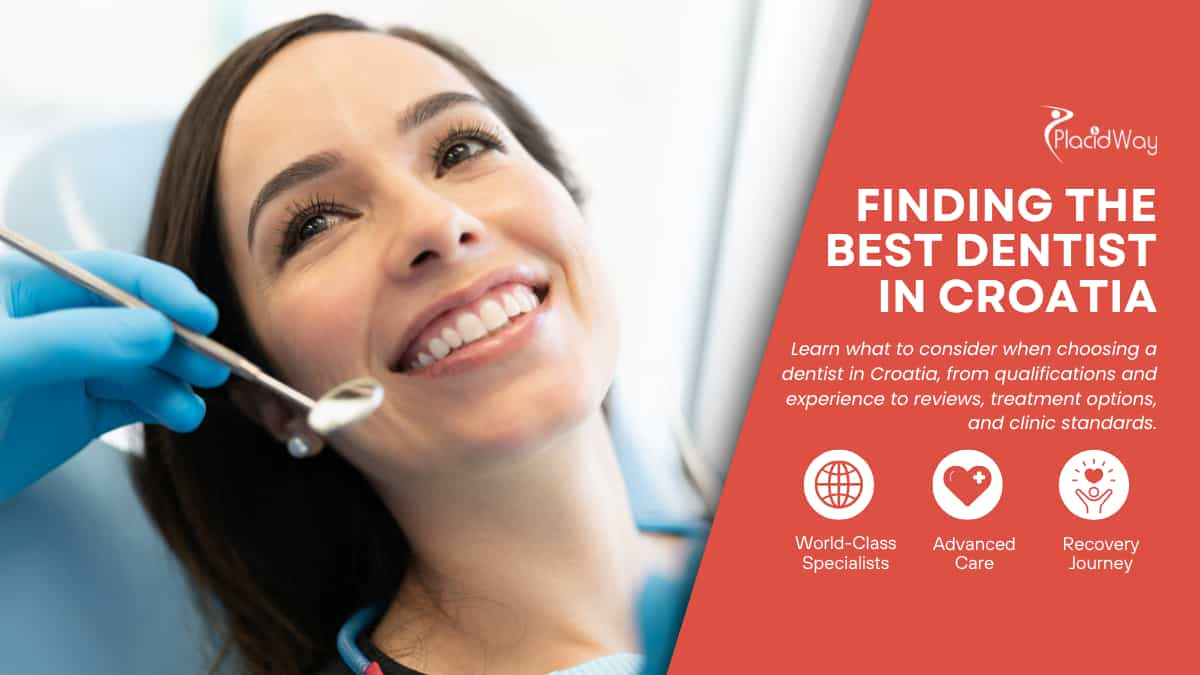
Key Takeaways for Your Medical Journey
- Verify provider credentials through the official national registry to confirm active licensure.
- Request itemized cost breakdowns to avoid unexpected financial surprises during your visit.
- Ensure the facility utilizes advanced diagnostic technology like 3D imaging for accurate planning.
- Confirm that all medical communication can be handled fluently in your native language.
- Establish a clear post-treatment care and maintenance plan before returning to your home country.
What qualifications are essential for a dentist in Croatia?
You should confirm the provider holds active registration with the Croatian Chamber of Dental Medicine. Specialized procedures require verified postgraduate training or international medical affiliations.
Healthcare is a highly regulated profession in this region, meaning practitioners must adhere to strict educational and practical standards. Checking their foundational educational background provides confidence in their baseline competence. All practicing professionals must be actively registered with the relevant national medical chamber, which oversees ethical behavior and clinical operating standards.
For complex restorative procedures such as oral surgery or full mouth reconstructions, general medical training is typically not sufficient. You should look for professionals who have completed extensive postgraduate specializations in oral surgery or prosthodontics. Holding active memberships in recognized European or international medical associations often indicates a strong commitment to advanced clinical practices.
Continuous medical education is another vital indicator of a dedicated professional. Providers who regularly attend global medical conferences are generally more familiar with modern techniques, digital workflows, and updated safety guidelines, which may contribute to more predictable treatment outcomes for suitable patients.
How does dental implants cost in Croatia compare globally?
The dental implants cost in Croatia is typically much lower than in North America or the UK. This price difference is due to lower local operational expenses, not a reduction in material quality.
Patients exploring cross-border healthcare often notice significant pricing differences when comparing international estimates. It is essential to understand that lower prices in this region stem from reduced overhead costs, lower real estate expenses, and adjusted local labor rates, rather than a compromise on safety or materials. However, prices vary widely depending on the specific city, facility amenities, and the complexity of your individual case.
| Procedure Component | Estimated Impact on Total Cost |
|---|---|
| Titanium Implant Post | Variable based on the selected international brand and origin. |
| Custom Abutment | Depends on standard versus custom laboratory fabrication. |
| Zirconia Crown | Influenced by localized laboratory fees and raw material grade. |
| Bone Grafting Materials | Required only if natural bone density is deemed insufficient. |
| 3D CBCT Imaging | Typically charged as a flat fee for initial anatomical diagnostics. |
Always request a comprehensive, itemized quote to understand exactly what the estimated price includes. You must clearly distinguish the implant-post price from the total cost of the abutment, crown, necessary imaging, potential extractions, and temporary restorations. Comparing similar treatment plans using identical material brands is the only way to get an accurate financial picture.
What questions should I ask a dental clinic in Croatia?
Asking about infection control protocols, emergency procedures, and the specific material brands used helps assess the facility. A reputable dental clinic in Croatia will provide transparent, documented answers.
Start your evaluation by inquiring about the diagnostic technology available directly on-site. Tools such as 3D CBCT scanners are essential for accurate pre-surgical planning and can significantly reduce the risks associated with complex bone and tissue procedures. You should ask if these scans are performed during the initial consultation.
You must also explicitly ask about the sterilization process. Modern healthcare facilities should utilize Class B autoclaves and maintain highly transparent hygiene protocols that align with strict European Union health directives. Do not hesitate to ask how they manage environmental cross-contamination and instrument sterilization between different patients.
Finally, clarify the ongoing communication process. Understanding how you will communicate with your medical care team before, during, and long after your trip is essential for peace of mind. You need to establish exactly who will be your main clinical point of contact if you experience unexpected pain, swelling, or complications once you return to your home country.
Did You Know?
The European Union cross-border healthcare directive allows eligible citizens of EU member states to seek specific medical treatments in other EU countries, often with the possibility of partial reimbursement from their native health insurance systems, provided specific authorization criteria are met.
Why is medical tourism in Croatia highly recommended?
Patients choose medical tourism in Croatia due to a strong combination of highly educated specialists, modern technological infrastructure, and a pleasant environment for recovery.
The country has heavily invested in its regional healthcare infrastructure, aligning its medical operating standards with strict international regulations. This ongoing commitment to quality assurance helps provide patients with the confidence that they are receiving care in highly regulated environments that prioritize overall patient safety and positive clinical outcomes.
Many professionals operating in this region are fluent in multiple languages, particularly English, German, and Italian. This high level of multilingual proficiency virtually eliminates the severe communication barriers that often deter international patients from seeking necessary treatments in foreign countries.
Furthermore, the strategic geographic location makes it highly accessible for European and UK patients via short-haul flights or well-maintained driving routes. This regional accessibility facilitates easier travel planning for initial clinical consultations, the primary surgical phases, and any necessary follow-up appointments required months later.
How do you verify the credentials of specialists for dental implants in Croatia?
You can check the official registry of the national medical chamber to confirm active licensure. It is also vital to check disciplinary records and verify any claimed surgical specialties independently.
- Request the professional medical registration number and cross-reference it directly with the national regulatory body database.
- Look for verifiable affiliations with reputable international bodies, such as the International Congress of Oral Implantologists, which indicate peer recognition.
- Ask the facility management to provide documentation regarding their ISO certifications, demonstrating adherence to standardized international quality management systems.
- Request to review anonymous case studies or clinical portfolios of actual patients who have undergone the exact same procedure you are currently considering.
- Seek out authentic patient reviews on independent, third-party evaluation platforms rather than relying solely on heavily curated website testimonials.
- Confirm that the provider has specific, documented experience in managing potential complications associated with dental implants in Croatia.
What role does technology play when selecting a provider?
Advanced digital dentistry tools improve diagnostic accuracy and may shorten recovery times. These technologies are crucial for international patients seeking efficient and precise clinical outcomes.
Facilities equipped with in-house digital milling machines and 3D printing capabilities can often fabricate provisional crowns and prosthetics much faster than traditional methods. This rapid turnaround is highly beneficial for traveling patients who have a strictly limited time window in the country and need immediate temporary solutions.
Computer-guided surgery relies on precise digital planning to place materials with maximum anatomical accuracy. This modern approach helps minimize surrounding tissue trauma, protects vital anatomical structures like nerves and sinuses, and can potentially reduce post-operative discomfort during the initial healing phase.
Intraoral scanners replace traditional, often uncomfortable impression materials, providing a significantly better patient experience. These high-speed scanners generate highly accurate digital models of the mouth, which are immediately sent to the laboratory, generally leading to better-fitting final restorations.
Important Consideration
Complex procedures typically require multiple visits separated by several months of necessary biological healing time. When calculating your total estimated budget, you must factor in the cost of flights, accommodation, local transportation, and time off work for every required trip, not just the initial surgical phase.
Are there hidden fees when planning oral treatments abroad?
While the medical procedure itself may be transparently priced, patients must account for travel, accommodation, and potential unforeseen clinical needs. Proper budgeting requires looking beyond the initial clinical quote.
Flights and lodging prices can fluctuate wildly based on the regional tourist season. Coastal cities are significantly more expensive during the busy summer months, which can quickly offset some of the financial savings you expected to gain from the medical procedure itself.
Complex biological variables, such as the need for bone grafting or sinus lifts, may only be officially diagnosed during an in-person 3D scan upon arrival. These necessary anatomical corrections can substantially alter the initial cost estimate that was previously provided remotely based on older two-dimensional X-rays.
You must also allocate budget for prescribed medications, specific soft-food dietary needs during recovery, local taxi fares to the clinic, and the distinct possibility of needing to extend your hotel stay if the initial healing process takes longer than initially expected.
What post treatment care is necessary after returning home?
Proper aftercare involves strictly following the prescribed hygiene routine and arranging check-ups with a local provider. Having a local professional willing to assist is highly recommended for long-term success.
- Request a detailed, written aftercare protocol in your native language before leaving the facility to ensure you understand all physical restrictions.
- Obtain a comprehensive medical file that includes details of the materials used, material passports, and post-operative X-rays for your local records.
- Discuss exactly how the overseas provider handles remote follow-ups and whether they can coordinate effectively with a local professional if complications arise.
- Maintain excellent oral hygiene routines as instructed, as plaque buildup can lead to serious bacterial infections that threaten the success of the procedure.
- Avoid smoking and heavy alcohol consumption, as these habits significantly restrict blood flow and increase the risk of delayed healing or outright material failure.
- Schedule professional cleanings every three to six months in your home country to protect your investment and maintain soft tissue health.
How to ensure safety and hygiene at a foreign facility?
Ensuring safety requires verifying that the facility adheres to strict international infection control guidelines. Reputable facilities transparently share their sterilization processes with prospective traveling patients.
A safe clinical environment relies heavily on strict adherence to established European Union health and safety directives. You should inquire if the facility complies with standardized ISO protocols for medical environments, which audit everything from water line purity to air filtration systems inside the surgical suites.
Observe the usage of single-use disposable items. Safe practices mandate that needles, gloves, suction tips, and protective barriers are opened in front of the patient and disposed of immediately after a single use. Instruments that cannot be discarded must undergo rigorous autoclaving.
The overall cleanliness of the non-clinical areas, such as the waiting room and restrooms, often reflects the facility management mindset toward hygiene. If public areas are unkempt, it may serve as a warning sign regarding the strictness of protocols maintained in the surgical areas.
Why Choose PlacidWay for planning your medical journey?
PlacidWay offers a structured platform to compare international medical options based on factual criteria. The platform provides resources to help you evaluate credentials and treatment plans efficiently.
Provider Verification Resources
Provides access to detailed organizational profiles outlining the verified credentials, specializations, and professional backgrounds of international healthcare providers.
Transparent Communication
Facilitates direct, initial communication with healthcare facilities to help you obtain customized, clear, and itemized treatment estimates.
Destination Comparison
Offers a user-friendly platform to compare multiple global destinations and clinics side-by-side based on factual criteria and available clinical services.
Educational Resources
Equips prospective patients with informative medical resources to help them make informed, safe decisions regarding their cross-border healthcare options.
Material Transparency
Assists in gathering necessary information about facility accreditations and the specific global brands of medical materials utilized in various treatments.
Frequently Asked Questions
Is oral surgery generally safe in this region?
Undergoing clinical procedures abroad carries inherent risks, but choosing a certified professional helps mitigate these concerns. The country follows stringent European Union healthcare regulations and maintains strict standards for medical hygiene and clinical patient care.
What languages are commonly spoken in these health centers?
English, German, and Italian are widely spoken by medical staff and patient coordinators in these facilities, which significantly minimizes communication risks for international visitors seeking healthcare abroad.
Do international providers offer warranties on their work?
Many establish policies covering the material integrity of the post or crown, but terms vary widely and usually require strict adherence to annual maintenance protocols and verifiable hygiene standards in your home country.
How long should I plan to stay for extensive reconstructive work?
Complex restorative cases typically require at least two separate visits. The first surgical visit may last a week to ten days, followed by a longer visit several months later for the final prosthetic placement after healing.
Can I combine my clinical appointments with a vacation?
While light sightseeing is possible, surgical procedures require proper rest. You should prioritize recovery, avoid strenuous activities, stay out of direct sunlight, and follow all post-operative activity restrictions prescribed by your provider.
What specific materials are used for modern prosthetics?
Reputable centers utilize globally recognized materials such as monolithic zirconia, lithium disilicate, and high-grade titanium, which are chosen to ensure longevity, strength, and optimal biocompatibility for suitable patients.
How do I manage international payments for healthcare services?
Most modern centers accept major international credit cards, direct bank transfers, and cash. It is vital to confirm accepted payment methods and understand potential currency exchange rates or international transaction fees before your trip.
What happens if I experience pain after returning to my home country?
You should immediately contact your treating provider for specific clinical guidance. Having a local professional willing to assist with minor adjustments, X-rays, or emergency care is also highly recommended prior to traveling.
Are overseas facilities equipped to handle severe dental anxiety?
Many modernized facilities offer conscious sedation options and work alongside dedicated anesthesiologists to help ensure a comfortable and less stressful experience for anxious patients undergoing lengthy procedures.
Do I need a special medical visa to travel for these procedures?
Visa requirements depend entirely on your citizenship and length of stay. Many European and North American citizens can enter visa-free for short tourist stays, but you must verify current entry rules with official authorities before booking.
Ready to Compare Your Options?
Take the next step in your healthcare journey by comparing top-rated facilities and receiving customized information based on your specific clinical needs.
Compare Dental Implant OptionsMedical Disclaimer: This content is for informational purposes only and does not constitute medical advice. Treatment outcomes vary by individual. Always consult with a qualified healthcare provider. Pricing is estimated and subject to change based on case complexity and facility policies.
References
- Health and Travel Considerations – World Health Organization
- Cross-border Healthcare Overview – European Commission
- Infection Prevention & Control in Dental Settings – Centers for Disease Control and Prevention
- Professional Regulations and Licensing – Croatian Chamber of Dental Medicine
- Complications and Risk Factors in Implant Dentistry – National Institutes of Health (NIH)
- Patient Education on Oral Implants – International Congress of Oral Implantologists (ICOI)




















Share this listing