
Why Choose Dental Work in Croatia?
"Choosing dental tourism in Croatia offers a perfect blend of high-quality, affordable dental care and the opportunity to enjoy a beautiful Mediterranean vacation."

Traveling abroad for healthcare has evolved from a niche concept into a structured, accessible option for thousands of patients. Dental tourism in Croatia has grown in popularity primarily because the country offers a compelling balance of modern clinical infrastructure and manageable treatment costs. Patients often face high out-of-pocket expenses for elective or extensive dental procedures in their home countries, prompting them to look across borders for viable alternatives.
By seeking care in Europe, patients can often receive treatments such as implants, veneers, and crowns using globally recognized materials. Medical tourism in Croatia benefits from the country's integration into the European Union, which mandates strict healthcare regulations. However, deciding to undergo dental procedures in another country requires careful consideration of travel logistics, clinical standards, and long-term aftercare.
Key Takeaways
- Croatia adheres to EU healthcare directives, ensuring regulated standards for clinical safety and hygiene.
- Patients may find notable cost differences compared to the US, UK, or Canada, especially for complex restorative work.
- Major cities like Zagreb, Split, and Rijeka host clinics accustomed to treating international patients.
- Thorough pre-trip research is required to select appropriately licensed providers and arrange necessary local aftercare.
- Treatment plans often require multiple visits, particularly for procedures involving bone healing like implants.
What are the primary benefits of receiving dental care in Croatia
One of the major draws of seeking care in Croatia is the high educational standard required for dental practitioners. Dentists undergo rigorous university training and must be registered with the national dental chamber to practice. Because Croatia is an EU member state, these practitioners often participate in ongoing education that aligns with wider European guidelines.
Additionally, the clinical infrastructure in popular medical hubs is frequently updated. Facilities that focus on international patients often invest heavily in modern diagnostic equipment, such as 3D CBCT scanners and digital impression technology. This allows for precise planning and efficient execution of treatments.
Finally, patients appreciate the opportunity to undergo procedures in a geographically accessible location with a mild climate. While the primary goal is medical care, the environment can make the necessary downtime between appointments more comfortable.
How do costs compare to Western countries
Many patients wonder how clinics can offer procedures at reduced rates while using the same implant brands and prosthetic materials found in their home countries. The economic reality is that overhead costs—including facility leasing, staffing, and administrative expenses—are generally lower in Croatia. These savings are frequently passed on to the patient.
When calculating potential savings, you must look at the entire financial picture. While the clinical fees are lower, you need to budget for flights, accommodations, local transportation, and potentially multiple trips. For a single filling or minor extraction, the travel costs usually outweigh the savings.
However, for extensive procedures like full mouth restorations, bone grafting, or multiple crowns, the financial difference often remains favorable even after factoring in travel expenses. You should always request a detailed, itemized estimate prior to booking any travel.
Are the standards and regulations strict for dental facilities
Patient safety is a valid concern when crossing borders for medical care. In Croatia, the profession is tightly regulated. Clinics are subject to periodic inspections to ensure they meet hygiene, sterilization, and operational standards. Practitioners must hold valid licenses and participate in continuous professional development to maintain their standing.
Because they operate within the European Union, Croatian clinics must also adhere to EU directives regarding medical devices. This means that the materials used for implants, crowns, and fillings are subject to standardized quality controls.
Despite these regulations, quality can still vary between individual providers. Patients are encouraged to verify a provider's credentials, ask about their specific experience with complex procedures, and inquire about their sterilization protocols during the initial consultation phase.
What types of restorative and cosmetic procedures are commonly performed
- Dental Implants: Titanium or zirconia posts used to replace missing tooth roots, requiring precise surgical placement.
- All-on-4 / All-on-6 Systems: A full arch of prosthetic teeth supported by four to six strategically placed implants, often used for patients with significant tooth loss.
- Crowns and Bridges: Custom-made caps or pontics designed to restore damaged teeth or span the gaps left by missing teeth.
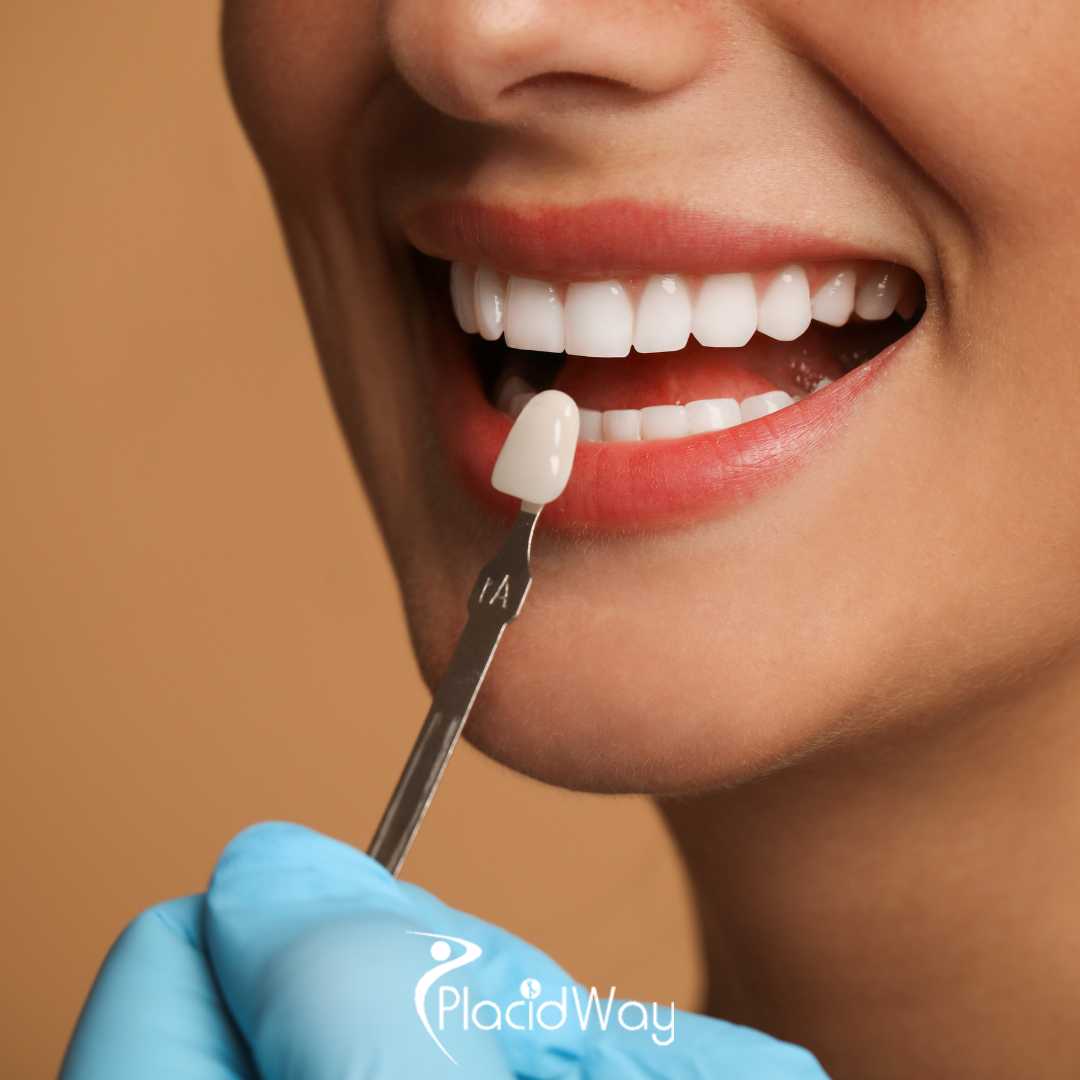
- Veneers: Thin ceramic shells bonded to the front of teeth to improve aesthetics, alter shape, or conceal severe discoloration.
- Bone Grafting and Sinus Lifts: Preparatory surgical procedures necessary for patients who lack sufficient bone volume to support implants.
How long is the typical stay required for major treatments
Understanding the time commitment is vital when planning dental travel logistics. If you are traveling for crowns or veneers, the process typically involves an initial preparation and impression phase, followed by laboratory fabrication, and ending with the final fitting. This can usually be completed in a single trip of five to ten days.
Implant dentistry is more complex. The initial surgical placement of the implant requires a brief stay. After placement, the titanium post must fuse with the jawbone—a process called osseointegration—which takes roughly three to six months. During this period, you will return home.
Once healing is verified, a second trip is required to expose the implant and attach the permanent abutment and crown. Rushing this process can lead to implant failure, so it is important to adhere to the biological timelines recommended by your dental surgeon.
How do professionals handle language barriers
Clear communication is fundamental to informed consent and safe medical care. You need to fully understand your diagnosis, the proposed treatment plan, the associated risks, and the cost structure. Fortunately, English proficiency among Croatian medical professionals is high.
Many clinics employ dedicated patient coordinators who are fluent in English, Italian, or German. These coordinators assist with scheduling, explaining procedural steps, and bridging any cultural or linguistic gaps between the patient and the clinical team.
Before committing to a provider, schedule a preliminary video consultation. This allows you to evaluate the dentist’s communication style, assess your comfort level, and ensure that all your questions can be answered clearly without misunderstanding.
What criteria should you use to evaluate a dental provider
- Verify the dentist is registered with the Croatian Chamber of Dental Medicine.
- Look for specialists (e.g., prosthodontists, oral surgeons) rather than general dentists for complex rehabilitations.
- Request before-and-after case studies relevant to your specific condition.
- Ensure the clinic provides a transparent, written treatment plan that outlines potential additional costs.
- Assess their communication and promptness when answering clinical questions.
What are the medical and travel risks associated with cross-border care
All medical procedures carry inherent risks, such as infection, adverse reactions to anesthesia, or delayed healing. When you receive treatment abroad, these risks are compounded by the physical toll of travel. Flying too soon after oral surgery can cause increased swelling or sinus complications due to cabin pressure changes.
Furthermore, if a complication arises weeks or months after you return home—such as a loose crown or an implant failing to integrate—you will not easily be able to visit the original dentist. Returning to Croatia for minor adjustments is often not financially or logistically viable.
Additionally, the legal frameworks governing medical malpractice vary by country. Resolving disputes or seeking recourse for unsatisfactory outcomes can be highly complex across international borders.
How should you coordinate aftercare and follow-up
Postoperative care is a continuous process. Implants, bridges, and veneers require diligent oral hygiene and professional monitoring to ensure longevity. Many local dentists hesitate to adjust or repair extensive dental work performed by someone else, particularly if they are unfamiliar with the specific implant system used.
To mitigate this, ask your Croatian clinic for a complete medical file before you leave. This file should include digital X-rays, detailed notes on the procedures performed, and the exact specifications (brand, size, model) of any implants or components used.
Discuss your travel plans openly with your local dentist beforehand. Finding a home practitioner who is willing to take on your long-term maintenance is a critical step in ensuring your procedure is a lasting success.
Why Choose PlacidWay for Medical Tourism
Navigating international healthcare options can be overwhelming. PlacidWay provides an educational platform designed to help patients explore medical opportunities globally.
- Extensive Directory: PlacidWay offers access to a wide database of healthcare providers across various international destinations.
- Educational Resources: The platform provides information on different procedures, allowing patients to better understand their options.
- Direct Connection: Patients can use the service to connect directly with clinics and request specific information or estimates.
- Provider Comparison: The layout allows users to compare different facilities based on available data and patient reviews.
- Free Information Gathering: Accessing clinic profiles and requesting initial details through the platform does not carry a fee.
Frequently Asked Questions
Is medical tourism in Croatia widely recognized for dental care?
Yes, patients from the UK, Italy, Germany, and North America frequently visit Croatia for dental care. The country adheres to European Union medical standards and offers a high concentration of skilled dental specialists.
Can I receive full mouth restorations in a Croatian dental clinic?
Many clinics in Croatia offer complex procedures like full mouth restorations, All-on-4, and All-on-6 implant systems. However, suitability depends on an individual evaluation of your bone density and oral health.
Will my home dental insurance cover treatments performed in Croatia?
Most national health services and domestic insurance plans do not cover elective dental care abroad. Some private insurers may offer partial reimbursement, but you should verify your policy details before traveling.
Are the dental materials used in Croatia regulated?
Yes. As an EU member state, Croatia must comply with European regulations regarding medical devices and dental materials, meaning clinics typically use internationally recognized brands for implants and prosthetics.
Do international patients need a specific medical visa for dental work in Croatia?
Croatia is part of the Schengen Area. Visitors from many countries, including the US, UK, and Canada, can usually enter for short stays without a specific medical visa, though you should check current entry requirements based on your citizenship.
What happens if a dental implant fails after I return home from Croatia?
If a complication arises after returning home, you will need to seek care from a local dentist. It is vital to establish a relationship with a local professional who is willing to manage aftercare for treatments performed abroad.
Is it safe to fly immediately after oral surgery in Croatia?
Flying immediately after oral surgery can increase the risk of bleeding, swelling, and sinus pressure complications. Most dentists advise waiting a few days before taking a flight, depending on the extent of the procedure.
Do clinics provide detailed treatment plans before I travel?
Most reputable providers will request dental X-rays or 3D scans to provide an estimated treatment plan and cost breakdown before you travel, though this plan may change once you are examined in person.
How do I verify a Croatian dentist is properly licensed?
You can verify a dentist’s credentials through the Croatian Chamber of Dental Medicine, which regulates the profession and ensures practitioners meet national and European educational standards.
How do I pay for dental procedures in Croatia?
Croatia uses the Euro. Most modern clinics accept major credit cards, bank transfers, and cash. It is wise to confirm payment methods and any potential foreign transaction fees with your provider beforehand.
Explore Your Dental Treatment Options
Connect with qualified clinics in Croatia to gather information and receive personalized treatment estimates.
Request Treatment InformationReferences
- Oral Health Fact Sheet – World Health Organization (WHO)
- Cross-Border Healthcare Directives – European Commission
- Medical Tourism Travel Information – Centers for Disease Control and Prevention (CDC)
- Global Dental Guidelines – FDI World Dental Federation
- Professional Standards and Regulations – Croatian Chamber of Dental Medicine
- Considerations for Dental Treatment Abroad – National Health Service (NHS)





















Share this listing