Dental Veneers in Croatia

Publish date: Modified date: Medically reviewed by: Dr. Octavio Delacruz on Oct 06, 2026 Author: Rizal Aditya
Dental Veneers in Croatia

Contents

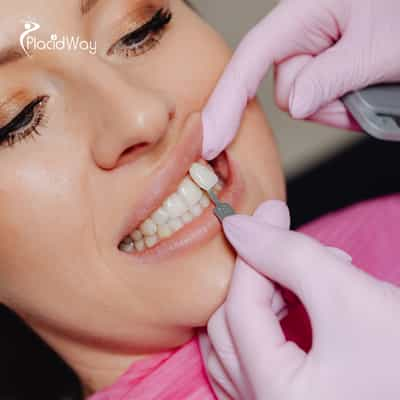
Tired of hiding your smile because getting dental veneers at home feels like taking out a second mortgage? For many patients in the UK and North America, achieving that flawless, chip-free grin often comes with a staggering price tag. The real struggle is not finding a capable dentist locally, but figuring out how to afford cosmetic dentistry without draining your life savings.

That is exactly why thousands are packing their bags for Croatia, swapping exorbitant dental bills for a breathtaking Mediterranean backdrop. Here, you get European-standard dental care—often for less than half the price you would pay back home—without sacrificing quality. Dental veneers in Croatia typically cost around $250 to $450 per tooth, making a full smile makeover surprisingly realistic. As you browse your options, pay close attention to clinics holding active memberships with the Croatian Chamber of Dental Medicine (HKDM) or ISO 9001 certifications to ensure your safety is prioritized.

What You Should Know

Procedure Cost
$250 to $450 per tooth
Trip Duration
Typically 5 to 7 days for a full set
Materials Used
Premium Porcelain, Zirconia, E-max
Anesthesia
Local anesthesia during tooth preparation
Local Credentials
HKDM Registration, ISO Certifications

Navigating dental tourism is much easier when you find a package that covers the heavy lifting. Many Croatian dental clinics offer comprehensive bundles designed specifically for international travelers to make the process stress-free. Beyond the clinical work, these packages often include airport transfers and accommodation assistance.

When reviewing the packages below, check exactly what is included in the final price. Look for clear inclusions like preliminary X-rays, temporary veneers, and post-procedure check-ups so you can confidently compare your options and avoid unexpected costs.

`

A single dental veneer in Croatia typically costs between $250 and $450, depending on whether you choose standard porcelain or premium E-max materials. This is a stark contrast to the UK or the US, where you might pay upwards of $1,000 to $2,500 for the exact same tooth preparation and material.

The dramatic price difference comes down to lower local living costs and favorable exchange rates, not a drop in material quality or dentist expertise. Browse the pricing details below to see how different clinics structure their fees.

Dental Veneers Centers Cost Comparison in Croatia

Provider Procedure Price
A2 Dental: Premier Dental Clinic in Croatia Dental Veneers, Dentistry $470

Dental Veneers Cost Comparison in Croatia

Country Procedure Price
Australia Dental Veneers, Dentistry $2000
United Kingdom Dental Veneers, Dentistry $600
Canada Dental Veneers, Dentistry $2000
United States Dental Veneers, Dentistry $2500

Choosing the right clinic in Croatia is about more than just a modern waiting room and a polite receptionist. You want a facility that meets rigorous European healthcare standards and prioritizes your safety from start to finish. Take the time to verify their credentials, looking specifically for active registration with the Croatian Chamber of Dental Medicine.

It is also wise to check if they use advanced technology like 3D CAD/CAM milling for precise veneer fitting. Compare the clinics listed below to evaluate their certifications, facility standards, and international patient support services to ensure you find a reliable provider.
Sometimes, reading about a clinic just is not enough to put your mind at ease when traveling abroad. Watching real footage from dental practices in Croatia can give you a genuine feel for the environment where you will be treated. These videos often showcase the technology in the treatment rooms and overall hygiene protocols.

Seeing the facility firsthand can help alleviate travel anxiety and build trust in your chosen provider. Take a few minutes to watch the videos below to help you visualize your experience.

One of the smartest things you can do before booking a medical trip is to listen to the people who have already been in your shoes. Patient reviews provide unfiltered insight into the bedside manner of the dentists, the language skills of the staff, and how well the clinic handles post-procedure care.

Pay attention to comments about how long the process actually took and how comfortable the temporary veneers felt during the wait. Read through the patient experiences below to see which clinics consistently deliver on their promises.

Planning a dental trip abroad naturally brings up plenty of questions about safety, logistics, and care quality. Below are some of the most common inquiries patients have about getting dental veneers in Croatia to help you prepare.

Are dentists in Croatia well qualified?

Yes, dentists in Croatia must complete rigorous university training and register with the Croatian Chamber of Dental Medicine (HKDM). Their education and practice standards strictly align with European Union healthcare directives.

How long do I need to stay in Croatia for veneers?

Most patients need to stay for 5 to 7 days. This allows time for the initial consultation, tooth preparation, laboratory fabrication of the veneers, and the final fitting adjustment.

Will the dental staff in Croatia speak English?

Yes, English is widely spoken in Croatian dental clinics that cater to international patients. Many dentists have also trained or attended conferences internationally, ensuring clear communication about your treatment.

What materials are used for veneers in Croatia?

Clinics in Croatia use the same high-quality materials found in the US and UK, including E-max, pressed porcelain, and zirconia. These materials offer excellent durability and a natural, translucent appearance.

Does the veneer procedure hurt?

The procedure is generally not painful. Dentists use local anesthesia during the tooth preparation phase to ensure you are comfortable. You may experience some mild sensitivity afterward, which usually subsides quickly.

How long do porcelain veneers typically last?

With proper oral hygiene and regular dental check-ups, high-quality porcelain veneers placed in Croatia can last 10 to 15 years, or even longer before needing replacement.

What happens if a veneer cracks after I return home?

Many reputable Croatian clinics offer guarantees or warranties on their work. However, you will need to clarify the terms beforehand, as repairing a cracked veneer may require a return trip or coordinating with a local dentist.

Are temporary veneers provided?

Yes. After your teeth are minimally shaped, the dentist will place temporary veneers to protect your teeth and allow you to eat normally while the permanent ones are crafted in the lab.

Is it safe to travel to Croatia for dental work?

Croatia is considered a very safe destination for tourists and medical travelers. Clinics adhere to strict European infection control protocols, making the medical aspect just as safe as traveling for leisure.

Can I combine my dental appointments with sightseeing?

Absolutely. The downtime between the tooth preparation and the final fitting is perfect for exploring. Many patients use those middle days to enjoy Croatia's coastal cities and historical sites.

Is Croatia Good for Dental Treatment?

Yes, Croatia is an excellent choice for dental treatment, offering a combination of highly qualified dentists, modern clinics adhering to EU standards, and significantly lower prices compared to the UK, US, and other Western European countries. Thinking about getting dental work done abroad? You've probably heard whispers about sunny destinations where high-quality dentistry doesn't break the bank. One country that consistently comes up is Croatia, and for good reason. If you're wondering whether Croatia is good for dental treatment, you've come to the right place. This guide is designed to answer all your questions, from the nitty-gritty of costs and procedures to the qualifications of the dentists and what you can expect from the entire experience. For many, the idea of traveling for dental care can feel a bit daunting, but Croatia has firmly established itself as a premier destination for dental tourism. The country's appeal isn't just about the stunning Adriatic coastline and beautiful historic cities, though they certainly make for a pleasant recovery! The primary draw is the access to world-class dental services at a fraction of the cost you'd pay at home. Croatian dental clinics are known for their state-of-the-art technology and highly trained professionals who often have international experience. Because Croatia is part of the European Union, its clinics and practitioners are held to the same rigorous standards of safety and quality that you would expect in the UK or Germany. This means you get the best of both worlds: affordable prices without compromising on the quality of care or materials. So, let's dive into the details and explore why thousands of international patients are smiling brighter thanks to Croatian dentistry. What makes Croatia a popular destination for dental tourism? Croatia's popularity for dental tourism stems from its unique blend of affordable prices (up to 70% cheaper than the UK), high-quality care that meets strict EU standards, English-speaking dentists, and the opportunity to enjoy a beautiful holiday destination. Croatia has rapidly become a hotspot for what's known as dental tourism. This isn't just a trend; it's a reflection of the outstanding value the country offers. Patients from across Europe, particularly the UK and Italy, are flocking to cities like Zagreb, Split, and Rijeka for treatments ranging from simple fillings to complex full-mouth restorations. The key reasons for this surge in popularity are multifaceted: Significant Cost Savings: This is often the biggest motivator. The cost of living and running a business in Croatia is lower, which allows clinics to offer top-tier services at prices that are often 50-70% less than in Western Europe or the USA. High Standards of Care: As a member of the EU, Croatia adheres to stringent regulations for healthcare. Dentists are highly educated, often pursuing further training in Germany, the US, or the UK, and clinics are equipped with the latest technology. Accessibility and Language: Most dental professionals and clinic staff speak fluent English, eliminating communication barriers. Additionally, with numerous budget-friendly flights from major European cities, getting to Croatia is both easy and affordable. Vacation Opportunity: Many patients combine their treatment with a holiday. Recovering from a procedure is far more pleasant with a view of the Adriatic Sea than in a bustling city back home. How much does dental treatment cost in Croatia? The cost of dental treatment in Croatia is significantly lower than in the UK or US. For example, a dental implant can cost between €500-€900, a ceramic crown around €270-€450, and professional teeth whitening about €350. The primary driver for most dental tourists is the potential for huge savings. While prices vary between clinics and cities, they are consistently lower than what you would pay in many other Western countries. The lower operational costs and free university education for dentists in Croatia contribute to these competitive prices without sacrificing quality. Here’s a comparative look at some common procedures: Procedure Average Cost in Croatia Average Cost in the UK Dental Implant (Titanium) €500 - €900 £2,000 - £2,500 Zirconia Crown €350 - €450 £800 - £1,200 All-on-4 System (per jaw) €6,000 - €10,000 £12,000 - £18,000 Teeth Whitening €350 £500 - £800 Even when you factor in the cost of flights and accommodation, the total expense for major procedures like implants or a full set of veneers is often substantially less than the treatment cost alone in the UK. Are dentists in Croatia well-qualified? Yes, dentists in Croatia are highly qualified. They undergo a rigorous 6-year university program to earn a Doctor of Dental Medicine degree. Many pursue postgraduate specializations and international training, and they must be registered with the Croatian Dental Chamber. The qualifications of Croatian dentists are a point of pride for the country's healthcare system. The path to becoming a dentist is demanding and aligns with the highest European standards. Aspiring dentists must complete an integrated undergraduate and graduate program at a university, which typically takes six years and culminates in a Doctor of Dental Medicine (DMD) degree. Furthermore, many Croatian dentists don't stop there. They often seek advanced training and certifications from prestigious institutions across Europe and the United States, particularly in specialized fields like implantology, cosmetic dentistry, and orthodontics. This commitment to continuous education ensures they are proficient in the latest techniques and technologies. All practicing dentists must be registered with the Croatian Dental Chamber (CDC), which regulates the profession and ensures that all members adhere to strict ethical and professional codes. Is dental work in Croatia safe? Absolutely. Dental work in Croatia is very safe. As an EU member state, Croatia's dental clinics must comply with strict European regulations on hygiene, safety, and quality of care. Reputable clinics use certified materials and offer warranties on their work. Safety is a paramount concern for anyone considering medical treatment abroad, and Croatia's track record is excellent. The country's inclusion in the European Union provides a strong framework for patient safety and quality assurance. Dental clinics are subject to regular inspections and must meet stringent EU-wide standards for sterilization, equipment, and procedural protocols. Top dental clinics in Croatia use high-quality, internationally recognized brands for materials and implants, such as Nobel Biocare or Straumann, which often come with lifetime warranties. This transparency and commitment to quality mean you can have peace of mind knowing that the materials used in your mouth are durable and safe. Many clinics also provide guarantees on their workmanship, offering free corrections if any issues arise within a specified period. What kind of dental treatments can I get in Croatia? You can get a full range of dental treatments in Croatia, from routine check-ups and cleanings to complex procedures like dental implants, All-on-4, veneers, crowns, bridges, root canals, and cosmetic dentistry. Croatian dental clinics are full-service facilities, meaning they offer a comprehensive list of treatments to cater to any need. Whether you require a simple procedure or a complete smile makeover, you will find expert specialists to handle it. Popular treatments for international patients include: Dental Implants: The most common procedure for dental tourists due to the massive cost savings. This includes single implants, multiple implants, and full-arch solutions. Cosmetic Dentistry: This includes porcelain veneers, teeth whitening, and smile makeovers designed to enhance the aesthetic appearance of your teeth. Prosthodontics: The creation and fitting of crowns, bridges, and dentures to restore function and appearance. Oral Surgery: Procedures such as wisdom tooth extraction, bone grafting, and sinus lifts are performed by experienced oral surgeons. Endodontics: Root canal treatments to save infected or damaged teeth. How do I choose the right dental clinic in Croatia? To choose the right clinic, look for patient reviews and testimonials, check the dentists' qualifications and specializations, ask about the technology and materials they use (e.g., brand of implants), and ensure they offer a clear treatment plan with transparent pricing and guarantees. With so many excellent options, choosing the right clinic can feel overwhelming. The key is to do your research. Start by looking for clinics that specialize in the treatment you need. A reputable clinic will be transparent about its services, prices, and staff qualifications. Here are some steps to guide your decision: Read Reviews: Look for independent reviews on Google, Facebook, and specialized medical tourism platforms. Pay attention to feedback from international patients. Verify Credentials: Check the clinic's website for information on their dentists' education, specializations, and years of experience. Request a Consultation: Most clinics offer free online consultations. This is a great opportunity to discuss your needs, ask questions, and get a feel for their professionalism. You can send them a recent X-ray for a more accurate preliminary treatment plan and quote. Inquire About Technology and Materials: Ask what brands of implants, crowns, or veneers they use. Top clinics are proud of their state-of-the-art equipment (like 3D CT scanners) and premium materials. Ask About Guarantees: Clarify what warranties or guarantees they provide for their work. This shows they stand behind the quality of their services. What is the process for getting dental work in Croatia? The process typically starts with an online consultation and quote. You then travel to Croatia for an in-person examination and treatment. For implants, two trips are usually required: one for implant placement and a second, a few months later, for fitting the final crowns. The process is designed to be as smooth and convenient as possible for international patients. Many clinics have dedicated coordinators who assist with everything from scheduling appointments to arranging accommodation and airport transfers. A typical journey for a major procedure like dental implants looks like this: Initial Contact & Consultation: You'll send an inquiry, often with a panoramic X-ray, to your chosen clinic. They will provide a detailed treatment plan and a price quote. First Visit (3-5 days): You travel to Croatia. This visit includes a thorough examination, CT scan, and the surgical placement of the dental implants. You'll be fitted with temporary crowns or a temporary denture before you fly home. Healing Period (3-6 months): This is the osseointegration phase, where the implants fuse with your jawbone. You'll be back home during this time. Second Visit (5-7 days): You return to Croatia to have your permanent, custom-made crowns or bridges fitted onto the implants. The dentist will make final adjustments to ensure a perfect fit and bite. For treatments like crowns or veneers in Croatia that don't require a long healing period, the entire process can often be completed in a single visit of about one week. Ready to Explore Your Dental Options in Croatia? Don't let high costs stand in the way of a healthy, confident smile. PlacidWay connects you with world-class, pre-screened dental clinics in Croatia and around the globe. Explore our network of trusted providers, get free quotes, and take the first step towards affordable, high-quality dental care today.

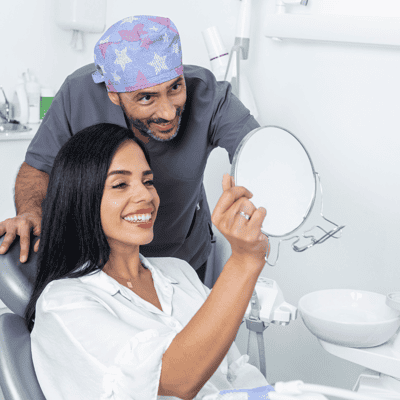
Your smile is in the hands of the cosmetic dentist, so their specific experience should be your primary focus. Croatian dentists undergo rigorous training that mirrors the highest EU standards, with many holding international memberships in advanced cosmetic dentistry organizations.

Do not hesitate to ask about their track record with veneer placements and request to see before-and-after photos of their past patients. Explore the dentist profiles below to review their educational backgrounds, specialties, and professional histories before making your final decision.


Croatia has rapidly evolved into a top-tier destination for dental tourists, blending world-class medical facilities with the charm of a Mediterranean getaway. Patients primarily travel here from the UK, Germany, Italy, and increasingly North America, drawn by the combination of affordable healthcare and stunning scenery. The country is incredibly accessible, with major international airports in Zagreb, Split, and Dubrovnik offering direct or connecting flights from most global hubs.

Once you arrive, getting around is straightforward thanks to reliable public transit and affordable ride-sharing options. Many patients choose to extend their stay, turning a routine dental visit into a relaxing coastal holiday while their veneers are being fabricated in the lab. Before traveling, it is important to plan the basic logistics of your trip.

Flight AccessibilityDirect flights to Zagreb (ZAG), Split (SPU), and Dubrovnik (DBV) from major EU and UK cities.
Visa RequirementsPart of the Schengen zone; visa-free for US, UK, and EU citizens for short medical trips.
CurrencyEuro (EUR) is the official currency.
LanguageEnglish is widely spoken in medical facilities and tourist districts.

By understanding the local travel landscape, you can focus entirely on your procedure and recovery. Compare the destination details below to see which Croatian city best fits your travel preferences and dental needs.

Taking the first step toward your new smile should feel exciting, not overwhelming. PlacidWay is here to help you connect with certified dental clinics in Croatia, ensuring you have the transparent information needed to make an informed choice.

Take your time to review the options below, compare the packages, and reach out when you are ready to explore your personalized treatment plan. Click below to request a customized quote and begin planning your dental journey with confidence.

References

Dental Veneers in Croatia thumbnail

About Experience

Trusted Medical Tourism Platform Since 2007

60+
Countries
2k+
Clinics
19.5k+
Reviews
2.5k+
Qualified Doctors
1.1M+
Patients Served Since 2007