All on 4 Dental Implants in Zagreb Croatia

Publish date: Modified date: Medically reviewed by: Dr. Octavio Delacruz on Oct 06, 2026 Author: Rizal Aditya
All on 4 Dental Implants in Zagreb Croatia

Contents

Let's face it: getting a quote for full-mouth dental implants in the US, the UK, or Western Europe can feel like being handed a bill for a small private island. You sit in the dentist's chair, look at that piece of paper demanding twenty or thirty thousand dollars per jaw, and suddenly, living with missing teeth or loose dentures seems like the only logical option. But it does not have to be. Thousands of patients are discovering that flying across the globe for dental care isn't just a quirky alternative; it is a highly practical solution to a very real financial roadblock.

That is exactly why so many people are looking into All-on-4 dental implants in Zagreb, Croatia. For an average cost of $5,500 to $7,500 per jaw, you can get the exact same premium implants placed by specialists who have spent decades perfecting this technique. When looking at clinics here, you do not have to guess about quality; you can verify their credentials directly through the Croatian Dental Chamber (Hrvatska komora dentalne medicine - HKDM) or look for clinics holding ISO 9001 certification. Take a moment to review the key insights below before exploring your options.

What You Should Know

Procedure Time
Typically requires 2 trips, spaced 3-6 months apart
Average Cost
$5,500 - $7,500 per jaw
Anesthesia
Local anesthesia or conscious sedation
Primary Hub
Zagreb, Croatia
Credentials to Verify
HKDM License, ISO 9001, ITI Membership

Compare the details below to see which clinic and package combination is the best fit for your medical and financial needs.

A comprehensive dental package abroad sounds incredibly convenient, but you need to know exactly what is hidden in the fine print. Many patients assume their quote covers everything, only to arrive and find out that 3D CBCT scans, extractions, or temporary dentures are billed separately. You deserve full transparency before booking any flights.

The best packages are clear from the start, often bundling your medical fees with airport transfers, local accommodation, and a dedicated patient coordinator who speaks your language. This takes the stress out of navigating a new city while you are recovering from oral surgery. Look through the packages listed below to see which one offers the most seamless, all-inclusive experience for your journey.

`

Let's get straight to the numbers. You can expect the cost of All-on-4 dental implants in Zagreb to generally range between $5,500 and $7,500 per jaw. When you compare that to the $20,000 or more you might be quoted back home in the US or UK, the financial relief is immediate and substantial, without sacrificing material quality.

This price typically includes the surgical placement of four titanium posts and the attachment of your prosthetic teeth. However, it is important to ask if the quote covers both phases of the procedure, as you will need temporary teeth while your jaw heals, followed by a final permanent bridge later. Compare the cost breakdowns below to see which option fits your budget and treatment plan.

Comparing clinics isn't just about scrolling through glossy photos of modern waiting rooms; it is about verifying the medical professionals who will actually be doing the work. You want a facility that prioritizes patient safety, uses state-of-the-art 3D imaging, and adheres strictly to European Union sterilization standards. Do not just take a brochure's word for it when planning major surgery.

Instead of relying solely on marketing materials, check that the clinic and its specialists are actively registered with the Croatian Dental Chamber. A legitimate clinic will be fully transparent about their doctors' licenses, the international brands of implants they use, and their clinical protocols. Take your time to review the clinic profiles below to find a certified facility that makes you feel confident.
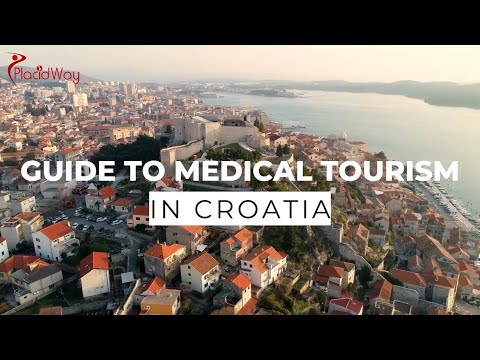
Seeing is believing, especially when you are considering major dental surgery in another country. Before making any commitments, it helps immensely to watch walkthroughs of the facilities and hear directly from the specialists who might be performing your full-mouth restoration. Video content bridges the gap between a written promise and the reality of a clinic's environment.

Pay attention to videos that show the actual patient experience, from the initial consultation to the final smile reveal. This visual evidence can give you a strong sense of the clinic's hygiene standards, technology, and bedside manner. Browse the video selection below to get a real feel for what your own trip to Zagreb could look like.
Real patient stories often reveal the crucial details that official brochures leave out. Reading about someone else's journey can give you a much clearer picture of what the recovery timeline feels like, how the clinic handles post-operative care, and what to expect on a daily basis. Trusting the lived experiences of others is a vital part of your research.

Look for reviews that specifically mention communication, pain management, and how the clinic responded if something did not go perfectly to plan. Genuine feedback from people who have already traveled for this specific procedure is incredibly valuable. Read through the patient reviews below to help narrow down your choices and find a trustworthy team.

It is completely normal to have a lot of questions before traveling for full-mouth restoration. We have gathered the most common inquiries patients have about getting this specific treatment in the Croatian capital to help you make an informed and confident decision.

How many trips to Zagreb are required for All-on-4?

The procedure typically requires two trips. The first trip is for extractions, placing the titanium implants, and fitting a temporary bridge. After a healing period of 3 to 6 months, you will return for your second trip to have the final, permanent teeth attached.

Are the dental implants used in Croatia the same as those in the UK or US?

Yes. Reputable clinics in Zagreb use the exact same globally recognized, premium implant brands—such as Nobel Biocare and Straumann—that top dentists use in the United States, the UK, and Western Europe.

Is there a language barrier when visiting dentists in Zagreb?

No, you rarely have to worry about a language barrier. The vast majority of dental specialists and clinic staff in Zagreb who cater to international patients are highly proficient in English, and many clinics also offer translation services for other languages.

Will I be without teeth during the healing phase?

You will not be left without teeth. After the implants are surgically placed during your first visit, a temporary fixed acrylic bridge is immediately attached, allowing you to smile and eat soft foods while your jaw bone fuses with the implants.

How long do I need to stay in Zagreb for the first surgical stage?

Patients are generally advised to stay in Zagreb for 5 to 7 days during the initial surgical phase. This allows time for the surgery, the creation of your temporary bridge in the lab, and a post-operative check-up before you fly home.

Can I fly immediately after the implant surgery?

Dentists usually recommend waiting 48 to 72 hours after the surgery before flying. Cabin pressure changes can cause discomfort and increase post-surgical swelling, so a few days of rest in your hotel is highly recommended.

What happens if I experience complications after returning home?

Top clinics provide you with complete dental records, implant passports, and warranties. If a minor adjustment is needed, your local dentist can often handle it using the provided records. For larger issues covered by warranty, you may need to return to the clinic.

Is it safe to travel alone for this procedure?

Yes, many patients travel solo. Zagreb is considered a very safe European city, and medical tourism packages often include airport transfers and dedicated patient coordinators who assist you throughout your entire stay.

What are the payment options for international patients?

Most clinics accept major credit cards, bank transfers, and cash payments in Euros. It is always wise to confirm the exact payment terms and currency requirements with your chosen clinic before you travel.

How do I maintain my All-on-4 implants once they are permanently attached?

Maintenance requires excellent daily oral hygiene, including using a water flosser, special interdental brushes, and non-abrasive toothpaste. You will also need to visit a local dental hygienist regularly for professional cleanings to ensure the longevity of the implants.

What is Cost of All on 4 Dental Implants in Zagreb, Croatia?

The estimated cost of All on 4 dental implants in Zagreb, Croatia typically ranges from $5,000 to $8,000 per jaw. Prices can vary based on the materials used, case complexity, and the specific dental facility chosen for your treatment. For patients facing extensive tooth loss, restoring a functional smile is a significant priority. However, the high price of extensive dental restoration in many Western countries often presents a major barrier to care. Because of this, an increasing number of individuals are researching All on 4 Dental Implants in Zagreb, Croatia as an alternative path to treatment. Zagreb has developed a reputation for providing modern dental care within the broader landscape of European medical travel. Combining experienced oral surgeons, modern clinical facilities, and favorable exchange rates, the city draws international patients looking for transparent care options. In this guide, we will break down what you need to know about the All on 4 Dental Implants cost in Croatia, the steps involved in the procedure, and what to consider before planning a trip for dental care. Key Takeaways The procedure requires two separate trips to Croatia spaced roughly 3 to 6 months apart. Cost estimates generally range from $5,000 to $8,000 per arch, depending on prosthetic materials and required extractions or bone grafts. Thorough evaluation by an oral surgeon is necessary, as not all patients are suitable candidates for the All-on-4 protocol. Patients must plan for ongoing maintenance and establish a relationship with a local dentist back home for long-term follow-up. While costs are lower than in the US or UK, patients should budget for flights, accommodation, and potential local emergency care. What exactly does the All-on-4 procedure involve? It is a surgical and prosthetic protocol where a full arch of artificial teeth is supported by four strategically placed titanium implants in the jawbone. The All-on-4 concept was developed to maximize the use of available jawbone, often allowing patients to avoid complex bone grafting procedures. During the initial surgery, any remaining failing teeth are extracted. The oral surgeon then places two implants vertically in the front of the jaw and two implants at an angle in the back of the jaw. Angling the posterior implants provides greater stability and avoids anatomical structures like the sinus cavity or the mandibular nerve. Following the surgical placement of the titanium posts, a temporary acrylic denture is typically attached to the implants. This allows patients to leave the clinic with fixed teeth while the bone heals. This initial phase is crucial, as the implants must osseointegrate—fuse with the surrounding bone—before they can support the heavy biting forces of a permanent bridge. After a healing period of three to six months, the patient returns for the restorative phase. The temporary teeth are removed, and a final, highly durable prosthetic arch (often made of zirconia or porcelain fused to metal) is securely screwed into place by the restorative dentist. What factors affect the All on 4 dental implants cost in Croatia? The final price depends heavily on the brand of implants used, the material chosen for the final prosthetic teeth, and whether additional preparatory surgeries are required. While the baseline price for treatment in Zagreb is appealing, patients should understand that costs are rarely uniform. When researching any All on 4 dental implants clinic in Croatia, you will likely see a range of estimates. The primary variables include: Implant Brand: Premium global brands (like Nobel Biocare or Straumann) typically cost more than generic or lesser-known implant systems. Prosthetic Material: A final bridge made from standard acrylic with titanium reinforcement is more affordable than a precision-milled monolithic zirconia bridge, which offers superior durability and aesthetics. Preparatory Work: If a patient requires extensive tooth extractions, minor bone leveling, or treatment for active gum disease prior to surgery, the overall cost will increase. Anesthesia: Local anesthesia is standard, but if a patient requests conscious intravenous (IV) sedation, an anesthesiologist must be present, which adds to the bill. Are there hidden fees when getting implants in Zagreb? While major clinics usually provide transparent quotes, patients should always verify if consultations, 3D imaging, temporary teeth, and follow-up adjustments are included in the listed price. Transparency is a critical component of safe medical travel. A quote that appears unusually low might only cover the surgical phase and the temporary denture, leaving the cost of the final permanent bridge out of the initial estimate. To avoid surprises, international patients must ask for an itemized, comprehensive treatment plan before booking flights. Important questions to ask your prospective provider include whether the quoted price covers the CBCT (3D) scan, panoramic X-rays, the cost of extractions, medications prescribed during the stay, and the surgical placement of the temporary teeth. Furthermore, clarify if the clinic charges a fee if you need adjustments to your temporary teeth during the healing phase. How does the price in Zagreb compare to the US or UK? Treatment in Croatia often costs 50% to 70% less than in Western Europe or North America, primarily due to differences in local living costs, commercial rent, and average wage structures. The stark difference in pricing is the main driver of medical tourism in Croatia. In the United States, a single arch of All-on-4 implants can easily range from $20,000 to $30,000 or more, depending on the region and the specialist. In the United Kingdom, similar treatments can cost upwards of £15,000 per jaw. In contrast, the estimated $5,000 to $8,000 per jaw in Zagreb presents a substantial reduction. This price difference does not inherently mean a reduction in the quality of materials; Croatian clinics often purchase the exact same titanium implants and dental ceramics used by doctors in London or New York. The savings are realized through the lower macroeconomic operating costs of running a medical facility in Eastern Europe. Country Estimated Cost (Per Arch) United States $20,000 - $30,000+ United Kingdom $18,000 - $25,000+ Croatia (Zagreb) $5,000 - $8,000 *Note: The prices above are broad estimates. Individual costs will vary based on specific clinical needs. Who is generally a suitable candidate for this treatment? Suitable candidates typically have significant tooth loss, sufficient jawbone density to anchor four implants, and are in good overall health to undergo oral surgery. Not every patient dealing with missing teeth is an automatic candidate for the All-on-4 protocol. An individualized assessment by an appropriately qualified healthcare professional is essential. Ideal candidates are those currently wearing traditional removable dentures or those whose remaining natural teeth are failing due to severe periodontal disease or advanced decay. However, certain medical conditions can complicate or contraindicate implant surgery. Patients with uncontrolled diabetes, severe osteoporosis, or those undergoing active cancer treatments (particularly radiation to the head and neck or bisphosphonate therapy) may not be eligible. Furthermore, smoking heavily increases the risk of implant failure, as it restricts blood flow to the gums and slows the bone healing process. Surgeons often require patients to cease smoking well before and after the procedure. What are the potential risks and complications? As with any surgery, risks include post-operative infection, failure of the implants to integrate with the bone, nerve damage, and biomechanical issues with the final prosthesis. Medical treatments carry inherent risks, and outcomes vary by patient. It is crucial never to view dental surgery as risk-free. One of the primary medical concerns in implantology is peri-implantitis, an inflammatory condition that affects the soft and hard gum tissues surrounding the implant, which can lead to bone loss and eventual implant failure if left untreated. Surgical complications, though less common when performed by experienced professionals, can include injury to adjacent structures. In the lower jaw, there is a risk of temporary or permanent damage to the inferior alveolar nerve, which can cause numbness or tingling in the lip and chin. In the upper jaw, implants may inadvertently penetrate the sinus cavity. Additionally, if the patient's bite is not aligned correctly during the restorative phase, the uneven pressure can cause the prosthetic teeth to chip or fracture over time. How long does the recovery process usually take? Initial surgical healing takes about one to two weeks, while complete bone integration requires three to six months before the final permanent teeth can be attached. Recovery happens in two distinct phases. The initial acute phase involves soft tissue healing. Following the surgery in Zagreb, patients typically experience swelling, bruising, and mild to moderate discomfort for a few days. Surgeons usually prescribe pain management medication and antibiotics to mitigate these symptoms and prevent infection. During this first couple of weeks, patients must adhere to a strict soft-food diet to avoid placing undue stress on the newly inserted implants. The secondary phase is osseointegration, a microscopic process occurring beneath the gums where the bone grows tightly around the titanium threads. This biological process cannot be rushed. It generally takes about three months for the lower jaw and up to six months for the upper jaw (which has softer bone density). Throughout this entire period, patients will wear their temporary fixed denture and must continue to avoid eating hard or excessively chewy foods. Will I need to travel to Zagreb more than once? Yes, this procedure typically requires at least two separate visits to Croatia, spaced several months apart, to allow the implants to fully integrate with the jawbone. A common misconception in dental tourism is that a patient can fly to a destination, undergo surgery, and return home a week later with their final, permanent teeth. For the All-on-4 procedure, this is medically inaccurate. The immediate loading of a permanent heavy bridge on fresh implants significantly increases the risk of implant failure. Your first trip to Zagreb will involve the surgical placement of the implants and the fitting of the temporary acrylic prosthesis. Expect to stay in the city for about 5 to 7 days for this phase. You will then return home to heal. Several months later, once osseointegration is confirmed via X-rays, you will travel back to Zagreb for a second visit. During this trip (which often takes 5 to 10 days), the restorative dentist will take fresh impressions, and the dental laboratory will fabricate and fit your final, permanent bridge. How can international patients plan their medical trip? Proper planning involves sharing recent dental X-rays for an initial online assessment, understanding the exact treatment timeline, and arranging accommodations for the required stays. Planning for care abroad requires careful organization. The first step is usually a remote consultation. You will need to obtain a recent panoramic X-ray or a 3D CBCT scan from a local imaging center and send it securely to the clinic in Croatia. The surgical team will evaluate your bone volume to determine if you are a viable candidate for the procedure. Once you have a preliminary treatment plan and cost estimate, you can look into logistics. Zagreb has an international airport well-connected to major European hubs, making flights relatively accessible. Patients should book accommodations close to the clinic, as traveling long distances across the city immediately after oral surgery can be uncomfortable. Keep in mind that as a medical traveler, you must have a plan for localized follow-up care. You should inform your local dentist of your plans so they can assist you with routine cleanings and address any minor issues once you return home. Why Choose PlacidWay for Medical Tourism in Croatia? Navigating international healthcare options can be complex. PlacidWay serves as an informational resource for patients exploring treatments abroad. Clinic Profiles: PlacidWay offers access to detailed profiles of international healthcare providers, helping patients review available facilities. Cost Comparisons: The platform allows individuals to compare estimated treatment costs across different clinics and geographical regions. Direct Quotes: Patients can use the system to request treatment information and preliminary quotes directly from medical providers. Provider Credentials: PlacidWay displays the educational backgrounds and professional certifications supplied by the listed dentists and clinics. Facilitated Communication: The platform helps initiate the initial contact between the patient and the international clinic, streamlining the information-gathering phase. Frequently Asked Questions Is it safe to get dental implants in Zagreb, Croatia? Getting dental implants in Zagreb can be safe when performed by qualified oral surgeons or periodontists. The country has strict health regulations, and many clinics adhere to European Union medical standards. However, as with any surgery, risks remain, and patients must carefully research their chosen facility and provider. What implant brands are commonly used by clinics in Croatia? Many dental facilities in Croatia use internationally recognized implant systems such as Nobel Biocare, Straumann, and Ankylos. Patients should ask their provider which specific system will be used and request the documentation or implant passport. Do dental teams in Zagreb typically speak English? Yes, it is very common for dental professionals and support staff in Zagreb who cater to international patients to speak fluent English, helping ensure clear communication regarding your treatment plan and medical history. Can I have the All-on-4 procedure done on both jaws simultaneously in Zagreb? In suitable candidates, oral surgeons can perform the procedure on both the upper and lower jaws during the same surgical session. Your doctor will determine if this is appropriate based on your bone density, health status, and surgical tolerance. How long do I need to stay in Croatia for the first visit? Patients are typically advised to stay in Zagreb for 5 to 7 days during the initial surgical visit. This allows time for the preoperative consultation, the surgery itself, the placement of the temporary prosthesis, and a postoperative check-up before flying home. What type of warranty do Croatian dental clinics offer? Many clinics offer manufacturer warranties on the titanium implants themselves, which can range from 10 years to a lifetime. Warranties on the prosthetic teeth (the crown or bridge) are usually shorter. Always get warranty terms in writing before beginning treatment. Are specialized dental technologies available in Zagreb? Yes, many modern dental offices in Zagreb utilize specialized technologies such as CBCT (Cone Beam Computed Tomography) 3D scanners, intraoral scanners, and CAD/CAM milling machines to plan and execute implant surgeries accurately. How do I maintain my implants after returning home from Croatia? Maintenance requires strict oral hygiene, including brushing, using a water flosser, and specialized interdental brushes. You will also need to establish a relationship with a local dentist for regular professional cleanings and check-ups every six months. Can I use local transport easily while recovering in Zagreb? Zagreb has an efficient public transportation system, including trams and buses, as well as affordable ride-sharing apps. However, immediately after surgery, you may prefer to take a taxi or use a clinic-provided shuttle to return to your accommodation to rest. What happens if I experience a complication after leaving Croatia? If you experience complications after returning home, you must seek care from a local dentist or oral surgeon immediately. It is important to have a contingency plan and budget for unexpected local medical care, as traveling back to Croatia for emergency treatment is rarely practical. Ready to Explore Your Options? Connect with providers to learn more about procedures, evaluate estimated costs, and see if treatment abroad aligns with your medical needs. Compare Treatment Options References Dental Implant Surgery Overview – Mayo Clinic All-on-4 Dental Implants – American College of Prosthodontists Medical Tourism Guidelines – Centers for Disease Control and Prevention (CDC) Survival Rates of Dental Implants – National Center for Biotechnology Information (NCBI) Croatian Chamber of Dental Medicine (HKDM) Glossary of Implant Dentistry – International Congress of Oral Implantologists (ICOI) Medical Disclaimer: The information provided in this article is for educational and informational purposes only and does not constitute medical advice. Treatment outcomes, recovery times, costs, and risks vary significantly from patient to patient. Always consult with a qualified, licensed healthcare professional or dental surgeon regarding diagnosis and before making any decisions about medical treatments or traveling for healthcare.

Finding the right oral surgeon or prosthodontist is the single most important step in your dental tourism journey. Placing four implants to support an entire arch of teeth requires a high level of surgical precision, an understanding of bone density, and an artistic eye for the final prosthetic. You want an expert, not a generalist.

Look for a specialist who focuses heavily on implantology and full-mouth rehabilitation. Check if they have international training, hold active registrations with local medical boards, or belong to reputable organizations like the International Team for Implantology (ITI). Compare the surgeon profiles below to find an expert who has the specific experience your smile deserves.

Why fly to Zagreb for your new teeth? While cities like Budapest or Istanbul often get the medical tourism spotlight, Croatia's capital has quietly become a premier destination for high-end dental care. It offers the strict medical and hygiene standards of the European Union without the overwhelming crowds or inflated prices of more typical tourist traps.

Patients frequently travel here from the UK, Germany, Italy, and North America, drawn by the easy access through Zagreb Franjo Tu?man Airport (ZAG). The city itself is incredibly walkable, safe, and filled with historic Austro-Hungarian architecture, making your downtime between appointments feel more like a relaxed European holiday than a medical trip.

Main AirportZagreb Franjo Tu?man Airport (ZAG)
Flight Time (from UK)Approx. 2.5 hours direct
Local CurrencyEuro (EUR)
Primary LanguageCroatian (English widely spoken in clinics)
Getting AroundReliable trams, rideshares, and highly walkable center

Before booking your flights, review the local travel guidance and coordinate your arrival dates with your chosen clinic's patient care team to ensure a seamless schedule.

Navigating the world of international dental care can feel overwhelming, but you do not have to figure it out on your own. PlacidWay can help you connect with verified, highly rated dental clinics in Croatia, ensuring you get transparent pricing and reliable care. We are here to help you compare your options, speak with top specialists, and plan a seamless journey toward a healthier smile.

Take the time to review the clinic accreditations, patient reviews, and package details provided above. If you are ready to take the next step, ask questions, or explore personalized estimates for your dental restoration, reach out today for guidance.

References

All on 4 Dental Implants in Zagreb Croatia thumbnail

About Experience

  • Translations: EN ES IT
  • Price Range: $0 - $0
  • Treatment: All on 4 Dental Implants, Dentistry
  • Location: Zagreb, Croatia
  • Clinics: B. Dent,
  • Overview Affordable Teeth Replacements with All on 4 Dental Implants in Zagreb Croatia

Trusted Medical Tourism Platform Since 2007

60+
Countries
2k+
Clinics
19.5k+
Reviews
2.5k+
Qualified Doctors
1.1M+
Patients Served Since 2007