

The global landscape of dental care is shifting rapidly, and modern medical travelers are increasingly seeking destinations that offer clinical excellence paired with a restorative environment. Over the past decade, the Adriatic coast has emerged as a premier hub for complex oral rehabilitations. International patients, particularly from Western Europe, are driving the demand for full mouth dental implants in Croatia, motivated by a combination of rigorous medical standards and picturesque recovery settings.
By 2026, industry projections suggest that coastal cities will dominate the European dental tourism market. Patients no longer view significant dental work merely as a medical necessity, but rather as an opportunity to undergo transformative care in a tranquil environment. The integration of digital dentistry and advanced prosthetic materials has further solidified this region's reputation as a reliable destination for full-arch restorations.
Croatia has a long-standing tradition of medical tourism that dates back to the late 19th century when European aristocracy visited the Adriatic coast for its perceived health and therapeutic benefits.
- European Union Standards: Clinics operate under strict EU healthcare regulations, ensuring rigorous hygiene and safety protocols.
- Accessibility: Frequent, direct low-cost flights connect major UK and German cities directly to the Dalmatian coast.
- Holistic Healing: The Mediterranean climate and serene coastal atmosphere are believed to positively impact patient stress levels during recovery.
Why UK and German Patients Choose Split and Dubrovnik for Dental Care
Citizens of the United Kingdom and Germany face unique challenges within their domestic healthcare systems regarding extensive dental work. Long wait times for specialized consultations and exorbitant out-of-pocket costs for aesthetic and functional restorations have prompted many to look abroad. As a result, seeking affordable dental care in Eastern Europe has transitioned from a niche choice to a mainstream healthcare strategy.
Split and Dubrovnik stand out among international options because they perfectly balance world-class infrastructure with unparalleled scenic beauty. Patients are naturally drawn to locations where they can receive complex rehabilitations from highly credentialed specialists while enjoying the rich cultural heritage and calming coastal environment of the Adriatic.
According to European medical tourism analyses, patients traveling from the UK and Germany to Croatia for full-arch implant restorations report saving between 50% and 70% compared to private domestic clinic prices.
Understanding the All-on-4 Dental Implants Procedure in Croatia
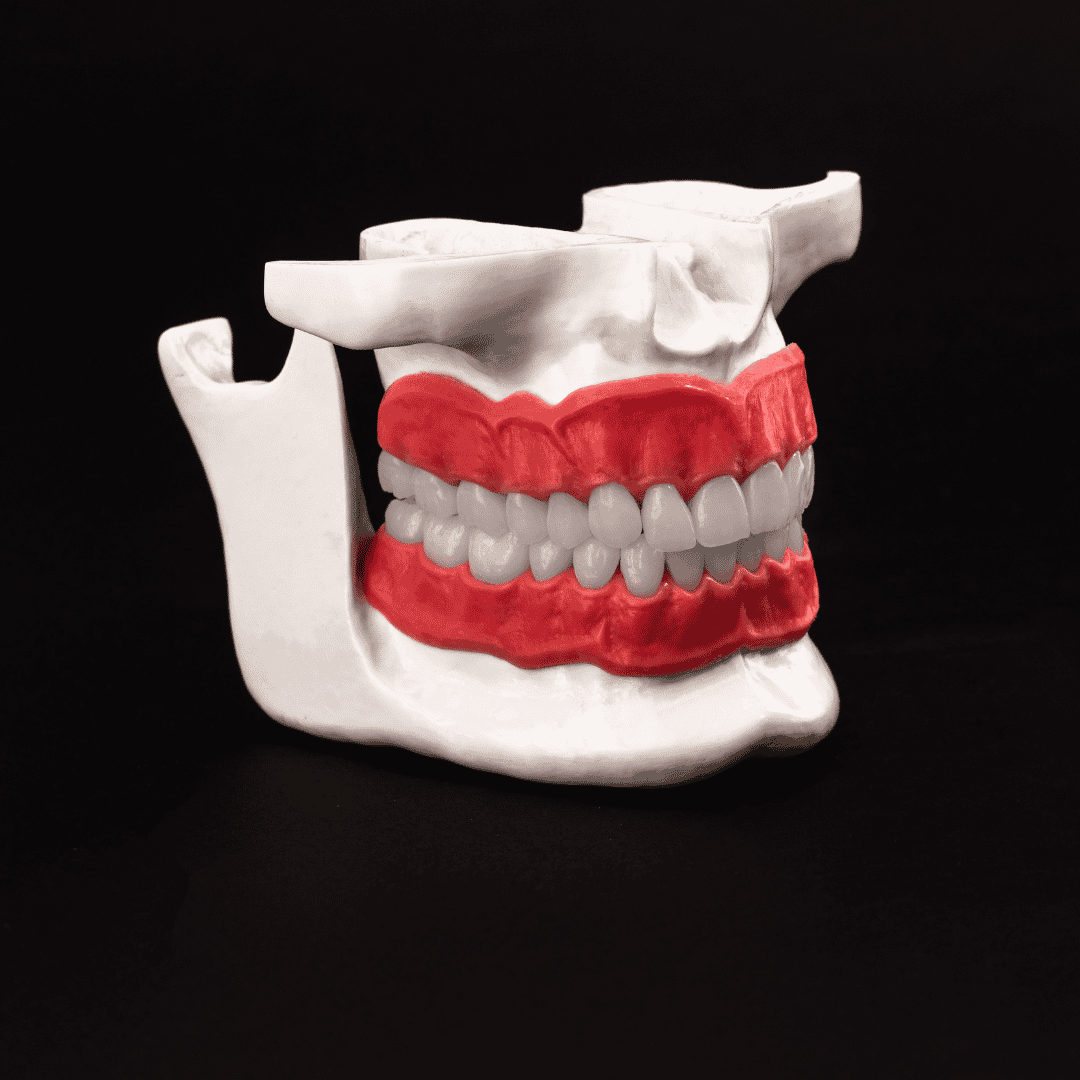
The All-on-4 protocol is a sophisticated surgical and prosthetic technique designed to replace an entire arch of missing or failing teeth using only four strategically placed titanium implants. This approach maximizes the use of available jawbone, often eliminating the need for extensive bone grafting. The posterior implants are typically tilted up to 45 degrees, which provides greater stability and avoids critical anatomical structures like the sinus cavity or nerve canals.
When undergoing this full arch teeth replacement procedure abroad, patients undergo a meticulously planned process. Advanced 3D imaging and computer-guided surgery allow specialists to map out the exact placement of each implant before the patient even sits in the surgical chair. This level of precision is standard practice among leading oral surgeons on the Dalmatian coast.
Always request a detailed timeline from your chosen facility. The All-on-4 process generally requires two separate trips: one for the surgical placement and provisional teeth, and a second trip 3 to 6 months later for the final permanent restoration.
Affordable All-on-4 Dental Restorations Cost in Croatia vs UK and Germany
Financial consideration remains a primary driver for the expansion of cross-border healthcare. The cost disparity between Western European nations and the Adriatic region is stark, yet it is not reflective of a difference in quality. The lower operational overheads, favorable exchange rates, and different cost-of-living indices allow Croatian facilities to offer competitive pricing without compromising on premium dental materials or technological advancements.
When evaluating affordable All-on-4 dental restorations packages, patients must look beyond the base price. A comprehensive financial comparison should include diagnostics, the surgical phase, provisional prosthetics, and the final fixed bridge. Below is a realistic market comparison highlighting these financial dynamics.
| Procedure / Treatment Phase | Average Cost in Croatia (€) | Average Cost in UK / Germany (€) |
|---|---|---|
| Comprehensive Diagnostics (CBCT, 3D Scans) | €100 - €250 | €300 - €600 |
| Single Jaw All-on-4 (Acrylic Final Bridge) | €5,500 - €6,500 | €12,000 - €16,000 |
| Single Jaw All-on-4 (Zirconia/Premium Bridge) | €6,500 - €8,000 | €15,000 - €22,000 |
| Minor Bone Grafting (If strictly necessary) | €300 - €800 | €1,000 - €2,500 |
Advanced Dental Technology and Silicon Materials in Croatian Clinics
The modern dental clinic in Croatia is a testament to the rapid evolution of digital healthcare. State-of-the-art facilities heavily invest in CAD/CAM (Computer-Aided Design and Computer-Aided Manufacturing) technology, allowing for the precise milling of final prosthetics. This shift from analog to digital workflows ensures superior fit, function, and aesthetics for the patient.
Furthermore, the materials utilized in these restorations have seen significant upgrades. While traditional acrylics are still used, there is a distinct move toward highly durable, biocompatible materials. High-grade titanium implants are standard, and final bridges often incorporate advanced ceramics, monolithic zirconia, and specialized silicon-based impressions and cushioning materials to enhance bite comfort and shock absorption.
Zirconia, frequently utilized for final full-arch bridges in top-tier facilities, is highly resistant to plaque accumulation and does not stain or absorb odors, making it an excellent long-term solution for restorative dentistry.
The Patient Journey for Dental Restorations in Split
Navigating cross-border healthcare requires a structured and well-communicated patient journey. When undertaking implant dentistry medical tourism, the process begins long before the patient boards a flight. Virtual consultations have become the industry standard, allowing surgeons to review panoramic X-rays or local CT scans to assess initial suitability and provide preliminary treatment plans.
Upon arriving in the coastal city, the physical journey is typically streamlined to maximize efficiency while allowing time for rest. The integration of clinical care and patient coordination ensures that international visitors feel supported throughout the surgical and early recovery phases.
- Day 1: In-person clinical assessment, precise 3D imaging, and finalization of the surgical plan.
- Day 2-3: Surgical phase involving necessary extractions, implant placement, and taking impressions for the provisional bridge.
- Day 4-5: Fitting of the temporary fixed bridge, allowing the patient to leave the facility with functional teeth.
- Day 6-7: Final check-ups, post-operative clearance, and preparation for travel home.
The concept of "Teeth in a Day" or immediate loading is central to the All-on-4 protocol, allowing most patients to receive a fixed, functional set of provisional teeth within 24 to 48 hours of surgery.
Combining Scenic Medical Tourism in Dubrovnik with Dental Treatments
The psychological aspect of recovering from invasive dental surgery should not be underestimated. Traditional dental visits are often associated with clinical anxiety and stress. However, by locating treatment in a globally renowned tourism destination, the narrative shifts from a purely medical procedure to a restorative retreat.
Patients who choose scenic medical tourism locations benefit from an environment that naturally promotes relaxation. The gentle sea breeze, temperate climate, and serene views provide an ideal backdrop for the initial days of recovery, helping to lower stress hormones which can positively influence the healing process.
Top Considerations When Selecting Dental Clinics in Croatia
While the region boasts numerous outstanding facilities, thorough due diligence remains essential for any medical traveler. It is crucial to evaluate the credentials of the surgical team rather than solely focusing on price or destination appeal. The complexity of full-arch rehabilitations demands specialists with specific expertise in oral surgery and implantology.
Prospective patients should seek out centers that prioritize transparency regarding their technology, implant brands, and clinician qualifications. Communication is equally vital; ensuring the medical team has strong English or German language proficiency is necessary to guarantee informed consent and clear post-operative instructions.
Never proceed with a facility that guarantees a 100% success rate. Authentic medical professionals will transparently discuss potential risks, complications, and the reality that individual healing responses vary significantly.
Success Rates and Lifespan of All-on-4 Implants in Croatia
When performed by experienced specialists using high-quality materials, the long-term viability of full-arch implant restorations is well documented in clinical literature. The structural integrity of the titanium posts integrated into the jawbone provides a permanent foundation, provided the biological healing phase, known as osseointegration, is successful.
The lifespan of the prosthetic bridge itself varies depending on the material chosen and the patient's oral habits. While the implants themselves can last a lifetime, the attached prosthetics may require maintenance or replacement over a span of 10 to 15 years due to natural wear and tear.
Clinical studies generally indicate that the All-on-4 treatment concept has an implant survival rate of approximately 95% to 98% over a 10-year follow-up period, assuming optimal patient health and compliance with aftercare protocols.
Recovery and Aftercare for Dental Implants in the Adriatic
The immediate postoperative phase requires strict adherence to clinical guidelines to ensure the implants stabilize correctly within the bone. Most patients experience mild to moderate swelling and bruising during the first week, which is typically managed effectively with prescribed anti-inflammatory medications and cold compresses. Resting in a calm environment greatly facilitates this initial healing stage.
Dietary modifications are critical during the first three to six months. Because the provisional teeth are attached to implants that are still fusing with the bone, a strict soft-food diet is necessary to prevent micromovements that could lead to implant failure. Proper oral hygiene, utilizing specialized soft brushes and prescribed mouth rinses, is also mandatory.
Invest in an oral water irrigator (water flosser) before you return home. Once cleared by your surgeon, using a water flosser on a low setting is one of the most effective ways to remove debris trapped beneath your new dental bridge.
Assessing Risks and Contraindications for Full Mouth Dental Restorations
While full-arch restorations are highly predictable, they are not suitable for every individual. Medical professionals typically conduct comprehensive systemic health evaluations to identify potential red flags. Conditions that compromise the body’s immune response or blood flow to the bone generally represent significant contraindications for elective implant surgery.
Most patients experience a smooth recovery, but inherent surgical risks include localized infection, delayed bone healing, and sensory nerve disturbances. Uncontrolled diabetes, active periodontal disease, and severe osteoporosis can negatively impact osseointegration. Furthermore, heavy smoking drastically reduces the success rate of dental implants due to restricted microvascular circulation in the gums.
In cases of severe maxillary (upper jaw) bone loss where traditional All-on-4 is contraindicated, specialists may utilize Zygomatic implants, which anchor into the cheekbone rather than the jawbone, providing a viable alternative.
Real Experiences of International Dental Patients in Croatia
Understanding the firsthand experiences of those who have undertaken this journey provides valuable insight for prospective medical travelers. The transition from suffering with failing teeth to regaining total oral function is often described as profoundly life-changing. International patients frequently highlight the professionalism of the clinical staff alongside the aesthetic beauty of the destination.
Below are summaries reflecting the typical experiences of individuals who traveled from Western Europe to the Dalmatian coast for their comprehensive dental rehabilitation.
Thomas, 58 – Germany
After being quoted an astronomical fee in Munich, Thomas sought alternatives. He appreciated the meticulous 3D planning phase and noted that the high-grade zirconia bridge he received felt indistinguishable from natural teeth. His recovery week looking over the Adriatic Sea made the clinical process surprisingly peaceful.
Sarah, 62 – United Kingdom
Sarah struggled with a loose lower denture for years. She chose a facility known for advanced digital dentistry. She was particularly impressed by the strict adherence to EU hygiene protocols and the fluent English spoken by her entire surgical team, which alleviated her initial travel anxieties.
Klaus, 55 – Germany
Requiring both upper and lower restorations, Klaus was apprehensive about the surgical scope. The conscious sedation utilized during his procedure ensured he felt no pain. He successfully completed his soft-food healing phase and returned six months later for his final, highly aesthetic permanent restorations.
Emma, 60 – United Kingdom
Emma combined her medical needs with her desire to visit historical coastal sites. She reported that the transparency regarding costs and materials gave her confidence. The integration of silicon-based cushioning in her final prosthetic provided her with exceptional bite comfort immediately after placement.
How PlacidWay Assists Your All-on-4 Dental Restorations Medical Tourism Journey in Croatia
Coordinating complex oral surgery in another country requires meticulous planning, reliable information, and verified connections. Establishing trust with international healthcare providers can be daunting for patients navigating the medical tourism landscape alone. PlacidWay serves as a comprehensive platform designed to bridge the gap between patients seeking high-quality care and globally recognized medical centers.
By leveraging an extensive network of specialized providers, the focus remains entirely on facilitating a transparent and secure pathway to healthcare access. The goal is to empower patients with the necessary data to make informed decisions about their dental rehabilitation.
- Providing direct access to verified, internationally credentialed dental facilities specializing in full-arch restorations.
- Facilitating the secure transfer of medical records and 3D imaging for accurate preliminary virtual consultations.
- Offering detailed, transparent comparative pricing profiles for different treatment plans and prosthetic materials.
- Connecting patients directly with multilingual clinical coordinators to ensure clear communication of medical expectations.
- Supplying comprehensive educational resources regarding the chosen procedure, inherent risks, and necessary aftercare.
Frequently Asked Questions About All-on-4 Dental Restorations in Croatia
Making an informed decision about international dental surgery requires asking the right questions. Prospective patients must understand the logistical, medical, and financial aspects of traveling for full-arch restorations. Clarifying these common concerns helps set realistic expectations for the entire clinical journey.
The following section addresses the most prevalent inquiries from individuals considering overseas dental implant procedures in the Dalmatian region.
Why are German and UK patients traveling to Croatia for All-on-4 implants?
Patients are primarily drawn to Croatia due to the exceptional combination of high-quality European dental standards, advanced technology, and significantly lower costs compared to their home countries. Additionally, the opportunity to recover in scenic destinations like Split and Dubrovnik makes the medical journey more relaxing.
How much does an All-on-4 procedure generally cost in Croatia?
The cost typically ranges between €5,500 and €8,000 per jaw, depending on the materials used, such as acrylic versus zirconia. This represents a substantial savings when compared to average prices in the UK or Germany, which often exceed €12,000.
Is the All-on-4 procedure painful?
The surgery is performed under local anesthesia or conscious sedation, meaning patients typically do not feel pain during the procedure. Most patients experience mild discomfort, swelling, and bruising during the first week of recovery, which is generally managed with prescribed medications.
How long does the All-on-4 dental implant process take in Croatia?
The initial surgical phase usually requires a stay of five to seven days in Croatia, during which implants and a provisional fixed bridge are placed. After a healing period of three to six months, patients return for a shorter visit to have their final, permanent prosthetic attached.
What materials are used for the final dental prosthetics?
Top Croatian clinics utilize premium international brands and materials, including high-grade titanium for the implants. The final restorations are often crafted from durable materials like monolithic zirconia or advanced composite polymers, ensuring both aesthetic appeal and longevity.
Are there risks associated with All-on-4 implants?
While generally safe, all surgical procedures carry inherent risks such as infection, implant failure, or nerve damage. Success relies heavily on proper patient screening, adherence to aftercare instructions, and excellent oral hygiene.
Can I travel immediately after my dental implant surgery?
It is generally recommended to wait 48 to 72 hours before flying after oral surgery to minimize the risk of bleeding and discomfort from cabin pressure changes. Your oral surgeon will provide specific clearance based on your individual healing progress.
Do dentists in Split and Dubrovnik speak English or German?
Yes, due to the high volume of international patients, dental professionals in popular Croatian medical tourism hubs are typically highly proficient in English. Many clinics also have staff fluent in German, Italian, and other European languages.
How do I maintain my All-on-4 implants after returning home?
Maintenance requires daily brushing with a soft-bristle toothbrush, the use of water flossers to clean beneath the bridge, and regular check-ups with a local dentist. Avoiding extremely hard foods and maintaining good overall health also contributes to the longevity of the restoration.
Do I need a visa to travel to Croatia for dental treatment?
Croatia is part of the Schengen Area, meaning citizens of the UK and Germany generally do not need a visa for short-term stays up to 90 days. Patients should always verify current travel regulations and passport validity requirements before booking their journey.
Ready to explore your options for scenic and affordable dental restorations? Let PlacidWay help you navigate your medical tourism journey to Croatia.
References
- Mayo Clinic. Dental implant surgery: Risks, Procedures, and Recovery. https://www.mayoclinic.org/tests-procedures/dental-implant-surgery/about/pac-20384622
- Cleveland Clinic. All-on-4 Dental Implants: Procedure & Maintenance. https://my.clevelandclinic.org/health/treatments/10903-dental-implants
- WebMD. What to Know About All-on-4 Dental Implants. https://www.webmd.com/healthy-aging/dental-implants-for-seniors

.png)



.png)
.png)
.png)

.png)
.png)

.png)








Share this listing