The estimated All-on-6 standard dental implants cost in Split, Croatia typically ranges from $6,000 to $9,000 per jaw. Final prices depend on your bone density, chosen materials, and clinic fees. Consult a dentist for an accurate, personalized quote.
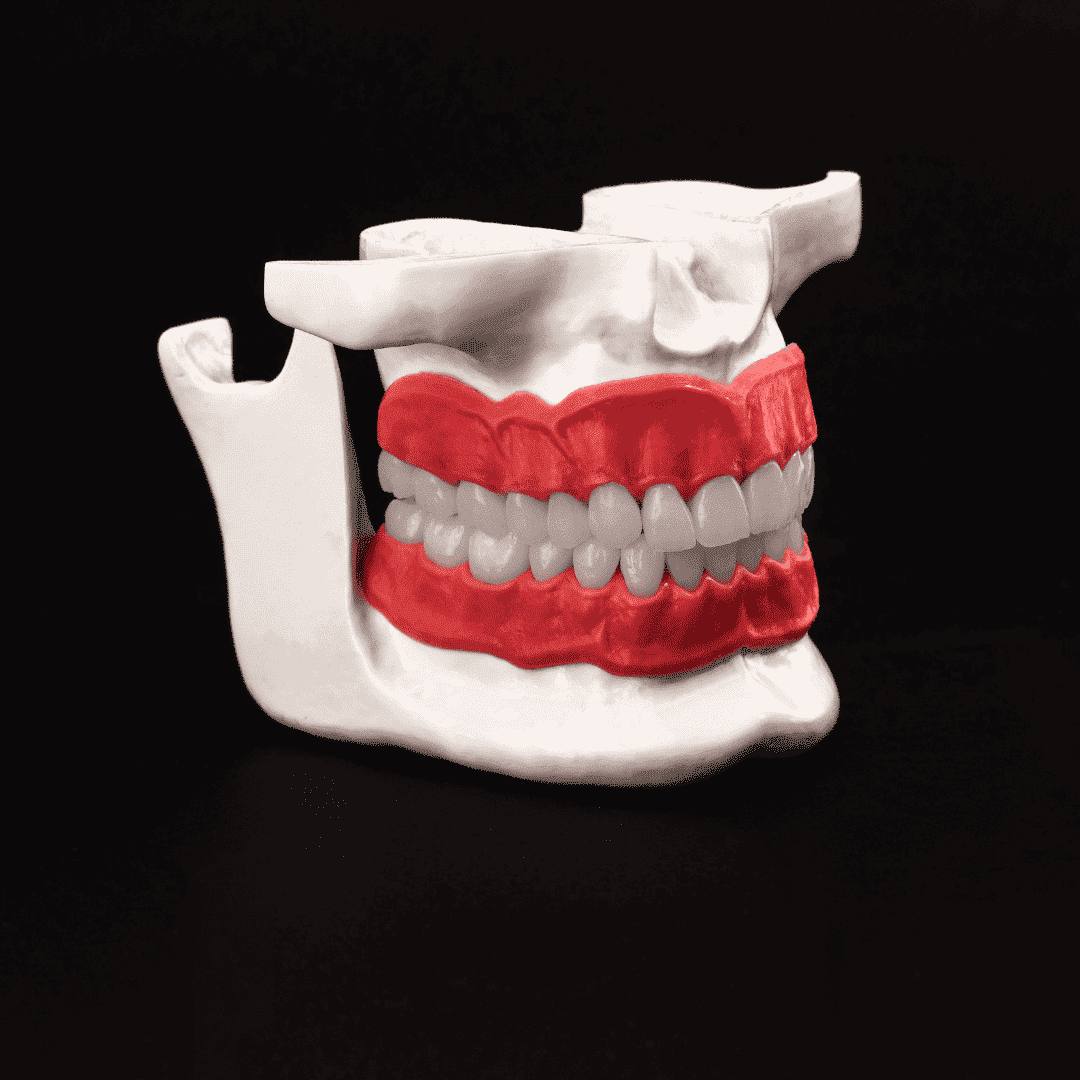
Dealing with extensive tooth loss can impact how you speak, eat, and feel about your smile. For many patients, full-arch restorations like the All-on-6 technique offer a way to regain functional teeth without needing an individual implant for every single missing tooth. By placing six titanium posts strategically into the jawbone, dentists can anchor a fixed bridge that mimics natural teeth.
As dental costs continue to rise in North America and Western Europe, many people are looking abroad for solutions. Understanding the costs, timelines, and medical requirements is vital before packing your bags. Below, we explore what you can expect when considering this treatment on the Dalmatian coast.
Key Takeaways
The procedure typically estimates between $6,000 and $9,000 per jaw, though complex cases will cost more.
Standard quotes usually include the surgical placement, temporary teeth, and the final fixed bridge.
Treatment requires a two-stage process, meaning you will likely need two separate trips spaced several months apart.
Not everyone is a suitable candidate; sufficient jawbone density and good overall health are required for proper healing.
Always consult with your local dentist beforehand to discuss potential risks and long-term maintenance.
What exactly is included in the All-on-6 procedure cost?
A comprehensive quote for this procedure usually covers initial imaging, the surgical placement of six implants, temporary teeth, and the final fixed bridge.
When you request pricing for All-on-6 standard dental implants in Split, Croatia, it is helpful to know what that figure actually covers. Typically, standard packages are grouped to include the core elements of the restoration. This begins with your initial consultation at the clinic, which often involves panoramic X-rays or a 3D CBCT scan to evaluate your bone structure.
The surgical phase includes the local anesthesia, the extraction of any remaining failing teeth, and the insertion of the six titanium implants. After the surgery, you are normally fitted with a temporary acrylic bridge so you do not leave without teeth while your mouth heals. Finally, the cost usually encompasses the design, fabrication, and fitting of your permanent prosthetic bridge during your second visit.
You should always ask for an itemized breakdown. Some providers might quote a lower initial price by separating the cost of the permanent crowns from the surgical phase. Getting a clear list of inclusions helps prevent financial surprises later.
How does the price in Split compare to prices in the US or UK?
Patients traveling from the United States or the United Kingdom often find that dental implant procedures in Croatia cost significantly less than similar treatments at home.
In countries like the US, a full-arch restoration using six implants can often exceed $25,000 to $30,000 per jaw. Similarly, in the UK, private dental fees for complex implantology remain quite high. By comparison, exploring an All-on-6 standard dental implants clinic in Split, Croatia can yield estimates that are roughly 50% to 70% lower.
These lower prices are not a direct reflection of compromised safety or older technology. Instead, they reflect the regional economic differences in Central and Eastern Europe. The cost of living, property rent, administrative overhead, and labor wages are lower in Croatia. Clinics pass these operational savings on to the patient, making complex dental work more accessible.
However, it is vital to balance these savings against travel expenses. You will need to factor in the cost of round-trip flights, accommodation, food, and local transport for at least two separate visits to the country.
What factors can increase your total treatment expenses?
Extra costs may arise if you require preliminary bone grafting, sinus lifts, complex extractions, or specialized sedation during the surgery.
The baseline estimate rarely tells the whole story, as every mouth is anatomically different. Several clinical factors can shift the final price of your treatment:
Bone Grafting: If your teeth have been missing for a long time, your jawbone may have receded. Additional synthetic or donor bone material may be needed to build a solid foundation.
Sinus Lifts: When working on the upper jaw, the sinus cavity might sit too close to the jawbone. A sinus lift creates vertical space for the implants, adding both time and cost.
Material Upgrades: Standard quotes often assume a metal-ceramic bridge. Upgrading to highly durable, aesthetic full zirconia will increase the price.
Sedation: While local anesthesia is standard, patients with dental anxiety who opt for IV conscious sedation will incur extra fees for the anesthesiologist.
Gum Treatment: Active periodontal disease must be treated and managed before implant surgery can safely proceed.
How can I choose a reliable dental clinic for this procedure?
Finding a reputable provider involves reviewing the dentist’s credentials, verifying their experience with full-mouth restorations, and checking the facility’s hygiene protocols.
Research is a non-negotiable step. When you start communicating with a clinic, ask about the lead surgeon’s qualifications. Check if they have specialized training in oral surgery or prosthodontics and whether they are members of recognized international dental organizations.
Experience matters heavily when it comes to the All-on-6 technique. Placing six implants to hold a full arch requires precise biomechanical planning. Ask the clinic how often they perform this specific procedure. Furthermore, inquire about the brands of implants they use. Reputable clinics work with well-documented, globally recognized titanium implant systems.
Important Consideration: Always request an initial virtual consultation. A reliable dentist will want to see your recent 3D scan or panoramic X-ray before giving you a definitive treatment plan or timeline.
Am I a suitable candidate for standard All-on-6 implants?
Suitable candidates typically have sufficient jawbone density, healthy gums, and no underlying medical conditions that could severely impair the body’s healing process.
Dental implants are not a one-size-fits-all solution. For the implants to remain stable, there must be enough healthy bone to surround the titanium posts. If bone loss is too severe, even grafting might not make you a good candidate for this specific technique.
Systemic health plays a crucial role in your eligibility. Conditions that affect the immune system or bone healing—such as uncontrolled diabetes, osteoporosis, or autoimmune disorders—can increase the risk of implant failure. Additionally, patients who take certain medications like bisphosphonates will need medical clearance from their primary physician.
Smoking is another major factor. Nicotine restricts blood flow in the gums, slowing down the healing process and significantly raising the chances of an infection. Dentists often require patients to quit smoking several weeks before and after the surgery.
What is the standard treatment timeline for this procedure?
The process generally requires two separate trips to Croatia spaced three to six months apart, allowing the titanium posts time to properly fuse with your jawbone.
Getting a full arch restoration is a staged journey. Trip One usually lasts about five to seven working days. During this time, the dentist will perform any necessary extractions, surgically place the six implants, and attach a temporary acrylic bridge. You will leave the clinic with functional, albeit temporary, teeth.
Once you return home, a biological process called osseointegration occurs. Your jawbone slowly grows around the titanium posts, locking them firmly in place. This healing phase typically takes between three and six months, depending on your individual physiology and whether bone grafts were required.
Trip Two occurs once the implants are fully integrated. You will travel back for another stay, typically lasting five to ten days. The dentist will take new impressions, and the dental laboratory will craft your final, permanent bridge. The temporary bridge is removed, and the new, highly durable restoration is secured into place.
What are the potential risks and complications?
While often successful, dental implant surgery carries risks such as infection, nerve damage, sinus problems, and implant failure if the bone does not integrate properly.
Every surgical intervention comes with inherent medical risks. Infection at the implant site is a possibility, especially if post-operative hygiene is neglected or if the patient smokes. If an infection goes untreated, it can lead to peri-implantitis, a condition that destroys the bone around the implant.
Nerve damage is a rare but serious complication, particularly in the lower jaw where the inferior alveolar nerve is located. This can result in pain, numbness, or a tingling sensation in the lips, gums, or chin. In the upper jaw, implants that are placed too deeply can protrude into the sinus cavities, leading to ongoing sinus issues.
Finally, there is always a risk that the implant will simply fail to fuse with the bone. While success rates are generally high for suitable candidates, individual outcomes vary widely based on biological factors and aftercare compliance.
How long does it take to recover after the initial surgery?
Most patients experience swelling and mild to moderate discomfort for about five to seven days following the procedure, though complete bone integration takes several months.
The first few days after the implants are placed are usually the most uncomfortable. You can expect swelling in your gums and face, minor bruising, and soreness. Your dentist will typically prescribe antibiotics to prevent infection and provide recommendations for pain management.
During this initial healing phase, your diet will need to change drastically. You must adhere to a strict soft-food diet—think soups, smoothies, mashed potatoes, and scrambled eggs. Chewing hard, sticky, or crunchy foods can put undue pressure on the implants and the temporary bridge, potentially disrupting the delicate early stages of bone integration.
Physical rest is also required. Strenuous exercise should be avoided for at least a week, as elevated blood pressure can increase throbbing at the surgical site and lead to bleeding.
Why do patients choose Split for dental medical tourism?
Beyond cost savings, the city offers modern medical facilities, experienced professionals, and the opportunity to recover in a relaxing Mediterranean environment.
Engaging in medical tourism in Split, Croatia has grown in popularity due to a combination of clinical standards and location appeal. Many clinics in the area are equipped with digital dentistry tools, 3D printers, and in-house laboratories, which helps streamline the treatment process for international visitors.
Dentists in Croatia undergo rigorous university education and often pursue continuing education across Europe. This allows them to stay updated on modern implantology techniques. English is widely spoken in the medical community, easing anxiety for patients traveling from abroad.
Furthermore, the coastal setting provides a calm atmosphere for recovery. While you should not plan on swimming immediately after surgery, recovering in a mild climate rather than a stressful urban environment can make the dental journey feel less clinical and a bit more manageable.
How should I prepare for dental implant surgery abroad?
Proper preparation includes getting a local dental checkup beforehand, organizing your medical records, and planning for an adequate stay to allow for initial recovery.
Before committing to treatment overseas, visit a local dentist. Having a professional clean your teeth and assess your overall oral health can prevent surprises. Request a digital copy of your panoramic X-rays to share with the clinic abroad so they can accurately assess your bone levels.
You also need a clear plan for your return home. Ask your overseas clinic what happens if you need an adjustment to your temporary bridge or if you experience unusual pain once back in your home country. It is highly advisable to establish a relationship with a local dentist who is willing to provide routine cleanings and maintenance for dental work performed abroad.
Why Choose PlacidWay for Medical Tourism?
Planning international dental care requires gathering a lot of information. PlacidWay acts as a health information resource to help patients explore global treatment options. Here is how the platform can assist your research:
Extensive Provider Network: Access a broad directory of international clinics and specialized dental centers.
Direct Communication: Patients can use the platform to connect directly with medical facilities and ask detailed questions.
Educational Resources: PlacidWay offers articles, guides, and provider profiles to help you better understand available procedures.
Structured Comparisons: Easily compare location options, facility profiles, and estimated pricing parameters across different countries.
No-Pressure Research: The platform allows you to gather information and request quotes without obligation, supporting informed decision-making.
Frequently Asked Questions
Is it safe to get dental implants in Croatia?
Many dental facilities in Croatia follow strict European Union medical guidelines and maintain high standards for sterilization and patient care. However, as with any medical procedure, safety depends on your individual health, the complexity of your case, and the specific clinic you choose.
What materials are typically used for the permanent crowns?
Standard All-on-6 procedures often utilize titanium for the implants that go into the bone. The permanent bridge or crowns attached to them are usually made of metal-ceramic, porcelain, or increasingly, full zirconia, depending on your budget and bite requirements.
Will the implant procedure be painful?
The surgery itself is performed under local anesthesia, and sometimes conscious sedation, so you should not feel pain during the placement. Afterward, most patients experience moderate swelling, bruising, and soreness, which can typically be managed with prescribed or over-the-counter pain relievers.
How long do standard dental implants last?
While the titanium posts are designed to last for many years, sometimes a lifetime, the attached prosthetic teeth may experience wear and tear. Proper oral hygiene, regular dental checkups, and avoiding habits like teeth grinding can help extend the lifespan of your restoration.
Can I fly immediately after the implant surgery?
Most dentists advise waiting at least a few days before flying. Changes in cabin pressure can sometimes cause discomfort in the sinuses, especially if you had implants placed in your upper jaw or required a sinus lift. Always ask your treating dentist for clearance before traveling.
Do dental teams in Croatia generally speak English?
Yes, many dentists and support staff in coastal cities catering to international patients speak English fluently. This helps ensure clear communication regarding your medical history, treatment plan, and post-operative instructions.
What happens if an implant fails after I return home?
Implant failure is uncommon but can happen due to infection or poor bone integration. If complications arise after returning home, you will need to seek immediate care from a local dentist. It is important to discuss post-treatment follow-up and emergency protocols with your overseas clinic before starting treatment.
Are temporary teeth provided on the same day as surgery?
In many cases, a temporary acrylic bridge is placed shortly after the implants are surgically inserted, meaning you do not have to leave the clinic without teeth. However, if your bone quality is poor, the dentist may recommend a healing period before loading any weight onto the new implants.
Do I need a medical visa to travel to Croatia for dental work?
Citizens of the US, UK, Canada, and most European countries typically do not need a special medical visa for short stays in Croatia. You can generally enter as a tourist, though it is always wise to verify current entry requirements with your local embassy before booking travel.
How do I maintain my implants once they are permanently placed?
You should treat your implant-supported bridge much like natural teeth. This involves brushing twice daily, using a water flosser or special interdental brushes to clean under the bridge, and visiting a local hygienist regularly for professional cleanings.
Ready to Explore Your Dental Options?
Compare providers, ask questions, and gather the information you need to make an informed decision about your dental care.
Request Treatment Information
References
Dental Implants: What You Should Know – U.S. Food and Drug Administration (FDA)
Dental Implant Surgery: Risks and What to Expect – Mayo Clinic
Dental Implants Frequently Asked Questions – American College of Prosthodontists
Travelers' Health: Croatia – Centers for Disease Control and Prevention (CDC)
Glossary of Terms: Osseointegration – International Congress of Oral Implantologists (ICOI)
Complications and Treatment Errors in Implant Dentistry – National Center for Biotechnology Information (NCBI)
Medical Disclaimer: The information provided in this article is for educational and informational purposes only and does not constitute medical advice, diagnosis, or treatment planning. Dental implant eligibility, costs, risks, and recovery times vary widely by individual patient. Always consult with a qualified local healthcare professional or licensed dentist to receive a proper evaluation and personalized guidance before undertaking any dental surgery or medical travel.





















Share this listing