


The Ultimate Guide: 100 Questions of International Patients in Medical Tourism
Embarking on a healthcare journey across borders can feel overwhelming, but understanding the 100 questions of international patients in medical tourism changes everything. Every year, millions of individuals leave their home countries seeking affordable, high-quality medical care, ranging from complex cardiac surgeries to life-changing dental restorations. However, this monumental decision requires meticulous planning and clear, authoritative answers.
By asking the right questions, you protect your health, your finances, and your peace of mind before you even board a flight. This comprehensive guide breaks down the core inquiries medical travelers must address, transforming a daunting process into a secure, predictable, and highly successful global healthcare experience.
Video Chapters & Quick Navigation
The Discovery Phase: Choosing the Right Medical Destination
The first step in any medical journey is determining where to go. As highlighted in the video at , patients must look beyond just the cost savings and evaluate the entire healthcare ecosystem of a destination. Selecting the best countries for medical tourism involves analyzing political stability, healthcare infrastructure, and specific medical specialties.
Many countries excel in niche areas of medicine. For example, Mexico is renowned for affordable bariatric surgery, while South Korea leads the globe in advanced plastic surgery and dermatology. Patients frequently ask how to match their specific diagnosis with the right geographic location to ensure optimal outcomes.
Evaluating Destination Safety and Infrastructure
Safety extends far beyond the operating room. International patients must question the quality of the destination's general infrastructure, including transportation, emergency response systems, and the proximity of the hospital to international airports. A reputable medical tourism facilitator will always provide transparent data regarding these logistical safety nets.
Furthermore, climate and altitude can play a surprising role in recovery. Patients undergoing respiratory treatments or major orthopedic surgeries should inquire if the local climate supports or hinders their specific post-operative healing requirements.
Vetting Medical Credentials: Accreditation and Expertise
Trust is the currency of global healthcare. When leaving your home country, verifying the credentials of your chosen facility is paramount. As discussed at , international hospital accreditation is the strongest indicator of clinical excellence and patient safety protocols.
Patients must actively ask if a hospital holds Joint Commission International (JCI) accreditation or adheres to International Organization for Standardization (ISO) guidelines. These rigorous benchmarks ensure that the facility operates under the same, if not better, hygienic and operational standards as top-tier hospitals in the United States or the United Kingdom.
How to Verify Foreign Doctor Credentials
Just as important as the hospital's standing is the surgeon's expertise. Patients should request detailed resumes of their prospective medical team. Important questions include inquiring about where the surgeon completed their residency, whether they hold international board certifications, and how many times they have performed the specific procedure.
Leading international surgeons frequently complete fellowships in North America or Europe. This cross-pollination of medical education guarantees that they are well-versed in the latest surgical techniques and global best practices, providing peace of mind to incoming foreign patients.
Financial & Cost Planning: Decoding Medical Tourism Packages
The primary driver for most medical travelers is affordability, but transparency is crucial. Around , the video emphasizes the importance of understanding exactly what is included in a medical tourism quote. A lower upfront price can sometimes mask exclusion of essential services.
Patients must ask for itemized billing estimates. Understanding the hidden costs in medical travel packages prevents unpleasant financial surprises upon discharge. It is vital to know if the quote covers anesthesia, operating room fees, pre-operative blood panels, and necessary post-surgical medications.
Comparing Standard Package Inclusions
To help international patients navigate financial queries, below is a breakdown of what a high-quality, all-inclusive medical tourism package should typically cover versus what might be billed separately.
| Service Category | Typically Included in Quote | Often Billed Separately (Ask First) |
|---|---|---|
| Medical Procedures | Surgeon fees, OR time, standard anesthesia | Extended ICU stays, specialized implants |
| Pre & Post-Op Care | Basic consultations, standard lab work | Complex imaging (MRI/CT), physical therapy |
| Travel & Logistics | Airport transfers, hotel-to-clinic shuttles | International flights, companion accommodations |
| Administrative | Medical record translation, dedicated concierge | Medical visa processing fees, travel insurance |
Travel Visas and Logistics: Seamless Border Crossings
Navigating international borders while managing health concerns adds a layer of complexity to travel. As detailed near , obtaining the correct medical visa requirements is a frequent question among prospective patients. Entering a country on a standard tourist visa when seeking major medical treatment can sometimes lead to legal complications or denial of entry.
Many top medical tourism destinations offer specialized medical visas that allow for extended stays and expedited entry. Patients must ask their facilitator or chosen hospital for official letters of invitation, which outline the medical itinerary and serve as proof of purpose for immigration authorities.
Traveling with Companions
Recovery is rarely a solitary journey. International patients frequently travel with spouses, family members, or friends to assist them post-surgery. Knowing the logistical arrangements for your companion is vital for a stress-free experience.
- Accommodation protocols: Can the companion stay in the hospital room during the recovery phase, or will they need a nearby hotel?
- Companion meal plans: Are meals for the companion included in the international patient department's package?
- Local transportation: Does the clinic provide shuttle services that accommodate both the patient and their caregiver?
Overcoming Language Barriers in Foreign Healthcare
Effective communication is the cornerstone of safe medical care. Misunderstanding pre-operative instructions or post-operative medication dosages due to a language barrier is a critical risk. At , the discussion pivots to how elite international hospitals mitigate this concern entirely.
Patients must inquire about the availability of bilingual medical staff abroad. It is not enough for the lead surgeon to speak English; the nursing staff, anesthesiologists, and administrative personnel must also be able to communicate effectively with the patient.
Dedicated International Patient Departments
The best hospitals dedicated to medical tourism feature specialized International Patient Departments (IPDs). These departments act as a cultural and linguistic bridge.
They provide 24/7 medical translation services, ensure dietary requirements aligned with cultural or religious beliefs are met, and help patients navigate the local environment. Knowing that a fluent advocate is by your side significantly reduces pre-surgery anxiety.
The Hospital Stay Experience: What to Expect
The environment in which you recover heavily influences your overall healing timeline. Questions regarding the hospital stay are among the top concerns for international patients. They want to know if they will be recovering in a standard ward or a private suite designed for medical tourists.
High-end medical travel destinations often design recovery rooms that resemble luxury hotel suites rather than clinical hospital wards. Patients should ask about room amenities, Wi-Fi access for contacting family back home, and the nurse-to-patient ratio during the night shifts.
Pain Management and Care Protocols
Pain management philosophies can vary significantly between countries. What is standard protocol in North America might differ from practices in Southeast Asia or Eastern Europe.
It is crucial to have a candid conversation with your surgeon prior to departure regarding how post-operative pain will be managed. Understanding these medical nuances ensures that your comfort levels are prioritized throughout the critical first 48 hours after surgery.
Post-Operative Recovery and The Journey Home
The surgery might be complete, but the medical tourism journey continues. As noted at , managing the post-operative phase is where meticulous planning truly pays off. One of the most critical questions revolves around flying after major surgery in medical tourism.
Cabin pressure, prolonged sitting, and the stress of navigating airports can increase the risk of deep vein thrombosis (DVT) or surgical site complications. Patients must receive explicit clearance from their international surgeon detailing exactly how many days they must wait before boarding a commercial flight home.
Coordination with Local Physicians
Once you return home, continuity of care is vital. A common apprehension is how to handle follow-up appointments or unexpected complications. Patients must ask how the foreign hospital manages international medical records transfer.
Top-tier clinics will provide all surgical notes, imaging, and post-operative instructions translated into the patient's native language. Furthermore, reputable facilitators often help coordinate with a local physician in your home country who is willing to take over routine aftercare and monitor your long-term healing process.
Understanding Legal Rights and Malpractice Insurance
While rare, medical complications do occur, and international patients must be prepared. Questions surrounding legal recourse and medical tourism complications insurance are critical for risk management. Patients must clearly understand the jurisdiction under which their medical procedure falls.
If malpractice occurs abroad, patients cannot typically rely on the legal systems of their home country. This is why securing specialized medical travel insurance is highly recommended. Unlike standard travel insurance, which explicitly excludes planned medical procedures, specialized policies cover emergency evacuations, extended hotel stays due to complications, and corrective surgeries.
Warranties on Medical Devices and Procedures
Particularly relevant in dental tourism and orthopedic surgeries, patients should inquire about warranties. If a dental implant fails or a prosthetic joint malfunctions within a certain timeframe, who covers the cost of the revision?
Many globally recognized clinics offer written guarantees on their work, provided the patient adheres to specific aftercare guidelines. Securing these promises in writing before making any payments ensures that you are financially protected long after you have returned from your medical journey.
Ready to Start Your Medical Journey with Confidence?
Do not leave your health or your finances to chance. PlacidWay connects you with globally accredited hospitals, board-certified surgeons, and answers every question you have about international medical care.
GET A FREE QUOTE TODAY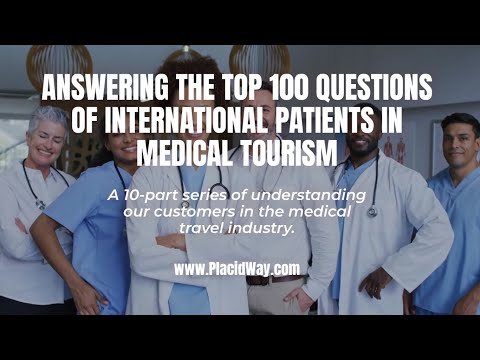

.png)






.png)
.png)




.jpg)
.jpg)
.jpg)









Share this listing