
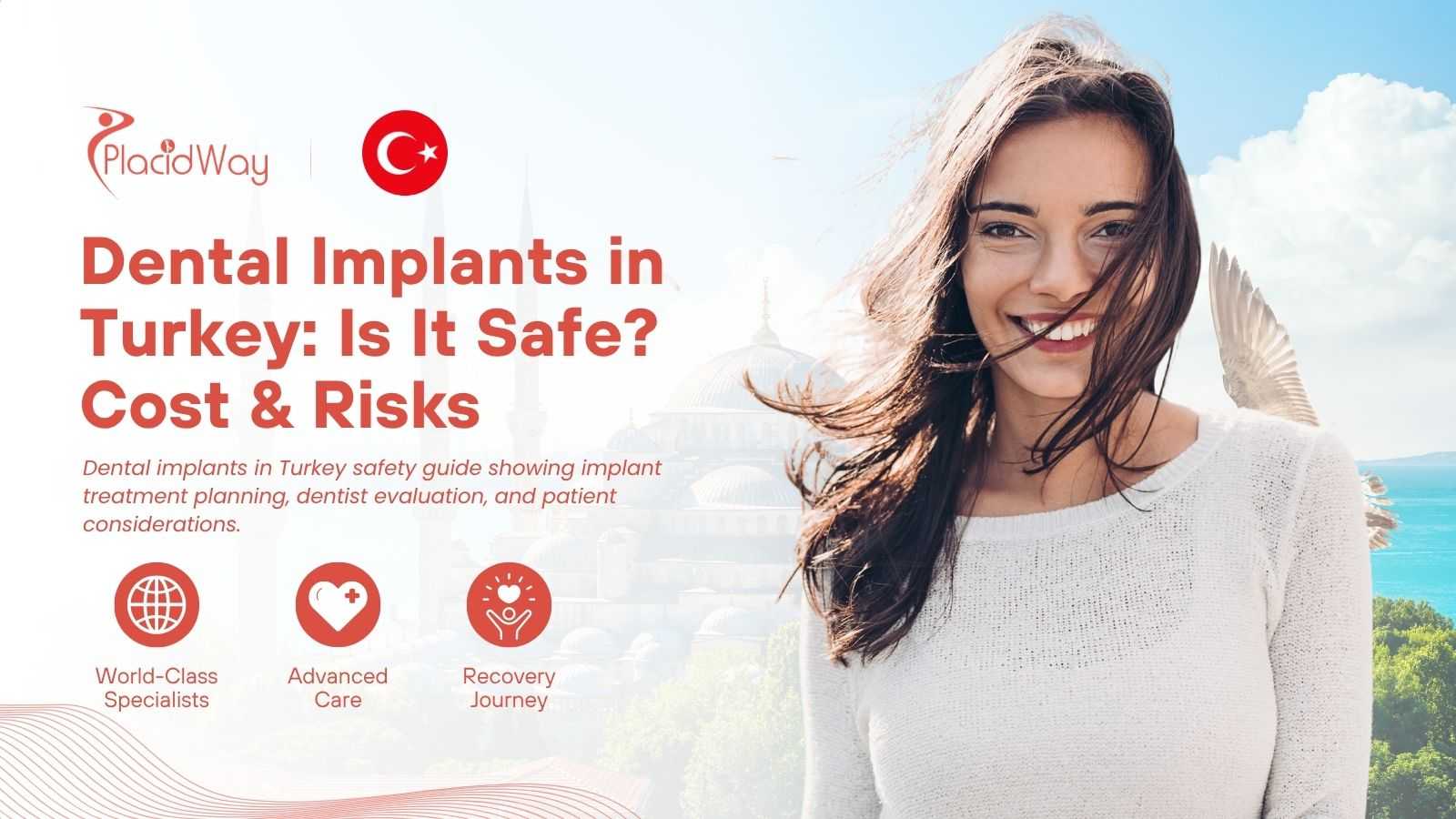
Dental implants in Turkey are considered by many international patients because of treatment availability, lower overall dental costs compared with some Western countries, and access to dentists trained in implant dentistry. However, safety depends on choosing a properly licensed dental facility, a qualified dentist, appropriate implant planning, and suitable follow-up care. Before traveling, patients should verify credentials, understand possible risks, and receive a personalized treatment evaluation.
Quick Summary: Dental Implant Safety in Turkey
- Dental implants in Turkey may be a suitable option for some international patients when treatment is performed by qualified dental professionals in licensed facilities.
- Safety depends on dentist qualifications, clinic licensing, implant planning methods, sterilization standards, and access to follow-up care.
- Patients should verify that dentists are registered with the Turkish Ministry of Health system and review professional qualifications before treatment.
- The cost of dental implants in Turkey varies depending on implant brand, number of implants, additional procedures, clinic location, and treatment complexity.
- Ideal candidates usually have sufficient jawbone support, good oral health, and realistic expectations after a dental evaluation.
- Important caution: traveling abroad for implants requires planning for possible complications, adjustments, and long-term maintenance.
Understanding Dental Implants in Turkey for International Patients
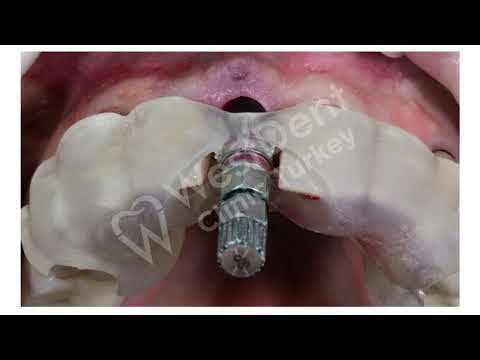
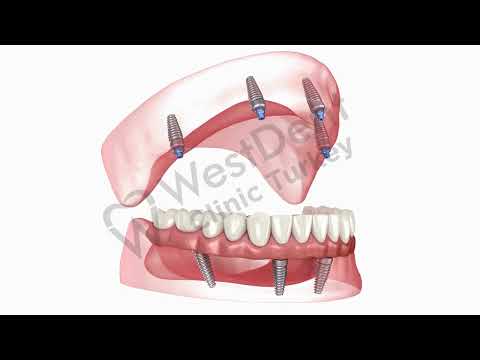
Dental implants in Turkey involve replacing missing teeth with artificial tooth roots that are placed into the jawbone and later restored with crowns, bridges, or full-arch prostheses. The implant acts as a foundation that supports a replacement tooth while helping restore chewing function and appearance.
Many patients from countries such as the United Kingdom, United States, Canada, and parts of Europe consider Turkey because dental treatment costs may differ significantly between countries. However, affordability alone should not determine the decision. A safe dental implant journey requires careful evaluation of the dentist, facility, treatment plan, and aftercare arrangements.
Key Patient Considerations Before Choosing Dental Implants in Turkey
- Confirm the dentist’s professional registration and implant experience.
- Ask what implant systems are being used and why they are recommended.
- Request a detailed written treatment plan.
- Understand what is included in the quoted price.
- Discuss follow-up care after returning home.
Why Patients Travel to Turkey for Dental Implant Treatment
Patients commonly travel to Turkey for dental implants because they are seeking access to dental care at a different price point, shorter treatment scheduling options, or treatment alternatives that may not be affordable in their home country.
- Lower treatment costs compared with some private dental markets.
- Availability of dentists offering implant procedures in major cities.
- Possibility of combining dental care with international travel.
- Access to different implant brands and treatment approaches.
- Interest in comprehensive dental restoration plans.
The decision to travel should involve medical considerations rather than cost alone. Dental implant treatment is a surgical procedure, and the long-term success of treatment depends on factors such as bone health, oral hygiene, implant placement accuracy, and ongoing dental maintenance.
Are Dental Implants in Turkey Safe?
Dental implants in Turkey can be safe when patients choose appropriately qualified dental professionals and licensed healthcare facilities that follow accepted clinical standards. Like implant treatment anywhere in the world, dental implants carry possible risks, including infection, implant failure, nerve injury, sinus complications, or the need for additional procedures.
A patient’s safety depends on proper diagnosis before surgery. Dentists typically evaluate oral health, existing teeth, gum condition, jawbone structure, and overall medical history before recommending implants.
Important Safety Warning
A low price does not automatically indicate unsafe care, and a high price does not automatically guarantee better outcomes. Patients should evaluate qualifications, treatment standards, communication, and follow-up planning before making a decision.
How Dental Implant Safety in Turkey Depends on Choosing the Right Dentist
Choosing a qualified dentist is one of the most important safety decisions when considering dental implants in Turkey. Implant dentistry requires surgical skills, knowledge of oral anatomy, experience with implant planning, and the ability to manage possible complications.
Before scheduling treatment, patients should verify the dentist’s professional background, education, registration status, and experience with the specific implant procedure they need. A dentist who regularly performs implant surgery should be able to explain the recommended approach, possible alternatives, and expected recovery process.
| Credential or Verification | Why It Matters |
|---|---|
| Professional registration | Confirms the dentist is recognized to practice under national healthcare regulations. |
| Dental education and specialty training | Helps patients understand the dentist’s qualifications and clinical background. |
| Experience with dental implants | Implant procedures require planning and surgical experience. |
| Treatment planning process | Shows whether the dentist evaluates individual patient needs before treatment. |
How to Check Dental Clinics in Turkey Before Implant Treatment
A safe dental implant experience in Turkey begins with choosing a properly licensed dental facility. Patients should review whether the clinic operates according to Turkish healthcare regulations and whether it provides transparent information about its services.
Turkey’s healthcare system is regulated through the Ministry of Health, which oversees healthcare facilities and professional standards. International patients should ask clinics for information about their operating license, dentist registrations, sterilization procedures, and emergency arrangements.
Dental Clinic Verification Checklist for Turkey
- Confirm the clinic’s official licensing status.
- Ask which regulatory authority oversees the facility.
- Review dentist qualifications and professional registration.
- Ask whether diagnostic imaging is available before implant placement.
- Request a written treatment plan with all included services.
- Understand who provides follow-up care after returning home.
International accreditation, such as Joint Commission International (JCI), may be available at some healthcare facilities, but it is not the only factor patients should consider. National licensing, qualified professionals, appropriate infection control, and patient communication are also important parts of evaluating care.
Dental Implant Costs in Turkey Compared With Other Countries
The cost of dental implants in Turkey varies depending on several factors, including the number of implants required, implant material, brand, dentist experience, diagnostic tests, additional procedures, and whether the treatment includes temporary or permanent restorations.
Patients should compare complete treatment plans rather than only comparing the price of an individual implant. A lower initial quote may not include procedures such as bone grafting, extractions, imaging, medication, temporary teeth, or follow-up appointments.
| Treatment Factor | Possible Cost Impact |
|---|---|
| Number of implants | More implants generally increase total treatment costs. |
| Implant brand and materials | Different implant systems may have different pricing structures. |
| Bone grafting or sinus procedures | Additional surgical procedures may increase treatment complexity. |
| Dental crowns or bridges | Final restoration materials affect the overall cost. |
| Travel and accommodation | International patients should include travel-related expenses. |
Common Dental Implant Cost Comparison Considerations
| Country | General Cost Consideration | Patient Planning Point |
|---|---|---|
| Turkey | Costs may be lower than some Western private dental markets. | Evaluate credentials and treatment details carefully. |
| United Kingdom | Private implant dentistry may involve higher costs. | Check waiting times and treatment availability. |
| United States | Private dental implant treatment may vary widely by location. | Compare complete treatment plans rather than single prices. |
| Canada | Costs can vary depending on province and provider. | Consider long-term maintenance planning. |
Dental Implant Risks in Turkey and How Patients Can Reduce Them
Dental implant surgery has possible risks regardless of location. Understanding these risks helps patients ask better questions and prepare appropriately before treatment.
| Possible Risk | How Patients Can Reduce Risk |
|---|---|
| Infection | Confirm infection control practices and follow dental aftercare instructions. |
| Implant failure or poor integration | Ensure proper evaluation of bone quality and oral health before surgery. |
| Nerve or sinus complications | Ask about imaging and treatment planning methods. |
| Difficulty accessing follow-up care | Discuss post-treatment support before traveling. |
What Recent Dental Implant Statistics Mean for Patients Traveling to Turkey
Recent research reinforces an important point for anyone considering dental implants in Turkey: implant safety is not simply about whether the implant is successfully placed on the day of surgery. Long-term gum health, maintenance, smoking status, previous periodontal disease, diabetes, oral hygiene, and access to follow-up care can influence complications around an implant.
A 2025 systematic review and meta-analysis conducted for the Academy of Osseointegration and American Academy of Periodontology evaluated 102 studies involving 13,030 patients. At patient level, the pooled prevalence was approximately 46% for peri-implant mucositis and 21% for peri-implantitis. These figures describe pooled research populations rather than the individual risk of a patient receiving treatment in Turkey.
These statistics should not be interpreted as a complication rate for Turkish dental clinics. They come from international dental implant research and demonstrate why long-term periodontal maintenance matters regardless of where your implant surgery is performed.
| Evidence Measure | Reported Result | What It Means for Patients |
|---|---|---|
| Studies reviewed | 102 studies | Evidence was pooled across a substantial body of international implant research. |
| Patients represented | 13,030 patients | Results reflect diverse patient populations rather than one clinic or country. |
| Peri-implant mucositis prevalence | 46% | Inflammation of the soft tissues around implants is an important long-term maintenance concern. |
| Peri-implantitis prevalence | 21% | Some patients develop inflammation accompanied by progressive supporting bone loss. |
How Dental Implant Complication Risk Changes Over Time
Dental implant complications can develop years after treatment, which makes long-term maintenance especially important for patients traveling to Turkey. The same 2025 systematic review reported different incidence estimates across follow-up periods and identified periodontal disease and smoking as important risk indicators.
This matters for dental tourists because the relationship with your dentist should not end when you fly home. Before treatment, you should know who will examine the implants later, how records will be transferred, and what happens if inflammation or another complication develops.
Peri-Implant Disease Incidence Across Follow-Up Periods
| Follow-up | Peri-implant mucositis | Peri-implantitis |
|---|---|---|
| 5 years | 46% | 12% |
| 10 years | 61% | 14% |
| 20 years | 53% | 22% |
These are pooled patient-level incidence estimates from international studies. Differences in study populations and follow-up methods mean the figures should not be interpreted as an individual's predicted risk.
Visual Trend: Reported Peri-Implantitis Incidence
Source: 2025 AO/AAP systematic review and meta-analysis. Values are pooled international evidence and are presented for patient education, not as Turkey-specific treatment outcomes.
Which Patients Need Extra Caution Before Dental Implants in Turkey?
Not every patient carries the same risk of problems around dental implants. Recent evidence identifies several patient-related factors associated with peri-implant disease, making a complete medical and dental assessment important before traveling to Turkey.
The 2025 systematic review identified smoking and a history of periodontitis as risk indicators for both peri-implant mucositis and peri-implantitis. Diabetes was also identified as a potential risk indicator for peri-implantitis. These associations do not mean that every person with these factors will experience implant complications.
History of Periodontitis
Previous gum disease can influence tissues supporting dental implants and should be assessed before treatment.
Smoking
Smoking was identified as a risk indicator for peri-implant mucositis and peri-implantitis in the systematic review.
Diabetes
Diabetes was identified as a potential risk indicator for peri-implantitis and should be discussed during medical evaluation.
Maintenance Challenges
Long-term implant health requires professional examinations and effective daily oral hygiene after you return home.
Tell your Turkish dentist about previous periodontal disease, diabetes, smoking, medications, and relevant medical conditions before treatment. These details can affect treatment planning and whether implant therapy is appropriate for you.
Dental Implant Recovery Timeline After Treatment in Turkey
Recovery after dental implant surgery varies according to the number of implants, bone quality, surgical technique, additional procedures, and your individual healing response. Osseointegration—the biological process in which bone forms a stable connection around the implant—takes place gradually rather than during a short dental holiday.
| Timeframe | Biological or Clinical Process | Patient Sensation | Activity Level | Action Required |
|---|---|---|---|---|
| First 24–72 hours | Initial soft-tissue healing begins. | Swelling, tenderness, or minor bleeding may occur. | Usually reduced activity. | Follow the treating dentist's postoperative instructions. |
| First 1–2 weeks | Soft tissues continue healing around the surgical site. | Discomfort and swelling should generally improve. | Gradual return toward normal routine depending on treatment. | Attend scheduled postoperative examination where recommended. |
| Following months | Bone remodeling and osseointegration continue. | The implant site may feel increasingly settled. | Activity depends on clinical progress. | Continue oral hygiene and follow the dentist's loading plan. |
| Long term | Implant and surrounding tissues require continuing maintenance. | Healthy implants should be monitored even without symptoms. | Normal activity after clinical clearance. | Maintain professional dental reviews and daily oral hygiene. |
Warning Signs After Dental Implant Surgery in Turkey
Some discomfort and swelling can occur after implant surgery, but worsening or unexpected symptoms should not simply be ignored because you are traveling. Before leaving Turkey, ask the clinic exactly how urgent postoperative concerns are handled.
Contact a Dental Professional Promptly If You Develop:
- Bleeding that is persistent or difficult to control.
- Pain or swelling that becomes significantly worse instead of improving.
- Signs of infection around the surgical site.
- An implant or temporary restoration that feels unexpectedly mobile.
- Persistent numbness or altered sensation after the expected anesthetic period.
- Any other symptom your treating dentist identified as requiring urgent review.
Patients who have already returned home should know whether their Turkish provider will communicate with a local dentist if a problem develops. Keeping copies of scans, implant records, operative information, and the exact implant system used can make future dental care easier.
Advantages and Limitations of Traveling to Turkey for Dental Implants
Potential Advantages
- Potentially lower private treatment costs than in some home countries.
- Access to implant treatment in major Turkish cities.
- Availability of comprehensive restorative treatment planning.
- Possibility of obtaining multiple dental procedures during coordinated visits.
Important Limitations
- Follow-up may become more complicated after returning home.
- Additional travel may be necessary for staged implant treatment.
- Correcting complications abroad can involve additional expenses.
- Provider quality and treatment protocols vary between facilities.
Questions to Ask Before Booking Dental Implants in Turkey
Before paying a deposit or arranging flights, ask for enough clinical information to understand exactly who will treat you, what procedure is proposed, and how complications will be managed.
- Who will personally perform my implant surgery?
- How can I verify the dentist's professional registration?
- How frequently does this dentist perform my specific implant procedure?
- Which implant system and components will be used?
- Why is this implant system appropriate for my case?
- Do I need bone grafting, sinus augmentation, or extractions?
- What diagnostic imaging is required before surgery?
- Is my quotation procedure-only or a complete treatment package?
- How many visits to Turkey are expected?
- What happens if the implant does not integrate?
- Who manages complications after I return home?
- Will I receive my scans, implant identification details, and treatment records?
A responsible treatment decision should be based on your clinical diagnosis, dentist credentials, facility standards, treatment plan, implant components, possible alternatives, risks, and arrangements for long-term care.
Patient Demographics: Who Travels to Turkey for Dental Implants?
International patients who consider dental implants in Turkey often come from countries where private dental implant treatment may involve higher out-of-pocket expenses or longer waiting periods. However, patients travel for different reasons, and suitability depends on individual dental needs rather than nationality alone.
Dental implant tourism commonly involves adults who have missing teeth, failing teeth, advanced tooth decay, or difficulty accessing affordable restorative dentistry. Patients may seek single implants, multiple implants, implant-supported bridges, or full-arch rehabilitation options.
Common Patient Groups Considering Dental Implants in Turkey
| Patient Group | Common Reason for Seeking Treatment | Important Evaluation Point |
|---|---|---|
| Adults with missing teeth | Looking for tooth replacement options. | Jawbone condition and overall oral health assessment. |
| Patients needing multiple implants | Seeking comprehensive dental restoration. | Detailed treatment planning and staged care requirements. |
| Older adults | Replacing missing teeth affecting chewing function. | Medical history, medications, and healing factors. |
| International dental travelers | Comparing treatment costs and access. | Follow-up planning after returning home. |
Illustrative Dental Implant Travel Pattern by Patient Motivation
Reliable global statistics showing exact numbers of dental implant travelers to Turkey by age, gender, or country of origin are not consistently available. The following visual is an educational framework showing commonly reported reasons patients consider international dental treatment and should not be interpreted as official tourism statistics.
Illustrative patient motivation categories.
Dental Implant Technology and Treatment Planning in Turkey
Modern dental implant treatment planning commonly uses diagnostic imaging, digital planning tools, and restorative evaluation to determine whether implants are appropriate. The exact technology used depends on the dental provider, patient condition, and complexity of the procedure.
Before implant placement, dentists may evaluate the available bone volume, location of anatomical structures, gum health, bite relationship, and the design of the final restoration. This planning stage helps identify whether additional procedures may be required.
| Treatment Planning Step | Purpose |
|---|---|
| Dental examination | Evaluates teeth, gums, and oral health conditions. |
| Imaging assessment | Helps evaluate bone structure and implant placement considerations. |
| Treatment planning discussion | Explains options, risks, timeline, and expected procedures. |
| Restoration planning | Determines the design of crowns, bridges, or prosthetic teeth. |
How to Plan Dental Implant Travel to Turkey Safely
Planning dental implant treatment abroad requires more preparation than a standard dental appointment. International patients should consider treatment timing, travel requirements, medical records, and communication with the provider before departure.
| Planning Stage | Recommended Action |
|---|---|
| Before choosing a clinic | Review dentist credentials, licensing information, and treatment approach. |
| Before traveling | Share dental records, X-rays, medical history, and medication information. |
| During consultation | Ask questions about procedures, risks, costs, and follow-up. |
| After treatment | Maintain communication and arrange long-term dental monitoring. |
Frequently Asked Questions About Dental Implants in Turkey
Are dental implants in Turkey safe for international patients?
Dental implants in Turkey may be safe when performed by qualified dentists in licensed facilities using appropriate treatment planning and infection control practices. Patients should verify credentials and understand follow-up arrangements before treatment.
How much do dental implants cost in Turkey?
The cost of dental implants in Turkey varies depending on the number of implants, implant brand, restoration type, additional procedures, provider, and treatment complexity. Patients should request an itemized treatment plan.
What qualifications should I check before choosing a dental implant dentist in Turkey?
Patients should review professional registration, dental education, implant experience, treatment planning methods, and the facility’s licensing information before selecting a provider.
How long does recovery take after dental implants in Turkey?
Recovery varies depending on the procedure, healing response, and whether additional treatments such as bone grafting are required. Implant integration generally takes place gradually over several months.
Can I return home immediately after dental implant surgery in Turkey?
Travel timing depends on the procedure performed, healing progress, and dentist recommendations. International patients should discuss the appropriate travel schedule before booking flights.
What happens if my dental implant has a problem after returning home?
Before treatment, ask the Turkish dental provider about complication management, records transfer, communication options, and coordination with local dental professionals if needed.
Are dental implants in Turkey cheaper because of lower quality?
Price differences between countries can result from operating costs, healthcare systems, and market factors. Patients should evaluate qualifications, treatment standards, and transparency rather than price alone.
Who may not be a suitable candidate for dental implants?
Suitability depends on oral health, bone condition, medical history, and other individual factors. A qualified dentist should evaluate whether implants are appropriate.
What documents should I receive after dental implants in Turkey?
Patients should ask for treatment records, implant details, imaging records when available, and information needed for future dental care.
Should I choose dental implants in Turkey based only on online reviews?
Online reviews can provide general information but should not replace verification of dentist qualifications, facility licensing, treatment planning, and medical suitability.
Explore Your Dental Implant Options in Turkey
Choosing dental implants abroad requires understanding your treatment options, expected costs, provider qualifications, and long-term care needs. PlacidWay can help patients compare available providers, understand treatment information, review questions to ask dental professionals, and request information based on their individual dental situation.
Submit Your Request | Get Healthcare Providers Specific to Your Needs
Medical Disclaimer
Disclaimer: This information is for educational purposes only and does not replace professional medical advice. Always consult a qualified healthcare provider before making medical decisions.
Dental implant suitability, risks, treatment planning, recovery expectations, and possible outcomes vary between individuals. A qualified dental professional should evaluate your oral health, medical history, and specific treatment requirements before recommending implant treatment.
References
- Dental Implants – National Institute of Dental and Craniofacial Research (NIDCR)
- Dental Implants Information – European Federation of Periodontology (EFP)
- Gum Disease and Systemic Health Information – American Academy of Periodontology
- Oral Health Information – Centers for Disease Control and Prevention (CDC)
- Oral Health Fact Sheet – World Health Organization (WHO)
- Peri-implant Disease Prevalence Systematic Review and Meta-analysis – Journal of Periodontology / PMC
- Risk Prediction Models for Peri-implant Diseases Systematic Review – PMC





















Share this listing