Dental Crowns in Croatia - Your Solution to Damaged Teeth

Publish date: Modified date: Medically reviewed by: Dr. Octavio Delacruz on Oct 06, 2026 Author: Rizal Aditya
Dental Crowns in Croatia - Your Solution to Damaged Teeth

Contents

Dental care at home often costs an arm and a leg for a single crown, leaving many people feeling like they have to choose between a functional bite and their summer holiday budget. Living with cracked, severely decayed, or weakened teeth is not just uncomfortable—it messes with your confidence and your ability to enjoy a simple meal without wincing. In the UK, Ireland, and across Western Europe, the wait times for affordable restorative work can stretch for months, pushing patients to seek alternatives.

That is exactly why thousands of patients are packing their bags and heading to the Adriatic coast. Getting dental crowns in Croatia offers a practical way to restore your smile without the staggering home-country price tags. The average cost per crown here hovers around $250 to $450, depending on the specific materials used. Before you travel, it is crucial to look for clinics registered with the Croatian Dental Chamber (HKDM) and holding international ISO certifications to ensure your safety and the quality of the materials.

Key Insights

Average Cost per Crown
$250 to $450
Length of Stay Required
Typically 5 to 7 days
Crown Materials Available
Zirconia, E-max, Porcelain-fused-to-metal
Local Accreditation
Croatian Dental Chamber (HKDM)
Flight Time (from UK/EU)
Approximately 2 to 2.5 hours

Navigating medical travel can feel a bit overwhelming, which is why many Croatian dental clinics offer comprehensive treatment bundles. These packages are carefully designed to simplify the logistics of receiving your new crowns abroad.

A well-structured package often covers the dental restorations, local airport transfers, hotel accommodation, and access to a dedicated patient coordinator. Make sure you read the fine print so you know exactly what is included and what remains an out-of-pocket travel expense.

Explore the dental packages detailed below to see which bundled option offers the most value and convenience for your treatment journey.

`

The cost of a dental crown in Croatia typically ranges between $250 and $450 per tooth. This pricing heavily depends on whether you select standard porcelain-fused-to-metal or opt for highly durable, natural-looking materials like solid zirconia or E-max porcelain.

When planning your dental budget, remember to factor in consultation fees, the creation of temporary crowns, and any necessary preliminary work such as X-rays or root canals. Transparent clinics will provide a fully itemized treatment plan before you agree to any work.

Take a moment to compare the cost estimates listed below to find a pricing structure that aligns with your restorative dental needs.

Dental Crowns Centers Cost Comparison in Croatia

Provider Procedure Price
A2 Dental: Premier Dental Clinic in Croatia Dental Crowns, Dentistry $480

Dental Crowns Cost Comparison in Croatia

Country Procedure Price
Canada Dental Crowns, Dentistry $1000
United Kingdom Dental Crowns, Dentistry $850
United States Dental Crowns, Dentistry $1750

Selecting the right facility for your restorative dental work means looking past polished waiting rooms and impressive marketing materials. Your focus should always be on clinical safety, sterilization protocols, and verified dentist credentials.

Always verify that the clinic and its staff are registered with the Croatian Dental Chamber (Hrvatska komora dentalne medicine). Many top-tier facilities also carry ISO 9001 certification for quality management, adding an extra layer of trust regarding their laboratory standards and infection control.

Review the clinic profiles listed below to compare their accreditations and facility standards to see which one is the best fit for your needs.
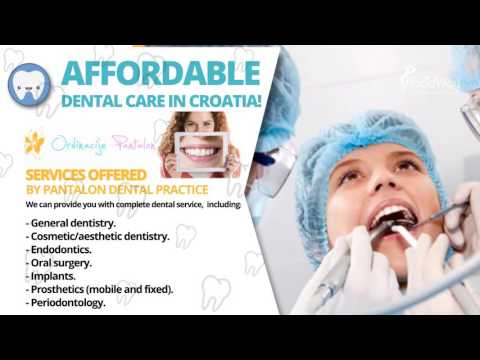
Sometimes, simply reading about a dental procedure does not provide the complete picture you need to feel comfortable. Watching real patient journeys and clinic walk-throughs can quickly demystify the experience of traveling for dental work.

Video tours allow you to observe the hygiene standards, modern technological equipment, and overall atmosphere of a foreign clinic. They also provide a closer, visual look at the step-by-step process of tooth preparation and the final fitting.

Watch the videos featured below to compare clinic environments and hear firsthand accounts from previous patients who made the trip.

Authentic patient feedback is one of the most reliable tools for evaluating a dental practice in a foreign country. Past experiences can reveal crucial details about a clinic's bedside manner, post-treatment communication, and true professionalism.

When reading testimonials, look for patients who had similar crown restorations done, paying attention to notes on the fit, color match, and durability of the teeth over time. Notice how the clinic handles follow-up care or unexpected healing delays.

Take time to read through the patient reviews below to compare real, unfiltered experiences and help narrow down your final clinic choices.

When considering traveling abroad for restorative dentistry, having clear and accurate answers is essential for your peace of mind. Below are the most common questions patients ask about getting dental crowns in Croatia.

How much does a dental crown cost in Croatia?

Costs generally range from $250 to $450 per crown. This price fluctuates depending on the material you and your dentist choose, such as premium zirconia versus traditional porcelain-fused-to-metal.

What materials are used for crowns in Croatian clinics?

Clinics typically use top-tier materials like solid zirconia, E-max porcelain, and metal-ceramics. All materials utilized by accredited clinics meet strict European Union quality standards.

How long will I need to stay in Croatia for the procedure?

Most patients need to stay for 5 to 7 days. This time frame allows for initial preparation, laboratory fabrication of the custom crowns, and the final adjustment and fitting.

Are dentists in Croatia strictly regulated?

Yes. All practicing dentists must be registered with the Croatian Dental Chamber. This ensures they follow rigorous national and EU healthcare regulations and continuing education standards.

Do clinics offer warranties on their dental crowns?

Many reputable clinics provide a warranty on their dental restorations. These typically last between 3 to 5 years, provided the patient maintains excellent oral hygiene and regular dental check-ups.

Will there be a language barrier with the dental team?

English is widely spoken across Croatian medical tourism clinics. Dentists and patient coordinators are highly fluent, which minimizes any risk of miscommunication regarding your care.

Can I get a root canal and a crown during the same trip?

Yes, endodontic treatments can be performed before placing a crown. However, this may extend your required stay by a few extra days to ensure the tooth heals properly before taking final impressions.

How do I travel to clinics in cities like Split or Zagreb?

Major Croatian cities have international airports with frequent direct flights from the UK, Germany, and Italy. Many clinics simplify the process by providing complimentary airport transfer services.

Is it safe to travel to Croatia as a medical tourist?

Croatia is considered a very safe destination with strict medical hygiene protocols, modern healthcare infrastructure, and a notably low crime rate, making it highly suitable for health travelers.

How should I care for my new crowns once I get home?

You should care for them just like your natural teeth. Brush twice daily, floss gently, avoid biting extremely hard objects like ice, and visit your local dentist for routine professional cleanings.

How Much do Dental Crowns Cost in Croatia?

A single dental crown in Croatia typically costs between $250 and $550, depending on the material chosen, such as porcelain, zirconia, or metal-ceramic. This is often an estimate, as final prices vary by case complexity and clinic location. For individuals facing extensive restorative dental work, exploring dental crowns in Croatia has become an increasingly popular option. Known for its picturesque coastlines and historic cities, the country has also developed a strong reputation for offering accessible, quality dental care. By combining medical treatments with travel, patients often find they can address their oral health needs while experiencing a different culture. Navigating the estimated dental crowns cost in Croatia requires understanding the various factors that influence pricing, the materials available, and the practicalities of seeking care abroad. This guide provides comprehensive, medically responsible information to help you evaluate if this destination aligns with your healthcare needs. Key Takeaways Estimated costs range from $250 to $550 per crown, varying by material and clinical assessment. Patients can typically choose between Zirconia, E-max (all-ceramic), and Porcelain-Fused-to-Metal (PFM) crowns. Treatment usually requires two visits to the clinic over a period of 5 to 7 days. Consulting with a local dentist prior to travel is highly recommended to confirm candidacy and obtain necessary X-rays. While international care offers potential savings, patients must factor in travel, accommodation, and the logistics of long-term aftercare. What factors affect the cost of dental crowns in Croatia? The final price you pay depends on the specific crown material, the expertise of the dentist, diagnostic tests, and any preliminary treatments required. While base prices for restorative dental work are often transparently listed, a patient’s individual clinical needs dictate the total expense. Finding a suitable dental crown clinic in Croatia means looking beyond the lowest advertised price to understand what is included in the treatment plan. Factors that frequently influence the overall cost include: Material Selection: Advanced materials like Zirconia or E-max are priced higher than traditional metal-ceramic options due to their durability and aesthetic qualities. Preliminary Treatments: If a tooth is severely decayed or infected, you may require a root canal, core build-up, or post placement before a crown can be seated. These procedures add to the total cost. Diagnostic Imaging: Panoramic X-rays or 3D CBCT scans are necessary for proper assessment and may carry separate fees. Clinic Location and Technology: Facilities in major tourist hubs like Zagreb, Split, or Dubrovnik may charge slightly more than clinics in smaller towns. Additionally, clinics equipped with in-house CAD/CAM technology for same-day crowns may have different pricing structures. Which dental crown materials are available at Croatian clinics? Clinics generally offer Porcelain-Fused-to-Metal (PFM), All-Ceramic (E-max), and Zirconia crowns, allowing patients to balance durability, aesthetics, and budget. Choosing the right material is a clinical decision that you should make in consultation with your dentist, based on which tooth is being restored, your bite alignment, and your cosmetic preferences. Each material has distinct characteristics. Crown Material Characteristics Estimated Cost per Crown (USD) Porcelain-Fused-to-Metal (PFM) Strong metal base with a porcelain overlay. Often used for back teeth; a metal line may become visible at the gumline over time. $200 - $300 Zirconia Highly durable, metal-free, and resistant to chipping. Blends reasonably well with natural teeth, often recommended for molars. $300 - $450 All-Ceramic (E-max) Exceptional translucency and aesthetics, closely mimicking natural enamel. Frequently used for highly visible front teeth. $350 - $550 Note: The prices listed above are general estimates. Your final quote will depend on the clinic's specific pricing and your individual medical evaluation. How much can international patients save on dental crowns in Croatia compared to the US or UK? Patients may find that crown treatments in Croatia are priced 50% to 70% lower than typical out-of-pocket estimates in the United States and the United Kingdom. In the US, a single porcelain or zirconia crown can range from $1,000 to $2,500 without insurance coverage. In the UK, private dental clinics often charge between £600 and £1,200 per crown. Because the estimated dental crowns cost in Croatia hovers between $250 and $550, the potential financial difference can be substantial, particularly for patients requiring multiple crowns or full mouth restorations. However, when evaluating medical tourism in Croatia, it is essential to calculate the total cost of the trip. Savings can diminish if you do not account for flights, accommodations, transportation, food, and the potential need to return for follow-up adjustments. For a single crown, travel expenses may outweigh the dental savings, but for extensive restorative work, international care often remains financially viable for many patients. How long does the dental crown procedure take in Croatia? A standard crown procedure requires a stay of about 5 to 7 days, encompassing two main visits to the clinic for preparation and final placement. Properly crafting and fitting a dental crown is a precise process. If the clinic relies on an external dental laboratory to fabricate the crown, patients should anticipate a waiting period between appointments. Visit 1 (Preparation): The dentist reshapes the tooth, takes impressions (digital or traditional), and places a temporary crown to protect the tooth. This visit takes about 1 to 2 hours. Laboratory Time: It typically takes 3 to 5 days for the dental lab to manufacture the permanent crown. Visit 2 (Placement): The dentist removes the temporary crown, checks the fit, color, and bite alignment of the new crown, and permanently cements it into place. In some cases, clinics equipped with CAD/CAM technology may offer same-day crowns. However, this is not suitable for every clinical situation, and patients should confirm the expected timeline during their initial remote consultation. What is the standard procedure for getting dental crowns abroad? The process involves an initial assessment, tooth preparation, impression taking, temporary crown placement, and finally, the fitting of the permanent restoration. Getting a dental crown, whether domestically or internationally, follows established clinical protocols to ensure proper fit and function. When you visit a clinic in Croatia, the clinical steps are generally the same as you would experience at home. Initially, the dentist will take X-rays to assess the roots of the tooth and the surrounding bone. If there is extensive decay or risk of infection, a root canal treatment may be required first. The tooth is then anesthetized and filed down to make room for the crown. In cases where a large portion of the tooth is missing, a filling material is used to build up the core of the tooth to support the crown. After reshaping, impressions are taken to serve as a model for the dental lab. A temporary crown is placed using temporary cement. Once the permanent crown is ready, the dentist carefully adjusts it to ensure it does not interfere with your natural bite before permanently bonding it to the prepared tooth. Are dental crowns in Croatia safe and of high quality? Many clinics in Croatia adhere to stringent European Union health and safety regulations, utilizing the same CE-certified materials and modern equipment found in the US and UK. Safety and quality are common concerns for patients considering dental care abroad. Croatia’s healthcare system is regulated, and practicing dentists must be registered with national professional bodies. Many facilities catering to international patients invest heavily in modern sterilization protocols, 3D imaging, and high-quality materials sourced from recognized global manufacturers. However, safety and successful outcomes are never guaranteed, as with any medical procedure. It is crucial to research your specific provider. Look for clinics that emphasize hygiene standards, employ experienced professionals, and transparently discuss potential risks. Requesting information about the origin of their dental materials and the credentials of their laboratory technicians can also provide peace of mind. How long do dental crowns placed in Croatia typically last? A well-placed dental crown generally lasts between 5 and 15 years, though some may last longer with excellent oral hygiene and regular professional check-ups. The lifespan of a crown is influenced heavily by the patient's oral care habits, the amount of wear and tear the crown is exposed to, and the type of material used. Zirconia and metal-ceramic crowns are highly durable and can withstand significant chewing forces, whereas porcelain crowns are somewhat more prone to chipping if subjected to heavy stress, such as teeth grinding. To maximize the longevity of your restoration, you must treat it like a natural tooth. This includes brushing twice a day, flossing daily (paying special attention to the area where the crown meets the gumline), and avoiding hard habits like chewing ice, biting fingernails, or using your teeth to open packaging. Regular visits to your local dentist at home are essential for monitoring the crown's integrity over time. What are the potential risks or complications of getting dental crowns abroad? Potential risks include tooth sensitivity, nerve damage requiring a root canal, improper fit affecting your bite, and the logistical challenge of addressing complications after returning home. Every dental procedure carries inherent risks, regardless of where it is performed. Following crown placement, some patients experience temperature sensitivity. If the tooth preparation was deep, the nerve could become traumatized or infected, eventually necessitating a root canal. There is also a risk of the crown chipping, loosening, or falling off due to failure of the dental cement or an improper fit. When you undergo treatment as a medical tourist, the primary challenge is managing these potential complications once you have returned to your home country. If a crown cracks or your bite feels uneven a week after you fly back, returning to Croatia for a minor adjustment is usually impractical. Therefore, it is important to have a local dentist who is willing to provide follow-up care and manage any post-treatment issues that may arise. Do I need a passport or visa to travel to Croatia for dental work? Yes, a valid passport is required to enter Croatia. Citizens of the US, UK, Canada, and many other nations generally do not need a visa for short medical trips under 90 days. Croatia is a member of the European Union and part of the Schengen Area. Travel regulations can change, so it is imperative to verify current entry requirements with the Croatian embassy or consulate in your home country before booking any flights or treatment appointments. Ensure that your passport is valid for at least three to six months beyond your planned date of departure from Croatia. While a visa may not be required for typical short-term visits, border officials may ask for proof of accommodation, a return ticket, and sufficient funds to support your stay. Having documentation from your dental clinic outlining your appointment schedule can also be helpful if questioned upon entry. How should I care for my new dental crowns after returning home? Maintaining your crowns requires daily brushing and flossing, avoiding excessively hard or sticky foods, and scheduling biannual checkups with your local dental provider. Proper aftercare is essential for the long-term success of your restorative treatment. Immediately after your procedure, it is normal to experience mild sensitivity, which can often be managed with over-the-counter pain relievers and toothpaste designed for sensitive teeth. Your dentist may advise you to eat soft foods for the first few days. In the long term, while the crown itself cannot decay, the tooth structure beneath it and the surrounding gums remain vulnerable to plaque buildup and periodontal disease. If you suffer from bruxism (teeth grinding or clenching), it is highly advisable to have a custom night guard made by your local dentist to protect your new crowns from excessive wear and potential fracture. Why Choose PlacidWay for Medical Tourism in Croatia? Researching international healthcare can feel overwhelming. PlacidWay serves as a global medical tourism platform designed to help patients find educational resources and connect with healthcare providers around the world. Extensive Directory: PlacidWay offers access to a broad database of dental clinics and hospitals in Croatia and globally. Informational Resources: Patients can review clinic profiles, dentist credentials, and facility details in one centralized location. Provider Comparisons: The platform allows users to compare different facilities, treatment approaches, and estimated costs. Direct Communication: PlacidWay facilitates direct contact between patients and international clinics to request information and quotes. Patient-Focused Focus: The platform focuses on providing transparent information to help patients make informed decisions about their healthcare journeys. Frequently Asked Questions (FAQs) Is it cheaper to get a full set of crowns in Croatia? Yes, patients requiring multiple restorations often find that getting a full set of crowns is more affordable in Croatia compared to the US or UK, even when factoring in travel and accommodation costs. However, full mouth restorations are complex and require careful evaluation by a qualified dentist. Can I get a dental crown in a single day in Croatia? Some clinics in Croatia offer same-day crowns using CAD/CAM (Computer-Aided Design and Manufacturing) technology, which mills the crown on-site. However, this depends on the clinic's equipment and whether the patient's specific dental condition is suitable for this rapid approach. Do dental professionals in Croatia speak English? Yes, many dentists and support staff who cater to international patients speak fluent English. Clear communication is a standard part of the experience for individuals traveling for dental care in major Croatian cities like Zagreb, Split, and Dubrovnik. What happens if my dental crown cracks after I return home? If a complication arises after returning home, you will likely need to visit a local dentist for immediate assessment and repair. While some overseas clinics offer corrective policies, traveling back for minor repairs is often impractical, making a local dental relationship important. Can I combine my dental crown treatment with a vacation in Croatia? Many patients successfully combine their treatment with tourism. However, you should plan your itinerary around your dental appointments, allowing adequate time for initial consultations, lab work, fittings, and adequate rest during recovery. Is zirconia more expensive than porcelain in Croatia? Yes, zirconia crowns are typically priced higher than standard porcelain-fused-to-metal (PFM) crowns due to the advanced milling technology required and the material's durability and natural aesthetics. Are there hidden fees when getting dental crowns in Croatia? Reputable clinics provide detailed treatment plans with itemized estimates. However, unexpected costs can arise if your dentist discovers underlying issues, such as an infection requiring a root canal, during the initial examination. How do I prepare for my dental trip to Croatia? Start by obtaining recent dental X-rays from your local dentist to share with prospective clinics abroad. Ensure your passport is valid, discuss your medical history with your chosen provider, and clarify the expected timeline before booking travel. Can I use my home dental insurance in Croatia? Most standard dental insurance plans from the US or UK do not cover routine treatments abroad. You should contact your insurance provider directly to check if they offer out-of-network reimbursement for international emergency or restorative care. What is the difference between a dental crown and a veneer? A dental crown encases the entire visible portion of a heavily damaged or decayed tooth to restore its structure and function. A veneer is a thin shell placed only on the front surface of a tooth, primarily used for cosmetic improvements rather than structural repair. Compare Treatment Options Gather educational resources and request estimates for your dental care needs. Request Treatment Information References Dental Crowns – American Dental Association (ADA) Adult Oral Health – Mayo Clinic NHS Dental Treatments (Crowns) – UK National Health Service Zirconia in Dental Prosthetics – National Institutes of Health (NIH) Infection Prevention & Control in Dental Settings – Centers for Disease Control and Prevention (CDC) Oral Health Fact Sheet – World Health Organization (WHO) Medical Disclaimer: The information provided in this article is for educational and informational purposes only and does not constitute medical or dental advice. Dental crown procedures, materials, and suitability vary significantly based on individual medical histories and clinical presentations. Outcomes and costs are not guaranteed and can fluctuate. Always consult with a licensed and qualified dentist to determine if this treatment is appropriate for your specific health needs before making any medical or travel decisions.

The longevity and natural look of your new crowns depend almost entirely on the skill and precision of your prosthodontist. A beautifully crafted zirconia crown means very little if it is not fitted correctly to align with your natural bite.

Look for dentists who specialize in restorative dentistry and take time to check their continuing education records. Many leading Croatian dentists have trained extensively across Europe and hold active memberships in respected international dental associations.

Browse the dentist profiles below to compare their specialized training and professional backgrounds so you can be sure you are in capable hands.


Croatia has steadily transformed from a popular Mediterranean holiday spot into a highly respected hub for advanced dental care. Patients primarily travel from the United Kingdom, Italy, Germany, and even North America to access affordable restorative dentistry while enjoying a beautiful, relaxing setting.

Reaching major dental hubs is incredibly straightforward for most European travelers. Numerous budget airlines operate daily, direct flights from major cities, often landing you in Croatia in under two and a half hours, making a one-week dental trip highly manageable.

Popular Dental HubsZagreb, Split, Rijeka, Dubrovnik
Average Flight Time (UK/EU)2 to 2.5 hours
Primary Patient OriginsUnited Kingdom, Italy, Germany, Austria

The country boasts modern infrastructure, widespread English proficiency among medical staff, and a deep respect for European Union healthcare standards. Whether you are recovering by the coast or exploring historic city centers, the calm environment is ideal for a relaxed healing process.

Explore the destination details below to plan your itinerary and compare different cities to find the right backdrop for your dental journey.

Restoring your smile should not mean compromising on clinical quality or completely draining your savings account. By taking the time to research verified clinics, experienced prosthodontists, and clear pricing structures, you can confidently take the next step toward better, pain-free dental health.

Our team is available to help you navigate your options, connect you with accredited Croatian dental professionals, and gather accurate estimates tailored to your specific restorative needs.

References

Dental Crowns in Croatia - Your Solution to Damaged Teeth thumbnail

About Experience

Trusted Medical Tourism Platform Since 2007

60+
Countries
2k+
Clinics
19.5k+
Reviews
2.5k+
Qualified Doctors
1.1M+
Patients Served Since 2007