
See the Price of All on Four Dental Implants in Zagreb, Croatia

For patients facing extensive tooth loss, restoring a functional smile is a significant priority. However, the high price of extensive dental restoration in many Western countries often presents a major barrier to care. Because of this, an increasing number of individuals are researching All on 4 Dental Implants in Zagreb, Croatia as an alternative path to treatment.
Zagreb has developed a reputation for providing modern dental care within the broader landscape of European medical travel. Combining experienced oral surgeons, modern clinical facilities, and favorable exchange rates, the city draws international patients looking for transparent care options. In this guide, we will break down what you need to know about the All on 4 Dental Implants cost in Croatia, the steps involved in the procedure, and what to consider before planning a trip for dental care.
Key Takeaways
- The procedure requires two separate trips to Croatia spaced roughly 3 to 6 months apart.
- Cost estimates generally range from $5,000 to $8,000 per arch, depending on prosthetic materials and required extractions or bone grafts.
- Thorough evaluation by an oral surgeon is necessary, as not all patients are suitable candidates for the All-on-4 protocol.
- Patients must plan for ongoing maintenance and establish a relationship with a local dentist back home for long-term follow-up.
- While costs are lower than in the US or UK, patients should budget for flights, accommodation, and potential local emergency care.
What exactly does the All-on-4 procedure involve?
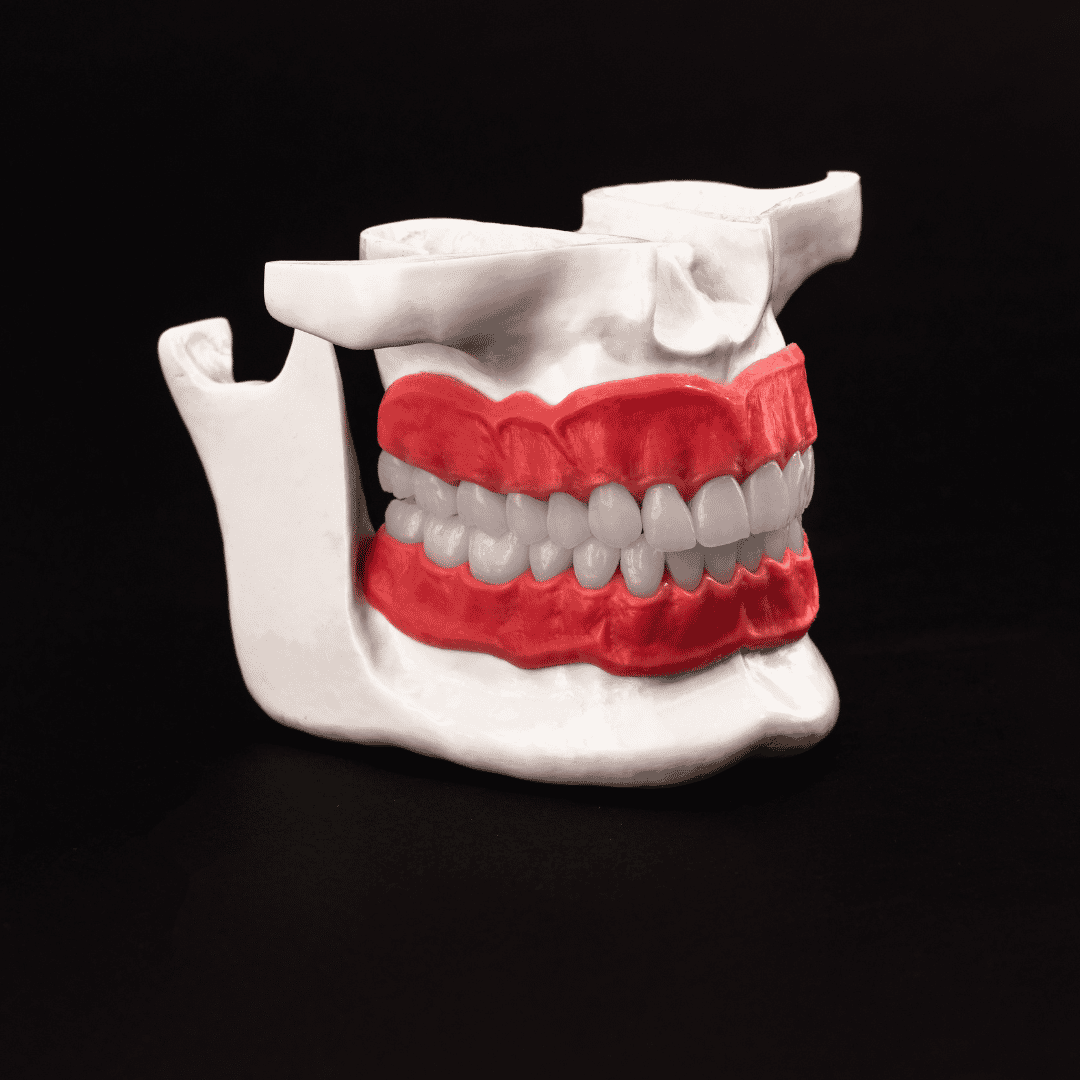
The All-on-4 concept was developed to maximize the use of available jawbone, often allowing patients to avoid complex bone grafting procedures. During the initial surgery, any remaining failing teeth are extracted. The oral surgeon then places two implants vertically in the front of the jaw and two implants at an angle in the back of the jaw. Angling the posterior implants provides greater stability and avoids anatomical structures like the sinus cavity or the mandibular nerve.
Following the surgical placement of the titanium posts, a temporary acrylic denture is typically attached to the implants. This allows patients to leave the clinic with fixed teeth while the bone heals. This initial phase is crucial, as the implants must osseointegrate—fuse with the surrounding bone—before they can support the heavy biting forces of a permanent bridge.
After a healing period of three to six months, the patient returns for the restorative phase. The temporary teeth are removed, and a final, highly durable prosthetic arch (often made of zirconia or porcelain fused to metal) is securely screwed into place by the restorative dentist.
What factors affect the All on 4 dental implants cost in Croatia?
While the baseline price for treatment in Zagreb is appealing, patients should understand that costs are rarely uniform. When researching any All on 4 dental implants clinic in Croatia, you will likely see a range of estimates. The primary variables include:
- Implant Brand: Premium global brands (like Nobel Biocare or Straumann) typically cost more than generic or lesser-known implant systems.
- Prosthetic Material: A final bridge made from standard acrylic with titanium reinforcement is more affordable than a precision-milled monolithic zirconia bridge, which offers superior durability and aesthetics.
- Preparatory Work: If a patient requires extensive tooth extractions, minor bone leveling, or treatment for active gum disease prior to surgery, the overall cost will increase.
- Anesthesia: Local anesthesia is standard, but if a patient requests conscious intravenous (IV) sedation, an anesthesiologist must be present, which adds to the bill.
Are there hidden fees when getting implants in Zagreb?
Transparency is a critical component of safe medical travel. A quote that appears unusually low might only cover the surgical phase and the temporary denture, leaving the cost of the final permanent bridge out of the initial estimate. To avoid surprises, international patients must ask for an itemized, comprehensive treatment plan before booking flights.
Important questions to ask your prospective provider include whether the quoted price covers the CBCT (3D) scan, panoramic X-rays, the cost of extractions, medications prescribed during the stay, and the surgical placement of the temporary teeth. Furthermore, clarify if the clinic charges a fee if you need adjustments to your temporary teeth during the healing phase.
How does the price in Zagreb compare to the US or UK?
The stark difference in pricing is the main driver of medical tourism in Croatia. In the United States, a single arch of All-on-4 implants can easily range from $20,000 to $30,000 or more, depending on the region and the specialist. In the United Kingdom, similar treatments can cost upwards of £15,000 per jaw.
In contrast, the estimated $5,000 to $8,000 per jaw in Zagreb presents a substantial reduction. This price difference does not inherently mean a reduction in the quality of materials; Croatian clinics often purchase the exact same titanium implants and dental ceramics used by doctors in London or New York. The savings are realized through the lower macroeconomic operating costs of running a medical facility in Eastern Europe.
| Country | Estimated Cost (Per Arch) |
|---|---|
| United States | $20,000 - $30,000+ |
| United Kingdom | $18,000 - $25,000+ |
| Croatia (Zagreb) | $5,000 - $8,000 |
*Note: The prices above are broad estimates. Individual costs will vary based on specific clinical needs.
Who is generally a suitable candidate for this treatment?
Not every patient dealing with missing teeth is an automatic candidate for the All-on-4 protocol. An individualized assessment by an appropriately qualified healthcare professional is essential. Ideal candidates are those currently wearing traditional removable dentures or those whose remaining natural teeth are failing due to severe periodontal disease or advanced decay.
However, certain medical conditions can complicate or contraindicate implant surgery. Patients with uncontrolled diabetes, severe osteoporosis, or those undergoing active cancer treatments (particularly radiation to the head and neck or bisphosphonate therapy) may not be eligible. Furthermore, smoking heavily increases the risk of implant failure, as it restricts blood flow to the gums and slows the bone healing process. Surgeons often require patients to cease smoking well before and after the procedure.
What are the potential risks and complications?
Medical treatments carry inherent risks, and outcomes vary by patient. It is crucial never to view dental surgery as risk-free. One of the primary medical concerns in implantology is peri-implantitis, an inflammatory condition that affects the soft and hard gum tissues surrounding the implant, which can lead to bone loss and eventual implant failure if left untreated.
Surgical complications, though less common when performed by experienced professionals, can include injury to adjacent structures. In the lower jaw, there is a risk of temporary or permanent damage to the inferior alveolar nerve, which can cause numbness or tingling in the lip and chin. In the upper jaw, implants may inadvertently penetrate the sinus cavity. Additionally, if the patient's bite is not aligned correctly during the restorative phase, the uneven pressure can cause the prosthetic teeth to chip or fracture over time.
How long does the recovery process usually take?
Recovery happens in two distinct phases. The initial acute phase involves soft tissue healing. Following the surgery in Zagreb, patients typically experience swelling, bruising, and mild to moderate discomfort for a few days. Surgeons usually prescribe pain management medication and antibiotics to mitigate these symptoms and prevent infection. During this first couple of weeks, patients must adhere to a strict soft-food diet to avoid placing undue stress on the newly inserted implants.
The secondary phase is osseointegration, a microscopic process occurring beneath the gums where the bone grows tightly around the titanium threads. This biological process cannot be rushed. It generally takes about three months for the lower jaw and up to six months for the upper jaw (which has softer bone density). Throughout this entire period, patients will wear their temporary fixed denture and must continue to avoid eating hard or excessively chewy foods.
Will I need to travel to Zagreb more than once?
A common misconception in dental tourism is that a patient can fly to a destination, undergo surgery, and return home a week later with their final, permanent teeth. For the All-on-4 procedure, this is medically inaccurate. The immediate loading of a permanent heavy bridge on fresh implants significantly increases the risk of implant failure.
Your first trip to Zagreb will involve the surgical placement of the implants and the fitting of the temporary acrylic prosthesis. Expect to stay in the city for about 5 to 7 days for this phase. You will then return home to heal. Several months later, once osseointegration is confirmed via X-rays, you will travel back to Zagreb for a second visit. During this trip (which often takes 5 to 10 days), the restorative dentist will take fresh impressions, and the dental laboratory will fabricate and fit your final, permanent bridge.
How can international patients plan their medical trip?
Planning for care abroad requires careful organization. The first step is usually a remote consultation. You will need to obtain a recent panoramic X-ray or a 3D CBCT scan from a local imaging center and send it securely to the clinic in Croatia. The surgical team will evaluate your bone volume to determine if you are a viable candidate for the procedure.
Once you have a preliminary treatment plan and cost estimate, you can look into logistics. Zagreb has an international airport well-connected to major European hubs, making flights relatively accessible. Patients should book accommodations close to the clinic, as traveling long distances across the city immediately after oral surgery can be uncomfortable. Keep in mind that as a medical traveler, you must have a plan for localized follow-up care. You should inform your local dentist of your plans so they can assist you with routine cleanings and address any minor issues once you return home.
Why Choose PlacidWay for Medical Tourism in Croatia?
Navigating international healthcare options can be complex. PlacidWay serves as an informational resource for patients exploring treatments abroad.
- Clinic Profiles: PlacidWay offers access to detailed profiles of international healthcare providers, helping patients review available facilities.
- Cost Comparisons: The platform allows individuals to compare estimated treatment costs across different clinics and geographical regions.
- Direct Quotes: Patients can use the system to request treatment information and preliminary quotes directly from medical providers.
- Provider Credentials: PlacidWay displays the educational backgrounds and professional certifications supplied by the listed dentists and clinics.
- Facilitated Communication: The platform helps initiate the initial contact between the patient and the international clinic, streamlining the information-gathering phase.
Frequently Asked Questions
Is it safe to get dental implants in Zagreb, Croatia?
Getting dental implants in Zagreb can be safe when performed by qualified oral surgeons or periodontists. The country has strict health regulations, and many clinics adhere to European Union medical standards. However, as with any surgery, risks remain, and patients must carefully research their chosen facility and provider.
What implant brands are commonly used by clinics in Croatia?
Many dental facilities in Croatia use internationally recognized implant systems such as Nobel Biocare, Straumann, and Ankylos. Patients should ask their provider which specific system will be used and request the documentation or implant passport.
Do dental teams in Zagreb typically speak English?
Yes, it is very common for dental professionals and support staff in Zagreb who cater to international patients to speak fluent English, helping ensure clear communication regarding your treatment plan and medical history.
Can I have the All-on-4 procedure done on both jaws simultaneously in Zagreb?
In suitable candidates, oral surgeons can perform the procedure on both the upper and lower jaws during the same surgical session. Your doctor will determine if this is appropriate based on your bone density, health status, and surgical tolerance.
How long do I need to stay in Croatia for the first visit?
Patients are typically advised to stay in Zagreb for 5 to 7 days during the initial surgical visit. This allows time for the preoperative consultation, the surgery itself, the placement of the temporary prosthesis, and a postoperative check-up before flying home.
What type of warranty do Croatian dental clinics offer?
Many clinics offer manufacturer warranties on the titanium implants themselves, which can range from 10 years to a lifetime. Warranties on the prosthetic teeth (the crown or bridge) are usually shorter. Always get warranty terms in writing before beginning treatment.
Are specialized dental technologies available in Zagreb?
Yes, many modern dental offices in Zagreb utilize specialized technologies such as CBCT (Cone Beam Computed Tomography) 3D scanners, intraoral scanners, and CAD/CAM milling machines to plan and execute implant surgeries accurately.
How do I maintain my implants after returning home from Croatia?
Maintenance requires strict oral hygiene, including brushing, using a water flosser, and specialized interdental brushes. You will also need to establish a relationship with a local dentist for regular professional cleanings and check-ups every six months.
Can I use local transport easily while recovering in Zagreb?
Zagreb has an efficient public transportation system, including trams and buses, as well as affordable ride-sharing apps. However, immediately after surgery, you may prefer to take a taxi or use a clinic-provided shuttle to return to your accommodation to rest.
What happens if I experience a complication after leaving Croatia?
If you experience complications after returning home, you must seek care from a local dentist or oral surgeon immediately. It is important to have a contingency plan and budget for unexpected local medical care, as traveling back to Croatia for emergency treatment is rarely practical.
Ready to Explore Your Options?
Connect with providers to learn more about procedures, evaluate estimated costs, and see if treatment abroad aligns with your medical needs.
Compare Treatment OptionsReferences
- Dental Implant Surgery Overview – Mayo Clinic
- All-on-4 Dental Implants – American College of Prosthodontists
- Medical Tourism Guidelines – Centers for Disease Control and Prevention (CDC)
- Survival Rates of Dental Implants – National Center for Biotechnology Information (NCBI)
- Croatian Chamber of Dental Medicine (HKDM)
- Glossary of Implant Dentistry – International Congress of Oral Implantologists (ICOI)



















Share this listing