


Exploring Stem Cell Treatment Options in Costa Rica
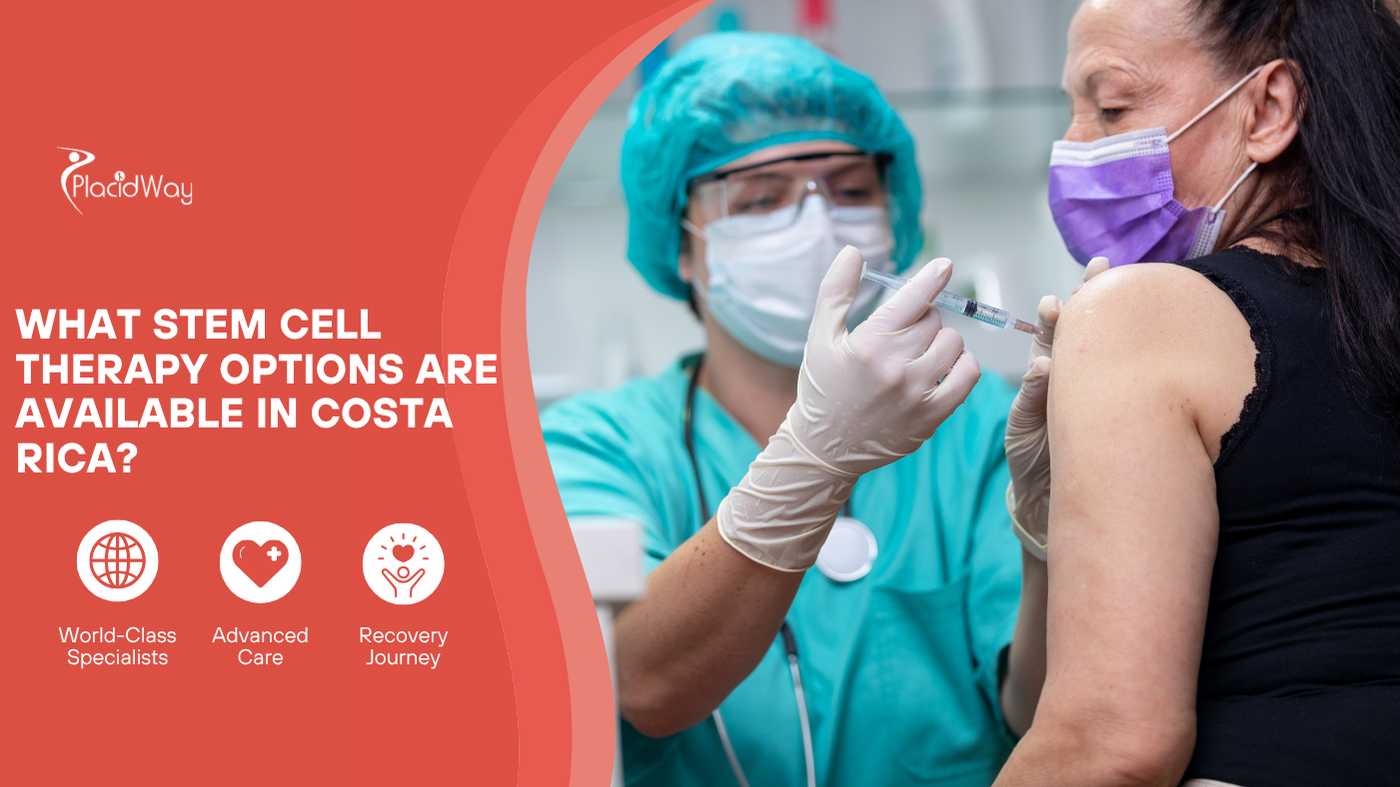
Regenerative medicine has become a widely discussed topic among patients seeking alternative approaches to chronic conditions, joint issues, and autoimmune disorders. As the science continues to evolve, many individuals are looking across borders to explore options that may not yet be widely available or affordable in their home countries.
This detailed guide is designed to help you understand the landscape of these treatments. We will explore what the procedures involve, how the regulatory environment works, estimated costs, and what you should consider before making any medical travel decisions. Our goal is to provide a balanced, highly factual look at this evolving field so you can have informed discussions with your primary healthcare provider.
Key Takeaways
- Costa Rican clinics primarily utilize Mesenchymal Stem Cells (MSCs) derived from the patient's own fat tissue or from ethically donated umbilical cord tissue.
- The Ministry of Health oversees medical facilities, requiring specific permits to process and administer biological materials.
- Treatment is not a guaranteed cure; results are highly individual, and many applications are still considered experimental by major global health authorities.
- Thoroughly vetting a facility's credentials and discussing the plan with your local doctor are critical steps before traveling.
- Post-treatment follow-up and monitoring must be arranged with your healthcare team back home.
What types of stem cell therapies are available in Costa Rica?
The field of regenerative medicine focuses largely on Mesenchymal Stem Cells because of their unique properties. Unlike embryonic stem cells, which are highly controversial and not legally used in these regulated clinics, MSCs are adult stem cells. They are valued for their potential immunomodulatory and anti-inflammatory properties.
Autologous treatments involve extracting cells directly from your body. The most common method is a mini-liposuction procedure to gather adipose tissue, which is naturally rich in MSCs. The lab then isolates these cells and prepares them for reintroduction into the body. This method eliminates the risk of tissue rejection since the biological material is entirely your own.
Alternatively, allogeneic treatments use cells from a donor. In Costa Rica, this almost exclusively means umbilical cord tissue. After a healthy, full-term cesarean section birth, the mother can consent to donate the umbilical cord. The gelatinous substance inside the cord, known as Wharton's Jelly, is densely packed with highly robust MSCs. These cells are considered "immune-privileged," meaning they have a very low risk of triggering an immune rejection in the recipient.
How much does stem cell therapy cost in Costa Rica?
Understanding the financial aspect of regenerative medicine is crucial because these procedures are almost never covered by standard health insurance plans. When you evaluate the stem cell therapy cost in Costa Rica, it helps to know what variables drive the pricing. The most significant factor is the cell count. A localized injection for a single knee joint requires far fewer cells than a systemic intravenous infusion designed to address an autoimmune condition.
The source of the cells also impacts the price. Autologous therapies, which require surgical extraction (like mini-liposuction) and subsequent laboratory processing while you wait, carry different costs than umbilical cord treatments, where the cells have already been processed, tested, and cultured in an off-site laboratory.
| Treatment Type / Scope | Estimated Cost Range (USD) |
|---|---|
| Localized Joint Injection (e.g., one knee/shoulder) | $4,000 - $7,000 |
| Standard Systemic IV Infusion | $8,000 - $15,000 |
| Complex/Multi-Day Protocols | $15,000 - $25,000+ |
*Note: These prices are estimates and can vary widely based on the specific facility, the doctor's assessment, and the exact number of stem cells required for your unique biological needs.
Is stem cell treatment safe and regulated in Costa Rica?
Safety is the most critical consideration for any patient looking into international healthcare. In Costa Rica, the legal framework for biological treatments is robust compared to many other medical tourism destinations. The Ministry of Health requires specialized laboratories and clinics to hold specific permits to handle, process, and administer human cells.
For umbilical cord-derived products, the regulations mandate rigorous screening. Donors are tested for a comprehensive panel of infectious diseases, and the cells are cultured in clean-room environments to prevent contamination.
Despite these strict local regulations, it is important to maintain realistic expectations. You must understand that many stem cell applications are still classified as investigational or experimental by major health bodies like the US Food and Drug Administration (FDA) and the World Health Organization (WHO). While the procedure itself may be performed cleanly and safely, the underlying medical efficacy for your specific condition cannot be guaranteed.
What medical conditions do clinics in Costa Rica treat with stem cells?
Patients travel for regenerative medicine because they are dealing with chronic, difficult-to-manage conditions. The therapeutic goal is generally to reduce inflammation, modulate the immune system, and encourage the body's natural healing mechanisms.
- Orthopedic Conditions: Osteoarthritis in the knees, hips, and shoulders is one of the most common reasons patients seek these therapies. The aim is to reduce joint inflammation and potentially slow cartilage degradation.
- Autoimmune Disorders: Conditions like rheumatoid arthritis, lupus, and multiple sclerosis involve an overactive immune system. MSCs are studied for their potential to "calm" immune responses.
- Neurological Conditions: Some clinics offer protocols for Parkinson's disease or neuropathy. Evidence here is highly preliminary, and treatments are strictly aimed at symptom management and improving quality of life.
- Anti-aging and Wellness: Some individuals pursue IV infusions for general cellular health and to combat chronic fatigue, though this remains a controversial application with limited clinical backing.
It is paramount to remember that suitability varies by patient. A responsible doctor will review your medical history, current medications, and existing conditions to determine if you are a candidate. Never substitute these procedures for your current prescribed medical treatments without consulting your primary physician.
Important Consideration
Having a pre-existing active cancer, certain severe blood disorders, or an active infection will typically disqualify you from receiving stem cell therapy due to the unknown ways the cells might interact with these conditions.
Where do the stem cells used in these treatments come from?
The biological source of the cells is a frequent question. As mentioned earlier, there are two primary pathways: autologous and allogeneic. If you undergo an autologous procedure, the doctor will use a local anesthetic and perform a minor liposuction to remove a small amount of adipose tissue from your flank or abdomen. This fat is processed in a centrifuge to isolate the stromal vascular fraction, which contains the mesenchymal stem cells.
For allogeneic treatments, the process begins in a maternity ward. Mothers who have undergone extensive medical history screenings and blood tests can consent to donate their umbilical cord after a planned C-section. The umbilical cord tissue, which would normally be discarded as medical waste, is collected and sent to a licensed laboratory.
In the lab, technicians extract the MSCs from the Wharton's Jelly. These cells are then cultured (multiplied) over several weeks. This culturing process is what allows clinics to administer highly concentrated doses of millions of cells, which is difficult to achieve solely with same-day autologous fat extraction.
How do I choose a safe stem cell therapy clinic in Costa Rica?
Selecting the right stem cell therapy clinic in Costa Rica requires diligent research. Because you are traveling abroad for an investigational treatment, you must act as your own advocate. The first step is verifying credentials. A legitimate facility will gladly provide evidence of their authorization from the Ministerio de Salud.
Pay close attention to how the clinic communicates. Red flags include aggressive sales tactics, guarantees of a cure, or claims that the treatment is entirely risk-free. A reputable medical provider will offer a balanced consultation, discussing both the potential benefits and the limitations or risks of the therapy.
Furthermore, ask about the laboratory they use. If they are administering umbilical cord cells, inquire about the screening protocols, cell viability testing, and how the cells are transported and stored. Transparency is the hallmark of a safe, ethical medical practice.
What should I expect during the stem cell treatment process?
Understanding the logistical flow of the procedure can alleviate much of the anxiety associated with medical travel.
- Step 1: The Consultation. Before any treatment begins, you will meet with the attending physician. They will review your recent blood work, imaging (like MRIs or X-rays), and medical history to confirm the protocol is safe for you.
- Step 2: The Administration. Depending on your condition, the cells will be introduced to your body. For systemic conditions, an IV infusion is used, which typically takes about an hour. You sit comfortably while the cells slowly drip into your bloodstream. For localized orthopedic issues, the doctor will use ultrasound guidance to inject the cells directly into the damaged joint.
- Step 3: Observation and Aftercare. You will be monitored in the clinic for a short period after the procedure to ensure there are no immediate adverse reactions. The medical team will provide you with specific aftercare instructions, such as avoiding strenuous activity or anti-inflammatory medications for a certain timeframe.
Most patients do not require an overnight hospital stay and can return to their hotel shortly after the treatment is completed.
What are the potential risks and side effects of stem cell therapy?
Any medical procedure carries inherent risks, and regenerative medicine is no exception. It is vital to approach this therapy with a clear understanding of potential complications. Common, mild side effects include fatigue, headache, or mild fever in the 24 to 48 hours following an IV infusion. If you receive a joint injection, you may experience stiffness, swelling, and localized pain for a few days.
More severe risks, while rare in properly regulated clinics using MSCs, include infection at the injection site or an adverse immune reaction. There are also long-term theoretical risks. Because stem cells promote cellular growth, researchers continuously study the potential for them to inadvertently encourage the growth of abnormal cells, though current evidence with mesenchymal cells suggests this risk is low.
Perhaps the most common "risk" patients face is financial and emotional: the treatment might not work. Because results vary so widely, some patients invest significant time and money and experience little to no improvement in their condition. You must factor this possibility into your decision-making process.
Expert Insight
If you develop a fever, severe pain, or unexpected symptoms after returning home from your trip, do not wait to contact the clinic abroad. Seek immediate care from your local emergency department or primary care provider to rule out infection or complications.
Why is medical tourism in Costa Rica popular for regenerative medicine?
The growth of medical tourism in Costa Rica is not accidental. The country has spent decades building a robust private healthcare infrastructure that appeals to international patients. Many of the physicians and specialists operating in the private sector have completed portions of their medical training in the United States or Europe, leading to a high level of bilingualism and shared medical standards.
Geographic proximity is another major factor. For patients in the United States and Canada, flying to the capital city of San José is often a short, direct flight. This is particularly appealing for individuals managing chronic pain or mobility issues, for whom long-haul international travel would be overly burdensome.
Finally, the regulatory environment provides a middle ground. While countries like the US heavily restrict stem cell expansion (culturing) outside of strict clinical trials, Costa Rican law allows for the ethical expansion and administration of these cells under Ministry of Health oversight. This allows patients access to higher cell counts and different application methods than they might find domestically.
Why Choose PlacidWay?
Navigating international healthcare options can be complex. PlacidWay acts as a resource to help you gather information and make informed choices.
Global Network Access
We provide access to a wide directory of international healthcare providers, allowing you to explore clinics based on your specific medical interests.
Direct Connections
Our platform facilitates direct communication between you and international medical centers, streamlining the initial inquiry process.
Educational Resources
We offer comprehensive articles and guides to help patients better understand the landscape of medical tourism and available procedures.
Cost Comparisons
Patients can review and compare estimated pricing from multiple facilities, helping to build a realistic budget for medical travel.
Customer Support
Our dedicated support team is available to assist you with using the platform and finding the information you need for your healthcare journey.
Frequently Asked Questions
How long does a stem cell therapy trip to Costa Rica typically take?
Most patients stay in Costa Rica for four to seven days. This allows time for the initial medical consultation, the treatment procedure, and a brief observation period before flying home. Complex protocols may require longer stays.
Are stem cell therapies guaranteed to work?
No. Stem cell therapy is not a guaranteed cure for any condition. Outcomes vary significantly based on the patient's individual biology, the severity of their condition, and the type of protocol used. Many treatments are still considered experimental.
Can I use my domestic health insurance for stem cell therapy abroad?
In almost all cases, domestic health insurance providers do not cover stem cell therapies performed abroad, especially because many of these treatments are not yet standard-of-care. Patients should expect to pay out-of-pocket.
Is umbilical cord blood screening mandatory in Costa Rica?
Yes. Legitimate facilities operating under the Costa Rican Ministry of Health must adhere to strict screening protocols for donated umbilical cord tissue, testing for infectious diseases like HIV, Hepatitis B and C, and Syphilis before processing.
What is the difference between autologous and allogeneic stem cells?
Autologous stem cells are harvested from your own body, typically from fat tissue or bone marrow. Allogeneic stem cells are sourced from a donor, most commonly from ethically donated umbilical cord tissue after a healthy birth.
How soon can I fly home after receiving stem cells?
Many patients are cleared to fly within 24 to 48 hours after their procedure. However, your attending physician will make a specific recommendation based on the type of administration you received and how well you are feeling.
Do I need a medical visa to travel to Costa Rica for treatment?
Citizens of many countries, including the United States and Canada, do not need a special medical visa to enter Costa Rica for short visits. A standard tourist entry stamp is usually sufficient, but always check current immigration rules before traveling.
What happens if I experience a complication back home?
Before traveling, you should inform your primary care physician about your plans. If complications arise after you return home, you must seek immediate medical attention from your local healthcare provider or emergency room.
Are stem cell therapies painful?
The administration itself is usually minimally invasive. Intravenous (IV) infusions feel like a standard blood draw. Targeted joint injections may cause mild, temporary discomfort and swelling, which is typically managed with local anesthetics.
How long does it take to see potential results?
Regenerative medicine works slowly. If a patient responds to treatment, they typically begin to notice subtle changes within three to six months, as the cells require time to interact with the body and promote tissue repair.
Ready to Compare Treatment Options?
Gather more information, review estimated costs, and connect with verified medical providers to see if this path is right for you.
References
- Important Patient and Consumer Information About Regenerative Medicine Therapies – U.S. Food and Drug Administration
- Patient Resources on Cell Therapies – International Society for Cell & Gene Therapy (ISCT)
- Medical Tourism Guidelines – Centers for Disease Control and Prevention (CDC)
- Mesenchymal Stem Cells in Osteoarthritis Therapy – National Institutes of Health (NIH) / PubMed
- General Health Regulations and Medical Permits – Ministerio de Salud, Costa Rica
.png)










-(1).png)
-(9).png)
-(10).png)
-(3).png)








Share this listing