
Average Cost of Stem Cell Therapy for Autism Worldwide
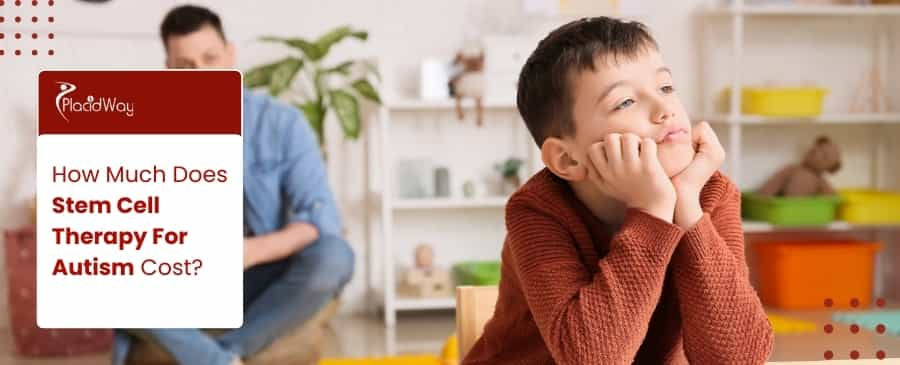
When seeking new ways to support a child's development, parents often research various emerging and alternative treatments. One path that frequently captures attention is stem cell therapy for autism abroad. Because this approach is not legally approved for autism in many home countries, families sometimes look to international destinations. However, this is a highly experimental field with significant medical, financial, and logistical variables. Before booking a consultation or planning a trip, it is vital to know exactly what questions to ask to protect your child's health and safety.
Key Takeaways
- Stem cell therapy for autism remains an unproven, experimental procedure and is not a guaranteed cure.
- Parents must rigorously vet international clinics for safety protocols, sanitation, and physician credentials.
- The procedure involves substantial out-of-pocket costs, as insurance does not cover experimental therapies.
- Maintaining standard behavioral and developmental therapies is critical, even if pursuing alternative options.
- Always consult with your child's primary pediatrician or neurologist before traveling for medical procedures.
1. Is stem cell therapy a proven treatment or cure for autism?
Autism Spectrum Disorder (ASD) is a complex neurodevelopmental condition with no known medical cure. While researchers are currently exploring how stem cells might affect neuroinflammation or immune system regulation, these studies are still in early, investigational phases. There is no widespread clinical consensus that stem cells can alter the core traits of autism.
When speaking with any medical provider, it is crucial to ask them to clarify the experimental nature of their work. If a facility presents the therapy as a routine, fully proven solution, this should be viewed with extreme caution. Transparent healthcare professionals will clearly explain that outcomes are unpredictable and that the scientific community is still working to understand if and how this intervention works in autistic children.
2. What type of stem cells are typically used in these experimental treatments?
Understanding the source and type of stem cells is critical for evaluating safety. Broadly, stem cells fall into two categories for this purpose: autologous (harvested from the child's own body, such as bone marrow) and allogeneic (harvested from a donor, often umbilical cord tissue).
You must ask the facility exactly where they source their cells. If they use allogeneic cells, ask about their donor screening processes. How do they test for communicable diseases? What are their laboratory standards for cell expansion and storage? The viability and safety of biological materials depend entirely on strict, highly regulated laboratory environments. Poorly handled stem cells carry severe risks, including dangerous bacterial infections.
3. What are the potential risks and side effects of the procedure?
No medical procedure is entirely safe, and experimental treatments carry unique uncertainties. Ask the medical team to provide a detailed, written list of potential adverse events. Common side effects reported during the infusion process include fever, nausea, fatigue, or localized pain at the injection site.
More severe risks depend on the method of administration. Intravenous (IV) infusions carry the risk of systemic infection or immune reactions. Some clinics utilize intrathecal administration (injecting into the spinal fluid), which carries elevated risks of meningitis, nerve damage, or severe spinal headaches. Parents must weigh these physical risks against the theoretical and unproven benefits of the therapy.
4. How much does stem cell therapy for autism cost abroad?
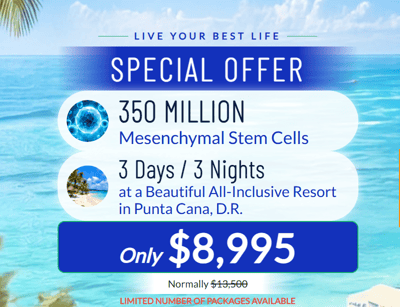
Financial transparency is a crucial factor when researching your options. Because this is an experimental therapy, traditional health insurance providers will not cover the procedure, meaning families bear the entire financial burden out-of-pocket. Ask the facility for an itemized estimate.
When calculating the stem cell therapy for autism cost abroad, you must also factor in the logistics of international travel. This includes passports, visas, airfare, hotel stays (often for a week or more), local transportation, and specialized meals for your child. Furthermore, some clinics recommend multiple treatment sessions over several years, which can rapidly multiply the total expenditure.
5. How do we choose a safe stem cell therapy for autism clinic abroad?
Not all international facilities adhere to the same regulatory standards. When evaluating a stem cell therapy for autism clinic abroad, ask to see their specific healthcare accreditations. Recognized international standards, such as Joint Commission International (JCI) accreditation, indicate a basic level of facility safety and hygiene, though they do not validate the efficacy of experimental treatments.
Additionally, ask about the medical team's specific background. Are they pediatric neurologists? Do they have anesthesiologists on staff in case a child requires sedation? A reputable facility will have comprehensive emergency response equipment and protocols in place, should a child experience an adverse reaction during treatment.
6. What medical tests or evaluations are required before treatment?
A rigorous screening process is a sign of a medically responsible facility. Before accepting a patient, the clinical team should deeply review the child's diagnostic history, current medications, and past medical complications. Ask what specific biomarkers or physical health indicators they are looking for.
Certain conditions may disqualify a child from receiving stem cells, such as active viral infections, severe immune deficiencies, or specific genetic syndromes. If a clinic offers to treat a child with minimal to no preliminary medical testing, this is a significant red flag regarding their commitment to patient safety.
7. What does the post-treatment care and monitoring involve?
The medical journey does not end when you board the plane to go home. Ask the treating physician what specific signs of complication you should look out for in the days and weeks following the procedure. You need to know when a symptom, such as a mild fever, is an expected reaction versus a medical emergency requiring immediate hospitalization.
You should also ask how the clinic plans to follow up with you. Reputable research-focused clinics will have a structured follow-up protocol, typically requesting standardized behavioral assessments or video check-ins at specific intervals (e.g., 3, 6, and 12 months) to track the child's progress safely and objectively.
8. Will local doctors coordinate care if we travel for medical tourism abroad?
One of the primary challenges of medical tourism abroad for experimental treatments is bridging the gap between international providers and your home medical team. Because stem cell therapy for autism is not standard care, your local pediatrician may advise against it or state they cannot officially prescribe follow-up tests related to the procedure.
Despite potential disagreement, you must inform your primary care doctor of your plans. If your child develops an infection or an immune complication after returning home, your local doctors need to know exactly what was introduced into the child's body so they can administer the correct emergency treatment.
9. What alternative therapies should be continued alongside this treatment?
Ask the international clinic about their stance on standard behavioral interventions. Medically responsible providers will insist that you continue all current occupational, speech, and behavioral therapies. Experimental biomedical interventions are not a substitute for the consistent, day-to-day educational and developmental support that autistic children require.
Discontinuing standard therapies in favor of an unproven treatment can lead to developmental regression. Any holistic care plan should integrate ongoing behavioral support, dietary management, and specialized education programs tailored to the child's specific needs.
10. How is success measured in experimental treatments for autism?
When asking a clinic about their success rates, it is vital to ask how they define "success." In the context of autism, changes in behavior are highly subjective. Parents often report improvements in eye contact, sleep patterns, or verbal attempts. However, it is challenging to know if these changes are due to the stem cells, concurrent behavioral therapies, or simply the child maturing over time.
Furthermore, ask for published, peer-reviewed clinical data rather than relying solely on marketing testimonials. While some children may show subjective improvements, many others show no change at all. Understanding this variability will help set realistic, grounded expectations.
Why Choose PlacidWay for Medical Tourism Research?
Navigating the complexities of international healthcare requires thorough research and transparent information. PlacidWay serves as an informational platform to help patients explore their global healthcare options. Here are five facts about using PlacidWay:
- Extensive Directory: PlacidWay provides access to a large global network of clinics and hospitals offering various medical treatments.
- Direct Communication: The platform allows families to contact international medical facilities directly to ask detailed clinical questions.
- Cost Comparisons: Users can request and compare estimated treatment costs across multiple destinations, helping families plan their budgets.
- Facility Profiles: PlacidWay offers detailed profiles of healthcare providers, outlining their accreditations, facility amenities, and medical teams.
- Informational Resources: The service provides guides and articles about medical tourism destinations to assist patients in understanding cross-border healthcare logistics.
Frequently Asked Questions
Is stem cell therapy FDA-approved for autism?
No. The U.S. Food and Drug Administration (FDA) has not approved stem cell therapy as a treatment or cure for autism. It is currently considered an experimental procedure.
What is the typical duration of a stem cell treatment trip?
Medical trips for this procedure usually last between 5 to 14 days, depending on the clinic's protocol, the number of infusions required, and necessary pre-treatment evaluations.
Can stem cell therapy replace behavioral therapies for autism?
No. Experimental treatments should never replace evidence-based, standard-of-care therapies such as Applied Behavior Analysis (ABA), speech therapy, and occupational therapy.
How are stem cells typically administered to a child?
Administration routes vary by clinic but most commonly involve intravenous (IV) infusions or, in some cases, intrathecal injections (into the spinal canal), which carry higher risks.
What age is considered appropriate for experimental stem cell therapy?
There is no universally accepted appropriate age, as the treatment is unproven. Clinics have varying guidelines, often requiring children to be at least 2 to 3 years old, but parents must consult their local pediatrician first.
Are there specific contraindications for stem cell therapy in autistic children?
Yes. Children with active infections, certain autoimmune disorders, severe bleeding disorders, or compromised immune systems may not be suitable candidates for these experimental procedures.
How long does it take to observe any potential changes after treatment?
Because outcomes vary widely and are not guaranteed, any parent-reported changes are typically noted anywhere from a few weeks to several months post-treatment, though many see no change at all.
Do insurance companies cover stem cell therapy for autism abroad?
No. Health insurance companies do not cover stem cell therapy for autism because it is classified as an experimental and unproven medical procedure.
What should we do if our child experiences a reaction after returning home?
Seek immediate medical attention from your local pediatrician or an emergency department. Always bring full documentation of the procedure performed abroad to inform local doctors.
How often do international clinics recommend repeating the procedure?
Some international clinics may suggest follow-up treatments every 6 to 12 months. However, there is no standardized clinical consensus on the safety or efficacy of repeated experimental infusions.
Compare Treatment Options
Gather detailed information, compare estimated costs, and connect with international providers to make informed, carefully researched healthcare decisions.
Request Treatment InformationReferences
- FDA Warns About Stem Cell Therapies – U.S. Food and Drug Administration
- Patient Resources on Stem Cell Treatments – International Society for Stem Cell Research (ISSCR)
- Medical Tourism: Travel for Medical Care – Centers for Disease Control and Prevention (CDC)
- Clinical Trials for Autism and Stem Cells – ClinicalTrials.gov (National Institutes of Health)
- Identification, Evaluation, and Management of Children With Autism – American Academy of Pediatrics (AAP)
- Autism Spectrum Disorders Fact Sheet – World Health Organization (WHO)


















Share this listing