
Top Countries Known for Cancer Care
The best country for cancer treatment depends on your diagnosis and budget. The USA, Germany, and South Korea lead in advanced research, while Mexico, Turkey, India, and China provide affordable, highly specialized oncology care for global patients.

Key Takeaways: Global Oncology Care
- The USA and Germany are widely recognized for pioneering clinical trials, immunotherapy, and precision proton beam therapies.
- Asian hubs like South Korea and China excel in robotic surgeries, genomic medicine, and specialized cellular therapies.
- Countries such as Turkey, India, and Mexico offer highly competitive pricing, making out-of-pocket care accessible for international patients.
- Patients must prioritize internationally accredited facilities (like JCI) and ensure continuity of care with their local oncologist.
- Total costs will vary significantly based on case complexity, required medications, and the duration of the medical stay.
Medical Disclaimer: This article is for informational purposes only and does not constitute medical advice. Always consult with a qualified healthcare provider regarding diagnosis and treatment planning. Pricing Disclaimer: Costs mentioned are estimates and vary widely by facility, case complexity, and medical needs.
What Makes The USA A Global Leader In Oncology Care?
The USA offers unparalleled access to innovative clinical trials and FDA-cleared genomic therapies. However, it remains one of the most expensive destinations globally for out-of-pocket medical expenses.
When patients seek cancer treatment in USA, they are often looking for access to the most advanced research hospitals and pioneering therapies in the world. American medical centers frequently lead the development of targeted therapies, personalized medicine, and complex surgical interventions. Many facilities house multidisciplinary teams that collaborate on rare or highly complex oncological cases, providing a level of comprehensive care that is difficult to match.
Despite the exceptional clinical standards, the out-of-pocket cancer treatment cost in USA can be prohibitive for international patients without specialized global health insurance. Complex treatments like CAR-T cell therapy or extended courses of modern immunotherapy can run into hundreds of thousands of dollars. Therefore, patients traveling to the US typically prioritize access to cutting-edge technology over cost savings.
For those who can accommodate the financial requirements, American facilities offer robust international patient departments. These departments assist with medical visa documentation, language interpretation, and complex care coordination, ensuring that patients receive holistic support during their high-level therapeutic journey.
Why Do Patients Choose Germany For Advanced Therapies?
Germany integrates highly regulated, modern oncology protocols with complementary therapies. It is particularly renowned for advanced radiation technologies like proton beam therapy.
Selecting a cancer treatment clinic in Germany often appeals to patients seeking a rigorous, highly disciplined medical environment combined with state-of-the-art technology. German university hospitals are deeply integrated with research institutions, meaning that patients frequently have access to novel therapeutic approaches, including localized therapies, dendritic cell vaccines, and hyperthermia treatments, which are carefully regulated under strict European medical standards.
One of the primary drivers for cancer treatment in Germany is the country's extensive network of proton therapy centers. This precise form of radiation is highly sought after for pediatric oncology and tumors located near vital organs, as it may reduce damage to surrounding healthy tissue. Furthermore, German clinics are known for their transparent pricing structures, which, while higher than developing nations, are often more predictable than North American alternatives.
Expert Insight
German oncology often utilizes an integrative approach. While strictly adhering to conventional medicine (surgery, chemo, radiation), many facilities incorporate complementary supportive therapies designed to strengthen the immune system and manage treatment side effects.
How Does South Korea Excel In Cancer Care And Technology?
South Korea boasts some of the highest survival rates globally for gastrointestinal cancers. The country utilizes high-volume robotic surgery and rapid integration of AI in diagnostic imaging.
The growth of medical tourism in South Korea is heavily driven by the country's technological superiority and exceptional clinical outcomes, particularly in treating stomach, liver, and colorectal malignancies. South Korean oncologists perform a high volume of complex robotic and minimally invasive surgeries, which typically results in refined surgical precision, lower complication rates, and faster patient recovery times.
When visiting a cancer treatment clinic in South Korea, patients benefit from highly efficient, digitally integrated healthcare systems. Diagnostics that might take weeks elsewhere can often be completed in days. Advanced AI-assisted pathology and comprehensive genomic sequencing are standard practices in top-tier Korean hospitals, allowing for highly individualized, targeted therapy plans.
The government heavily regulates and monitors healthcare quality, ensuring that international patients receive care that meets stringent national standards. While pricing is moderate compared to the West, the primary draw remains the exceptional efficiency, technological integration, and documented clinical success rates.
Is Turkey Becoming A Premier Destination For Oncology?
Turkey offers a compelling blend of JCI-accredited facilities, Western-trained oncologists, and highly competitive pricing, positioned conveniently between Europe, Asia, and the Middle East.
Medical tourism in Turkey has seen exponential growth over the last decade, largely due to massive investments in private healthcare infrastructure. Major hospital groups in Istanbul and Ankara feature specialized oncology wings equipped with the latest linear accelerators, CyberKnife, and TrueBeam technologies. Many of the leading oncologists have completed fellowships in the US or Europe, bringing global standards back to Turkish facilities.
A major factor for international patients is the cancer treatment cost in Turkey. Patients can often access standard chemotherapy, radiation, and complex oncological surgeries at a fraction of the cost found in Western Europe or the US. This affordability does not typically require a compromise in technology, as top Turkish hospitals continuously update their medical equipment to maintain international competitiveness.
For comprehensive cancer treatment in Turkey, many hospitals offer all-inclusive packages that assist with airport transfers, dedicated translators, and accommodation for family members. This streamlined approach greatly reduces the logistical stress for patients dealing with a severe diagnosis.
What Are The Benefits Of Seeking Oncology Care In Mexico?
Mexico provides highly accessible care for North American patients. It is known for both affordable conventional treatments and access to alternative or integrative therapies not yet widely available in the US.
The proximity of Mexico to the United States makes it a prime destination for cross-border healthcare. Patients seeking cancer treatment in Mexico typically fall into two categories: those looking for affordable, conventional care (such as standard chemotherapy or surgery) in modern facilities, and those seeking integrative or alternative therapies in specialized border-town clinics.
The cancer treatment cost in Mexico is a major relief for underinsured patients. Standard oncological procedures can cost 40% to 60% less than in the US. Modern hospitals in cities like Monterrey, Guadalajara, and Mexico City maintain high standards, often holding national and international accreditations, and utilize FDA-cleared equivalent medications and technologies.
Medical tourism in Mexico also thrives on the availability of integrative medicine. Some patients travel specifically for immunotherapy protocols or nutritional support regimens that aim to complement conventional therapies. However, it is crucial for patients to diligently verify the credentials of these clinics, focusing on board-certified oncologists and scientifically backed treatment plans.
How Does India Offer Affordable Yet High-Quality Care?
India combines highly skilled, globally experienced oncologists with some of the most competitive pricing in the world, supported by a massive pharmaceutical manufacturing sector.
India has established itself as a global hub for complex medical procedures, including oncology. Choosing a cancer treatment clinic in India grants patients access to massive, multi-specialty hospital chains that treat an incredibly high volume of patients. This high volume translates to deep clinical experience for surgeons and oncologists, many of whom have trained extensively in the UK or the US.
The most compelling aspect of medical tourism in India is the dramatic cost savings. The cancer treatment cost in India can be up to 80% lower than in Western nations. A significant portion of these savings comes from India's robust domestic pharmaceutical industry, which produces high-quality generic oncology medications at a fraction of the cost of their branded counterparts, making long-term drug regimens highly affordable.
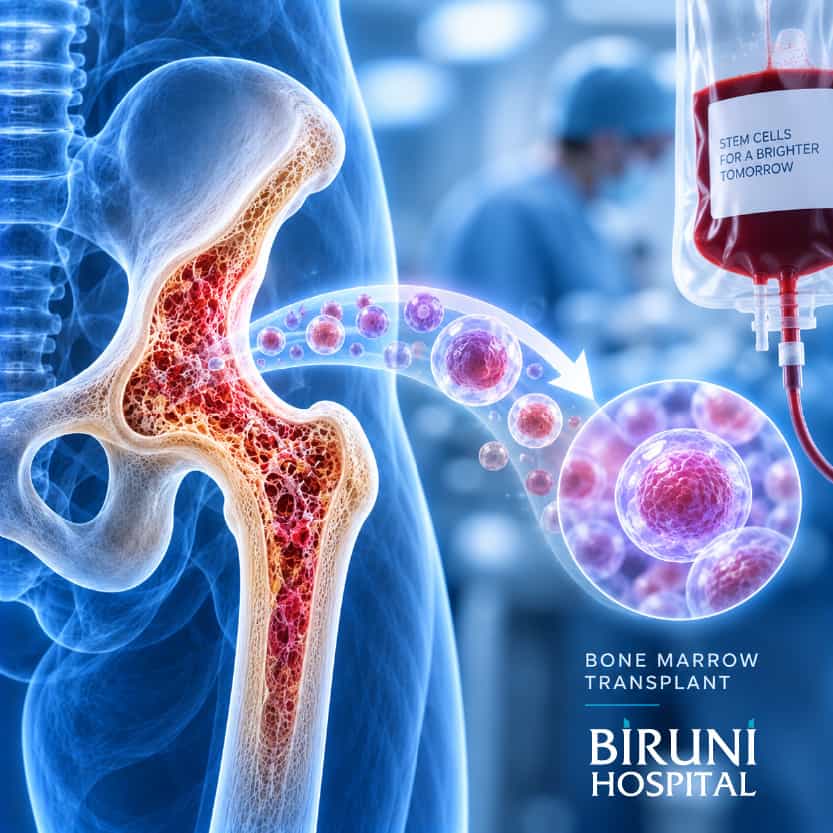
Despite the low costs, standard cancer treatment in India often involves advanced modalities, including robotic surgeries, targeted therapies, and bone marrow transplants. Major hospitals in metropolitan areas like Mumbai, Delhi, and Chennai are JCI-accredited and feature dedicated international patient lounges, ensuring smooth communication with fluent English-speaking staff.
Did You Know?
India is one of the world's largest manufacturers of generic medications. This allows local hospitals to provide essential chemotherapy and targeted therapy drugs to international patients at vastly reduced prices compared to the West, without compromising on pharmacological efficacy.
What Advancements Make China A Growing Hub For Oncology?
China is rapidly becoming a powerhouse in cellular therapies, running more CAR-T clinical trials than almost any other country, offering innovative options for complex hematological cancers.
In recent years, cancer treatment in China has garnered global attention due to massive government and private investment in biotechnology and genomic medicine. Top hospitals in tier-one cities like Beijing and Shanghai are equipped with world-class facilities and focus heavily on translational medicine—moving discoveries from the laboratory to the patient's bedside rapidly.
China is particularly notable for its advancements in CAR-T (Chimeric Antigen Receptor T-cell) therapy. Chinese researchers are conducting a vast number of clinical trials for both liquid and solid tumors. For international patients who have exhausted conventional options in their home countries, China may offer accessible entry into innovative cellular therapy trials at costs generally lower than those in the USA.
While navigating the healthcare system can require assistance due to language and cultural barriers, premier facilities dedicated to international patients provide necessary translation and concierge services. Patients must ensure they coordinate closely with international patient departments to manage visas, medical records, and complex treatment timelines.
How Can I Compare Treatment Costs Across Different Countries?
Comparing costs requires looking beyond the base price of a procedure. Patients must calculate the total cost of care, including imaging, facility fees, medication, and required length of stay.
When evaluating international options, understanding the total financial commitment is vital. Prices advertised online are often baseline estimates for standard procedures and may not include the comprehensive care required for complex oncological cases. Always request a detailed, itemized treatment plan from the prospective clinic.
To accurately compare destinations, consider the following cost factors:
- Diagnostic Workups: Costs for updated PET scans, MRIs, and tumor biopsies.
- Therapy Modalities: The difference between standard radiation vs. proton therapy, or conventional chemo vs. targeted immunotherapy.
- Hospital Fees: Intensive care unit (ICU) daily rates and operating room costs.
- Outpatient Medications: The cost of drugs required upon discharge and returning home.
- Living Expenses: Accommodation, local transport, and food for both the patient and companion over a potentially multi-month stay.
| Destination | Primary Medical Strengths | Relative Cost Profile |
|---|---|---|
| USA & Germany | Clinical trials, Proton Therapy, Immunotherapy | High (often requires specific insurance) |
| South Korea & China | Robotic Surgery, AI Diagnostics, CAR-T Therapy | Moderate to High |
| Mexico, Turkey, India | Affordable Standard Care, Generic Meds, Accessible Locations | Highly Affordable |
*Note: Profiles are general categorizations. Individual clinic costs and capabilities will vary.
What Should Patients Consider Before Traveling For Therapy?
International medical travel requires rigorous planning. Patients must assess their fitness to fly, verify clinic accreditations, and establish a clear plan for post-treatment care at home.
Before embarking on a global healthcare journey, patient safety must be the absolute priority. Not all patients are medically stable enough to endure long-haul flights, especially those with advanced stages of disease or compromised immune systems. Clearance from a local, trusted oncologist is a mandatory first step.
Due diligence is required when selecting a facility. Look beyond marketing materials and verify the clinic's international accreditations, such as the Joint Commission International (JCI). Investigate the specific oncologist's credentials, looking for board certifications, international fellowships, and transparent records of their experience with your specific tumor type.
Finally, continuity of care cannot be overlooked. Oncology therapies often require long-term monitoring, follow-up scans, and management of delayed side effects. Before leaving your home country, ensure your local physician is willing to collaborate with the international team, review foreign medical records, and take over your care upon your return.
Why Choose PlacidWay For Your Global Healthcare Journey?
Navigating international healthcare options can be overwhelming. PlacidWay provides a centralized platform to research, compare, and connect with medically accredited facilities worldwide.
PlacidWay empowers patients with the information needed to make educated healthcare decisions globally. Here is how the platform assists patients seeking specialized medical care:
Global Network Access
Connects patients with an extensive directory of internationally accredited hospitals and specialized clinics across dozens of countries.
Transparent Information
Provides detailed profiles on medical centers, allowing patients to review available technologies, specializations, and facility accreditations.
Provider Credentials
Facilitates access to physician biographies, educational backgrounds, and professional certifications to aid in vetting providers.
Direct Communication
Offers tools to directly request information and preliminary estimates from medical facilities, streamlining the initial consultation process.
Educational Resources
Supplies articles, patient guides, and checklists to help individuals understand the complexities of cross-border medical care.
Frequently Asked Questions About Global Cancer Care
Is it safe to travel internationally for oncology therapies?
Traveling for oncology therapies can be safe if patients carefully consult their primary oncologist before departure. It is essential to ensure you are medically cleared to fly and that the destination facility maintains international accreditation and rigorous safety standards.
Do international clinics follow the same oncology protocols?
While many internationally accredited hospitals follow global guidelines established by organizations like ASCO or ESMO, specific protocols may vary. Some countries approve certain therapies or medications faster than others, leading to differences in available treatment plans.
How much can I save by traveling abroad for care?
Depending on the destination and the specific procedure, patients may save anywhere from 30% to 70% compared to out-of-pocket costs in the US or UK. However, patients must also factor in travel, accommodation, and extended stay expenses.
Are language barriers a problem in international facilities?
Most facilities that cater to international patients maintain dedicated international patient departments with English-speaking staff and medical translators. It is important to confirm translation services are available before booking your therapy.
What happens if I need follow-up care after returning home?
Continuity of care is vital. Before traveling, patients should establish a plan with their local oncologist to handle follow-up scans, ongoing medication, and potential complications. Reputable international clinics typically provide detailed, translated medical records upon discharge.
Will my domestic health insurance cover international therapies?
Most domestic health insurance policies do not cover planned medical therapies abroad. However, some global health insurance plans or specific employer networks may offer partial coverage. Always verify with your provider prior to making arrangements.
How long do I need to stay abroad for my treatments?
The required stay varies significantly based on the treatment type, ranging from a few weeks for minor surgeries to several months for extensive chemotherapy or radiation regimens. Your medical team will provide an estimated timeline during the consultation.
Can I bring a companion with me during my medical journey?
Yes, bringing a companion is highly recommended for emotional and physical support. Many medical facilities offer accommodation options that include space for family members, or they can recommend nearby long-term lodging.
What is the process for transferring my medical records?
You will need to request digital copies of your biopsy results, pathology reports, imaging (PET/CT/MRI), and treatment history from your current provider. These are typically sent via secure, encrypted medical portals to the international clinic for evaluation.
How do I verify the credentials of an international oncologist?
Patients should look for board certifications in the doctor's home country, international fellowships, and memberships in global oncology organizations. Additionally, verify if the facility they operate in holds JCI or equivalent international healthcare accreditations.
Explore Your Global Treatment Options
Take the next step in your healthcare journey. Compare accredited medical facilities, evaluate treatment options, and request detailed information to make an informed decision.
Request Treatment InformationReferences
- Managing Cancer Costs – American Cancer Society
- Types of Cancer Treatment – National Cancer Institute (NCI)
- Medical Tourism: Travel for Medical Care – Centers for Disease Control and Prevention (CDC)
- Cancer Fact Sheet – World Health Organization (WHO)
- Clinical Practice Guidelines – American Society of Clinical Oncology (ASCO)





.png)






.png)













Share this listing