


What Cancer Treatment Options Are Available When Surgery Is Too Risky?
When surgery is too risky, patients often explore alternative or minimally invasive cancer treatment in Mexico. Options typically include advanced immunotherapy, targeted radiation, and holistic integrative protocols focusing on quality of life.

Key Takeaways
- Non-surgical alternatives such as immunotherapy and precision radiation offer options for high-risk patients.
- Integrative protocols aim to support overall health and manage treatment-related side effects.
- Evaluating credentials and international accreditations is vital before choosing a healthcare facility abroad.
- Thorough pre-travel planning and post-treatment follow-up are critical for patient safety and continuity of care.
What Non-Surgical Cancer Treatments Are Available?
When surgery poses high risks, patients can explore non-invasive cancer treatment in Mexico including systemic therapies, precise radiation, and integrative approaches.
Systemic therapies like chemotherapy and targeted drugs travel through the bloodstream to address malignant cells without requiring incisions. These are often considered when tumors are located near vital organs making surgical removal hazardous or medically contraindicated.
Another option involves localized treatments such as stereotactic body radiotherapy. This technique delivers high doses of radiation exactly to the tumor site while attempting to spare surrounding healthy tissue, offering an alternative for medically inoperable cases.
Integrative approaches combine conventional medical treatments with supportive therapies to manage symptoms. This multidisciplinary strategy aims to improve overall well-being and potentially enhance the tolerance of the primary non-surgical medical interventions.
How Does Immunotherapy Work for High-Risk Patients?
Immunotherapy stimulates the immune system to recognize and attack malignant cells naturally. It serves as a vital non-surgical option for patients unable to undergo traditional operations.
Unlike treatments that directly target the tumor with chemicals or radiation, immunotherapy focuses on boosting the natural defenses of the body. Various facilities offering cancer treatment in Mexico utilize checkpoint inhibitors and other advanced immune-modulating techniques to help the body identify disease.
These treatments block specific proteins that prevent the immune system from attacking the abnormal cells. This mechanism allows T-cells to identify and eliminate targeted threats more effectively without the physical trauma associated with invasive surgical procedures.
While not suitable for all diagnoses, immunotherapy has shown promise in managing specific advanced conditions. Patients must undergo comprehensive biomarker testing to determine if they are suitable candidates, as responses vary significantly among individuals.
Important Consideration
Immunotherapy can cause unique side effects known as immune-related adverse events. It is crucial to have a medical team experienced in monitoring and managing these specific complications.
Are Minimally Invasive Ablation Therapies an Option?
Ablation therapies destroy tumors using extreme heat or cold without requiring major incisions. They represent an alternative for patients deemed ineligible for traditional surgery.
Radiofrequency ablation uses high-frequency electrical currents to heat and destroy abnormal cells. This procedure is typically guided by advanced imaging techniques like ultrasound or CT scans to ensure precise targeting of the specific area while protecting adjacent tissues.
Cryoablation works on the opposite principle by freezing the targeted tissue. A specialized probe is inserted directly into the affected area, circulating extremely cold gases that form an ice ball, which effectively destroys the surrounding cellular structures.
These minimally invasive procedures generally involve shorter recovery times and carry fewer physical risks compared to open surgery. They are frequently utilized for small, localized issues when conventional surgical interventions pose an unacceptable threat to the patient.
| Treatment Type | Mechanism of Action | Typical Application |
|---|---|---|
| Systemic Therapy | Circulates through bloodstream | Widespread or un-resectable disease |
| Targeted Radiation | Delivers precise energy beams | Localized tumors near vital organs |
| Ablation | Applies extreme temperature | Small, localized lesions |
What Is the Estimated Cancer Treatment Cost in Mexico?
The cancer treatment cost in Mexico varies widely based on the specific therapies required, typically ranging from $10,000 to $35,000 for comprehensive multi-week programs.
Patients often find that medical procedures abroad can present different financial considerations than in their home countries. The total expense depends heavily on whether the patient receives standard protocols, advanced targeted drugs, or specialized integrative care packages.
It is crucial to request a detailed breakdown of costs before committing to a treatment plan. This document should outline medical fees, facility charges, necessary diagnostic imaging, and post-treatment medications to help prevent unexpected financial burdens during recovery.
While seeking a cost-effective cancer clinic in Mexico, patients must prioritize facility accreditation and medical expertise over price alone. The most affordable option may not necessarily provide the required standard of care or safety protocols for complex medical conditions.
How Do I Choose a Reputable Cancer Clinic in Mexico?
Selecting a trusted cancer clinic in Mexico requires verifying medical credentials, facility accreditations, and the specific expertise of the oncology team.
Begin by verifying the medical licenses and board certifications of the treating physicians. Patients can check the national professional registry known as the SEP to ensure the specialists hold valid credentials for their specific area of medical practice.
Evaluate the facility for international accreditations from recognized healthcare organizations. Clinics that adhere to global standards are more likely to implement rigorous safety protocols, maintain high-quality medical equipment, and require ongoing staff education.
Ask detailed questions about the multidisciplinary tumor board and emergency care capabilities. A reputable facility should have protocols in place to handle unexpected complications and provide comprehensive support throughout the entire treatment journey.
What Integrative and Alternative Therapies Exist?
Integrative oncology combines conventional treatments with alternative therapies to support overall wellness. These methods aim to reduce side effects and enhance the quality of life.
Many facilities incorporate nutritional therapy, hyperbaric oxygen chambers, and mind-body practices into their standard protocols. These supportive treatments are designed to strengthen the physical condition and potentially improve tolerance to primary medical therapies.
Intravenous therapies, such as customized vitamin infusions, are sometimes utilized as complementary treatments. While these should not replace standard evidence-based care, some patients report improved energy levels and a reduction in treatment-related fatigue.
It is essential to discuss all alternative and integrative therapies with a primary physician to ensure they do not interfere with standard medical treatments. Transparent communication helps create a safe, coordinated, and effective healing environment.
Did You Know?
Integrative medicine focuses on the whole person rather than just the disease. It addresses physical, emotional, and psychological health, which can be particularly beneficial when navigating complex medical decisions.
Is Medical Tourism in Mexico Safe for Cancer Patients?
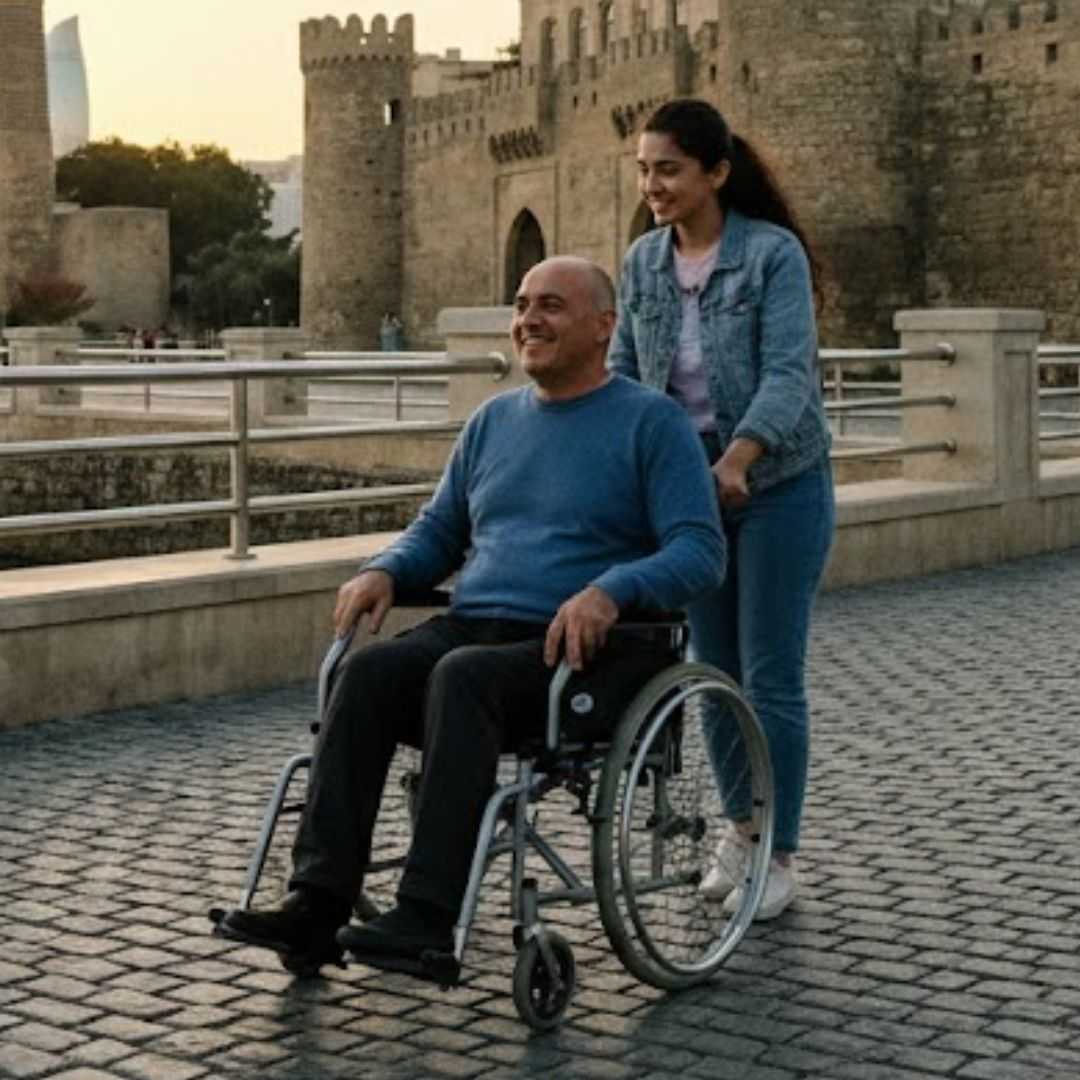
Participating in medical tourism in Mexico can be safe if patients thoroughly vet their chosen facilities and plan their travel according to their physical limitations.
Safety begins with selecting an accredited clinic and fully understanding the proposed medical protocols. Patients must critically evaluate their physical ability to travel, as long journeys can exacerbate fatigue, increase stress, and weaken an already compromised immune system.
Coordination between the medical team abroad and the primary care physician at home is critical for patient safety. This communication ensures a seamless transition of medical records and maintains continuity of care before, during, and long after the international trip.
Travel logistics should be arranged meticulously to minimize physical exertion. Patients should travel with a supportive companion, keep easily accessible copies of all medical records, and stay in appropriate accommodations located close to the treatment facility.
How Should I Prepare for Traveling Abroad for Care?
Preparation involves gathering all medical records, obtaining necessary travel documents, and consulting with a local physician regarding travel safety.
Start by compiling a comprehensive medical dossier, including recent pathology reports, imaging scans, and current medication lists. Having a complete and organized medical history allows the international medical team to make informed and precise treatment decisions.
Review passport validity and verify any visa requirements well in advance of the planned departure date. Ensuring all travel and legal documents are in order prevents unnecessary delays and reduces anxiety during a potentially stressful period.
Consult a primary care doctor to assess overall fitness for travel and receive advice on managing symptoms during the journey. This initial consultation also helps establish a solid framework for necessary follow-up care upon returning home.
What Happens When I Return Home After Treatment?
Post-treatment care requires establishing a robust follow-up plan with local healthcare providers to monitor progress and manage any delayed side effects.
Before leaving the international clinic, patients should request a detailed medical summary outlining the exact treatments and dosages received. This critical documentation must be shared with the local physician to ensure appropriate and safe ongoing monitoring.
Regular imaging scans and comprehensive blood tests will likely be necessary to assess the long-term effectiveness of the treatment. These routine follow-up appointments help detect any physiological changes early and allow for timely medical interventions if needed.
Patients must remain vigilant for any signs of physical complications or adverse reactions. Establishing a clear, open communication channel between the international clinic and the local healthcare team is vital for addressing any complex long-term medical needs.
Why Choose PlacidWay for Medical Tourism Guidance?
PlacidWay assists patients in exploring international healthcare options by providing access to accredited facilities and certified medical professionals worldwide.
- We provide comprehensive information on internationally accredited medical facilities to help you make informed healthcare decisions.
- Our platform allows you to compare different treatment options and medical centers based on your specific health requirements.
- We emphasize transparency by offering detailed estimates for medical procedures to assist with your financial planning and budgeting.
- Our extensive network includes verified specialists whose credentials and medical backgrounds have been reviewed for quality assurance.
- We offer comprehensive educational resources that empower patients to understand their treatment choices and navigate the complexities of international healthcare.
Frequently Asked Questions About Non-Surgical Care
Can I receive targeted therapy instead of surgery?
Targeted therapy can sometimes be utilized as a primary treatment when surgery is contraindicated. This approach targets specific genes or proteins that help cancer cells grow, offering a systemic alternative to invasive procedures.
How long does radiation therapy typically take?
The duration of radiation therapy varies depending on the specific technique and treatment goals. Some advanced protocols require only a few sessions over one to two weeks, while standard regimens may take several weeks of daily treatments.
Are experimental cancer treatments available abroad?
Some international facilities offer access to clinical trials or therapies not yet widely available in other countries. Patients must thoroughly discuss these options with their primary oncologist to understand the potential risks and varying success rates.
What is the recovery time for non-surgical ablation?
Recovery from non-surgical ablation is typically much faster than traditional surgery. Many patients can return to light activities within a few days, although careful monitoring for complications remains necessary.
Does insurance cover international medical care?
Most domestic health insurance plans do not cover elective procedures or treatments obtained outside your home country. Patients usually pay out-of-pocket and should plan their finances accordingly.
How do I transfer my medical records internationally?
Patients should request digital copies of all pathology reports, imaging discs, and treatment histories from their local providers. These can be securely transmitted to the international facility through encrypted health portals.
What questions should I ask before starting chemotherapy?
Important inquiries include understanding the specific drugs being used, the anticipated side effects, the schedule of administration, and how the clinical team handles severe adverse reactions.
Is a biopsy required before starting alternative treatments?
A definitive diagnosis through a biopsy is standard medical practice before initiating any oncology treatment. Accurate pathology is critical to ensure the selected therapies are appropriate for the specific cell type.
How do clinics manage pain without surgical intervention?
Pain management involves a multidisciplinary approach using pharmacological agents, nerve blocks, and supportive therapies like acupuncture or physical therapy to improve comfort levels.
Can I undergo systemic therapy if I have other health conditions?
The presence of comorbidities like heart disease or diabetes influences treatment suitability. Oncologists carefully evaluate overall health to select systemic therapies that minimize the risk of exacerbating existing conditions.
Explore Your Treatment Options
Discover accredited facilities and compare alternative therapies that suit your specific medical needs.
Request Treatment InformationMedical and Pricing Disclaimer
The content provided in this article is for educational and informational purposes only and is not intended as a substitute for professional medical advice, diagnosis, or treatment. Always seek the advice of a qualified physician, oncologist, or other healthcare provider with any questions you may have regarding a medical condition, treatment plan, or suitability for travel.
Never disregard professional medical advice or delay in seeking it because of something you have read on this website. The treatment options, costs, and facility details mentioned are estimates and subject to change. Patients must independently verify all clinic credentials, professional licenses, and exact pricing before making any medical tourism decisions.
References
- Types of Cancer Treatment – National Cancer Institute
- Radiation Therapy Basics – American Cancer Society
- Radiofrequency Ablation Explained – Cancer Research UK
- Integrative Oncology Guidelines – National Center for Biotechnology Information
- Global Patient Safety and Healthcare Standards – World Health Organization
- Traveling for Medical Treatment – American Society of Clinical Oncology




.png)
.png)
.png)
.png)















Share this listing