


Finding the Best Glaucoma Hospital for Your Needs
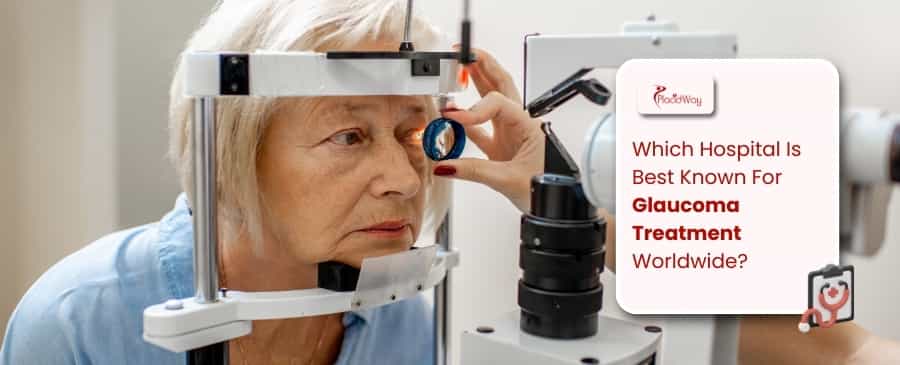
While specific hospital names are not promoted, the best facilities worldwide for eye care are JCI-accredited centers in major medical hubs. Patients globally trust destinations like India, Turkey, and Mexico for top-tier, affordable vision care.
Key Takeaways: Global Eye Care Excellence
- World-Class Expertise: Ophthalmologists possess extensive international training and board certifications.
- Advanced Technology: High-tech diagnostic tools ensure precise intervention and optimal vision preservation.
- Massive Financial Savings: International patients routinely save between fifty and eighty percent compared to Western prices.
- Comprehensive Packages: Programs are tailored specifically for international visitors seeking comfort and convenience.
- Strict Safety Standards: Premier global facilities strictly adhere to rigorous international medical protocols.
Understanding vision preservation is paramount for individuals suffering from elevated intraocular pressure. Known as the silent thief of sight, this condition damages the optic nerve over time, frequently without early warning signs. Because vision loss is irreversible, seeking out the highest quality medical intervention immediately is essential. Many patients discover that crossing international borders provides access to superior clinical outcomes without the overwhelming financial burden commonly experienced in regions like North America or Western Europe. By exploring highly developed medical tourism ecosystems, patients can access globally recognized specialists who routinely perform thousands of successful ocular surgeries annually.
Why is glaucoma treatment in India considered among the best worldwide?
This destination offers unparalleled medical expertise combined with state-of-the-art ophthalmology technology. International patients receive world-class care from highly experienced specialists at a fraction of the cost found in their home countries.
Ophthalmologists in this region handle an extraordinarily high volume of cases daily. This sheer quantity of procedures directly translates to an unmatched level of surgical mastery and clinical precision. Many of the leading specialists have pursued advanced fellowships at prestigious institutions in the United Kingdom or the United States before returning to establish globally recognized centers of excellence. Their deep understanding of complex ocular neuropathies ensures that patients receive the most effective and contemporary therapeutic interventions available.
Beyond individual expertise, the entire healthcare infrastructure is designed to support rapid innovation. Medical facilities heavily invest in the latest generations of diagnostic imaging and microsurgical tools. This commitment to maintaining a technologically advanced environment means that a glaucoma clinic in India can offer treatments identical to, or sometimes more advanced than, those found in London or New York. Patients are guaranteed an evidence-based approach that maximizes the preservation of their visual field.
Furthermore, this destination is part of a larger global trend toward medical excellence. While patients also flock to advanced centers in Turkey, Mexico, and Spain for exceptional eye care, the unique combination of massive surgical volume, stringent quality controls, and deeply ingrained cultural hospitality makes the Asian subcontinent a premier choice. The focus remains entirely on delivering compassionate, ethical, and highly successful outcomes for international travelers.
What is the average glaucoma treatment cost in India for international patients?
The financial investment typically ranges between eight hundred and two thousand dollars depending on the specific procedure required. This presents a massive saving compared to the ten thousand dollars often charged in North American facilities.
When analyzing global healthcare expenditures, the disparity in pricing for ocular procedures is staggering. In the United States, patients without robust insurance coverage may face out-of-pocket expenses exceeding ten thousand dollars for a single filtration surgery. Conversely, the glaucoma treatment cost in India offers profound relief without compromising clinical standards. A standard trabeculectomy may cost approximately eight hundred to one thousand dollars, while more complex interventions involving artificial drainage implants might reach two thousand dollars.
These dramatically reduced expenses are not indicative of lower quality care. Rather, they reflect the differing economic realities, lower administrative overhead, and the favorable exchange rates that benefit foreign visitors. It is also highly beneficial to compare these figures globally. For instance, similar high-quality treatments in Turkey generally range from two thousand to three thousand five hundred dollars, while reputable clinics in Mexico typically charge between two thousand five hundred and four thousand dollars. These alternative destinations also provide excellent care but highlight just how competitive the Asian market truly is.
Importantly, most top-tier facilities offer comprehensive financial packages. These bundles often encompass the surgeon fees, operating theater charges, advanced diagnostic testing, and immediate post-operative medications. By providing transparent, all-inclusive pricing, these institutions eliminate the stress of hidden medical bills, allowing patients to focus entirely on their visual recovery.
Many medical travelers combine their vision care journey with comprehensive wellness retreats. After receiving clearance from their ophthalmologist, patients often spend their recovery phase in tranquil environments, ensuring both their eyes and bodies heal in a state of complete relaxation.
How do I choose the right glaucoma clinic in India for my procedure?
Selecting the ideal facility requires verifying international accreditations like JCI and checking the specialized training of the medical staff. You must prioritize centers that feature dedicated international patient coordination departments.
Making an informed decision about your healthcare provider is critical for securing a successful outcome. When evaluating options, you should utilize a systematic approach to ensure the institution meets rigorous global standards. Here are the crucial factors to consider when selecting a premier medical center:
- Global Accreditations: Always verify that the hospital holds certifications from recognized bodies such as the Joint Commission International. This guarantees adherence to strict safety and hygiene protocols.
- Specialized Eye Departments: Avoid general hospitals in favor of dedicated eye institutes or major hospitals featuring a highly specialized ophthalmology wing completely separate from general infectious disease wards.
- Advanced Technology Fleet: Ensure the clinic explicitly lists advanced diagnostic and surgical tools on their platform, indicating they invest continuously in modern healthcare infrastructure.
- International Patient Services: The presence of a robust international desk proves the clinic is experienced in managing medical visas, airport transfers, and language translation requirements.
- Transparent Success Metrics: Reputable centers will happily share their infection rates and surgical success statistics during your initial telemedicine consultation.
What advanced technologies are used for glaucoma treatment in India?
Top facilities utilize cutting-edge equipment including selective laser trabeculoplasty systems and minimally invasive surgical devices. These advanced tools ensure precise intraocular pressure management while promoting remarkably rapid recovery times.
The technological landscape of global eye care has evolved dramatically over the past decade. A premier glaucoma clinic in India is invariably equipped with the latest diagnostic and therapeutic machinery. Diagnosis begins with Optical Coherence Tomography, a non-invasive imaging test that uses light waves to take cross-section pictures of your retina. This allows specialists to map and measure the exact thickness of the optic nerve fibers, detecting microscopic damage long before visual symptoms become apparent to the patient.
When conservative treatments like specialized eye drops fail to manage the pressure, surgeons turn to highly sophisticated interventions. Minimally Invasive Glaucoma Surgery has revolutionized patient care. Using microscopic stents and tubes that are smaller than an eyelash, surgeons can bypass blockages in the eyes natural drainage system. Because these devices are implanted using incredibly small incisions, the trauma to the eye is minimal, drastically reducing the risk of post-operative complications and significantly shortening the healing period.
Furthermore, traditional filtration surgeries, while still highly effective and necessary for advanced cases, are now performed using superior microscopes that offer unprecedented clarity. The integration of high-definition surgical cameras allows for meticulous precision when creating alternative drainage pathways for the aqueous humor. This technological superiority ensures that international patients receive care that is at the absolute forefront of modern medical science.
Why is medical tourism in India highly recommended for vision care?
This region seamlessly blends exceptional clinical outcomes with comprehensive hospitality services tailored for foreign visitors. Patients benefit from immediate access to specialized treatments without enduring detrimental long waiting lists.
The concept of traveling for healthcare has transformed from a niche idea into a highly structured global industry. Medical tourism in India specifically shines because the government and private healthcare sectors have collaborated to create an incredibly supportive environment for international patients. Dedicated medical visas are expedited for individuals requiring urgent care, ensuring that bureaucratic delays do not compromise a patients visual health.
In many Western nations, patients diagnosed with degenerative eye conditions face agonizing wait times just to consult with a specialist, let alone schedule a surgical intervention. In stark contrast, international medical hubs prioritize rapid access to care. A patient can initiate contact, undergo a virtual consultation, and fly out for surgery within a matter of weeks. This speed is absolutely critical when dealing with an aggressive condition where every day of elevated pressure results in irreversible nerve damage.
Beyond the clinical efficiency, the holistic support system is unparalleled. Hospitals routinely assign dedicated care managers to arriving patients. These professionals handle everything from coordinating ground transportation and booking comfortable recovery accommodations to assisting with local communication. This level of personalized, concierge-style care alleviates the stress of navigating a foreign country, allowing the patient to focus entirely on their health and recovery.
The true advantage of cross-border healthcare lies in the multidisciplinary approach. Top centers integrate advanced diagnostic imaging directly with surgical planning, ensuring that your treating physician has a completely comprehensive view of your ocular health before you even step foot in the operating theater.
How does the recovery process work after glaucoma treatment in India?
The initial healing phase usually requires a stay of seven to ten days near the medical facility for crucial follow-up evaluations. Complete visual stabilization occurs over the subsequent few weeks following a strict medication regimen.
Navigating the post-operative period successfully is just as important as the surgical procedure itself. Following your intervention, the medical team provides a highly detailed recovery protocol designed to prevent infection and optimize the stabilization of your intraocular pressure. Key elements of this recovery process include:
- Protective Eye Shields: Patients must wear specialized protective plastic shields over the treated eye, particularly while sleeping, to prevent accidental rubbing or applied pressure.
- Rigorous Medication Regimen: An exact schedule for administering antibiotic and anti-inflammatory eye drops will be provided. Adherence to this schedule is mandatory to suppress inflammation.
- Activity Restrictions: Heavy lifting, intense cardiovascular exercise, and bending over from the waist are strictly prohibited during the first few weeks, as these actions can drastically spike eye pressure.
- Frequent Clinical Evaluations: You will attend multiple follow-up appointments during your stay so the surgeon can accurately measure the pressure and verify the new drainage pathways are functioning perfectly.
- Water Exposure Avoidance: Swimming and submerging the face in water must be avoided completely to mitigate the risk of severe bacterial infections in the freshly operated eye.
Are laser procedures available for glaucoma treatment in India?
Yes, non-invasive laser therapies are widely available and serve as a primary intervention for many patients. These rapid outpatient procedures effectively lower intraocular pressure while entirely minimizing traditional surgical risks.
Laser technology represents a massive leap forward in managing ocular hypertension. For many international patients, laser therapy is the preferred first-line defense when prescription eye drops fail or cause intolerable side effects. Selective Laser Trabeculoplasty is exceptionally popular. During this incredibly brief procedure, a highly focused beam of light is used to stimulate the drainage tissue within the eye. This targeted stimulation initiates a biochemical response that improves fluid outflow, thereby reducing internal pressure seamlessly.
Another common intervention is Laser Peripheral Iridotomy, primarily utilized for patients suffering from narrow-angle or acute angle-closure variations of the disease. The specialist uses a specialized laser to create a microscopic hole in the iris, allowing trapped fluid to flow freely and immediately relieving dangerous pressure spikes. Both of these laser treatments are performed on a purely outpatient basis, requiring only numbing drops and taking mere minutes to complete.
The availability of these advanced laser options makes traveling for care exceptionally appealing. The recovery time is minimal, often allowing patients to resume normal light activities within twenty-four hours. By accessing these non-incisional techniques at a premier glaucoma clinic in India, patients achieve excellent medical outcomes while experiencing negligible disruption to their travel schedules.
What are the success rates for surgical glaucoma treatment in India?
Success rates at premier facilities consistently exceed ninety percent for effectively managing internal pressure. Favorable outcomes depend heavily on early intervention and strict patient adherence to post-operative care guidelines.
When discussing success rates, it is vital to understand the medical reality of this condition. Successful treatment is defined as the successful stabilization of intraocular pressure to halt further optic nerve deterioration. Existing vision loss cannot be reversed by any currently known medical intervention. However, regarding the primary goal of halting disease progression, the surgical outcomes achieved by top international specialists are truly world-class.
Procedures such as trabeculectomies and the implantation of specialized aqueous shunts boast remarkable long-term success rates. The vast experience of surgeons dealing with high patient volumes contributes directly to these favorable statistics. They possess the nuanced skills necessary to perfectly calibrate surgical interventions, preventing the pressure from dropping too low or remaining dangerously high. This precise balancing act is the hallmark of a master ophthalmologist.
Furthermore, these high success rates are bolstered by the meticulous pre-operative screening processes employed by top centers. By utilizing advanced imaging to deeply understand each patients unique anatomical structure, surgeons select the absolute most appropriate surgical technique. When combined with strict post-operative monitoring before the patient returns home, the long-term preservation of the visual field is highly achievable.
Why choose PlacidWay for booking glaucoma treatment in India?
PlacidWay serves as your dedicated healthcare partner connecting you with fully vetted and internationally accredited medical centers. Our platform ensures total transparency and exceptional patient advocacy throughout your healthcare journey.
Navigating the complex landscape of international healthcare can be overwhelming, particularly when dealing with sensitive vision issues. PlacidWay exists to eliminate the guesswork and safeguard your medical journey. Here is why thousands of international patients rely on our expertise:
- Rigorous Facility Vetting: We partner exclusively with internationally accredited hospitals and clinics that pass our strict quality control standards, ensuring you receive care in a safe, modern environment.
- Direct Specialist Consultations: Our platform facilitates direct pre-operative telemedicine consultations between you and top-tier ophthalmologists, allowing you to ask critical clinical questions before making any commitments.
- Complete Price Transparency: We eliminate hidden fees by providing highly detailed, all-inclusive medical quotes upfront, allowing you to budget accurately for your surgical intervention and post-operative care.
- Medical Records Coordination: Our dedicated team securely manages the transfer of your sensitive diagnostic files and eye scans from your home clinic directly to your chosen international surgeon for review.
- Relentless Patient Advocacy: From the moment of your initial inquiry until you have safely recovered, our support staff acts as your personal healthcare advocates, ensuring all your clinical needs are swiftly met.
Frequently Asked Questions About Glaucoma Treatment in India
Is it safe to travel for glaucoma treatment in India?
Traveling for vision care is highly safe when you select internationally accredited medical centers. These specialized facilities strictly follow global hygiene and surgical safety protocols. To ensure a secure experience, patients should undergo a comprehensive pre-travel consultation with their local ophthalmologist to confirm their fitness for long-distance flights, as well as coordinate carefully with their chosen overseas medical team.
How long must I stay for glaucoma treatment in India?
International patients should plan to remain in the country for approximately ten to fourteen days. This timeframe allows for thorough pre-operative diagnostic testing, the surgical procedure itself, and several crucial post-operative evaluations. These follow-up visits are essential for your medical team to monitor your intraocular pressure and ensure the eye is healing properly without early complications.
Do clinics offering glaucoma treatment in India accept international insurance?
Many globally recognized facilities maintain partnerships with major international health insurance providers. However, coverage depends entirely on your specific policy details. Some patients must pay upfront and seek reimbursement upon returning home, while others may benefit from direct billing arrangements. It is vital to consult with your insurance representative and the international patient department of the facility prior to your departure.
What type of anesthesia is used during glaucoma treatment in India?
Most procedures are performed using local anesthesia combined with mild intravenous sedation. The surgeon typically administers numbing eye drops followed by a localized anesthetic block around the eye. This ensures you remain completely pain-free and comfortable without the systemic risks associated with general anesthesia. General anesthesia is generally reserved for pediatric patients or individuals with severe anxiety.
Will language be a barrier during my glaucoma treatment in India?
Language barriers are exceptionally rare at premier medical institutions catering to international visitors. The medical staff, including leading surgeons and specialized nurses, are typically fluent in English due to their extensive international training. Furthermore, dedicated international patient departments frequently provide professional interpreter services for Arabic, Russian, French, and Spanish speakers to ensure seamless communication.
How soon can I fly after receiving glaucoma treatment in India?
Air travel restrictions depend largely on the exact type of surgical intervention performed. If a gas or air bubble was injected into the eye during a complex procedure, flying is strictly prohibited until the bubble completely dissipates, which can take weeks. For standard laser therapies or uncomplicated filtration surgeries, patients are usually cleared to fly within a week, provided their intraocular pressure has stabilized.
Are bilateral procedures common for glaucoma treatment in India?
Surgeons typically avoid operating on both eyes during the exact same session to prevent the rare risk of bilateral infection and to ensure you have at least one functional eye during the initial recovery phase. If both eyes require intervention, the procedures are usually scheduled several days or weeks apart. Laser treatments, however, can sometimes be performed bilaterally in a single sitting depending on the clinical assessment.
What pre-operative tests are required before glaucoma treatment in India?
Upon arrival, you will undergo an exhaustive array of diagnostic evaluations. These include precise measurements of your intraocular pressure, pachymetry to assess corneal thickness, gonioscopy to examine the drainage angle, and advanced optical coherence tomography imaging to analyze the optic nerve. Basic systemic health checks, such as blood panels and electrocardiograms, are also conducted to confirm you are fit for surgery.
Can pediatric patients receive glaucoma treatment in India?
Yes, specialized pediatric ophthalmology departments are fully equipped to handle congenital and juvenile vision disorders. Treating infants and young children requires highly specialized surgical skills and specialized equipment. These delicate procedures are always performed under general anesthesia by surgeons who have dedicated their careers to managing complex early-onset ocular conditions.
How do I schedule follow-ups after my glaucoma treatment in India?
Continuity of care is established before you even return home. Your overseas medical team will provide a detailed discharge summary and surgical report to share with your local ophthalmologist. Leading centers also offer secure telemedicine portals, allowing your primary surgeon to conduct virtual consultations, review updated diagnostic scans sent from your home clinic, and adjust your medication regimen remotely.
.jpg)




.png)



.png)










Share this listing