
Ovarian Stem Cell Therapy: Real Success Rates and Outcomes
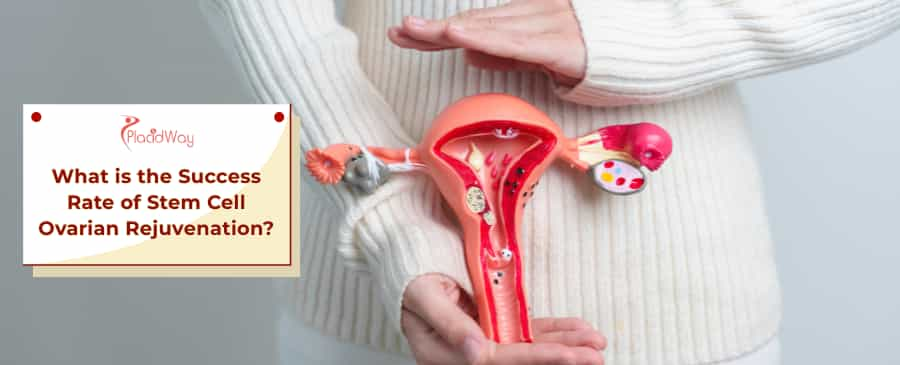
Navigating fertility challenges can be deeply emotional, especially when facing a diagnosis related to declining egg reserves. If you are exploring alternative or supportive treatments, you may have come across the concept of injecting platelet-rich plasma (PRP) into the ovaries. Naturally, one of the first questions patients ask is whether they are eligible for this procedure. Seeking ovarian rejuvenation in Mexico has become an increasingly considered option for women looking for accessible fertility treatments combined with experienced specialist care.
This article explores exactly who might benefit from this procedure, the medical criteria specialists use to determine eligibility, and what you should know if you are considering traveling for fertility care.
Key Takeaways
- The ideal candidates are women with Diminished Ovarian Reserve (DOR), Premature Ovarian Insufficiency (POI), or those in the perimenopausal phase.
- The treatment uses your body’s own Platelet-Rich Plasma (PRP) to potentially stimulate dormant ovarian follicles.
- It is often used as a supportive therapy prior to In Vitro Fertilization (IVF) in patients with a history of poor ovarian response.
- While it may improve egg quantity for some, it does not correct age-related chromosomal abnormalities in the eggs.
- Comprehensive blood tests and pelvic ultrasounds are required to determine if the procedure is medically appropriate for you.
What medical conditions make someone a suitable candidate for ovarian rejuvenation?
The primary goal of PRP therapy in the ovaries is to awaken dormant follicles that are no longer responding to natural hormonal signals. Women with Diminished Ovarian Reserve (DOR) often have low Anti-Müllerian Hormone (AMH) levels and high Follicle-Stimulating Hormone (FSH) levels, indicating that the ovaries are struggling to produce mature eggs. In these cases, rejuvenation therapy may help coax the remaining follicles into development.
Similarly, women facing Primary Ovarian Insufficiency (sometimes called premature ovarian failure) experience a loss of normal ovarian function before the age of 40. For these patients, traditional IVF stimulation often yields poor results because the ovaries do not respond to medications. PRP therapy is considered by some specialists as a way to temporarily alter the microenvironment of the ovary, potentially allowing for a brief window where eggs can be retrieved.
Candidates are usually those who strongly prefer to use their own biological eggs rather than moving directly to donor eggs, and who understand that the procedure is designed to optimize their remaining reserve rather than create new eggs from scratch.
Can women going through menopause undergo ovarian rejuvenation?
Menopause is clinically defined as going 12 consecutive months without a menstrual period. However, the period leading up to it—perimenopause—can last for years, characterized by irregular cycles and fluctuating hormones. Women in perimenopause are often considered excellent candidates for PRP therapy because they still possess ovarian tissue containing dormant follicles.
For women who have recently entered menopause, some fertility specialists may still offer the procedure. The growth factors in the concentrated platelets are thought to promote tissue regeneration and improve blood flow, which in some clinical observations has led to a temporary resumption of menses and improved estrogen production.
It is important to have realistic expectations. The longer a woman has been in menopause, the lower the likelihood of successfully retrieving viable eggs. A fertility specialist will carefully evaluate your timeline and hormone panels to determine if the treatment has a reasonable chance of providing clinical benefit.
How does maternal age affect eligibility for this procedure?
Age directly influences both the quantity and quality of a woman's eggs. As a woman ages, the likelihood of chromosomal abnormalities in her eggs increases, which can lead to lower fertilization rates, higher miscarriage rates, and increased risks of genetic conditions. PRP therapy is designed to address quantity (by waking up dormant follicles) rather than quality.
Therefore, while a woman in her late 40s may be eligible to receive the injection, she must be informed that the eggs retrieved will still correspond to her chronological age biologically. A good candidate is one who understands this distinction. The procedure might help retrieve an egg that would otherwise have remained dormant, but it cannot reverse the aging process of the DNA inside that egg.
Are patients with previous failed IVF cycles good candidates?
A "poor responder" is a patient who undergoes the intense hormonal stimulation of an IVF cycle but produces very few follicles, often resulting in canceled cycles or no viable embryos. For these women, simply repeating the same IVF protocol often yields the same disappointing results.
Ovarian rejuvenation is frequently utilized as a preparatory step. By undergoing PRP injections a few months prior to a new IVF cycle, the goal is to improve the ovarian environment. The concentrated platelets release cytokines and growth factors that may encourage cell growth, increase blood supply to the ovaries, and reduce local inflammation.
Candidates in this category typically undergo regular monitoring after the PRP procedure. Once blood tests show an improvement in AMH levels or an ultrasound reveals a better resting follicle count, the specialist will initiate the IVF stimulation phase to capitalize on this temporary boost.
What factors might disqualify a woman from ovarian rejuvenation?
Patient safety is the primary concern for any medical intervention. Because PRP contains potent growth factors designed to stimulate cell proliferation, it is contraindicated in patients who have or have had ovarian cancer, or other reproductive cancers, as there is a theoretical risk of stimulating malignant cells.
Additionally, the procedure involves passing a needle through the vaginal wall into the ovaries. Therefore, women with severe bleeding disorders or those on strong blood-thinning medications that cannot be paused may be disqualified due to the risk of internal bleeding. Active pelvic inflammatory disease or severe, untreated endometriosis might also require resolution before the procedure can be safely performed.
Finally, a patient must have some remaining ovarian tissue. If a woman has undergone a bilateral oophorectomy (surgical removal of both ovaries), she cannot undergo ovarian rejuvenation.
How is platelet-rich plasma (PRP) used for fertility?
The process is relatively straightforward and utilizes autologous material, meaning it comes from your own body, heavily reducing the risk of allergic reaction or rejection. It begins with a standard venous blood draw, similar to what you experience during routine lab work.
The blood is then placed in a centrifuge machine, which spins at high speeds to separate the red and white blood cells from the plasma and platelets. Platelets are cell fragments that play a crucial role in healing and tissue regeneration throughout the body. Once the highly concentrated PRP is prepared, the patient is usually given light sedation.
Using a transvaginal ultrasound for guidance—the exact same technique used during an IVF egg retrieval—the physician carefully injects a small amount of the PRP directly into multiple areas of each ovary. The entire procedure is minimally invasive and typically completed in less than an hour.
Is ovarian rejuvenation safe for international patients?
Traveling for medical care requires careful planning, but ovarian PRP therapy is particularly well-suited for international patients because of its minimal recovery time. Most women can walk out of the clinic shortly after the procedure and resume normal, non-strenuous activities the next day.
However, safety relies heavily on thorough pre-screening. International patients are typically asked to send their medical records, recent hormone panels, and ultrasound results to the overseas clinic before booking their travel. This ensures that the patient is genuinely a good candidate before making the journey.
It is also crucial to plan for follow-up care. While the injection itself happens abroad, the subsequent monitoring of hormone levels and follicle growth will likely take place with your local gynecologist or fertility specialist back home. Clear communication between your overseas provider and your local doctor is essential for a safe and effective treatment plan.
What should patients consider regarding ovarian rejuvenation cost in Mexico?
Understanding the ovarian rejuvenation cost in Mexico requires looking at the broader picture of your fertility journey. The standalone price for the PRP preparation and injection is typically a fraction of what it might cost in North America or Europe. This price difference is driven by lower overhead and operational costs in the destination country, not necessarily a difference in the quality of technology used.
However, patients must factor in the costs of flights, accommodation, ground transportation, and meals. Furthermore, PRP therapy is rarely the final step. If the procedure is successful in stimulating follicle growth, you will likely need to undergo an IVF cycle (medications, retrieval, fertilization, and transfer) shortly afterward. Many clinics offer package deals that combine PRP therapy with a subsequent IVF cycle.
Always ask clinics for a transparent breakdown of costs. Confirm whether the quoted price includes the initial consultation, blood work, ultrasound, anesthesia, the PRP preparation, and the injection procedure itself.
How do I find a reputable ovarian rejuvenation clinic in Mexico?
Choosing an ovarian rejuvenation clinic in Mexico is a critical decision. You should prioritize facilities that specialize specifically in reproductive endocrinology and infertility (REI). The procedure should be performed by an experienced fertility doctor, not a general practitioner, because the precise injection into the ovary requires high-level ultrasound skills.
Look for clinics that hold national or international accreditations and whose doctors are members of recognized reproductive medicine societies. A reputable clinic will never guarantee a pregnancy or make absolute claims about the success of PRP therapy, as it is still considered an emerging treatment by many medical boards.
During your initial virtual consultation, evaluate how the staff handles your questions. They should willingly discuss the risks, explain the scientific limitations of the procedure, and provide clear instructions on how they coordinate care with your local doctors.
What medical tests are required before traveling for treatment?
To confirm that you are a good candidate, specialists require a clear picture of your current baseline fertility. Anti-Müllerian Hormone (AMH) provides insight into your remaining egg supply, while Day 3 Follicle-Stimulating Hormone (FSH) and Estradiol help evaluate how hard your body is working to stimulate the ovaries naturally.
A recent transvaginal ultrasound is also mandatory. The doctor needs to assess the size, position, and accessibility of your ovaries, as well as perform an Antral Follicle Count (AFC) to see if there are any resting follicles present. They will also check for the presence of large cysts or other anatomical issues that could complicate the injection.
Finally, like all fertility procedures, you will be required to undergo infectious disease screening (such as HIV, Hepatitis B and C, and Syphilis) to ensure safety protocols are maintained within the clinic's laboratory and surgical environments.
Why Choose PlacidWay for Medical Tourism in Mexico?
Planning international fertility treatment involves significant research. PlacidWay serves as a comprehensive medical tourism platform designed to help patients navigate their healthcare options abroad. Here is what PlacidWay provides:
- Extensive Network: Access to a wide directory of fertility clinics and healthcare providers across Mexico.
- Educational Resources: Detailed information about various fertility procedures, including emerging treatments like PRP therapy.
- Facility Comparisons: The ability to compare different clinics based on their listed amenities, accreditations, and patient reviews.
- Direct Connections: A platform that allows you to request information and initiate consultations directly with medical centers.
- Transparent Information: Access to clinic profiles that outline provider credentials and available fertility services, helping you make an informed decision.
Frequently Asked Questions
How long does the ovarian rejuvenation procedure take?
The actual procedure typically takes about 20 to 30 minutes, though you should expect to spend a few hours at the clinic for preparation, blood drawing, and brief recovery.
Is the injection into the ovaries painful?
Most patients report minimal discomfort rather than severe pain. The procedure is usually performed under light sedation or local anesthesia, making it very similar to the experience of an IVF egg retrieval.
How soon after the procedure can I try to conceive?
Many fertility specialists recommend waiting one to three months after the procedure before attempting natural conception or starting an IVF cycle, as it takes time for dormant follicles to develop.
Does ovarian rejuvenation guarantee a successful pregnancy?
No. While ovarian rejuvenation may help improve hormone levels or stimulate follicle growth in some patients, it cannot guarantee egg retrieval, fertilization, or a successful pregnancy.
Are there strict age limits for ovarian rejuvenation in Mexico?
While there is no universally enforced age limit, many clinics evaluate patients on a case-by-case basis. Women in their late 30s to late 40s are the most common candidates, though success rates decline with advanced maternal age.
Can PRP therapy cure premature ovarian failure (POF)?
PRP therapy is not a cure for premature ovarian failure. It may temporarily stimulate dormant follicles and improve hormone profiles for a short window, but it does not permanently reverse the condition.
What are the potential risks of ovarian PRP injections?
Risks are generally low but can include mild pelvic cramping, minor bleeding, or a slight risk of infection at the injection site. Because it uses your own blood, allergic reactions to the PRP itself are exceedingly rare.
Will I need multiple ovarian rejuvenation sessions?
Most patients begin with a single session. Depending on how your ovaries respond over the following months, your specialist might discuss the potential benefit of a second procedure, though one is often sufficient for a treatment cycle.
Do I need to stay in Mexico long for the procedure?
Patients typically need to stay for just a few days. The schedule usually involves an initial consultation, the procedure the following day, and a brief follow-up before traveling home.
Can ovarian rejuvenation restore natural hormone balance?
Some women experience a temporary restoration of menstrual cycles and improved estrogen levels following the procedure, which can help alleviate certain symptoms of early menopause, though results vary significantly by individual.
Explore Your Fertility Treatment Options
Connect with specialized clinics to request more information about eligibility, procedures, and estimated costs for fertility care.
Request Treatment InformationReferences
- Practice Committee Guidelines – American Society for Reproductive Medicine (ASRM)
- Platelet-rich plasma (PRP) in ovarian rejuvenation: an update – PubMed / National Institutes of Health
- Ovarian Reserve Testing – American College of Obstetricians and Gynecologists (ACOG)
- Intraovarian injection of platelet-rich plasma in assisted reproduction – PubMed / NIH
- Guidelines on Ovarian Stimulation – European Society of Human Reproduction and Embryology (ESHRE)
- Medical Tourism Safety and Planning – Centers for Disease Control and Prevention (CDC)





















Share this listing