
Gangnam Liposuction Prep: How to Get Ready (Ultimate Guide)
Traveling to Seoul for aesthetic procedures requires more than just booking a flight and a hotel room. Gangnam has earned a global reputation as a hub for advanced cosmetic surgery, drawing international patients seeking body contouring. However, stepping into an operating room abroad demands careful logistical and medical preparation to prioritize your safety and well-being.
Successful outcomes rely heavily on the steps you take weeks before you ever board your flight. From navigating preoperative health checks to understanding what to pack for a comfortable recovery, adequate preparation helps minimize risks and reduces the natural stress of traveling for medical care.
Key Takeaways
- Arrive in Seoul 1 to 2 days prior to your procedure for in-person consultations and preoperative lab work.
- Stop smoking and avoid blood-thinning medications or supplements for at least two weeks before surgery, pending your doctor's approval.
- Pack loose, comfortable clothing that easily accommodates swelling and bulky medical compression garments.
- Plan to stay in South Korea for 7 to 14 days post-operation to ensure safe initial healing and proper follow-up care.
- Communicate your complete medical history honestly to ensure the surgical team can create a safe, individualized plan.
What medical tests are required before liposuction in South Korea?
Patient safety always takes precedence over aesthetic goals. Before any reputable surgeon will proceed with an operation, they need a clear picture of your internal health. Blood tests check for issues like anemia, clotting disorders, or hidden infections that could complicate your surgery or recovery. An EKG monitors your heart's electrical activity, while a chest X-ray evaluates lung health, both of which are critical factors when administering anesthesia.
If you choose a liposuction clinic in South Korea that frequently handles international patients, they usually conduct these tests in-house or at an affiliated diagnostic center shortly after you arrive in Gangnam. Alternatively, some surgeons may request that you have these tests done in your home country and send the results ahead of your trip. Never withhold information about past surgeries, underlying conditions, or substance use during this evaluation phase, as transparency is vital to your safety.
How early should I arrive in Seoul before my surgery date?
International travel takes a toll on the body. Long flights can lead to dehydration, stiffness, and disrupted sleep patterns, none of which create an ideal environment for undergoing surgery. Giving yourself a 24 to 48-hour buffer allows your body to adjust to the new time zone and recover from the physical stress of flying.
This buffer period is also crucial for logistical reasons. You will need this time to visit the clinic for your final in-person consultation, complete your lab tests, sign consent forms, and settle into your hotel. Rushing straight from Incheon International Airport to an operating room increases stress and leaves no room to address unexpected health anomalies that might show up on a preoperative blood test.
What medications and supplements should be avoided before surgery?
Managing bleeding risk is a major component of surgical preparation. Many common over-the-counter painkillers, such as ibuprofen and naproxen, thin the blood and can lead to increased bruising or dangerous hemorrhaging during and after your procedure.
Natural supplements often fly under the radar but can be just as problematic. Garlic extract, ginkgo biloba, ginseng, and high doses of fish oil can all interfere with blood clotting or interact negatively with anesthesia. You must provide your surgical team with a comprehensive list of everything you consume. Furthermore, if you take prescription blood thinners or chronic medications, you must consult the doctor who prescribed them before making any changes to your routine.
How do I pack for a liposuction recovery stay in Gangnam?
Postoperative comfort relies heavily on what you bring in your suitcase. Following your procedure, your body will experience swelling, and you will be required to wear a tight medical compression garment under your clothes. Tight jeans, fitted shirts, or anything restrictive will be incredibly uncomfortable and difficult to put on.
Consider packing the following items to make your recovery smoother:
- Front-fastening shirts or hoodies so you do not have to lift your arms above your head.
- Drawstring sweatpants or loose maxi dresses that easily slide over compression wear.
- Slip-on shoes, as bending over to tie laces may be painful or restricted.
- Dark-colored clothing, as some fluid drainage from the incision sites is normal in the first few days.
- A universal travel adapter to keep your devices charged while resting in your hotel.
What should I expect during the initial clinic consultation?
Even if you had a virtual consultation before booking your flight, the in-person meeting is where the definitive surgical plan is established. The surgeon will assess your skin elasticity, measure the fat deposits, and explain exactly what can and cannot be achieved. Realistic expectations are crucial; this is a body contouring procedure, not a weight-loss solution.
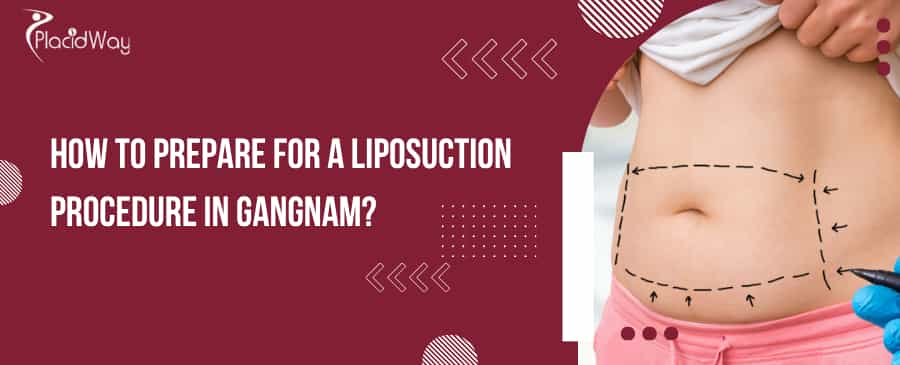
This is your opportunity to ask any final questions regarding the technique being used, the type of anesthesia, and the location of the incisions. The surgical team will also take standardized "before" photographs for your medical file and use a surgical marker to map out the targeted areas on your body. Having a medical interpreter present during this phase ensures that no nuances are lost in translation.
How much does a liposuction cost in South Korea?
Financial planning is a significant aspect of your preparation. While many patients find that pricing in Seoul is competitive compared to Western countries, the final bill depends on several variables. Treating a smaller area like the chin or arms will naturally cost less than comprehensive 360-degree abdominal and flank contouring.
The technology utilized also plays a role in the cost. Advanced modalities like VASER (ultrasound-assisted) or laser-assisted devices often carry a higher price tag than traditional tumescent methods. When reviewing estimates, ensure you understand what is included. Ask if the quote covers anesthesia fees, operating room costs, preoperative lab tests, post-operative compression garments, and follow-up visits, so you can budget appropriately without unexpected surprises.
| Cost Factor | Impact on Final Price Estimate |
|---|---|
| Number of Areas | More targeted zones increase the time required and overall fee. |
| Surgical Technique | Advanced technologies (ultrasound/laser) may be priced higher. |
| Anesthesia Type | General anesthesia involves an anesthesiologist, increasing costs compared to local sedation. |
How long should I plan to stay in South Korea for recovery?
Proper healing requires time, and flying home too soon can be dangerous. Long-haul flights restrict mobility, which increases the risk of developing deep vein thrombosis (DVT) or blood clots—a risk that is already elevated following any surgical procedure. Surgeons typically restrict air travel until they are confident your initial healing phase is progressing normally.
Your postoperative schedule in Gangnam will likely include several clinic visits. During these appointments, nurses will check your incision sites for signs of infection, change your dressings, and eventually remove your stitches (usually around day 7 to 10). Planning an adequate stay prevents you from having to navigate these early, critical recovery steps while in transit or immediately upon returning home.
What dietary changes help optimize healing before and after surgery?
Nutrition plays a foundational role in how well your body handles the trauma of surgery. In the weeks leading up to your trip, focus on hydrating properly and consuming lean proteins, which provide the building blocks necessary for tissue repair. Vitamins A and C, along with zinc, also promote wound healing.
Conversely, high sodium levels cause the body to retain water, which can exacerbate the swelling you will inevitably experience after the procedure. It is highly recommended to stop consuming alcohol and cease all nicotine use several weeks beforehand. Nicotine restricts blood vessels, significantly impairing blood flow to healing tissues and drastically increasing the risk of wound complications and severe infections.
How can I safely navigate medical tourism in South Korea?
While Gangnam offers access to sophisticated healthcare facilities, the responsibility of choosing a safe environment falls heavily on the patient. Ensure the facility you select is appropriately licensed and that the surgeon holds recognized board certifications in plastic or reconstructive surgery. Researching their specific experience with body contouring helps ensure they possess the necessary skill set for your needs.
Language barriers can present a significant safety risk if not properly managed. You need to fully understand preoperative instructions, surgical risks, and postoperative care requirements. Prioritize facilities that cater to international patients by providing experienced medical translators, ensuring that you can express your concerns and understand your medical team perfectly at every step of the journey.
Why Choose PlacidWay for Medical Tourism in South Korea?
Planning international healthcare requires access to reliable information and organized resources. PlacidWay assists patients in exploring international medical options through an accessible, educational platform.
- ? Provides access to a global network of registered and accredited healthcare providers.
- ? Offers informative resources on procedures, typical recovery timelines, and facility standards.
- ? Facilitates direct communication between patients and international clinics.
- ? Allows patients to compare treatment estimates and provider profiles in one centralized place.
- ? Prioritizes patient education to help individuals make informed, carefully considered healthcare decisions.
Frequently Asked Questions
Is liposuction a weight-loss procedure?
No, liposuction is not a treatment for obesity or a weight-loss method. It is a body contouring procedure designed to remove localized deposits of fat that do not respond to diet and exercise. Ideal candidates are typically near their target body weight.
Will I need a medical visa to travel to South Korea for surgery?
Visa requirements depend on your nationality and the length of your stay. Many international visitors can enter South Korea short-term without a visa, but you should verify your specific entry requirements well before your trip.
Do clinics in Gangnam provide English translators?
Many facilities in Gangnam that cater to international patients have dedicated in-house translation staff or provide professional medical interpreters to ensure clear communication during your journey.
What type of anesthesia is typically used for liposuction?
The type of anesthesia depends on the volume of fat being removed and the specific areas treated. It can range from local anesthesia with intravenous sedation to general anesthesia.
How soon can I shower after the procedure?
Surgeons typically advise patients to wait 48 to 72 hours before showering, depending on the closure of the incisions. You must follow your surgeon's specific aftercare instructions to prevent infection.
When will I see the final results of my body contouring?
While you may notice initial changes within a few weeks, postoperative swelling can take several months to fully subside. Final contours usually become apparent between three to six months after surgery.
Are compression garments provided by the facility?
Most facilities include the first medical compression garment in your surgical package, though some may require you to purchase it separately. It is often recommended to buy a second garment so you can wash one while wearing the other.
What are the common risks associated with this surgery?
Potential risks include bleeding, infection, fluid accumulation, contour irregularities, numbness, and reactions to anesthesia. Discussing your medical history openly with your surgeon helps minimize these risks.
Can I undergo other procedures at the same time?
Liposuction is frequently combined with other procedures like fat transfer or abdominoplasty. However, combining surgeries increases the time under anesthesia and may complicate recovery, which requires careful medical evaluation.
What should I do if I experience a complication after returning home?
If you develop signs of infection, severe pain, or shortness of breath after returning home, seek immediate medical attention from a local healthcare provider and share your surgical records with them.
Compare Treatment Options
Explore global healthcare providers and gather the information you need to make an informed decision about your medical journey.
Request Treatment InformationReferences
- Liposuction Preparation – American Society of Plastic Surgeons (ASPS)
- Liposuction Overview and Safety – International Society of Aesthetic Plastic Surgery (ISAPS)
- Medical Tourism Travel Guidelines – Centers for Disease Control and Prevention (CDC)
- Liposuction Medical Encyclopedia – MedlinePlus
- Liposuction: What You Can Expect – Mayo Clinic
- Liposuction Risks and Recovery – Cleveland Clinic
















Share this listing