
Fentanyl & Ibogaine Treatment in Mexico: Risks vs. Safety
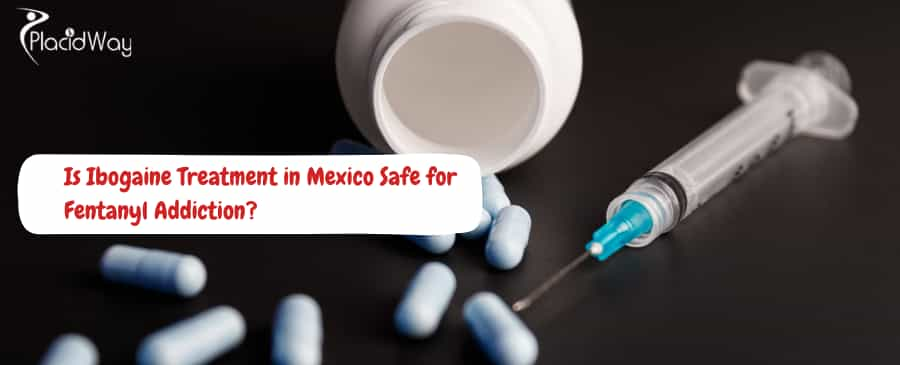
Fentanyl has fundamentally changed the landscape of opioid use, introducing unprecedented risks for those trying to break the cycle of dependency. As standard therapies often involve long tapers, some individuals look across the border to explore alternative options. Exploring ibogaine treatment in Mexico has become increasingly common among those seeking a way to interrupt acute withdrawal symptoms. However, using this powerful psychoactive alkaloid for fentanyl dependency involves complex, life-threatening medical variables.
Key Takeaways
- Ibogaine carries significant cardiovascular risks, including dangerous arrhythmias and potential cardiac arrest.
- Fentanyl stores in the body's fat cells, making direct treatment with ibogaine exceptionally dangerous without a prior medical transition.
- Continuous EKG monitoring and Advanced Cardiac Life Support (ACLS) capabilities are critical safety minimums.
- This therapy is not a standalone cure; it requires extensive psychological aftercare and behavioral therapy.
- Outcomes vary widely, and eligibility heavily depends on comprehensive medical and cardiac screening.
How does ibogaine interact with fentanyl in the human body?
Ibogaine works by interacting with multiple neurotransmitter systems, temporarily resetting certain brain pathways associated with substance dependency. However, fentanyl is highly lipophilic, meaning it binds tightly to the body's fat tissue. Unlike heroin or oxycodone, which leave the system relatively quickly, fentanyl can leach back into the bloodstream over several days or even weeks.
If ibogaine is administered while fentanyl is still slowly releasing from fat cells, the combination can cause massive central nervous system depression. Furthermore, ibogaine lowers an individual's tolerance to opioids very rapidly. If active fentanyl enters the bloodstream during or immediately after the ibogaine experience, it can easily lead to a fatal overdose, even if the user hasn't consumed any new opioids.
What are the specific cardiac risks of this therapy?
- Bradycardia: The substance can severely slow down the resting heart rate, sometimes to dangerous levels that require medical intervention.
- QT Prolongation: It impacts the electrical resetting phase of the heartbeat. If this phase takes too long, the heart can fall into a chaotic, uncoordinated rhythm.
- Electrolyte Sensitivity: Fentanyl users often suffer from poor nutrition and dehydration, leading to low potassium or magnesium levels, which drastically multiplies the cardiac risks.
- Pre-existing Damage: Long-term substance use often masks underlying heart conditions that this powerful alkaloid can suddenly expose.
- Fatal Arrhythmia: Without immediate emergency cardiac care, prolonged QT intervals can result in sudden cardiac death.
Why is a medical transition protocol necessary before administration?
Because of fentanyl's lipophilic nature, administering a standard ibogaine protocol based on the timeline of heroin withdrawal is extremely dangerous. The "fentanyl transition" involves substituting the street drug with a controlled, short-acting opiate (like morphine) to keep the patient out of withdrawal while giving the body time to clear the stored fentanyl from fat tissues.
This transition period often requires the individual to be closely monitored for 10 to 30 days before they are cleared for the actual procedure. Attempting to bypass this transition is widely considered reckless by medical professionals who study psychedelic harm reduction. It requires immense patience and resources, but skipping this step dramatically increases the risk of a severe adverse event.
What medical screening should an ibogaine treatment clinic in Mexico require?
Safety begins long before the actual dose is administered. Because the physical toll of both fentanyl addiction and the psychedelic experience is intense, comprehensive baseline testing is a non-negotiable requirement. Providers should review medical histories to rule out contraindications such as schizophrenia, bipolar disorder, liver disease, or heart defects.
Mandatory screening usually involves a 12-lead EKG to measure the patient's baseline QT interval. Comprehensive metabolic panels, liver function tests, and electrolyte screenings help determine if the patient's body can withstand the physiological stress. If a facility does not require extensive pre-screening or offers immediate admission without medical history reviews, this is a profound safety red flag.
What factors influence the ibogaine treatment cost in Mexico?
Pricing is rarely straightforward because fentanyl users require significantly more time and medical resources than those treating alcohol or cocaine dependency. The primary cost driver is the pre-treatment short-acting opiate transition. Since a patient may need to stay at a facility for two to four weeks just to clear the fentanyl from their system, room, board, and medical supervision costs add up quickly.
Furthermore, costs are heavily influenced by the level of medical staffing. Facilities that employ board-certified cardiologists, onsite emergency physicians, and registered nurses typically charge more than centers relying solely on holistic facilitators. While it may be tempting to seek budget-friendly options, cutting costs usually means sacrificing vital medical monitoring equipment and emergency response capabilities.
How is patient safety managed during the actual experience?
- Continuous EKG: The patient's heart rhythm must be monitored in real-time throughout the entire acute phase to detect early signs of QT prolongation.
- Intravenous (IV) Access: A pre-placed IV line is often established so emergency medications or fluids can be administered instantly if a crisis occurs.
- ACLS Certification: At least one, preferably more, staff members present in the room should hold valid Advanced Cardiac Life Support credentials.
- Emergency Protocols: The center must have a clear, documented plan for transferring a patient to a modern local hospital within minutes if needed.
- Vitals Tracking: Blood pressure, blood oxygen levels (SpO2), and pulse rate should be charted regularly during the 12 to 24-hour treatment window.
Does this procedure act as a permanent cure for opioid use disorder?
A common and dangerous misconception is that this therapy is a magic bullet. Patients may emerge from the experience feeling as though their physical cravings have vanished and their withdrawal symptoms have been interrupted. However, the brain's dopamine pathways and the deeply ingrained behavioral habits associated with substance use take time and effort to heal.
Without immediate transition into a comprehensive aftercare program, the risk of relapse remains incredibly high. Returning to the exact same environment, social circles, and stressors without new coping mechanisms often leads individuals back to substance use. Fentanyl relapse after an ibogaine reset is particularly deadly because the patient's physical tolerance has been completely eliminated.
What role does structured aftercare play in recovery?
The days and weeks following the procedure are often described as a "window of opportunity." The brain exhibits increased neuroplasticity, making the patient more receptive to learning new behavioral patterns. To capitalize on this, patients are encouraged to engage deeply in traditional modalities such as Cognitive Behavioral Therapy (CBT), intensive outpatient programs, or residential aftercare.
Furthermore, the psychedelic experience itself can unearth suppressed trauma or intense emotional distress. Integration coaches or licensed therapists are necessary to help the patient unpack these visions and emotions safely. Attempting to navigate the post-treatment psychological landscape alone can lead to anxiety, depression, and ultimately, a return to substance use as a coping mechanism.
Is ibogaine legally regulated for medical tourism in Mexico?
The landscape of medical tourism in Mexico is highly diverse. Because ibogaine exists in a regulatory gray area—neither fully approved as a pharmaceutical medicine nor heavily criminalized—oversight is inconsistent. There is no central, government-backed regulatory body that standardizes dosages, safety protocols, or staff credentials specifically for these retreats.
This lack of oversight means that quality and safety vary drastically from one provider to the next. Some operate essentially as luxury medical clinics with full hospital-grade equipment, while others function as unregulated spiritual retreats with no medical staff on site. Patients must exercise extreme diligence, asking pointed questions about emergency protocols, doctor credentials, and proximity to traditional hospitals before traveling.
Why Choose PlacidWay for Medical Tourism in Mexico?
PlacidWay provides resources and information to help patients explore healthcare options globally. Here is how the platform assists individuals researching treatments abroad:
- Informational Access: Provides access to a wide directory of international clinics, allowing patients to review available services in one place.
- Provider Profiles: Lists provider details, facility descriptions, and publicly available credential information to aid in initial research.
- Cost Comparisons: Offers estimated pricing structures from various international facilities, helping patients understand potential financial requirements.
- Direct Communication: Facilitates initial contact between the patient and the healthcare facility for consultation requests.
- Educational Content: Supplies articles and guides on medical tourism destinations to help patients make informed decisions about traveling for care.
Frequently Asked Questions
How long does an ibogaine experience typically last?
The acute psychedelic phase of ibogaine usually lasts between 8 to 12 hours, but the processing and physical reset phase can extend for another 24 to 36 hours. Patients often need several days of rest afterward to regain their physical strength.
Can anyone take ibogaine for opioid addiction?
No. Ibogaine has strict medical contraindications. Individuals with pre-existing heart conditions, liver disease, psychiatric disorders like schizophrenia, or those taking certain medications (like SSRIs or anti-arrhythmics) are typically not candidates due to severe health risks.
Is ibogaine a substitute for long-term rehab?
Ibogaine is not a standalone cure or a substitute for comprehensive rehabilitation. While it may interrupt physical withdrawal symptoms, ongoing behavioral therapy, psychological support, and lifestyle changes are essential for long-term recovery.
What does the withdrawal interruption feel like?
Many patients report that ibogaine significantly reduces or temporarily eliminates the severe physical symptoms of opioid withdrawal. However, the experience itself can be physically exhausting and psychologically intense, often described as a challenging dream-like state.
Are there age limits for receiving this therapy?
While policies vary by provider, most facilities restrict ibogaine to adults aged 18 and older. Older adults face significantly higher cardiovascular risks, and providers often require more rigorous cardiac screening for patients over the age of 50.
Can I fly home immediately after taking ibogaine?
Flying immediately after treatment is highly discouraged. Patients typically need at least 5 to 7 days of medical observation and rest to ensure their heart rate and blood pressure have stabilized, and to recover from the physical exhaustion of the process.
How long must I be off fentanyl before taking ibogaine?
Because fentanyl is stored in fat cells, medical professionals often advise a supervised transition to a short-acting opiate for several weeks prior to ibogaine administration. Attempting ibogaine while fentanyl is still releasing into the bloodstream can be fatal.
What makes fentanyl different from heroin when using ibogaine?
Unlike heroin, which leaves the body relatively quickly, fentanyl is lipophilic (binds to fat). This means it slowly leaches back into the bloodstream over days or weeks, making the timing of ibogaine administration exceptionally complicated and dangerous without specialized medical management.
Can ibogaine cause psychological trauma?
Yes, the psychedelic properties of ibogaine can induce intensely vivid, sometimes distressing visions related to past trauma. Without proper psychological preparation and professional post-treatment integration, the experience can be overwhelming or destabilizing.
Will medical insurance cover this therapy in Mexico?
Standard medical insurance typically does not cover ibogaine therapy, as it is largely considered experimental and remains an unapproved substance in many countries, including the United States. Patients usually pay out-of-pocket for these international treatments.
Compare Treatment Options Abroad
Research international medical facilities, understand potential costs, and gather the information you need to make an informed decision regarding your healthcare journey.
Request Treatment InformationReferences
- Psychedelic and Dissociative Drugs – National Institute on Drug Abuse (NIDA)
- How Toxic is Ibogaine? – National Center for Biotechnology Information (NCBI)
- Ibogaine Therapy Research – Multidisciplinary Association for Psychedelic Studies (MAPS)
- Fentanyl Awareness and Overdose Prevention – Substance Abuse and Mental Health Services Administration (SAMHSA)
- Drug-Induced Arrhythmias – American Heart Association (AHA)
- Cardiovascular Toxicity of Ibogaine – Clinical Toxicology Journal (PubMed)

























Share this listing