


Why Choose Mexico for All-on-4 Treatment

Welcome to the ultimate guide on the "All on 4" dental implant procedure in Mexico, a popular choice for individuals seeking a complete smile transformation. If you're looking to replace missing teeth or say goodbye to uncomfortable dentures, "All on 4" offers a revolutionary, fixed solution that can restore not just your smile, but also your confidence and ability to enjoy life to the fullest.
Mexico has emerged as a top destination for this advanced dental treatment, attracting patients from around the globe due to its high-quality care, experienced specialists, and significant cost savings. This detailed guide will walk you through the entire "All on 4" process, from your first consultation to the final reveal of your new, permanent teeth.
We'll cover everything you need to know, addressing common questions and concerns to help you understand why this procedure, particularly when performed in Mexico, is a life-changing option for many. Whether you're curious about the cost, the timeline, or simply what to expect at each stage, we're here to provide clear, expert insights into achieving a stable, beautiful smile with "All on 4" dental implants.
What exactly is the "All on 4" dental implant procedure?
The "All on 4" procedure is an innovative dental solution designed to replace an entire arch of missing or failing teeth with a full, fixed bridge. Instead of requiring an implant for each tooth, or even eight to ten implants for a full arch, this technique utilizes just four dental implants per jaw.
These four implants are placed at specific angles (two straight anterior implants and two tilted posterior implants) to maximize contact with the existing bone, even in cases where bone density is low. This strategic placement often eliminates the need for bone grafting, making it a faster and less invasive option for many patients.
The strength of the "All on 4" concept lies in its biomechanical design, which distributes the chewing forces evenly across the four implants, providing a stable foundation for a permanent bridge. Patients receive a provisional set of teeth, often on the same day as implant placement, allowing them to leave the clinic with a functional and aesthetic smile almost immediately.
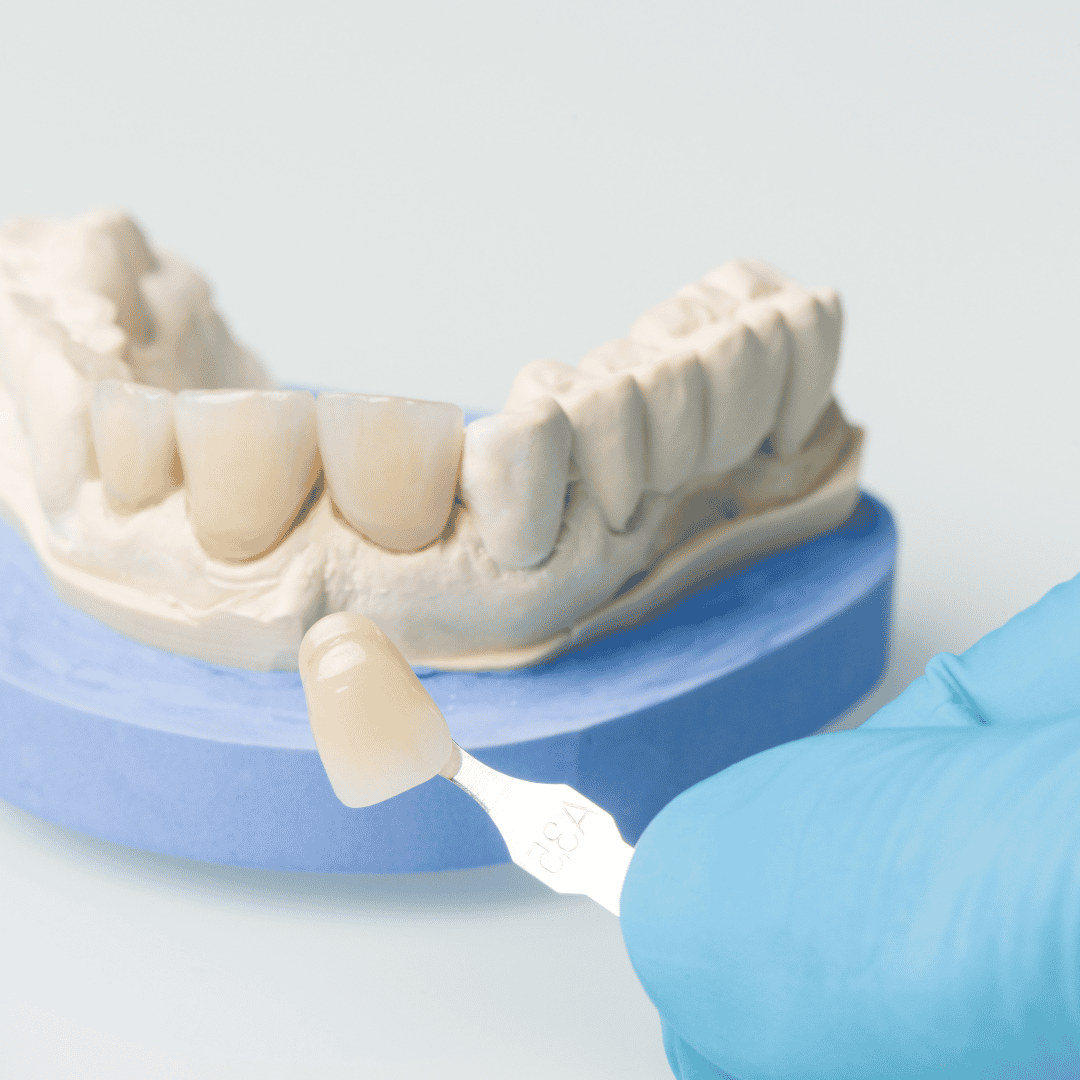
This immediate load capability is a significant advantage, as it avoids the long waiting periods typically associated with traditional implant procedures. The final stage involves replacing the provisional bridge with a custom-made, durable, and aesthetically pleasing permanent bridge, typically made from materials like Zirconia or high-grade acrylic.
This permanent restoration is designed to look and feel like natural teeth, restoring full chewing function and enhancing facial aesthetics. The entire process aims to provide a long-lasting solution for total tooth replacement, offering a significant improvement in quality of life.
Why consider getting "All on 4" dental implants in Mexico?
Mexico has become a leading destination for medical tourism, particularly for complex dental procedures like "All on 4" dental implants. The primary driver for this trend is the substantial cost savings. Patients can often save 50% to 70% on their treatment costs compared to prices in the United States or Canada, making advanced dental care accessible to a broader population.
This financial advantage does not, however, mean a compromise on quality. Many Mexican dental clinics specializing in "All on 4" are state-of-the-art facilities equipped with advanced technology, comparable to or exceeding those found in Western countries. Dentists performing these procedures often have extensive training from prestigious international institutions, are board-certified, and speak excellent English, ensuring clear communication and a comfortable patient experience.
These clinics frequently adhere to stringent international sterilization and treatment protocols, prioritizing patient safety and successful outcomes. Beyond the cost and quality, the accessibility of Mexico also plays a role. Border cities like Tijuana and Nogales are easily reachable by car for many Americans, while major cities like Cancun, Guadalajara, and Mexico City offer convenient flights. The opportunity to combine dental treatment with a mini-vacation in a beautiful country further enhances Mexico's appeal as a top choice for "All on 4" dental implants.
What is the typical "All on 4" procedure timeline in Mexico?
The "All on 4" procedure in Mexico is usually completed in two distinct phases, requiring two separate trips. This staggered approach allows for proper healing and osseointegration, which is the crucial process where the implants fuse with the jawbone.
First Trip (Implant Placement and Provisional Bridge):
- Duration: Typically 3 to 7 days.
Activities:
- Day 1: Initial consultation, comprehensive diagnostics (3D CT scans, X-rays), treatment planning, and impressions.
- Day 2-3: Surgical placement of the four dental implants. Any necessary extractions are performed at this time.
- Day 3-5: Fabrication and fitting of the provisional (temporary) full arch bridge. This allows you to leave with a functional and aesthetic smile while the implants heal.
- Day 6-7: Follow-up appointment to ensure comfort and provide post-operative instructions before you return home.
- Healing Period: After this first trip, you'll have a healing period of approximately 4 to 6 months. During this time, the implants integrate with your jawbone, a process called osseointegration.
Second Trip (Permanent Bridge Placement):
- Duration: Approximately 5 to 10 days.
Activities:
- Day 1-2: Evaluation of implant healing, new impressions taken for the permanent bridge, and shade selection.
- Day 3-7: Multiple fittings and adjustments of the custom-fabricated permanent bridge (often made of Zirconia or high-grade acrylic). The dental lab in Mexico works efficiently to create your final restoration.
- Day 8-10: Final placement of the permanent bridge, ensuring optimal fit, comfort, and aesthetics. Final checks and care instructions are provided.
This second trip completes your "All on 4" restoration, giving you a beautiful, strong, and long-lasting smile.
How much does the "All on 4" procedure cost in Mexico compared to the USA or Canada?
One of the most compelling reasons individuals choose Mexico for their "All on 4" dental implants is the remarkable cost difference. The same high-quality procedure, often using the same materials and performed by equally qualified dentists, can be obtained at a fraction of the price found in North America. Here's a comparative overview:
| Location | Estimated Cost Per Arch (USD) | Approximate Savings |
|---|---|---|
| USA/Canada | $20,000 - $35,000+ | N/A |
| Mexico | $7,000 - $15,000 | 50% - 70% |
These prices often include the implants, extractions (if needed), the provisional bridge, and the final permanent bridge. Factors influencing the cost can include the specific dental clinic's reputation, the dentist's experience, the brand of implants used, and the material chosen for the permanent bridge (e.g., acrylic-on-titanium vs. full Zirconia). Even when factoring in travel and accommodation expenses, the overall savings remain substantial, making Mexico an economically viable option for many.
What are the benefits of choosing "All on 4" for full arch restoration?
The "All on 4" procedure provides a transformative solution with a wide range of benefits for individuals seeking full arch tooth replacement. These advantages contribute significantly to an improved quality of life and long-term oral health. Here are some key benefits:
- Immediate Function and Aesthetics: Patients often receive a provisional set of teeth on the same day as implant placement, allowing them to leave with a new smile and the ability to eat soft foods almost immediately.
- Enhanced Stability and Comfort: Unlike traditional dentures that can slip or cause discomfort, "All on 4" implants are fixed in place, providing superior stability, comfort, and confidence when speaking and eating.
- Preservation of Jawbone: Dental implants stimulate the jawbone, preventing the bone loss that typically occurs when teeth are missing. This helps maintain facial structure and prevents a sunken appearance.
- Improved Chewing Ability: With a stable set of teeth, patients can enjoy a wider variety of foods, leading to better nutrition and overall health. The chewing efficiency is significantly higher than with dentures.
- Reduced Need for Bone Grafting: The angled placement of the posterior implants in "All on 4" often allows for maximum use of existing bone, frequently eliminating the need for costly and time-consuming bone grafting procedures.
- Long-Lasting Solution: With proper care and regular dental check-ups, "All on 4" dental implants can last for decades, often a lifetime, offering a durable and reliable restoration.
- Natural Appearance: The custom-designed permanent bridge is crafted to blend seamlessly with your facial features, providing a natural-looking and beautiful smile.
What should I expect during the initial consultation for "All on 4" in Mexico?
Your initial consultation for the "All on 4" procedure in Mexico is a crucial first step, setting the stage for your entire treatment. This appointment is designed to comprehensively assess your oral health, determine your suitability for the procedure, and create a tailored treatment plan. The process typically includes:
- Comprehensive Examination: The dentist will perform a detailed examination of your mouth, gums, and remaining teeth.
- Advanced Imaging: You will undergo various imaging tests, most importantly a 3D Cone Beam Computed Tomography (CBCT) scan. This provides detailed 3D images of your jawbone, nerve pathways, and sinuses, which are essential for precise implant placement planning. Traditional X-rays may also be taken.
- Medical History Review: You'll discuss your general health, medical history, and any medications you are taking. This helps the dentist identify any conditions that might affect the procedure or healing process.
- Discussion of Treatment Goals: This is your opportunity to express your concerns, desired outcomes, and ask any questions you have.
- Personalized Treatment Plan: Based on the examination and imaging, the dentist will outline a customized "All on 4" treatment plan, explaining the procedure, the type of implants to be used, and the materials for your provisional and permanent bridges.
- Cost Estimate and Financial Discussion: You will receive a detailed breakdown of the costs involved, including all stages of the treatment. Many clinics offer package deals for international patients.
This thorough consultation ensures that the "All on 4" procedure is the right choice for you and that the treatment plan is optimized for your specific needs, all while providing transparency about the process and costs.
What is involved in the surgical phase of "All on 4" implants?
The surgical phase is where the foundation for your new smile is established. This procedure is carefully planned and performed by an experienced oral surgeon or implantologist, often under local anesthesia with sedation to ensure your comfort. Here's a step-by-step overview:
- Anesthesia: You will receive local anesthesia to numb the surgical area. Sedation options (like oral sedation or IV sedation) are typically available to help you relax throughout the procedure.
- Tooth Extractions (if necessary): Any remaining failing or decayed teeth in the arch being treated are carefully extracted.
- Bone Preparation: The jawbone is gently reshaped and smoothed, if necessary, to create an optimal surface for implant placement and the subsequent bridge.
- Implant Placement: Using the detailed pre-operative CT scans and surgical guides, the dentist precisely drills four pilot holes into the jawbone. Two implants are placed vertically in the front (anterior) part of the jaw, and two are placed at a specific angle (up to 45 degrees) in the back (posterior) part of the jaw. This angled placement maximizes bone contact and bypasses areas of lower bone density, often avoiding the need for bone grafting.
- Abutment Attachment: Special components called abutments are attached to the newly placed implants. These abutments will connect the implants to the provisional bridge.
- Suture Placement: The gum tissue is carefully closed with sutures around the implants.
The surgical phase typically takes a few hours per arch. After the implants are securely in place, impressions are often taken immediately (if not done earlier) for the fabrication of your provisional bridge, which you will receive shortly after the surgery.
What is the recovery process like after "All on 4" implant surgery?
The recovery process after "All on 4" implant surgery involves an immediate post-operative period and a longer healing phase, during which the implants integrate with your jawbone.
Immediate Post-Operative Period (First 1-2 Weeks):
- Discomfort and Swelling: You will likely experience some swelling, bruising, and mild to moderate pain for a few days following the surgery. This is normal and can be managed effectively with prescribed pain medication.
- Diet: A strict soft-food diet is essential immediately after surgery. Avoid hot liquids, hard, crunchy, or chewy foods that could disrupt the healing sites or damage the provisional bridge.
- Oral Hygiene: Your dentist will provide specific instructions for keeping your mouth clean, which may include special mouth rinses and careful brushing around the surgical sites. Avoid spitting vigorously or using straws, as this can dislodge blood clots.
- Activity: Rest is important. Avoid strenuous activities for the first few days to a week.
- Follow-up: You'll have a follow-up appointment in Mexico before returning home to ensure proper initial healing.
- Long-Term Healing and Osseointegration (4-6 Months): This is the critical phase where the implants fuse with your jawbone. It's vital to continue with a modified soft or semi-soft diet to prevent excessive pressure on the healing implants. During this time, you will wear your provisional bridge, which provides aesthetics and basic function, but it's not designed for heavy chewing.
Regular communication with your Mexican dental team (often via virtual check-ups) or your local dentist is important to monitor healing. Following these guidelines diligently ensures a successful integration of the implants, paving the way for the placement of your permanent bridge.
How do I choose a reputable clinic and dentist for "All on 4" in Mexico?
Selecting the right clinic and dentist is paramount for a successful and safe "All on 4" procedure in Mexico. With many options available, thorough research is key to ensuring you receive high-quality care. Consider the following factors:
- Dentist's Credentials and Experience:
- Look for dentists specializing in implantology or oral surgery with extensive experience performing "All on 4" procedures.
- Inquire about their education, certifications, and any international training they may have. Many top Mexican dentists are US or internationally trained.
- Ask how many "All on 4" cases they have completed successfully.
- Clinic Accreditation and Standards:
- Check if the clinic holds international accreditations (e.g., from the American Dental Association, Joint Commission International, or others).
- Ensure the clinic adheres to strict sterilization protocols and uses modern, high-quality equipment.
- The facility should be clean, organized, and professional.
- Patient Reviews and Testimonials:
- Read online reviews and testimonials from previous patients, particularly those who have undergone "All on 4" procedures. Look for consistent positive feedback regarding outcomes, patient care, and post-treatment support.
- Ask the clinic for before-and-after photos of their "All on 4" cases.
- Transparency in Pricing and Services:
- A reputable clinic will provide a clear, detailed cost estimate that includes all aspects of the treatment (implants, extractions, provisional bridge, permanent bridge, follow-ups).
- Be wary of exceptionally low prices that seem too good to be true, as they might indicate hidden costs or lower quality materials.
- Communication and Support:
- Ensure the dental team, especially your primary dentist, communicates clearly in English.
- Assess their responsiveness to your inquiries and their willingness to provide comprehensive information.
- Inquire about their aftercare support and how they handle any potential issues once you return home.
Taking the time to research and ask these questions will help you make an informed decision and find a trusted provider for your "All on 4" treatment.
Are there any risks or complications associated with "All on 4" dental implants?
Like any surgical procedure, "All on 4" dental implants carry some potential risks and complications, although they are generally considered safe and highly successful when performed by qualified professionals. Understanding these potential issues can help you make an informed decision. Potential risks include:
- Implant Failure: This occurs if an implant does not properly fuse with the jawbone (osseointegration). Causes can include poor bone quality, smoking, certain medical conditions, inadequate oral hygiene, or excessive stress on the implant during healing. While rare, it may require removal of the implant and, after healing, re-insertion.
- Infection: Infection at the implant site is possible, particularly if proper sterile techniques are not followed or if post-operative care instructions are neglected. This can usually be treated with antibiotics.
- Nerve Damage: Although very uncommon, there is a small risk of damage to nerves located in the jaw, which can lead to numbness, tingling, or pain in the lips, gums, or tongue. Careful pre-operative planning with 3D imaging significantly reduces this risk.
- Sinus Issues: For upper arch implants, there's a slight risk of implants protruding into the sinus cavity, which could lead to sinus complications. The angled placement in "All on 4" is designed to avoid this.
- Prosthetic Complications: Issues with the provisional or permanent bridge, such as chipping, fractures, or loosening, can occur. These are usually repairable by your dentist.
- Peri-implantitis: This is an inflammatory condition affecting the tissues surrounding a dental implant, similar to gum disease around natural teeth. It's often caused by poor oral hygiene and can lead to bone loss around the implant if not treated.
To minimize these risks, it is crucial to choose an experienced and reputable dental professional, follow all pre- and post-operative instructions carefully, maintain excellent oral hygiene, and attend regular follow-up appointments.
What long-term care and maintenance are required for "All on 4" implants?
Proper long-term care and maintenance are crucial for the success and longevity of your "All on 4" dental implants. While implants cannot get cavities, the surrounding gum tissues and the prosthetic bridge require diligent attention to prevent complications and ensure your new smile lasts for many years. Key aspects of long-term care include:
- Excellent Daily Oral Hygiene:
- Brushing: Brush your prosthetic bridge and gums at least twice a day using a soft-bristled toothbrush. You might consider an electric toothbrush for more effective cleaning.
- Flossing/Interdental Cleaning: Traditional flossing may not be effective under the bridge. Your dentist will likely recommend specialized tools such as water flossers (oral irrigators), interdental brushes, or super floss to clean beneath the bridge and around the implants, removing food particles and plaque.
- Mouthwash: An antimicrobial mouthwash may be recommended by your dentist to help control bacteria.
- Regular Dental Check-ups:
- Schedule professional dental check-ups and cleanings at least every six months. These appointments are vital for monitoring the health of your implants, gums, and the integrity of your prosthetic bridge.
- Your dentist will check for any signs of peri-implantitis (gum inflammation around the implants) and perform specialized cleanings to remove plaque and calculus that cannot be reached with regular brushing.
- Avoid Damaging Habits:
- Refrain from chewing on excessively hard foods (e.g., ice, hard candies) or using your teeth to open packages, as this can damage the prosthetic bridge.
- If you grind or clench your teeth (bruxism), inform your dentist, as a night guard may be recommended to protect your implants and bridge.
- Diet: While "All on 4" allows you to eat a wide variety of foods, a balanced diet supports overall oral health.
Adhering to these maintenance practices will help prevent potential issues and ensure your "All on 4" implants remain healthy, functional, and aesthetically pleasing for a lifetime.
Can I travel to Mexico for "All on 4" if I have existing health conditions?
Many individuals with existing health conditions successfully undergo "All on 4" procedures in Mexico. However, it is absolutely essential to be completely transparent about your medical history with your chosen Mexican dental clinic and to obtain proper medical clearance from your local primary care physician or specialist. Key considerations for existing health conditions:
- Full Disclosure: Provide your Mexican dental team with a comprehensive list of all your health conditions, past surgeries, and medications (including supplements). This allows them to accurately assess your suitability for the procedure and plan accordingly.
- Medical Clearance: Your Mexican dental clinic will likely request a letter of medical clearance from your local doctor. This letter should confirm that your health condition is stable and that you are medically fit for oral surgery. It should also include any specific recommendations for managing your condition during and after the procedure.
- Common Conditions and Management:
- Diabetes: Well-controlled diabetes is usually not a contraindication, but uncontrolled diabetes can impair healing and increase infection risk. Your blood sugar levels must be stable before and after surgery.
- Heart Conditions: Patients with certain heart conditions or those on blood thinners may require special protocols. Your cardiologist's input is vital. Blood thinners may need to be adjusted or temporarily stopped under medical supervision.
- Osteoporosis/Bisphosphonate Use: Medications for osteoporosis can affect bone healing and implant integration. It's crucial to discuss this with your dentist and physician.
- Immunocompromised Conditions: Conditions that weaken the immune system can increase the risk of infection and slow healing.
- Realistic Expectations: Understand that certain severe or uncontrolled health conditions might mean the "All on 4" procedure is not suitable for you, or it may require additional preparatory steps and closer monitoring.
- Travel Logistics: Consider how your health condition might affect travel. Ensure you have all necessary medications, emergency contact information, and travel insurance that covers medical emergencies abroad.
With careful planning, open communication between you, your local doctor, and your Mexican dental team, many individuals with existing health conditions can safely receive "All on 4" dental implants in Mexico.
What travel and logistical arrangements should I plan for my "All on 4" trip to Mexico?
Preparing for your "All on 4" procedure in Mexico involves more than just dental appointments; it requires careful planning of your travel and logistical arrangements for two separate trips. A well-organized trip can significantly reduce stress and enhance your overall experience. Here's a checklist for your planning:
- Passport and Visa:
- Ensure your passport is valid for at least six months beyond your planned return date.
- Check if you need a visa for Mexico based on your nationality (most US and Canadian citizens do not need one for tourist stays).
- Flights and Accommodation:
- Book round-trip flights for both your first and second visits well in advance to secure better prices and preferred dates.
- Arrange accommodation near your dental clinic. Many clinics have partnerships with local hotels or can provide recommendations. Consider hotels offering amenities suitable for post-operative recovery.
- Ground Transportation:
- Plan how you will get from the airport or border crossing to your hotel and the dental clinic. Many clinics offer complimentary shuttle services, or you can arrange for trusted taxi services or ride-sharing apps.
- Confirm transportation for your appointments and ensure you have contact numbers for your drivers.
- Financial Planning:
- Budget for the dental procedure, flights, accommodation, meals, and any incidental expenses.
- Inform your bank and credit card companies of your travel plans to avoid issues with transactions in Mexico.
- Carry some local currency (Mexican Pesos) for small purchases, though many places accept US dollars or credit cards.
- Communication:
- Check if your phone plan includes international roaming or consider purchasing a local SIM card or eSIM for your stay to ensure you can communicate with the clinic and family.
- Ensure you have the clinic's contact information readily available.
- Travel Insurance:
- Consider purchasing travel insurance that includes medical coverage for emergencies, as well as trip cancellation or interruption benefits. Confirm that it covers medical tourism or dental procedures abroad.
- Post-Operative Support:
- Discuss with the clinic what kind of post-operative support and follow-up communication they offer once you return home.
- Have a plan for how you will handle any unexpected issues after you leave Mexico.
Thorough preparation will make your "All on 4" journey to Mexico a smooth and comfortable experience, allowing you to focus on your dental health and recovery. For personalized guidance and to connect with top-rated clinics for your "All on 4" procedure in Mexico, explore the comprehensive resources and solutions available at PlacidWay.





.png)
.png)
.png)
.png)



.png)

-1.png)
.png)











Share this listing