
Understanding Gastroplasty in Mexico
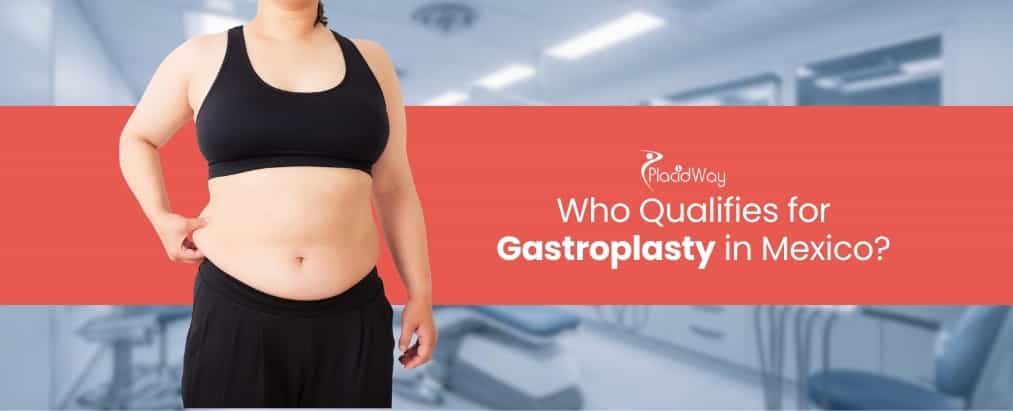
Determining whether you are a suitable candidate for a weight loss procedure is a critical first step on your health journey. Many patients researching gastroplasty in Mexico are looking for effective ways to manage severe obesity when diet and exercise have not provided long-term results. Gastroplasty—often referring to endoscopic sleeve gastroplasty (ESG) or a traditional sleeve gastrectomy—is a major medical intervention that requires careful patient selection.
Medical teams evaluate prospective patients based on specific international guidelines designed to ensure safety and improve the chances of long-term success. Below, we explore the exact criteria, medical evaluations, and lifestyle commitments required to qualify for this life-changing procedure.
Key Takeaways: Eligibility Requirements
- BMI Thresholds: Eligibility typically starts at a Body Mass Index (BMI) of 30, depending on the specific procedure and accompanying health conditions.
- Comorbidities Matter: Having obesity-related conditions like type 2 diabetes, sleep apnea, or hypertension strongly supports medical necessity.
- Medical Clearance is Mandatory: Patients must undergo thorough physical and psychological evaluations to ensure they can safely handle the intervention and recovery.
- Commitment to Change: Qualification requires a demonstrated readiness to adopt permanent dietary, exercise, and lifestyle changes.
- Individual Assessment: Only a qualified medical professional can definitively determine if the procedure is safe and appropriate for your unique health profile.
What is the minimum BMI required for gastroplasty?
Body Mass Index (BMI) is the primary metric used by medical professionals worldwide to initially gauge eligibility for bariatric interventions. Based on guidelines from organizations like the American Society for Metabolic and Bariatric Surgery (ASMBS) and the International Federation for the Surgery of Obesity and Metabolic Disorders (IFSO), the criteria have evolved to recognize obesity as a complex disease.
If your BMI is 35 or higher, you may qualify for the procedure even without the presence of severe obesity-related conditions. However, if your BMI falls between 30 and 34.9, doctors will look closely at your overall health to see if the intervention would help resolve other dangerous metabolic conditions. Endoscopic sleeve gastroplasty (ESG) is frequently considered for patients in this 30 to 40 BMI range.
| BMI Range | General Eligibility Criteria |
|---|---|
| Under 30 | Generally not eligible (unless specific ethnic criteria apply, e.g., Asian descent at 27.5). |
| 30.0 - 34.9 | Eligible if diagnosed with obesity-related conditions (diabetes, sleep apnea, etc.). |
| 35.0 or higher | Typically eligible regardless of comorbidities, pending full medical clearance. |
Do obesity-related health conditions affect my eligibility?
When evaluating a patient, a doctor does not just look at weight; they look at metabolic health. Comorbidities are chronic conditions directly linked to, or worsened by, excess body fat. The presence of these conditions can make you a stronger candidate because bariatric procedures have been shown to often improve or even resolve them.
Common qualifying conditions include:
- Type 2 diabetes mellitus
- Obstructive sleep apnea (OSA)
- High blood pressure (hypertension)
- Non-alcoholic fatty liver disease (NAFLD)
- Severe osteoarthritis causing joint degradation
- High cholesterol or lipid disorders
If you have a BMI of 32 and suffer from type 2 diabetes, a medical team may conclude that the benefits of the procedure outweigh the risks, as significant weight loss can lead to better glycemic control.
What medical tests are needed before approval?
Even if you meet the BMI and comorbidity criteria, no responsible clinic will approve you without ensuring your body can handle the physical stress of an intervention and the subsequent recovery phase. This is why thorough pre-operative testing is non-negotiable.
Typical requirements from a reputable gastroplasty clinic in Mexico include:
- Complete Blood Count (CBC) and Chemistry Panel: To check for anemia, kidney function, and liver enzymes.
- Electrocardiogram (EKG): To evaluate heart rhythm and cardiovascular health.
- Upper Endoscopy: To examine the stomach lining for ulcers, large hiatal hernias, or H. pylori bacteria.
- Nutritional Screening: To identify pre-existing vitamin or mineral deficiencies that need correcting beforehand.
- Chest X-ray: To assess lung health, particularly for patients with sleep apnea or asthma.
Can previous abdominal surgeries disqualify me from the procedure?
If you have had a C-section, gallbladder removal, or appendectomy, you can generally still qualify. However, past surgeries can lead to the formation of adhesions (internal scar tissue). This tissue can alter your internal anatomy and make accessing the stomach more difficult for the medical team.
If you are seeking an endoscopic procedure (which goes down the throat rather than through abdominal incisions), prior stomach surgeries might be a contraindication. The medical team will review your complete surgical history and may order specific imaging studies to determine if the procedure can be performed safely.
Important Consideration
Always provide a complete and honest medical history during your consultation. Failing to disclose past surgeries, even minor ones, can put your safety at risk during the intervention.
How does mental health play a role in qualifying for bariatric surgery?
Bariatric interventions change your physical anatomy, but they do not automatically change your relationship with food. Medical professionals require a psychological screening to ensure patients do not have untreated mental health conditions that could sabotage their recovery or put them in danger.
Active eating disorders, such as binge eating disorder or bulimia, untreated severe depression, or ongoing substance abuse are usually considered contraindications. This does not mean a history of depression permanently disqualifies you. Rather, doctors want to ensure that any psychological conditions are well-managed and that you possess a strong support system and realistic expectations about the outcomes.
Are there specific age limits for this weight loss procedure?
Adolescents under 18 may sometimes qualify for bariatric interventions, but only under extremely strict guidelines. It requires specialized pediatric evaluation, assessing whether the teenager has reached physical maturity and has severe obesity-related complications that threaten their immediate health.
For adults over 65, the evaluation focuses heavily on cardiovascular health and physical frailty. While age alone is not an absolute barrier, older patients may face a higher risk of complications and a slower recovery. A multi-disciplinary team will evaluate whether the benefits of reducing obesity-related diseases outweigh the surgical risks for seniors.
What are the absolute contraindications for gastroplasty?
Even if a patient meets the BMI criteria and desires the procedure, certain health factors make it too dangerous to proceed. Safety is the ultimate priority. Absolute contraindications typically include:
- Current Pregnancy: Patients must not be pregnant and are usually advised to avoid pregnancy for 12 to 18 months after the procedure.
- Severe Bleeding Disorders: Conditions that prevent blood from clotting normally pose a massive risk.
- Large Hiatal Hernias: Specifically for endoscopic sleeve gastroplasty (ESG), a large hiatal hernia may prevent the device from safely suturing the stomach.
- Active Substance Abuse: Drug or alcohol dependency must be resolved prior to clearance.
- Inability to comply: A clear inability or unwillingness to follow the vital nutritional guidelines required post-procedure.
Why do patients travel for medical weight loss treatments?
The rise of medical tourism in Mexico is heavily driven by patients seeking specialized care that might be difficult to access in their home countries due to restrictive insurance criteria or long public healthcare waiting lists. While qualifying criteria remain strict and medically sound across borders, the administrative pathways are sometimes more direct.
Furthermore, the gastroplasty cost in Mexico is frequently cited as a significant factor for patients paying out-of-pocket. However, it is vital to remember that a lower cost estimate should never override the need for comprehensive medical clearance, high-quality care, and rigorous safety standards. Patients must ensure they receive thorough pre-operative testing and commit to long-term post-operative follow-up care with their local doctors once they return home.
How do I start the evaluation process with a clinic?
Your first step is gathering your medical records. When you contact a facility, they will require a detailed account of your medical history, current medications, previous weight loss attempts, and any diagnosed health conditions.
Many teams offer virtual consultations to review this initial paperwork. During this meeting, the doctor will assess whether you tentatively qualify based on the provided data. If approved in this preliminary stage, you will be given a list of required laboratory tests and clearances you must obtain from your local physician before finalizing any plans.
What lifestyle changes must I commit to before being approved?
Gastroplasty is merely a tool; it does not do all the work for you. Medical teams look for patients who understand that the intervention requires lifelong maintenance. Before you are approved, you will likely need to meet with a nutritionist who will explain the strict post-operative diet stages—starting from clear liquids and slowly progressing to solid foods over several weeks.
If you smoke, you will be required to stop. Nicotine constricts blood vessels, severely impairing the body's ability to heal and significantly raising the risk of life-threatening leaks or ulcers in the stomach lining. Medical teams generally require patients to be completely nicotine-free for a minimum of four to six weeks prior to the procedure and to commit to staying nicotine-free permanently.
Why Choose PlacidWay for Medical Tourism in Mexico?
PlacidWay is a leading medical information platform connecting patients with global healthcare options.
- Extensive Network: PlacidWay provides access to detailed profiles of multiple healthcare facilities across Mexico.
- Educational Resources: The platform offers comprehensive articles and guides to help patients understand different medical procedures and eligibility requirements.
- Direct Communication: Patients can use the platform to send inquiries and medical histories directly to clinic representatives for initial review.
- Transparent Provider Profiles: Facility listings typically display available credentials, facility images, and physician backgrounds to aid in patient research.
- Global Reach: PlacidWay enables patients to compare healthcare options, costs, and medical teams not just in Mexico, but around the world.
Frequently Asked Questions
How long does the pre-approval process take?
The timeline varies by patient and clinic. If you have all your medical records and required test results ready, initial pre-approval from a bariatric team can take just a few days to a couple of weeks.
Does having type 2 diabetes mean I automatically qualify?
No one automatically qualifies based on a single condition. While type 2 diabetes is a major obesity-related comorbidity that supports eligibility for patients with a BMI over 30, you must still pass a comprehensive medical and psychological evaluation.
Will I need to follow a pre-op diet to prove I qualify?
Many bariatric teams require a pre-operative liver-shrinking diet. While this diet is primarily for surgical safety rather than initial qualification, demonstrating your ability to stick to it is often considered part of your readiness assessment.
Can I qualify for endoscopic sleeve gastroplasty (ESG) if my BMI is 28?
Standard international guidelines typically recommend bariatric procedures for a BMI of 30 or higher. However, some newer guidelines suggest individuals of Asian descent may be evaluated at a BMI of 27.5. Eligibility at a BMI of 28 is rare and requires careful specialist evaluation.
Do I need medical clearance from my primary care doctor at home?
Yes, reputable clinics strongly encourage or require you to obtain medical clearance and baseline testing from your local primary care physician before traveling. This ensures your safety and confirms you are healthy enough for the procedure.
What happens if I am disqualified during the initial consultation?
If you do not meet the criteria, the medical team will explain the reasons. They may recommend alternative weight management strategies, suggest addressing underlying health issues first, or ask you to postpone until you meet the psychological or physical requirements.
Can smokers qualify for bariatric procedures?
Active smokers are generally required to quit nicotine completely for at least four to six weeks before and after the procedure. Smoking significantly increases the risk of severe complications, such as poor healing, ulcers, and blood clots.
Is there a maximum weight limit for gastroplasty?
While there is no strict maximum weight, severe obesity (often a BMI over 60) increases procedural risks. Some clinics may have equipment weight limits (usually around 400-450 lbs) or may require initial supervised weight loss before clearing a patient for intervention.
Will my sleep apnea help me meet the qualification criteria?
Yes, obstructive sleep apnea is considered a significant obesity-related comorbidity. If your BMI is between 30 and 34.9, a documented diagnosis of sleep apnea can help satisfy the medical necessity criteria for weight loss intervention.
Do I need to stay a certain number of days to get full medical clearance?
Most pre-operative testing is done before you travel. However, once you arrive, you will undergo final in-person assessments. Clinics typically require a stay of 3 to 7 days to complete these final checks, perform the procedure, and monitor your initial recovery.
Explore Your Treatment Options
Discover more about eligibility, view facility profiles, and gather the information you need to make an informed decision about your health.
Request Treatment InformationReferences
- Who is a Candidate for Bariatric Surgery? – American Society for Metabolic and Bariatric Surgery (ASMBS)
- Bariatric Surgery – National Institute of Diabetes and Digestive and Kidney Diseases (NIDDK)
- Patient Guidelines – International Federation for the Surgery of Obesity and Metabolic Disorders (IFSO)
- Bariatric Surgery: Why it's done & Risks – Mayo Clinic
- About Obesity & BMI Guidelines – Centers for Disease Control and Prevention (CDC)
- Endoscopic Sleeve Gastroplasty (ESG) Guidelines and Outcomes – National Institutes of Health (PubMed)

.png)




.png)

.png)

.jpg)
.jpg)
.jpg)
.jpg)








Share this listing