


Basic Eligibility for Sleeve Gastrectomy in Mexico
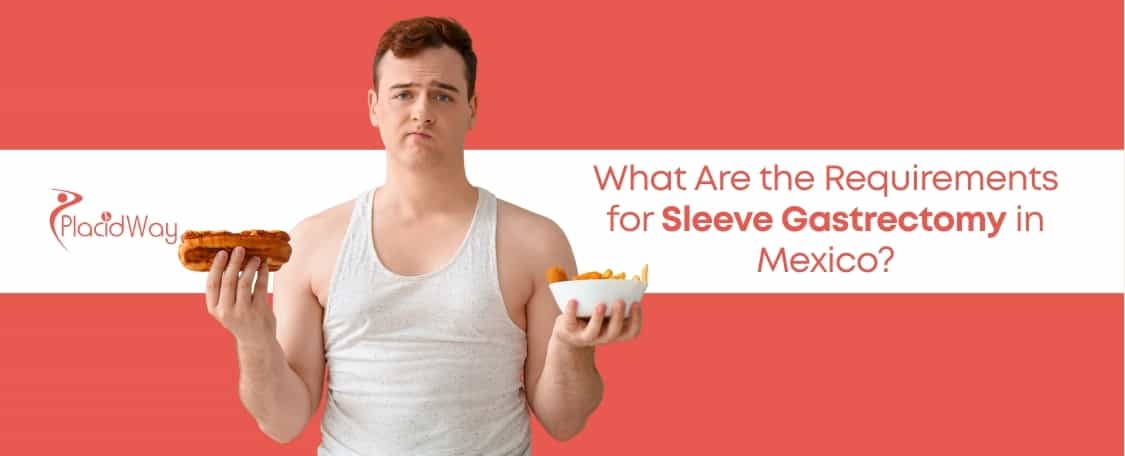
Considering sleeve gastrectomy in Mexico? It's a popular choice for many seeking effective weight loss solutions due to its affordability and high-quality care. This procedure, which reduces the size of your stomach, can lead to significant and sustainable weight loss when combined with long-term lifestyle changes.
Understanding the requirements for sleeve gastrectomy in Mexico is the first crucial step towards your health transformation. Clinics in Mexico adhere to international standards, ensuring patient safety and successful outcomes, making it a reliable destination for bariatric surgery.
What is the primary BMI requirement for sleeve gastrectomy in Mexico?
Body Mass Index (BMI) is a crucial factor in determining eligibility for sleeve gastrectomy. Most clinics in Mexico follow guidelines similar to those in the United States and Canada. Typically, individuals with a BMI of 40 or greater are considered eligible for the procedure without additional health conditions.
However, if your BMI falls between 30 and 39.9, you might still qualify if you have at least one significant obesity-related comorbidity. These comorbidities demonstrate that your weight is negatively impacting your health, making surgical intervention a necessary step. It's important to discuss your specific BMI and health profile with a bariatric surgeon.
Are there specific health conditions that qualify or disqualify you for gastric sleeve in Mexico?
Many obesity-related health conditions, often referred to as comorbidities, can strengthen your eligibility for sleeve gastrectomy. These include type 2 diabetes, hypertension (high blood pressure), severe sleep apnea, osteoarthritis (joint pain) exacerbated by weight, high cholesterol, and non-alcoholic fatty liver disease. Having one or more of these conditions, especially with a lower BMI (30-39.9), often helps you meet the criteria for surgery.
Conversely, certain health issues can disqualify you or require careful management before surgery. These include severe, unstable heart disease, chronic lung disease, uncontrolled psychiatric conditions like severe depression or psychosis, active substance abuse, or certain gastrointestinal conditions such as Crohn's disease. These conditions can increase surgical risks or hinder post-operative recovery and compliance with lifestyle changes. A thorough medical evaluation will determine your suitability.
What pre-operative evaluations are necessary before sleeve gastrectomy in Mexico?
To ensure your safety and the best possible outcome, a series of pre-operative evaluations are required. These assessments help the medical team understand your overall health status and identify any potential risks. Here's a general list of evaluations you can expect:
- Comprehensive Physical Exam: A thorough check-up by a physician.
- Blood Tests: To assess blood count, kidney and liver function, blood sugar levels, and nutrient deficiencies.
- Electrocardiogram (EKG): To evaluate heart health.
- Chest X-ray: To check lung health.
- Psychological Evaluation: To assess mental readiness and commitment (detailed below).
- Upper Endoscopy: In some cases, to examine the esophagus and stomach for any abnormalities.
- Abdominal Ultrasound: May be performed to check for gallstones or fatty liver disease.
These evaluations ensure that you are medically stable enough to undergo general anesthesia and the surgical procedure itself. Your bariatric team will guide you through each step of this crucial pre-operative phase.
Is a psychological evaluation a mandatory requirement for sleeve gastrectomy in Mexico?
A psychological evaluation is indeed a mandatory and vital component of the pre-operative process for sleeve gastrectomy in Mexico. This assessment is not meant to "clear" or "deny" you for surgery based on mental health issues alone, but rather to ensure you are psychologically prepared for the significant changes that lie ahead. The evaluation typically focuses on several key areas:
- Understanding of the Procedure: Ensuring you comprehend the risks, benefits, and the permanent nature of the surgery.
- Commitment to Lifestyle Changes: Assessing your readiness to adopt new eating habits, exercise routines, and long-term follow-up care.
- Mental Readiness: Identifying any untreated or uncontrolled psychiatric conditions (like severe depression, anxiety, or eating disorders) that could hinder recovery or post-operative success.
- Support System: Evaluating your social support network, which is crucial for long-term success.
The psychologist will work with you to address any concerns and provide strategies for managing the emotional and behavioral aspects of weight loss surgery, setting you up for the best possible outcome.
Do I need to demonstrate a history of failed weight loss attempts to qualify for sleeve gastrectomy in Mexico?
Most bariatric surgery programs, including those in Mexico, require patients to demonstrate a history of failed attempts at sustained weight loss through conventional, non-surgical methods such as supervised diet and exercise programs. This requirement is in place to ensure that sleeve gastrectomy is considered as a last resort when other methods have proven ineffective.
Documenting these previous efforts is important. This might involve providing records from a physician, nutritionist, or weight loss program detailing your attempts. It shows a commitment to weight loss and that you have genuinely explored less invasive options. This step helps confirm that surgery is the appropriate next course of action for your health journey.
What age restrictions apply for sleeve gastrectomy in Mexico?
Sleeve gastrectomy is primarily performed on adult patients. Generally, individuals must be at least 18 years old to be considered for the procedure. For older patients, the upper age limit is typically around 65 years, though this can be flexible based on an individual's overall health and physiological age rather than their chronological age.
For patients over 65, a more rigorous pre-operative assessment is usually conducted to ensure they are healthy enough to withstand the surgery and recover well. This involves assessing heart, lung, and kidney function, as well as cognitive health. The decision for older patients is highly individualized, focusing on minimizing risks and maximizing the potential benefits of the surgery.
What is the typical recovery time and post-operative care plan after gastric sleeve in Mexico?
After your sleeve gastrectomy in Mexico, you can expect a hospital stay of approximately 2 to 3 days. During this time, the medical team will monitor your recovery, manage pain, and ensure you are comfortable. You will begin with clear liquids and gradually progress as tolerated.
Upon discharge, the recovery continues at home. The initial weeks involve a strict dietary progression, starting with liquids, then pureed foods, soft foods, and eventually solid foods, usually over 4-6 weeks. It's crucial to follow your surgeon's dietary guidelines precisely to prevent complications. Most patients can return to light activities within 1-2 weeks and more strenuous exercise after 4-6 weeks. Lifelong follow-up appointments, including nutritional counseling and medical check-ups, are essential for sustained success and to manage any potential deficiencies.
How does medical tourism for sleeve gastrectomy in Mexico compare to the US or Canada?
Medical tourism for sleeve gastrectomy in Mexico has grown significantly due to several compelling advantages compared to seeking the procedure in the US or Canada. The most prominent benefit is often the cost. Surgical packages in Mexico can be considerably more affordable, sometimes costing a third or even a quarter of the price in North America. This is largely due to lower overheads, malpractice insurance costs, and wages in Mexico, rather than a compromise on quality.
Many Mexican bariatric clinics boast state-of-the-art facilities, internationally trained and board-certified surgeons, and accreditations that meet or exceed US standards. They often provide comprehensive, all-inclusive packages that cover surgery, hospital stay, medications, and sometimes even ground transportation and accommodation, simplifying the process for international patients. While proximity and familiarity are advantages of domestic care, Mexico offers a viable, high-quality, and cost-effective alternative for many seeking sleeve gastrectomy.
What should I consider when choosing a clinic for sleeve gastrectomy in Mexico?
Choosing the right clinic and surgeon for your sleeve gastrectomy in Mexico is a critical decision. Here are key factors to consider to ensure you receive safe and effective care:
- Surgeon's Qualifications and Experience: Look for surgeons who are board-certified, have extensive experience specifically with sleeve gastrectomy, and are members of international bariatric associations.
- Facility Accreditation: Ensure the hospital or clinic is accredited by recognized international bodies (like JCI - Joint Commission International) or reputable national Mexican health organizations.
- Patient Testimonials and Reviews: Read feedback from previous international patients to gauge their experiences with the clinic and surgical team.
- All-inclusive Packages: Inquire about what's included in the package price. This should typically cover pre-operative tests, surgery fees, hospital stay, medications, and follow-up care.
- Post-operative Support: Confirm what kind of post-operative care and communication channels are available once you return home. Good clinics offer ongoing support.
- Communication: Ensure clear and easy communication with the clinic's staff, especially in English, to address all your questions and concerns.
Taking the time to research these aspects will help you make an informed decision and feel confident in your choice.
Are there specific dietary and lifestyle changes required before and after sleeve gastrectomy in Mexico?
Sleeve gastrectomy is not just a surgical procedure; it's a tool that requires significant and lifelong dietary and lifestyle changes for success. The journey begins even before the surgery with a crucial pre-operative diet.
- Pre-operative Diet: Typically, for 1-2 weeks before surgery, you'll follow a very low-calorie liquid diet. The primary goal of this diet is to shrink the liver, making the surgery safer and easier to perform. It also helps your body begin adapting to calorie restriction.
- Post-operative Diet: After surgery, your diet will progress through several stages: clear liquids, full liquids, pureed foods, soft foods, and eventually regular solid foods. This progression usually takes 4-6 weeks. It's vital to eat slowly, chew thoroughly, stop when full, and avoid sugary drinks, carbonation, and high-fat foods.
- Hydration: Staying hydrated is paramount. You'll need to sip fluids constantly throughout the day, separate from meals.
- Exercise: Regular physical activity is a cornerstone of long-term weight loss and maintenance. You'll start with light walking and gradually increase intensity as tolerated, following your surgeon's guidance.
- Vitamin and Mineral Supplementation: Due to the reduced stomach size and potential malabsorption, lifelong supplementation with multivitamins, calcium, vitamin D, and vitamin B12 is typically required to prevent nutritional deficiencies.
Adhering to these dietary and lifestyle changes is non-negotiable for achieving and maintaining successful weight loss and optimal health after sleeve gastrectomy.
Considering sleeve gastrectomy in Mexico? Explore PlacidWay for trusted clinics, experienced surgeons, and comprehensive medical tourism packages designed to support your health journey.






.jpg)



Share this listing