


Understanding Calf Implant Surgery in Mexico
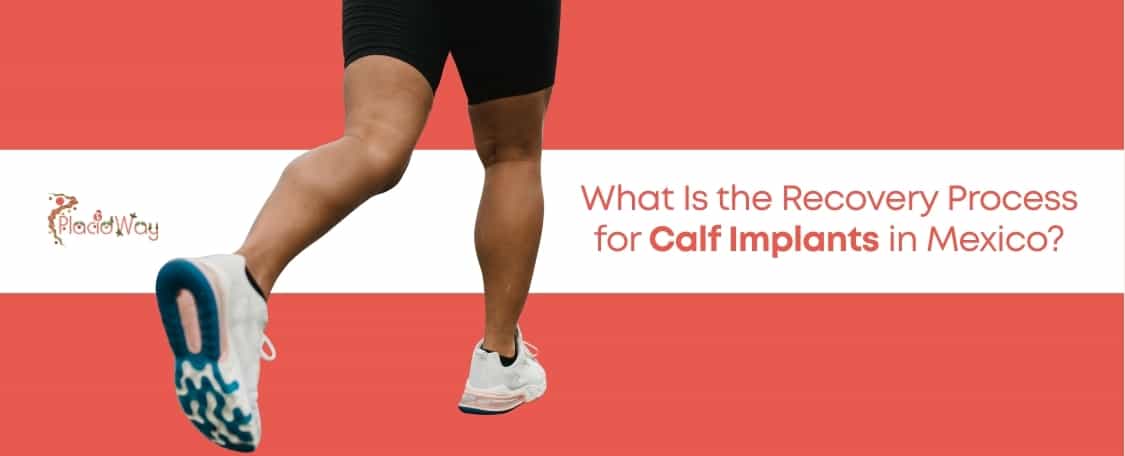
Embarking on a journey to enhance your physique through cosmetic surgery, such as calf implants, can be an exciting prospect. When considering a destination like Mexico for your procedure, understanding the recovery process is just as crucial as the surgery itself. Patients often seek calf augmentation to achieve more defined and shapely lower legs, and Mexico has become a popular choice for many due to its accessible medical tourism options and experienced surgeons.
The recovery period for calf implants requires patience and adherence to your surgeon's guidelines to ensure the best possible outcome. This period typically spans several weeks, focusing on minimizing discomfort, managing swelling, and gradually returning to your daily routine. Knowing what to expect at each stage of your calf implant recovery in Mexico will empower you to prepare adequately and navigate your healing journey with confidence and ease.
What is the immediate recovery timeline after calf implant surgery in Mexico?
Immediately following your calf implant surgery in Mexico, you can expect to spend a few hours in a recovery room before being discharged, usually the same day or the next morning. During this initial phase, the focus is on pain control and minimizing swelling. Your calves will be bandaged, and you will likely be fitted with compression garments, which are vital for supporting the new implants and reducing fluid retention.
The first 24 to 48 hours are generally the most uncomfortable, with patients experiencing moderate pain and stiffness in the calf area. Walking will be difficult and should be limited to short distances, primarily for restroom breaks. It's crucial to keep your legs elevated as much as possible to aid circulation and reduce swelling. Your surgeon will prescribe pain medication to manage discomfort, and it's important to take these as directed.
By the end of the first week, some of the initial pain should subside, though stiffness and bruising will likely persist. You'll have a follow-up appointment with your surgeon in Mexico to check the incision sites and ensure proper healing. It is vital to continue wearing compression garments diligently and avoid any strenuous activities, heavy lifting, or prolonged standing or walking to prevent complications and support the healing process of your calf implants.
How long does the swelling last after calf implants?
Swelling is a natural and expected part of the healing process after calf implant surgery. In the first few days, the swelling will be most noticeable and can contribute to feelings of tightness and discomfort in your calves. This acute swelling is primarily due to fluid accumulation and tissue trauma from the surgical procedure. Your surgeon in Mexico will emphasize the importance of compression garments and elevation to help manage this.
Over the next 4 to 6 weeks, you will notice a gradual reduction in the visible swelling. The compression garments play a crucial role during this period by applying even pressure to the calves, which helps to limit fluid buildup and promotes better circulation. Consistent wear, as instructed by your surgeon, is key to an effective recovery.
While the majority of prominent swelling diminishes within the first two months, it's common for some minor, subtle swelling to linger for a longer period. This can take anywhere from three to six months to completely resolve. Factors such as individual healing capacity, adherence to post-operative care, and activity levels can influence how quickly the residual swelling disappears. Patience is essential, as the final aesthetic results of your calf implants will become more apparent once all swelling has fully subsided.
What pain management strategies are used during calf implant recovery?
Effective pain management is a critical component of a comfortable calf implant recovery. Immediately after your surgery in Mexico, your surgeon will likely prescribe strong oral pain medications, such as opioids, to alleviate the acute discomfort you'll experience. These are usually taken for the first few days post-surgery, when the pain is most intense. It is crucial to take these medications exactly as prescribed and to avoid operating heavy machinery or driving while on them.
As the initial intense pain subsides, you will typically transition to over-the-counter pain relievers like ibuprofen or acetaminophen. These non-opioid options can effectively manage moderate pain and inflammation during the subsequent weeks of recovery. Always consult with your surgeon or their staff before discontinuing prescription medications or introducing new over-the-counter options.
Beyond medication, several non-pharmacological strategies can help manage pain and discomfort. Applying cold compresses to the calf area can help reduce swelling and numb the pain. Elevating your legs above your heart, especially when resting, significantly aids in reducing both swelling and pain. Wearing your compression garments consistently also provides support to the surgical area, which can reduce discomfort and make movement feel more secure. Hydration and a balanced diet can also support your body's healing processes, contributing to overall well-being during recovery.
When can I resume normal activities and exercise after calf augmentation in Mexico?
The timeline for resuming normal activities and exercise after calf augmentation in Mexico varies, but generally follows a progressive schedule. During the first two weeks, your activity should be very limited. Short walks are encouraged to prevent blood clots, but prolonged standing, walking, or any form of exercise is strictly prohibited to allow the implants to settle and the incisions to heal.
Around the 2-3 week mark, many patients feel ready to gradually return to light, non-strenuous daily activities. This might include desk work, light household tasks, and increased walking distances as tolerated. However, you should still avoid anything that puts direct strain on your calves. Your surgeon will provide specific guidance based on your individual healing progress during your follow-up appointments.
Strenuous exercise, especially activities that engage the calf muscles like running, jumping, or weightlifting, will need to be deferred for a longer period. Typically, patients are advised to wait at least 6 weeks before attempting moderate exercise and often 3 to 6 months before resuming high-impact activities or heavy leg workouts. It's crucial to listen to your body and your surgeon's advice, reintroducing exercise slowly and stopping if you experience any pain or discomfort to ensure the long-term success and stability of your calf implants.
What are the post-operative care instructions for calf implants?
Following your surgeon's post-operative care instructions diligently is paramount for a successful calf implant recovery. These instructions are designed to minimize complications, reduce discomfort, and optimize the aesthetic outcome.
Key instructions typically include:
- Wear Compression Garments: You will be instructed to wear specific compression garments around your calves for several weeks, often continuously for the first few weeks, then transitioning to wearing them during the day. These help reduce swelling and provide support to the implants as they integrate with your tissues.
- Incision Care: Keep the incision sites clean and dry. You will receive specific instructions on how to care for your bandages and when it is safe to shower. Avoid baths, swimming pools, and hot tubs until your incisions are fully healed to prevent infection.
- Activity Restrictions: Limit physical activity, especially any movements that strain the calves. Avoid lifting heavy objects, running, jumping, or squatting for several weeks to months.
- Leg Elevation: Elevate your legs above heart level whenever possible, particularly during the first week, to help reduce swelling.
- Medication Adherence: Take all prescribed medications, including pain relievers and antibiotics, exactly as directed by your surgeon.
- Hydration and Nutrition: Maintain good hydration and a healthy diet to support your body's healing process.
- Follow-Up Appointments: Attend all scheduled follow-up appointments with your surgeon in Mexico to monitor your healing progress and address any concerns.
Strict adherence to these guidelines will ensure a smoother recovery and help achieve the desired long-lasting results from your calf implants.
What potential complications should I be aware of during calf implant recovery?
While calf implant surgery is generally safe, it's important to be aware of potential complications during the recovery phase. Being informed allows you to recognize any unusual symptoms and seek medical attention promptly.
Common potential complications include:
- Infection: Though rare, any surgical procedure carries a risk of infection. Symptoms include fever, increased pain, redness, warmth, or pus at the incision sites. Your surgeon will typically prescribe antibiotics to mitigate this risk.
- Hematoma/Seroma: A hematoma is a collection of blood under the skin, and a seroma is a collection of clear fluid. Both can cause swelling, pain, and firmness and may require drainage.
- Implant Displacement: In some cases, an implant might shift from its intended position, leading to an asymmetrical appearance. This can be influenced by early strenuous activity or improper implant pocket creation.
- Nerve Damage: Temporary or, in very rare cases, permanent numbness or altered sensation in the calf or foot can occur if nerves are affected during surgery.
- Persistent Pain: While pain is expected during recovery, unusually severe or persistent pain that doesn't respond to medication should be reported to your surgeon.
- Capsular Contracture: This occurs when scar tissue forms too tightly around the implant, making the calf feel hard and potentially causing discomfort or distortion. While more common with breast implants, it can occasionally occur with calf implants.
Choosing a board-certified and experienced surgeon in Mexico and diligently following all pre and post-operative instructions significantly reduces the likelihood of these complications, leading to a safer and smoother recovery from your calf implants.
How can I prepare for my calf implant recovery period in Mexico?
Proper preparation is key to a smooth and comfortable calf implant recovery, especially when undergoing the procedure in a foreign country like Mexico. Planning ahead can minimize stress and allow you to focus on healing.
Consider the following steps for preparation:
- Accommodation and Travel: Ensure you have comfortable, accessible accommodation for your recovery period. Choose a place with an elevator if stairs are an issue. Arrange for someone to accompany you or assist with travel, particularly for your return journey, as walking will be challenging initially.
- Clothing and Footwear: Pack loose-fitting clothing that won't irritate your incisions and is easy to put on and take off. Consider slip-on shoes or sandals, as bending down to tie laces will be difficult. Your surgeon might also recommend specific compression socks or garments.
- Meals and Supplies: Stock up on easy-to-prepare, nutritious meals and plenty of water. Have all prescribed medications, gauze, antiseptic, and any other recommended supplies readily available. An ice pack or cold compress will also be helpful.
- Entertainment and Comfort: Prepare entertainment like books, movies, or music for your downtime. Arrange pillows to comfortably elevate your legs.
- Communicate with Your Clinic: Maintain open communication with your chosen clinic in Mexico regarding any questions or concerns you have about your recovery plan before your surgery. Confirm emergency contact information and follow-up schedules.
By taking these preparatory steps, you can create a conducive environment for your calf implant recovery, allowing you to rest and heal effectively.
Is it safe to travel for calf implants in Mexico, and what should I consider for recovery?
Medical tourism to Mexico for procedures like calf implants has grown significantly due to cost-effectiveness and access to skilled surgeons. When considering safety, it is paramount to choose a clinic that is internationally accredited and surgeons who are board-certified and have extensive experience in calf augmentation. Researching reviews, checking credentials, and having thorough consultations are crucial steps to ensure a safe experience.
For recovery, there are specific considerations when undergoing surgery away from home:
- Extended Stay: Plan to stay in Mexico for an adequate recovery period, typically at least 7-14 days post-surgery, to allow for initial healing and follow-up appointments. Traveling too soon can increase risks.
- Post-Operative Support: Ensure your chosen clinic or medical tourism facilitator provides comprehensive post-operative care and support, including a point of contact for any concerns that may arise during your stay.
- Travel Risks (DVT): Long flights or car rides immediately after surgery increase the risk of deep vein thrombosis (DVT). Discuss prevention strategies with your surgeon, such as wearing compression stockings during travel and taking short walks every hour or two.
- Language Barrier: While many medical staff in Mexico are bilingual, confirm that there will be clear communication channels regarding your care and recovery instructions.
By being meticulous in your research and planning, you can significantly enhance the safety and comfort of your calf implant recovery experience in Mexico.
What is the typical cost of calf implants in Mexico, and how does it compare to other countries?
One of the primary reasons individuals choose Mexico for calf implants is the significant cost savings compared to many Western countries. The overall cost for calf augmentation in Mexico typically falls within a range of $3,000 to $7,000. This price usually includes the surgeon's fees, anesthesia, facility costs, and sometimes even the initial post-operative garments and medications.
To put this into perspective, the same calf implant procedure in the United States or Canada can easily range from $7,000 to $15,000 or even higher, depending on the surgeon's experience, the clinic's location, and the complexity of the case. This substantial difference in cost allows patients to receive high-quality care at a more affordable price point in Mexico, making it an attractive option for medical tourism.
When evaluating the cost, it's important to consider what is included in the quoted price. Always ask for a detailed breakdown of all expenses to avoid hidden fees. While the lower cost is a major draw, never compromise on safety or the surgeon's qualifications. Ensure the clinic adheres to international standards and that your surgeon is board-certified to ensure a successful outcome and a safe recovery from your calf implants.
How long will I need to stay in Mexico for calf implant surgery and initial recovery?
Planning your stay in Mexico for calf implant surgery involves considering both the surgical procedure itself and the crucial initial recovery period. Most surgeons recommend a stay of at least 7 to 14 days in the country. This duration allows for several key stages of your recovery.
The first few days immediately following the surgery are critical for monitoring your healing, managing pain and swelling, and ensuring there are no immediate complications. During this time, you will have limited mobility, and it's important to be close to your medical team. Your initial follow-up appointment, usually within the first week, is essential for the surgeon to check your incisions and overall progress.
Extending your stay slightly beyond the one-week mark, ideally to 10-14 days, provides an added layer of safety and comfort. It allows for any necessary adjustments in your post-operative care, ensures you are mobile enough to travel comfortably and safely, and gives your surgeon the opportunity to clear you for long-distance travel. Rushing your departure could jeopardize your recovery and increase the risk of complications, such as deep vein thrombosis on long flights. Therefore, it's wise to allocate ample time for a stress-free and effective initial recovery from your calf implants in Mexico.
What exercises are safe to perform during calf implant recovery?
The type and intensity of exercises you can safely perform during calf implant recovery are highly restricted, especially in the initial stages. The primary goal is to protect the newly placed implants and allow the surrounding tissues to heal without disturbance.
Here’s a general progression of safe exercises:
- Weeks 1-2: Limited to very light walking. Short, slow walks around your accommodation are encouraged to maintain circulation and prevent blood clots, but avoid any strenuous activity, prolonged standing, or climbing stairs. The focus is on rest and elevation.
- Weeks 3-6: As pain and swelling subside, you may be cleared for slightly longer walks. Gentle, non-weight-bearing stretches of the calf muscles might be introduced, but only with your surgeon's explicit approval. Avoid any activities that put direct pressure or strain on the calf muscles.
- Weeks 6-12 (and beyond): With your surgeon's clearance, a gradual return to low-impact, non-strenuous exercises can begin. This might include:
- Stationary cycling with light resistance
- Swimming (once incisions are fully healed)
- Upper body strength training
- More extensive walking
It is crucial to follow your surgeon's specific recommendations for exercise, as pushing yourself too hard or too soon can lead to complications such as implant displacement, hematoma, or prolonged recovery. Always listen to your body and stop if you feel any pain or discomfort. Gradual and careful reintroduction of physical activity is key to a successful recovery from your calf implants.
Considering calf implants in Mexico or other medical tourism options? Explore how PlacidWay can connect you with top-tier clinics and experienced surgeons worldwide, guiding you through every step of your healthcare journey.




.png)
.png)
.png)
.png)








Share this listing