


Observed Improvements Following Autism Stem Cell Therapy in Mexico
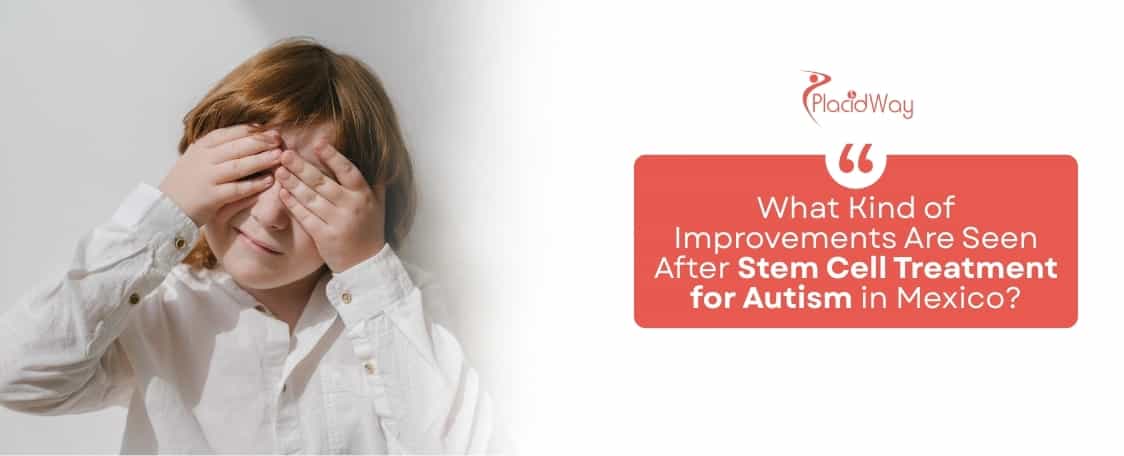
It's natural to explore all available avenues when looking for ways to support a loved one with autism spectrum disorder (ASD). In recent years, stem cell treatment for autism in Mexico has gained attention as a potential therapeutic option, with many families sharing their experiences and observations.
This approach aims to address some of the underlying biological factors believed to contribute to autism's complex presentation. The hope is often to enhance neurological function and reduce inflammatory processes that might affect brain development and connectivity.
Many individuals and families who have pursued stem cell therapy for autism in Mexico report a range of improvements, although these outcomes are not universally guaranteed and can vary widely. These reported changes often span across critical developmental areas, including how a child communicates, interacts socially, processes information, and manages their own behaviors.
Understanding what kind of improvements are typically observed can help families weigh their options and set realistic expectations when considering this innovative treatment path.
What specific improvements are reported after stem cell treatment for autism in Mexico?
The reported improvements after stem cell treatment for autism in Mexico are diverse and highly individualized. However, common themes emerge from anecdotal reports and patient testimonials. These often highlight positive shifts in the core challenges associated with autism spectrum disorder.
The aim of the therapy is to modulate the immune system, reduce neuroinflammation, and potentially aid in neural repair and regeneration, which could underpin these changes. Many parents describe seeing their children become more engaged with their surroundings.
This can manifest as increased eye contact, greater responsiveness to their name, and a stronger desire to interact with family members and peers. Improvements in sensory processing are also frequently mentioned, where children may become less sensitive to certain sounds, textures, or lights, making daily life more manageable for them.
How does stem cell therapy aim to help individuals with autism?
Stem cell therapy for autism typically involves the use of mesenchymal stem cells (MSCs), which are known for their immunomodulatory and regenerative properties. The hypothesis is that autism may involve chronic neuroinflammation and immune dysregulation.
MSCs work by releasing anti-inflammatory molecules and growth factors that can help to calm an overactive immune response in the brain. Furthermore, these cells have the potential to support the repair of damaged neural tissue and promote the formation of new connections between neurons.
By creating a healthier brain environment, stem cells may help to improve neuronal communication, leading to enhancements in cognitive, social, and behavioral functions. The goal is not to "cure" autism but to mitigate some of its most challenging symptoms by addressing underlying biological mechanisms.
Are there cognitive and communication benefits observed post-treatment?
Cognitive and communication improvements are among the most frequently cited benefits following stem cell treatment for autism in Mexico. Parents often report a noticeable increase in their child's ability to focus and sustain attention, which can be crucial for learning and daily tasks.
This enhanced focus can lead to better comprehension of instructions and an improved ability to follow routines. In terms of communication, changes can range from subtle to significant. Some families observe their child initiating more verbalizations, using a wider range of vocabulary, and constructing more complex sentences.
For non-verbal children, there might be an increase in vocalizations, gestures, or the ability to use augmentative and alternative communication (AAC) devices more effectively. These improvements can lead to richer interactions and a greater ability for the individual to express their needs and desires.
What changes in social interaction and emotional regulation are often noted?
Social interaction and emotional regulation are critical areas where families hope to see improvements, and often do, after stem cell treatment for autism. Children may show a greater inclination to engage with others, including making more consistent eye contact and responding to social cues.
Playing cooperatively with siblings or peers, showing empathy, and demonstrating an understanding of social situations are also commonly reported advancements. Regarding emotional regulation, many parents describe their children as being calmer and less prone to intense emotional outbursts or meltdowns.
This could be due to reduced anxiety levels and an improved ability to process sensory input, which often triggers distress in individuals with autism. A greater sense of emotional stability can significantly enhance the child's quality of life and that of their family, making daily routines smoother and less stressful.
Do repetitive behaviors and sensory issues improve with stem cells?
Repetitive behaviors and sensory sensitivities are hallmark features of autism, and addressing these can bring considerable relief. Following stem cell treatment, some families report a decrease in stimming behaviors, such as hand-flapping, rocking, or repetitive vocalizations.
While these behaviors are part of the autism experience, their reduction can indicate improved self-regulation and a greater ability to engage with the external world. Sensory issues, which can cause significant distress, also frequently show improvement.
Children might become less overwhelmed by loud noises, bright lights, or certain textures. This could mean they are more comfortable in diverse environments, can tolerate different foods, or are less reactive to clothing. These changes suggest a more balanced processing of sensory information by the brain, leading to greater comfort and adaptability for the individual.
Is stem cell treatment for autism in Mexico a recognized medical procedure?
It's important to understand the regulatory landscape surrounding stem cell treatment for autism. In Mexico, the regulatory framework for stem cell therapies can be different from other countries, allowing for the provision of treatments that may still be considered experimental or unproven in regions like the United States or Europe.
This difference is a primary reason many families consider Mexico for such treatments. While certain stem cell clinics in Mexico operate legally under local regulations, the treatment for autism itself may not have the extensive large-scale clinical trial data required for widespread medical recognition and approval by major health organizations globally.
Families considering this path should conduct thorough research into the specific clinic's accreditations, medical staff qualifications, and the transparency of their treatment protocols. It is crucial to have a clear understanding of the scientific basis and the potential risks and benefits involved.
What factors contribute to the cost of stem cell therapy for autism in Mexico?
The cost of stem cell therapy for autism in Mexico is not uniform and can vary significantly depending on several factors. Clinics often have different pricing structures based on their reputation, facilities, and the specific protocols they employ. Key cost-contributing factors include:
- Type and Source of Stem Cells: Whether the treatment uses autologous (from the patient) or allogeneic (from a donor) stem cells, and the specific type (e.g., umbilical cord-derived MSCs) can influence cost.
- Number of Treatments: A single treatment session versus a series of infusions will naturally affect the total price. Many protocols involve multiple treatments over a period.
- Included Services: Some packages might include initial consultations, diagnostic tests, post-treatment follow-ups, and even adjunctive therapies like hyperbaric oxygen therapy (HBOT) or nutritional support, while others might charge separately for these.
- Travel and Accommodation: Families must also factor in the costs of travel to Mexico, accommodation during the treatment period, and local transportation. These can add a substantial amount to the overall expense.
It is crucial to request a detailed breakdown of costs from any potential clinic to understand what is included and what might incur additional charges.
How can families ensure the safety and legitimacy of a clinic in Mexico?
Choosing a reputable and safe clinic in Mexico for autism stem cell treatment requires diligent research and careful consideration. It is important to approach this decision with a critical eye, prioritizing safety and ethical practices. Here are steps families can take:
- Accreditation and Licensing: Verify that the clinic is fully licensed and accredited by relevant Mexican health authorities. Ask for proof of these credentials.
- Medical Team Qualifications: Research the background and qualifications of the doctors and medical staff involved. Ensure they have experience in stem cell therapy and a strong medical background.
- Treatment Protocols: Request detailed information about the specific stem cell protocol, including the type of cells used, their source, processing methods, and administration routes. A legitimate clinic will be transparent about their procedures.
- Patient Testimonials and Reviews: Look for independent reviews and testimonials from other families who have undergone treatment at the clinic. Be cautious of overly positive or unrealistic claims.
- Consult a Medical Tourism Facilitator: Reputable medical tourism facilitators, like PlacidWay, can help connect families with vetted clinics and provide guidance on the process, helping to navigate the complexities and ensure a safer experience.
What should a family consider when traveling to Mexico for autism treatment?
Traveling internationally for medical treatment requires thorough planning beyond just choosing a clinic. Families considering stem cell treatment for autism in Mexico should prepare for various logistical and cultural aspects. Key considerations include:
- Travel Logistics: Arrange flights, airport transfers, and local transportation in advance. Consider the child's comfort during travel, especially if they have sensory sensitivities.
- Accommodation: Secure accommodations close to the clinic that are suitable for a child with autism, offering a calm and comfortable environment.
- Language and Culture: While many medical professionals speak English, outside the clinic, a language barrier might exist. Learning basic Spanish phrases or having a translation app can be helpful. Understanding local customs can also make the experience smoother.
- Visa and Documentation: Check current visa and entry requirements for Mexico based on your nationality. Ensure all necessary medical records and identification documents are in order.
- Support Services: Inquire if the clinic offers any support services for international patients, such as patient coordinators or assistance with local arrangements. Plan for how the child's daily routines and sensory needs will be met while away from home.
How long do the effects of stem cell treatment for autism typically last?
The duration of the observed improvements after stem cell treatment for autism is a common question, and the answer is not fixed. Many families report that initial positive changes can emerge within weeks or a few months post-treatment and can last for extended periods.
These lasting effects might be attributed to the regenerative and immunomodulatory actions of the stem cells, which can lead to sustained improvements in the body's internal environment and brain function. However, individual responses vary greatly.
Factors such as the child's age, the severity of their autism, the specific stem cell protocol used, and ongoing complementary therapies can influence how long the benefits are sustained. Some individuals might experience long-term, stable improvements, while others may find that the effects gradually diminish over time.
For the latter, some clinics offer recommendations for periodic "booster" treatments to help maintain or enhance the positive outcomes. It is important to discuss realistic expectations regarding the longevity of effects with the medical team at the clinic.
Considering medical options abroad? Explore PlacidWay for solutions related to medical tourism and healthcare services worldwide.


















Share this listing