


Typical Recovery Timeline After Gastroplasty in Mexico
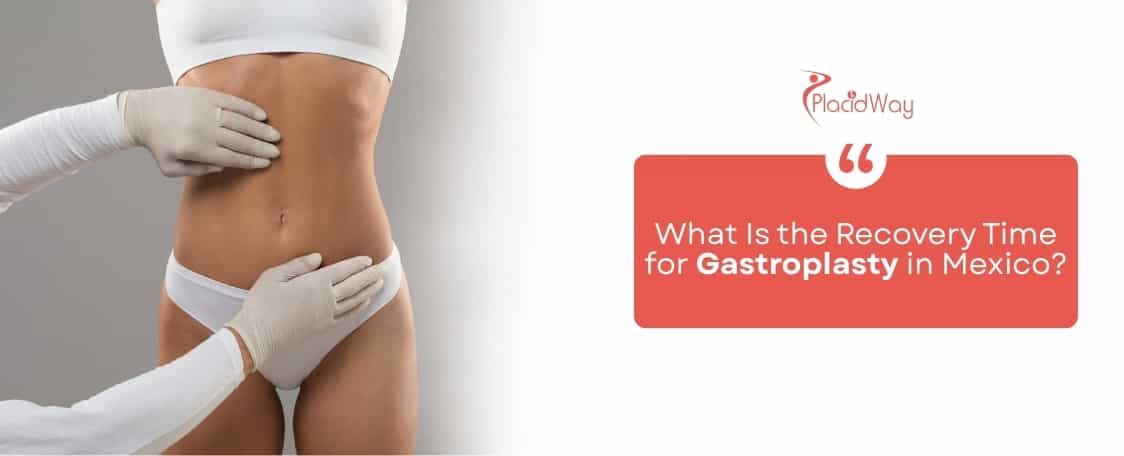
Thinking about gastroplasty, a type of weight loss surgery, is a significant step towards a healthier future. For many, seeking this procedure in Mexico has become a popular and accessible option due to its combination of quality care and affordability.
However, a major question on everyone's mind is often, "What does recovery actually look like?" Understanding the recovery timeline for gastroplasty in Mexico is crucial for proper planning and setting realistic expectations. It’s not just about the surgery itself, but the journey of healing and adapting that follows.
The recovery process is a journey that begins immediately after your procedure and continues for several months, involving various stages from initial hospital care to long-term lifestyle adjustments.
While individual experiences can vary, this guide will walk you through the typical phases of gastroplasty recovery in Mexico, addressing common concerns and providing a clear picture of what to expect. This includes everything from your hospital stay and dietary progression to when you can expect to return to your daily routines and activities.
What is gastroplasty, and why consider it in Mexico?
Gastroplasty refers to a category of bariatric surgeries designed to help individuals with severe obesity lose weight by physically reducing the size of their stomach. While the term "gastroplasty" historically referred to procedures like Vertical Banded Gastroplasty (VBG), modern bariatric surgery has evolved, with procedures like sleeve gastrectomy becoming more common as a primary restrictive surgery. The core principle remains the same: creating a smaller stomach pouch to restrict how much food can be consumed at one time, leading to significant weight loss.
Many people consider gastroplasty in Mexico for compelling reasons. The primary driver is often the cost-effectiveness; surgical procedures in Mexico can be significantly more affordable than in countries like the United States or Canada, without compromising on quality or safety.
Mexican bariatric clinics and hospitals often boast state-of-the-art facilities, internationally trained surgeons, and dedicated medical tourism departments that cater specifically to international patients, offering comprehensive packages that include travel assistance, accommodation, and post-operative care.
How long is the hospital stay after gastroplasty in Mexico?
Following gastroplasty surgery in Mexico, patients generally stay in the hospital for approximately 2 to 4 days. This period is crucial for immediate post-operative observation and care. During your stay, the medical team will closely monitor your vital signs, manage any pain, and ensure there are no immediate complications. They will also assist you with early mobilization, such as getting out of bed and taking short walks, which is vital for preventing blood clots and aiding recovery.
The length of your hospital stay can vary slightly based on individual recovery rates and the surgeon's assessment. Some patients may feel ready to be discharged sooner if their recovery is smooth, while others might require an extra day for observation. The medical staff will also guide you through the initial stages of your post-operative diet, starting with clear liquids, before you are discharged.
What is the immediate post-operative recovery like for gastroplasty?
The first few days immediately after gastroplasty surgery are focused on stabilization and comfort. You will likely experience some pain and discomfort around the incision sites, which will be managed effectively with medication. Nausea is also common during this phase, and anti-nausea medications will be provided. The medical team will be checking on you frequently, ensuring your body is responding well to the surgery.
A key aspect of immediate recovery is early ambulation. You will be encouraged to get up and walk short distances, often with assistance, within hours after surgery. This helps to improve circulation, prevent blood clots, and promote overall healing. You will also begin your liquid diet, starting with small sips of clear liquids, gradually increasing the amount as tolerated. The goal is to ensure you are stable, comfortable, and well-hydrated before discharge.
What is the typical diet progression after gastroplasty surgery?
Dietary changes are perhaps the most significant and permanent aspect of gastroplasty recovery. The progression is meticulously planned to allow your stomach to heal and adapt to its new size. Adhering strictly to these stages is crucial for successful weight loss and avoiding complications.
Here’s a general overview of the diet progression:
- Stage 1: Clear Liquids (Days 1-7 post-op): Only water, broth, sugar-free gelatin, and other clear, non-carbonated, non-caffeinated beverages. The focus is on hydration.
- Stage 2: Full Liquids (Weeks 2-3 post-op): Introduction of protein shakes, skim milk, thin cream soups (strained), and sugar-free puddings. Protein intake becomes a priority.
- Stage 3: Pureed Foods (Weeks 4-5 post-op): Soft, blended foods with no lumps, such as pureed chicken, fish, vegetables, and fruits. Small portions are essential.
- Stage 4: Soft Foods (Weeks 6-8 post-op): Easily chewed foods like scrambled eggs, flaky fish, cooked vegetables, and soft fruits. Chewing thoroughly is paramount.
- Stage 5: Regular Diet (From Week 9 onwards): Gradually reintroducing a normal, healthy diet, focusing on lean proteins, non-starchy vegetables, and whole grains. Portion control, mindful eating, and avoiding high-fat, high-sugar, and carbonated beverages are lifelong practices.
This progression is guided by your medical team, and it's essential to follow their specific instructions, as individual plans may vary slightly.
When can I return to normal activities after gastroplasty in Mexico?
The timeline for returning to normal activities after gastroplasty is gradual and depends heavily on your body’s healing process and the demands of your daily routine. While you'll be encouraged to walk and move around soon after surgery, it’s important to avoid overexertion during the initial weeks.
Within 2 to 3 weeks, many patients feel well enough to resume light daily activities, such as short errands or office-based work that doesn't involve heavy lifting. However, for a full return to more demanding jobs or strenuous activities, it's generally recommended to wait 4 to 6 weeks. This allows your internal incisions to heal completely and minimizes the risk of complications like hernias. Listening to your body and consulting with your surgeon about specific activities is key to a smooth return.
Are there any specific exercise restrictions during gastroplasty recovery?
Exercise is an important component of long-term weight loss success after gastroplasty, but it must be introduced carefully during the recovery period. Immediately after surgery, walking is highly encouraged and beneficial. It helps prevent blood clots and promotes circulation, aiding the healing process. However, any activity that puts strain on your abdominal muscles or involves heavy lifting must be strictly avoided.
Generally, you will be advised to refrain from lifting anything heavier than 10-15 pounds for at least 4 to 6 weeks. This includes avoiding intense core exercises, sit-ups, and heavy resistance training. Gradually, as your strength returns and your surgeon clears you, you can slowly reintroduce moderate-intensity exercises, always paying attention to how your body feels. The aim is to build up your physical activity progressively to avoid injury and support your weight loss journey safely.
What are potential complications during gastroplasty recovery?
While gastroplasty is generally safe, like any major surgery, there are potential complications during the recovery phase. Being aware of these helps in seeking timely medical attention if needed. Most reputable clinics in Mexico follow strict safety protocols to minimize risks, but it’s good to be informed.
Possible complications include:
- Leakage: A rare but serious complication where stomach contents leak from the staple line into the abdominal cavity, requiring immediate intervention.
- Infection: Can occur at the incision sites or internally. Symptoms include fever, redness, swelling, or pus.
- Blood Clots: Can form in the legs (DVT) and potentially travel to the lungs (pulmonary embolism). Early ambulation and blood thinners help prevent this.
- Stricture: A narrowing of the newly formed stomach pouch or connection, which can make eating difficult and may require endoscopic dilation.
- Nausea and Vomiting: Often due to eating too quickly, eating too much, or not chewing food adequately. Can also be a sign of a more serious issue.
- Nutritional Deficiencies: Long-term risk due to reduced food intake and altered digestion, necessitating lifelong vitamin and mineral supplementation.
Your medical team in Mexico will provide clear instructions on what symptoms to watch for and how to contact them if you have concerns, even after returning home.
How do follow-up appointments work for patients recovering from gastroplasty in Mexico?
For patients traveling to Mexico for gastroplasty, follow-up care is a well-structured process. Before you leave Mexico, you will have at least one or two post-operative appointments with your surgeon. These check-ups ensure that your initial recovery is on track, your incisions are healing properly, and you are tolerating your liquid diet.
The medical team will also provide you with detailed instructions regarding medication, diet progression, activity restrictions, and signs of potential complications to watch for once you return home.
Upon returning to your home country, the long-term follow-up usually transitions to a combination of remote consultations with your Mexican surgical team and local medical care. Many clinics offer virtual follow-ups via video calls or secure messaging to monitor your progress and answer questions.
It is also highly recommended to establish care with a local primary care physician or bariatric specialist who can help manage your long-term health, monitor nutritional status, and facilitate necessary blood tests and check-ups. This collaborative approach ensures continuous support throughout your weight loss journey.
What are the long-term recovery considerations after gastroplasty?
The recovery from gastroplasty extends far beyond the initial weeks; it is a lifelong commitment to new habits and a healthier lifestyle. Successfully navigating the long-term aspects of recovery is paramount for achieving and maintaining the benefits of the surgery.
Key long-term considerations include:
- Dietary Adherence: This means consistently eating small, frequent meals, focusing on protein, avoiding high-sugar and high-fat foods, and staying well-hydrated. This is not a temporary diet but a permanent way of eating.
- Vitamin and Mineral Supplementation: Due to the reduced stomach size and altered digestion, lifelong supplementation of vitamins (e.g., B12, D) and minerals (e.g., iron, calcium) is typically required to prevent deficiencies.
- Regular Exercise: Integrating consistent physical activity into your routine is crucial for burning calories, maintaining muscle mass, improving metabolism, and enhancing overall well-being.
- Psychological Support: Weight loss surgery brings significant changes, and many patients benefit from counseling or support groups to address emotional eating patterns, body image issues, and adapting to a new life.
- Medical Monitoring: Regular check-ups with your healthcare provider will involve blood tests to monitor nutritional levels, assess overall health, and address any potential complications early.
Committing to these changes ensures that the positive impact of your gastroplasty is sustained for years to come.
Why is Mexico a popular destination for gastroplasty and other bariatric surgeries?
Mexico has emerged as a leading destination for medical tourism, particularly for bariatric surgeries like gastroplasty. This popularity stems from several compelling factors that attract patients from around the globe, especially from the United States and Canada.
The most significant advantage is the cost savings. Bariatric procedures in Mexico can be 50-70% less expensive than in other countries, making life-changing surgery accessible to individuals who might otherwise be unable to afford it.
Beyond cost, many Mexican bariatric centers offer world-class facilities equipped with advanced technology. Surgeons are often highly qualified, board-certified, and have extensive experience specifically in weight loss surgeries, frequently performing a high volume of procedures.
Furthermore, the proximity to the United States and Canada makes travel convenient and less daunting. Many clinics provide comprehensive packages that include airport pick-up, accommodation, and a dedicated patient coordinator, simplifying the entire process for international patients. The established infrastructure for medical tourism ensures a smooth and supported experience from consultation to post-operative care, making Mexico a trusted choice for those seeking gastroplasty.
Considering gastroplasty in Mexico for your weight loss journey? PlacidWay connects you with leading clinics and experienced surgeons worldwide, offering transparent information and support for your medical travel needs. Explore your options and take the next step towards a healthier you with PlacidWay.




.jpg)

.jpg)








Share this listing