
Timeline FasT CAR-T Therapy at Lu Daopei Hospital
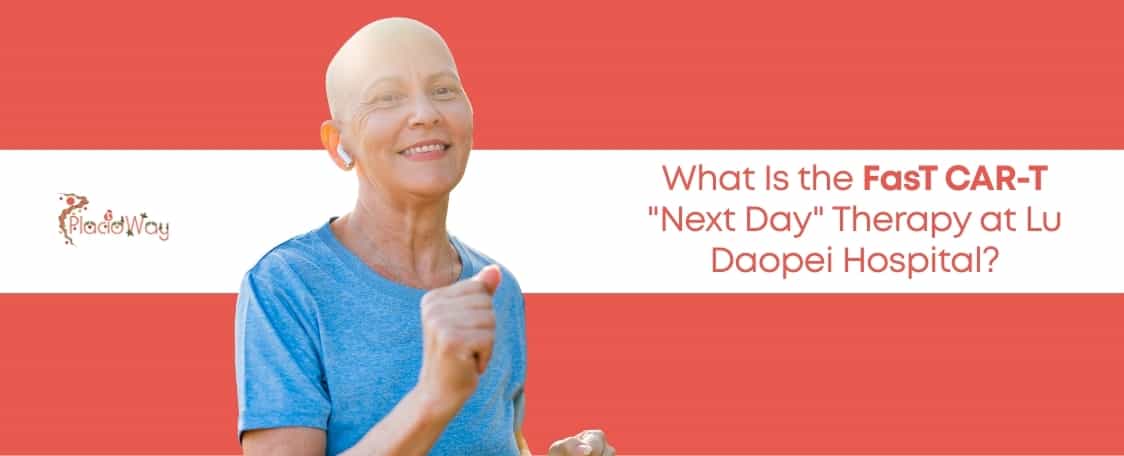
Welcome to an in-depth look at a revolutionary step in cancer treatment: FasT CAR-T "next day" therapy offered at Lu Daopei Hospital. For patients battling challenging blood cancers, the wait for life-saving treatments can be agonizing. Traditional CAR-T cell therapy, while highly effective, often involves a lengthy manufacturing process that can extend for weeks, posing significant challenges for patients with rapidly progressing diseases.
Lu Daopei Hospital, renowned globally for its expertise in hematology and cell therapy, has been at the forefront of developing and implementing innovative solutions to accelerate this critical treatment. FasT CAR-T represents a monumental leap forward, dramatically shortening the turnaround time from cell collection to infusion.
This rapid approach not only offers hope to those who cannot afford to wait but also potentially improves outcomes by intervening earlier in the disease progression. If you or a loved one are exploring cutting-edge options for conditions like leukemia, lymphoma, or multiple myeloma, understanding this "next day" therapy is essential. Let's explore how FasT CAR-T works, its benefits, and why Lu Daopei Hospital is a leading destination for this groundbreaking treatment.
What is FasT CAR-T "Next Day" Therapy?
FasT CAR-T, short for Fast Chimeric Antigen Receptor T-cell therapy, revolutionizes the conventional CAR-T cell manufacturing process. Traditional CAR-T therapy involves collecting a patient's T-cells, sending them to a specialized lab for genetic modification to target cancer cells, expanding these modified cells, and then returning them for infusion.
This entire process typically takes 2-4 weeks, during which a patient's condition might worsen. Lu Daopei Hospital’s "next day" approach dramatically condenses this timeline. By employing highly efficient, streamlined manufacturing techniques and advanced technology, the hospital can genetically engineer and activate T-cells rapidly, often making them ready for re-infusion the very next day. This speed is critical for patients with aggressive or relapsed blood cancers where time is of the essence. It offers a crucial window for intervention that might otherwise be missed due to disease progression during a lengthy manufacturing period.
How Does FasT CAR-T Differ from Traditional CAR-T Therapy?
The core difference between FasT CAR-T and traditional CAR-T lies in the speed of the cell manufacturing and preparation phase. While both therapies involve engineering a patient's T-cells to recognize and attack cancer, the logistics and timeline are vastly different. Here's a comparison:
| Feature | Traditional CAR-T Therapy | FasT CAR-T "Next Day" Therapy |
|---|---|---|
| Manufacturing Time | Typically 2-4 weeks | As fast as 24-48 hours |
| Patient Condition Impact | Risk of disease progression during wait time | Minimizes risk of progression, allows for earlier intervention |
| Technological Approach | Standardized, multi-step lab processing | Highly optimized, rapid gene transfer and cell expansion protocols |
| Patient Suitability | Patients with stable disease, able to wait | Critical for patients with aggressive, rapidly advancing, or highly relapsed cancers |
This accelerated process not only reduces the anxiety of waiting but also lessens the need for bridging therapies that patients might require to keep the cancer at bay during the longer manufacturing period of traditional CAR-T.
What Types of Cancers Does FasT CAR-T Treat?
Just like traditional CAR-T therapy, FasT CAR-T is primarily designed to combat specific types of blood cancers that have proven resistant to conventional treatments or have relapsed after initial therapies. The targets for CAR-T therapy are specific antigens (proteins) found on the surface of cancer cells. At Lu Daopei Hospital, the FasT CAR-T approach is applied to diseases such as:
- Acute Lymphoblastic Leukemia (ALL): Especially in pediatric and young adult patients where the disease is aggressive and rapidly progressing.
- Non-Hodgkin Lymphoma (NHL): Including diffuse large B-cell lymphoma (DLBCL) and mantle cell lymphoma (MCL), which are often challenging to treat.
- Multiple Myeloma: A plasma cell disorder that can be particularly difficult to manage in its relapsed or refractory stages.
The ability to rapidly deploy these engineered T-cells makes FasT CAR-T an invaluable option for patients who are critically ill and require urgent intervention, providing a new beacon of hope for conditions that were once considered terminal.
What are the Benefits of "Next Day" CAR-T Therapy?
The accelerated nature of FasT CAR-T therapy offers several critical advantages for patients and their care teams:
- Timely Intervention: For patients with aggressive or rapidly progressing cancers, every day counts. The "next day" turnaround minimizes the window for disease advancement, potentially leading to better outcomes by treating the cancer before it can further spread or become more resistant.
- Reduced Need for Bridging Therapy: Many patients awaiting traditional CAR-T therapy require "bridging" chemotherapy to control their disease during the weeks-long manufacturing period. FasT CAR-T often eliminates or significantly reduces the need for such interim treatments, sparing patients from additional toxicity and potential delays.
- Improved Patient Experience: The emotional and physical toll of waiting weeks for a critical treatment can be immense. A faster turnaround reduces patient anxiety and allows them to proceed with definitive therapy sooner, improving their overall treatment journey.
- Preservation of T-cell Quality: A shorter manufacturing time may also help maintain the quality and vitality of the patient's collected T-cells, potentially leading to a more potent and effective CAR-T product. These benefits combine to offer a more efficient, less stressful, and potentially more effective treatment pathway for patients in urgent need.
What is the Process for FasT CAR-T at Lu Daopei Hospital?
The FasT CAR-T process at Lu Daopei Hospital is a highly coordinated and streamlined procedure, designed for maximum efficiency and patient safety. The general steps include:
- Patient Evaluation and Selection: Extensive medical review to confirm the patient's eligibility for FasT CAR-T, including disease type, stage, and overall health.
- Pre-conditioning Therapy: Patients may receive a short course of chemotherapy to reduce existing cancer cells and prepare their body for the CAR-T cells to engraft effectively.
- Leukapheresis (T-cell Collection): Blood is drawn from the patient, and a specialized machine separates and collects the T-cells, returning the rest of the blood components. This is a crucial step where the "raw material" for CAR-T therapy is obtained.
- Rapid Gene Engineering and Expansion: This is where FasT CAR-T differentiates itself. The collected T-cells are immediately transferred to Lu Daopei's on-site, state-of-the-art manufacturing facility. Here, using proprietary rapid protocols, the cells are genetically modified with the CAR gene and expanded to the therapeutic dose. This process is typically completed within 24-48 hours.
- CAR-T Cell Infusion: Once the FasT CAR-T cells are ready, they are infused back into the patient, similar to a blood transfusion.
- Post-Infusion Monitoring and Management: Patients are closely monitored for potential side effects, primarily cytokine release syndrome (CRS) and neurotoxicity, in a specialized care unit. The medical team at Lu Daopei has extensive experience in managing these complications.
The integration of a cutting-edge manufacturing facility directly within the hospital environment is key to enabling this rapid "next day" turnaround.
Are There Any Side Effects or Risks with FasT CAR-T?
While FasT CAR-T offers immense benefits in terms of speed, it shares the same potential side effects and risks associated with conventional CAR-T cell therapies. These effects arise from the powerful immune response generated by the engineered T-cells. The most common and significant side effects include:
- Cytokine Release Syndrome (CRS): This is a systemic inflammatory response that can cause fever, chills, fatigue, muscle aches, headache, rapid heart rate, low blood pressure, and difficulty breathing. Severe CRS can affect organ function.
- Immune Effector Cell-Associated Neurotoxicity Syndrome (ICANS): This can manifest as confusion, difficulty speaking, seizures, tremors, or headaches.
- Infections: Patients may have a weakened immune system, increasing the risk of infections.
- Hypogammaglobulinemia: A reduction in antibody levels, which can persist for months or years, increasing the risk of recurrent infections.
Lu Daopei Hospital has a dedicated team and robust protocols in place for the vigilant monitoring and aggressive management of these side effects. Their extensive experience with a high volume of CAR-T patients allows for prompt recognition and treatment of complications, ensuring patient safety is paramount.
How Successful is FasT CAR-T Therapy?
The efficacy of FasT CAR-T therapy, despite its rapid manufacturing, has shown promising results, often mirroring the impressive success rates observed with traditional CAR-T treatments. Lu Daopei Hospital has reported significant complete remission rates in patients treated with their FasT CAR-T protocols, particularly in challenging cases of relapsed or refractory leukemia, lymphoma, and multiple myeloma.
The advantage of the "next day" approach is not necessarily a higher efficacy inherently, but rather the ability to achieve these high remission rates in a broader population of patients, especially those who cannot endure the waiting period of standard CAR-T.
By intervening earlier, FasT CAR-T can prevent disease progression that might otherwise render a patient too ill for any CAR-T treatment. The hospital continually publishes and presents its clinical data, showcasing sustained remissions and improved survival rates for patients receiving this accelerated therapy.
What is the Cost of FasT CAR-T Therapy at Lu Daopei Hospital?
The cost of FasT CAR-T therapy, like all advanced cellular therapies, represents a significant investment in a patient's health. While exact figures are subject to change and depend heavily on individual patient circumstances, it is important to understand the components that contribute to the overall expense. Factors influencing the cost include:
- Type of CAR-T construct: Different CAR-T therapies targeting various cancer types may have different manufacturing complexities and costs.
- Patient-specific needs: The extent of pre-conditioning chemotherapy, duration of hospital stay, intensity of post-infusion monitoring, and management of potential side effects all impact the total cost.
- Supportive care: Medications, blood transfusions, and other supportive treatments needed during the recovery phase.
While CAR-T therapy is generally expensive globally, Lu Daopei Hospital aims to make these life-saving treatments accessible. International patients considering FasT CAR-T should seek a detailed, personalized cost estimate directly from the hospital or through a trusted medical tourism facilitator, which will outline all expected expenses.
Why Choose Lu Daopei Hospital for CAR-T Therapy?
Lu Daopei Hospital has established itself as a global leader in hematology and cell therapy, particularly in the realm of CAR-T. Several factors contribute to its reputation as a preferred destination for complex blood cancer treatments:
- Unparalleled Experience: The hospital has treated thousands of patients with various CAR-T therapies, accumulating extensive expertise in patient selection, treatment protocols, and side effect management. This volume of experience is critical for complex treatments like CAR-T.
- Pioneering FasT CAR-T: Lu Daopei is at the forefront of innovation, having developed and successfully implemented the FasT CAR-T "next day" therapy, offering a unique and vital option for patients needing rapid intervention.
- Integrated Facilities: The presence of on-site, state-of-the-art CAR-T manufacturing facilities allows for rapid processing, stringent quality control, and seamless coordination between clinical and laboratory teams.
- Expert Team: The hospital boasts a highly specialized team of hematologists, oncologists, cell therapists, and supportive care staff, all dedicated to advanced blood disorder treatments.
- Research and Development: Lu Daopei is actively involved in clinical trials and research, constantly striving to improve CAR-T therapies and expand their application to more cancer types. For international patients, Lu Daopei offers comprehensive support, making it a strong contender for those seeking cutting-edge, experienced-backed CAR-T treatment.
What Should International Patients Consider When Seeking FasT CAR-T in China?
For international patients, seeking advanced medical treatment in another country, such as FasT CAR-T therapy at Lu Daopei Hospital in China, requires careful planning and consideration. Key considerations include:
- Medical Records and Evaluation: Ensure all existing medical records are translated and readily available for the initial assessment by Lu Daopei's medical team. A thorough remote evaluation is often the first step.
- Visa and Travel Logistics: Understand the visa requirements for medical travel to China, travel restrictions, and flight arrangements. The hospital or a medical tourism agency can often assist with invitation letters for visa applications.
- Language and Communication: While major medical centers like Lu Daopei often have international patient services with English-speaking staff, having a translator or interpreter for complex discussions can be beneficial.
- Accommodation and Local Support: Plan for extended stays, as treatment and post-infusion monitoring can last several weeks. Research accommodation options near the hospital and consider local support services.
- Financial Planning: Obtain a comprehensive cost estimate that covers the entire treatment, including pre-conditioning, CAR-T manufacturing and infusion, hospital stay, potential side effect management, and follow-up care. Understand payment methods and currency exchange.
- Follow-up Care: Discuss the plan for post-treatment follow-up, both in China and upon returning to your home country.
Engaging with a reputable medical tourism facilitator can significantly streamline this process, providing guidance and support every step of the way.
Can FasT CAR-T Be Used for Younger Patients or Children?
FasT CAR-T therapy holds significant promise and relevance for pediatric and adolescent patients, especially those battling acute lymphoblastic leukemia (ALL). ALL is one of the most common childhood cancers, and while initial treatments are often effective, relapsed or refractory cases can be devastating. For these younger patients, the ability to receive CAR-T therapy quickly can be life-saving. Several reasons make FasT CAR-T particularly beneficial for children:
- Rapid Disease Progression: Childhood cancers, especially ALL, can progress very quickly. The "next day" turnaround prevents critical delays that could compromise a child's health and ability to receive treatment.
- Bridging Therapy Avoidance: Minimizing the need for additional, potentially toxic bridging chemotherapy is a significant advantage for young, developing bodies.
- Reduced Hospitalization Time (for manufacturing): While inpatient monitoring is still required post-infusion, reducing the overall time spent waiting for cells can be less disruptive for children and their families.
- Lu Daopei's Pediatric Expertise: Lu Daopei Hospital has a strong track record and specialized units dedicated to treating pediatric hematological malignancies, offering tailored care for younger patients receiving CAR-T.
This rapid approach ensures that children who need this advanced therapy can access it without the critical delays that traditional methods often entail, offering renewed hope to families. Explore PlacidWay for solutions related to medical tourism, healthcare services, or other relevant offerings.





.jpg)

.jpg)










Share this listing