
How Stem Cell Therapy Is Used for COPD in Mexico
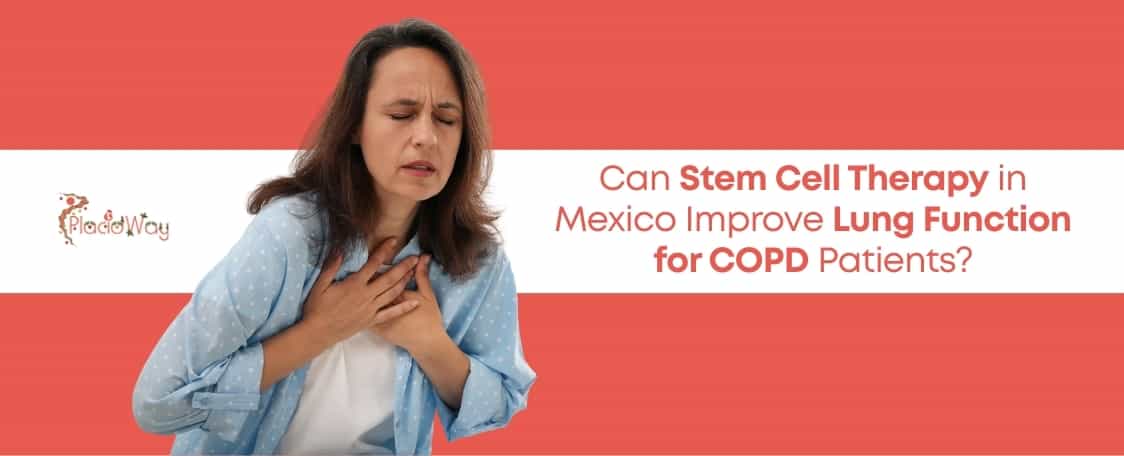
When breathing becomes a daily struggle, many people begin exploring alternative options beyond standard inhalers, oxygen, and pulmonary rehabilitation. If you are researching stem cell therapy for COPD in Mexico, you likely want to know if it can actually help you breathe easier and regain some quality of life. The region has become a frequent destination for cellular therapies, primarily due to its distinct regulatory framework and the availability of treatments that remain in clinical trial phases in the United States and Canada.
However, before planning a trip, it is critical to separate medical reality from internet marketing. Chronic Obstructive Pulmonary Disease (COPD) involves complex structural damage to the respiratory system. Understanding exactly what regenerative medicine can and cannot do is the first step toward making an informed, safe decision regarding your healthcare.
Key Takeaways
- Stem cell therapy focuses on reducing airway inflammation and modulating the immune system, rather than reversing permanent structural lung damage.
- Providers typically utilize mesenchymal stem cells (MSCs) derived from ethically donated umbilical cord tissue or the patient's own body.
- The treatment is classified as investigational and is not recognized as a standard, FDA-approved cure for respiratory diseases.
- Patients may report improved energy and reduced breathlessness, but clinical measurements of lung capacity (FEV1) often remain unchanged.
- Individuals must continue their traditional respiratory medications and consult a pulmonologist before traveling abroad for care.
How does stem cell therapy target lung damage in COPD?
COPD, which encompasses conditions like emphysema and chronic bronchitis, is largely characterized by persistent, aggressive inflammation. This inflammation gradually destroys the alveoli (the tiny air sacs in the lungs) and thickens the airway walls, making it increasingly difficult to exhale fully. The therapeutic goal of introducing mesenchymal stem cells (MSCs) is to leverage their immunomodulatory properties.
Rather than directly transforming into brand-new lung tissue—a common misconception—these cells function more like cellular managers. Through a process known as the paracrine effect, they secrete extracellular vesicles, cytokines, and proteins that signal the body's overactive immune system to calm down. By altering the microenvironment of the lungs, the therapy aims to reduce the chronic swelling that causes daily breathlessness.
While this biological process might help stabilize the lungs and reduce the frequency of severe flare-ups (exacerbations), it is important to clarify that destroyed alveoli cannot be regrown by current medical technology. The realistic focus of the treatment is on preserving your remaining lung function and attempting to improve your day-to-day stamina.
What types of stem cells are typically used for respiratory conditions?
When participating in medical tourism in Mexico, you will find that umbilical cord-derived MSCs (often extracted from Wharton's Jelly) are highly prevalent. These cells are favored in regenerative medicine because they are biologically young, robust, and possess a high capacity for producing anti-inflammatory factors. Furthermore, they are immune-privileged, meaning they lack the specific markers that typically trigger a rejection response in the recipient's body, minimizing the need for tissue matching.
Alternatively, some protocols rely on autologous stem cells. In this procedure, a physician extracts a small amount of your own adipose (fat) tissue or bone marrow. The stem cells are isolated in a laboratory setting and then reintroduced into your bloodstream.
Both approaches carry different theoretical advantages. Autologous cells eliminate the risk of introducing foreign biological material, but the cells are as old as the patient and may be affected by the patient's underlying health conditions. Umbilical cord cells are more vigorous but rely heavily on the clinic's screening and culturing standards. Neither method is universally established as the definitive standard for COPD.
Is this treatment considered a cure for chronic obstructive pulmonary disease?
Patients considering traveling across borders for medical care must maintain highly realistic expectations. COPD is a progressive, chronic disease. Once the delicate walls of the air sacs are broken down and lose their elasticity, that specific anatomical damage is permanent. Stem cells do not function as a magical reset button for the lungs.
The primary objectives of seeking this therapy are symptom management, potentially slowing the rate of pulmonary decline, and enhancing overall quality of life. Many individuals who undergo the procedure report feeling less fatigued, sleeping better, and experiencing fewer respiratory infections.
However, it is crucial to understand that these subjective, quality-of-life improvements do not always correlate with dramatic increases in objective pulmonary function tests. Your FEV1 (Forced Expiratory Volume in one second) may only show marginal stabilization rather than a massive improvement. Managing COPD will remain a lifelong commitment regardless of the therapies you pursue.
What is the estimated stem cell therapy for COPD cost in Mexico?
Pricing for regenerative treatments varies widely based on several distinct factors. The specific facility, the number of cell millions administered, and whether the treatment is completed in a single afternoon or over a multi-day protocol all influence the final bill. Autologous treatments tend to fluctuate based on the extraction method, while therapies utilizing high doses of laboratory-expanded umbilical cord MSCs are frequently on the higher end of the pricing spectrum.
When budgeting for your medical journey, you must factor in expenses beyond the clinical invoice. You will need to cover round-trip airfare, ground transportation, hotel accommodations, and daily meals. Some specialized centers offer comprehensive packages that cover local logistics, airport transfers, and hotel stays.
Before committing, always request a detailed, itemized quote. Understand exactly what the base price includes and what might result in an extra charge, such as pre-treatment blood work, specialized imaging, or post-treatment medications.
Are patients required to stop their current COPD medications?
Regenerative therapy is an adjunctive approach. This means it is designed to be utilized alongside your traditional medical care, not as a replacement for it. Standard COPD medications work rapidly to relax airway muscles, clear mucus, and reduce acute swelling, which is what keeps you breathing safely on a day-to-day basis.
If you experience positive physical changes after returning home from your treatment, any adjustments to your medication regimen should only be made under the direct supervision and guidance of your primary pulmonologist. Abruptly ceasing the use of maintenance inhalers or oxygen therapy can lead to severe, potentially life-threatening exacerbations that require emergency hospitalization.
What are the potential risks and side effects of the procedure?
Patient safety is the most critical component of any medical procedure. Intravenous infusions of MSCs generally carry a low risk profile for serious adverse events. However, minor side effects are not uncommon. Patients may experience temporary chills, a mild headache, or a low-grade fever within the first 24 to 48 hours. These symptoms are typically signs of the body's immune system responding to the introduction of new biological material.
The risks escalate significantly if a facility fails to maintain strict sterile conditions. Contamination during the cellular harvesting, culturing, or infusion process can lead to serious systemic infections.
Furthermore, individuals with an active or recent history of cancer are usually contraindicated for this therapy. There is a theoretical medical risk that the growth factors secreted by stem cells could inadvertently promote the growth of existing tumors. Comprehensive medical screening is non-negotiable.
How long does it take to notice changes in breathing or stamina?
Stem cells do not provide instant relief in the way a rescue inhaler does. The immunomodulatory and tissue-repair signals take time to unfold at the cellular level within the lungs. Some patients report feeling slightly more energetic within the first month, but the full effects of the anti-inflammatory response usually take longer to manifest, often peaking around the three-to-six-month mark.
It is equally important to acknowledge that not everyone responds favorably to this intervention. Due to vast differences in disease severity, overall baseline health, age, and individual biology, a portion of patients may not experience any noticeable clinical benefit at all. No ethical doctor can provide a guaranteed timeline or promise a specific outcome for any individual patient.
Who is generally considered a good candidate for this treatment?
Proper patient selection is vital to ensuring the safety and potential efficacy of the treatment. Individuals in the very early stages of COPD might be advised to focus solely on lifestyle changes, smoking cessation, and standard medications. Conversely, individuals in the end stages of the disease—such as those with severe emphysema requiring continuous high-flow oxygen—may be deemed too medically fragile to endure the stress of international travel or high altitudes.
A thorough pre-treatment evaluation by a qualified medical professional is mandatory. This process typically involves reviewing recent chest CT scans, pulmonary function test (PFT) results, and comprehensive blood panels. An ethical provider will decline to treat a patient if the medical risks outweigh the potential benefits, or if the patient mistakenly believes the procedure will cure them.
How do you find a reputable stem cell therapy for COPD clinic in Mexico?
Because you are stepping outside your home country's healthcare system, exercising extreme diligence is essential. In Mexico, any medical facility processing or administering human cells must hold specific operational permits from COFEPRIS (the Federal Commission for the Protection against Sanitary Risk). A trustworthy clinic will be entirely transparent about their licensing status and the exact origin of their biological materials.
You should seek out facilities where the medical team includes board-certified specialists, such as pulmonologists or internal medicine doctors, rather than relying solely on general practitioners. It is highly advisable to ask detailed questions during your initial consultation: How are the cells screened for communicable diseases? What is their viability rate? What specific follow-up care or communication is provided once you return home?
Why Choose PlacidWay for Medical Tourism in Mexico?
PlacidWay functions as a comprehensive medical tourism directory, designed to help patients safely navigate the complexities of international healthcare options.
- Extensive Network: Provides access to a directory of healthcare centers across Mexico that cater to international patients.
- Transparent Estimates: Offers clear pricing estimates, helping you compare the costs of different treatments without surprise fees.
- Educational Resources: Supplies detailed information regarding the regulatory landscape and standards of care in various destination countries.
- Direct Connections: Facilitates initial communication between you and international medical teams to review your health records.
- No-Pressure Environment: Allows patients to browse provider profiles, read information, and ask questions at their own pace without immediate commitment.
Frequently Asked Questions
Are stem cell treatments for COPD legal in Mexico?
Yes, specific cellular therapies are permitted in Mexico provided the facility is strictly regulated and licensed by COFEPRIS (the Federal Commission for the Protection against Sanitary Risk). The regulations differ from those in the US, allowing for the use of expanded mesenchymal stem cells.
Do Mexican clinics use ethically sourced stem cells?
Reputable clinics use mesenchymal stem cells (MSCs) sourced from donated human umbilical cord tissue obtained from healthy, full-term deliveries with the mother's informed consent, completely avoiding embryonic stem cells.
Can I fly back home immediately after my stem cell infusion in Mexico?
Most clinics recommend staying in the destination city for at least 24 to 48 hours following your final infusion to monitor for any delayed side effects, such as a mild fever, before undertaking the physical stress of air travel.
Is pulmonary rehabilitation offered alongside cellular therapy in Mexican facilities?
Some specialized respiratory clinics incorporate mild pulmonary rehabilitation or respiratory therapy into their treatment packages, though many focus strictly on the cell infusions. Patients are advised to continue formal rehab programs once they return home.
How many stem cell sessions will I need for my lungs?
Treatment protocols vary. Some patients receive a concentrated single-day infusion, while others undergo a multi-day protocol involving several smaller doses. Your specific plan depends on the evaluating doctor's assessment of your condition.
Will my US or Canadian health insurance cover COPD stem cell therapy in Mexico?
No. Because this therapy is considered investigational and is performed outside of your home country, major US and Canadian health insurance providers and Medicare do not cover the costs of the procedure or the associated travel.
What happens if I experience breathing complications while in Mexico?
Before traveling, patients must ensure their chosen clinic has emergency protocols and partnerships with local modern hospitals. It is also highly recommended to purchase specialized medical travel insurance that covers emergency respiratory interventions and medical evacuation.
Do I need a passport or special medical visa to travel to Mexico for this procedure?
US and Canadian citizens need a valid passport to enter Mexico. A standard tourist visa, granted upon arrival, is typically sufficient for short-term medical visits, but you should verify entry requirements based on your nationality.
How are the stem cells administered for lung conditions?
For COPD, cells are most frequently administered intravenously (IV), allowing them to circulate and naturally filter through the pulmonary system. Some clinics may also utilize nebulized delivery systems, though IV remains the most common clinical approach.
What language is spoken in Mexican regenerative medicine clinics?
Facilities catering to international patients usually have bilingual staff, including English-speaking doctors, nurses, and patient coordinators, to ensure clear communication regarding medical consent, procedures, and aftercare.
Explore Your Treatment Options
Gather the information you need to make an informed decision about your respiratory health. Compare facilities, review estimated costs, and request details from established medical providers abroad.
Request Treatment InformationReferences
- Mesenchymal Stem Cell Therapy for Chronic Obstructive Pulmonary Disease – National Institutes of Health (NIH)
- Stem Cell Therapy for COPD – American Lung Association
- Important Patient and Consumer Information About Regenerative Medicine Therapies – U.S. Food and Drug Administration (FDA)
- COPD Treatments and Medications – COPD Foundation
- Federal Commission for the Protection against Sanitary Risk (COFEPRIS) – Government of Mexico
- Medical Tourism Guidelines and Risks – Centers for Disease Control and Prevention (CDC)




.png)


.png)
.png)




.jpg)
.jpg)








Share this listing