


Safe Knee Replacement in India: Your Essential Guide to Quality, Success Rates, and Risk Mitigation
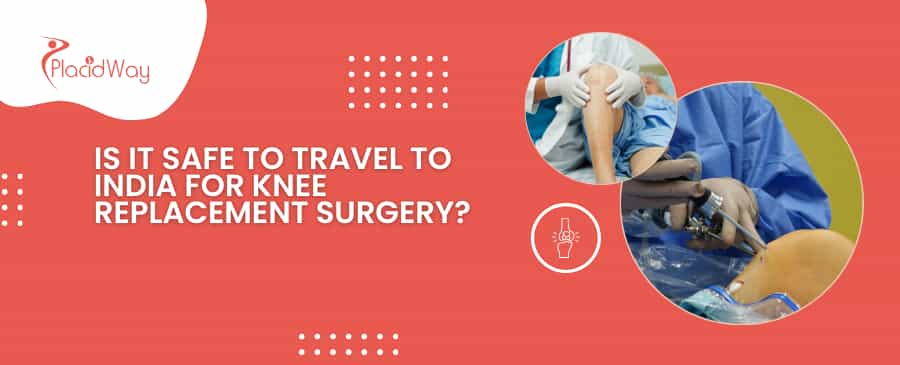
Thinking about knee replacement surgery can be a big step, and when you add the idea of traveling internationally for it, it’s natural to have questions, especially about safety and quality. India has emerged as a prominent destination for medical tourism, particularly for complex procedures like knee replacement surgery. Many patients from around the globe are drawn to India not only by the significant cost savings but also by the reputation of its highly skilled orthopedic surgeons and state-of-the-art medical facilities.
This rise in popularity stems from a combination of factors: advanced medical technology, internationally trained specialists, and comprehensive care packages. However, it's essential for anyone considering this option to understand what makes India a safe choice and what factors to consider when planning such a vital medical journey. This guide will address the most common concerns and provide clear, concise answers to help you make an informed decision about your knee replacement surgery in India.
Is it truly safe to undergo knee replacement surgery in India?
India has rapidly become a global hub for medical tourism, and its orthopedic departments are a significant part of this success. Many of India's leading hospitals adhere to international standards of care, including those set by organizations like the Joint Commission International (JCI) or the National Accreditation Board for Hospitals & Healthcare Providers (NABH). These accreditations signify a commitment to patient safety, quality of care, and continuous improvement in healthcare services. Patients can find peace of mind knowing that these facilities are regularly audited and must meet rigorous criteria.
Beyond infrastructure, the expertise of the medical professionals is paramount. Indian orthopedic surgeons are often highly trained, many having received education or fellowships from prestigious institutions in the US, UK, or Europe. They perform a high volume of knee replacement surgeries, which contributes to their proficiency and reduces complication rates. Moreover, these hospitals are equipped with advanced diagnostic tools, cutting-edge surgical equipment, and modern intensive care units, ensuring comprehensive support throughout the surgical process and recovery period. Careful selection of the hospital and surgeon is key to a safe and successful outcome.
What are the cost advantages of knee replacement surgery in India?
One of the primary drivers for medical tourism to India for knee replacement surgery is the substantial cost savings. The same high-quality procedure, performed by experienced surgeons using advanced prosthetics, can be obtained at a fraction of the price found in countries such as the United States, Canada, or the United Kingdom. This cost efficiency doesn't necessarily equate to a compromise in quality but rather reflects the lower operational costs, labor expenses, and differing healthcare economic structures in India.
For example, a total knee replacement that might cost upwards of $30,000 to $50,000 in the US could range from $6,000 to $10,000 in India, including hospital stay, surgeon's fees, and even post-operative physiotherapy. This significant difference allows patients, especially those without comprehensive health insurance or facing high deductibles, to afford life-changing surgery that might otherwise be out of reach. These package deals often cover consultations, surgery, implants, hospital stay, medication, and initial rehabilitation, offering transparency and predictability in expenses.
What are the qualifications of orthopedic surgeons performing knee replacements in India?
The caliber of orthopedic surgeons in India is a major draw for international patients. Many leading Indian orthopedic surgeons hold degrees such as MS (Master of Surgery) in Orthopedics, followed by specialized fellowships in arthroplasty (joint replacement surgery) from prestigious centers within India or abroad. It is common to find surgeons who have trained or worked in top medical facilities in the US, UK, Germany, or Australia, bringing a global perspective and advanced techniques to their practice.
Furthermore, these surgeons often have decades of experience, performing hundreds of knee replacement procedures annually. High surgical volumes contribute significantly to their skill and efficiency, leading to better patient outcomes and reduced complication rates. They are adept at using the latest minimally invasive techniques and state-of-the-art implants. Patients can research a surgeon's credentials, experience, and patient testimonials to ensure they are choosing a highly skilled and reputable specialist for their knee replacement in India.
What international accreditation do Indian hospitals have for orthopedic procedures?
International accreditations play a crucial role in assuring foreign patients of the quality and safety standards maintained by Indian hospitals. The Joint Commission International (JCI) is widely recognized as the gold standard for healthcare accreditation globally. Many top hospitals in India have successfully obtained JCI accreditation, signifying that they meet rigorous international benchmarks for patient care, safety, infection control, and facility management. This ensures that the medical environment is comparable to leading hospitals in Western countries.
In addition to JCI, the National Accreditation Board for Hospitals & Healthcare Providers (NABH) is an important national accreditation body in India. Hospitals accredited by NABH also demonstrate a commitment to quality and patient safety, following comprehensive standards across various aspects of hospital operations. When selecting a hospital for knee replacement, looking for facilities with both JCI and/or NABH accreditation provides a strong indicator of their dedication to high-quality healthcare and patient-centric services, offering peace of mind to international patients.
How long is the typical stay in India for knee replacement surgery and recovery?
Planning for your total stay in India is crucial when considering knee replacement surgery. Generally, patients are admitted to the hospital a day before the surgery for pre-operative assessments. The surgery itself is usually followed by a hospital stay of approximately 5 to 7 days, during which initial recovery, pain management, and early mobilization under supervision begin. The medical team monitors the patient closely for any complications and ensures proper wound care.
After discharge from the hospital, it is highly recommended that international patients remain in India for an additional 2 to 3 weeks for ongoing outpatient physiotherapy and follow-up consultations. This period allows for crucial rehabilitation, strengthening of the new knee joint, and ensures the patient is stable and comfortable enough for the journey back home. Many medical tourism facilitators can assist in arranging comfortable accommodation near the hospital with access to rehabilitation facilities, making the extended stay convenient and productive for complete recovery from knee replacement surgery.
What kind of post-operative care and rehabilitation can I expect in India?
Post-operative care and rehabilitation are critical components of a successful knee replacement outcome, and Indian hospitals are well-equipped in this regard. Immediately after surgery, dedicated nursing staff will manage pain through various methods, ensuring comfort and facilitating early movement. Physical therapy begins almost immediately, often within 24 hours of surgery, focusing on gentle exercises to improve range of motion and muscle strength. Patients receive guidance on proper movement techniques, walking aids, and home exercises.
Many hospitals offer dedicated rehabilitation centers, either within the hospital complex or in partnership with nearby facilities. These centers provide intensive physiotherapy sessions, which may include hydrotherapy, electrotherapy, and specialized exercises tailored to individual recovery needs. The goal is to restore mobility, reduce swelling, and enable patients to return to their daily activities. Regular follow-up appointments with the orthopedic surgeon are scheduled to monitor progress, address any concerns, and ensure the knee is healing as expected before the patient departs from India.
Are there language support services for international patients in India?
Communication is vital in a medical setting, and Indian hospitals understand the needs of their international clientele. English is widely spoken by medical professionals, including doctors, nurses, and administrative staff, particularly in the larger metropolitan cities and leading medical facilities. This significantly reduces language barriers for patients from English-speaking countries.
For patients speaking other languages, many hospitals have dedicated international patient departments. These departments often employ patient coordinators and professional translators who can facilitate communication between the patient and the medical team. They assist with everything from medical consultations to understanding treatment plans, consent forms, and discharge instructions. These services ensure that international patients feel understood, comfortable, and fully informed throughout their knee replacement journey in India, allowing them to focus on their recovery without linguistic worries.
What are the visa requirements for medical tourists seeking treatment in India?
For individuals traveling to India specifically for medical treatment like knee replacement surgery, the Indian government offers a specialized "Medical Visa" (Med Visa). This visa is distinct from a tourist visa and is designed to accommodate the unique needs of medical travelers, often allowing for longer stays and multiple entries, which can be beneficial for follow-up appointments or extended rehabilitation.
To apply for a Medical Visa, patients generally need to provide an official invitation letter from a recognized Indian hospital stating the patient's condition, the proposed treatment (knee replacement surgery), and the estimated duration of stay. Other standard requirements include a valid passport, recent photographs, proof of sufficient funds to cover treatment and stay, and sometimes medical reports. It is crucial to check the specific requirements and application process with the Indian embassy or consulate in your home country well in advance of your planned travel, as regulations can vary and processing times differ. Family members or attendants accompanying the patient may also apply for a "Medical Attendant Visa" (MedX Visa).
How can I ensure I choose a reputable hospital and surgeon for my knee replacement in India?
Selecting the right hospital and surgeon is perhaps the most critical step for a successful knee replacement surgery experience in India. Begin by looking for hospitals that have international accreditations like JCI (Joint Commission International) or national accreditations like NABH (National Accreditation Board for Hospitals & Healthcare Providers). These accreditations signify adherence to global standards of patient safety and quality care. Focus on hospitals with specialized orthopedic departments that perform a high volume of joint replacement surgeries.
For surgeons, research their qualifications (MS Ortho, fellowships), years of experience, and specific expertise in knee replacement surgery. Look for surgeons who are affiliated with reputable hospitals and have a strong track record of successful patient outcomes. Patient testimonials and reviews can offer valuable insights into a surgeon's communication style and overall patient experience. Engaging with reputable medical tourism facilitators can also be highly beneficial, as they often have established partnerships with leading hospitals and surgeons, can provide pre-vetted options, and assist with logistics, making the selection process more streamlined and trustworthy.
What are the potential risks and how are they managed during knee replacement in India?
Like any major surgery, knee replacement carries potential risks, regardless of where it's performed. These risks can include infection at the surgical site, blood clots (deep vein thrombosis or pulmonary embolism), nerve damage, implant loosening or wear over time, and persistent pain or stiffness. However, leading Indian hospitals employing experienced surgeons implement robust protocols to minimize these risks. Strict sterile techniques are observed during surgery to prevent infections, and prophylactic antibiotics are routinely administered. Patients are often prescribed blood thinners and encouraged to mobilize early to prevent blood clots.
Surgeons in India are highly skilled at precise implant placement to reduce the risk of future complications. Comprehensive pre-operative assessments help identify patients at higher risk, allowing for tailored care plans. Post-operative care includes vigilant monitoring by medical staff for any signs of complications, prompt intervention if issues arise, and structured physiotherapy to ensure optimal recovery and implant longevity. Patients receive thorough education on warning signs to watch for and how to manage their recovery effectively, ensuring risks are actively addressed throughout their treatment journey.
Ready to explore safe and affordable healthcare options abroad? Visit PlacidWay to connect with world-class medical providers and plan your personalized treatment journey today.








.png)










Share this listing