


Stem Cell Therapy for Spinal Cord Injury in Malaysia
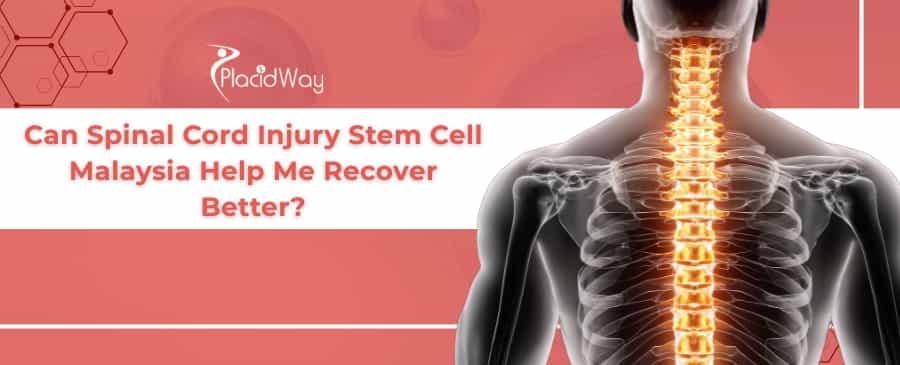
Dealing with a spinal cord injury (SCI) is one of the most challenging experiences anyone can face. It changes your life in an instant, affecting not just your mobility but your independence and daily routine. For years, the prognosis for many SCI patients was limited to rehabilitation and adapting to a new normal. However, medical science has moved forward, and regenerative medicine is opening new doors. If you are searching for answers, you might be wondering if spinal cord injury stem cell Malaysia could be the solution you’ve been waiting for.
Malaysia has quietly emerged as a powerhouse in medical tourism, specifically in the field of cell-based therapies. It isn't just about the affordable price tag; it is about the combination of world-class medical infrastructure, English-speaking professionals, and advanced research that adheres to strict safety protocols. Patients from around the globe are traveling to Kuala Lumpur and Penang, seeking treatments that are either unavailable or prohibitively expensive in their home countries. The hope is real: restoring lost function, regaining sensation, and improving quality of life.
In this guide, we are going to dive deep into everything you need to know. We will strip away the complex medical jargon and have a real conversation about costs, safety, success rates, and what the journey actually looks like. Whether you are looking for yourself or a loved one, understanding the landscape of stem cell therapy in Malaysia is your first step toward making an informed, empowering decision about your health future.
Can stem cell therapy really improve spinal cord injuries?
The short answer is that science is showing very promising results. Stem cell therapy works differently from traditional surgery or medication. Instead of just managing symptoms, it aims to repair the underlying damage. When stem cells are introduced into the body, they have the unique ability to transform into the specific types of cells needed—in this case, nerve cells—and they also release growth factors that help heal existing tissues.
For spinal cord injury patients, this can mean a range of improvements. While it is rarely a "magic cure" that instantly restores full mobility, many patients experience significant gains. These can include improved bladder and bowel control, regained sensation in previously numb areas, and increased muscle strength. The goal is to bridge the gap in the spinal cord, allowing signals to flow again between the brain and the body.
Why should I choose Malaysia for stem cell treatment?
Malaysia stands out for a few very compelling reasons. First and foremost is the quality of care. The country's healthcare system is rigorously monitored by the Ministry of Health, and many private hospitals hold international accreditation (like JCI). You are not stepping into the unknown; you are entering facilities that rival top hospitals in the West.
Secondly, the cost-effectiveness is undeniable. You get access to cutting-edge technology and highly experienced specialists for a fraction of the price you would pay in the US, UK, or Australia. Additionally, Malaysia is a travel hub with a warm, tropical climate that can be very conducive to recovery. The widespread use of English also removes the stress of communication barriers, allowing you to fully understand your treatment plan.
What is the cost of stem cell therapy for spinal cord injury in Malaysia?
Financial planning is a huge part of medical travel. In Malaysia, a comprehensive stem cell treatment package for spinal cord injury generally falls between $10,000 and $25,000 USD. This price usually includes the therapy itself, doctor’s fees, and sometimes even airport transfers and accommodation assistance. It is significantly more affordable than the US, where similar experimental treatments can cost upwards of $50,000 to $100,000.
To give you a clearer picture, here is a comparison of estimated costs for stem cell therapy across different countries:
| Country | Estimated Cost (USD) | Notes |
|---|---|---|
| Malaysia | $10,000 - $25,000 | High quality, English-speaking, regulated. |
| USA | $50,000 - $100,000+ | Often not covered by insurance. |
| Mexico | $12,000 - $30,000 | Variable quality, proximity to US is a plus. |
| Thailand | $15,000 - $35,000 | Popular medical tourism hub. |
| Germany | $25,000 - $45,000 | High standards but higher costs. |
| Turkey | $8,000 - $20,000 | Competitive pricing, growing market. |
What types of stem cells are used for spinal cord injury in Malaysia?
The type of cell used is critical to the success of the treatment. In Malaysia, the most common standard is Mesenchymal Stem Cells (MSCs). These are often sourced from the Wharton’s Jelly of umbilical cords (allogenic) because they are "young," potent, and have a very low risk of rejection. They are known for their strong anti-inflammatory properties and ability to stimulate tissue repair.
Some protocols may also use autologous stem cells, which are harvested from your own body—typically from bone marrow or adipose (fat) tissue. The choice between using your own cells or donor cells depends on your specific condition, age, and overall health. Your doctor will determine the best source to maximize the potential for nerve regeneration.
Is stem cell therapy safe in Malaysia?
Safety is the top priority for any patient. Stem cell therapy has a good safety profile, especially when using MSCs, which do not carry the risk of forming tumors (teratomas) unlike embryonic stem cells. In Malaysia, the industry is regulated, and reputable centers follow strict Good Manufacturing Practice (GMP) standards for cell laboratory processing.
However, it is crucial to do your due diligence. "Safe" applies to treatments conducted in authorized medical centers by certified professionals. Avoid unlicensed beauty clinics or centers making unrealistic claims. Reputable hospitals in Malaysia prioritize patient safety protocols, ensuring sterile environments and proper screening of all biological materials.
What is the success rate of stem cell therapy for SCI in Malaysia?
Defining "success" in spinal cord injury treatment is nuanced. It rarely means a complete reversal of paralysis. Instead, success is measured by improvements in quality of life. Clinical data and patient testimonials from Malaysia indicate that roughly 60-70% of patients report positive outcomes. These outcomes might be small but life-changing, such as regaining the ability to sweat (temperature control), improved bladder function, or the ability to move toes or fingers.
Factors influencing success include:
- Severity of injury: Incomplete injuries often see better results than complete injuries.
- Time since injury: Earlier treatment (within the first year) can sometimes yield better results, though chronic patients also see improvements.
- Rehabilitation: Commitment to physical therapy post-treatment is a massive factor in success.
How is the stem cell procedure performed?
The treatment process is generally minimally invasive. The most common method for spinal cord injury is a lumbar puncture (also known as an intrathecal injection). This involves injecting the stem cells directly into the spinal canal fluid, allowing them to bypass the blood-brain barrier and reach the site of the injury directly. This is often done under local anesthesia.
In addition to the spinal injection, doctors may also administer a dose intravenously (IV). This helps to address systemic inflammation throughout the body. The entire procedure usually takes a few hours, and you typically do not need to stay in the hospital overnight for the injection itself, though observation is common.
How long does the entire treatment take?
You shouldn't plan for a quick weekend trip. A proper stem cell protocol requires time. Most centers in Malaysia recommend a stay of about two weeks. This duration allows for pre-treatment screening, the processing of cells (if autologous), the actual administration of the cells (which might happen over several days), and immediate post-treatment monitoring.
Furthermore, many premium packages include intensive physical therapy sessions during this period. Combining the biological boost of stem cells with physical stimulation is widely believed to enhance the integration of the new cells into the neural network.
What is the recovery time after the procedure?
There is a difference between recovering from the injection and seeing results from the therapy. Physically, you will likely feel back to your normal baseline within 24 to 48 hours after the procedure. Some patients experience a temporary "low-grade fever" or headache, which are standard immune responses.
However, the real "recovery"—the improvement in your spinal cord function—is a marathon, not a sprint. Stem cells need time to repair tissue and modulate the immune system. Most patients begin to notice subtle changes around the 3-month mark, with continued improvements progressing up to a year or more, provided they maintain a rigorous physical therapy schedule.
What are the risks or side effects?
Every medical procedure carries some risk. With MSC stem cell therapy, the risks are generally low. The most frequently reported side effects are transient and manageable: a mild headache after a lumbar puncture, slight nausea, or temporary pain at the injection site.
Because reputable clinics use rigorous screening for donor cells, the risk of rejection is minimal. However, to ensure your safety, it is vital to be transparent about your medical history with your doctor. They will assess if you have any contraindications, such as active infections or a history of cancer, which might make the therapy unsuitable for you.
Who is a good candidate for this treatment?
Not everyone is an ideal candidate. Doctors in Malaysia typically look for patients who are medically stable. This means your injury is not in the acute, life-threatening phase. Whether your injury is "complete" (no function below injury) or "incomplete" (some function remains), you may still be a candidate.
Age is less of a barrier than overall health status. However, patients with active malignancies (cancer), severe anemia, or uncontrolled infections are usually excluded. A thorough review of your medical records and MRI scans will be the first step in determining your eligibility.
Do I need a referral from my local doctor?
You don't necessarily need a permission slip from your home doctor, but you absolutely need your data. The Malaysian medical team cannot treat you blindly. They will request a comprehensive medical package before you even book your flight.
This package should include recent MRI scans of the spine, detailed reports on your injury history, and a list of current medications. This allows the specialists to design a personalized treatment protocol and ensures that you don't travel all the way to Malaysia only to find out you aren't eligible for treatment.
Is stem cell therapy legal in Malaysia?
The legal landscape in Malaysia is clear and supportive of medical innovation. The Ministry of Health (MOH) has established guidelines for stem cell research and therapy. This regulatory framework is designed to protect patients from unproven or unsafe treatments.
Licensed hospitals and clinics must adhere to strict ethical guidelines regarding cell sourcing and processing. This government oversight is one of the key reasons Malaysia has become a trusted destination for regenerative medicine compared to other countries where regulations might be lax or non-existent.
Will I need rehabilitation after the stem cell treatment?
Think of stem cells as the fuel and rehabilitation as the engine. Putting fuel in a car won't make it move if you don't turn the engine on. Rehabilitation is absolutely essential. The new cells need signals to know what to become and how to connect. Movement provides those signals.
Your Malaysian medical team will likely start you on a physical therapy regimen immediately after treatment. Once you return home, you must continue this aggressively. Patients who combine stem cell therapy with dedicated, daily physical therapy consistently show the best outcomes.
Can I travel immediately after the treatment?
While you won't be bedridden, jumping on a long-haul flight immediately after a lumbar puncture isn't the best idea. Changes in cabin pressure can sometimes exacerbate headaches associated with spinal procedures. Most doctors advise resting in Malaysia for at least 48 to 72 hours after your last session.
This buffer time also allows for a final check-up to ensure everything is healing well. Use this time to relax, enjoy the local culture, or simply rest in your hotel. It ensures you board your flight home feeling safe and secure.
Ready to Explore Your Options?
Finding the right care for a spinal cord injury is a significant decision. If you are looking for reputable, accredited clinics in Malaysia that specialize in stem cell therapy, we can help guide you.
Contact PlacidWay today to get a free quote and connect with top medical experts.
Get a Free Consultation





.png)










Share this listing