


Affordable Dental Treatment in Poland
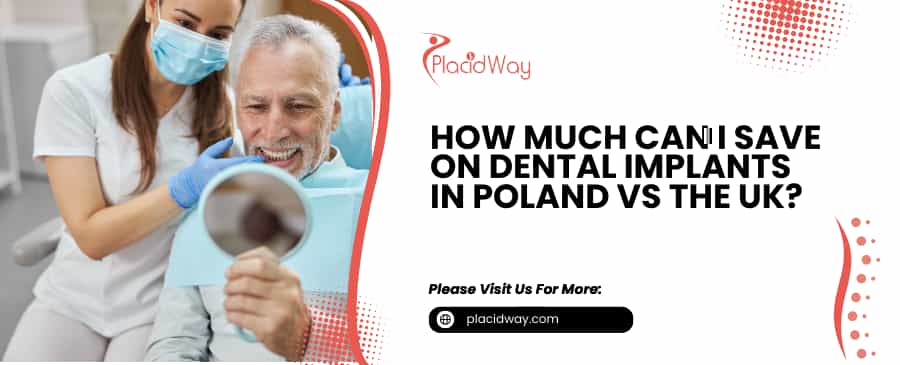
If you're wondering how much you can truly save on implants in Poland versus the UK, you're not alone. The financial difference is substantial, often allowing individuals to get the smile they desire for a fraction of what it would cost domestically. This comprehensive guide will explore the cost disparities, treatment quality, logistical considerations, and everything you need to know about getting your dental implants in Poland. We'll delve into the specifics to help you make an informed decision for your dental health journey.
How much can I save on dental implants in Poland compared to the UK?
The cost difference for dental implants between Poland and the UK is a primary driver for many patients considering treatment abroad. This substantial saving is due to lower operating costs, wages, and overheads for dental clinics in Poland, which are then passed on to the patient. For a single dental implant, the savings can be hundreds of pounds, but for more complex cases involving multiple implants, bone grafts, or full mouth restorations, the total savings can easily reach £5,000 to £15,000 or even more. These savings make otherwise unaffordable treatments accessible. While the initial flight and accommodation costs need to be factored in, these are often negligible when set against the overall cost reduction of the dental procedure itself. Many patients find that even after including travel expenses, the total cost for high-quality dental implants in Poland remains significantly lower than the price for the same treatment in the UK.
What is the average cost of a single dental implant in Poland?
The price for a single dental implant in Poland is considerably more affordable than in the UK, making it an attractive option for many. This range usually covers the entire process for one implant: the surgical placement of the titanium screw (the implant itself), the abutment (connector), and the custom-made crown (the visible tooth part). Some clinics might quote prices that exclude certain components or include additional services, so it's always important to clarify what is encompassed in the quoted price. Variations in cost can depend on several factors:
- Implant Brand: Premium implant brands from Switzerland, Germany, or the USA might be slightly more expensive than equally high-quality but lesser-known brands.
- Clinic Location and Reputation: Clinics in major cities or those with a long-standing international reputation might have slightly higher prices.
- Associated Procedures: If you require additional procedures like a bone graft, sinus lift, or tooth extraction before the implant placement, these will incur extra costs.
It's essential to get a detailed treatment plan and quote from your chosen Polish clinic to understand the full expenditure.
What are the typical costs for dental implants in the UK?
The cost of dental implants in the UK reflects higher operational expenses for dental practices, including staff wages, property rents, and the general cost of living. This often puts the procedure out of reach for many individuals, especially when multiple implants are needed. The prices vary across different regions of the UK, with clinics in London and the South East often charging at the higher end of the spectrum. When comparing UK prices to those in Poland, it becomes clear why so many consider dental tourism. The quoted price in the UK often refers only to the implant placement itself, with the abutment and crown being separate costs, sometimes adding hundreds or even over a thousand pounds to the final bill. Additional treatments like bone grafts or gum regeneration, if required, further escalate the overall cost. Here's a comparison table of average costs:
| Procedure | Average Cost in Poland (GBP) | Average Cost in UK (GBP) |
|---|---|---|
| Single Dental Implant (Implant, Abutment, Crown) | £700 - £1,200 | £2,000 - £3,500 |
| Bone Grafting (per site) | £200 - £500 | £400 - £1,000 |
| Sinus Lift | £400 - £800 | £800 - £1,500 |
| All-on-4 Dental Implants | £4,000 - £8,000 (per arch) | £10,000 - £20,000 (per arch) |
What factors influence the total cost of dental implants?
Understanding the factors that contribute to the overall cost of dental implants is crucial for accurate budgeting. It's rarely just the price of the implant itself; a complete treatment plan often involves several stages and components. Being aware of these elements helps in scrutinizing quotes and preventing unexpected expenses. Key factors include:
- Number of Implants: This is the most obvious factor. One implant is cheaper than two, and a full mouth restoration using techniques like All-on-4 or All-on-6 will naturally be more expensive.
- Additional Procedures: Many patients require preparatory work. This can include tooth extractions, bone grafting (if there isn't enough jawbone to support the implant), or a sinus lift (for upper jaw implants). These procedures significantly add to the overall cost and treatment time.
- Implant Material and Brand: While most implants are titanium, there are various brands, some considered premium, which can affect the price. The type of crown (porcelain-fused-to-metal, zirconia, E-max) also impacts the final cost and aesthetic outcome.
- Clinic Location and Expertise: Clinics in prime city locations or those renowned for their specialist implant surgeons may charge more. However, this often correlates with higher levels of experience and advanced technology.
- Diagnostic Imaging: Initial consultations typically involve X-rays and sometimes a 3D CT scan, which are essential for precise planning and generally included in the overall package or charged separately.
Is the quality of dental implant treatment in Poland as good as in the UK?
Poland has invested heavily in its healthcare infrastructure, particularly in dental tourism, resulting in state-of-the-art clinics. Many Polish dentists receive international training, often from reputable institutions across Europe and the US, and continuously update their skills. They work with the same high-quality implant systems and materials used by top clinics in the UK, including globally recognized brands. Furthermore, Polish dental clinics that cater to international patients often adhere to rigorous quality and hygiene standards, some even holding international accreditations. They prioritize patient safety and satisfaction, understanding that their reputation relies on delivering excellent results. The lower costs do not reflect a compromise in quality but rather the economic advantages of operating in Poland.
What should I look for when choosing a dental clinic for implants in Poland?
Selecting the right clinic is paramount to a successful dental implant journey abroad. Thorough research and asking the right questions can help you distinguish between good clinics and exceptional ones. Look beyond just the price and consider the overall value and trustworthiness of the provider. Here's a checklist of what to look for:
- Accreditations and Certifications: Check if the clinic has any national or international accreditations, which signal adherence to high standards.
- Dentist's Experience and Qualifications: Inquire about the implantologist's experience, their specialization, and how many implant procedures they perform annually. Look for dentists with postgraduate qualifications in implantology.
- Technology and Equipment: Modern clinics should utilize advanced diagnostic tools like 3D CT scanners, digital X-rays, and CAD/CAM technology for precise treatment planning and crown fabrication.
- Transparent Pricing: Ensure the clinic provides a detailed, all-inclusive quote without hidden costs. It should clearly outline what's included in each stage of treatment.
- Patient Testimonials and Before/After Photos: Reviews from previous international patients can offer insights into their experiences. Before and after photos can showcase the clinic's quality of work.
- Language Proficiency: Confirm that the dental staff, especially the lead dentist and patient coordinators, can communicate fluently in English to avoid misunderstandings.
- Aftercare and Guarantees: Understand the clinic's policy on aftercare, follow-up appointments, and any guarantees offered on the implants or crowns.
What are the common benefits of choosing Poland for dental tourism?
Poland has firmly established itself as a leading destination for dental tourism, attracting thousands of patients from the UK and other Western European countries annually. The benefits extend far beyond just the financial savings, making it an appealing option for comprehensive dental work. The advantages include:
- Significant Cost Reductions: As discussed, this is the primary draw, allowing access to treatments that might be financially prohibitive at home.
- High Standard of Care: Polish clinics are often equipped with the latest dental technology and staffed by highly qualified dentists who are proficient in advanced procedures like dental implants.
- No Waiting Lists: Unlike some public healthcare systems or busy private practices in the UK, Polish clinics catering to international patients typically have much shorter waiting times for consultations and treatment. This means you can often start your treatment plan sooner.
- Experienced Professionals: Many Polish dentists have extensive experience with complex cases and regularly treat international patients, making them adept at managing the unique needs of dental tourists.
- Modern Facilities: Clinics are often new or recently renovated, boasting contemporary design and comfortable environments, comparable to top private clinics anywhere in Europe.
- Travel Opportunity: Patients can combine their dental treatment with a holiday or city break, exploring Poland's rich history, culture, and beautiful cities like Krakow, Warsaw, or Gdansk. The cost of accommodation and dining in Poland is also considerably lower than in the UK, enhancing the overall value.
What are the potential risks and important considerations when getting dental implants abroad?
While the benefits of dental tourism to Poland are substantial, it's crucial to be aware of potential risks and considerations to ensure a smooth and successful experience. Planning meticulously can mitigate most of these concerns. Important considerations include:
- Aftercare and Follow-up: Dental implants require follow-up appointments and ongoing maintenance. Consider how you will manage these if your dentist is in another country. Some clinics offer partnerships with local dentists or provide clear guidance for your UK dentist.
- Communication: While many clinics have English-speaking staff, ensure critical medical discussions are fully understood. Misunderstandings can lead to errors or dissatisfaction.
- Travel and Accommodation Logistics: Plan your trips carefully, factoring in travel time, accommodation, and potential multiple visits required for the implant process. Unexpected delays or costs can arise.
- Emergency Care: Understand the clinic's policy and support for any immediate post-operative complications, either during your stay or after returning home.
- Legal Recourse: While rare with reputable clinics, if a complication arises and you are unhappy with the outcome, legal recourse can be more complex when dealing with a foreign healthcare provider compared to a domestic one.
- Pre-existing Health Conditions: Ensure you fully disclose your medical history to the Polish clinic. Certain conditions or medications can affect implant success rates.
Thorough research and choosing a reputable, communicative clinic can significantly reduce these potential risks.
How long does a typical dental implant procedure take, including necessary travel to Poland?
The dental implant process is generally not a single-day procedure; it requires time for osseointegration (where the implant fuses with the jawbone). This means patients typically need to make at least two trips to Poland, separated by a healing period. Here’s a breakdown of the typical timeline:
- First Visit (Implant Placement):
- Duration: 3 to 7 days.
- Activities: Initial consultation, X-rays/CT scans, treatment planning, tooth extraction (if needed), bone grafting (if needed), and the surgical placement of the dental implant(s).
- Travel: Patients usually fly to Poland, spend a few days for the procedure and initial recovery, then fly back home.
- Healing Period (Osseointegration):
- Duration: 3 to 6 months.
- Activities: The implant integrates with the jawbone during this time. Temporary prosthetics might be provided.
- At Home: This phase takes place in your home country.
- Second Visit (Crown Placement):
- Duration: 3 to 7 days.
- Activities: Once healing is complete, the abutment is attached, and impressions are taken for the final crown. The custom-made crown is then fitted and secured.
- Travel: Another trip to Poland is required to complete the prosthetic phase of the treatment.
More complex cases, such as those requiring extensive bone grafting, might extend these timelines or necessitate an additional brief visit. Clinics usually provide a detailed schedule during your initial consultation.
How does medical tourism ensure patient safety and quality of care for procedures like dental implants?
Medical tourism, including dental implants in Poland, relies on a framework of quality assurances to protect patients. While the individual patient holds responsibility for their research, the industry itself has developed mechanisms to uphold safety and care standards. Key elements that contribute to patient safety and quality of care in medical tourism include:
- International Accreditations: Many top clinics serving international patients pursue accreditations from bodies like Joint Commission International (JCI), which signify adherence to stringent global healthcare standards. Even without JCI, many follow ISO standards for quality management.
- Regulatory Oversight: Countries like Poland have national regulatory bodies that oversee medical practices. Dental clinics are subject to inspections and licensing requirements, ensuring a baseline level of safety and competence.
- Specialist Training and Experience: Dentists specializing in implants often have extensive training from European and international universities and regularly attend conferences to stay updated on the latest techniques and technologies.
- Advanced Technology: Leading dental tourism clinics invest in the same cutting-edge equipment found in top Western clinics, including 3D imaging, digital planning software, and sophisticated sterilization protocols.
- Transparent Communication and Informed Consent: Ethical clinics ensure patients receive detailed treatment plans, understand all costs, and give informed consent. This includes discussing potential risks and alternative treatments clearly.
- Dedicated Patient Coordinators: Many clinics employ multilingual patient coordinators who assist international patients with travel arrangements, appointments, translation, and any concerns, providing a crucial layer of support and communication.
- Emphasis on Hygiene and Sterilization: Strict adherence to European Union health and safety directives ensures high levels of hygiene and sterilization in operating environments, minimizing infection risks.
Consider exploring PlacidWay if you're looking for solutions related to medical tourism, healthcare services, or other relevant offerings. They can help connect you with reputable clinics and guide you through your medical journey.


















Share this listing