


Stem Cell Solutions for Huntington’s Patients in India
.png)
Huntington’s Disease (HD) is a relentless genetic condition that gradually erodes a person's physical and mental capabilities. Families watching their loved ones struggle with involuntary movements and cognitive decline often feel helpless as conventional medicine offers limited solutions. This leads to a critical question: when should Huntington’s patients consider stem cell therapy in India? India has emerged as a beacon of hope in the field of neuro-regenerative medicine, offering supportive therapies that go beyond mere symptom masking.
The treatment focuses on using Mesenchymal Stem Cells (MSCs) to create a neuroprotective environment in the brain. Unlike gene editing, which is still in its infancy, stem cell therapy is available now in India to help slow down the rapid degeneration of neurons, potentially buying patients precious time and quality of life.
In this guide, we will analyze the optimal timing for this intervention, the biological mechanisms at play, and why India is becoming a preferred destination for families seeking affordable yet advanced neurological care.
How does stem cell therapy help Huntington’s Disease?
The primary problem in HD is the premature death of brain cells in the striatum. Stem cell therapy in India works on the principle of "neuroprotection." When stem cells are injected, they migrate to areas of damage and release powerful growth factors.
These factors act like fertilizer for the brain, strengthening the surviving neurons so they can withstand the toxic effects of the mutant Huntington protein for longer. Additionally, they help dampen the chronic inflammation in the brain that accelerates cell death.
When is the right time to start treatment?
Waiting too long is a common mistake. Regenerative medicine works best when there is something left to save. If a patient is already bedridden with severe cognitive loss, stem cells may offer only minimal benefits.
However, patients in the early to moderate stages—who are experiencing chorea (jerky movements), balance issues, or mild mood changes—are often the best candidates. The goal is to stabilize these symptoms and prevent the rapid slide into disability.
What is the cost of stem cell therapy for Huntington’s in India?
India’s cost advantage is massive. In the US or Europe, stem cell treatments for neurological conditions are often unavailable outside of strict clinical trials or cost upwards of $30,000. India offers a regulated environment where these therapies are accessible at a fraction of the price.
Below is a cost comparison table for Huntington’s Stem Cell treatments:
| Region | Estimated Cost (USD) | Inclusions |
|---|---|---|
| India (Mumbai/Delhi) | $5,000 - $12,000 | Treatment + Neuro-Rehab |
| China | $20,000 - $30,000 | Treatment Only |
| Mexico | $10,000 - $18,000 | Treatment + limited stay |
| United States | N/A (Trials only) | Strictly regulated/Unavailable |
How is the procedure performed?
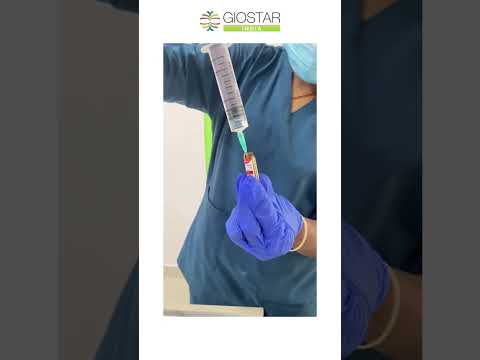
Administering cells into the bloodstream alone is often insufficient for brain disorders because the blood-brain barrier blocks them. Indian neuro-specialists prioritize the intrathecal route.
The procedure is minimally invasive, performed under local anesthesia, and takes about 30-45 minutes. It is generally painless, with patients lying flat for a few hours afterward to ensure the cells circulate effectively to the brain.
Why is India a preferred destination for this?
In India, the treatment is holistic. You don't just get an injection and leave. The best clinics enroll patients in a rigorous rehabilitation program during their stay.
This "rehab-plus-cells" approach is crucial because the stem cells open a window of neuroplasticity (brain adaptability), and therapy helps the brain learn how to use that new potential to improve balance and speech.
What improvements can be expected?
Success in HD is often measured by what doesn't happen—slowing the rate of decline. However, many families report "gains" in daily living activities.
For example, a patient might regain the ability to feed themselves or walk without assistance. These quality-of-life improvements are significant for families dealing with the daily reality of the disease.
Is the treatment safe?
Safety is a priority in accredited Indian hospitals. They adhere to international standards for cell processing. Because the cells are often adult stem cells (MSCs), they do not carry the ethical or safety concerns associated with embryonic stem cells.
Before treatment, patients undergo rigorous screening to ensure they are fit for the procedure.
What is the source of the stem cells?
Autologous cells are popular because they are the patient's own biological material, eliminating immune rejection risks entirely. However, for older patients or those with advanced disease, Umbilical Cord cells are sometimes preferred because they are younger and biologically more potent.
Your doctor will decide the best source based on the patient's age and specific condition.
Do I need a medical visa?
Do not travel on a tourist visa for medical treatment; it can lead to legal issues. The Medical Visa allows for a longer stay and permits attendants (family members) to accompany the patient on a Medical Attendant Visa.
Indian consulates are generally very supportive of patients seeking medical care, making the approval process quick.
How long does the treatment take?
This is not a "drive-through" procedure. The hospital stay is vital for monitoring and therapy. Patients usually arrive on a Sunday, have tests on Monday, treatment on Tuesday/Wednesday, and rehab for the rest of the week.
This structured approach ensures that the patient is stable and responding well before flying back home.
Are the results permanent?
It is crucial to manage expectations. Stem cells cannot fix the DNA mutation causing HD. They manage the damage.
Think of it as servicing a car to keep it running longer; you may need to go back for maintenance. Many families plan annual or biennial trips to India to sustain the improvements.
How do I choose a clinic in India?
India has many world-class hospitals, but also some smaller clinics that may overpromise. Stick to major names in cities like Mumbai, Delhi, or Bangalore.
Ask specifically about their experience with neurodegenerative disorders. A clinic that specializes in orthopedic knees may not be the best choice for a complex brain condition like Huntington’s.
Slow the Progression of Huntington’s
Explore advanced Stem Cell therapy options in India. Get a free medical evaluation and a personalized treatment plan today.



















Share this listing