
What treatment


20+ Key FAQs on Stem Cell Therapy in India
Questions About Stem Cell Therapy in India? Start Here
Trusted Medical Tourism Platform Since 2007
Can stem Cells Treat Alzheimer’s disease in India?
Can stem cells offer a real treatment for Alzheimer's disease in India? This is a question filled with hope for countless families facing the challenges of this neurodegenerative condition. To be direct, stem cell therapy for Alzheimer's disease in India is currently an experimental treatment and is not a proven cure or a standard, government-approved therapy. While it represents a promising frontier in medical research and is offered by some specialized clinics, it's crucial to understand that its clinical effectiveness and long-term safety have not yet been definitively established through large-scale studies. This post will guide you through the essential questions surrounding stem cell therapy for Alzheimer's in India. We will explore the scientific basis for the treatment, its legal and regulatory status, the associated costs, and what the procedure actually involves. As you navigate the options for Alzheimer's care, this information aims to provide a clear, balanced, and realistic overview of where this innovative therapy stands today. What is Stem Cell Therapy and How is it Supposed to Work for Alzheimer's? "Stem cell therapy for Alzheimer's disease is an advanced medical procedure that involves introducing new stem cells into the body to help repair, replace, or regenerate damaged brain cells. The theory is that these cells can reduce brain inflammation, promote the growth of new neurons, and improve neural connections, thereby potentially slowing the disease's progression." Alzheimer's disease is characterized by the progressive loss of brain cells (neurons) and the buildup of abnormal proteins called amyloid plaques and tau tangles. This leads to memory loss, cognitive decline, and functional impairment. Stem cell therapy aims to counteract this damage. The most commonly used cells for this purpose are Mesenchymal Stem Cells (MSCs), which can be sourced from a patient's own bone marrow or fat tissue, or from donated umbilical cord tissue. These cells are known for their powerful regenerative and anti-inflammatory properties. Once administered, it is believed they can: Reduce Neuroinflammation: Calm the chronic inflammation in the brain that contributes to neuron damage. Modulate the Immune System: Help regulate the body's immune response to prevent it from attacking healthy brain tissue. Clear Protein Aggregates: Potentially help clear the toxic amyloid and tau proteins that are hallmarks of the disease. Is Stem Cell Therapy Officially Approved for Alzheimer's in India? "No, stem cell therapy for Alzheimer's disease is not an approved treatment by India's central regulatory bodies, including the Indian Council of Medical Research (ICMR) and the Central Drugs Standard Control Organization (CDSCO). It is considered an investigational therapy." According to the National Guidelines for Stem Cell Research (NGSCR) 2017, any use of stem cells for therapeutic purposes outside of bone marrow transplants for specific blood disorders is classified as experimental. This means that stem cell therapy for Alzheimer's should only be offered within the framework of a formal, registered, and monitored clinical trial. Clinics that offer this treatment as a routine procedure are operating outside of these official guidelines. Patients considering this option must be made aware of its experimental nature and the unproven efficacy through a detailed informed consent process. What is the Cost of Stem Cell Therapy for Alzheimer's in India? "The cost of stem cell therapy for Alzheimer's in India typically ranges from ?4,00,000 to ?10,00,000 (approximately $4,800 to $12,000 USD). The final price can vary based on the clinic's reputation, the type and source of stem cells, the number of sessions, and the patient's specific condition." This cost is significantly lower than what might be charged in the United States or Europe, making India a destination for some medical tourists. However, it's a substantial out-of-pocket expense, as health insurance in India does not cover experimental treatments. Be sure to request a detailed cost breakdown from any clinic to understand what is included in the package. What is the Reported Success Rate for This Treatment? "There is no officially recognized success rate for stem cell therapy for Alzheimer's in India due to the lack of large-scale, peer-reviewed clinical data. While some clinics claim high success rates, these are often based on anecdotal evidence or small, uncontrolled studies." Some clinics and patient testimonials report improvements in cognitive function, memory, daily living activities, and a slower rate of decline. However, these results are not guaranteed and can vary widely between individuals. Without robust scientific evidence from controlled trials, it is impossible to validate these claims or establish a reliable success rate for stem cell therapy for Alzheimer's. It is crucial to approach such claims with a healthy dose of skepticism. What Does the Treatment Procedure Involve? "The procedure for stem cell therapy for Alzheimer's typically involves harvesting stem cells, processing them in a lab, and then administering them back to the patient, most commonly through an intravenous (IV) infusion or an intrathecal (spinal) injection." The process generally follows these steps: Evaluation: A comprehensive medical assessment, including neurological exams, cognitive tests, and imaging scans, is performed to confirm the diagnosis and determine eligibility. Cell Harvesting: If using the patient's own cells (autologous), a small amount of bone marrow or adipose (fat) tissue is collected under local anesthesia. If using donor cells (allogeneic), they are sourced from a screened, healthy umbilical cord. Lab Processing: The harvested sample is sent to a lab where the stem cells are isolated, concentrated, and prepared for administration. Administration: The stem cells are infused into the patient. An IV drip is common, but for more direct delivery to the nervous system, an intrathecal injection into the spinal canal may be used. Post-Treatment Monitoring: The patient is monitored for any immediate side effects, and a rehabilitation and follow-up plan is established to track progress over the subsequent months. What are the Potential Risks and Side Effects? "The risks associated with stem cell therapy for Alzheimer's include short-term side effects like fever, headache, and nausea, as well as more serious risks such as infection, immune reactions, and the theoretical risk of tumor growth. Since the treatment is experimental, the long-term side effects are not yet fully known." While clinics often market the procedure as safe and minimally invasive, potential risks exist: Immediate Side Effects: Pain or infection at the injection site, fatigue, headache, and chills. Immune Rejection: If donor cells are used, the body's immune system might reject them. Uncontrolled Growth: There is a theoretical, albeit low with MSCs, risk that the cells could form tumors. Lack of Efficacy: A significant risk is that the patient may undergo the expensive procedure with no discernible benefit. How Can I Find a Reputable Clinic in India? "Finding a reputable clinic for an experimental therapy requires extreme diligence. Focus on centers associated with major research hospitals (like AIIMS or NIMHANS), be wary of those that promise a 'cure,' and ensure they are transparent about the treatment's investigational status and provide clear information on risks." When evaluating a clinic, ask critical questions: Are you registered with the CDSCO to conduct a clinical trial for Alzheimer's? What are the credentials of your medical team? Can you provide peer-reviewed data from your past patients? How do you source and process your stem cells? Are you fully transparent about all potential risks and costs? Are There Proven Alternatives to Stem Cell Therapy? "Yes, while there is no cure for Alzheimer's, there are several approved and evidence-based treatments and strategies available in India that focus on managing symptoms and improving quality of life. These include medications, cognitive therapies, and lifestyle management." Standard Alzheimer's care in India focuses on a holistic approach: Medications: Drugs like cholinesterase inhibitors (e.g., Donepezil) and Memantine are approved to manage cognitive and behavioral symptoms. Cognitive Stimulation Therapy (CST): Involves engaging in group activities and exercises designed to improve memory and problem-solving skills. Occupational Therapy: Helps individuals maintain independence by adapting their environment and tasks. Supportive Care: Managing diet, exercise, and social engagement is crucial for maintaining overall well-being. These proven strategies should form the foundation of any Alzheimer's care plan. Navigating complex medical treatments can be overwhelming. If you're exploring healthcare options around the world, PlacidWay can connect you with accredited facilities and provide the information you need to make confident decisions. Explore Global Healthcare Solutions with PlacidWay!...
Read more details

Can Stem Cells Treat Diabetes in India?
Diabetes Mellitus, a chronic condition affecting millions, is a significant global health challenge. While conventional treatments focus on managing blood sugar levels, stem cell therapy offers a promising avenue that aims to address the root causes of the disease by regenerating insulin-producing cells or modulating the immune system. India has emerged as a key destination for individuals seeking these advanced treatments, combining cutting-edge medical technology with relatively affordable costs. This blog post will explore the potential of stem cell therapy for diabetes in India, answering common questions about its efficacy, types, costs, and what patients can expect. What types of stem cell therapy are used for Diabetes in India? "The main types of stem cell therapy for diabetes in India involve Mesenchymal Stem Cell (MSC) therapy and approaches using pancreatic islet cells derived from induced pluripotent stem cells (iPSCs), aiming to restore insulin production or modulate the immune system." Mesenchymal Stem Cell (MSC) therapy is one of the most commonly explored avenues. MSCs, often sourced from bone marrow, adipose tissue, or umbilical cord tissue, possess immunomodulatory and regenerative properties. For diabetes, MSCs are believed to help by reducing inflammation, secreting factors that protect existing beta cells, and potentially differentiating into insulin-producing cells or improving the function of dysfunctional ones. They can also aid in the regeneration of blood vessels, crucial for improving overall pancreatic health. Another promising area, primarily in clinical trial stages globally and in India, involves using induced pluripotent stem cells (iPSCs). These are adult cells that have been reprogrammed to an embryonic-like state, giving them the ability to differentiate into various cell types, including insulin-producing pancreatic beta cells. The goal is to transplant these lab-grown beta cells into diabetic patients to restore natural insulin production. This approach holds significant potential for Type 1 Diabetes, where the body's immune system destroys its own beta cells. Is stem cell therapy for diabetes effective in India? "While still largely considered experimental or within clinical trial frameworks, stem cell therapy for diabetes in India has shown promising results in some patients, particularly in improving blood sugar control, reducing insulin dependence, and enhancing the overall quality of life." Clinical trials and observational studies conducted in India and worldwide have reported encouraging outcomes. For Type 1 Diabetes, the focus is on halting the autoimmune destruction of beta cells and potentially replacing them. In Type 2 Diabetes, stem cell therapy aims to improve insulin sensitivity and partially restore beta-cell function. Patients have reported improvements in HbA1c levels, a reduction in insulin dosage, and better control of blood glucose. However, it's crucial to understand that it's not yet a guaranteed cure for all patients and individual responses can vary significantly. What is the success rate of stem cell therapy for diabetes in India? "The reported success rates for stem cell therapy for diabetes in India vary, with some studies indicating that a significant percentage of patients, particularly those in early stages or with Type 2 diabetes, experience reduced insulin dependency and improved glycemic control, with success rates of around 50-70% in specific clinical settings." While a definitive universal success rate is difficult to quote due to the varying protocols, types of diabetes, and individual patient conditions, some clinics and trials in India have reported positive outcomes. For example, some studies using MSCs have shown that a notable proportion of patients with Type 2 diabetes experience a reduction in their insulin requirements or even achieve insulin independence for a period. For Type 1 diabetes, the aim is often to preserve residual beta-cell function and reduce the severity of hypoglycemic episodes. Long-term data is still being gathered, and outcomes can depend heavily on patient selection and the specific stem cell protocol used. How much does stem cell therapy for diabetes cost in India? "Stem cell therapy for diabetes in India is considerably more affordable than in many Western countries, with average costs typically ranging from $3,800 to $7,000 (approximately Rs. 3,15,000 to Rs. 5,80,000), depending on the type of diabetes, the specific protocol, the number of infusions, and the chosen hospital or clinic." The cost-effectiveness is a major factor attracting international patients to India for stem cell treatments. In comparison, similar therapies in countries like the USA or Europe can cost tens of thousands, or even hundreds of thousands, of dollars. This affordability in India is due to lower operational costs, competitive healthcare markets, and a strong focus on medical tourism. The quoted price generally covers the procedure, initial assessments, hospital stay, and post-treatment follow-up, though it's always advisable to get a detailed breakdown of inclusions. What are the risks and side effects of stem cell therapy for diabetes? "The risks and side effects of stem cell therapy for diabetes are generally considered mild and temporary, including fatigue, headache, chills, nausea, pain or swelling at the injection site, and a low-grade fever. More severe complications like infection or immune rejection are rare, especially with autologous (patient's own) cells." While stem cell therapy is generally regarded as safe, particularly when using autologous or carefully screened allogeneic (donor) cells, potential side effects can occur. These often relate to the administration method, such as localized pain or bruising from injections, or transient systemic symptoms like fever or headache after intravenous infusion. The risk of immune rejection is significantly lower with Mesenchymal Stem Cells (MSCs) compared to other cell types due to their immunomodulatory properties. However, as with any medical procedure, there's a minimal risk of infection. Reputable clinics follow strict safety protocols to minimize these risks. How long does recovery take after stem cell therapy for diabetes? "Recovery after stem cell therapy for diabetes is typically quick, with patients experiencing minimal downtime and often resuming normal activities within a few days. Significant improvements in blood sugar control or a reduction in insulin dependence may become noticeable over several weeks to months as the cells take effect." Unlike highly invasive surgical procedures, stem cell therapy for diabetes usually involves minimally invasive administration methods, such as intravenous infusions or direct injections into specific areas. This means patients generally do not require a long hospital stay. While immediate recovery from the procedure itself is quick, the biological effects of the stem cells, such as improved beta-cell function or immune modulation, can take time to manifest. Patients are often advised to continue monitoring their blood glucose levels and working closely with their doctors to adjust medication as their condition improves. Which hospitals in India offer stem cell therapy for diabetes? "Several specialized clinics and some larger hospital groups in India offer stem cell therapy for diabetes, including institutions like Advancells, Stem Cell Care India, Giostar, and specific departments within major multi-specialty hospitals that focus on regenerative medicine." India has a growing number of medical facilities that are involved in stem cell research and therapy. While it's important to note that many treatments are still considered experimental or part of clinical trials, some established centers provide these services. These include: Advancells Stem Cell Care India Giostar Specialized units within larger hospital chains like Apollo Hospitals or Max Healthcare, which may collaborate with stem cell research initiatives. Patients should thoroughly research clinics, verify their credentials, and ensure they are recognized for ethical and effective stem cell treatments for diabetes. Am I a suitable candidate for stem cell therapy for diabetes in India? "Suitability for stem cell therapy for diabetes in India is determined through a comprehensive medical evaluation, typically favoring patients with early-stage Type 1 Diabetes, or Type 2 Diabetes with residual beta-cell function, and generally excluding those with severe long-term complications or uncontrolled comorbidities." Eligibility criteria vary depending on the specific stem cell protocol and the clinic. Generally, ideal candidates for stem cell therapy for diabetes might include: Type 1 Diabetes: Patients in the "honeymoon phase" (recently diagnosed with some residual insulin production) or those experiencing severe hypoglycemia. Younger patients may also be more suitable. Type 2 Diabetes: Patients who still have some functional beta cells, are not completely insulin-dependent, or have complications that might benefit from regenerative effects. Patients with severe long-term complications of diabetes (like advanced kidney failure or significant cardiovascular disease) or other uncontrolled health conditions might not be ideal candidates due to increased risks. A thorough assessment by an endocrinologist and a stem cell specialist is essential to determine individual suitability. What is the typical duration of stay for stem cell therapy in India? "The typical duration of stay for stem cell therapy for diabetes in India can range from 3-7 days, accommodating the initial evaluations, the procedure itself (which often takes a few hours), and a short period of post-treatment observation before returning home." Since many stem cell procedures for diabetes are minimally invasive, requiring intravenous infusions or localized injections, the in-hospital stay is often brief. Patients may arrive a day or two before the procedure for pre-treatment tests and consultations and stay for a few days post-procedure for observation. For international patients, planning for a slightly longer stay is advisable to allow for follow-up appointments and comfortable travel back. Some clinics may recommend multiple rounds of treatment over several months, which would require return visits. Are there clinical trials for stem cell therapy for diabetes in India? "Yes, India is actively involved in clinical trials for stem cell therapy for diabetes, contributing to global research efforts to develop and refine these innovative treatments, exploring various stem cell types and delivery methods for both Type 1 and Type 2 diabetes." India has a robust medical research landscape, with several institutions and private clinics participating in clinical trials for stem cell therapy in diabetes. These trials are crucial for gathering scientific evidence on the safety and efficacy of new stem cell protocols, identifying optimal dosages, and understanding long-term outcomes. Patients interested in participating in clinical trials should inquire with reputable research hospitals or specialized stem cell centers in India, as this can offer access to cutting-edge treatments and contribute to the advancement of diabetes care. What should I consider when choosing a clinic for stem cell therapy for diabetes in India? "When selecting a clinic for stem cell therapy for diabetes in India, prioritize those with strong accreditations, a multidisciplinary team experienced in both diabetes and regenerative medicine, transparent pricing, comprehensive pre- and post-treatment care, and clear communication about expected outcomes and potential risks." Choosing the right clinic is paramount. Here are key considerations: Accreditation and Licensing: Ensure the clinic is officially registered and accredited by relevant national or international bodies (e.g., NABH, JCI). Medical Team Expertise: Verify that the team includes qualified endocrinologists, stem cell specialists, and support staff with extensive experience in diabetes management and regenerative therapies. Specific Protocols: Understand the exact stem cell type (e.g., MSCs, iPSC-derived cells) and administration method they use, and ensure it's backed by scientific rationale. Transparency in Pricing: Obtain a detailed cost breakdown, including all associated fees for tests, consultations, the procedure, and follow-up care, to avoid hidden charges. Patient Testimonials and Outcomes: While individual results vary, look for credible patient testimonials and any outcome data the clinic provides, maintaining realistic expectations. Comprehensive Care: Assess if the clinic offers thorough pre-treatment evaluation, personalized treatment plans, and robust post-treatment follow-up and monitoring. Ethical Practices: Confirm the clinic adheres to high ethical standards in stem cell research and therapy. Can stem cell therapy cure diabetes? "Currently, stem cell therapy for diabetes is not considered a universal 'cure' in the traditional sense, but it shows significant potential to improve pancreatic function, reduce insulin dependency, and manage diabetes-related complications, leading to better disease control and an enhanced quality of life for many patients." While some patients, particularly those with early-stage Type 1 Diabetes, have achieved periods of insulin independence after stem cell therapy, it's not a guaranteed permanent cure for all forms or stages of diabetes. The goal of stem cell treatment is often to restore a degree of pancreatic function, modulate the immune response, and mitigate the progression of the disease and its complications. Ongoing research aims to develop therapies that can offer a complete and lasting cure, but as of now, it's more accurately described as a powerful disease-modifying therapy that can significantly improve outcomes. What are the long-term benefits of stem cell therapy for diabetes? "The long-term benefits of stem cell therapy for diabetes can include sustained improvement in blood glucose control, reduction in the need for insulin or oral medications, delayed progression of diabetes complications (neuropathy, nephropathy, retinopathy), and an overall improvement in the patient's quality of life." For patients who respond well, stem cell therapy can provide lasting improvements. These benefits stem from the stem cells' ability to reduce inflammation, protect existing insulin-producing cells, and potentially regenerate or improve the function of damaged tissues. This can lead to more stable blood sugar levels, fewer episodes of hypo- or hyperglycemia, and a decreased risk of developing or worsening diabetes-related complications affecting the eyes, kidneys, nerves, and cardiovascular system. The duration of these long-term benefits is an area of ongoing research, but promising results have been observed over several years in some individuals. How does stem cell therapy compare to conventional diabetes treatments? "Stem cell therapy for diabetes differs from conventional treatments by addressing the underlying cellular and immunological causes of the disease, aiming to restore pancreatic function or modulate the immune system, whereas conventional treatments primarily manage blood sugar levels through medication, diet, and lifestyle adjustments." Conventional diabetes treatments, such as insulin injections, oral medications, diet control, and exercise, focus on regulating blood glucose levels to prevent complications. These therapies are ongoing and manage the symptoms but generally do not reverse the underlying pathology or restore lost pancreatic function. Stem cell therapy, in contrast, offers a regenerative approach. For Type 1 Diabetes, it aims to protect existing beta cells from autoimmune attack or replace them. For Type 2 Diabetes, it seeks to improve insulin sensitivity and the function of dysfunctional beta cells. While stem cell therapy holds the promise of reducing or eliminating the need for daily medication, it is currently a more advanced and less widely available treatment option, often used when conventional therapies are insufficient or for specific patient profiles. It represents a shift from managing symptoms to potentially modifying the disease course. Explore PlacidWay for solutions related to medical tourism and healthcare services....
Read more details
How Much does the Arthritis Stem Cell India Treatment Cost?
The average cost of arthritis stem cell treatment in India ranges from $4,000 to $8,000 USD. This price typically includes consultation, the procedure, and hospital fees, offering a savings of up to 70% compared to Western countries. Living with arthritis means navigating a daily landscape of pain, stiffness, and reduced mobility. For many, traditional treatments like painkillers or invasive joint replacement surgeries feel like extreme or temporary solutions. This has led to a surge in interest for regenerative medicine, specifically stem cell therapy. However, the high price tag of this treatment in countries like the US or UK often puts it out of reach. India has emerged as a beacon of hope for patients seeking affordable, high-quality regenerative care. The arthritis stem cell India treatment cost is a fraction of what you would pay globally, without compromising on medical expertise. Indian hospitals are equipped with state-of-the-art labs and experienced orthopedic specialists who are pioneering minimally invasive techniques to help regenerate cartilage and reduce inflammation. In this guide, we will break down the exact costs, compare them with global prices, and answer the critical questions you have about safety, success rates, and what exactly you are paying for. Whether you are battling osteoarthritis in the knees or rheumatoid arthritis, understanding the financial and medical landscape in India is your first step toward a pain-free life. What is the average cost of stem cell therapy for knees in India? The cost for stem cell therapy for a single knee in India is approximately $3,500 to $5,000 USD, while bilateral (both knees) treatment packages generally range from $6,000 to $8,000 USD. When you look at the numbers, the value proposition of India becomes clear. A single cycle of stem cell therapy for knee osteoarthritis in India typically costs between $3,500 and $5,000. This variance depends largely on the severity of the condition (Grade 1 vs. Grade 4 arthritis) and the type of facility you choose whether it is a specialized boutique clinic or a large multi-specialty corporate hospital. For patients suffering from arthritis in both knees, doctors often recommend treating both simultaneously to ensure balanced recovery and gait. Bilateral packages are cost-effective, often ranging from $6,000 to $8,000. These comprehensive packages usually cover the harvesting of stem cells (from bone marrow or adipose tissue), laboratory processing, the injection procedure, and post-procedure physiotherapy sessions which are crucial for stimulating the cells. How does the cost in India compare to the USA and UK? Treatment in India is 60-75% cheaper than in the USA, where costs can exceed $15,000, and the UK, where treatments often start above $10,000. The cost difference is stark. In the United States, stem cell therapy for arthritis is rarely covered by insurance and is considered an out-of-pocket expense. A single knee treatment in the US can easily run from $8,000 to over $15,000 depending on the clinic's prestige and location. In the UK and Europe, prices are similarly high, often starting at £8,000 ($10,000+) due to high overheads and strict regulatory costs. India offers the same medical technology often importing the exact same centrifugation and processing kits used in the West at a much lower price point. This is due to the lower cost of living, lower salaries for medical staff, and competitive pricing among top private hospitals. The table below illustrates the potential savings for a standard knee arthritis protocol. Country Estimated Cost (USD) Savings in India India $4,000 - $8,000 - USA $15,000 - $30,000+ 70% - 80% United Kingdom $12,000 - $25,000 60% - 70% Australia $10,000 - $20,000 50% - 60% Thailand $7,000 - $12,000 30% - 40% What factors influence the price of treatment? Key factors include the source of stem cells (bone marrow vs. fat), the number of joints treated, the need for hospital stay, and the specific rehabilitation protocol required. Not all stem cell treatments are created equal, and the price tag reflects the complexity of the procedure. One major factor is the source of the cells. Autologous treatments, where cells are harvested from your own body (usually bone marrow or adipose fat tissue), are standard. Bone marrow aspiration is generally more involved than a simple blood draw, potentially increasing the cost. Another cost driver is the processing method. Some clinics use simple bedside centrifugation (PRP-like methods), which is cheaper but yields fewer cells. High-end clinics use extensive laboratory culture (expansion) techniques to multiply the stem cells into the millions before injection. While this "culture-expanded" method is more expensive due to lab costs, it often provides a higher therapeutic dose, which is critical for severe arthritis. Is stem cell therapy for arthritis legal in India? Stem cell therapy is regulated by the ICMR and DCGI; "minimally manipulated" autologous stem cell applications for orthopedic conditions are permitted under specific medical guidelines and research protocols. The regulatory landscape in India is overseen by the Indian Council of Medical Research (ICMR). Currently, stem cell therapy is not considered a "standard of care" for arthritis like a knee replacement is. However, it is widely practiced under the umbrella of "experimental" or "research-based" therapy, specifically when using autologous cells (patient's own cells). Clinics operating legally must adhere to strict ethical guidelines. They typically use minimally manipulated cells meaning the cells are harvested, processed to remove impurities, and re-injected without undergoing chemical changes that alter their fundamental function. Patients should always verify that their chosen hospital follows these national guidelines and documents the treatment as part of a registered clinical protocol. What is the success rate for knee arthritis stem cell therapy? Success rates in India are reported between 65% and 80% for mild to moderate osteoarthritis, with patients experiencing significant pain reduction and improved mobility. Success in arthritis treatment is measured by pain reduction, improved range of motion, and the delaying of joint replacement surgery. For patients with Grade 1 to Grade 3 osteoarthritis (mild to moderate), Indian specialists report good to excellent outcomes in about 70-80% of cases. Patients often report being able to walk longer distances and climb stairs with less pain within 3 to 6 months post-treatment. For Grade 4 (bone-on-bone) arthritis, the success rate drops. While stem cells can still provide powerful anti-inflammatory relief, they cannot regrow a completely worn-out cartilage cap. In these severe cases, honest Indian specialists will often recommend a total knee replacement instead or manage expectations carefully, framing the therapy as pain management rather than a cure. Is stem cell therapy better than knee replacement surgery? Stem cell therapy is a non-invasive alternative best for early-stage arthritis, whereas knee replacement is a major surgery better suited for severe, end-stage joint damage. This is the most common question patients ask. Knee replacement is a mechanical solution to a biological problem as it involves cutting out the damaged joint and replacing it with metal and plastic. It has a high success rate but comes with risks like infection, blood clots, and a long, painful recovery period of 3-6 months. It is also irreversible. Stem cell therapy, on the other hand, is biological preservation. It aims to save the natural joint by healing the tissue and reducing inflammation. It is minimally invasive, performed as a day-care procedure, and has a recovery time measured in days, not months. However, it is not a "better" option for everyone; it is the superior choice for younger patients or those with moderate arthritis who want to avoid surgery, while replacement remains the gold standard for completely destroyed joints. What types of arthritis can be treated in India? Doctors in India treat Osteoarthritis (wear and tear), Rheumatoid Arthritis (autoimmune), and Psoriatic Arthritis, focusing on joints like knees, hips, and shoulders. While knee osteoarthritis is the most common condition treated, Indian regenerative centers treat a wide spectrum of joint issues. Rheumatoid Arthritis (RA), an autoimmune condition where the body attacks its own joints, is also treated using intravenous (IV) stem cells. The goal here is systemic immunomodulation teaching the immune system to stop attacking the joints. Other common applications include hip arthritis (often avascular necrosis), shoulder rotator cuff tears, and ankle arthritis. The cost for treating smaller joints or systemic autoimmune conditions may vary from the standard knee packages, so it is vital to get a personalized quote based on your specific diagnosis. Does insurance cover stem cell treatment in India? Generally, health insurance does not cover stem cell therapy for arthritis as it is considered an experimental or elective procedure, meaning patients must pay out-of-pocket. Currently, most international and domestic insurance providers view stem cell therapy for orthopedic conditions as "investigational." Therefore, they typically do not reimburse the costs. This is one of the primary reasons patients travel to India since they are paying cash, they need the most affordable yet safe option available. However, some parts of the hospitalization (like the room rent, nursing charges, or diagnostic MRI scans) might be covered if you have a comprehensive global health policy that covers hospitalization in India. It is always worth checking with your provider, but you should budget for the entire procedure to be a self-pay expense. What is the procedure recovery time? Patients are typically discharged the same day or next day; full recovery from the injection takes 2-3 days, but tissue regeneration continues for 3 to 12 months. One of the biggest advantages of this therapy is the minimal downtime. The procedure is usually done under local anesthesia or mild sedation. Patients walk out of the clinic the same day, though they may need crutches for 24-48 hours to keep weight off the treated joint. Mild swelling is normal for the first few days. Most patients can return to desk jobs within 3 days. However, high-impact activities like running or heavy lifting must be avoided for at least 6 weeks to allow the stem cells to settle and begin their work. The real "recovery" the reduction of pain is gradual, with improvements often noticed starting at the 3-week mark and continuing for up to a year. How do I choose the best hospital for this treatment? Look for NABH or JCI accredited hospitals, check the doctor's experience with regenerative medicine, and ensure the clinic has an in-house stem cell processing lab. Selecting the right provider is critical for safety and results. India has world-class hospitals in cities like Mumbai, Bangalore, Delhi, and Chennai that are JCI (Joint Commission International) accredited the gold standard for global healthcare. Do not settle for small, unaccredited clinics just to save a few hundred dollars. Key questions to ask include: Does the hospital have an in-house laboratory to process cells (ensuring viability)? Is the surgeon an orthopedist specializing in regenerative medicine? Can they provide patient testimonials or speak to you via video call before you travel? Reputable platforms like PlacidWay can help verify these credentials for you. What are the potential side effects? Side effects are minimal and rare, mostly limited to temporary pain, swelling, or bruising at the injection or harvest site; infection risk is extremely low in sterile environments. Because the treatment uses your body's own material (autologous cells), the risk of allergic reaction or rejection is virtually zero. This makes it significantly safer than knee replacement surgery, which carries risks of blood clots and implant failure. The most common complaint is mild soreness at the site where bone marrow or fat was harvested, which feels like a bruise and heals within a week. Infection is a theoretical risk with any injection, but in a sterile, accredited Indian hospital operating theater, this risk is negligible. Serious adverse events are extremely rare when protocols are followed correctly. What is included in a typical treatment package? Packages usually include airport transfers, doctor consultations, pre-op tests (X-rays/MRI), the stem cell procedure, hospital stay, and initial physiotherapy. Indian medical tourism is famous for its hospitality. A standard package for an international patient is designed to be "hassle-free." Beyond the medical procedure, it often includes a dedicated case manager who handles your appointments and logistics. You can expect the package to cover your airport pickup, all necessary blood work and imaging (MRI/X-ray), the operating theater charges, anesthesia, and the stem cell processing fees. Many premium packages also assist with booking nearby hotels for your recovery days and provide a local SIM card to keep you connected. Accommodation and flights are usually not included in the medical quote but are very affordable in India. Ready to find affordable relief for your arthritis? Visit PlacidWay Medical Tourism to compare top Indian clinics and get a free personalized quote today....
Read more detailsDiscover your treatment options with a free, no-obligation quote!
Get your quote now!
Can Stem Cell Therapy Improve Liver Disease in India?
Yes, stem cell therapy can improve liver disease by regenerating damaged hepatocytes, reducing inflammation, and halting fibrosis, offering a viable alternative or bridge to transplant for patients with conditions like cirrhosis and hepatitis. Liver disease is a silent crisis affecting millions worldwide, and for many, the diagnosis comes with a terrifying prognosis: a liver transplant is the only option. However, waiting lists are long, donor organs are scarce, and the costs can be astronomical. This reality has driven many patients to look for alternative solutions, leading to a surge in interest surrounding stem cell therapy for liver disease in India. India has emerged as a global hub for medical tourism, not just for its affordability but for its rapid adoption of regenerative medicine. But does it really work? Can stem cells actually reverse the scarring of cirrhosis or help a failing liver recover? The short answer is that while it is not a "magic wand" that grows a new organ overnight, it has shown remarkable potential in stabilizing disease and improving quality of life. In this guide, we will answer every critical question you might have. We will explore how Indian hospitals are using mesenchymal stem cells to treat liver failure, break down the costs compared to Western countries, and candidly discuss the success rates and risks. If you are seeking hope beyond a transplant list, this comprehensive look at the Indian medical landscape is for you. What is stem cell therapy for liver disease? “Stem cell therapy for liver disease involves injecting stem cells, typically from bone marrow or umbilical cord tissue, into the patient's body to repair damaged liver tissue and improve function without major surgery.” Stem cell therapy is a form of regenerative medicine designed to repair the body using its own raw materials. In the context of liver disease, it involves harvesting stem cells—either from the patient's own body (autologous) or from a donor source like the umbilical cord (allogeneic)—and introducing them into the liver. Unlike a liver transplant, which replaces the entire organ, this therapy aims to heal the existing organ. The stem cells are processed in a lab to ensure they are healthy and concentrated before being administered. This minimally invasive approach is particularly appealing for patients who are either too weak for major transplant surgery or are waiting for a matching donor. How does stem cell therapy work to repair the liver? “The therapy works through a 'paracrine effect' where stem cells release growth factors that reduce inflammation, prevent cell death, and stimulate the patient's own liver cells to regenerate.” The mechanism of action is fascinating. Once injected, stem cells home in on the area of injury. While early theories suggested these cells simply turned into new liver cells (hepatocytes), modern research indicates they work primarily as "managers" of the healing process. They release potent anti-inflammatory signals and growth factors. This biological cocktail does three main things: Anti-fibrotic effect: It breaks down the scar tissue that causes cirrhosis. Angiogenesis: It promotes the formation of new blood vessels, improving oxygen supply to the liver. Immunomodulation: It stops the immune system from attacking the liver, which is crucial in autoimmune hepatitis. Which liver conditions can be treated with stem cells in India? “Common conditions treated include Liver Cirrhosis (Alcoholic and Non-Alcoholic), Hepatitis B and C sequelae, Fatty Liver Disease (NASH), and early-stage Liver Failure.” Indian clinics treat a wide spectrum of hepatic disorders. The most common candidates are those with Liver Cirrhosis. Whether caused by chronic alcohol use or viral infections, cirrhosis involves the hardening of the liver. Stem cells help soften this tissue. Additionally, patients with Non-Alcoholic Steatohepatitis (NASH)—an advanced form of fatty liver disease—have seen improvements. It is also used as a supportive therapy for acute liver failure to buy time for the liver to regenerate on its own. However, it is generally not recommended for active liver cancer (HCC), as the growth factors could theoretically stimulate tumor growth. How much does stem cell therapy for liver disease cost in India? “The cost of stem cell therapy for liver disease in India ranges from $5,000 to $12,000 USD, which is a fraction of the $30,000 to $50,000+ charged in the US or Europe.” Cost is a major factor driving international patients to India. A full liver transplant in the US can cost over $500,000. Even simple stem cell protocols in the West are prohibitively expensive. In India, you get world-class medical care at significantly lower rates due to lower operational costs and competitive pricing. Treatment Option Cost in India (USD) Cost in USA/UK (USD) Estimated Savings Stem Cell Therapy (Single Cycle) $5,000 - $8,000 $25,000 - $50,000 ~80% Extensive Protocol (Multiple Injections) $10,000 - $12,000 $60,000+ ~80% Liver Transplant (Comparison) $35,000 - $50,000 $300,000 - $500,000 ~90% Note: Prices often include hospital stay and basic testing but exclude travel and accommodation. What is the success rate of this treatment? “Clinical data from India suggests a success rate of 60-70% in terms of symptom management and improved liver function tests (MELD score reduction), though results vary by disease severity.” Success in liver therapy is measured by improvements in the MELD score (Model for End-Stage Liver Disease), reduction in ascites (fluid buildup), and normalization of bilirubin and albumin levels. Patients often report increased energy and appetite within weeks. While it is rarely a "cure" that returns a cirrhotic liver to 100% normal, it frequently stabilizes the condition. For many patients, "success" means halting the progression of the disease and avoiding a transplant for several years. The best results are seen in patients who are not yet in the final terminal stages of organ failure. Is stem cell therapy for liver disease legal in India? “Stem cell therapy for liver disease is considered 'investigational' by the ICMR; it is legal when performed under approved clinical trials or compassionate use protocols, but it is not yet a standard-of-care treatment.” The regulatory landscape in India is overseen by the Indian Council of Medical Research (ICMR) and the DCGI. Currently, stem cell therapy for liver disease is not "standard of care" like a pill you buy at a pharmacy. It is categorized as experimental or investigational. This means reputable hospitals offer it primarily through clinical trials or special medical protocols. It is crucial to seek treatment from licensed hospitals that adhere to these ethical guidelines, rather than unlicensed clinics making unverified claims. Always check if the hospital has an Institutional Committee for Stem Cell Research (IC-SCR) registration. What is the procedure like for the patient? “The procedure is minimally invasive; it involves harvesting stem cells (usually from bone marrow) and re-injecting them into the hepatic artery via a catheter, typically requiring a hospital stay of 3 to 7 days.” The treatment usually follows a three-step process: Harvesting: If using autologous cells, doctors extract bone marrow from the hip bone under local anesthesia. This takes about 30 minutes. Processing: The marrow is processed in a specialized lab to isolate the Mesenchymal Stem Cells (MSCs). Implantation: The cells are injected directly into the liver. This is often done via the hepatic artery using a catheter (similar to an angiogram) to ensure the cells reach the liver tissue directly. Are there any risks or side effects? “Risks are generally low but can include bleeding at the catheter site, infection, or temporary fever; there is no risk of rejection if the patient's own cells are used.” Because the treatment is minimally invasive, the surgical risks are far lower than a transplant. The most common side effects are minor: bruising at the injection site, mild fever, or nausea for 24 hours. Serious complications like infection or bleeding are rare when performed in sterile, accredited hospitals. One theoretical risk often discussed is the formation of unwanted tissue, but with adult mesenchymal stem cells, this risk has been shown to be negligible in clinical studies compared to embryonic stem cells. Can stem cells replace a liver transplant? “Stem cell therapy is not a guaranteed replacement for a transplant in end-stage failure, but it can serve as a 'bridge to transplant' or an alternative for patients who are not eligible for surgery.” It is important to manage expectations. If a liver is completely shriveled and non-functional (decompensated cirrhosis), stem cells might not be enough to save it. However, they can improve liver function enough to keep a patient alive and relatively healthy while they wait for a donor. For patients with mild to moderate disease, stem cell therapy may halt the progression enough that a transplant is never needed. It is best viewed as a complementary therapy that fills the gap between medication and major surgery. Why is India a preferred destination for this treatment? “India is preferred due to its combination of highly skilled, English-speaking hepatologists, state-of-the-art accredited hospitals, and treatment costs that are 60-80% lower than Western nations.” India offers a unique value proposition. You are not sacrificing quality for cost. Leading hospitals in cities like New Delhi, Mumbai, Bangalore, and Chennai are JCI-accredited (Joint Commission International), meeting the same safety standards as US hospitals. Furthermore, Indian doctors treat a high volume of liver cases, giving them immense experience. The hospitality, ease of medical visas, and the widespread use of English make the logistics of travel seamless for international patients. What is the recovery time? “Recovery is rapid; patients are typically discharged within 2-3 days and can resume normal light activities within a week, with noticeable improvements often appearing after 1 to 3 months.” Unlike the months of recovery required for a transplant, stem cell patients recover quickly. You might stay in the hospital for observation for a couple of days. Once home, you can return to desk work almost immediately. However, the internal healing takes time. The stem cells remain active for weeks. Patients typically start noticing a reduction in symptoms (like less fatigue or reduced fluid retention) after the first month, with peak results often seen around the 3 to 6-month mark. Does insurance cover the cost? “Generally, international health insurance does not cover stem cell therapy in India as it is deemed experimental, so patients should be prepared to pay out-of-pocket.” Since the therapy is still classified as investigational in most parts of the world, insurance companies rarely approve claims for it. Patients traveling to India usually pay via cash, credit card, or wire transfer. The low cost relative to Western healthcare makes self-payment feasible for many families who would otherwise face financial ruin seeking treatment at home. How do I start the process? “Start by gathering your recent medical reports (LFTs, Ultrasound/CT scan, viral load) and contacting a medical tourism facilitator or hospital directly for a preliminary evaluation.” The first step is a digital consultation. You will need to send your recent blood work (Liver Function Tests), viral load reports (if hepatitis is present), and imaging scans (Fibroscan or Ultrasound) to the hospital. A specialist will review your case to determine if you are a good candidate. If accepted, they will provide a treatment plan and assist with the medical visa invitation letter. Seeking Liver Treatment Options in India? Connect with leading hepatologists and stem cell experts in India. Get a free consultation, compare hospital quotes, and find the right care for your liver health. ...
Read more details
Can Stem Cell Therapy Assist with Spinal Cord Injuries in India?
Yes, stem cell therapy in India is showing promising results for Spinal Cord Injury (SCI) patients, with clinics reporting improvements in motor function, sensation, and bladder control in approximately 70-90% of cases, depending on injury severity. India offers these advanced treatments at a fraction of the global cost, often under strict clinical trial protocols. A spinal cord injury (SCI) changes life in an instant. For years, the prognosis was static: "this is as good as it gets." However, India has emerged as a global frontier for regenerative medicine, challenging that narrative. Indian neuro-specialists are using stem cell therapy not just to manage symptoms, but to attempt to repair the damaged neural circuitry itself. From comprehensive rehabilitation centers in Mumbai to research institutes in Delhi, India is combining aggressive physical therapy with biological intervention. Patients from around the world are traveling to India to access treatments that are often unavailable or prohibitively expensive in the West. In this guide, we will break down the reality of SCI treatment in India: the actual success rates, the "biological bridge" mechanism of stem cells, the legal landscape you need to understand, and the top centers leading this charge. How effective is stem cell therapy for Spinal Cord Injury? Therapy is effective in improving quality of life, though it is rarely a "cure" that restores full walking ability immediately. The primary benefits observed are improved trunk stability, return of some sensation, reduced spasticity, and regained bladder/bowel control. The goal of stem cell therapy in India is neuroregeneration. When Mesenchymal Stem Cells (MSCs) usually from your own bone marrow—are injected into the spinal canal (intrathecal injection), they perform three critical functions: Anti-Inflammatory: They reduce the chronic inflammation that prevents healing. Neuroprotection: They secrete growth factors (like BDNF and NGF) that protect surviving neurons from dying. Bridging: They help stimulate the growth of new axons (nerve fibers) across the scar tissue of the injury site. What are the success rates in India? Leading Indian institutes report success rates (defined as measurable functional improvement) of around 91% for thoracolumbar injuries and 74% for cervical injuries. However, "success" typically means improved independence and sensation, not necessarily a complete return to pre-injury mobility. Success is subjective. For a quadriplegic patient, "success" might mean regaining enough hand function to operate a wheelchair joystick or feed themselves. For a paraplegic, it might mean regaining bladder sensation, which drastically reduces the risk of fatal kidney infections. Factors influencing success: Age of Injury: Recent injuries (within 6 months to 2 years) tend to respond better than chronic injuries (5+ years). Completeness: "Incomplete" injuries (ASIA B/C/D) generally see more dramatic improvements than "Complete" (ASIA A) injuries. What is the cost of stem cell therapy for SCI in India? The cost typically ranges from ?5,00,000 to ?15,00,000 INR ($6,000 to $18,000 USD). This usually includes hospital stay, the stem cell procedure, and a rigorous 2-4 week neuro-rehabilitation program, which is critical for activating the cells. India offers a significant cost advantage—often 70-80% cheaper than the US or Europe—without compromising on medical expertise. Most packages are "all-inclusive," covering the surgery, accommodation for the patient and a caregiver, and intensive physiotherapy. Treatment Component Estimated Cost (India) Estimated Cost (USA/Europe) Stem Cell Procedure $6,000 - $10,000 $30,000 - $50,000 In-patient Neuro-Rehab (2-4 weeks) $2,000 - $5,000 $20,000+ (often not included) Total Estimated Package $8,000 - $15,000 $50,000 - $100,000+ Is it legal? What are the regulations? Stem cell therapy for SCI is considered "investigational" by the Indian Council of Medical Research (ICMR). This means it is not a standard, approved cure like an aspirin. Reputable hospitals offer it under strict "clinical trial" or "experimental" protocols. You should verify that the hospital has an Institutional Ethics Committee (IEC) approval for the procedure. Important Warning: The 2017 and 2021 National Guidelines for Stem Cell Research in India state that stem cell use for SCI should be conducted as clinical trials. Avoid small, shady clinics promising "100% guaranteed cures." Stick to large, accredited institutes that publish their data and explain the experimental nature of the treatment. Who is a good candidate? Ideal candidates are medically stable, free from active infections (like severe bedsores or UTIs), and mentally prepared for intense rehabilitation. Patients with "incomplete" injuries usually see the most functional gain, but "complete" injury patients are also accepted to improve trunk control and quality of life. What is the recovery process? The procedure itself (bone marrow aspiration and injection) is minimally invasive with a 1-2 day recovery. However, the *real* recovery happens in the gym. Patients typically stay in India for 2 to 4 weeks for intensive neuro-rehabilitation to "teach" the new cells how to function. The stem cells act as the hardware upgrade, but the rehabilitation is the software update. Without the physical therapy, the stem cells may not integrate effectively. This is why Indian packages almost always include a heavy focus on physiotherapy. Ready to explore your options? If you are considering stem cell therapy for a spinal cord injury, India offers world-class expertise and comprehensive rehabilitation at an accessible price point. PlacidWay Medical Tourism can help you connect with ICMR-compliant, top-rated spine institutes in India to review your MRI reports and assess your eligibility....
Read more details
Unlocking Beauty Discovering the Best Skin Treatment in India with Stem Cell Innovation
Stem cell skin treatment in India involves using regenerative medicine techniques, such as adipose-derived cells, to potentially improve skin texture, scarring, and aging signs. Results, safety protocols, and costs vary based on individual patient needs. In recent years, the intersection of dermatology and regenerative medicine has sparked immense interest among patients looking for alternatives to traditional cosmetic surgery. If you are exploring stem cell skin treatment in India, you are looking at a destination known for its expanding healthcare infrastructure and specialized dermatological care. Understanding how these treatments work, what they involve, and the realities of traveling for medical care is vital before making any health-related decisions. This comprehensive guide explores the ins and outs of cellular skin therapies, answering the most pressing questions patients have when considering international options for aesthetic and regenerative dermatology. Key Takeaways Autologous stem cell therapy uses your own body's tissues (often fat or blood) to encourage natural cellular repair. The procedure may help address concerns like acne scarring, hyperpigmentation, and loss of skin elasticity. A thorough pre-treatment medical evaluation is mandatory to determine safety and suitability. While treatment costs are generally competitive in India, final expenses depend on clinic standards and required sessions. Careful planning for recovery, post-procedure sun protection, and local follow-up care is essential for your safety. What is stem cell skin treatment and how does it function? Stem cell therapy for the skin utilizes regenerative cells, often derived from your own fat tissue, to potentially stimulate collagen production and cellular repair in aging or damaged skin. The core concept behind this therapy is cellular regeneration. As we age, our natural production of collagen and elastin slows down, leading to wrinkles, thinning skin, and a loss of volume. Stem cells are unique because they have the potential to develop into different types of cells and can release growth factors that signal surrounding tissues to repair and renew themselves. In dermatological applications, doctors often extract Mesenchymal Stem Cells (MSCs) from a patient's own adipose (fat) tissue via a minor liposuction procedure. Once harvested, these cells are isolated, concentrated, and then reintroduced into the targeted areas of the face or body, usually through micro-injections or microneedling. The goal is to create a microenvironment that encourages the skin to heal from the inside out, potentially resulting in a smoother, more radiant complexion over time. It is helpful to note that this field is still evolving. While many patients report positive outcomes, regenerative medicine for aesthetic purposes requires careful application by highly trained medical professionals to ensure both safety and efficacy. What specific skin concerns might this therapy address? Dermatologists may recommend stem cell applications to help improve the appearance of acne scarring, hyperpigmentation, fine lines, and uneven skin texture. Patients seek regenerative skin treatments for a variety of cosmetic and structural concerns. Because stem cells can promote tissue remodeling, they are frequently utilized for: Signs of Aging: Helping to soften fine lines, wrinkles, and crow's feet by potentially restoring lost facial volume and improving elasticity. Scarring: Addressing atrophic (depressed) acne scars or minor surgical scars by stimulating new tissue growth in the affected areas. Sun Damage and Pigmentation: Aiding in the cellular turnover process to help fade sunspots, melasma, and uneven skin tone. Skin Texture: Providing overall rejuvenation for dull, tired-looking skin by enhancing hydration and blood flow to the epidermis. However, it is crucial to understand that stem cell therapy is not a magic eraser. Outcomes vary significantly from person to person. A treatment that dramatically improves scarring in one patient might yield more subtle results in another. A comprehensive consultation is required to set realistic expectations based on your specific skin type and the severity of your concerns. How much does stem cell skin treatment cost in India? While prices fluctuate based on the clinic and treatment extent, the estimated stem cell skin treatment cost in India generally ranges from $500 to $3,000 per session. Understanding the financial aspect of medical care abroad is a primary concern for many patients. The costs for regenerative therapies in India are frequently lower than those found in North America, Europe, or Australia, which is a major driver for international patients. Several variables influence the final price you might pay. The complexity of the cell extraction process plays a large role; drawing blood for Platelet-Rich Plasma (PRP)—often marketed alongside stem cells—is significantly less expensive than performing minor liposuction to harvest adipose-derived stem cells. Additionally, the number of sessions required, the size of the treatment area, and the expertise of the dermatologist all impact the total cost. Cost Factor Impact on Final Price Source of Cells Adipose (fat) extraction involves more clinical time and equipment than blood draws. Clinic Location Facilities in major metropolitan areas may charge more due to higher operational costs. Combination Therapies Pairing stem cells with lasers or microneedling increases the overall estimate. When budgeting, remember to factor in travel, accommodation, visas, and potential follow-up visits, as these are separate from the clinical fees. Am I a good candidate for regenerative skin procedures? Ideal candidates are generally healthy individuals seeking skin rejuvenation who do not have active infections, blood disorders, or certain autoimmune conditions. Suitability for stem cell skin treatments goes beyond simply wanting a more youthful appearance. Because the most common procedures use your own biological material, your overall health directly impacts the quality of the cells harvested and your body's ability to heal. During a consultation, an appropriately qualified healthcare professional will review your medical history. You may not be a suitable candidate if you are currently pregnant or nursing, have active acne flare-ups or skin infections, suffer from uncontrolled diabetes, or are taking blood-thinning medications that cannot be temporarily paused. Furthermore, individuals with a history of keloid scarring may need to approach microneedling or injection-based therapies with caution. A good candidate also has realistic expectations. Regenerative therapies improve the canvas of the skin but do not replace the structural lifting effects of surgical interventions like a facelift. Expert Insight: Disclosing your full medical history, including all supplements and over-the-counter medications, is vital. Certain common supplements, like Vitamin E or fish oil, can increase the risk of bruising and bleeding during treatment. What is the typical recovery process like? Recovery typically involves mild redness, swelling, or peeling for a few days, though downtime varies depending on the specific application method used. One of the appealing aspects of many stem cell skin treatments is the relatively manageable recovery period compared to invasive surgery. If the cells are applied via microneedling or shallow injections, patients usually experience a sensation similar to a mild sunburn immediately following the procedure. The skin may appear red, tight, and slightly swollen. If fat harvesting was involved, you will also have a small bandage and potential bruising at the donor site (such as the abdomen or thigh). This area may feel tender for several days to a week. During the first 48 to 72 hours, it is crucial to keep the treated facial area clean and completely protected from direct sunlight. Most dermatologists will advise against using makeup, harsh cleansers, or active skincare ingredients (like retinoids or Vitamin C) until the skin barrier has sufficiently healed. Adhering to the specific aftercare instructions provided by your clinical team can help prevent complications and support the regenerative process. Are there risks or side effects associated with this therapy? Like any medical procedure, stem cell treatments carry potential risks, including infection, injection site reactions, and unpredictable cosmetic results. Patient safety must always be the top priority. While using autologous cells (your own body's cells) significantly reduces the risk of allergic reactions or rejection, the procedure is not entirely without risk. Anytime the skin is punctured, whether for harvesting fat or injecting cells, there is a possibility of introducing bacteria. Potential side effects and complications may include: Prolonged swelling, bruising, or pinpoint bleeding at the injection sites. Infection at the donor extraction site or the facial treatment area. Asymmetry or uneven skin texture if the application is not performed uniformly. Scarring, particularly if post-care instructions are not strictly followed. Furthermore, because the field of regenerative aesthetics is still undergoing extensive research, long-term data on efficacy is still being gathered. It is essential to discuss all potential risks with your provider and never minimize these risks simply to pursue a cosmetic goal. How do I choose a safe stem cell skin clinic in India? Finding a safe clinic requires verifying the board certification of dermatologists, checking facility accreditations, and ensuring strict adherence to international hygiene standards. Selecting the right facility is arguably the most critical step in your medical tourism journey. A reputable stem cell skin clinic in India will prioritize transparency, patient safety, and realistic outcome planning over aggressive sales tactics. Start by researching the medical credentials of the treating physicians. Look for doctors who are board-certified in dermatology or plastic surgery, and who have verifiable, specialized training in regenerative medicine. The facility itself should ideally hold accreditations from recognized health organizations, which indicates a commitment to standardized safety and hygiene protocols. During your preliminary virtual consultations, pay attention to how the clinic communicates. A responsible provider will clearly outline the risks, ask extensive questions about your medical history, and avoid guaranteeing flawless results. Beware of any clinic that downplays potential complications or pressures you into booking a procedure immediately. What role does medical tourism in India play in regenerative dermatology? Medical travelers often choose India for its combination of experienced dermatologists, modern medical facilities, and more affordable treatment options compared to their home countries. The landscape of medical tourism in India has evolved rapidly, expanding far beyond complex surgeries to include advanced aesthetic and dermatological care. Many major Indian cities host modern clinics equipped with sophisticated technology for cellular processing and extraction. International patients are often drawn to the high standard of English spoken by medical professionals in India, which greatly reduces the anxiety of miscommunication during complex medical discussions. Furthermore, many dedicated medical tourism hospitals have specialized departments designed to assist international patients with coordinating appointments, understanding treatment plans, and navigating local medical protocols. However, traveling abroad for medical care requires careful logistical planning. You must account for the physical toll of long-haul travel, ensure you have adequate time in the country for initial recovery and follow-up, and plan for how you will handle any complications should they arise after you return home. How long does it take to see results from stem cell therapy? Because cellular regeneration takes time, patients typically begin to notice gradual improvements in skin texture and tone after three to six weeks. Patience is essential when undergoing regenerative skin treatments. Unlike dermal fillers, which provide immediate volume, stem cell therapy relies on your body's biological processes to rebuild collagen and repair tissue. This cellular turnover does not happen overnight. While you may notice a temporary "glow" a few days after the initial redness subsides—often due to mild swelling—the true structural changes occur beneath the surface over a period of weeks and months. Many patients report the most significant improvements between the three-month and six-month marks, as new collagen networks mature and integrate. Additionally, depending on the severity of your skin concerns, a single session may not be sufficient. Your dermatologist may outline a treatment plan that involves multiple sessions spaced out over several months to achieve and maintain optimal results. What post-treatment care is required when returning home? Proper aftercare involves strict sun protection, using prescribed gentle skincare products, and scheduling follow-up appointments with a local dermatologist to monitor healing. The success and safety of your treatment do not end when you leave the clinic in India. Post-treatment care is a critical component of regenerative medicine. Upon returning to your home country, you must protect the newly treated skin from ultraviolet (UV) radiation, which can easily damage healing tissue and cause hyperpigmentation. A high-SPF, broad-spectrum sunscreen is mandatory. You may also need to modify your daily skincare routine, avoiding exfoliants, acids, and harsh active ingredients until a medical professional confirms your skin barrier is fully restored. Gentle hydration and cleansing are usually recommended during this phase. Crucially, you should have a plan in place for local medical support. Before traveling, it is wise to establish a relationship with a local dermatologist or primary care physician who is aware of your overseas treatment. If you experience unusual swelling, intense pain, signs of infection, or adverse reactions weeks after returning home, you will need immediate access to a qualified healthcare provider for assessment and intervention. Why Choose PlacidWay for Medical Tourism? Navigating international healthcare options requires access to reliable information. Here is how PlacidWay assists patients researching treatments abroad: Provides access to informational resources and profiles of medical facilities globally. Allows patients to compare estimated costs for various dermatological and medical treatments. Facilitates initial communication between international patients and healthcare providers. Offers a centralized platform to review clinic accreditations and doctor qualifications independently. Helps individuals gather the necessary details to make informed, personalized healthcare decisions. Frequently Asked Questions Is stem cell therapy for the skin painful? Most patients report only mild discomfort. Dermatologists typically apply a topical numbing cream before the procedure to minimize pain during injections or microneedling. Can stem cell treatment replace a surgical facelift? No, stem cell treatments focus on improving skin texture, tone, and cellular health. They cannot remove significantly sagging skin or provide the structural lifting that a surgical facelift offers. Are the results of stem cell skin treatments permanent? Results are not permanent because the natural aging process continues. However, many patients experience long-lasting improvements in skin quality that can be maintained with occasional follow-up sessions. How many sessions are usually required? The number of sessions depends on your specific skin concerns and the treatment protocol. Many dermatologists recommend a series of 3 to 4 sessions spaced several weeks apart for optimal results. What is the difference between PRP and stem cell therapy? PRP (Platelet-Rich Plasma) uses growth factors from your blood to stimulate healing, while stem cell therapy uses actual regenerative cells (often from fat tissue) that can transform into different cell types to repair tissue. Can individuals with sensitive skin undergo this treatment? Generally, yes. Because autologous treatments use your body's own cells, allergic reactions are rare. However, a dermatologist must evaluate your skin to ensure you do not have active conditions that could flare up. Is it safe to travel immediately after a stem cell skin procedure? It is usually advisable to wait a few days before taking a long flight. Flying immediately can exacerbate swelling and increase the risk of infection. Always follow your doctor's specific travel clearance guidelines. Will my insurance cover stem cell treatments in India? Stem cell therapies for cosmetic skin rejuvenation are considered elective and experimental by most insurance providers, meaning they are rarely covered by health insurance policies. How are the stem cells usually harvested for skin therapies? For autologous treatments, cells are typically harvested through a minor liposuction procedure to extract a small amount of fat from the abdomen or thighs, which is then processed to isolate the regenerative cells. Can I combine stem cell therapy with other cosmetic procedures like lasers? Yes, dermatologists frequently combine regenerative therapies with laser treatments or microneedling to potentially enhance collagen production and overall results, but this depends on your individual suitability. Ready to Explore Your Options? Compare treatment options and gather the information you need to make an informed decision about your dermatological care. Request Treatment Information References Platelet-rich plasma: What you should know – American Academy of Dermatology (AAD) FDA Warns About Stem Cell Therapies – U.S. Food and Drug Administration Stem Cells in Dermatology and Anti-aging Care – National Institutes of Health (NIH) Stem cells: What they are and what they do – Mayo Clinic Medical Tourism Guidelines – Centers for Disease Control and Prevention (CDC) Guidelines on Dermatological Care – Indian Association of Dermatologists, Venereologists and Leprologists (IADVL) Stem Cell Therapy Overview – International Society of Aesthetic Plastic Surgery (ISAPS) Medical Disclaimer: The information provided in this article is for educational and informational purposes only and does not constitute professional medical advice, diagnosis, or treatment. Stem cell therapy for skin rejuvenation is an evolving medical field, and outcomes, risks, and recovery times vary significantly by patient. Always seek the advice of a qualified physician or board-certified dermatologist regarding your medical history and suitability before undergoing any medical procedure or traveling abroad for healthcare....
Read more details
How Can PCOD PCOS Stem Cell Therapy Regulate Hormones in India
PCOD PCOS stem cell therapy aims to regulate hormones by potentially reducing ovarian inflammation and promoting tissue repair. While still an investigational treatment in India, it uses mesenchymal stem cells to help restore ovarian function. Polycystic Ovary Syndrome (PCOS) and Polycystic Ovarian Disease (PCOD) are complex endocrine disorders that affect millions of women worldwide. These conditions often lead to irregular menstrual cycles, hormonal imbalances, insulin resistance, and challenges with fertility. For patients seeking alternative approaches when conventional medicine falls short, PCOD PCOS stem cell therapy in India has emerged as an intriguing area of medical research. Although this field is still evolving, early clinical studies suggest that regenerative medicine might offer a new way to address the underlying cellular issues causing hormonal disruptions. Key Takeaways Stem cell therapy for PCOS and PCOD is an investigational procedure, not a standard medical cure. The treatment typically utilizes Mesenchymal Stem Cells (MSCs) to target chronic inflammation in the ovaries. Outcomes vary significantly by patient, and improvements in hormone regulation may take several months to appear. Thorough pre-treatment evaluation by an endocrinologist is essential to determine patient suitability. Patients traveling for medical care must plan for post-treatment monitoring with their local healthcare providers. How exactly do stem cells target hormonal imbalances in PCOS? Stem cells may target hormonal imbalances by reducing chronic inflammation in the ovaries and releasing growth factors that promote cellular repair. This regenerative process might help the ovaries gradually resume normal hormone production. Research indicates that PCOS is heavily linked to low-grade chronic inflammation and insulin resistance, which disrupt normal ovarian function and lead to excess androgen (male hormone) production. When stem cells are introduced into the body, they are believed to act as immunomodulators. This means they have the potential to calm the inflammatory response within the ovarian microenvironment. Furthermore, stem cells secrete various beneficial proteins, cytokines, and growth factors through a process known as the paracrine effect. Instead of directly turning into new ovarian cells, they signal existing, damaged cells to heal and regenerate. By potentially restoring healthier tissue function in the ovaries, the body may naturally begin to balance the production of estrogen, progesterone, and testosterone. However, because this is an emerging science, the exact mechanisms are still being closely studied by medical researchers. Is stem cell treatment for PCOD a recognized standard of care? No, stem cell therapy is not currently an approved standard of care or a guaranteed cure for PCOD or PCOS. It remains strictly classified as an investigational and experimental treatment within the global medical community. It is vital for patients to understand the experimental nature of regenerative medicine for gynecological disorders. Major health organizations, including the Endocrine Society and the World Health Organization, currently recommend lifestyle modifications, dietary changes, and medications (like oral contraceptives or insulin-sensitizing drugs) as the first line of defense for PCOS. While preliminary studies and animal models have shown promising results regarding ovarian repair and hormonal balance, large-scale, randomized human clinical trials are still ongoing. Therefore, stem cell therapy should not replace your standard medical treatments without careful consultation. It is usually considered by those who have exhausted conventional options and are willing to participate in newer medical approaches. What types of stem cells are generally used for PCOS treatments? Medical facilities typically utilize Mesenchymal Stem Cells (MSCs) derived from bone marrow, adipose (fat) tissue, or umbilical cord tissue. These specific cells are favored for their strong anti-inflammatory and tissue-repairing properties. Mesenchymal stem cells are adult stem cells that have shown a remarkable ability to home in on areas of injury and inflammation in the body. Depending on the clinical protocol, doctors may use: Autologous Stem Cells: These are harvested from your own body, usually from abdominal body fat or bone marrow. The main benefit is that there is no risk of immune rejection since they are your own cells. Allogeneic Stem Cells: These are donor cells, most commonly ethically sourced from umbilical cord tissue after healthy pregnancies. They are highly potent, extensively screened for safety, and eliminate the need for a harvesting procedure on the patient. Your treating physician will evaluate your medical history and specific symptoms to recommend which cell source might be most appropriate for your investigational treatment plan. What is the estimated PCOD PCOS stem cell therapy cost in India? The PCOD PCOS stem cell therapy cost in India generally ranges from $4,000 to $8,000 USD, though this is purely an estimate. Final pricing fluctuates based on the facility, the stem cell source, and the number of treatment cycles required. Understanding the financial commitment is a major part of medical planning. The cost of regenerative medicine in India is often more accessible compared to North America or Europe, but it remains a significant investment. Several factors will influence your final bill: Diagnostic Testing: Pre-treatment blood work, hormone panels, and pelvic ultrasounds to assess ovarian health. Cell Source and Processing: Extracting autologous cells generally costs more than using prepared allogeneic cord tissue cells due to the surgical harvesting involved. Number of Infusions: Some patients may require a single session, while others might be advised to undergo multiple sessions spaced over several days. Because this therapy is experimental, it is usually not covered by health insurance, meaning patients must be prepared for out-of-pocket expenses. Who might be a suitable candidate for this investigational therapy? Suitable candidates are typically women with severe, treatment-resistant PCOS who have not found relief through conventional medications and lifestyle modifications. A comprehensive evaluation by an endocrinologist is always required. Because stem cell therapy is not a first-line treatment, doctors carefully screen potential candidates. You might be considered a candidate if you have persistently irregular cycles, severe insulin resistance, or significant hormonal imbalances that have not responded to standard therapies over an extended period. However, not everyone is eligible. Contraindications (reasons a person should not receive the treatment) often include active infections, a history of certain types of cancer, severe blood disorders, or poorly managed underlying health conditions. Your medical history, current medications, and overall health will be rigorously reviewed before any treatment is greenlit. What does the typical procedure look like at a PCOD PCOS stem cell therapy clinic in India? At a typical PCOD PCOS stem cell therapy clinic in India, the process involves initial diagnostic evaluations, the harvesting of stem cells (if using your own), laboratory processing, and the final administration of the cells. The journey usually begins with in-depth consultations and physical examinations. If you are using your own stem cells (autologous), a minor outpatient procedure is performed under local anesthesia to extract a small amount of fat tissue or bone marrow. This sample is then sent to an advanced laboratory where the mesenchymal stem cells are isolated, purified, and concentrated. If you are receiving umbilical cord cells, the harvesting step is skipped. The actual administration of the stem cells is usually done via a slow intravenous (IV) infusion, allowing the cells to circulate systemically. In some specific research protocols, doctors might use more targeted delivery methods. The entire process is usually completed over a few days on an outpatient basis. How long does it usually take to see potential hormonal changes? While outcomes vary significantly by patient, some individuals may begin to observe gradual improvements in menstrual regularity and a reduction in PCOS symptoms within three to six months following the procedure. Regenerative medicine relies on the body's natural healing processes, which take time. Stem cells do not provide a quick fix or immediate relief like a painkiller might. Instead, over the course of weeks and months, the introduced cells work to reduce inflammation and signal tissue repair. Patients are generally advised to keep a close eye on their menstrual cycles, energy levels, and secondary symptoms (such as acne or hair thinning). Follow-up blood tests at the three-month and six-month marks are crucial to objectively measure hormone levels—such as testosterone, luteinizing hormone (LH), and follicle-stimulating hormone (FSH)—to evaluate if the investigational therapy is having the desired effect. Are there known risks or side effects associated with the procedure? Like any medical procedure, stem cell therapy carries risks. Common mild side effects include fatigue, low-grade fever, and soreness at the injection site. Because the therapy is experimental, comprehensive long-term risks are still being evaluated. Patient safety must always be the top priority. Short-term side effects are generally mild and self-resolving within a few days. However, more serious risks can include infections, allergic reactions, or immune system complications, especially if protocols are not strictly followed. Because the long-term effects of stem cell therapy for PCOS are not yet fully documented in large-scale studies, there is a degree of uncertainty. It is essential to only consider treatment at facilities that adhere to stringent safety standards, maintain sterile environments, and have comprehensive protocols in place for managing any adverse medical events. Why do patients consider medical tourism in India for this therapy? Patients frequently explore medical tourism in India because the destination offers access to specialized researchers, advanced clinical facilities, and more accessible healthcare pricing compared to many Western countries. India has developed a robust healthcare infrastructure over the past couple of decades, with numerous hospitals focusing heavily on research and advanced therapies. Many facilities boast modern, well-equipped laboratories necessary for the careful handling and processing of stem cells. Furthermore, Indian medical professionals often have extensive international training. However, medical travel requires careful planning. You must account for flight times, accommodation, and the physical toll of traveling while undergoing a medical procedure. It is also highly important to research and ensure that the facility you choose complies with the ethical guidelines set forth by the Indian Council of Medical Research (ICMR). What follow-up care is necessary after returning home? After returning home, patients must establish ongoing care with their local endocrinologist or gynecologist. Routine hormone monitoring, pelvic ultrasounds, and health assessments are critical to tracking progress and safety. Stem cell therapy does not end when you leave the clinic. Continuity of care is essential for your safety and for measuring any potential success of the treatment. Before traveling, you should inform your primary care doctor and specialists about your plans, ensuring they are willing to monitor you upon your return. If you experience any unusual symptoms, prolonged fever, or severe pain after returning home, you should seek immediate medical attention locally. You should also maintain a healthy lifestyle, including proper diet and exercise, as stem cell therapy works best when supported by positive health habits, and it does not replace the need for active PCOS management. Why Choose PlacidWay for Medical Tourism Information? Navigating global healthcare options can be overwhelming, especially when researching investigational treatments. PlacidWay provides resources to help patients make informed decisions. Here is how PlacidWay assists patients: Offers access to a broad directory of international healthcare facilities and specialists. Helps patients compare estimated procedural costs and facility profiles globally. Provides extensive educational resources on various medical treatments and destinations. Facilitates direct connections between patients and healthcare providers for medical consultations. Focuses on promoting transparent communication between patients and international clinics. Frequently Asked Questions Can stem cell therapy reverse infertility caused by PCOS? There is currently no medical evidence to suggest that stem cell therapy can definitively reverse infertility. While research indicates it may help improve ovarian function and promote more regular ovulation in some women, it is not a recognized or guaranteed fertility treatment. Patients struggling with conception should consult a fertility specialist for standard evidence-based treatments. Do I need to stop my current PCOS medication before stem cell treatment? You should never stop your prescribed medications, such as metformin or birth control pills, without direct guidance from your endocrinologist and the treating physician. The medical team will review your current prescriptions and provide specific instructions on what to continue or pause prior to your procedure. Are stem cell therapies regulated in India? Yes, stem cell research and clinical applications in India are guided by the Indian Council of Medical Research (ICMR). Most stem cell therapies for conditions like PCOS are strictly classified as experimental and investigational, meaning they should ideally be conducted under approved clinical trials or strict ethical protocols. How long do I need to stay in India for the procedure? While the actual procedure might only take a few days, international patients are typically advised to plan a stay of 10 to 14 days. This allows adequate time for preliminary blood work, medical consultations, the treatment itself, and initial post-treatment monitoring before flying home. Is the procedure painful? The level of discomfort depends on how the stem cells are harvested and administered. Drawing stem cells from bone marrow or fat tissue involves local anesthesia, which minimizes pain, though you may feel soreness afterward. Intravenous infusions are generally painless, similar to a standard blood draw. Does health insurance cover stem cell therapy for PCOS? Because stem cell therapy for PCOS is considered experimental and investigational, it is almost never covered by standard health insurance policies. Patients traveling for this treatment should expect to pay out-of-pocket and should budget accordingly. Can I combine stem cell therapy with Ayurvedic treatments while in India? While India is known for Ayurveda, combining alternative therapies with investigational stem cell treatment must be approached with caution. You should always disclose any herbal supplements or Ayurvedic treatments to your medical team, as some herbs can interfere with blood clotting or interact with medications. Are donor stem cells safe for PCOS treatment? Allogeneic (donor) stem cells, often derived from umbilical cord tissue, are frequently used in research due to their low risk of immune rejection. However, the safety profile is still being studied. Reliable facilities screen donor cells rigorously for infectious diseases according to national health guidelines. Will stem cell therapy help with PCOS-related hair loss and acne? PCOS-related acne and hair loss are primarily caused by elevated androgen levels. If stem cell therapy succeeds in helping the ovaries regulate hormone production, it is possible that these secondary symptoms may gradually improve over several months. However, results vary widely and are not guaranteed. How do I verify the credentials of a regenerative medicine clinic in India? Patients should look for facilities affiliated with recognized national or international medical boards. You can verify if the clinic follows ICMR guidelines, ask for published clinical data or trial registrations, and request the medical licenses and board certifications of the attending physicians. Explore Your Treatment Options Gather information, compare international facilities, and request details for your medical journey. Take the next step in educating yourself about available healthcare options. Request Treatment Information References Polycystic Ovary Syndrome Fact Sheet – World Health Organization (WHO) National Guidelines for Stem Cell Research – Indian Council of Medical Research (ICMR) PCOS Overview and Guidelines – Endocrine Society Mesenchymal Stem Cells for the Treatment of Polycystic Ovary Syndrome (Study) – PubMed Central Patient Guide to Stem Cell Treatments – International Society for Stem Cell Research (ISSCR) Polycystic Ovary Syndrome (PCOS) FAQs – American College of Obstetricians and Gynecologists (ACOG) Medical Disclaimer: The information provided in this article is for educational and informational purposes only and does not constitute professional medical advice, diagnosis, or treatment. Stem cell therapy for PCOD and PCOS is an investigational and experimental procedure that is not yet established as a standard of care. Outcomes, risks, and recovery vary significantly by individual. Always seek the advice of your physician or other qualified healthcare provider regarding a medical condition, treatment eligibility, and before undergoing any medical procedure....
Read more detailsDiscover your treatment options with a free, no-obligation quote!
Get your quote now!
Which is the Best Clinic for Stem Cell Therapy in India
There is no single universally best facility, as the ideal choice depends entirely on your specific medical diagnosis and the type of treatment required. The most reputable providers of stem cell therapy in India are strictly regulated by government health authorities, operate internationally accredited facilities, and utilize board-certified specialists who prioritize patient safety over experimental claims. Navigating the complex landscape of regenerative medicine requires careful research, particularly when seeking treatment abroad. India has emerged as a significant hub for medical care, offering advanced technologies and highly trained medical professionals. However, because stem cell therapies range from well-established treatments for blood disorders to investigational protocols for other conditions, finding the right provider involves strict due diligence. Rather than looking for a generic top-ranked list, patients must evaluate facilities based on their adherence to the Indian Council of Medical Research (ICMR) guidelines, laboratory standards, and the verifiable credentials of their medical staff. Making an informed decision helps ensure your safety and the scientific validity of the care you receive. Key Takeaways The most reliable clinics strictly follow the National Guidelines for Stem Cell Research established by the ICMR and CDSCO. Facilities should possess Good Manufacturing Practice (GMP) certified laboratories for safe cell processing. Currently, hematopoietic stem cell transplantation for specific blood disorders is the primary recognized indication; other applications remain largely investigational. International patients must secure a specific Medical Visa and coordinate closely with specialists before traveling. Evaluating a stem cell therapy clinic in India requires a thorough review of the multidisciplinary medical team rather than just the facility itself. What criteria define a top stem cell therapy clinic in India? A reputable clinic is defined by international hospital accreditations, GMP-certified cell processing laboratories, and a team of specialized, board-certified hematologists or regenerative medicine experts. When evaluating providers, the presence of proper infrastructure is a vital indicator of quality and safety. Stem cells must be processed in highly controlled environments to prevent contamination. Look for facilities that explicitly state their laboratories adhere to Good Manufacturing Practice standards and feature ISO-certified clean rooms. Additionally, the expertise of the medical staff is paramount. The best facilities utilize a multidisciplinary approach, meaning your care team may include hematologists, neurologists, orthopedic surgeons, and immunologists, depending on your condition. The hospital itself should ideally hold accreditation from the Joint Commission International (JCI) or the National Accreditation Board for Hospitals & Healthcare Providers (NABH), which ensures baseline standards for patient safety and clinical care. Are stem cell treatments legal and regulated in India? Yes, they are legal but strictly regulated by the Central Drugs Standard Control Organization and the Indian Council of Medical Research to ensure public safety and scientific validity. India maintains a robust regulatory framework designed to protect patients from unproven therapies. The government distinguishes clearly between established standard-of-care treatments and those that are still experimental. Clinics are legally bound to follow the National Guidelines for Stem Cell Research, which dictate how cells can be harvested, processed, and utilized. If a facility offers treatments for conditions not recognized as standard care, they are required to conduct these procedures under registered clinical trials. Patients considering investigational treatments should verify that the clinic has received approval from an Institutional Ethics Committee (IEC) and that the trial is registered with the Clinical Trials Registry of India (CTRI). Transparency regarding these regulations is a strong hallmark of a trustworthy provider. What conditions are safely treated with stem cell therapy in India? Hematopoietic stem cell transplantation is the primary established treatment for blood cancers and severe immune disorders, while therapies for neurological or orthopedic conditions remain largely investigational. Medical accuracy is critical when discussing what this therapy can achieve. According to current medical consensus and Indian health regulations, the only routinely approved applications involve hematopoietic stem cells (usually from bone marrow, peripheral blood, or umbilical cord blood) to treat conditions such as leukemia, lymphoma, multiple myeloma, thalassemia, and sickle cell anemia. Many patients search for treatments for spinal cord injuries, autism, cerebral palsy, or joint degeneration. While some clinics may offer interventions for these ailments, it is crucial to understand that they are considered investigational. Outcomes vary significantly, and the therapies are not recognized as guaranteed cures. A responsible physician will clearly explain the experimental nature of these applications and detail the potential risks alongside any possible benefits. How much does stem cell therapy cost in India compared to other countries? The financial investment varies widely based on the complexity of the procedure, but costs in India are typically a fraction of what patients might pay in North America or parts of Europe. Estimating the stem cell therapy cost in India depends heavily on whether the procedure uses your own cells (autologous) or donor cells (allogeneic), the length of hospital stay required, and the specific disease being targeted. Complex procedures like allogeneic bone marrow transplants are intensive, requiring extensive pre-treatment chemotherapy, prolonged isolation in a sterile room, and heavy immunosuppressive medications. While precise pricing requires a personalized medical consultation, patients frequently explore care in India because the overall expenses, including medical fees, hospital stays, and diagnostics, are often significantly lower than western alternatives. However, patients should be cautious of prices that seem unusually low, as this could indicate compromised safety standards or inadequate laboratory facilities. Cost Factor Impact on Final Price Cell Source (Autologous vs. Allogeneic) Donor cells require extensive matching tests and higher processing fees. Hospital Accreditation JCI-accredited facilities may charge more but offer rigorous safety standards. Condition Complexity Cancers require intensive inpatient care, raising costs significantly over outpatient procedures. Post-Treatment Care Medications, extended hospital stays, and physical therapy add to total expenses. What types of stem cells are used by Indian clinics? Clinics typically utilize hematopoietic stem cells for blood disorders and may research mesenchymal stem cells for tissue repair and immunomodulation. Understanding the science behind the treatment is vital for making an informed choice. Hematopoietic stem cells (HSCs) are the most commonly utilized and medically proven type. They are responsible for forming all blood cell types and are routinely harvested from bone marrow, circulating blood, or umbilical cord blood. These are the cells used in standard leukemia and lymphoma treatments. Mesenchymal stem cells (MSCs) are found in bone marrow, adipose (fat) tissue, and umbilical cord tissue. These cells are currently the subject of extensive global research due to their potential to reduce inflammation and support tissue repair. However, patients must remember that the clinical application of MSCs for conditions like joint degeneration or neurological disease is primarily investigational under Indian guidelines. How can international patients verify a clinic's safety and credentials? Patients should independently check for JCI or NABH hospital accreditations, confirm the medical team's board certifications, and request documentation of the laboratory's GMP compliance. Due diligence is non-negotiable when planning complex medical travel. Before committing to a facility, ask direct questions about their regulatory compliance. You have the right to request information regarding their Institutional Ethics Committee and whether their specific protocols are registered with the Indian health authorities. Investigate the lead physician's background. Confirm where they received their specialized training and whether they hold active memberships in recognized professional organizations, such as the International Society for Stem Cell Research (ISSCR) or national hematology associations. Avoid facilities that rely heavily on aggressive marketing tactics, promise unrealistic success rates, or fail to thoroughly explain potential complications. What should you expect during the consultation and treatment process? The process involves rigorous medical evaluations, cell extraction and processing in a sterile laboratory, followed by precise administration and closely monitored recovery. A legitimate clinical protocol begins with comprehensive diagnostics. Your medical team will review your history, perform extensive blood tests, and may require imaging to determine your exact suitability for the procedure. If approved, the next phase is cell harvesting. Autologous cells might be collected via a bone marrow aspiration or a minor liposuction procedure, which requires local anesthesia. Once harvested, the cells are transferred to the GMP laboratory for processing, concentration, and sometimes culturing. The final step is administration, which is often performed intravenously, though sometimes cells are injected directly into targeted areas, such as a joint space or the spinal canal, depending on the research protocol. Post-administration, patients undergo a period of strict medical observation to monitor for adverse reactions. How does medical tourism in India support international stem cell patients? India's advanced healthcare infrastructure caters to global patients by providing dedicated international patient departments, English-speaking staff, and streamlined processes for acquiring Medical Visas. The growth of medical tourism in India has resulted in a highly accommodating environment for international visitors seeking specialized care. Major metropolitan hubs like Mumbai, Delhi, Chennai, and Bangalore feature hospitals specifically designed to support patients arriving from overseas. These facilities typically offer dedicated coordinators who assist with hospital admissions, interpreter services if necessary, and communication between the Indian medical team and your primary care physician back home. Legally, foreign nationals seeking treatment must obtain a specialized Medical Visa. Reputable hospitals facilitate this process by providing an official invitation letter outlining the required treatment plan and expected duration of stay. This infrastructure helps ease the logistical burden so patients can focus entirely on their medical care and recovery. What are the potential risks and complications of stem cell therapy? Risks include severe infections, immune rejection, graft-versus-host disease in allogeneic transplants, and the potential for abnormal cell growth if unproven protocols are utilized. It is vital to approach any medical intervention with a clear understanding of the risks. Stem cell procedures are not entirely benign. The most significant risks are associated with allogeneic (donor) transplants, where the patient's immune system may attack the donor cells, or the donor cells may attack the patient's tissues, a severe condition known as graft-versus-host disease (GVHD). Furthermore, because these treatments often require suppressing the patient's immune system, there is a heightened vulnerability to severe viral, bacterial, and fungal infections. When dealing with investigational therapies involving cultured or heavily manipulated cells, there is a theoretical risk of cells multiplying inappropriately, potentially leading to tumor formation. A qualified physician will thoroughly outline these risks during the informed consent process. What kind of follow-up care is required after receiving stem cells? Long-term success depends on meticulous post-procedure monitoring, requiring coordination between your treating clinic in India and a local specialist in your home country. Recovery does not end when you are discharged from the hospital. Complex procedures require ongoing observation to manage immunosuppressive medications, monitor blood counts, and watch for delayed complications. Before leaving India, your medical team should provide a comprehensive discharge summary detailing the exact type and quantity of cells administered, medications prescribed, and a strict timeline for future testing. International patients must establish a relationship with a local specialist—such as a hematologist, oncologist, or primary care physician—who is willing to manage this follow-up care upon return. You should understand exactly what steps to take and who to contact if you develop a fever, unusual pain, or signs of infection after returning home. Why Choose PlacidWay for Medical Tourism in India? Planning international healthcare requires access to clear, organized information. PlacidWay serves as an educational resource to help patients research their options globally. Provides a directory of internationally accredited medical centers and hospitals. Allows patients to compare medical facility credentials and available specialties in various Indian cities. Offers access to physician profiles, including information on their board certifications and training. Enables users to request informational estimates directly from healthcare providers. Connects patients with dedicated international patient departments at major medical institutions. Frequently Asked Questions How long do I need to stay in India for stem cell therapy? The length of your stay depends heavily on the condition being treated and the source of the stem cells. Autologous treatments may require two to three weeks, allowing time for cell harvesting, culturing, and re-administration. Complex procedures like allogeneic bone marrow transplants may require a stay of several months for adequate recovery and immune system monitoring. Is stem cell therapy painful? The administration of stem cells via intravenous drip is generally painless, similar to receiving standard IV fluids. However, the harvesting process, such as a bone marrow aspiration or liposuction for adipose tissue, can cause localized pain, soreness, and bruising. Clinics typically use local anesthesia or light sedation to manage discomfort during these procedures. Do Indian clinics use my own cells or donor cells? Clinics in India utilize both autologous cells from your own body and allogeneic cells from healthy donors, depending on your medical diagnosis. Autologous cells reduce the risk of immune rejection, while allogeneic cells are often necessary for conditions like leukemia where the patient's own bone marrow is diseased. Can stem cell therapy cure neurological disorders? Currently, stem cell therapy is not a recognized cure for most neurological disorders like Parkinson disease, Alzheimer disease, or autism. While clinical trials in India are actively researching these applications, regulatory bodies classify these treatments as investigational. Patients should be extremely cautious of any clinic claiming guaranteed cures for neurological conditions. Will my domestic health insurance cover treatment in India? Most standard domestic health insurance policies do not cover international medical treatments, especially for therapies classified as experimental or investigational. However, some specialized medical tourism insurance policies or international health plans may offer partial coverage for approved procedures like hematopoietic stem cell transplants. How soon can I fly after receiving the procedure? Flight clearance depends entirely on your medical stability, the type of procedure performed, and your immune system status. Patients who undergo intensive transplants may be advised against flying for several weeks or months to avoid exposure to airborne pathogens in commercial aircraft. Always obtain written medical clearance from your treating physician before booking return flights. Are there age limits for receiving stem cell treatments? Age limitations are determined on a case-by-case basis by the treating specialist. While there is no strict legal age cutoff, older patients or those with severe underlying comorbidities may face higher risks of complications. Pediatric treatments are heavily regulated and typically restricted to approved pediatric blood disorders and specific genetic conditions. What makes India a preferred destination for this treatment? India attracts international patients due to its combination of internationally accredited hospitals, highly trained specialists who often hold credentials from Western institutions, and stringent government regulations through the ICMR. Additionally, the overall cost of complex medical care in India is often significantly lower than in North America or Western Europe. How do I transport my medical records to India? Medical records should be compiled digitally, including recent blood work, imaging scans, physician notes, and biopsy reports. These can usually be securely emailed or uploaded to a clinic's encrypted patient portal before your arrival. It is also highly recommended to carry physical copies and original imaging discs with you when you travel. Can I combine other medical treatments with stem cell therapy? Combining treatments is sometimes possible but requires strict approval from a multidisciplinary medical team. Because stem cell therapy can be taxing on the body and may involve immunosuppression, undergoing elective surgeries or unrelated treatments simultaneously is generally discouraged to prevent severe infections and complications. Compare Treatment Options Globally Gather the facts you need to make an informed medical decision. Explore facility credentials and request information for your specific medical needs. Request Treatment Information References National Guidelines for Stem Cell Research – Indian Council of Medical Research (ICMR) Stem Cell and Cell Based Products – Central Drugs Standard Control Organization (CDSCO) Patient Guide to Stem Cell Treatments – International Society for Stem Cell Research (ISSCR) Quality Assurance and Good Manufacturing Practices – World Health Organization (WHO) FDA Warnings on Stem Cell Therapies (Safety Reference) – U.S. Food and Drug Administration Stem Cell Therapy and Regulatory Landscape in India – National Institutes of Health (NIH) / PubMed Medical Disclaimer: The information provided in this article is for educational purposes only and does not constitute professional medical advice, diagnosis, or treatment. Stem cell therapy involves significant risks, and many applications are currently considered experimental or investigational by major health authorities. Outcomes, risks, and recovery times vary significantly among individual patients. Always consult with a qualified, board-certified healthcare provider before making any decisions regarding complex medical treatments or traveling abroad for medical care....
Read more details
Can Stem Cell Therapy in India Support Cancer Treatment
Yes, stem cell therapy supports cancer treatment primarily through Hematopoietic Stem Cell Transplants (HSCT) for blood cancers like leukemia and lymphoma. In India, this procedure helps rebuild a patient's bone marrow after high-dose chemotherapy. Key Takeaways Stem cell therapy for cancer typically refers to standard bone marrow transplants, not experimental treatments for solid tumors. The procedure allows oncologists to use higher, potentially more effective doses of chemotherapy by rescuing the immune system afterward. Cost estimates in India range from $15,000 to $40,000, which is significantly lower than in many Western healthcare systems. Patients traveling internationally require meticulous infection control and a prolonged stay for safe recovery. Careful coordination between the treatment facility in India and a local oncologist at home is mandatory for post-treatment safety. How does stem cell therapy support cancer treatment? Stem cell therapy does not directly fight cancer cells; instead, it rescues and rebuilds the body’s blood-forming system after the patient receives highly intensive chemotherapy or radiation. To effectively treat aggressive blood cancers, oncologists often need to use chemotherapy and radiation doses that are so high they permanently destroy the patient's bone marrow. Because bone marrow is responsible for producing red blood cells, white blood cells, and platelets, a patient cannot survive without it. By harvesting healthy hematopoietic (blood-forming) stem cells before the intensive treatment—or gathering them from a healthy donor—doctors can infuse these cells back into the patient's bloodstream afterward. These stem cells migrate to the bone marrow cavities and begin producing new, healthy blood cells, effectively rescuing the immune system and allowing the body to recover from the severe cancer treatment. What types of cancer are commonly treated with stem cell transplants? Stem cell transplants are primarily standard-of-care treatments for blood-related cancers, including leukemia, lymphoma, and multiple myeloma. It is crucial to understand the limitations of this therapy. While stem cell therapy in India is highly advanced for hematological (blood) malignancies, it is rarely used for solid tumors like breast, lung, or colon cancer outside of specific clinical trials. Conditions most frequently treated using this method include: Leukemia: Cancers of the body's blood-forming tissues, including acute lymphoblastic leukemia (ALL) and acute myeloid leukemia (AML). Lymphoma: Cancers of the lymphatic system, such as Hodgkin and non-Hodgkin lymphoma. Multiple Myeloma: A cancer of plasma cells found in the bone marrow. Specific pediatric cancers: Such as neuroblastoma, where high-dose chemotherapy followed by a stem cell rescue is often part of the treatment protocol. What is the estimated stem cell therapy cost in India for cancer support? The estimated cost of a hematopoietic stem cell transplant in India ranges from $15,000 to $40,000 USD, depending heavily on whether the transplant uses the patient's own cells or a donor's cells. Financial considerations are a major reason patients look abroad for complex treatments. In countries like the United States or the United Kingdom, bone marrow transplants can easily exceed $100,000 to $300,000. In India, lower administrative costs and domestic drug manufacturing keep expenses lower without necessarily compromising the medical infrastructure. Transplant Type Estimated Cost Range (USD) Complexity Level Autologous (Own Cells) $15,000 - $22,000 Lower (No rejection risk) Allogeneic (Donor Cells) $25,000 - $40,000+ Higher (Requires matching & immunosuppression) Note: These are estimates. Final costs vary based on the specific hospital, length of hospital stay, required medications, and management of any unforeseen complications. Important Consideration Medical travel budgets must also include long-term accommodations for the patient and a caregiver, specialized medical visas, and premium flights capable of accommodating a patient with strict medical needs. What is the difference between autologous and allogeneic transplants? Autologous transplants use the patient's own previously collected stem cells, while allogeneic transplants use stem cells from a genetically matched donor. Your oncologist will determine which type of transplant is appropriate based on your diagnosis, age, and overall health. Autologous transplants carry a lower risk of serious complications because the body recognizes the cells as its own. This means there is zero risk of Graft-Versus-Host Disease (GVHD), a condition where donor cells attack the patient's body. Allogeneic transplants are more complex. They require finding a donor—usually a sibling, though unrelated registry matches or cord blood can be used—whose Human Leukocyte Antigens (HLA) closely match the patient's. While allogeneic transplants carry higher risks of GVHD and infections, they offer a unique benefit: the "graft-versus-tumor" effect. The new, healthy donor immune system may recognize surviving cancer cells as foreign and destroy them. How should I choose a qualified stem cell therapy clinic in India? Selecting a facility requires verifying international accreditations, dedicated bone marrow transplant units, and specialized hematology-oncology teams rather than relying on general marketing claims. Because this procedure strips away the immune system, the environment where it takes place must be exceptionally sterile. When researching a stem cell therapy clinic in India, prioritize large, established tertiary care hospitals. Avoid stand-alone "stem cell clinics" that promise miraculous cures for all types of diseases, as these often peddle unproven, non-FDA-recognized treatments. Look for hospitals that feature: Joint Commission International (JCI) or National Accreditation Board for Hospitals (NABH) certifications. HEPA-filtered isolation rooms specifically designed to protect severely immunocompromised patients from airborne fungi and bacteria. In-house blood banks and advanced pathology laboratories. Multidisciplinary teams including hematologists, infectious disease specialists, and critical care nurses. What are the potential risks and complications of stem cell transplants? Stem cell transplants are highly intensive medical procedures that carry severe risks, including life-threatening infections, organ damage, and Graft-Versus-Host Disease. It is vital to have a realistic understanding of the medical journey. A bone marrow transplant is not a simple injection; it is a grueling process that takes a massive physical toll on the body. Because the conditioning chemotherapy destroys white blood cells, the patient is left entirely without an immune system for several weeks until the new stem cells engraft and begin producing blood. During this vulnerable window, even normally harmless bacteria or fungi can cause fatal infections. Other severe complications may include significant bleeding (due to low platelets), anemia, liver damage (veno-occlusive disease), kidney complications, and severe mucositis (painful inflammation and ulceration of the digestive tract). In allogeneic transplants, patients also require long-term immunosuppressant medications to prevent the donor cells from attacking their tissues. How long is the recovery period after a cancer stem cell transplant? Initial hospital recovery takes roughly 3 to 5 weeks, but full immune system recovery can take anywhere from 6 months to over a year. Recovery happens in stages. The initial phase takes place inside a specialized isolation room in the hospital. The medical team monitors the patient's blood counts daily, waiting for "engraftment"—the moment the transplanted stem cells begin multiplying and creating new blood cells. Once white blood cell counts reach a safe, though still low, threshold, the patient can leave the hospital. However, leaving the hospital does not mean returning to normal life. Patients must remain near the treatment center in India for at least a month or two for intensive outpatient monitoring. During this time, they require regular blood transfusions, intravenous antibiotics, and close observation for signs of infection or rejection. Returning to work and normal social activities typically takes many months, requiring patience and strict adherence to food safety and hygiene guidelines. Who is generally considered a suitable candidate for this treatment? Suitable candidates are typically patients with specific blood cancers whose disease is in remission or responding to chemotherapy, and who possess adequate heart, liver, and lung function to survive the procedure. A stem cell transplant is not an option of last resort for patients whose bodies are already failing from advanced cancer. Because the preparatory chemotherapy is so toxic, patients must undergo extensive pre-transplant testing to evaluate organ function. If a patient's heart, kidneys, or liver are weakened by age or previous treatments, the risk of fatal complications during the transplant is deemed too high. Age was historically a strict limiting factor, but advancements in "reduced-intensity" (mini) transplants have allowed older patients (sometimes up to age 70 or 75) to undergo allogeneic transplants safely. Ultimately, eligibility is a complex medical decision made by a specialized transplant board after reviewing comprehensive diagnostic tests. How does medical tourism in India work for immunocompromised patients? Medical travel for a stem cell transplant requires extensive pre-planning, securing a dedicated medical visa, and arranging long-term, highly hygienic accommodations near the hospital. Engaging in medical tourism in India for oncology care is vastly different from traveling for elective surgery. Immunocompromised patients cannot stay in standard hotels or use public transportation during their recovery phase. Caregivers must be trained on how to prepare sterile food, clean the living environment, and limit visitor exposure. Before leaving your home country, you must establish a clear plan with a local oncologist who agrees to take over your care once you return. You will need ongoing blood monitoring, management of immunosuppressive drugs, and eventual revaccination for childhood diseases (like measles and polio) because the transplant erases your previous immune memory. Never travel without a comprehensive medical file translation and transfer plan in place. What alternatives exist if a stem cell transplant is not an option? If a patient is ineligible for a transplant, alternatives may include targeted therapies, immunotherapies like CAR T-cell therapy, standard chemotherapy, or participation in clinical trials. If medical tests indicate that a stem cell transplant poses too much risk, oncologists will pivot to alternative strategies to manage the cancer. Targeted drugs that attack specific genetic mutations in cancer cells have become highly effective for certain types of leukemia and lymphoma. Additionally, cellular immunotherapies, such as CAR T-cell therapy, are emerging as powerful alternatives. While CAR-T also involves manipulating the patient's cells, it specifically engineers T-cells (a type of white blood cell) to recognize and attack cancer, rather than replacing the entire bone marrow system. Discuss all viable standard-of-care options and potential clinical trials with your primary oncologist before making decisions about traveling abroad. Why Choose PlacidWay for Medical Tourism in India? PlacidWay is an informational platform designed to help patients research and connect with global healthcare providers. Access to Facility Profiles Review detailed profiles of international hospitals, including their specific accreditations, facility infrastructure, and available medical departments. Provider Credentials Explore the educational backgrounds, specializations, and professional certifications of medical teams working in destination countries. Direct Communication The platform allows patients to initiate direct contact with international healthcare coordinators to ask questions and request preliminary assessments. Cost Comparisons PlacidWay provides estimated pricing structures, enabling patients to compare the financial aspects of care across different global regions. Educational Resources Access articles, guides, and patient resources focused on navigating the complexities of seeking medical treatment abroad. Frequently Asked Questions Are stem cell transplants for cancer FDA-approved? Hematopoietic stem cell transplants (bone marrow transplants) from cord blood or peripheral blood are established, approved treatments for certain blood cancers. However, using unproven stem cells (like mesenchymal cells) for solid tumors is not approved and is considered experimental or potentially dangerous. Can stem cell therapy cure stage 4 solid tumors? Currently, stem cell therapy is not a standard treatment for most solid tumors (like breast, lung, or colon cancer) at any stage. Its primary role in oncology is rescuing the bone marrow after high-dose chemotherapy for blood-related cancers. Does insurance cover stem cell therapy abroad? Most domestic health insurance policies do not cover medical treatments performed abroad. Patients traveling to India for stem cell transplants usually pay out-of-pocket or utilize specialized international medical insurance policies if they have them. How long do I need to stay in India for a bone marrow transplant? International patients should plan to stay in India for at least two to three months. This timeframe covers the pre-transplant conditioning, the isolation period in the hospital during engraftment, and several weeks of crucial outpatient monitoring before flying is deemed safe. What is Graft-Versus-Host Disease (GVHD)? GVHD is a potential complication of allogeneic (donor) stem cell transplants. It occurs when the newly transplanted donor immune cells recognize the patient's body as foreign and attack healthy tissues, such as the skin, liver, or gastrointestinal tract. It can range from mild to life-threatening. How are stem cells collected for cancer treatment? Stem cells are typically collected in three ways: drawing blood from a vein (peripheral blood stem cells), extracting marrow directly from the hip bone under anesthesia, or collecting blood from an umbilical cord after a baby is born. Can I fly commercially immediately after a transplant? No. Your immune system is severely compromised following a stem cell transplant. Flying exposes you to a high risk of respiratory and systemic infections. Oncologists require patients to wait until their white blood cell counts reach a safe threshold before allowing air travel. What are mesenchymal stem cells (MSCs) and do they treat cancer? MSCs are cells usually harvested from fat tissue or bone marrow that can form bone, cartilage, and muscle. They are highly experimental and are not a recognized treatment for cancer. Patients should avoid clinics claiming MSCs can cure malignant tumors. Are donor registries available in India for allogeneic transplants? Yes, India has several stem cell and bone marrow donor registries, such as DATRI, which help match patients with unrelated compatible donors if a family member is not a suitable match. What post-treatment care is required after returning home? After returning home, patients require ongoing monitoring by a local hematologist or oncologist. This includes regular complete blood counts (CBC), monitoring for late-onset infections, managing immunosuppressive medications, and eventually revaccinating for childhood diseases once the immune system matures. Explore Your Medical Options Gather information, compare internationally accredited facilities, and request details about treatment possibilities and consultations in India. Request Treatment Information References Stem Cell Transplants for Cancer – American Cancer Society Blood-Forming Stem Cell Transplants – National Cancer Institute Bone Marrow Transplant – Mayo Clinic Diseases Treated by Transplant – National Marrow Donor Program (Be The Match) FDA Warns About Unapproved Stem Cell Therapies – U.S. Food and Drug Administration Medical Tourism and Patient Safety – World Health Organization Medical Disclaimer: The information provided in this article is for educational and informational purposes only and should not be construed as medical advice. Stem cell transplants are complex, high-risk medical procedures that require highly individualized assessment. Outcomes, risks, recovery times, and eligibility vary significantly from patient to patient. Always consult with a qualified hematologist, oncologist, or primary care physician to determine the most appropriate treatment plan for your specific medical condition before making any healthcare or travel decisions....
Read more details
Can Stem Cell Therapy in India Help Regenerate Knee Cartilage
Current research suggests stem cell therapy may help improve symptoms and support partial cartilage repair in some patients with knee osteoarthritis. While not a guaranteed cure, many choose India for its specialized clinics and lower treatment costs. Living with knee pain caused by cartilage degradation or osteoarthritis can be incredibly debilitating, affecting everything from your daily commute to your ability to enjoy a simple walk. As traditional treatments like corticosteroid injections or physical therapy sometimes fall short, and knee replacement surgery involves significant downtime, many patients begin exploring regenerative medicine. Over the last decade, stem cell therapy in India has emerged as a frequent point of interest for international patients seeking joint preservation. While the prospect of regrowing damaged tissue sounds highly appealing, it is essential to approach these treatments with realistic expectations. The science behind regenerative medicine is complex, and outcomes vary widely from person to person. This guide explores the realistic potential of stem cell treatments for knee cartilage, how the procedure works, what to expect regarding costs, and why international patients consider traveling for this medical care. Key Takeaways Symptom management over full regrowth: Therapy often reduces inflammation and pain, but complete regeneration of healthy hyaline cartilage is rare. Autologous cells are standard: Most procedures use adult mesenchymal stem cells harvested from your own fat tissue or bone marrow. Patient selection matters: Treatment is generally most effective for mild to moderate osteoarthritis, rather than severe bone-on-bone cases. Cost differences: Treatment in South Asia typically costs significantly less than comparable procedures in North America or Europe. Medical consultation is vital: Always have your specific imaging and medical history reviewed by a qualified orthopedic specialist. How Does Stem Cell Therapy for the Knee Actually Work? Stem cells act primarily as signalers, helping to calm chronic joint inflammation and encouraging the body's natural healing mechanisms to repair damaged cartilage and surrounding tissues. When injected into the knee joint, stem cells do not simply stack together to build a brand-new layer of cartilage like bricks in a wall. Instead, their primary value comes from their paracrine effect. This means they release specific proteins, growth factors, and cytokines into the surrounding joint fluid. These released factors help alter the inflammatory environment inside an arthritic knee. By reducing inflammation, the joint can begin to heal, slowing down the progressive loss of cartilage. In some suitable patients, studies have shown that this process may encourage the formation of fibrocartilage—a tougher, scar-like tissue that can help cushion the joint, even if it is not exactly the same as the original smooth hyaline cartilage you were born with. What Types of Stem Cells Are Used for Knee Treatments? The most common and regulated approach involves using Mesenchymal Stem Cells (MSCs) harvested directly from the patient’s own bone marrow or adipose (fat) tissue. In the context of orthopedic care, utilizing your own cells (autologous therapy) minimizes the risk of tissue rejection or disease transmission. There are two primary sources for these cells: Bone Marrow Aspirate Concentrate (BMAC): A doctor extracts bone marrow, usually from the pelvic bone, using a specialized needle. The fluid is then spun in a centrifuge to isolate the stem cells and healing factors before being injected into the knee. Adipose-Derived Stem Cells: Fat tissue is collected through a mini-liposuction procedure, often from the abdomen or thighs. The tissue is processed to separate the stem cells, which are then prepared for the joint injection. Your treating physician will recommend the most appropriate cell source based on your age, body type, and the specific nature of your joint damage. Who is a Good Candidate for Knee Stem Cell Injections? Ideal candidates are typically those with mild to moderate knee osteoarthritis or isolated cartilage defects who have not found relief through conservative treatments like physical therapy or medications. Regenerative medicine is not a magic solution for everyone. Patients with advanced, bone-on-bone osteoarthritis, where the joint space is completely gone and severe bone spurs have formed, are generally unlikely to see substantial cartilage regeneration. In these severe cases, total or partial knee replacement surgery is often the most predictable and effective route. Furthermore, patients with active infections, bloodborne diseases, or certain types of cancer may be contraindicated for this therapy. A thorough evaluation, including recent X-rays or MRI scans, is essential to determine if stem cell therapy is a medically appropriate option for your specific joint mechanics. What is the Estimated Cost of Treatment? The stem cell therapy cost in India generally ranges from $2,500 to $6,000 per knee, depending on the extraction method, the clinic, and whether it is combined with therapies like PRP. Because stem cell procedures are largely considered elective and are rarely covered by health insurance in countries like the United States or the United Kingdom, patients are frequently faced with high out-of-pocket expenses. In Western nations, similar regenerative knee treatments can range anywhere from $5,000 to over $12,000. The lower cost in India does not inherently mean lower quality, but rather reflects the different economic structures, lower administrative costs, and varying overhead expenses in the region. However, patients must also factor in travel expenses, accommodation, and potential follow-up care when calculating their total financial commitment. Important Consideration: Always request a detailed, itemized breakdown of costs from any medical facility. Ask whether the quoted estimate includes pre-procedure consultations, imaging, the extraction procedure, the injection, and immediate post-procedure monitoring. Are the Results of Knee Cartilage Regeneration Permanent? No, the results are rarely permanent. While many patients experience pain relief and improved function for several years, osteoarthritis is a progressive condition. The longevity of the benefits varies depending on the initial severity of the cartilage damage, the patient's activity level, body weight, and overall joint mechanics. Some patients report significant symptom relief lasting anywhere from one to five years. During this time, they may be able to return to activities they previously had to abandon, such as hiking, golfing, or pain-free walking. Eventually, the natural wear and tear of daily life may cause symptoms to return. At that point, some patients may opt for a booster treatment, while others may eventually need to consider surgical options. Maintaining a healthy weight and engaging in low-impact physical therapy can help extend the benefits of the therapy. How Long Does the Recovery Take? Most patients can resume light daily activities within a few days to a week, but full integration of the cells and noticeable symptom improvement may take 4 to 12 weeks. Unlike knee replacement surgery, which requires months of intensive rehabilitation, stem cell therapy is minimally invasive. Following the injection, it is normal to experience temporary soreness, swelling, or stiffness in the knee for a few days. Doctors typically prescribe a short period of rest, often advising against anti-inflammatory medications (like ibuprofen) because the initial inflammatory response is a necessary part of the healing cascade. Patients are usually cleared for light physical therapy shortly after the procedure to maintain joint mobility. However, high-impact activities like running or jumping should be avoided for several months. Healing occurs on a microscopic level, and it takes time for the joint environment to stabilize and for any tissue repair to take place. What Are the Potential Risks and Side Effects? Because autologous therapy uses your own cells, the risk of an allergic reaction or rejection is very low, but standard injection risks such as infection or bleeding still apply. Every medical procedure carries some inherent risk. The most common side effects of knee stem cell injections are temporary pain and swelling at both the extraction site (pelvis or abdomen) and the injection site (the knee). More severe, albeit rare, complications can include: Infection in the joint (septic arthritis). Nerve or blood vessel damage during the extraction process. Failure of the treatment to relieve pain or improve joint function. It is crucial to discuss all potential risks with your healthcare provider and ensure that the facility you choose adheres to stringent sterilization and safety protocols. How Do I Choose a Safe Clinic? Selecting a reputable stem cell therapy clinic in India requires verifying the credentials of the orthopedic specialists, the facility’s accreditation, and their adherence to national medical guidelines. When researching facilities abroad, due diligence is your best defense against subpar care. Look for clinics or hospitals that are accredited by recognized bodies such as the Joint Commission International (JCI) or the National Accreditation Board for Hospitals & Healthcare Providers (NABH) in India. Pay close attention to how the clinic communicates. Reputable medical providers will ask for your recent MRI scans and medical history before confirming your eligibility. They will discuss potential risks openly and will never guarantee a 100% cure or promise complete cartilage regeneration. A focus on individualized care and realistic outcome forecasting is a strong indicator of a trustworthy medical team. Why is the Country Popular for Regenerative Medicine? The growth of medical tourism in India is driven by a combination of internationally trained specialists, modern medical infrastructure, and significantly lower treatment costs. Many major metropolitan areas in the region have developed advanced medical facilities catering specifically to international patients. English is widely spoken by medical professionals, which greatly eases communication regarding complex medical concepts, procedural details, and aftercare instructions. Additionally, while stem cell therapy is heavily regulated, certain autologous therapies are accessible under the supervision of institutional ethics committees. This regulatory environment allows patients to seek therapies that might be cost-prohibitive or face long waiting lists in their home countries. However, patients must coordinate their travel carefully and arrange for appropriate follow-up care with their local physician once they return home. Why Choose PlacidWay for Medical Tourism in India? Navigating healthcare options abroad can be overwhelming. PlacidWay serves as a global medical resource to help patients gather essential information. Extensive Network: Connects patients with internationally accredited medical centers and hospitals. Detailed Profiles: Provides access to comprehensive profiles of healthcare facilities, including their specializations and technologies. Cost Comparisons: Offers resources that allow patients to compare estimated treatment costs across different clinics and regions. Direct Communication: Facilitates initial contact and communication between international patients and foreign healthcare providers. Educational Resources: Supplies articles, guides, and information on various medical procedures to assist patients in making informed healthcare decisions. Frequently Asked Questions 1. Is stem cell therapy approved for knee osteoarthritis in India? Yes, certain types of stem cell therapies, particularly those using autologous (your own) adult stem cells, are permitted in India under strict guidelines provided by the Indian Council of Medical Research (ICMR). However, it is largely considered an experimental or investigational treatment rather than a standard of care. 2. Can I walk immediately after receiving knee stem cell injections? Most patients can walk shortly after the injection, but physicians usually recommend resting the joint and limiting weight-bearing activities for a few days. You may need to use crutches or a brace temporarily to protect the knee as it heals. 3. How many stem cell sessions will I need for my knee? Many patients receive a single injection of stem cells, sometimes accompanied by Platelet-Rich Plasma (PRP) to stimulate the healing process. Your specialist will determine if additional sessions or booster treatments are necessary based on your specific condition and response to the initial therapy. 4. Will my domestic health insurance cover stem cell treatment in India? Because stem cell therapy for knee osteoarthritis is widely classified as an elective or investigational procedure, most standard domestic health insurance plans do not cover it. Patients usually pay out-of-pocket, which is a primary reason many seek more affordable options abroad. 5. Do Indian clinics use ethically sourced stem cells? Regulated medical facilities in India adhere to national guidelines regarding stem cell sourcing. Treatments typically use adult stem cells harvested directly from the patient’s own bone marrow or adipose (fat) tissue, which eliminates the ethical concerns associated with embryonic stem cells. 6. Can stem cells replace the need for a total knee replacement? In some cases, stem cell therapy may relieve pain and improve function enough to delay knee replacement surgery. However, for patients with severe, bone-on-bone osteoarthritis, regenerative therapies are rarely a substitute for surgical intervention. 7. What happens if the stem cell therapy does not work for my knee? If you do not experience adequate pain relief or functional improvement after an appropriate waiting period, your doctor may suggest alternative treatments. These can include physical therapy, different types of joint injections, or eventually, knee replacement surgery. 8. How soon can I fly home after knee stem cell therapy in India? Patients are generally advised to wait at least a few days to a week before undertaking a long international flight. This allows the medical team to monitor for any immediate adverse reactions, such as infection or severe swelling, and ensures you are comfortable enough to travel. 9. Does age affect the success of stem cell knee treatments? Age can be a factor, as the quantity and regenerative capacity of your body's stem cells may decrease as you get older. However, many older adults still experience meaningful symptom relief. A specialist can help assess if your age and overall health make you a suitable candidate. 10. Are there alternative regenerative treatments available in India? Yes. In addition to stem cells, many Indian clinics offer Platelet-Rich Plasma (PRP) therapy, prolotherapy, and hyaluronic acid (viscosupplementation) injections. These may be used as standalone treatments or in conjunction with stem cell therapy. Compare Treatment Options If you are considering regenerative therapies for joint pain, take the time to gather detailed information. Contact us to learn more about medical facilities, specialist qualifications, and estimated treatment costs abroad. Request Treatment Information References Stem cell transplant - Mayo Clinic Stem Cell Therapy for Arthritis - Arthritis Foundation Mesenchymal Stem Cells for the Treatment of Knee Osteoarthritis - National Institutes of Health (NIH) Orthobiologics - American Academy of Orthopaedic Surgeons (AAOS) National Guidelines for Stem Cell Research - Indian Council of Medical Research (ICMR) Patient Safety in Medical Tourism - World Health Organization (WHO) Medical Disclaimer: The information provided in this article is for educational and informational purposes only and does not constitute medical advice, diagnosis, or treatment recommendations. Stem cell therapy is an evolving field, and results, risks, and suitability vary by individual. Always consult with a qualified, board-certified healthcare professional before making any decisions regarding medical treatments or traveling abroad for medical care....
Read more details
Unlocking Youth Evaluating the Stem Cell Anti Aging Treatment Cost in India
The estimated stem cell anti-aging treatment cost in India typically ranges from $3,500 to $8,000, depending on the clinic, stem cell type, and protocol. Prices vary significantly based on individual medical needs and specific treatment plans. Exploring regenerative medicine has become a priority for many people looking to address the physical effects of aging. If you are researching stem cell anti-aging treatment in India, you are likely looking for information on what the procedure involves, its potential benefits, the regulatory landscape, and the financial investment required. Understanding these factors is essential before making any health-related decisions. As the field of regenerative medicine continues to evolve, treatments aimed at rejuvenation and vitality are being investigated globally. While some stem cell therapies are approved for specific blood disorders, their application for anti-aging remains largely investigational. This guide provides an objective look at evaluating a stem cell anti-aging treatment clinic in India, assessing the costs, and navigating medical tourism in India safely and responsibly. Key Takeaways Estimated costs for this treatment in India generally range between $3,500 and $8,000. Stem cell therapy for anti-aging is considered investigational and results vary significantly from person to person. Treatment may involve autologous (your own) or allogeneic (donor) stem cells, often mesenchymal stem cells (MSCs). Thorough medical evaluation and realistic expectations are critical before pursuing any regenerative therapy. Patients traveling from abroad should plan for a 5-to-10-day stay to accommodate consultations, treatment, and follow-up. What exactly is stem cell anti-aging treatment in India? Stem cell anti-aging treatment is an investigational therapeutic approach that uses stem cells to potentially support cellular repair, reduce inflammation, and promote tissue regeneration in the aging body. At a cellular level, aging is often characterized by a decline in the body's natural ability to repair itself. Over time, our endogenous stem cell reserves deplete or become less active. The core concept behind anti-aging stem cell therapy is to introduce concentrated, viable stem cells into the body to potentially stimulate regeneration and target markers of systemic aging. In practice, this usually involves Mesenchymal Stem Cells (MSCs). Researchers are currently studying MSCs for their potential ability to secrete growth factors, modulate the immune system, and reduce cellular inflammation—processes closely linked to physical aging. It is important to understand that this treatment is not a "cure" for aging. Instead, it is an experimental therapy that some patients explore in hopes of experiencing improved energy levels, better skin elasticity, or reduced joint discomfort. How much does stem cell anti-aging treatment cost in India compared to other countries? Treatment in India generally costs between $3,500 and $8,000, which is often considerably lower than the $10,000 to $25,000 estimates frequently seen in North America or parts of Europe. The stark difference in pricing is a primary reason why many international patients look into medical travel. The lower stem cell anti-aging treatment cost in India is not necessarily indicative of lower quality care, but rather reflects the country's broader economic factors, including lower administrative costs, reduced labor expenses, and differences in localized medical pricing structures. However, prospective patients should be cautious of prices that seem unusually low. Quality stem cell processing requires highly controlled laboratory environments (such as clean rooms), specialized equipment, and skilled medical professionals. When evaluating costs, always ensure that the estimate includes pre-treatment medical evaluations, lab fees, the actual cell processing, and post-procedure monitoring. Unusually cheap packages may compromise on cell viability testing or laboratory safety protocols. Region Estimated Cost Range (USD) India $3,500 - $8,000 United States $10,000 - $25,000+ Europe $8,000 - $18,000 Latin America $4,000 - $12,000 What factors influence the total price of this procedure? The final price is heavily influenced by the source of the stem cells, the laboratory processing required, the number of sessions, and the overall complexity of the patient's medical protocol. When you request a quote from a stem cell anti-aging treatment clinic in India, it helps to understand what goes into that number. Key cost drivers include: Cell Source: Using your own (autologous) cells requires a surgical extraction procedure, such as a mini-liposuction for fat tissue or a bone marrow aspiration. Using donor (allogeneic) cells bypasses the extraction step but requires rigorous, costly screening and preparation protocols. Cell Expansion: If a protocol requires expanding (multiplying) the cells in a laboratory over several days to achieve a specific cell count, the laboratory fees will increase significantly. Delivery Method: Stem cells can be administered intravenously (IV), via targeted localized injections (such as into joints or facial tissue), or a combination of both. Complex delivery methods require specialized medical staff. Pre-Treatment Diagnostics: Comprehensive blood work, biomarker testing, and physical evaluations are necessary to determine if a patient is a safe candidate, adding to the initial cost. What types of stem cells are typically used for anti-aging? Most anti-aging protocols utilize Mesenchymal Stem Cells (MSCs), which can be harvested from adipose (fat) tissue, bone marrow, or ethically sourced umbilical cord tissue. The choice of stem cell depends on a doctor's recommendation and the patient's biological suitability. Adipose-Derived Stem Cells (ADSCs): These are harvested from the patient’s own abdominal or thigh fat. Fat tissue is a rich source of MSCs and is frequently used because the extraction procedure is relatively straightforward for suitable candidates. Bone Marrow-Derived Stem Cells: Extracted usually from the pelvic bone, these cells have a long history in regenerative medicine. However, the extraction process is more invasive, and the yield and vitality of bone marrow stem cells tend to decrease as a person ages. Umbilical Cord Tissue (Wharton’s Jelly): These are allogeneic (donor) cells. They are considered biologically "young" and highly robust. Because they lack certain cell markers, they have a lower risk of triggering an immune response, though they still require strict regulatory screening for infectious diseases. Important Consideration: Embryonic stem cells are strictly regulated globally and are not used in commercial anti-aging treatments due to significant ethical concerns and a high risk of adverse medical complications, such as tumor formation. Are there risks or side effects associated with stem cell therapy? Yes, like any medical intervention, stem cell therapy carries risks. These may include infection, bleeding at the extraction or injection site, immune reactions, and the potential failure of the treatment to produce desired results. While many clinics report that patients tolerate MSC treatments well, it is crucial to approach this with realistic caution. The most common minor side effects include temporary fatigue, low-grade fever, and localized pain or swelling where injections were administered. More severe complications, though considered rare when performed in controlled medical environments, can occur. These include cross-contamination if laboratory protocols are not strictly followed, or unexpected immune responses when using donor cells. Additionally, because anti-aging treatments are investigational, the long-term effects of systemic stem cell administration in healthy adults are still being studied by the scientific community. Always discuss these risks thoroughly with a qualified medical professional before consenting to treatment. Am I a suitable candidate for anti-aging stem cell therapy? Suitability is determined by a doctor based on your overall health, medical history, and specific goals. Candidates must generally be free of active cancers, severe infections, and certain autoimmune conditions. A responsible medical provider will conduct a thorough screening before accepting you as a patient. Because stem cells promote cellular growth, there is a theoretical risk that they could encourage the growth of existing malignant cells. Therefore, individuals with an active cancer diagnosis or a recent history of cancer are typically excluded from these protocols. Other factors that may affect eligibility include the use of certain medications (such as blood thinners), severe cardiovascular disease, or active systemic infections. During your consultation, you will likely be asked to provide comprehensive medical records and undergo fresh blood tests. It is essential to be completely transparent about your medical history so the clinical team can accurately assess if this investigational therapy is appropriate for you. What does the treatment process usually involve? The process generally involves an initial consultation and testing, cell harvesting (if using your own cells), laboratory processing, the actual administration of the cells, and post-procedure monitoring. For patients engaging in medical tourism in India, the timeline typically looks like this: Days 1-2: Arrival, clinical consultation, physical examination, and baseline blood work. Day 3: If you are receiving autologous treatment, the extraction procedure (like a mini-liposuction) takes place. The tissue is then sent to the lab. (If using allogeneic donor cells, this step is skipped). Days 4-5: The laboratory isolates, cleans, and prepares the stem cells. If the protocol requires cell expansion, this step can take several weeks, meaning a patient may need to return later or stay longer. Day 6: The stem cells are administered to the patient, typically via an IV drip or localized injections, which usually takes a few hours in an outpatient setting. Days 7-8: Follow-up monitoring to ensure there are no immediate adverse reactions before you are cleared to travel home. How long does it take to see potential results? Results vary significantly from person to person. While some patients report feeling increased energy within a few weeks, potential structural changes like tissue repair may take three to six months to become noticeable. Stem cell therapy is a biological process, not a pharmaceutical quick fix. The cells require time to integrate, signal other cells, and potentially promote regenerative processes. Because of this, it is common for clinics to schedule follow-up assessments at the three-month and six-month marks. It is crucial to maintain realistic expectations. Outcomes are never guaranteed, and the degree of improvement—if any—depends on the patient's baseline health, lifestyle factors, and how their specific body responds to the introduced cells. Maintaining a healthy diet, exercising, and avoiding smoking can support the body's healing environment. How is stem cell therapy regulated for medical tourism in India? The Indian Council of Medical Research (ICMR) sets national guidelines for stem cell research and therapy. While treatments for certain blood disorders are approved, anti-aging therapies are classified as investigational. India has a robust framework guiding regenerative medicine. The ICMR and the Central Drugs Standard Control Organization (CDSCO) require that unproven stem cell interventions be conducted under the purview of clinical trials or strict institutional ethics committee oversight. This means that legitimate clinics offering anti-aging protocols should be transparent about the experimental nature of the treatment. They should have approvals from an Institutional Committee for Stem Cell Research (ICSCR) or an equivalent ethics board. Patients traveling for care should specifically ask clinics how they comply with national guidelines and ask to see documented laboratory certifications to ensure safety protocols are met. How do I choose a reputable stem cell anti-aging treatment clinic in India? Choosing a clinic requires diligent research. Look for facilities with transparent medical protocols, appropriately qualified specialists, independent ethics board approvals, and dedicated on-site or certified partner laboratories. When evaluating your options, prioritize safety over price. A reputable clinic will never guarantee results or try to rush you into a decision. They should be willing to provide clear information regarding their cell sourcing, the specific type of cells being used, and their laboratory processing standards (such as cGMP compliance). During your initial discussions, ask detailed questions: Who are the doctors overseeing the treatment, and what are their qualifications in regenerative medicine? What happens if there is an adverse reaction? Do they require preliminary medical screenings? By carefully vetting clinics, you can help mitigate risks associated with seeking medical care abroad. Did You Know? The source and handling of stem cells are as important as the medical administration. Laboratories that process stem cells must maintain stringent sterility standards to prevent contamination. Why Choose PlacidWay for Medical Tourism in India? Navigating international healthcare options can be complex. PlacidWay provides an educational platform to help patients research and connect with medical facilities globally. Here are a few ways PlacidWay can assist you: Facility Information: PlacidWay provides access to detailed profiles of clinics and hospitals offering various treatments. Direct Communication: The platform allows you to send inquiries directly to international healthcare providers to ask specific medical questions. Cost Comparisons: Patients can request and compare estimated treatment costs from different clinics across multiple countries. Educational Resources: The site offers informative articles and guides regarding global healthcare options and medical travel considerations. No Hidden Booking Fees: PlacidWay allows patients to gather information and request quotes without charging hidden platform booking fees. Frequently Asked Questions (FAQs) Is stem cell therapy for anti-aging permanent? No, the potential effects of stem cell therapy are not permanent. The human body continues to age naturally, and patients may require maintenance sessions to sustain any perceived benefits over time. Can I combine this treatment with cosmetic procedures? In some cases, doctors may recommend combining stem cell therapy with traditional cosmetic procedures like facelifts or dermal fillers. However, this depends entirely on an individualized medical assessment to ensure safety. Does insurance cover anti-aging stem cell therapy in India? Health insurance typically does not cover stem cell therapy for anti-aging. Because these treatments are largely considered elective or investigational, patients should expect to pay out-of-pocket. How many sessions are typically required? The number of sessions varies depending on the specific protocol and the patient's individual goals. Some patients receive a single comprehensive session, while others may undergo a series of two to three treatments spread over several months. Are donor (allogeneic) stem cells safe? Allogeneic stem cells undergo rigorous screening for infectious diseases to minimize risks. However, introducing donor cells always carries a potential risk of immune rejection or adverse reactions, which is why strict medical oversight is necessary. What is the recovery time like? Recovery is generally minimal, often requiring only a few days of rest. Patients who undergo cell harvesting via liposuction or bone marrow aspiration may experience mild soreness and bruising at the extraction site. Can stem cells cure age-related diseases? No. Stem cell therapy is not a cure for aging or age-related degenerative diseases. It is currently being investigated for its potential to help manage symptoms and support tissue repair, but results vary widely among individuals. How long should I plan to stay in India for treatment? Patients usually stay in India for 5 to 10 days. This timeframe allows for an initial consultation, any necessary blood work, the treatment itself, and a brief period of local monitoring before flying home. What happens if I experience complications after returning home? If you experience complications, you should seek immediate medical attention from a local healthcare provider. It is important to bring detailed records of your treatment protocol back home so your local doctor understands the care you received. Are there age limits for receiving this treatment? Eligibility is usually based on biological health and medical history rather than a strict chronological age. An older adult in good health may be a candidate, while a younger adult with specific medical contraindications might not be. Explore Your Regenerative Options Connect with global clinics to request information, compare estimates, and learn more about treatment protocols. Request Treatment Information References Patient Handbook on Stem Cell Therapies – International Society for Stem Cell Research (ISSCR) National Guidelines for Stem Cell Research – Indian Council of Medical Research (ICMR) FDA Warns About Stem Cell Therapies – U.S. Food and Drug Administration Mesenchymal Stem Cells in Aging and Senescence – National Institutes of Health (NIH) Stem Cell Transplant Information – Mayo Clinic Medical Tourism FAQ – World Health Organization (WHO) Medical Tourism Travel Health Guidelines – Centers for Disease Control and Prevention (CDC) Medical Disclaimer: The information provided in this article is for educational purposes only and does not constitute medical advice, diagnosis, or treatment planning. Stem cell therapy for anti-aging is considered investigational. Results, risks, and recovery vary by individual. Always consult with a qualified healthcare professional to determine if a specific medical treatment is appropriate for your health needs and medical history....
Read more details
Is Stem Cell Therapy effective for Autism in India
Stem cell therapy for autism is currently considered an experimental treatment. While some clinics in India report improvements in social and cognitive skills, major medical bodies do not yet recognize it as a standard or proven cure for autism. Autism Spectrum Disorder is a complex developmental condition that affects communication, behavior, and social interaction. Because traditional treatments focus heavily on symptom management through behavioral and educational therapies, many families search for alternative biological interventions. This search often leads them to explore investigational procedures abroad. In recent years, the medical landscape has seen a rising interest in regenerative medicine. Seeking highly specialized care, many families look toward international facilities, making India a notable destination. However, evaluating the actual effectiveness, safety, and scientific consensus surrounding these procedures is vital before making any medical decisions. Key Takeaways Stem cell treatments for autism remain in the investigational phase and are not scientifically proven cures. Researchers are primarily studying the immunomodulatory and anti-inflammatory potential of mesenchymal cells. The Indian Council of Medical Research classifies these interventions as experimental. Rigorous neurological evaluation is necessary to determine if a patient is a suitable candidate for trials. Families must prioritize clinical transparency and patient safety over marketing claims. How does stem cell therapy attempt to treat autism symptoms? The procedure aims to reduce brain inflammation and improve immune system regulation in patients. Researchers theorize that injected cells may help repair damaged neural tissues through paracrine signaling rather than directly replacing brain cells. Current scientific understanding suggests that autism may involve chronic inflammation in the brain and immune system dysregulation. Experimental cell treatments attempt to address this biological foundation. The primary hypothesis is that stem cells can release specific proteins and growth factors that calm the immune system and promote healing in surrounding tissues. This mechanism is known as the paracrine effect. Instead of transforming into new neurons, the introduced cells act as microscopic factories, secreting factors that may stimulate the body to repair its own neural pathways and improve blood flow to the brain. While some families report subjective improvements in their childs eye contact, speech, or behavioral regulation following treatment, large scale, peer reviewed clinical trials have yet to definitively prove these outcomes. Therefore, outcomes can vary significantly from one patient to another. What types of stem cells are used for autism treatments in India? Medical facilities primarily utilize either autologous bone marrow cells extracted directly from the patient or allogeneic mesenchymal stem cells sourced from ethically donated umbilical cord tissue. Autologous Bone Marrow: Cells are harvested from the patients own hip bone under anesthesia, processed in a lab, and reintroduced to the body. This minimizes the risk of immune rejection. Umbilical Cord Tissue: These allogeneic mesenchymal cells are collected from healthy donors post delivery. They are valued for their strong anti inflammatory properties and ease of access without requiring surgical extraction from the child. Quality Control: Reputable facilities ensure all biological materials are screened extensively for infectious diseases and genetic abnormalities before clinical use. Administration Route: Cells are typically administered either intravenously into the bloodstream or intrathecally directly into the spinal fluid to bypass the blood brain barrier. Cell Viability: Specialized laboratories process the materials to isolate and concentrate the specific cells needed, maintaining high viability counts for the medical procedure. Is there scientific proof that stem cells cure autism? There is currently no scientific proof or widespread medical consensus that any form of regenerative medicine can cure autism. The condition is lifelong and major health organizations consider these biological interventions strictly experimental. It is crucial to understand that autism is a complex neurodevelopmental spectrum with no known definitive biological cure. While numerous early phase clinical trials are underway globally to assess safety and potential efficacy, the medical community cautions against viewing these therapies as a guaranteed fix. Organizations like the World Health Organization and the International Society for Stem Cell Research emphasize that while the underlying science holds promise, the data does not yet support routine clinical application for autism. Any claims of a complete cure by a medical facility should be treated with extreme caution. Families are encouraged to consult thoroughly with their primary pediatric neurologists. Viewing the procedure as a potential adjunctive therapy to manage specific symptoms rather than a cure helps set realistic expectations. What are the potential risks of stem cell treatments for autistic patients? While generally considered safe when performed under strict clinical guidelines, the procedure carries risks including infection, adverse immune reactions, anesthesia complications, and unpredictable long term biological effects. As with any invasive medical procedure, safety is the primary concern. When cells are administered via an intrathecal injection (into the spinal canal), there is a risk of localized pain, headache, spinal fluid leakage, or central nervous system infection. Intravenous administration carries risks of mild fever or allergic reactions. Because these interventions involve altering biological environments, the long term effects of introducing concentrated cell populations into the central nervous system are not fully understood. There is a theoretical risk of unwanted cellular growth, though rigorous screening protocols aim to minimize this hazard. Furthermore, undergoing treatment abroad introduces travel related stress for children with sensory sensitivities. Disruptions to routines and exposure to new environments can temporarily exacerbate behavioral symptoms, making careful travel planning an essential part of the safety profile. Who might be a suitable candidate for this procedure in India? Ideal candidates are usually young children with a confirmed diagnosis who have undergone comprehensive neurological screening and have no underlying genetic syndromes or severe co-occurring medical conditions. Age Factor: Many protocols focus on younger children, often between the ages of 3 and 12, as researchers believe high neuroplasticity during these years may improve response rates. Medical Screening: Candidates must undergo detailed blood tests, EEGs, and sometimes MRI scans to ensure they can safely tolerate anesthesia and the cellular injection. Exclusion Criteria: Patients active infections, severe seizure disorders that are not medically controlled, or specific genetic mutations may be excluded from experimental protocols. Behavioral Stability: The child must be able to handle the travel and the clinical environment, often requiring preparatory work by parents to manage sensory overload. Realistic Expectations: A crucial part of candidacy is the families understanding that results vary widely and significant improvements are not guaranteed. How much does a stem cell therapy cost in India on average? The stem cell therapy cost in India is highly variable, generally ranging from $5,000 to $15,000 USD for a complete treatment cycle, depending on the cell source and medical facility. Pricing for investigational regenerative medicine is influenced by several complex factors. The specific type of cells being utilized plays a major role; processing umbilical cord tissues from a donor bank often has a different cost structure than surgically harvesting and isolating autologous bone marrow from the patient. Estimates typically cover the core medical procedures, pre-treatment laboratory diagnostics, the cellular processing, and immediate post-procedure observation. However, they usually exclude international flights, long term accommodation, visas, and specialized dietary requirements for the child. Because these interventions are experimental, families should expect to pay entirely out of pocket. Insurance companies generally do not provide coverage for unproven therapies. It is critical to request a comprehensive, itemized quote from the medical provider prior to travel to avoid unexpected expenses. Important Consideration Always budget for unexpected contingencies when planning medical travel, including extended stays due to minor complications or the need for additional post procedure therapies. What should families look for when choosing a stem cell therapy clinic in India? When selecting a stem cell therapy clinic in India, families must prioritize facilities that follow national ethical guidelines, employ certified neurologists, and maintain highly accredited laboratory environments. The regulatory environment for regenerative medicine can be complex. The Indian Council of Medical Research sets strict guidelines for how cellular therapies should be conducted, generally restricting them to formal clinical trials. Patients must verify that a facility is operating within these legal and ethical boundaries. Transparency is a critical indicator of a reputable center. Ethical providers will openly discuss the experimental nature of the treatment, clearly detail the potential risks, and refuse to promise guaranteed outcomes. They should provide detailed explanations of how their cells are sourced, processed, and tested for safety. Additionally, look for multi-disciplinary teams. The most responsible centers do not rely solely on cellular injections; they integrate pediatric neurologists, occupational therapists, and behavior specialists to provide comprehensive care before, during, and after the medical procedure. What does the typical treatment process involve for international patients? Engaging in medical tourism in India for this procedure involves a multi day process starting with rigorous diagnostic testing, followed by the cellular administration, and concluding with a brief observation period. Initial Consultation: The process begins long before travel, involving remote reviews of the childs medical history, prior diagnoses, and current developmental assessments. On-Site Diagnostics: Upon arrival, the medical team conducts fresh blood panels, neurological exams, and possibly imaging to confirm the child is fit for the intervention. Cell Collection (If Autologous): If bone marrow is used, the child undergoes a brief surgical extraction under anesthesia. Administration: The prepared cells are injected, typically via an intrathecal puncture in the lower back, ensuring direct access to the cerebrospinal fluid. Observation: The patient is monitored in the facility for 24 to 48 hours to manage any immediate side effects like fever or discomfort before being cleared for return travel. How long does it take to see potential changes after the procedure? Because biological healing processes are gradual, any potential behavioral or cognitive changes typically take between three to six months to manifest, and outcomes remain highly individualized. Regenerative processes take time. The introduced cells do not act instantly; they require weeks to interact with the bodys immune system, reduce neuroinflammation, and potentially stimulate natural repair mechanisms. Consequently, immediate changes are highly unlikely and usually not expected by medical professionals. Families monitoring their children often track specific metrics such as attention span, hyperactivity levels, sleep patterns, and expressive language. Medical providers typically request follow up assessments at the three, six, and twelve month marks to evaluate progress objectively using standardized scoring tools. It is also essential to maintain continuous behavioral and occupational therapies during this waiting period. Biological treatments aim to create a better neurological foundation, but the child still requires structured education and therapy to learn new skills and behaviors. What follow up care is necessary after returning home? After returning home, patients require continuous monitoring by their local pediatrician, maintenance of their regular behavioral therapies, and structured progress reporting to the treating clinic abroad. The conclusion of the trip does not mark the end of the medical journey. Families must have a local healthcare provider willing to assist with post procedure care. This includes managing any delayed side effects, such as mild infections at the injection site, and conducting routine health checkups. The treating facility in India will often provide a detailed discharge summary outlining exactly what was administered. This document is vital for your local medical team. Families should strictly follow any dietary, supplementary, or activity guidelines provided by the overseas specialists. If any severe complications develop, such as high fever, severe headaches, or neurological changes, parents must seek emergency medical attention locally rather than waiting for remote advice from the international provider. Patient safety must always be managed actively upon return. Why Choose PlacidWay for Medical Tourism in India? Navigating international healthcare requires careful research and access to organized information. PlacidWay provides educational resources to help families understand their options abroad. Comprehensive Clinic Profiles Review detailed information regarding facility accreditations, medical infrastructure, and available treatments in one centralized location. Provider Credentials Access informational backgrounds on attending physicians, allowing you to research their qualifications and medical focus independently. Cost Estimates Compare baseline pricing structures across multiple international facilities to better understand the financial scope of investigational treatments. Direct Communication Utilize platforms that facilitate direct inquiry submissions to international medical centers for specific procedural questions. Educational Focus Read patient guides, comparative articles, and destination insights designed to support informed healthcare decisions without aggressive marketing pressure. Frequently Asked Questions Are stem cell treatments for autism legally approved in India? The Indian Council of Medical Research classifies stem cell therapy for autism as an investigational and experimental procedure rather than a standard, approved medical treatment. Clinics can offer it under strict clinical trial protocols or specific ethical board approvals, but it is not universally recognized as standard care. Do Indian clinics use bone marrow or umbilical cord tissue? Clinics in India typically utilize either autologous bone marrow stem cells harvested from the patient or allogeneic mesenchymal stem cells derived from donated umbilical cord tissue. The choice depends on the specific clinic protocols and the medical assessment of the child. Can adult patients with autism receive stem cell therapy? While the majority of investigational treatments and clinical focus are directed toward young children due to high neuroplasticity, some specialized facilities in India do evaluate adults for treatment. Eligibility is determined on a case-by-case basis through extensive medical screening. How long do families typically need to stay in India for treatment? International patients typically stay in India for 7 to 14 days. This timeframe allows for pre-treatment medical evaluations, the administration of the cells, immediate post-procedure observation, and initial rehabilitative therapies before returning home. Does medical insurance cover autism stem cell procedures in India? Because the procedure is globally recognized as experimental, standard health insurance policies almost never cover the costs associated with stem cell treatments for autism. Families should plan to fund the treatment, travel, and accommodation out of pocket. Will my child need multiple stem cell sessions? Many protocols suggest a single initial session followed by a period of observation lasting several months. Depending on how the patient responds and the specific medical guidelines of the attending physician, subsequent sessions may be recommended, though this varies widely. What are the typical side effects immediately following the injection? Immediate side effects can include mild fever, fatigue, headache, or localized pain and swelling at the injection or extraction site. Serious complications, such as infections or adverse immune reactions, are rare but remain a recognized medical risk. Is sedation required for children undergoing the procedure? Yes, mild sedation or local anesthesia is almost always used during the harvesting of bone marrow or the administration of cells via spinal fluid to ensure the child remains comfortable, still, and free of pain during the medical procedure. Can stem cell therapy replace traditional behavioral therapies? No. Medical professionals strongly emphasize that stem cells are an adjunctive, investigational approach. They should never replace foundational behavioral therapies, occupational therapy, speech therapy, or special education programs tailored to the child. How do I safely transport my child for medical tourism in India? Safe transport requires careful logistical planning, including sensory-friendly travel accommodations, carrying comprehensive medical records, ensuring continuous access to familiar foods or medications, and consulting with a local pediatrician before embarking on an international flight. Explore Medical Options and Connect with Providers Gather detailed information, compare international facilities, and request personalized treatment estimates for investigational therapies. Request Treatment Information References FDA Warns About Stem Cell Therapies – U.S. Food and Drug Administration Patient Resources and Guidelines – International Society for Stem Cell Research (ISSCR) Treatment and Intervention Services for Autism Spectrum Disorder – Centers for Disease Control and Prevention Database of Privately and Publicly Funded Clinical Studies (Autism and Stem Cells) – National Institutes of Health National Guidelines for Stem Cell Research – Indian Council of Medical Research (ICMR) Autism Spectrum Disorders Fact Sheet – World Health Organization Scientific Perspectives on Autism Treatments – Autism Science Foundation Medical Disclaimer: The information provided in this article is for educational purposes only and does not constitute medical advice, diagnosis, or treatment recommendations. Stem cell therapy for autism is currently classified as investigational and experimental. Outcomes vary, and serious risks may be involved. Always consult with a qualified pediatric neurologist or your primary healthcare provider before considering experimental treatments, participating in clinical trials, or engaging in medical tourism....
Read more details
What role does stem cell therapy play in leukemia treatment in India
Stem cell therapy replaces diseased bone marrow with healthy stem cells, playing a critical role in treating high-risk or relapsed leukemia. In India, specialized oncology centers provide these transplants to help patients achieve long-term remission. When exploring advanced options for hematological cancers, understanding the role of stem cell therapy for leukemia in India is crucial for many international patients. Leukemia is a complex cancer of the blood and bone marrow characterized by the rapid production of abnormal white blood cells. While standard chemotherapy is often the first line of defense, certain types of leukemia—or those that fail to respond to initial therapies—require more intensive intervention. Hematopoietic stem cell transplantation (HSCT), commonly known as a bone marrow transplant, has become an established medical protocol for these challenging cases. This procedure aims to rescue the patient's blood-forming system after high doses of chemotherapy or radiation have been administered to eradicate the cancer. Today, a growing number of individuals consider treatment abroad, accessing specialized hematology facilities that offer complex oncological care. Key Takeaways Stem cell therapy is primarily utilized for high-risk, relapsed, or chemotherapy-resistant leukemias. The procedure involves intense chemotherapy conditioning followed by the infusion of healthy blood-forming cells. Allogeneic (donor) transplants are most common for leukemia to leverage the "graft-versus-leukemia" effect. Treatment in India typically requires a commitment of 2 to 3 months, including hospitalization and outpatient recovery. Significant risks exist, including severe infections and Graft-versus-Host Disease (GVHD), requiring strict, long-term medical management. How does a stem cell transplant treat leukemia? The therapy works by infusing healthy hematopoietic stem cells into the patient after intensive conditioning therapy, allowing the body to rebuild a functional immune and blood-forming system. Leukemia originates in the bone marrow, disrupting the production of normal red blood cells, white blood cells, and platelets. To eradicate the cancer cells, doctors must often use chemotherapy and radiation doses so high that they permanently destroy the patient's existing bone marrow. A stem cell transplant functions as a "rescue" strategy for the body following this intensive conditioning. Once the healthy stem cells are introduced into the bloodstream, they travel to the bone marrow spaces and begin producing new, healthy blood cells—a process called engraftment. In allogeneic (donor) transplants, there is an additional therapeutic benefit known as the graft-versus-leukemia (GVL) effect. The new, healthy immune cells from the donor can recognize any remaining leukemia cells as foreign and attack them, often helping to prevent a relapse. Who is a suitable candidate for stem cell therapy for leukemia in India? Eligibility depends heavily on the specific leukemia subtype, the patient's age and organ function, and whether the cancer is high-risk or resistant to standard therapies. A stem cell transplant is an aggressive and physically demanding procedure. Therefore, hematologists carefully evaluate candidates before recommending it. Patients must undergo extensive medical testing to ensure their heart, lungs, liver, and kidneys can withstand the intensive conditioning regimen. Type of Leukemia: It is frequently recommended for high-risk Acute Myeloid Leukemia (AML) and Acute Lymphoblastic Leukemia (ALL), as well as certain stages of Chronic Myeloid Leukemia (CML) and Chronic Lymphocytic Leukemia (CLL). Disease Status: Candidates are often those whose leukemia has returned (relapsed) after initial treatment or has failed to go into remission (refractory). Physical Health: While younger patients generally tolerate the procedure better, advances in reduced-intensity conditioning (mini-transplants) have made the therapy an option for some older adults in good overall health. What are the different types of stem cell transplants available? Specialists utilize allogeneic, autologous, and haploidentical transplants, selecting the appropriate approach based on the leukemia type and donor availability. Choosing the right type of transplant is a complex medical decision made by the oncology team. The source of the stem cells significantly dictates the treatment protocol, the required hospitalization, and the specific risk profile. Transplant Type Source of Cells Primary Application for Leukemia Allogeneic Fully matched related or unrelated donor. Most common for leukemia. Offers the crucial graft-versus-leukemia effect. Haploidentical Half-matched donor (usually a parent, child, or sibling). Used when a fully matched donor cannot be found; increasingly performed safely due to advanced protocols. Autologous The patient's own healthy stem cells. Rarely used for leukemia due to the risk of reintroducing cancer cells, but may be used in specific exceptional cases. What is the typical stem cell therapy cost in India for leukemia? The estimated stem cell therapy cost in India generally ranges from $15,000 to $35,000, varying widely based on the transplant type, hospital stay, and necessary medications. Financial planning is a significant aspect of seeking treatment abroad. The cost of a transplant is heavily influenced by whether the procedure requires an unrelated international donor registry search, the duration of intensive care unit (ICU) stays if complications arise, and the specific immunosuppressive medications required. For example, an autologous transplant (using the patient's own cells) is generally on the lower end of the cost spectrum because it does not involve donor logistics or long-term anti-rejection medications. Conversely, an allogeneic transplant utilizing an unrelated international donor can push costs to the higher end of the range. Patients must note that these figures are estimates; individual medical needs, unexpected complications, and extended stays for recovery can increase total expenses significantly. Consultations with the specific hematology department are essential for obtaining a personalized financial estimate. How do you choose a stem cell therapy clinic in India? Patients should evaluate facilities based on specific international accreditations, dedicated bone marrow transplant units, and the verifiable experience of the hematology-oncology team. Selecting a stem cell therapy clinic in India requires diligent research to ensure patient safety and adherence to clinical protocols. A stem cell transplant is not an outpatient procedure; it requires highly specialized infrastructure. Look for hospitals that feature dedicated Bone Marrow Transplant (BMT) units equipped with HEPA-filtered rooms and positive air pressure systems to minimize the risk of airborne infections during the critical immune-suppressed phase. Additionally, check if the facility holds accreditations from organizations such as the Joint Commission International (JCI) or the National Accreditation Board for Hospitals & Healthcare Providers (NABH). The multidisciplinary team should include board-certified hematologists, critical care specialists, specialized oncology nurses, and infectious disease experts. What does the preparation and conditioning phase involve? Preparation involves extensive medical evaluations, securing a suitable donor, placing a central venous catheter, and undergoing a harsh conditioning regimen of chemotherapy. The preparation phase is critical for the success of the transplant. Once a patient is cleared medically, they undergo human leukocyte antigen (HLA) typing to find an appropriate donor. Once a donor is secured, the patient is admitted to the hospital to begin conditioning. Conditioning serves three main purposes: destroying remaining leukemia cells, creating physical space in the bone marrow for new cells, and suppressing the patient's immune system to prevent it from rejecting the donor graft. This phase usually lasts a week and involves high doses of chemotherapy and, occasionally, total body irradiation (TBI). Side effects during this period can be severe, including nausea, vomiting, hair loss, and painful mouth sores (mucositis). What are the potential risks and complications of this procedure? Significant risks include life-threatening infections, severe organ toxicity, graft failure, and Graft-versus-Host Disease (GVHD), necessitating rigorous medical management. A stem cell transplant for leukemia carries substantial life-threatening risks, which is why it is reserved for patients where standard chemotherapy is insufficient. Because the conditioning regimen wipes out the immune system, patients are extremely vulnerable to bacterial, viral, and fungal infections until the new marrow begins producing white blood cells. In allogeneic transplants, Graft-versus-Host Disease (GVHD) is a major concern. This occurs when the newly engrafted donor immune cells attack the patient’s own healthy tissues, such as the liver, skin, or gastrointestinal tract. GVHD can be acute (occurring shortly after transplant) or chronic (developing months later) and is treated with strong immunosuppressive medications. Other potential long-term complications include cataract formation, endocrine dysfunction, infertility, and a small risk of developing secondary cancers. Important Consideration: Outcomes vary significantly by patient. No medical procedure can guarantee a cure, and survival rates depend heavily on the patient's age, disease stage, and overall health at the time of the transplant. What does the recovery and aftercare involve? Recovery begins with a sterile hospital stay for engraftment, followed by months of intensive outpatient monitoring to manage medications and prevent infections. The initial phase of recovery takes place in a highly sterile hospital room. Patients wait for "engraftment," which is when the transplanted cells begin producing healthy blood cells—typically taking 2 to 4 weeks. During this time, patients receive daily blood tests, prophylactic antibiotics, and often blood and platelet transfusions. Once blood counts reach a safe level and there are no severe complications, the patient may be discharged. However, they are required to stay in close proximity to the hospital for an additional 1 to 2 months. Complete recovery of the immune system can take anywhere from one to two years. Strict dietary restrictions and avoidance of crowds are necessary during this extended recovery period to minimize infection risks. Why do international patients choose medical tourism in India for leukemia treatment? India attracts patients by providing access to advanced hematological care, experienced transplant teams, and necessary medical infrastructure at a significantly lower cost than Western nations. The rise of medical tourism in India is largely driven by the extreme cost disparity between developing and developed nations for complex oncological procedures. In the US or the UK, stem cell transplants can impose an insurmountable financial burden, especially for uninsured or underinsured individuals. India offers an alternative by combining relatively affordable healthcare with facilities that meet rigorous clinical standards. Major metropolitan centers in India house specialized oncology institutes staffed by English-speaking medical professionals, many of whom have trained or practiced internationally. Furthermore, the Indian government provides targeted Medical Visas to facilitate long-term stays for patients and their caregivers, recognizing the extended duration required for bone marrow transplant recovery. What post-treatment care is required after returning home? Long-term success relies on a seamless transition of care to a local oncologist who will monitor blood counts, manage chronic GVHD, and oversee the patient's continuing recovery. Stem cell therapy does not end once a patient boards a flight home. Before departing India, patients are provided with a comprehensive discharge summary detailing their conditioning regimen, transplant type, ongoing medications, and necessary follow-up schedules. It is imperative that patients arrange for a local hematologist or oncologist in their home country prior to traveling. The local medical team will be responsible for conducting routine blood tests, adjusting immunosuppressive medications, and administering childhood vaccinations once the immune system has sufficiently recovered. If a patient develops a fever, rash, or gastrointestinal issues after returning home, they must seek immediate medical attention, as delayed complications can arise months or even years post-transplant. Why Choose PlacidWay for Medical Tourism Information? Researching complex medical procedures abroad can be overwhelming. PlacidWay serves as an educational platform designed to help patients access information about global healthcare options. Educational Resources: PlacidWay provides comprehensive guides on various medical procedures to help patients make informed decisions. Facility Transparency: The platform lists detailed profiles of international medical centers, including their accreditations and facility infrastructure. Global Connections: PlacidWay connects patients directly with established, accredited medical facilities around the world. Healthcare Comparison: Users can utilize the platform to compare medical providers, specialties, and estimated costs across different countries. Patient-Centric Approach: The service is designed to support information gathering, allowing patients to consult with medical providers at their own pace without pressure. Frequently Asked Questions Is a stem cell transplant a guaranteed cure for leukemia? No, a stem cell transplant is not a guaranteed cure. While it offers a chance for long-term remission in high-risk patients, outcomes depend on the type of leukemia, patient age, disease stage, and individual response to treatment. How long must an international patient stay in India for a bone marrow transplant? International patients typically need to stay in India for 2 to 3 months. This covers the preparation phase, the hospital stay in a sterile isolation room, and several weeks of essential outpatient monitoring before it is safe to fly home. Can adults over 60 receive a stem cell transplant in India? Yes, older adults may be eligible through reduced-intensity conditioning (mini-transplants). These use lower doses of chemotherapy, making the procedure easier to tolerate for older patients or those with certain medical conditions, though they still carry risks. What is the difference between a bone marrow and a peripheral blood stem cell transplant? The difference lies in where the stem cells are collected. Bone marrow transplants extract cells directly from the hip bone under anesthesia, while peripheral blood transplants collect cells from the bloodstream using a specialized machine. Is it difficult to find a donor in India for international patients? Indian facilities can access international donor registries to find matched unrelated donors. If a full match is not available, specialists may perform a haploidentical (half-matched) transplant using cells from a partially matched family member. Do Indian hospitals use international protocols for leukemia treatment? Yes, accredited hematology-oncology centers in India follow established clinical guidelines from global organizations like the WHO and major international bone marrow transplant societies to ensure standardized care. Will I need chemotherapy before the stem cell therapy? Yes, patients must undergo a conditioning regimen involving high-dose chemotherapy (and sometimes radiation). This destroys the diseased leukemia cells and suppresses the immune system so it will not reject the new donor cells. What is Graft-versus-Host Disease (GVHD)? GVHD is a serious complication where the newly transplanted donor immune cells recognize the patient's body as foreign and attack healthy organs, commonly affecting the skin, liver, and digestive tract. How are infections prevented during recovery in India? During the engraftment phase, patients are kept in specialized HEPA-filtered isolation rooms with positive air pressure. They also receive prophylactic antibiotics, antivirals, and antifungals, alongside strict hygiene protocols for staff and visitors. Can I travel immediately after discharge from the hospital? No, immediate travel is strongly discouraged. Patients must remain near the transplant center for several weeks of frequent outpatient check-ups to monitor blood counts, manage medications, and address any immediate complications. Compare Treatment Options Take the next step in gathering information. Connect with accredited medical centers and learn more about treatment options available to international patients. Request Treatment Information References Stem Cell Transplants in Cancer Treatment – National Cancer Institute (NCI) Stem Cell Transplant for Cancer – American Cancer Society (ACS) Leukemia Treated by Transplant – Be The Match (National Marrow Donor Program) Stem Cell Transplantation – Leukemia & Lymphoma Society (LLS) Cancer Fact Sheet – World Health Organization (WHO) Clinical Guidelines and Research – Blood and Marrow Transplant Clinical Trials Network (BMT CTN) Disclaimer: The information provided in this article is for educational and informational purposes only and does not constitute medical advice, diagnosis, or treatment. PlacidWay does not endorse specific medical facilities or guarantee treatment outcomes. Stem cell therapy carries significant risks and may not be suitable for every patient. Always consult with a qualified, board-certified healthcare professional regarding your specific medical condition and treatment eligibility before making any health or travel decisions....
Read more details
How effective is Cartilage Regeneration Stem Cell Therapy in India?
Cartilage regeneration stem cell therapy in India may reduce joint pain and improve mobility for some patients. It is not a guaranteed cure, and effectiveness varies based on osteoarthritis severity, age, and individual health factors. Dealing with joint pain and cartilage degradation can severely impact your quality of life. As traditional treatments like physical therapy or corticosteroid injections sometimes fall short of providing long-term relief, many patients explore regenerative medicine. Seeking cartilage regeneration stem cell therapy in India has become an increasingly popular option for those looking to manage joint issues. India combines modern medical infrastructure with experienced orthopedic specialists, offering these advanced biological treatments to both domestic and international patients. Understanding how these therapies work, their realistic outcomes, and the logistics of traveling for medical care is vital for making an informed health decision. Regenerative medicine is a rapidly evolving field, and while it holds promise for symptom management, it is crucial to approach it with realistic expectations and proper medical guidance. Key Takeaways Stem cell therapy aims to reduce joint inflammation and promote natural healing, though complete cartilage regrowth is uncommon. Outcomes are highly individualized; patients with mild to moderate cartilage wear typically see better results than those with severe, bone-on-bone arthritis. Treatments usually utilize autologous cells (harvested from your own body) to minimize the risk of immune rejection. Prices in India are generally lower than in Western nations, but the procedure is often an out-of-pocket expense. International patients must carefully plan their medical travel, ensuring sufficient time for post-treatment monitoring before flying home. How does stem cell therapy aim to repair cartilage? Stem cells release growth factors and anti-inflammatory proteins that may encourage the body's natural healing processes within the damaged joint. Cartilage has a notoriously poor blood supply, which is why it struggles to heal itself after injury or prolonged wear and tear. When mesenchymal stem cells (MSCs) are injected into a damaged joint, they do not necessarily turn into new cartilage right away. Instead, they act as cellular communicators. They secrete specific proteins and growth factors that modulate the immune system, dial down chronic inflammation, and stimulate the local environment to begin tissue repair. This process is known as paracrine signaling. By altering the harsh, inflamed environment of an arthritic joint, the therapy may help slow down further cartilage degradation. Patients often experience reduced stiffness and pain as the joint environment becomes healthier, even if thick layers of new cartilage are not visibly reformed on imaging scans. It is helpful to view this therapy as a biological tool for managing joint disease rather than a structural reset. While microscopic repair can occur, the primary clinical benefit noted in many studies is functional improvement and pain relief, which can significantly enhance daily mobility. Who makes an ideal candidate for regenerative joint treatments? Ideal candidates are typically adults with mild to moderate cartilage wear who have not found sufficient relief from conservative treatments. Not everyone with joint pain is suited for regenerative medicine. Orthopedic specialists carefully evaluate patients to determine if stem cell injections are appropriate. The therapy is most frequently recommended for individuals experiencing early to mid-stage osteoarthritis, cartilage defects from sports injuries, or partial tendon and ligament tears. Patients with advanced, end-stage arthritis—where the cartilage is completely worn away resulting in bone grinding on bone—are generally poor candidates for stem cell therapy. In these severe cases, mechanical joint replacement surgery remains the most reliable standard of care. Additionally, individuals with active infections, certain blood disorders, or active cancers are typically contraindicated for stem cell procedures. A thorough pre-treatment assessment involving physical examinations, medical history reviews, and imaging (like MRI or X-rays) is necessary. A qualified healthcare professional must determine if the potential benefits outweigh the risks based on your unique anatomical and physiological profile. What results can patients typically expect from this therapy? Many patients experience a reduction in pain and improved joint function over several months, though individual results vary significantly. The effectiveness of regenerative treatments does not happen overnight. Because the therapy relies on biological processes, improvements occur gradually. Some patients notice an initial reduction in pain within a few weeks due to the anti-inflammatory effects of the injection, but tissue remodeling and functional gains often take between three to six months to peak. Clinical observations show a wide spectrum of responses. A subset of patients may achieve profound relief that delays the need for invasive surgery for years. Others might experience only mild, temporary improvement, and a small percentage may notice no significant change at all. Variables influencing success include the patient's age, metabolic health, adherence to post-treatment physical therapy, and the underlying cause of the cartilage damage. Expert Insight: Medical professionals emphasize that regenerative therapies should be part of a broader joint preservation strategy. This includes weight management, targeted strengthening exercises, and lifestyle modifications to protect the joint long-term. What types of stem cells are utilized by clinics? A reputable cartilage regeneration stem cell therapy clinic in India typically uses autologous mesenchymal stem cells harvested from the patient's own bone marrow or fat tissue. The source of the stem cells plays a crucial role in the safety and regulatory compliance of the procedure. The vast majority of orthopedic stem cell treatments utilize adult stem cells extracted directly from the patient during a minimally invasive outpatient procedure. Using your own cells (autologous) drastically reduces the risk of immune rejection or disease transmission. Cell Source Extraction Method Characteristics Bone Marrow (BMAC) Needle aspiration, usually from the pelvic bone. Rich in growth factors and hematopoietic cells; long track record in orthopedics. Adipose Tissue (SVF) Mini-liposuction, typically from the abdomen or thighs. Yields a high number of mesenchymal stem cells; requires processing. Some facilities may also discuss the use of allogeneic (donor) cells, such as those derived from umbilical cord tissue. However, patients must exercise caution and ensure that any clinic using donor cells adheres strictly to national regulatory guidelines, as the use of expanded donor cells carries different risk profiles and regulatory statuses. What are the potential risks and complications of joint stem cell injections? While generally considered safe when using autologous cells, risks include infection, joint swelling, temporary pain flare-ups, and failure to improve symptoms. No medical procedure is entirely devoid of risk. When undergoing regenerative therapies, the immediate risks are usually related to the physical injection and extraction processes. Patients may experience bruising, soreness, or bleeding at the site where bone marrow or fat was harvested. In the treated joint, a temporary increase in pain, stiffness, and swelling is common in the days following the injection as the biological response is triggered. More severe complications, though uncommon in sterile clinical environments, include joint infections or damage to surrounding nerves and blood vessels. From a broader medical perspective, stem cell therapy for joint pain is still categorized by many global health authorities as investigational. Because the long-term data is still being compiled, there remains a theoretical risk regarding the unpredictable behavior of concentrated cells, although adverse cellular growth (tumors) is exceptionally rare with adult, non-manipulated autologous cells. Patients must disclose their full medical history and current medications to their treating physician to mitigate risks. If complications arise after returning home, immediate consultation with a local orthopedic specialist is imperative. What are the estimated expenses for this procedure? The estimated cartilage regeneration stem cell therapy cost in India typically ranges from $3,000 to $6,000, which is often lower than prices in Western healthcare systems. Affordability is a primary driver for patients seeking treatment internationally. The total cost can fluctuate based on several factors, including the specific joint being treated, the source and processing method of the stem cells, and the geographic location of the clinic (metropolitan hubs like Mumbai or Delhi may have different pricing structures than smaller cities). When calculating potential expenses, patients must look beyond the base medical fee. Estimates should also account for pre-treatment consultations, diagnostic imaging (like advanced MRIs), laboratory tests, and post-procedure physical therapy. Because this therapy is widely considered experimental, health insurance providers rarely cover the cost, making clear financial planning essential. Important Consideration: Always request a comprehensive, written estimate prior to traveling. Be aware that travel expenses, accommodation, and the cost of local follow-up care in your home country will add to your total financial commitment. How long does rehabilitation and recovery take after treatment? Initial recovery involves a few days of limited mobility, while full functional improvement and cellular healing can take several weeks to months. The recovery timeline for regenerative joint injections is quite different from that of invasive joint replacement surgery. In the immediate aftermath, patients are usually advised to rest the joint. For weight-bearing joints like knees or hips, physicians often recommend using crutches or wearing a supportive brace for a few days to a couple of weeks to protect the injected cells and minimize stress on the joint. Once the initial post-injection inflammation subsides, guided physical therapy becomes a critical component of the recovery process. A specialized physiotherapist will design a program to gently restore range of motion, strengthen the muscles supporting the joint, and improve biomechanics without overloading the healing tissue. Patients should plan for a transition period where high-impact activities (like running or jumping) are restricted. Resuming normal physical activities is typically a gradual process managed under the guidance of your healthcare provider, often taking 8 to 12 weeks depending on your initial joint health. How is the safety of stem cell treatments regulated in India? The Indian Council of Medical Research (ICMR) issues national guidelines to govern stem cell research and therapies, focusing on ethical practices and patient safety. Navigating the regulatory landscape is crucial for patient safety. In India, the ICMR, in collaboration with the Department of Biotechnology (DBT), provides the National Guidelines for Stem Cell Research. These guidelines stipulate that while certain well-established stem cell therapies (like bone marrow transplants for blood disorders) are approved standard care, many other applications—including those for orthopedic joint repair—are often categorized under clinical trial or experimental frameworks. This means that legitimate facilities offering these treatments should operate with strict oversight, ethical committee approvals, and transparent patient informed consent processes. Medical tourists must be vigilant. It is highly recommended to seek treatment at institutions that clearly align with national regulatory standards and accurately present the therapy as investigational rather than a guaranteed cure. Reputable specialists will openly discuss the experimental nature of the therapy, the realistic odds of success, and alternative evidence-based treatments, ensuring you make a decision based on facts rather than marketing claims. How should you prepare for medical tourism in India for joint treatments? Patients engaging in medical tourism in India should plan for thorough remote consultations, secure a medical visa, and arrange for a post-treatment recovery period before flying. Traveling across borders for medical care requires careful coordination. Begin by gathering your complete medical history, including recent X-rays, MRI scans, and physician notes. Sharing these documents during a preliminary telehealth consultation allows Indian specialists to assess your eligibility before you book a flight. Logistically, international patients usually require an Indian Medical Visa (or Medical Attendant Visa for companions). It is advisable to arrive a few days before your scheduled procedure to acclimatize and undergo in-person diagnostic tests. Post-procedure, you should plan to stay locally for at least 5 to 7 days. This buffer allows your medical team to monitor your initial recovery, manage any acute pain or swelling, and ensure you are stable enough for long-haul air travel. Finally, establish a plan for continuity of care. Before leaving India, secure a detailed medical report outlining the exact cells used, the injection locations, and the rehabilitation protocol. You will need to share this with your local orthopedic doctor or physical therapist back home to ensure your recovery is safely monitored. Why Choose PlacidWay for Medical Tourism? Researching international healthcare options can feel overwhelming. PlacidWay serves as a global medical tourism platform designed to help patients explore healthcare possibilities around the world. Here are a few ways PlacidWay can assist you: Global Network: Provides access to informational profiles of numerous healthcare facilities and specialists internationally, including those in India. Educational Resources: Offers articles, patient guides, and cost estimates to help you understand the landscape of international medical travel. Direct Connections: Facilitates initial communication between patients and international clinics, allowing you to ask questions directly to the providers. Multilingual Support: Features a platform that helps bridge communication gaps for patients exploring care in different countries. Comprehensive Comparisons: Allows users to compare different medical destinations, treatment approaches, and estimated costs in one place. Frequently Asked Questions Is stem cell therapy for joint cartilage painful? The procedure involves injections and tissue extraction, which can cause discomfort. However, local anesthesia is typically used to minimize pain during the harvesting (from bone marrow or fat) and injection processes. Post-procedure soreness is common. Can stem cells completely regrow lost cartilage in severe arthritis? Current evidence suggests stem cell therapy primarily provides symptomatic relief and reduces inflammation rather than completely regrowing thick, native cartilage, especially in severe bone-on-bone osteoarthritis. It is not a structural cure for advanced joint disease. How long do the effects of the treatment typically last? Duration of relief varies by individual. Some patients report reduced pain and improved mobility for one to three years, while others may experience shorter-term benefits or require future treatments to maintain joint function. Will I need multiple sessions for optimal joint relief? Many protocols involve a single comprehensive treatment session. However, depending on the patient's response and the condition's severity, a medical professional might recommend follow-up booster injections after a certain period. Can I fly immediately after receiving stem cell joint injections? It is usually advised to wait at least 48 to 72 hours before flying. This allows your medical team to monitor for any immediate swelling, infection, or adverse reactions at the injection sites, and reduces the risk of deep vein thrombosis (DVT) associated with flying after procedures. How does India compare to other countries for regenerative joint medicine? India offers advanced medical facilities, English-speaking healthcare professionals, and costs that are often significantly lower than in Western countries, making it a frequent destination for regenerative therapies and medical tourism. Does health insurance cover stem cell therapy in India? Most international and domestic health insurance plans consider orthopedic stem cell therapy investigational and typically do not cover the costs, meaning patients usually pay entirely out of pocket for these treatments. What happens if the regenerative treatment does not work for me? If stem cell therapy does not provide sufficient relief, standard orthopedic treatments remain viable options. These can include physical therapy, prescription medications, or surgical interventions like arthroscopy or partial/total joint replacement. Are there age limits for receiving stem cell joint therapy? While there is no strict upper age limit, advanced age can sometimes reduce the quantity and vitality of your own stem cells. Eligibility is evaluated on an individual basis by a qualified specialist based on your overall health. Can I combine stem cell therapy with other orthopedic procedures? Yes, in some cases, stem cells or platelet-rich plasma (PRP) are used as adjunctive therapies alongside minimally invasive surgical procedures like arthroscopy to potentially aid the biological healing process post-surgery. Explore Your Joint Health Options Gather the information you need to make an informed decision about regenerative therapies and medical travel. Request Treatment Information References Efficacy of Mesenchymal Stem Cells in Osteoarthritis – National Institutes of Health (NIH) / PubMed National Guidelines for Stem Cell Research – Indian Council of Medical Research (ICMR) Patient Guide to Stem Cell Treatments – International Society for Stem Cell Research (ISSCR) Orthobiologics and Joint Preservation – American Academy of Orthopaedic Surgeons (AAOS) OrthoInfo Consumer Update on Stem Cell Therapies – U.S. Food and Drug Administration (FDA) Medical Tourism Considerations – World Health Organization (WHO) Medical Disclaimer: The information provided in this article is for educational and informational purposes only and does not constitute medical advice, diagnosis, or treatment recommendations. Regenerative medicine for orthopedic conditions is often considered investigational. Outcomes, risks, and recovery times vary significantly among individuals. Always consult with a qualified, board-certified healthcare provider to evaluate your specific medical condition and determine if a treatment is appropriate for you....
Read more details
Revitalizing Youth Exploring Stem Cell Therapy in India for Anti Aging and Youth Restoration?
Stem cell therapy for anti-aging in India involves using regenerative cells to promote tissue repair, boost collagen, and address visible signs of aging. It is an elective treatment sought by patients seeking potential cellular rejuvenation. As the field of regenerative medicine continues to evolve, many individuals are looking beyond traditional cosmetic surgery to address the physical signs of aging. Stem cell therapy in India has emerged as a popular option for those seeking alternative ways to support tissue health, improve skin vitality, and promote overall cellular rejuvenation. This approach utilizes the body's own biological materials—or carefully sourced donor cells—to encourage healing and regeneration at a microscopic level. Navigating the options for regenerative treatments requires a careful understanding of how the science works, what realistic outcomes look like, and the associated medical risks. Because this field is still developing, comprehensive research and consultation with qualified medical professionals are essential before making any treatment decisions. Key Takeaways The therapy uses regenerative cells to potentially boost collagen and repair aging tissues. Treatments often utilize mesenchymal stem cells (MSCs) harvested from a patient's own fat or bone marrow. While widely available, many anti-aging stem cell procedures are considered investigational under Indian medical guidelines. Results are highly individualized, and the treatment cannot permanently stop the natural aging process. Thorough medical screening and realistic expectations are necessary to minimize risks and complications. How does stem cell therapy work for anti aging? The therapy works by introducing regenerative cells into targeted areas of the body to stimulate tissue repair, enhance natural collagen production, and support cellular renewal. At the core of regenerative medicine is the ability of certain cells to divide, self-renew, and potentially differentiate into various tissue types. As we age, our natural reserve of these regenerative cells declines, leading to slower healing, diminished collagen production, and the visible signs of aging such as skin laxity and wrinkles. The therapy attempts to supplement this declining reserve. When administered for anti-aging purposes, these cells are typically injected into specific areas, such as the face or joints, or delivered intravenously. Once in the body, they release growth factors and cytokines—proteins that act as signaling molecules. These signals encourage surrounding cells to repair damaged tissue, reduce localized inflammation, and stimulate fibroblasts to produce new collagen and elastin. It is crucial to understand that the treatment does not freeze time or act as a cure for aging. Instead, it aims to create an optimal biological environment where tissues can function more efficiently, potentially leading to a more youthful appearance and improved cellular health. What types of stem cells are used for youth restoration? Medical facilities typically use mesenchymal stem cells (MSCs) harvested from your own adipose (fat) tissue or bone marrow, though some specialized protocols use ethically sourced allogeneic cells. The source of the cells plays a significant role in the treatment's methodology and potential efficacy. In aesthetic and anti-aging applications, Mesenchymal Stem Cells (MSCs) are the most commonly utilized due to their ability to differentiate into connective tissues and their strong anti-inflammatory properties. Autologous Adipose-Derived Cells: These are harvested from the patient's own body fat, usually through a mini-liposuction procedure. Fat tissue is rich in MSCs, and using a patient's own cells significantly reduces the risk of immune rejection. Autologous Bone Marrow Cells: Extracted from the hip bone, these cells are also widely used in regenerative medicine, though the extraction process is slightly more invasive than fat harvesting. Allogeneic Cells: These are derived from screened donors (such as umbilical cord tissue). While they are younger and often more robust, their use introduces different medical considerations and regulatory scrutiny. Who is an ideal candidate for this regenerative treatment? Suitable candidates are generally healthy adults experiencing early to moderate signs of aging who have realistic expectations and no underlying contraindicating medical conditions. Because stem cell therapy relies on the body's natural biological response, patient selection is critical for safety and potential efficacy. A thorough evaluation by a qualified healthcare professional is necessary to determine eligibility. Ideal candidates usually share several characteristics: They are in good overall health and maintain a stable lifestyle. They are non-smokers, as smoking severely impairs circulation and cellular healing. They do not have active infections, uncontrolled autoimmune diseases, or a history of certain cancers, as growth factors could potentially stimulate unwanted cellular growth. They are seeking gradual, natural-looking improvements rather than drastic, surgical-level alterations. What is the estimated stem cell therapy cost in India? The estimated stem cell therapy cost in India typically ranges from $3,000 to $8,000, depending on the cell source, laboratory processing required, and treatment complexity. One of the primary reasons patients travel internationally for regenerative medicine is the financial aspect. Compared to North America or Europe, the pricing in South Asia can be considerably lower, though it is vital to remember that these are estimates and final costs vary heavily by individual case. Several factors influence the final price of the procedure. If the treatment involves harvesting your own fat or bone marrow, the surgical extraction fees, anesthesia, and facility costs are included. Furthermore, if the cells require specialized laboratory expansion—where they are cultured over several days to multiply their numbers—the cost will increase accordingly. Patients should request a detailed breakdown of all expected fees during their consultation. This should include the initial medical evaluation, extraction, cell processing, the administration procedure, and any necessary follow-up care or medications. Important Consideration: Never base your medical decisions solely on price. Extremely low costs could indicate compromised laboratory standards, lack of regulatory compliance, or the use of unverified cellular products. Are anti-aging stem cell treatments safe? When performed by qualified professionals following strict protocols, it is generally considered well-tolerated, though it remains an investigational treatment with inherent medical risks. The safety of regenerative treatments depends heavily on the protocols followed by the medical facility and the type of cells used. Autologous treatments—using your own cells—carry a much lower risk of allergic reaction or immune rejection compared to donor cells. However, the Indian Council of Medical Research (ICMR) maintains strict guidelines regarding stem cell research and therapy. According to these national guidelines, many applications of stem cells outside of specific blood disorders are still considered experimental or investigational. This means that while clinics may legally offer them under specific ethical oversight and clinical trial conditions, the broad efficacy and long-term safety profile for anti-aging are still being studied. Patients must undergo comprehensive blood work and physical evaluations beforehand. It is essential that the handling and processing of biological materials occur in Good Manufacturing Practice (GMP) certified laboratories to prevent contamination. What can I expect during the procedure and recovery? The process usually involves a minimally invasive cell extraction, specialized laboratory processing, and targeted reinjection, followed by a few days of mild localized swelling or soreness. The treatment is generally performed on an outpatient basis. If autologous cells are used, the first step is the extraction phase. A physician will perform a minor liposuction (often from the abdomen or thighs) or a bone marrow aspiration under local anesthesia. Once extracted, the biological material is processed in a centrifuge or laboratory to separate and concentrate the viable stem cells from other tissues. Depending on the protocol, this processing can take anywhere from a few hours to a few weeks if cell expansion is required. Finally, the concentrated cells are administered to the patient, often via micro-injections into the face, neck, or through an IV drip. Recovery from the administration itself is typically swift. Patients may experience redness, mild swelling, or tenderness at the extraction and injection sites. Most individuals can resume light daily activities within 24 to 48 hours, though strenuous exercise and prolonged sun exposure should be avoided for several weeks. How long does it take to see results from the treatment? While individual outcomes vary significantly, patients typically begin noticing improvements in skin texture and vitality within three to six months as new tissue and collagen form. Because regenerative medicine relies on the body's internal biological processes, results are not immediate. Unlike dermal fillers that provide instant volume, stem cells work gradually to alter the structural foundation of the skin and underlying tissues. In the first few weeks following the procedure, patients may notice a slight plumping effect merely from the injection fluid and localized inflammation. However, the true regenerative phase—where growth factors stimulate fibroblasts to produce new collagen and improve blood flow—takes several months to manifest visibly. Patients are advised to maintain a healthy lifestyle, stay hydrated, and protect their skin from UV damage to support this healing phase. What are the potential risks and complications? Possible risks include infection at the injection site, localized pain, swelling, allergic reactions, or unexpected cellular differentiation, making thorough medical screening essential. No medical procedure is entirely devoid of risk, and regenerative medicine is no exception. While using a patient's own cells minimizes rejection risks, complications can still arise from the extraction or injection processes. Common, mild side effects include bruising, temporary numbness, or tenderness. More severe, though rare, complications can include: Infection: Any breach of the skin carries a risk of bacterial infection if strict sterile protocols are not followed. Unintended Cellular Behavior: In very rare cases, stem cells can differentiate into unwanted tissue types or stimulate the growth of existing abnormal cells. Lack of Efficacy: Because the treatment relies on individual biological responses, there is a risk that the patient may not achieve the desired aesthetic improvements. Patients traveling abroad must establish a clear plan for post-treatment care and know what to do if complications develop after they return home. How do I choose a reliable stem cell therapy clinic in India? Finding a reputable stem cell therapy clinic in India involves verifying facility accreditations, checking laboratory standards, and consulting directly with specialized medical providers. The rapid growth of regenerative medicine has led to a wide variance in the quality of care offered globally. When researching facilities, it is vital to look beyond marketing claims and focus on medical credentials. Ensure the facility operates under the guidelines set by national health authorities and utilizes certified laboratories for cell processing. Ask potential providers detailed questions during your consultation. Inquire about the exact type of cells being used, how they are harvested, the sterility protocols of their lab, and their experience with anti-aging specific protocols. A responsible medical provider will openly discuss the limitations and risks of the procedure rather than promising guaranteed or miraculous results. Why is medical tourism in India popular for regenerative medicine? International patients often choose medical tourism in India due to the availability of specialized regenerative facilities, experienced medical professionals, and comparatively accessible treatment costs. The destination has built a robust infrastructure for international healthcare seekers. Major metropolitan areas host modern medical centers equipped with advanced laboratory technologies required for cellular processing. English is widely spoken in the medical sector, facilitating clear communication between international patients and their care teams. However, engaging in healthcare abroad requires meticulous planning. Patients must account for travel times, necessary visas, and the physical toll of flying before and after a medical procedure. It is highly recommended to allocate sufficient time in the destination country post-treatment for adequate rest and necessary follow-up evaluations before returning home. Why Choose PlacidWay for Medical Tourism? PlacidWay is an informational platform designed to help patients navigate global healthcare options by providing access to comprehensive provider details. Extensive Provider Network: Access a global directory of medical centers and specialized clinics. Objective Comparisons: Evaluate different facilities, treatment approaches, and estimated pricing structures in one place. Direct Communication: Connect directly with international healthcare providers to ask specific medical questions. Informational Resources: Read guides, patient reviews, and educational content about various medical procedures abroad. Transparent Access: Gather the information needed to facilitate independent, informed healthcare decisions with your local physician. Frequently Asked Questions (FAQs) Is stem cell therapy for anti-aging legally permitted in India? Yes, regenerative therapies are available, but the Indian Council of Medical Research (ICMR) classifies many anti-aging stem cell procedures as investigational. Clinics must adhere to strict ethical and medical guidelines when offering these treatments. Do I need a special visa for stem cell treatments in India? International patients typically need a Medical Visa (Med Visa) to undergo clinical procedures in India. You will need an invitation or appointment letter from a recognized Indian medical institution to apply. Will the procedure completely remove my wrinkles? No treatment can completely or permanently erase wrinkles. Stem cell therapy may help improve skin texture and elasticity by boosting collagen, which can soften the appearance of fine lines over time. Can I combine stem cell therapy with other cosmetic procedures in India? Depending on your overall health and the recommendations of your medical provider, stem cell therapy is sometimes combined with procedures like fat grafting, facelifts, or dermal fillers to potentially enhance overall facial rejuvenation. How many sessions are typically required for anti-aging? The number of sessions varies widely based on individual goals, the specific technique used, and the patient's biological response. Some patients undergo a single comprehensive session, while others may require subsequent treatments. Does the treatment require hospitalization in India? Anti-aging stem cell injections are usually performed on an outpatient basis. However, if the cells are harvested via a more extensive liposuction or bone marrow aspiration, a short clinical observation period may be required. Are the results of stem cell therapy permanent? Results are not permanent because the natural aging process continues. Patients may enjoy improved skin vitality and tissue health for a varying period, but maintenance and a healthy lifestyle are required to sustain improvements. Can I travel back home immediately after the procedure? Medical professionals usually recommend staying in the country for at least a few days to a week after the procedure. This allows for proper follow-up, management of any immediate side effects, and clearance for air travel. What is the difference between PRP and stem cell therapy? Platelet-Rich Plasma (PRP) uses concentrated platelets from your blood to stimulate healing, whereas stem cell therapy involves extracting and injecting actual regenerative cells (often from fat or bone marrow) that have the potential to differentiate and repair tissue. How do Indian clinics ensure the quality of stem cells? Reputable clinics follow Good Manufacturing Practice (GMP) standards and ICMR guidelines for cell harvesting, processing in sterile laboratories, and rigorous screening to minimize the risk of contamination or infection. Explore Your Regenerative Medicine Options Connect with specialized providers to gather information, compare treatment approaches, and evaluate estimated costs. Request Treatment Information References Patient Handbook on Stem Cell Therapies – International Society for Stem Cell Research (ISSCR) National Guidelines for Stem Cell Research – Indian Council of Medical Research (ICMR) Stem Cell Basics – National Institutes of Health (NIH) Stem cells: What they are and what they do – Mayo Clinic Skin Care and Aging – American Academy of Dermatology (AAD) Medical Tourism: Travel for Medical Care – Centers for Disease Control and Prevention (CDC) Medical Disclaimer: The information provided in this article is for educational and informational purposes only and does not constitute medical advice, diagnosis, or treatment recommendations. Stem cell therapy for anti-aging is largely considered an elective and investigational procedure. Outcomes, risks, and eligibility vary significantly among individuals. Always consult with a qualified healthcare professional in your home country before making decisions regarding international medical travel or regenerative treatments....
Read more details
What Is The Success Rate Of Stem Cell Therapy In India?
The success rate of stem cell therapy in India depends heavily on the condition being treated. For established blood disorders like leukemia, success rates often range from 60% to 80%. However, treatments for neurological or orthopedic conditions remain experimental, with highly variable and unpredictable patient outcomes. Interest in regenerative medicine continues to grow as patients globally seek alternative ways to manage chronic conditions, injuries, and degenerative diseases. Evaluating the success rate of these procedures is one of the most critical steps for anyone considering medical travel. While scientific advancements are promising, it is vital to approach these treatments with realistic expectations and a thorough understanding of current medical realities. Navigating the options for regenerative medicine requires distinguishing between clinically proven treatments and those still undergoing clinical trials. The effectiveness of a procedure is influenced by your individual biology, the severity of your condition, and the specific protocols utilized by the medical facility. Below, we explore the factors that determine treatment outcomes, safety considerations, and what you need to know before making a medical decision. Key Takeaways Success rates are condition-specific, with hematopoietic (blood) stem cell transplants having the highest documented efficacy. Treatments for autism, cerebral palsy, and degenerative joint diseases are currently considered experimental by major medical guidelines. Patient age, existing health conditions, and the source of stem cells significantly impact how the body responds to therapy. Proper vetting of facilities and ensuring ethical committee approvals are essential for patient safety. Thorough consultation with an independent, qualified specialist is necessary to understand potential risks and realistic benefits. How does the medical condition affect the success rate of stem cell therapy in India? The nature of the disease is the single largest determinant of success, as stem cells respond differently depending on the bodily system targeted. Established treatments yield predictable results, while off-label uses offer varying degrees of symptom relief. Medical guidelines, including those from the Indian Council of Medical Research (ICMR), clearly differentiate between standard therapies and experimental applications. For conditions affecting the blood and immune system, stem cells have a well-documented history of engrafting and repopulating healthy cells. In these scenarios, the mechanisms of action are thoroughly understood, allowing doctors to predict outcomes with greater accuracy. Conversely, for conditions involving solid organs, neurological tissues, or complex autoimmune responses, the science is still evolving. When stem cells are introduced into a damaged knee or a compromised nervous system, their ability to repair or regenerate tissue is not guaranteed. Patients may experience reduced inflammation or temporary symptom relief, but substantial tissue regeneration is difficult to predict. Therefore, outcomes for these conditions are measured by quality of life improvements rather than outright cures. Important Consideration: Always request peer-reviewed clinical data from your provider regarding your specific condition. Personal testimonials should never replace scientific evidence when evaluating potential success. What is the success rate for treating blood disorders with stem cells? Hematopoietic stem cell transplantation (HSCT) for blood cancers and disorders is highly established, with success rates often reaching 60% to 80% depending on the disease stage and donor match. This category represents the most scientifically validated application of stem cells globally. Conditions such as leukemia, lymphoma, multiple myeloma, and severe aplastic anemia routinely rely on stem cell transplants to restore bone marrow function after intensive chemotherapy or radiation. Because the protocols for these procedures have been refined over decades, specialized centers can offer highly calculated prognoses. The success of HSCT relies heavily on finding a suitable donor (allogeneic transplant) or safely harvesting the patient's own cells (autologous transplant). When a perfect human leukocyte antigen (HLA) match is found, the likelihood of the body accepting the new cells without severe complications increases significantly. Patients undergoing these procedures require intensive monitoring for graft-versus-host disease (GVHD) and systemic infections, which remain the primary risks during the recovery phase. Are outcomes predictable for orthopedic and joint conditions? Outcomes for orthopedic conditions like osteoarthritis are largely unpredictable, as therapies aim primarily to reduce pain and inflammation rather than guarantee new cartilage growth. Many patients explore regenerative medicine to avoid invasive joint replacement surgeries. Treatments for osteoarthritis, meniscus tears, and tendon injuries typically involve injecting mesenchymal stem cells (often derived from bone marrow or adipose tissue) directly into the affected joint. The goal is to utilize the anti-inflammatory properties of these cells to alter the joint's internal environment and promote natural healing. However, clinical evidence regarding long-term structural repair remains mixed. While a significant percentage of suitable candidates report a reduction in joint pain and an increase in mobility lasting for several months to a few years, actual regeneration of degraded cartilage is rare. Efficacy varies based on the severity of the joint degeneration; patients with early-stage osteoarthritis tend to report better symptomatic relief than those with bone-on-bone degradation. What results can patients expect for neurological disorders? Stem cell applications for neurological conditions such as autism, cerebral palsy, and multiple sclerosis remain strictly experimental, with varying reports of symptom mitigation but no proven cures. Neurological applications represent one of the most highly debated areas of regenerative medicine. The central nervous system has a limited natural ability to heal, prompting researchers to investigate whether introduced cells can protect existing neurons or promote neurogenesis. Patients with chronic neurological deficits sometimes travel in search of alternative interventions when conventional therapies yield limited progress. When reviewing literature and facility claims regarding these treatments, extreme caution is required. Improvements, when observed, are often subjective and difficult to measure scientifically. Some parents of children with autism report improvements in communication or behavior, while adults with neurodegenerative diseases occasionally report slowed disease progression. Because these outcomes are not universally reproducible in controlled clinical trials, medical authorities advise that patients should only participate in recognized, ethically approved studies. How do patient factors influence the effectiveness of treatment? A patient's age, metabolic health, lifestyle choices, and the specific stage of their disease play a vital role in how well the body accepts and utilizes stem cell therapy. Age: Younger patients typically possess more robust and numerous autologous stem cells. As the body ages, the regenerative capacity of its own cells gradually declines. Disease Severity: Intervening in the early stages of a degenerative condition generally yields better symptomatic relief than attempting treatment when irreversible tissue damage has already occurred. Comorbidities: Existing health issues, particularly uncontrolled diabetes, severe obesity, or autoimmune disorders, can impair blood flow and hinder the healing process, reducing overall efficacy. Lifestyle: Smoking and excessive alcohol consumption negatively impact cellular health and oxygen delivery to tissues, which can compromise the survival of transplanted cells. Immune Response: In allogeneic treatments (cells from a donor), the recipient's immune system must be carefully managed to prevent rejection, which directly impacts the procedure's success. Is stem cell therapy considered safe in Indian medical facilities? Safety depends on the specific protocol and the facility's adherence to medical standards. While standard blood-disorder treatments follow rigorous safety guidelines, experimental treatments carry distinct risks of infection, immune reactions, and rare cellular complications. Reputable medical institutions prioritize patient safety by adhering strictly to local and international guidelines. This includes maintaining sterile laboratory environments for cell processing, utilizing proper screening protocols for donor cells to prevent disease transmission, and requiring approval from Institutional Ethics Committees (IEC) for experimental procedures. When these standards are met, the risk of immediate procedural complications is minimized. However, introducing biological materials into the body always carries inherent risks. Common side effects include temporary pain at the injection site, mild fever, and fatigue. More severe risks, though rare in well-regulated environments, include systemic infections, inappropriate cellular multiplication (tumor formation), and adverse immune responses. Patients must have a clear understanding of these risks and confirm that their chosen provider has emergency protocols in place to address potential adverse events. Expert Insight: Ensure your treatment plan includes a comprehensive medical history review and pre-treatment screening to identify any contraindications that might jeopardize your safety. How much does a stem cell therapy cost in India? A stem cell therapy cost in India is generally a fraction of the cost in Western countries, typically ranging from $4,000 to $15,000 as a broad estimate, depending heavily on the complexity of the condition and the number of sessions required. Financial considerations are often a primary driver for patients exploring options abroad. The favorable exchange rate, combined with lower operational and administrative costs in the local healthcare sector, allows facilities to offer medical services at a reduced price point compared to North America or Western Europe. These cost differences apply to clinical fees, laboratory processing, and specialized medical personnel. It is important to understand that the final price tag can vary drastically based on individual needs. A simple, single-session intra-articular injection for knee pain will fall on the lower end of the spectrum. Conversely, an intensive bone marrow transplant requiring extensive pre-conditioning chemotherapy, extended hospital stays, and complex post-operative immune suppression will push costs toward the higher end. Patients should always request an itemized estimate that transparently outlines consultation fees, laboratory costs, facility charges, and post-treatment follow-ups. What should international patients look for in a stem cell therapy clinic in India? Identifying a reputable stem cell therapy clinic in India requires checking for national hospital accreditations (like NABH), reviewing the credentials of specialized physicians, and verifying that experimental treatments are conducted under proper ethical oversight. Because the landscape of regenerative medicine involves both highly regulated practices and experimental therapies, thorough vetting of the facility is non-negotiable. Begin by verifying the accreditations of the hospital or clinic. Institutions recognized by the National Accreditation Board for Hospitals & Healthcare Providers (NABH) or the Joint Commission International (JCI) adhere to rigorous standards of patient care, safety, and hygiene. Furthermore, scrutinize the specific qualifications of the medical team. Treatments should be overseen by specialists relevant to your condition (e.g., hematologists for blood disorders, neurologists for nervous system conditions, or orthopedic surgeons for joint issues) rather than general practitioners claiming expertise in stem cells. A responsible clinic will also be transparent about the experimental nature of certain treatments, providing clear, written informed consent documents without making absolute guarantees regarding the outcome. Why is medical tourism in India popular for regenerative medicine? Medical tourism in India has grown due to the presence of highly trained medical professionals, advanced clinical infrastructure, and the accessibility of therapies that may face long wait times or high costs elsewhere. Many patients who travel internationally for healthcare do so out of necessity when localized options are exhausted, too expensive, or bogged down by lengthy bureaucratic delays. The destination has invested heavily in creating a robust healthcare infrastructure capable of serving international patients, complete with modern diagnostic equipment, dedicated international patient coordinators, and English-speaking medical staff. However, traveling abroad for complex medical care involves unique logistical and health-related challenges. Patients must manage medical visas, arrange suitable accommodation near the hospital for recovery, and prepare for the physical toll of long-distance travel, especially when managing a chronic illness. Coordinating care between the overseas provider and your local physician is vital to ensure continuity of care and appropriate management of any long-term recovery needs. What is the standard recovery process after receiving stem cells? Recovery timelines vary significantly by procedure; localized injections may require only a few days of rest, whereas systemic infusions and bone marrow transplants require weeks of intensive monitoring and strict infection control. The immediate aftermath of a regenerative procedure requires patience and close adherence to medical advice. For non-invasive joint therapies, patients may experience localized soreness and swelling for a few days, followed by a gradual return to light activities. Doctors typically advise against strenuous exercise or the use of non-steroidal anti-inflammatory drugs (NSAIDs) during this period, as they can interfere with the intended inflammatory healing response. Systemic treatments present a much longer recovery arc. Patients undergoing treatments for systemic or blood disorders often experience profound fatigue as their bodies work to integrate the new cells. Because the immune system may be compromised during this time, strict hygiene, dietary modifications, and avoidance of public spaces are often mandated to prevent life-threatening infections. Long-term follow-up with a local specialist upon returning home is mandatory to monitor for latent complications and measure clinical progress objectively. Why Choose PlacidWay for Medical Tourism Information? Navigating international healthcare options can be overwhelming, especially when evaluating complex procedures. PlacidWay serves as an educational resource to help patients gather information about medical facilities globally. Here are a few ways PlacidWay can assist your research: Access to Global Options: We provide profiles and informational resources on numerous medical centers and specialized clinics across different countries. Provider Information: Our platform allows patients to review the qualifications, facility accreditations, and medical backgrounds of various healthcare teams. Cost Transparency: We help facilitate preliminary communication between patients and clinics to secure individualized, transparent cost estimates. Educational Resources: PlacidWay offers a wealth of articles and guides to help patients understand the intricacies of traveling abroad for medical care. Direct Connections: Patients can use our platform to directly request consultations and detailed treatment plans from international medical providers to aid in their decision-making process. Frequently Asked Questions Is stem cell therapy legally approved in India? Stem cell therapy is approved in India for specific hematological (blood-related) conditions such as leukemia and lymphoma. Treatments for neurological, orthopedic, or anti-aging purposes are strictly regulated and largely considered experimental by the Indian Council of Medical Research (ICMR). How long does it take to see results after stem cell therapy? The timeframe for noticing changes varies significantly depending on the treated condition and the individual's healing response. Some patients report improvements within a few weeks, while others may take three to six months to observe any measurable changes. Can stem cell therapy cure my condition completely? For most non-blood-related disorders, stem cell therapy is not considered a definitive cure. It is primarily utilized to manage symptoms, reduce inflammation, or potentially slow disease progression, and individual results vary widely. What types of stem cells are commonly used in India? Medical professionals in India predominantly use autologous stem cells (harvested from your own bone marrow or fat tissue), allogeneic stem cells (from a matched donor), or umbilical cord-derived mesenchymal stem cells, depending on the clinical protocol. Are there age limits for receiving stem cell therapy? While there is no strict universal age limit, a patient's age and overall health strongly influence eligibility. Older patients may have fewer viable stem cells or a higher risk of complications, so doctors evaluate candidates on a case-by-case basis. What happens if I experience complications after returning home? It is essential to establish a relationship with a local healthcare provider before traveling. If complications arise after you return home, you should seek immediate care from your local specialist, sharing all treatment records obtained from your clinic in India. Does insurance cover the cost of stem cell therapy in India? International health insurance rarely covers stem cell treatments abroad unless it is a standard procedure like a bone marrow transplant for cancer. Experimental treatments are typically paid out-of-pocket by the patient. How many sessions of stem cell therapy are typically required? The required number of sessions depends entirely on the protocol for your specific condition. Some patients receive a single comprehensive infusion, while others may need multiple targeted injections spaced weeks or months apart. Do I need to bring my medical records for a consultation? Yes, providing detailed medical records, including recent imaging (MRIs, X-rays), blood work, and physicians' notes, is crucial. These documents allow specialists to determine your eligibility and formulate an appropriate treatment strategy. How long should I stay in India after the procedure? Post-treatment stays vary by procedure intensity. Minimally invasive orthopedic injections might require only a few days of observation, whereas systemic infusions or bone marrow transplants may necessitate staying for several weeks to monitor for adverse reactions. Compare Treatment Options Gather detailed information, review clinical facilities, and request personalized estimates to make an educated decision about your healthcare options abroad. Request Treatment Information References National Guidelines for Stem Cell Research – Indian Council of Medical Research (ICMR) FDA Warns About Stem Cell Therapies – U.S. Food and Drug Administration Stem cells: What they are and what they do – Mayo Clinic Patient Guide to Stem Cell Treatments – International Society for Stem Cell Research (ISSCR) Medical Travel and Tourism – World Health Organization (WHO) Hematopoietic Stem Cell Transplantation: Overview and Progress – National Institutes of Health (NIH) Medical Disclaimer: The information provided in this article is for educational and informational purposes only and does not constitute medical advice. Stem cell therapy involves complex medical procedures with inherent risks. Outcomes vary significantly among individuals, and many applications remain experimental. Always consult with a qualified, independent healthcare provider to discuss your specific medical condition, eligibility, and the potential risks and benefits before undergoing any medical treatment....
Read more details
How Much Does Stem Cell Therapy Cost for Cerebral Palsy in India?
The estimated stem cell therapy cost for cerebral palsy in India typically ranges from $6,000 to $12,000 per treatment cycle. Prices vary based on the stem cell type, number of sessions, specialized testing, and the patient's individual medical requirements. Navigating the options for treating neurodevelopmental disorders requires careful research, extensive medical consultation, and a clear understanding of potential expenses. Families exploring stem cell therapy for cerebral palsy in India often seek comprehensive information regarding affordability, facility standards, and overall medical feasibility. Because regenerative medicine remains an evolving and complex field, understanding both the financial commitment and the clinical realities is an important first step. While many families report exploring international options due to a combination of accessible costs and available medical infrastructure, it is vital to approach these treatments with realistic expectations. Cerebral palsy is a lifelong condition, and stem cell intervention is currently considered investigational by many global health authorities. Any decision to pursue treatment abroad should involve deep coordination with your primary neurologist and a thorough review of the associated stem cell therapy cost for cerebral palsy in India. Key Takeaways The procedure generally costs between $6,000 and $12,000 per cycle, depending on protocol complexity. Stem cell treatments for cerebral palsy are largely investigational; outcomes vary widely from patient to patient. Choosing to travel involves additional expenses such as flights, medical visas, and extended accommodation. Comprehensive rehabilitation and rigorous physical therapy are crucial components of any regenerative treatment plan. Patients must undergo rigorous medical evaluations to determine if they are safe and suitable candidates for this intervention. What factors influence the stem cell therapy cost for cerebral palsy in India? The overall financial estimate fluctuates based on the specific type of cells utilized, the volume of cells required, diagnostic testing, and the inclusion of specialized physical rehabilitation programs. When calculating the anticipated expenses, patients must understand that the quoted price is rarely a single, flat fee. Treatment plans are highly individualized. The source of the stem cells plays a major role in pricing. Autologous treatments, which involve harvesting cells from the patient's own bone marrow, require specialized extraction procedures and immediate laboratory processing. Conversely, allogeneic treatments using umbilical cord-derived mesenchymal stem cells involve different procurement and expansion costs. Furthermore, the reputation and accreditation of the chosen stem cell therapy clinic in India can impact the final bill. Facilities that invest heavily in advanced laboratory standards, rigorous sterilization protocols, and comprehensive multidisciplinary support teams generally charge more for their services. Additional factors include: Extensive pre-treatment neurological and hematological evaluations. The method of administration, such as intravenous infusion versus intrathecal injection. The length of inpatient observation required immediately following the procedure. Intensive physical, occupational, and speech therapies integrated into the clinical protocol. Is stem cell therapy a proven cure for cerebral palsy? Stem cell therapy is not a proven cure for cerebral palsy; it is classified as an investigational treatment aimed at potentially managing symptoms and improving quality of life. It is crucial to approach regenerative medicine with scientific realism. Cerebral palsy encompasses a group of disorders that affect movement, muscle tone, and posture, resulting from damage to the developing brain. Currently, there is no known medical intervention that can completely reverse or cure this underlying brain damage. Major health organizations worldwide caution against viewing stem cells as a definitive remedy. However, ongoing clinical research explores whether stem cells can help modulate inflammation, stimulate surrounding healthy tissues, and potentially promote neuroregeneration. Some families and clinical observers note improvements in spasticity, motor function, and cognitive engagement following treatment. Because these outcomes are anecdotal and vary significantly, treatment should only be viewed as one possible component of a broader, lifelong management strategy rather than a standalone cure. What types of stem cells are used for cerebral palsy treatment in India? Clinics typically utilize either autologous bone marrow-derived stem cells or allogeneic mesenchymal stem cells sourced from donated umbilical cord tissue. The selection of the stem cell type is a critical clinical decision made by the attending medical team based on the patient's age, weight, and specific medical history. Autologous stem cells are harvested directly from the patient, usually from the hip bone. Because these cells belong to the patient, the risk of immune rejection is effectively eliminated. This method is common but does require a minor surgical procedure under anesthesia for the extraction. Alternatively, many protocols now utilize allogeneic mesenchymal stem cells. These are carefully screened, processed, and expanded in specialized laboratories from healthy umbilical cord tissue donated after full-term births. These cells are known for their strong anti-inflammatory properties and do not require the patient to undergo a harvesting procedure. A qualified medical professional will determine which cellular source is most appropriate for the individual case. What does a typical treatment protocol involve at a stem cell therapy clinic in India? A standard protocol involves thorough medical screening, the harvesting or preparation of stem cells, targeted administration, and immediate post-procedure observation combined with physical rehabilitation. Before any treatment begins, patients undergo exhaustive diagnostic testing. This usually includes blood work, MRI scans of the brain, EEG tests, and consultations with pediatric neurologists to establish a baseline. Once cleared for the procedure, the preparation phase begins. If utilizing autologous cells, the medical team performs a bone marrow aspiration. The extracted marrow is then processed in a specialized laboratory to isolate and concentrate the beneficial cells. The administration of the cells is typically performed via an intravenous infusion or an intrathecal injection. The intrathecal route involves delivering the cells directly into the spinal canal, allowing them to bypass the blood-brain barrier and reach the central nervous system more efficiently. Following the infusion, patients are monitored for adverse reactions. Shortly thereafter, an intensive, highly structured physical and occupational therapy program begins, designed to help integrate the new cellular activity into functional movement pathways. Who is considered an ideal candidate for this type of regenerative therapy? Ideal candidates are typically children or young adults with a confirmed diagnosis of cerebral palsy who are medically stable and do not have severe uncontrolled seizures or active infections. Patient selection is rigorous, as not everyone will respond to or be safe to undergo regenerative procedures. Medical teams often utilize the Gross Motor Function Classification System to assess the severity of the condition and set realistic benchmarks for potential improvement. Patients with active, untreated infections, certain bleeding disorders, or severe, unmanageable epilepsy may be advised against the procedure due to elevated clinical risks. Furthermore, candidacy heavily relies on the family's understanding of the investigational nature of the treatment and their commitment to long-term post-treatment care. The procedure requires strict adherence to extended physical rehabilitation upon returning home. A thorough evaluation by an independent, unbiased neurologist is strongly encouraged before committing to treatment abroad. What are the potential risks and side effects of stem cell therapy? Potential risks include mild fever, headache, injection site pain, infection, and rare theoretical risks such as unwanted cellular growth or adverse immune reactions. While many clinics report that the procedures are well-tolerated, no medical intervention is entirely without risk. The most commonly reported short-term side effects include low-grade fever, mild fatigue, and temporary soreness or bruising at the site of the injection or bone marrow harvest. These mild symptoms typically resolve within a few days under medical supervision. More serious complications, though less common, must be considered. Any procedure involving injections into the spinal canal carries a risk of spinal fluid leakage, severe headache, or meningitis. Additionally, there are long-term theoretical risks inherent to regenerative medicine, such as the unintended multiplication of cells leading to tumor formation, though rigorous cell screening aims to mitigate this. Patients and caregivers must weigh these potential risks against the unpredictable benefits. How long does it take to see potential improvements after treatment? If a patient responds to the therapy, subtle changes may become noticeable within three to six months, though some individuals may experience no observable clinical changes at all. Regenerative medicine works gradually. The introduced cells require time to adapt to the neurological environment, secrete beneficial growth factors, and potentially aid in modulating systemic inflammation. Families are advised not to expect immediate or dramatic overnight transformations. Often, the earliest signs reported by caregivers include modest reductions in muscle spasticity, slight improvements in focus, or better trunk control. Because outcomes differ drastically from patient to patient, monitoring progress requires patience and continuous assessment by local healthcare providers. The integration of continuous, rigorous physical therapy during these subsequent months is believed to be vital. Therapy helps train the brain and muscles to utilize any newly facilitated neural pathways, maximizing the chances of functional motor gains. Why do international patients choose medical tourism in India for this procedure? Patients often explore medical tourism in India due to the availability of specialized regenerative facilities, highly trained medical staff, and comparatively lower procedural costs compared to Western nations. The landscape of global healthcare has shifted significantly, allowing patients to seek alternatives when local options are limited or prohibitively expensive. India has developed a robust infrastructure catering specifically to international patients. Many major metropolitan hospitals boast state-of-the-art laboratories and employ specialists who have trained extensively in international medical institutions. The cost disparity is a primary driver. Procedures that might cost tens of thousands of dollars in some parts of the world are often available at a fraction of the price in South Asia, without necessarily compromising on hygiene or laboratory standards in accredited facilities. Additionally, the widespread proficiency in English among Indian medical professionals ensures smooth communication, which is crucial when discussing complex pediatric neurology and rehabilitation plans. What additional expenses should patients consider when traveling for treatment? Beyond the clinical fees, families must budget for international flights, medical visas, multi-week hotel accommodations, local transportation, and specialized post-treatment therapies. Evaluating the true financial commitment requires looking beyond the basic medical quote. Traveling abroad for complex pediatric care involves significant logistical planning. The patient and at least one or two caregivers will need round-trip airfare, which can fluctuate depending on the season and departure location. Securing the appropriate medical visas also incurs governmental processing fees. Because the recommended stay is often between two and four weeks to accommodate therapy and observation, lodging becomes a substantial expense. Families often require accessible accommodations close to the medical facility, which may cost more than standard tourist hotels. Furthermore, patients must financially prepare for the intensive local physical therapy required once they return to their home country, as this ongoing care is vital for long-term management. How can families verify the credentials of medical facilities offering this therapy? Patients should verify that the clinic adheres to the national guidelines for regenerative medicine and holds recognized accreditations for healthcare quality and laboratory standards. Thorough due diligence is imperative when selecting a healthcare provider abroad. In India, the clinical application of cellular therapies is subject to regulatory oversight and specific guidelines issued by national medical research bodies. Families should ask prospective clinics directly about their compliance with these national research and ethical standards. It is also advisable to look for institutional accreditations. Hospitals holding certifications from the Joint Commission International or the National Accreditation Board for Hospitals and Healthcare Providers are regularly audited for patient safety, clinical hygiene, and operational protocols. Families should request transparent documentation of the clinic's laboratory processing standards, infection control rates, and the board-certification status of the lead neurologists and cellular biologists on staff. Why Choose PlacidWay for Medical Tourism? PlacidWay connects international patients with a diverse network of healthcare providers, facilitating informed decisions regarding complex medical journeys. Access to Global Options: PlacidWay provides detailed profiles of numerous medical facilities across various countries, allowing you to review different clinical approaches. Cost Transparency: The platform helps patients request initial cost estimates, enabling side-by-side financial comparisons before committing to travel. Educational Resources: PlacidWay offers informative articles and patient guides that explain the basics of specific procedures and medical travel considerations. Multilingual Assistance: The service features support teams capable of overcoming language barriers when interacting with international hospital administrators. Direct Provider Communication: Patients can use the platform to send inquiries directly to international specialists to ask specific medical questions and request virtual consultations. Frequently Asked Questions How many stem cell sessions are usually required for cerebral palsy? The number of sessions depends on the patient's condition, age, and response to initial treatments. Typically, treatment protocols involve one to three major infusion sessions, often spread out over several days or a few weeks, though ongoing therapy may be recommended later. Does health insurance cover stem cell therapy in India? Because stem cell therapy for cerebral palsy is largely considered investigational, most standard health insurance policies do not cover the cost of the procedure. Patients traveling from abroad usually pay out of pocket for these treatments. Can stem cell therapy replace physical therapy for cerebral palsy? No. Stem cell therapy is not a replacement for traditional therapies. Comprehensive physical, occupational, and speech therapies remain essential components of managing cerebral palsy and are almost always required alongside any regenerative treatments to help maximize potential motor improvements. What is the recommended age to start stem cell treatment for cerebral palsy? There is no universally standardized age, but many researchers and clinicians suggest that earlier intervention may yield better neurodevelopmental responses. Eligibility is determined on a case-by-case basis by specialized neurologists and regenerative medicine specialists. Are the stem cells used ethically sourced? Reputable facilities adhere to strict ethical guidelines. Treatments typically utilize autologous stem cells derived from the patient's own bone marrow or allogeneic mesenchymal stem cells sourced from ethically obtained, donated umbilical cord tissue following healthy births. Is it safe to fly immediately after receiving stem cell therapy? Most medical professionals advise waiting a few days to a week before flying back home. This observation period allows the medical team to monitor for any immediate side effects, such as minor fevers or injection site discomfort, ensuring the patient is stable for international travel. Do clinics in India provide post-treatment follow-up? Quality healthcare providers usually offer remote follow-up consultations via video calls or email. They track the patient's progress, coordinate with local pediatricians or physical therapists back home, and advise on long-term rehabilitation strategies. How long do patients typically need to stay in India for treatment? Medical tourists generally stay in the country for two to four weeks. This timeframe accounts for initial consultations, medical evaluations, the treatment days, short-term observation, and the initiation of specialized post-treatment physical therapy. Will my child need to stop their current medications before treatment? Medication adjustments depend entirely on the specific drugs being taken. Blood thinners, certain anti-seizure medications, or immune-suppressing drugs might need temporary modification, but this must only be done under strict guidance from the overseeing medical team. Are there specific medical visas required for treatment in India? Yes, international patients seeking treatment should apply for an official Medical Visa. The treating facility typically provides a formalized invitation letter detailing the planned medical intervention, which is submitted alongside the visa application to the appropriate embassy. Explore Your Treatment Options Gather the information you need to make an informed decision. Request detailed facility information and preliminary cost estimates today. Request Treatment Information References FDA Warns About Stem Cell Therapies – U.S. Food and Drug Administration Stem Cell Intervention Care Pathway – American Academy for Cerebral Palsy and Developmental Medicine Clinical Trials involving Cerebral Palsy and Stem Cells – National Institutes of Health National Guidelines for Stem Cell Research – Indian Council of Medical Research Medical Tourism Guidance – Centers for Disease Control and Prevention Stem Cells and Cerebral Palsy – Cerebral Palsy Alliance Ethics and Regenerative Medicine – World Health Organization Medical Disclaimer: The content provided in this article is for informational and educational purposes only. It does not constitute medical advice, diagnosis, or a recommendation for any specific treatment or clinical facility. Stem cell therapy for cerebral palsy is largely considered an investigational procedure, and outcomes vary significantly among individuals. Always consult with a qualified, independent neurologist or healthcare professional before making any medical decisions or pursuing medical tourism for experimental treatments....
Read more details
Is stem cell therapy available in India for cancer patients?
Yes, stem cell therapy is available in India for cancer patients, primarily in the form of hematopoietic stem cell transplantation (bone marrow transplant). This medical procedure is standard care for specific blood cancers, such as leukemia, lymphoma, and multiple myeloma. Navigating cancer treatment options can be an overwhelming experience, especially when considering care abroad. Many international patients look into stem cell therapy in India for cancer patients because the country hosts numerous internationally accredited medical centers equipped with advanced oncology and hematology departments. While often referred to casually as "stem cell therapy," in oncology, this treatment is more accurately known as a hematopoietic stem cell transplant. Rather than directly killing the cancer, the transplant rescues the body's ability to produce healthy blood cells after a patient receives high doses of chemotherapy or radiation designed to destroy the cancer cells. Key Takeaways Stem cell transplants in India are primarily used to treat blood-related cancers like leukemia, lymphoma, and multiple myeloma. This therapy is not currently a standard or proven treatment for solid tumors (such as breast or lung cancer). Accredited medical centers in major Indian cities offer autologous (self-donated) and allogeneic (donor-provided) transplants. Outcomes, side effects, and recovery times vary significantly based on the patient's overall health and cancer stage. International patients must plan for an extended stay, usually spanning several months, to safely complete treatment and follow-up care. What types of cancer are treated with stem cell therapy in India? Stem cell therapy in India is strictly utilized for hematologic (blood) cancers and certain blood disorders. It is a recognized treatment for leukemia, lymphoma, and multiple myeloma. In medical oncology, stem cell transplantation is a well-established protocol for diseases that originate in the bone marrow or the lymphatic system. When patients receive high-dose chemotherapy to eradicate cancer cells, the treatment unfortunately also destroys healthy bone marrow. The introduction of healthy stem cells restores the marrow's ability to produce red blood cells, white blood cells, and platelets. Specialists in India regularly perform these procedures for patients diagnosed with: Acute and Chronic Leukemias: Including Acute Lymphoblastic Leukemia (ALL) and Acute Myeloid Leukemia (AML). Hodgkin and Non-Hodgkin Lymphoma: Cancers that begin in the lymphatic system. Multiple Myeloma: A cancer of plasma cells in the bone marrow. Patients should be aware that eligibility for a transplant depends on numerous factors, including age, the stage of the disease, prior treatments, and organ function. A thorough evaluation by a qualified hematologist-oncologist is always required to determine if this aggressive therapy is appropriate. Are stem cells used to treat solid tumors? No, stem cell transplants are not a standard treatment for solid tumors like breast, lung, prostate, or colon cancer. Any use of stem cells for these cancers remains strictly experimental. A common misconception is that stem cells can cure all types of cancer. While research is ongoing worldwide, current medical guidelines do not support using stem cell transplants as a standard therapy for solid mass tumors. Historically, researchers attempted to use high-dose chemotherapy followed by stem cell rescue for breast cancer, but clinical trials showed that the risks far outweighed the benefits, and it did not improve survival rates. If you encounter a medical facility offering stem cell injections to cure solid tumors outside of a regulated clinical trial, you should approach with extreme caution. Legitimate oncology centers in India adhere to international medical protocols and will clearly explain that this treatment is currently reserved for blood cancers and specific immune system or genetic disorders. What are the main types of stem cell transplants available? The two primary types of transplants performed in India are autologous (using the patient's own stem cells) and allogeneic (using stem cells from a matched donor). The type of transplant a patient needs depends entirely on the type of cancer, its progression, and the availability of a suitable donor. Each approach carries different protocols, benefits, and risk profiles. Transplant Type Source of Cells Common Use Cases Autologous The patient's own body Multiple myeloma, relapsed Hodgkin lymphoma Allogeneic A matched family member or unrelated donor Leukemias (ALL, AML), high-risk lymphomas Syngeneic An identical twin Rarely used, depends on having an identical twin Autologous transplants typically carry a lower risk of rejection since the cells belong to the patient. Allogeneic transplants carry higher risks, such as Graft-Versus-Host Disease (GVHD), but they offer an added benefit known as the "graft-versus-tumor" effect, where the donor's healthy immune cells recognize and attack remaining cancer cells in the patient's body. How does the stem cell transplant procedure work? The process involves collecting healthy stem cells, administering high-dose "conditioning" chemotherapy or radiation to the patient, and then infusing the healthy cells back into the bloodstream. A stem cell transplant is a complex, multi-step medical procedure that requires a dedicated team of specialists. The journey usually follows these primary phases: Collection (Harvesting): Stem cells are collected either from the patient's blood (after giving medication to boost cell production) or from a donor. In some cases, cells are extracted directly from the bone marrow. Conditioning: The patient undergoes a rigorous regimen of high-dose chemotherapy, sometimes combined with radiation. This step is designed to destroy cancer cells and suppress the immune system to prevent the rejection of new cells. Infusion: The collected stem cells are introduced into the patient's bloodstream through a central venous catheter, much like a blood transfusion. Engraftment and Recovery: Over the next few weeks, the stem cells migrate to the bone marrow spaces and begin producing new, healthy blood cells. During this time, the patient is highly vulnerable to infection and must remain in a sterile hospital environment. How much does stem cell therapy cost in India for cancer patients? The estimated stem cell therapy cost in India generally ranges from $15,000 to $40,000 USD, depending on whether the transplant is autologous or allogeneic and the complexity of the patient's care. Many international patients seek treatment in India because the cost of complex oncological procedures can be significantly lower than in North America or Western Europe, without compromising on medical standards. However, it is vital to understand that these figures are estimates. The final cost will vary based on several factors. Autologous transplants tend to be on the lower end of the spectrum because they do not require finding, testing, and harvesting cells from a separate donor. Allogeneic transplants cost more due to donor matching (HLA typing), donor cell extraction, and the potential need to source cells from international registries. Costs can also fluctuate depending on the specific hospital, the city in which treatment takes place, the length of the hospital stay, and any complications that require additional medical interventions or extended time in intensive care. What are the potential risks and complications? Stem cell transplants carry significant risks, including severe infections, organ damage, bleeding, and Graft-Versus-Host Disease (GVHD) in allogeneic transplants. Because the conditioning phase destroys the patient's immune system, there is a period of severe vulnerability before the new stem cells begin working. During this time, even a minor bacterial, viral, or fungal infection can be life-threatening. Patients often receive prophylactic antibiotics and antifungals to manage this risk. For those receiving donor cells (allogeneic), Graft-Versus-Host Disease is a major consideration. GVHD occurs when the donor's immune cells perceive the patient's body tissues as foreign and attack them. This can affect the skin, liver, and gastrointestinal tract. While doctors use immunosuppressive medications to manage and prevent GVHD, it can range from mild to severe, and in some cases, it can become chronic. Patients must have a thorough discussion with their oncologist about their individual risk profile before proceeding. How do patients find a reliable stem cell clinic in India? Patients should look for a stem cell clinic in India that holds recognized accreditations like JCI or NABH and houses dedicated bone marrow transplant (BMT) units with experienced hematology-oncology teams. Choosing the right facility is a critical decision. A high-quality oncology center will have specific infrastructure dedicated to stem cell transplants. This includes HEPA-filtered isolation rooms to protect immunocompromised patients from airborne pathogens, in-house blood banks, and specialized laboratories for cell processing and HLA typing. When evaluating options, you should inquire about the medical team's credentials, the center's annual volume of transplant procedures, and their protocols for managing post-transplant complications. Accredited institutions are routinely audited for patient safety, hygiene standards, and clinical outcomes. A multidisciplinary approach—where oncologists, infectious disease specialists, dietitians, and specialized nurses work together—is standard practice at established medical facilities. How long is the recovery period after a transplant? Recovery is a long-term process. Patients typically spend 3 to 4 weeks in the hospital and require 3 to 12 months for their immune system to fully recover post-discharge. The initial hospital stay is focused on monitoring the body for engraftment—the moment when the new stem cells start producing normal amounts of blood cells. Once white blood cell counts reach a safe level and there are no severe complications, the patient is discharged. However, this is only the beginning of the recovery journey. During the first few months after leaving the hospital, patients experience significant fatigue and must adhere to strict hygiene and dietary rules to avoid infection. Frequent clinic visits are required to monitor blood counts, adjust medications, and check for signs of GVHD or cancer relapse. Full immune system recovery can take up to a year, and some patients may need revaccination for common childhood diseases once their doctor deems it safe. Why do patients choose medical tourism in India for oncology? Many select medical tourism in India due to the combination of experienced specialists, internationally accredited facilities, English-speaking medical staff, and comparatively lower treatment costs. Over the last few decades, India has developed a strong infrastructure for complex medical treatments, particularly in oncology and cardiology. Major cities host sprawling healthcare campuses that cater extensively to international patients. The presence of specialists who often hold international training or memberships in global oncology boards provides a layer of reassurance for those traveling from afar. Additionally, the ecosystem supporting international patients is highly developed. Hospitals typically have dedicated international patient departments that assist with medical visas, coordinate airport transfers, provide language translators if needed, and help patients and their companions find suitable long-term accommodation near the hospital during the extended recovery phase. How can international patients prepare for treatment in India? Preparation involves organizing comprehensive medical records, consulting with a local oncologist regarding travel, securing a medical visa, and planning for an extended stay abroad with a caregiver. A stem cell transplant requires meticulous planning. First, patients must share their complete medical history, pathology reports, imaging, and previous treatment details with the chosen medical team in India. This allows the specialists to conduct a preliminary assessment and propose a treatment plan before the patient even books a flight. Patients must also secure a medical visa, which requires an official invitation letter from a recognized Indian hospital. It is mandatory to travel with a dedicated caregiver—a family member or close friend—who can provide daily support, manage meals, and assist with communication during the prolonged outpatient recovery phase. Finally, patients should discuss follow-up care with their local oncologist back home to ensure a smooth transition of care once they return. Why Choose PlacidWay for Medical Tourism in India? Planning a complex medical journey for cancer treatment requires access to reliable information and organized logistics. PlacidWay helps international patients explore healthcare options globally. Global Network: PlacidWay provides access to a wide directory of internationally accredited medical centers across India. Provider Information: Patients can review facility accreditations, medical team profiles, and available technologies. Transparent Estimates: The platform helps patients request preliminary cost estimates directly from healthcare facilities. Educational Resources: PlacidWay offers detailed guides on medical procedures, helping patients understand their options. Facilitated Connections: Patients can directly connect with hospital international departments to arrange consultations and ask medical questions. Frequently Asked Questions Is there an age limit for receiving a stem cell transplant in India? While there is no strict upper age limit, stem cell transplants are physically demanding. Medical teams in India typically assess a patient's overall health, organ function, and the type of cancer rather than age alone. Many older adults who are otherwise healthy can safely undergo the procedure. How is a donor matched for an allogeneic stem cell transplant? Donors are matched using Human Leukocyte Antigen (HLA) typing, which checks specific proteins on the surface of white blood cells. Siblings often have the highest chance of being a full match, but national and international bone marrow registries are also used to find unrelated matched donors. Are stem cell transplants done on an inpatient or outpatient basis? In India, stem cell transplants for cancer are generally performed on an inpatient basis. Patients usually stay in a specialized, highly sterile hospital room for 3 to 4 weeks to monitor for infections and complications while their immune system recovers. Can I travel back home immediately after being discharged? No, it is not recommended to travel immediately. Patients are typically advised to stay near their treatment center in India for 1 to 3 months after hospital discharge. This allows the medical team to monitor for late-onset infections, graft-versus-host disease, and proper engraftment. Does insurance cover the cost of a stem cell transplant in India? Insurance coverage varies heavily by provider and country of origin. Some international health insurance policies cover planned treatments abroad, but patients must verify pre-authorization requirements directly with their provider before traveling. What happens if a stem cell transplant fails? If the transplanted stem cells fail to grow (graft failure) or the cancer returns, oncologists may consider a second transplant, different chemotherapy regimens, targeted therapies, or clinical trials depending on the patient's condition. Are umbilical cord blood stem cells used for adults? Yes, umbilical cord blood can be used for adult transplants if a suitable adult donor cannot be found. Because a single cord may not contain enough stem cells for an adult, doctors sometimes use blood from two different umbilical cords. How does conditioning chemotherapy differ from standard chemotherapy? Conditioning chemotherapy is given at very high doses specifically to destroy diseased bone marrow and suppress the immune system to prevent donor cell rejection. Standard chemotherapy is typically given at lower doses to manage or shrink tumors over a longer period. Will I need lifelong medications after a stem cell transplant? Patients who receive allogeneic transplants (from a donor) usually need immunosuppressant medications for a period of time to prevent graft-versus-host disease. Many can eventually taper off these drugs, but some may need long-term medication depending on their body's response. What dietary restrictions are required during recovery? Because the immune system is weak, patients must follow a strict food safety diet. This means avoiding raw or undercooked meats, unpasteurized dairy, unwashed fresh fruits, and raw vegetables to minimize the risk of severe foodborne bacterial or fungal infections. Compare Treatment Options Gather the information you need to make an informed decision about oncology treatments and medical centers abroad. Request Treatment Information References Stem Cell Transplants in Cancer Treatment – National Cancer Institute Stem Cell Transplant for Cancer – American Cancer Society Bone Marrow Transplant Overview and Risks – Mayo Clinic Stem Cell Transplantation for Blood Cancers – Leukemia & Lymphoma Society How a Bone Marrow Transplant Works – Be The Match (National Marrow Donor Program) Guidelines and Resources on Cell Therapy – International Society for Cell & Gene Therapy (ISCT) Medical Disclaimer: The information provided in this article is for educational and informational purposes only and does not constitute medical advice. Stem cell transplantation is a highly complex procedure with significant risks. Suitability for treatment, potential outcomes, and recovery vary by individual. Always consult with a qualified healthcare professional or a board-certified oncologist for an accurate diagnosis and individualized treatment plan....
Read more details
Can stem cell therapy assist in treating muscular dystrophy in India?
Yes, stem cell therapy may assist in managing muscular dystrophy in India by potentially slowing progression and supporting muscle function. However, it remains an investigational procedure rather than a cure, and individual patient results vary. Muscular dystrophy represents a group of complex, progressive genetic disorders that gradually weaken the body's muscles. Because traditional medicine currently offers no definitive cure, many families explore alternative and investigational options globally. Exploring stem cell therapy for muscular dystrophy in India has become a prominent choice for international patients seeking access to emerging medical technologies, specialized neurology teams, and comprehensive supportive care. While research into regenerative medicine shows promise in early clinical trials, it is vital to approach this treatment with a realistic understanding. Stem cell therapy is not a miracle cure. Instead, it aims to manage symptoms, reduce chronic inflammation, and potentially preserve existing muscle strength. This comprehensive guide explores how the procedure works, what international patients can expect, and how to navigate this investigational therapy safely. Key Takeaways Stem cell therapy for muscular dystrophy is considered an investigational and experimental treatment, not a definitive cure. The primary goal of the therapy is to reduce muscle inflammation and potentially slow disease progression. Treatment protocols in India usually combine stem cell administration with intensive physical rehabilitation. Thorough evaluation by a qualified medical professional is required to determine patient eligibility and safety. Outcomes vary widely by patient, depending on age, disease stage, and the specific type of muscular dystrophy. How does stem cell therapy address muscular dystrophy? Stem cell therapy attempts to introduce healthy, adaptable cells into the patient's body to potentially repair damaged muscle tissue and reduce chronic inflammation caused by the disease. In a healthy body, muscle fibers constantly repair themselves after wear and tear. However, in patients with muscular dystrophy, genetic mutations (such as the lack of dystrophin) prevent this natural repair process, leading to gradual muscle wasting. Investigational stem cell therapies aim to intervene in this destructive cycle. Typically, medical professionals use Mesenchymal Stem Cells (MSCs) for these procedures. These specific cells are known for their immunomodulatory properties—meaning they can help regulate the immune system and reduce the severe inflammation that accelerates muscle breakdown. By mitigating this inflammation, the therapy may help preserve the remaining healthy muscle fibers for a longer period. Furthermore, some researchers hypothesize that stem cells can secrete growth factors that stimulate the body's native healing mechanisms, a process known as the paracrine effect. While scientists are still studying the exact mechanisms, the current therapeutic goal is to improve the patient’s quality of life and delay the loss of mobility. Which types of muscular dystrophy might benefit from this treatment? While investigational, clinical protocols in India primarily focus on managing Duchenne, Becker, and Limb-Girdle muscular dystrophies, tailoring approaches to each condition's specific pathology. There are more than 30 distinct types of muscular dystrophy, each presenting unique genetic causes, progression rates, and symptoms. Investigational therapies often target the most common and rapidly progressing forms of the disease. Type of Muscular Dystrophy Typical Onset Focus of Investigational Therapy Duchenne (DMD) Early childhood (boys) Slowing rapid muscle wasting and managing severe inflammation. Becker (BMD) Late childhood to adolescence Preserving mobility and supporting existing, partially functional dystrophin. Limb-Girdle (LGMD) Childhood to adulthood Targeting weakness in the shoulders and hips to improve stabilization. It is important to note that a patient's response to therapy heavily depends on how advanced the disease is at the time of treatment. Patients in the earlier stages, who still possess a significant amount of viable muscle tissue, generally have a better chance of experiencing supportive benefits compared to those in advanced stages where profound muscle atrophy has already occurred. Is stem cell therapy a definitive cure for muscular dystrophy? No, stem cell therapy is not a cure for muscular dystrophy; it remains an experimental treatment intended to manage symptoms and potentially slow the progression of the underlying genetic defect. Because muscular dystrophy is rooted in a patient’s DNA, introducing stem cells does not alter the fundamental genetic mutation causing the disease. Unless the therapy is combined with advanced, largely unproven gene-editing techniques, the body will continue to struggle with producing the necessary muscle-protecting proteins. Patients and families must approach this treatment with managed expectations. While some patients report temporary improvements in stamina, reduced stiffness, or slower progression of weakness, these results are not universal. In many cases, the therapy provides a supportive role, acting as a bridge to help maintain quality of life rather than eradicating the disease entirely. Continuous management, including bracing, physical therapy, respiratory support, and routine neurological evaluations, remains absolutely critical even after receiving stem cell treatments. Important Consideration Always consult with your local primary neurologist before traveling abroad for investigational treatments. You will require dedicated, ongoing medical care in your home country upon your return, regardless of the treatment's outcome. What is the estimated muscular dystrophy treatment cost in India? The estimated muscular dystrophy treatment cost in India typically ranges between $5,000 and $15,000, varying based on the protocol, the number of cell cycles required, and facility fees. Many families turn to international options because domestic investigational treatments can be prohibitively expensive or inaccessible. India offers a relatively more affordable pricing structure due to lower administrative and operational costs within the healthcare system, not necessarily a reduction in medical technology standards. Cell Sourcing and Processing: The cost varies depending on whether the stem cells are derived from the patient (autologous) or a donor (allogeneic), and the rigorous laboratory processing required. Treatment Duration: Complex cases may require multiple injections over several weeks, increasing hospital fees. Rehabilitation: Comprehensive packages often include intensive physical therapy, nutritional counseling, and occupational therapy alongside the main procedure. Diagnostic Testing: Pre-treatment blood work, genetic screening, and imaging (like MRIs) factor into the final estimated price. It is vital to request a detailed, itemized estimate before traveling. Ensure you understand what is included in the base price and what may incur additional charges, such as extended stays for complications or specialized post-care medications. How can patients identify a safe stem cell clinic in India? Identifying a safe stem cell clinic in India involves verifying their strict adherence to the Indian Council of Medical Research (ICMR) guidelines and ensuring they operate under approved clinical trial protocols. Because stem cell therapy is largely experimental for muscular dystrophy, the regulatory environment is designed to protect patients from unproven claims. The ICMR strictly regulates cellular therapy research. A reputable facility will transparently communicate that this treatment is not a guaranteed cure and will conduct thorough patient screenings. When evaluating a facility, patients should ask critical questions: Is the medical team composed of board-certified neurologists, hematologists, and regenerative medicine specialists? Does the facility process stem cells in a highly regulated, GMP-certified (Good Manufacturing Practice) laboratory? Will they coordinate with my primary physician back home for post-treatment monitoring? Do they clearly explain the risks, potential complications, and realistic outcomes before requesting payment? What are the known risks and safety concerns of the procedure? While frequently tolerated well by suitable candidates, risks can include infection at the injection site, adverse immune system reactions, or unintended cellular growth. Patient safety is the highest priority when considering any medical procedure abroad. Investigational treatments carry inherent risks because comprehensive, long-term safety data is still being gathered by the global medical community. Immediate procedural risks typically involve minor complications such as fever, localized pain, swelling, or bruising where the stem cells are injected (often intravenously or via a lumbar puncture). More severe, albeit less common, risks include transmission of viral infections if donor screening is inadequate, or an immune rejection if allogeneic (donor) cells are utilized. There is also a theoretical long-term risk of cells multiplying improperly, potentially leading to tumor formation, though modern lab processing protocols aim to minimize this risk heavily. A thorough medical evaluation is strictly required to weigh these potential risks against the supportive benefits the patient might gain. Who is considered an eligible candidate for this investigational therapy? Suitable candidates are typically individuals who have plateaued with conventional symptom management, possess sufficient remaining muscle tissue, and are medically stable enough to travel safely. Not every patient with muscular dystrophy is an ideal candidate for stem cell therapy. Eligibility is determined through a rigorous screening process that assesses the patient's current disease stage, age, general health, and existing cardiac or respiratory complications. Because muscular dystrophy eventually affects the heart and lungs, patients in the late stages of the disease may face increased risks during travel and the procedure itself. Furthermore, if muscle tissue has been entirely replaced by fat and fibrotic scar tissue, stem cells have very little viable tissue to interact with, severely limiting potential benefits. The ideal scenario involves early-to-mid-stage intervention. Prospective patients must provide comprehensive medical records, including recent heart and lung function tests, to ensure the medical team in India can safely proceed with an individualized treatment plan. What does the standard treatment protocol and recovery involve? A standard protocol usually spans two to four weeks, involving comprehensive diagnostic testing, the stem cell administration, mandatory physical therapy, and post-procedure monitoring. The treatment journey is multi-faceted. Upon arrival, patients undergo days of baseline testing to clear them for the procedure. Once cleared, the stem cell administration takes place. Depending on the neurologist's strategy, cells may be delivered intravenously, intramuscularly, or via a spinal tap (intrathecally) to cross the blood-brain barrier. Following the injections, patients do not simply rest; they begin a regimen of intensive neuro-rehabilitation. Physical therapy is vital to stimulate the newly introduced cells, promote blood flow, and encourage integration into the muscle tissue. Recovery from the procedure itself is relatively quick, but patients must remain in the country for monitoring to ensure no acute immune reactions occur. Once returning home, patients are strongly advised to continue rigorous physical therapy to maximize and maintain any potential gains. How does medical tourism in India support international patients? The infrastructure for medical tourism in India supports international patients by offering streamlined medical visa processes, English-speaking medical staff, and comprehensive international patient departments. Traveling across borders for medical care can be daunting, especially for families managing a complex condition like muscular dystrophy. However, major metropolitan healthcare hubs in India (such as New Delhi, Mumbai, and Chennai) are well-equipped to handle the logistics of international care. Hospitals frequently host dedicated international patient desks that assist with everything from pre-arrival medical consultations via video call to language translation services if needed. Because English is widely spoken in the Indian medical community, communication barriers between doctors, patients, and their home-country physicians are usually minimal. Additionally, the Indian government provides specific medical visas (M-Visas) designed to allow patients and their caregivers to enter the country legally for the duration of their medical care, facilitating a smoother travel experience. Why Choose PlacidWay for Medical Tourism? Navigating international healthcare options requires reliable information and clear communication. PlacidWay serves as a valuable resource for patients exploring medical tourism options globally. Global Network Access: Connects patients with a wide directory of international healthcare providers and specialized medical facilities. Informational Transparency: Provides detailed profiles of medical centers, allowing patients to review available treatments and facility credentials. Direct Communication: Facilitates initial contact between patients and international medical teams for direct consultations and questions. Educational Resources: Offers extensive articles, guides, and patient resources to help individuals understand their options before making decisions. Multilingual Support: Operates a platform designed to assist patients from diverse linguistic backgrounds in researching global healthcare. Frequently Asked Questions Are the results of stem cell therapy for muscular dystrophy permanent? No, the results are not permanent. Because muscular dystrophy is a progressive genetic disorder, stem cell therapy aims to manage symptoms and potentially slow progression rather than provide a permanent cure. Patients often require ongoing physical therapy and may need subsequent treatments based on their physician's recommendations. Can adult patients with muscular dystrophy receive stem cell therapy in India? Yes, adult patients can be evaluated for treatment. While much attention is placed on childhood variants like Duchenne, adults with types such as Limb-Girdle or Becker muscular dystrophy may also be considered for investigational stem cell protocols, depending on their overall health and disease progression. How long do I need to stay in India for treatment? Patients typically need to stay in India for two to four weeks. This timeframe allows for initial consultations, medical testing, the stem cell administration procedure, and necessary post-treatment monitoring to ensure there are no immediate adverse reactions. Does stem cell therapy replace traditional physical therapy? No, stem cell therapy does not replace traditional physical therapy. In fact, comprehensive rehabilitation is a critical component of the treatment protocol. Physical therapy helps maximize any potential functional gains and maintains muscle flexibility and strength. What types of stem cells are commonly used for muscular dystrophy? Clinics primarily use Mesenchymal Stem Cells (MSCs), often derived from bone marrow, adipose (fat) tissue, or umbilical cord tissue. These are favored in investigational settings for their potential anti-inflammatory properties and ability to support tissue repair. How soon might a patient notice improvements after treatment? Responses vary widely among individuals. If any improvements occur, they are typically noticed gradually over three to six months following the procedure, as the cells begin to integrate and reduce inflammation. Some patients may not experience noticeable improvements. Are there specific medical visas required for treatment in India? Yes, international patients seeking medical procedures must apply for a Medical Visa (M-Visa) to India. Your chosen healthcare facility will typically provide an official invitation letter required for the visa application process. What are the potential side effects of the stem cell injections? Common short-term side effects can include mild fever, fatigue, or localized pain and swelling at the injection site. Serious complications are rare but can include infection, adverse immune responses, or unexpected cell behavior. Continuous monitoring is essential. Do I need to bring my medical records translated into English? Yes, it is highly recommended to bring all medical records, genetic test results, MRI scans, and physician notes translated into English. This ensures the medical team in India can accurately assess your condition and determine treatment eligibility. Is stem cell therapy for muscular dystrophy approved by Indian medical authorities? The Indian Council of Medical Research (ICMR) classifies stem cell therapy for muscular dystrophy as an investigational and experimental procedure. It is not currently approved as a standard clinical cure, meaning reputable facilities offer it primarily under strictly regulated clinical trial protocols. Explore Your Healthcare Options Gather all the information you need to make an informed decision. Compare treatment options, request detailed estimates, and learn more about international facilities. Request Treatment Information References Stem Cells and Muscular Dystrophy Research – National Institutes of Health (NIH) Understanding Duchenne Muscular Dystrophy – Muscular Dystrophy Association (MDA) National Guidelines for Stem Cell Research – Indian Council of Medical Research (ICMR) Stem Cells: What they are and what they do – Mayo Clinic Database of Privately and Publicly Funded Clinical Studies – ClinicalTrials.gov Important Patient Information About Regenerative Medicine Therapies – U.S. Food and Drug Administration (FDA) Medical Disclaimer: The information provided in this article is for educational and informational purposes only and does not constitute medical advice. Stem cell therapy for muscular dystrophy is an investigational and experimental treatment. Results vary, and the therapy carries specific risks and potential complications. Always consult with a qualified, board-certified physician or your primary neurologist before making any decisions regarding your health or traveling abroad for medical treatments....
Read more details
Can stem cell therapy be used to treat paralysis in India?
Yes, stem cell therapy for paralysis is available in India, largely as an investigational treatment. While it is not a cure, some individuals report minor improvements in sensation or mobility. Comprehensive medical evaluation is highly necessary. When families face the devastating challenges of a spinal cord injury or severe neurological condition, many begin researching stem cell therapy for paralysis in India as a possible intervention. The field of regenerative medicine holds promise, but navigating the options requires caution, realistic expectations, and a clear understanding of current medical science. In India, stem cell treatments for neurological disorders are actively researched and provided by select institutions. However, they remain outside the realm of standard, globally approved cures. Exploring this option means balancing hope with scientific reality, understanding the regulatory landscape, and preparing for the logistics of traveling for medical care. Key Takeaways Stem cell therapy for paralysis is currently considered investigational, not a standard medical cure. Treatments in India are regulated by guidelines from the Indian Council of Medical Research (ICMR). Results vary greatly by patient, with some experiencing minor functional gains and others seeing no change. Extensive physical rehabilitation is required alongside any stem cell protocol. Consultation with your local healthcare provider is crucial before pursuing treatments abroad. How does stem cell therapy for paralysis work? The therapy aims to introduce stem cells into the damaged area of the nervous system, with researchers hoping these cells will reduce inflammation and promote tissue repair. Paralysis often results from damage to the spinal cord or brain, where nerve cells fail to regenerate after injury. Stem cells are unique because they have the potential to develop into different types of cells. In the context of paralysis, medical researchers study whether these cells can help bridge the gap in damaged neural pathways. During the procedure, stem cells—frequently harvested from the patient's own bone marrow or fat tissue—are processed and then reintroduced into the body. This is often done via a lumbar puncture (injecting into the spinal fluid) or intravenous infusion. The primary scientific hypothesis is that these cells might release growth factors, modulate the immune system to reduce damaging inflammation, and potentially protect surviving nerve fibers. However, it is vital to approach this with caution. Medical science has not yet proven that injected stem cells can reliably regrow severed spinal cords or entirely restore lost motor functions. The mechanisms are still being studied in clinical trials worldwide. What types of paralysis are treated with stem cells in India? Indian research institutions and specialized clinics typically evaluate patients with spinal cord injuries, stroke-induced paralysis, and certain degenerative neurological conditions for these investigational protocols. Patients seeking this therapy usually fall into several categories based on the origin of their paralysis. The suitability for treatment heavily depends on the individual's specific medical history and how much time has passed since the initial injury. Spinal Cord Injuries (SCI): This includes patients with paraplegia (paralysis of the lower half) and quadriplegia (paralysis of all four limbs). Those with incomplete injuries—where some nerve signaling remains—are often considered better candidates for potential improvements than those with complete spinal cord transections. Stroke Survivors: Some clinics offer protocols aimed at patients who have suffered ischemic or hemorrhagic strokes resulting in hemiplegia (paralysis on one side of the body). Neurological Disorders: Conditions like Multiple Sclerosis (MS) or Amyotrophic Lateral Sclerosis (ALS) are sometimes treated in experimental settings, though these involve progressive nerve degeneration rather than traumatic injury. Is stem cell therapy a guaranteed cure for paralysis? No, stem cell therapy is not a cure for paralysis, and no reputable medical professional will guarantee a reversal of the condition. Managing expectations is one of the most critical aspects of considering regenerative medicine. The global scientific consensus, including health authorities in India, maintains that stem cell treatment for spinal cord injury remains in the experimental phase. It does not "fix" a broken spinal cord in the way a cast fixes a broken bone. While stories of remarkable recoveries circulate online, they represent anecdotal evidence rather than guaranteed outcomes. For many patients, the therapy yields no objective improvement. When exploring options, be highly skeptical of any provider claiming a 100% success rate or promising that you will walk again. Important Consideration Always consult with your primary neurologist or a spinal cord injury specialist before committing to experimental treatments abroad. An independent medical evaluation helps clarify whether you are physically ready to undergo the stress of international travel and investigational medical procedures. What are the potential benefits of this treatment? When benefits do occur, they usually involve quality-of-life improvements such as enhanced bladder control, reduced muscle spasticity, or slight gains in sensation, rather than full motor recovery. Because every spinal cord injury is unique, the goals of investigational stem cell therapy focus on functional improvements. Patients who respond to the therapy and intensive rehabilitation may experience small but meaningful changes that make daily living easier. Potential reported benefits observed in clinical settings include: Better management of bowel and bladder functions. Reduction in nerve pain (neuropathy) or severe muscle spasms (spasticity). Improved core stability and trunk control. Minor return of sensation to touch or temperature in previously numb areas. Slight improvements in upper limb mobility for those with cervical injuries. What are the risks and side effects of stem cell therapy? Like any medical procedure, stem cell therapy carries risks ranging from minor injection site pain to serious complications like infections, immune reactions, or tumor growth. Safety must be the primary concern. When autologous cells (your own cells) are used, the risk of immune rejection is lower, but the procedure of harvesting and re-injecting cells still involves significant medical intervention. Patients must be fully informed of potential adverse events. Common temporary side effects include headache, fever, fatigue, and pain at the bone marrow aspiration site. However, more severe risks associated with unproven stem cell therapies can include central nervous system infections (like meningitis), adverse immune system reactions, and in rare cases, the development of abnormal tissue masses or tumors at the injection site. How much does stem cell therapy cost in India? The stem cell therapy cost in India is typically estimated between $5,000 and $15,000 USD, though prices vary based on the specific protocol and required rehabilitation. Financial planning is a major step for patients considering treatment abroad. The costs in India are often significantly lower than comparable experimental trials or private treatments in North America or Europe. However, because this therapy is not universally standardized, pricing fluctuates widely depending on the provider. Factors influencing the final cost estimate include: The source of the stem cells (autologous vs. allogeneic). The number of cell infusions required by the treatment protocol. Hospitalization fees and the length of the required stay. The intensity and duration of mandatory post-procedure physical therapy. Pre-treatment diagnostic testing (MRI, blood work, neurological evaluations). Expense Category What to Consider Medical Procedure Harvesting, processing, and reinjection fees. Rehabilitation Often requires weeks of daily physical therapy sessions. Travel & Accommodation Flights, accessible hotel rooms, and local transport for you and a companion. Are stem cell treatments for paralysis regulated in India? Yes, the Indian Council of Medical Research (ICMR) issues strict national guidelines indicating that most stem cell therapies for neurological conditions should only be conducted within approved clinical trials. The regulatory environment in India aims to balance medical innovation with patient safety. The ICMR and the Central Drugs Standard Control Organisation (CDSCO) classify stem cell therapy for spinal cord injury as investigational. This means it is not recognized as a routine clinical practice. Providers offering these treatments should ideally do so under the framework of ethical, monitored clinical trials. Patients must ensure they are fully informed about their rights, the experimental nature of the procedure, and the institutional ethical approvals the treating facility has obtained before signing any consent forms. What should I look for in a stem cell clinic in India? Evaluating a stem cell clinic in India involves verifying their compliance with national regulations, the credentials of their medical team, and their commitment to rigorous physical rehabilitation. Choosing where to undergo an investigational procedure is a decision that requires intense scrutiny. Transparency is the most important quality a healthcare provider can demonstrate. A responsible clinic will clearly explain the risks, offer realistic outcome estimates, and conduct thorough physical and neurological assessments before accepting a patient. When assessing options, ask the facility for documentation regarding their Institutional Committee for Stem Cell Research (IC-SCR) approval. Furthermore, inquire about their laboratory standards; cell processing must occur in highly sterile, certified environments to prevent contamination. Beware of clinics that employ high-pressure sales tactics or urge immediate booking. How long does the treatment and recovery process take? The initial treatment phase in India can take between three to six weeks, heavily focused on daily physical rehabilitation, while long-term observation continues for months at home. The actual administration of stem cells may only take a few days, encompassing the harvesting, processing, and reinjection phases. However, the medical protocol does not end there. Regenerative medicine relies heavily on neurorehabilitation. Intensive physiotherapy, occupational therapy, and sometimes electrical stimulation are utilized to encourage the nervous system to adapt. Patients traveling from abroad usually need to plan for an extended stay. After returning home, you will need to continue a rigorous physical therapy regimen and maintain regular check-ins with your local neurologist. Why is medical tourism in India popular for this procedure? The rise of medical tourism in India for regenerative medicine is driven by the availability of specialized research facilities and comparatively lower healthcare costs. International patients frequently look toward India due to the high costs and strict trial inclusion criteria in their home countries. India has developed a robust private healthcare infrastructure that caters extensively to international visitors, often providing English-speaking staff, modern hospital amenities, and dedicated patient coordinators. However, engaging in medical tourism for an unproven therapy adds layers of complexity. Patients must account for the physical toll of long-haul flights, the logistics of traveling with a severe mobility impairment, and the necessity of securing follow-up care once they return to their home health system. Proper preparation and cross-border medical communication are essential for patient safety. Why Choose PlacidWay for Medical Tourism? Navigating international healthcare options can be overwhelming. PlacidWay serves as a global medical tourism platform designed to help patients find educational resources and connect with healthcare facilities around the world. Global Directory: Provides access to a wide network of clinics and hospitals across multiple countries, including India. Information Access: Helps patients gather details about facility credentials, available treatments, and estimated costs. Direct Communication: Facilitates initial contact between international patients and foreign medical teams for case evaluations. Educational Resources: Offers articles and guides to help patients understand the complexities of traveling abroad for medical care. Patient Support: Features a dedicated customer service team to assist users in navigating the platform and requesting treatment information. Frequently Asked Questions 1. Can stem cells reverse spinal cord injuries? Currently, stem cell therapy cannot reverse spinal cord injuries. It is an investigational treatment that may help with symptom management, such as minor improvements in sensation or muscle tone, but it is not a cure for paralysis. 2. Who is not a good candidate for this therapy? Patients with severe active infections, certain autoimmune disorders, active cancer, or those unable to undergo rigorous physical rehabilitation are typically not suitable candidates for stem cell procedures. 3. Which types of stem cells are typically used? Clinics most commonly utilize Mesenchymal Stem Cells (MSCs) derived from the patient's own bone marrow or adipose (fat) tissue, as these carry a lower risk of immune rejection compared to donor cells. 4. Is the procedure painful? The administration itself is usually performed under local anesthesia or mild sedation. Patients might experience temporary soreness, bruising, or mild discomfort at the site where stem cells are harvested (like the hip bone for marrow). 5. How soon can results be seen after treatment? Because nerve tissue heals very slowly, any potential changes can take months to become noticeable. Outcomes vary widely, and some patients may not experience any functional improvement at all. 6. Will I need physical therapy alongside the treatment? Yes, intensive physical and occupational therapy is almost always required. Rehabilitation helps stimulate neural pathways and maximize any potential benefits from the stem cell intervention. 7. Are follow-up visits required in India? Depending on the clinic's protocol, you may need to stay in India for several weeks for observation and initial rehabilitation. Long-term follow-up can sometimes be coordinated with your local healthcare provider. 8. What happens if I experience complications after returning home? You should immediately consult your local physician or visit an emergency room. Before traveling, it is vital to have a home-country medical team willing to manage any post-treatment complications. 9. Can international patients easily get medical visas for this treatment? India offers specific medical visas for international patients seeking healthcare. However, approval requires formal documentation and invitation letters from a recognized medical institution in India. 10. Do medical insurance plans cover this therapy in India? Because stem cell therapy for paralysis is widely considered investigational and experimental, most standard health insurance plans do not cover the costs of the procedure or associated travel. Compare Treatment Options Gather more information about facility credentials, treatment protocols, and estimated costs for medical procedures abroad. Request Treatment Information References National Guidelines for Stem Cell Research – Indian Council of Medical Research (ICMR) Stem Cell Therapy – Christopher & Dana Reeve Foundation Spinal Cord Injury Information Page – National Institutes of Health (NIH) Stem cells: What they are and what they do – Mayo Clinic Patient Resources on Stem Cell Treatments – International Society for Stem Cell Research (ISSCR) Medical Tourism Guidelines – World Health Organization (WHO) Medical Disclaimer: The information provided in this article is for educational purposes only and does not constitute professional medical advice, diagnosis, or treatment. Stem cell therapy for paralysis is currently considered an investigational and experimental procedure. Outcomes vary significantly, and the treatment carries inherent risks. Always seek the advice of your physician or other qualified healthcare provider with any questions you may have regarding a medical condition or treatment plan. Never disregard professional medical advice or delay in seeking it because of something you have read in this article....
Read more detailsTable of Contents
- Can stem Cells Treat Alzheimer’s disease in India?
- Can Stem Cells Treat Diabetes in India?
- How Much does the Arthritis Stem Cell India Treatment Cost?
- Can Stem Cell Therapy Improve Liver Disease in India?
- Can Stem Cell Therapy Assist with Spinal Cord Injuries in India?
- Unlocking Beauty Discovering the Best Skin Treatment in India with Stem Cell Innovation
Unlock the Best Stem Cell Therapy Packages Just for You
Discover the ultimate Stem Cell Therapy packages designed to meet your health and wellness goals. Choose the perfect fit for your journey.

Price starting from $13,500
Best Stem Cell Therapy for Anti-Aging Package in India, Asia by Dr. Pravin Patel
Dr. Pravin Patel Innovative Hospital & Research Center
- Anti Aging
Vadodara,India
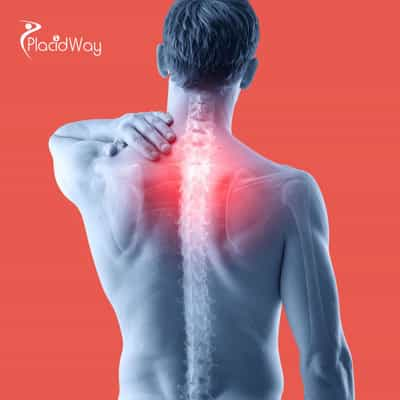
Price starting from $9,500
Comprehensive Stem Cell Therapy for Spinal Cord Injury Package in Mumbai, India
Leading Neurology and Spine Care Center in Navi Mumbai, India
- Stem Cell Therapy
Mumbai,Navi Mumbai

Price starting from $10,000
Stem Cell Therapy for Muscular Dystrophy Package in Middle East Australasia
PlacidWay Emirates
- Stem Cell Therapy
Dubai,UAE

Price starting from $5,000
Stem Cell Therapy for Knee Arthritis Package in Hyderabad India by RegenOrthoSport
RegenOrthoSport - Sports Medicine in Hyderabad India
- Stem Cell Therapy
Hyderabad,India
Stem Cell Therapy Solutions Near You: Explore Top Medical Centers
Discover how Stem Cell Therapy is transforming lives at leading medical centers in , India. Dive into center profile, specialties, doctors, reviews, etc. and explore the best options tailored to your needs in this region.

RegenOrthoSport - Sports Medicine in Hyderabad India
Hyderabad,India
StemRx Hospital and Research Centre
Mumbai,Navi Mumbai

GIOSTAR Hospital Bengaluru
Bengaluru,India

ReeLabs Stem Cells in Mumbai, India
Mumbai,India
Transformative Stem Cell Therapy Experiences: Dive into Procedure Insights
Discover the power of Stem Cell Therapy through compelling patient experiences. Uncover detailed insights into procedures, recovery journeys, and life-changing results.

Stem Cell Therapy in India for Multiple Sclerosis
- Stem Cell Treatment for Multiple Sclerosis,Stem Cell Therapy
India


Price starting from $9,000
Stem Cell Therapy in India for Diabetes Type 2
- Stem Cell Treatment for Diabetes,Stem Cell Therapy
India

Price starting from $8,000
Stem Cell Therapy in India – Costs, Clinics and Treatment Options
- Stem Cell Therapy
India
Explore Stem Cell Therapy: Stories, Testimonials, and Procedures
Watch in-depth videos covering everything from Stem Cell Therapy success stories to detailed procedure explanations. Learn what to expect and hear from real patients.

Knee Pain Stem Cell Treatment in Hyderabad, India by RegenOrthoSport – Causes and Symptoms Explained
RegenOrthoSport - Sports Medicine in Hyderabad India
India
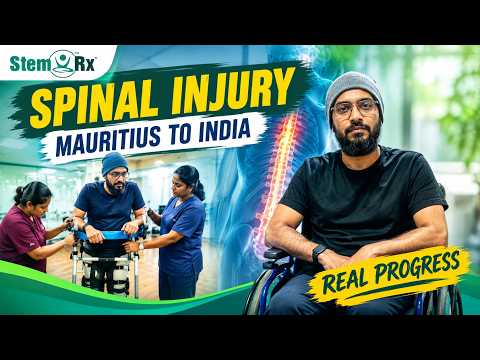
Spinal Cord Injury Treatment & Recovery Journey in India | Patient from Mauritius Shares Experience
StemRx Hospital and Research Centre
India
Sickle Cell Disease & #AVN Recovery | Remarkable Improvement Through Regenerative Treatment in India
StemRx Hospital and Research Centre
India

Osteoarthritis #KneePain Relief with Regenerative Treatment Mumbai |Osteoarthritis Recovery Journey
StemRx Hospital and Research Centre
India
Learn More with These Stem Cell Therapy Articles
Take a look at these interesting articles, stories and research that will help you learn more about Stem Cell Therapy.

Stem Cell Therapy for Parkinson's Disease in India: What Patients Should Evaluate
PlacidWay Medical Tourism
- Stem Cell Therapy
India

Stem Cell Therapy for Motor Neuron Disease in New Delhi, India: Is It Appropriate for You?
PlacidWay India Medical Tourism
- Stem Cell Therapy
India

Is Stem Cell Therapy for Arthritis in India Right for You?
PlacidWay India Medical Tourism
- Stem Cell Therapy
India

Stem Cell Therapy for Anti-Aging in Mumbai: Guide for Bangladeshi Patients
PlacidWay Medical Tourism
- Stem Cell Therapy
India








