
The Full Cost of Stem Cell Therapy for CP in India: Packages, Factors & Comparison
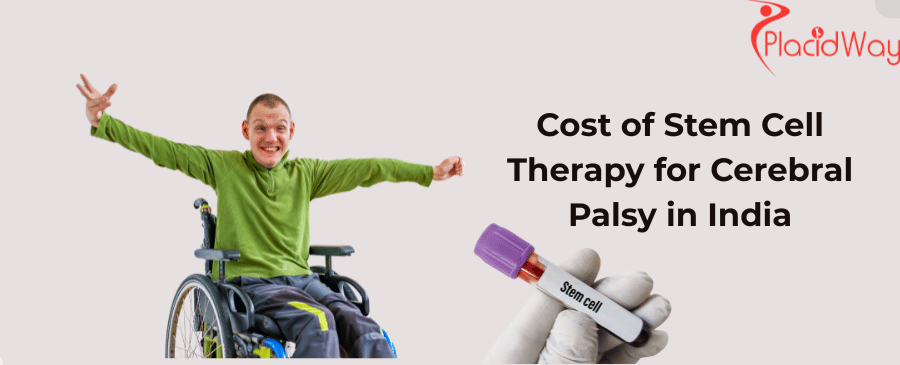
Navigating the options for treating neurodevelopmental disorders requires careful research, extensive medical consultation, and a clear understanding of potential expenses. Families exploring stem cell therapy for cerebral palsy in India often seek comprehensive information regarding affordability, facility standards, and overall medical feasibility. Because regenerative medicine remains an evolving and complex field, understanding both the financial commitment and the clinical realities is an important first step.
While many families report exploring international options due to a combination of accessible costs and available medical infrastructure, it is vital to approach these treatments with realistic expectations. Cerebral palsy is a lifelong condition, and stem cell intervention is currently considered investigational by many global health authorities. Any decision to pursue treatment abroad should involve deep coordination with your primary neurologist and a thorough review of the associated stem cell therapy cost for cerebral palsy in India.
Key Takeaways
- The procedure generally costs between $6,000 and $12,000 per cycle, depending on protocol complexity.
- Stem cell treatments for cerebral palsy are largely investigational; outcomes vary widely from patient to patient.
- Choosing to travel involves additional expenses such as flights, medical visas, and extended accommodation.
- Comprehensive rehabilitation and rigorous physical therapy are crucial components of any regenerative treatment plan.
- Patients must undergo rigorous medical evaluations to determine if they are safe and suitable candidates for this intervention.
What factors influence the stem cell therapy cost for cerebral palsy in India?
When calculating the anticipated expenses, patients must understand that the quoted price is rarely a single, flat fee. Treatment plans are highly individualized. The source of the stem cells plays a major role in pricing. Autologous treatments, which involve harvesting cells from the patient's own bone marrow, require specialized extraction procedures and immediate laboratory processing. Conversely, allogeneic treatments using umbilical cord-derived mesenchymal stem cells involve different procurement and expansion costs.
Furthermore, the reputation and accreditation of the chosen stem cell therapy clinic in India can impact the final bill. Facilities that invest heavily in advanced laboratory standards, rigorous sterilization protocols, and comprehensive multidisciplinary support teams generally charge more for their services. Additional factors include:
- Extensive pre-treatment neurological and hematological evaluations.
- The method of administration, such as intravenous infusion versus intrathecal injection.
- The length of inpatient observation required immediately following the procedure.
- Intensive physical, occupational, and speech therapies integrated into the clinical protocol.
Is stem cell therapy a proven cure for cerebral palsy?
It is crucial to approach regenerative medicine with scientific realism. Cerebral palsy encompasses a group of disorders that affect movement, muscle tone, and posture, resulting from damage to the developing brain. Currently, there is no known medical intervention that can completely reverse or cure this underlying brain damage. Major health organizations worldwide caution against viewing stem cells as a definitive remedy.
However, ongoing clinical research explores whether stem cells can help modulate inflammation, stimulate surrounding healthy tissues, and potentially promote neuroregeneration. Some families and clinical observers note improvements in spasticity, motor function, and cognitive engagement following treatment. Because these outcomes are anecdotal and vary significantly, treatment should only be viewed as one possible component of a broader, lifelong management strategy rather than a standalone cure.
What types of stem cells are used for cerebral palsy treatment in India?
The selection of the stem cell type is a critical clinical decision made by the attending medical team based on the patient's age, weight, and specific medical history. Autologous stem cells are harvested directly from the patient, usually from the hip bone. Because these cells belong to the patient, the risk of immune rejection is effectively eliminated. This method is common but does require a minor surgical procedure under anesthesia for the extraction.
Alternatively, many protocols now utilize allogeneic mesenchymal stem cells. These are carefully screened, processed, and expanded in specialized laboratories from healthy umbilical cord tissue donated after full-term births. These cells are known for their strong anti-inflammatory properties and do not require the patient to undergo a harvesting procedure. A qualified medical professional will determine which cellular source is most appropriate for the individual case.
What does a typical treatment protocol involve at a stem cell therapy clinic in India?
Before any treatment begins, patients undergo exhaustive diagnostic testing. This usually includes blood work, MRI scans of the brain, EEG tests, and consultations with pediatric neurologists to establish a baseline. Once cleared for the procedure, the preparation phase begins. If utilizing autologous cells, the medical team performs a bone marrow aspiration. The extracted marrow is then processed in a specialized laboratory to isolate and concentrate the beneficial cells.
The administration of the cells is typically performed via an intravenous infusion or an intrathecal injection. The intrathecal route involves delivering the cells directly into the spinal canal, allowing them to bypass the blood-brain barrier and reach the central nervous system more efficiently. Following the infusion, patients are monitored for adverse reactions. Shortly thereafter, an intensive, highly structured physical and occupational therapy program begins, designed to help integrate the new cellular activity into functional movement pathways.
Who is considered an ideal candidate for this type of regenerative therapy?
Patient selection is rigorous, as not everyone will respond to or be safe to undergo regenerative procedures. Medical teams often utilize the Gross Motor Function Classification System to assess the severity of the condition and set realistic benchmarks for potential improvement. Patients with active, untreated infections, certain bleeding disorders, or severe, unmanageable epilepsy may be advised against the procedure due to elevated clinical risks.
Furthermore, candidacy heavily relies on the family's understanding of the investigational nature of the treatment and their commitment to long-term post-treatment care. The procedure requires strict adherence to extended physical rehabilitation upon returning home. A thorough evaluation by an independent, unbiased neurologist is strongly encouraged before committing to treatment abroad.
What are the potential risks and side effects of stem cell therapy?
While many clinics report that the procedures are well-tolerated, no medical intervention is entirely without risk. The most commonly reported short-term side effects include low-grade fever, mild fatigue, and temporary soreness or bruising at the site of the injection or bone marrow harvest. These mild symptoms typically resolve within a few days under medical supervision.
More serious complications, though less common, must be considered. Any procedure involving injections into the spinal canal carries a risk of spinal fluid leakage, severe headache, or meningitis. Additionally, there are long-term theoretical risks inherent to regenerative medicine, such as the unintended multiplication of cells leading to tumor formation, though rigorous cell screening aims to mitigate this. Patients and caregivers must weigh these potential risks against the unpredictable benefits.
How long does it take to see potential improvements after treatment?
Regenerative medicine works gradually. The introduced cells require time to adapt to the neurological environment, secrete beneficial growth factors, and potentially aid in modulating systemic inflammation. Families are advised not to expect immediate or dramatic overnight transformations. Often, the earliest signs reported by caregivers include modest reductions in muscle spasticity, slight improvements in focus, or better trunk control.
Because outcomes differ drastically from patient to patient, monitoring progress requires patience and continuous assessment by local healthcare providers. The integration of continuous, rigorous physical therapy during these subsequent months is believed to be vital. Therapy helps train the brain and muscles to utilize any newly facilitated neural pathways, maximizing the chances of functional motor gains.
Why do international patients choose medical tourism in India for this procedure?
The landscape of global healthcare has shifted significantly, allowing patients to seek alternatives when local options are limited or prohibitively expensive. India has developed a robust infrastructure catering specifically to international patients. Many major metropolitan hospitals boast state-of-the-art laboratories and employ specialists who have trained extensively in international medical institutions.
The cost disparity is a primary driver. Procedures that might cost tens of thousands of dollars in some parts of the world are often available at a fraction of the price in South Asia, without necessarily compromising on hygiene or laboratory standards in accredited facilities. Additionally, the widespread proficiency in English among Indian medical professionals ensures smooth communication, which is crucial when discussing complex pediatric neurology and rehabilitation plans.
What additional expenses should patients consider when traveling for treatment?
Evaluating the true financial commitment requires looking beyond the basic medical quote. Traveling abroad for complex pediatric care involves significant logistical planning. The patient and at least one or two caregivers will need round-trip airfare, which can fluctuate depending on the season and departure location. Securing the appropriate medical visas also incurs governmental processing fees.
Because the recommended stay is often between two and four weeks to accommodate therapy and observation, lodging becomes a substantial expense. Families often require accessible accommodations close to the medical facility, which may cost more than standard tourist hotels. Furthermore, patients must financially prepare for the intensive local physical therapy required once they return to their home country, as this ongoing care is vital for long-term management.
How can families verify the credentials of medical facilities offering this therapy?
Thorough due diligence is imperative when selecting a healthcare provider abroad. In India, the clinical application of cellular therapies is subject to regulatory oversight and specific guidelines issued by national medical research bodies. Families should ask prospective clinics directly about their compliance with these national research and ethical standards.
It is also advisable to look for institutional accreditations. Hospitals holding certifications from the Joint Commission International or the National Accreditation Board for Hospitals and Healthcare Providers are regularly audited for patient safety, clinical hygiene, and operational protocols. Families should request transparent documentation of the clinic's laboratory processing standards, infection control rates, and the board-certification status of the lead neurologists and cellular biologists on staff.
Why Choose PlacidWay for Medical Tourism?
PlacidWay connects international patients with a diverse network of healthcare providers, facilitating informed decisions regarding complex medical journeys.
- Access to Global Options: PlacidWay provides detailed profiles of numerous medical facilities across various countries, allowing you to review different clinical approaches.
- Cost Transparency: The platform helps patients request initial cost estimates, enabling side-by-side financial comparisons before committing to travel.
- Educational Resources: PlacidWay offers informative articles and patient guides that explain the basics of specific procedures and medical travel considerations.
- Multilingual Assistance: The service features support teams capable of overcoming language barriers when interacting with international hospital administrators.
- Direct Provider Communication: Patients can use the platform to send inquiries directly to international specialists to ask specific medical questions and request virtual consultations.
Frequently Asked Questions
How many stem cell sessions are usually required for cerebral palsy?
The number of sessions depends on the patient's condition, age, and response to initial treatments. Typically, treatment protocols involve one to three major infusion sessions, often spread out over several days or a few weeks, though ongoing therapy may be recommended later.
Does health insurance cover stem cell therapy in India?
Because stem cell therapy for cerebral palsy is largely considered investigational, most standard health insurance policies do not cover the cost of the procedure. Patients traveling from abroad usually pay out of pocket for these treatments.
Can stem cell therapy replace physical therapy for cerebral palsy?
No. Stem cell therapy is not a replacement for traditional therapies. Comprehensive physical, occupational, and speech therapies remain essential components of managing cerebral palsy and are almost always required alongside any regenerative treatments to help maximize potential motor improvements.
What is the recommended age to start stem cell treatment for cerebral palsy?
There is no universally standardized age, but many researchers and clinicians suggest that earlier intervention may yield better neurodevelopmental responses. Eligibility is determined on a case-by-case basis by specialized neurologists and regenerative medicine specialists.
Are the stem cells used ethically sourced?
Reputable facilities adhere to strict ethical guidelines. Treatments typically utilize autologous stem cells derived from the patient's own bone marrow or allogeneic mesenchymal stem cells sourced from ethically obtained, donated umbilical cord tissue following healthy births.
Is it safe to fly immediately after receiving stem cell therapy?
Most medical professionals advise waiting a few days to a week before flying back home. This observation period allows the medical team to monitor for any immediate side effects, such as minor fevers or injection site discomfort, ensuring the patient is stable for international travel.
Do clinics in India provide post-treatment follow-up?
Quality healthcare providers usually offer remote follow-up consultations via video calls or email. They track the patient's progress, coordinate with local pediatricians or physical therapists back home, and advise on long-term rehabilitation strategies.
How long do patients typically need to stay in India for treatment?
Medical tourists generally stay in the country for two to four weeks. This timeframe accounts for initial consultations, medical evaluations, the treatment days, short-term observation, and the initiation of specialized post-treatment physical therapy.
Will my child need to stop their current medications before treatment?
Medication adjustments depend entirely on the specific drugs being taken. Blood thinners, certain anti-seizure medications, or immune-suppressing drugs might need temporary modification, but this must only be done under strict guidance from the overseeing medical team.
Are there specific medical visas required for treatment in India?
Yes, international patients seeking treatment should apply for an official Medical Visa. The treating facility typically provides a formalized invitation letter detailing the planned medical intervention, which is submitted alongside the visa application to the appropriate embassy.
Explore Your Treatment Options
Gather the information you need to make an informed decision. Request detailed facility information and preliminary cost estimates today.
Request Treatment InformationReferences
- FDA Warns About Stem Cell Therapies – U.S. Food and Drug Administration
- Stem Cell Intervention Care Pathway – American Academy for Cerebral Palsy and Developmental Medicine
- Clinical Trials involving Cerebral Palsy and Stem Cells – National Institutes of Health
- National Guidelines for Stem Cell Research – Indian Council of Medical Research
- Medical Tourism Guidance – Centers for Disease Control and Prevention
- Stem Cells and Cerebral Palsy – Cerebral Palsy Alliance
- Ethics and Regenerative Medicine – World Health Organization




















Share this listing