
Transform Your Skin with Anti Aging Stem Cell Treatments in India
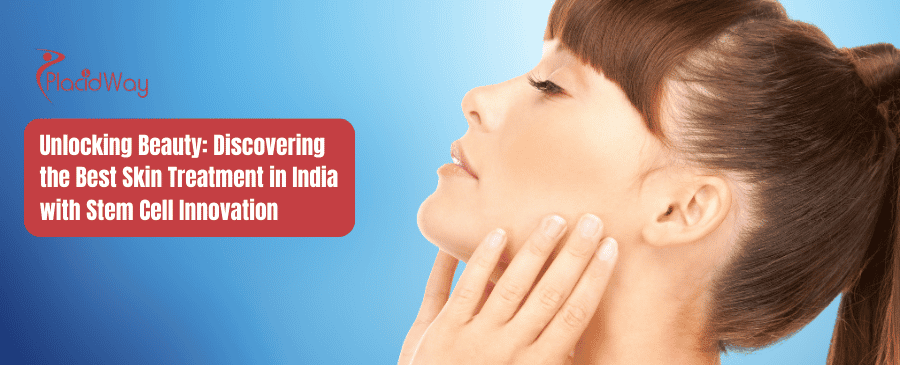
In recent years, the intersection of dermatology and regenerative medicine has sparked immense interest among patients looking for alternatives to traditional cosmetic surgery. If you are exploring stem cell skin treatment in India, you are looking at a destination known for its expanding healthcare infrastructure and specialized dermatological care. Understanding how these treatments work, what they involve, and the realities of traveling for medical care is vital before making any health-related decisions.
This comprehensive guide explores the ins and outs of cellular skin therapies, answering the most pressing questions patients have when considering international options for aesthetic and regenerative dermatology.
Key Takeaways
- Autologous stem cell therapy uses your own body's tissues (often fat or blood) to encourage natural cellular repair.
- The procedure may help address concerns like acne scarring, hyperpigmentation, and loss of skin elasticity.
- A thorough pre-treatment medical evaluation is mandatory to determine safety and suitability.
- While treatment costs are generally competitive in India, final expenses depend on clinic standards and required sessions.
- Careful planning for recovery, post-procedure sun protection, and local follow-up care is essential for your safety.
What is stem cell skin treatment and how does it function?
The core concept behind this therapy is cellular regeneration. As we age, our natural production of collagen and elastin slows down, leading to wrinkles, thinning skin, and a loss of volume. Stem cells are unique because they have the potential to develop into different types of cells and can release growth factors that signal surrounding tissues to repair and renew themselves.
In dermatological applications, doctors often extract Mesenchymal Stem Cells (MSCs) from a patient's own adipose (fat) tissue via a minor liposuction procedure. Once harvested, these cells are isolated, concentrated, and then reintroduced into the targeted areas of the face or body, usually through micro-injections or microneedling. The goal is to create a microenvironment that encourages the skin to heal from the inside out, potentially resulting in a smoother, more radiant complexion over time.
It is helpful to note that this field is still evolving. While many patients report positive outcomes, regenerative medicine for aesthetic purposes requires careful application by highly trained medical professionals to ensure both safety and efficacy.
What specific skin concerns might this therapy address?
Patients seek regenerative skin treatments for a variety of cosmetic and structural concerns. Because stem cells can promote tissue remodeling, they are frequently utilized for:
- Signs of Aging: Helping to soften fine lines, wrinkles, and crow's feet by potentially restoring lost facial volume and improving elasticity.
- Scarring: Addressing atrophic (depressed) acne scars or minor surgical scars by stimulating new tissue growth in the affected areas.
- Sun Damage and Pigmentation: Aiding in the cellular turnover process to help fade sunspots, melasma, and uneven skin tone.
- Skin Texture: Providing overall rejuvenation for dull, tired-looking skin by enhancing hydration and blood flow to the epidermis.
However, it is crucial to understand that stem cell therapy is not a magic eraser. Outcomes vary significantly from person to person. A treatment that dramatically improves scarring in one patient might yield more subtle results in another. A comprehensive consultation is required to set realistic expectations based on your specific skin type and the severity of your concerns.
How much does stem cell skin treatment cost in India?
Understanding the financial aspect of medical care abroad is a primary concern for many patients. The costs for regenerative therapies in India are frequently lower than those found in North America, Europe, or Australia, which is a major driver for international patients.
Several variables influence the final price you might pay. The complexity of the cell extraction process plays a large role; drawing blood for Platelet-Rich Plasma (PRP)—often marketed alongside stem cells—is significantly less expensive than performing minor liposuction to harvest adipose-derived stem cells. Additionally, the number of sessions required, the size of the treatment area, and the expertise of the dermatologist all impact the total cost.
| Cost Factor | Impact on Final Price |
|---|---|
| Source of Cells | Adipose (fat) extraction involves more clinical time and equipment than blood draws. |
| Clinic Location | Facilities in major metropolitan areas may charge more due to higher operational costs. |
| Combination Therapies | Pairing stem cells with lasers or microneedling increases the overall estimate. |
When budgeting, remember to factor in travel, accommodation, visas, and potential follow-up visits, as these are separate from the clinical fees.
Am I a good candidate for regenerative skin procedures?
Suitability for stem cell skin treatments goes beyond simply wanting a more youthful appearance. Because the most common procedures use your own biological material, your overall health directly impacts the quality of the cells harvested and your body's ability to heal.
During a consultation, an appropriately qualified healthcare professional will review your medical history. You may not be a suitable candidate if you are currently pregnant or nursing, have active acne flare-ups or skin infections, suffer from uncontrolled diabetes, or are taking blood-thinning medications that cannot be temporarily paused. Furthermore, individuals with a history of keloid scarring may need to approach microneedling or injection-based therapies with caution.
A good candidate also has realistic expectations. Regenerative therapies improve the canvas of the skin but do not replace the structural lifting effects of surgical interventions like a facelift.
What is the typical recovery process like?
One of the appealing aspects of many stem cell skin treatments is the relatively manageable recovery period compared to invasive surgery. If the cells are applied via microneedling or shallow injections, patients usually experience a sensation similar to a mild sunburn immediately following the procedure. The skin may appear red, tight, and slightly swollen.
If fat harvesting was involved, you will also have a small bandage and potential bruising at the donor site (such as the abdomen or thigh). This area may feel tender for several days to a week.
During the first 48 to 72 hours, it is crucial to keep the treated facial area clean and completely protected from direct sunlight. Most dermatologists will advise against using makeup, harsh cleansers, or active skincare ingredients (like retinoids or Vitamin C) until the skin barrier has sufficiently healed. Adhering to the specific aftercare instructions provided by your clinical team can help prevent complications and support the regenerative process.
Are there risks or side effects associated with this therapy?
Patient safety must always be the top priority. While using autologous cells (your own body's cells) significantly reduces the risk of allergic reactions or rejection, the procedure is not entirely without risk. Anytime the skin is punctured, whether for harvesting fat or injecting cells, there is a possibility of introducing bacteria.
Potential side effects and complications may include:
- Prolonged swelling, bruising, or pinpoint bleeding at the injection sites.
- Infection at the donor extraction site or the facial treatment area.
- Asymmetry or uneven skin texture if the application is not performed uniformly.
- Scarring, particularly if post-care instructions are not strictly followed.
Furthermore, because the field of regenerative aesthetics is still undergoing extensive research, long-term data on efficacy is still being gathered. It is essential to discuss all potential risks with your provider and never minimize these risks simply to pursue a cosmetic goal.
How do I choose a safe stem cell skin clinic in India?
Selecting the right facility is arguably the most critical step in your medical tourism journey. A reputable stem cell skin clinic in India will prioritize transparency, patient safety, and realistic outcome planning over aggressive sales tactics.
Start by researching the medical credentials of the treating physicians. Look for doctors who are board-certified in dermatology or plastic surgery, and who have verifiable, specialized training in regenerative medicine. The facility itself should ideally hold accreditations from recognized health organizations, which indicates a commitment to standardized safety and hygiene protocols.
During your preliminary virtual consultations, pay attention to how the clinic communicates. A responsible provider will clearly outline the risks, ask extensive questions about your medical history, and avoid guaranteeing flawless results. Beware of any clinic that downplays potential complications or pressures you into booking a procedure immediately.
What role does medical tourism in India play in regenerative dermatology?
The landscape of medical tourism in India has evolved rapidly, expanding far beyond complex surgeries to include advanced aesthetic and dermatological care. Many major Indian cities host modern clinics equipped with sophisticated technology for cellular processing and extraction.
International patients are often drawn to the high standard of English spoken by medical professionals in India, which greatly reduces the anxiety of miscommunication during complex medical discussions. Furthermore, many dedicated medical tourism hospitals have specialized departments designed to assist international patients with coordinating appointments, understanding treatment plans, and navigating local medical protocols.
However, traveling abroad for medical care requires careful logistical planning. You must account for the physical toll of long-haul travel, ensure you have adequate time in the country for initial recovery and follow-up, and plan for how you will handle any complications should they arise after you return home.
How long does it take to see results from stem cell therapy?
Patience is essential when undergoing regenerative skin treatments. Unlike dermal fillers, which provide immediate volume, stem cell therapy relies on your body's biological processes to rebuild collagen and repair tissue. This cellular turnover does not happen overnight.
While you may notice a temporary "glow" a few days after the initial redness subsides—often due to mild swelling—the true structural changes occur beneath the surface over a period of weeks and months. Many patients report the most significant improvements between the three-month and six-month marks, as new collagen networks mature and integrate.
Additionally, depending on the severity of your skin concerns, a single session may not be sufficient. Your dermatologist may outline a treatment plan that involves multiple sessions spaced out over several months to achieve and maintain optimal results.
What post-treatment care is required when returning home?
The success and safety of your treatment do not end when you leave the clinic in India. Post-treatment care is a critical component of regenerative medicine. Upon returning to your home country, you must protect the newly treated skin from ultraviolet (UV) radiation, which can easily damage healing tissue and cause hyperpigmentation. A high-SPF, broad-spectrum sunscreen is mandatory.
You may also need to modify your daily skincare routine, avoiding exfoliants, acids, and harsh active ingredients until a medical professional confirms your skin barrier is fully restored. Gentle hydration and cleansing are usually recommended during this phase.
Crucially, you should have a plan in place for local medical support. Before traveling, it is wise to establish a relationship with a local dermatologist or primary care physician who is aware of your overseas treatment. If you experience unusual swelling, intense pain, signs of infection, or adverse reactions weeks after returning home, you will need immediate access to a qualified healthcare provider for assessment and intervention.
Why Choose PlacidWay for Medical Tourism?
Navigating international healthcare options requires access to reliable information. Here is how PlacidWay assists patients researching treatments abroad:
- Provides access to informational resources and profiles of medical facilities globally.
- Allows patients to compare estimated costs for various dermatological and medical treatments.
- Facilitates initial communication between international patients and healthcare providers.
- Offers a centralized platform to review clinic accreditations and doctor qualifications independently.
- Helps individuals gather the necessary details to make informed, personalized healthcare decisions.
Frequently Asked Questions
Is stem cell therapy for the skin painful?
Most patients report only mild discomfort. Dermatologists typically apply a topical numbing cream before the procedure to minimize pain during injections or microneedling.
Can stem cell treatment replace a surgical facelift?
No, stem cell treatments focus on improving skin texture, tone, and cellular health. They cannot remove significantly sagging skin or provide the structural lifting that a surgical facelift offers.
Are the results of stem cell skin treatments permanent?
Results are not permanent because the natural aging process continues. However, many patients experience long-lasting improvements in skin quality that can be maintained with occasional follow-up sessions.
How many sessions are usually required?
The number of sessions depends on your specific skin concerns and the treatment protocol. Many dermatologists recommend a series of 3 to 4 sessions spaced several weeks apart for optimal results.
What is the difference between PRP and stem cell therapy?
PRP (Platelet-Rich Plasma) uses growth factors from your blood to stimulate healing, while stem cell therapy uses actual regenerative cells (often from fat tissue) that can transform into different cell types to repair tissue.
Can individuals with sensitive skin undergo this treatment?
Generally, yes. Because autologous treatments use your body's own cells, allergic reactions are rare. However, a dermatologist must evaluate your skin to ensure you do not have active conditions that could flare up.
Is it safe to travel immediately after a stem cell skin procedure?
It is usually advisable to wait a few days before taking a long flight. Flying immediately can exacerbate swelling and increase the risk of infection. Always follow your doctor's specific travel clearance guidelines.
Will my insurance cover stem cell treatments in India?
Stem cell therapies for cosmetic skin rejuvenation are considered elective and experimental by most insurance providers, meaning they are rarely covered by health insurance policies.
How are the stem cells usually harvested for skin therapies?
For autologous treatments, cells are typically harvested through a minor liposuction procedure to extract a small amount of fat from the abdomen or thighs, which is then processed to isolate the regenerative cells.
Can I combine stem cell therapy with other cosmetic procedures like lasers?
Yes, dermatologists frequently combine regenerative therapies with laser treatments or microneedling to potentially enhance collagen production and overall results, but this depends on your individual suitability.
Ready to Explore Your Options?
Compare treatment options and gather the information you need to make an informed decision about your dermatological care.
Request Treatment InformationReferences
- Platelet-rich plasma: What you should know – American Academy of Dermatology (AAD)
- FDA Warns About Stem Cell Therapies – U.S. Food and Drug Administration
- Stem Cells in Dermatology and Anti-aging Care – National Institutes of Health (NIH)
- Stem cells: What they are and what they do – Mayo Clinic
- Medical Tourism Guidelines – Centers for Disease Control and Prevention (CDC)
- Guidelines on Dermatological Care – Indian Association of Dermatologists, Venereologists and Leprologists (IADVL)
- Stem Cell Therapy Overview – International Society of Aesthetic Plastic Surgery (ISAPS)
























Share this listing