


Stem Cell Therapy for Paralysis in India: Cost, Success Rate & Best Clinics

When someone faces paralysis, it profoundly impacts their life, limiting mobility and independence. For years, conventional treatments have focused on managing symptoms and rehabilitation. However, modern medicine continues to seek more restorative solutions, and stem cell therapy has emerged as a beacon of hope for many. In India, a country known for its medical advancements and growing healthcare sector, the potential of stem cell therapy to treat paralysis is a frequently discussed topic.
India's medical landscape has embraced research and innovation in regenerative medicine, positioning itself as a destination where advanced therapies are investigated. While it's crucial to understand that stem cell therapy for paralysis is largely in its investigational stages rather than a universally approved standard treatment, many clinics and research institutions in India are actively involved in clinical trials and compassionate use programs. This commitment offers a glimpse into a future where damaged neural pathways might be repaired, offering new possibilities for individuals living with paralysis due to spinal cord injuries, stroke, or other neurological conditions.
Is stem cell therapy for paralysis approved in India?
The regulatory landscape for stem cell therapy in India is overseen by the Indian Council of Medical Research (ICMR) and the Drug Controller General of India (DCGI). Currently, stem cell therapy for paralysis is not granted full marketing approval as a routine treatment. Instead, it is primarily conducted within the framework of approved clinical trials designed to rigorously evaluate its safety and efficacy. This means that patients may access these treatments only if they meet specific criteria for participation in ongoing research studies.
Some institutions also offer stem cell therapies under "compassionate use" guidelines for patients with life-threatening or debilitating conditions who have exhausted conventional treatment options, provided there is sufficient scientific rationale and ethical oversight. It is important for patients and their families to verify the regulatory status of any proposed stem cell treatment and ensure it is offered by a credible institution adhering to ethical guidelines and national regulations.
How does stem cell therapy work for paralysis?
The fundamental principle behind stem cell therapy for paralysis lies in the unique properties of stem cells. These are undifferentiated cells that have the remarkable ability to develop into many different cell types, including nerve cells, and can self-renew. When introduced into the body, particularly near damaged areas in the spinal cord or brain, they can contribute to healing in several ways:
- Differentiation: Stem cells can potentially replace damaged or lost neurons and glial cells, which are crucial for nerve function and support.
- Neuroprotection: They release growth factors and other molecules that protect existing nerve cells from further damage and promote their survival.
- Immunomodulation: Stem cells can modulate the immune response, reducing inflammation that often exacerbates injury and hinders recovery in conditions like spinal cord injury.
- Angiogenesis: They can stimulate the formation of new blood vessels, improving blood flow and nutrient supply to the injured tissue, which is vital for repair and regeneration.
The most commonly used types of stem cells in paralysis research include mesenchymal stem cells (MSCs), often derived from bone marrow or adipose tissue, and neural stem cells or induced pluripotent stem cells (iPSCs). These cells are typically administered via injection directly into the spinal fluid, the injury site, or intravenously, depending on the specific protocol and type of paralysis.
What types of paralysis can stem cell therapy potentially treat?
Stem cell therapy holds promise for a range of conditions that lead to paralysis. The primary focus areas in India and globally include:
- Spinal Cord Injury (SCI): This is one of the most significant areas of research. Stem cells are investigated for their ability to repair damaged neural pathways, reduce scar tissue formation, and promote nerve regeneration following traumatic injuries to the spinal cord, which often result in paraplegia or quadriplegia.
- Stroke: Paralysis resulting from a stroke is due to damage to brain tissue. Stem cells are being studied for their potential to replace damaged brain cells, reduce inflammation, and improve functional recovery in stroke survivors.
- Cerebral Palsy: For children with cerebral palsy, which affects muscle movement and coordination, stem cell therapy is explored to potentially improve motor function by repairing or replacing damaged brain cells and reducing inflammation.
- Neurodegenerative Diseases: Conditions like Multiple Sclerosis (MS) and Amyotrophic Lateral Sclerosis (ALS) can also lead to paralysis. Stem cell research for these diseases aims to slow disease progression, protect nerve cells, and improve neurological function.
It's important to note that the effectiveness varies significantly depending on the underlying cause, severity, and duration of paralysis. Patients with incomplete injuries, where some nerve connections remain, often show more promising responses compared to those with complete spinal cord transections.
What are the benefits of stem cell therapy for paralysis?
While the benefits are still largely observed in clinical trial settings and individual patient experiences can vary, the potential advantages of stem cell therapy for paralysis are compelling:
- Improved Motor Function: Patients might experience partial restoration of movement in paralyzed limbs, leading to increased independence.
- Enhanced Sensation: A return of feeling, including touch and temperature, can be a significant improvement, offering better awareness and safety.
- Reduced Spasticity: Many individuals with paralysis suffer from muscle spasticity. Stem cells may help reduce this, leading to greater comfort and easier rehabilitation.
- Better Bladder and Bowel Control: Autonomic functions are often affected by paralysis. Improvements in these areas can drastically enhance daily living and quality of life.
- Pain Reduction: Neuropathic pain is common in paralysis. Stem cell therapy might help in reducing chronic pain.
- Overall Quality of Life: Even minor improvements in function or sensation can have a profound positive impact on a patient's psychological well-being and ability to participate in daily activities.
These potential benefits underscore why stem cell therapy remains a highly sought-after area of research and treatment for those affected by paralysis, offering hope where traditional methods have limitations.
What are the risks and side effects of stem cell therapy?
As with any medical procedure, stem cell therapy carries potential risks and side effects. It's crucial for patients to be fully informed before considering any treatment:
- Infection: Any invasive procedure, especially involving injections, carries a risk of infection at the site of administration or, in rare cases, systemic infection.
- Immune Rejection: If allogeneic (donor) cells are used, there is a risk of the recipient's immune system rejecting the foreign cells, leading to inflammation or failure of the treatment. Autologous (patient's own) cells significantly reduce this risk.
- Tumor Formation (Teratomas): While rare, particularly with adult mesenchymal stem cells, some types of pluripotent stem cells have a theoretical risk of forming tumors if not properly controlled and differentiated before transplantation.
- Adverse Reactions: Patients might experience short-term side effects such as fever, headache, nausea, or localized pain at the injection site.
- Ineffectiveness: There is always a possibility that the treatment may not yield the desired therapeutic benefits, particularly for conditions where research is still early.
Choosing a reputable clinic that follows strict sterile protocols and uses ethically sourced, quality-controlled stem cells is paramount to minimizing these risks. Transparency about potential side effects and thorough patient screening are also essential components of responsible stem cell therapy.
How much does stem cell therapy for paralysis cost in India?
India is renowned for offering high-quality medical treatments at a fraction of the cost found in many Western countries, making it a popular destination for medical tourism. However, the cost of stem cell therapy for paralysis can fluctuate widely based on several factors:
- Type of Stem Cells: The source of stem cells (e.g., bone marrow, adipose tissue, umbilical cord) and the complexity of their processing and preparation can influence the cost.
- Number of Sessions: Often, multiple treatment cycles are required, and the total cost will depend on the recommended number of sessions.
- Clinic and Location: Prestigious hospitals or specialized stem cell centers in major cities may have higher costs compared to smaller facilities.
- Included Services: The price typically covers the stem cell procedure itself, but it's important to clarify if it includes pre-treatment diagnostics, post-treatment care, rehabilitation, accommodation, and consultation fees.
While costs are generally lower than in North America or Europe, patients should always request a detailed breakdown of expenses and understand what is included in the package. It's crucial to prioritize quality and safety over just the lowest price.
What should international patients know about seeking stem cell therapy for paralysis in India?
India has emerged as a significant hub for medical tourism, attracting patients globally seeking advanced and affordable healthcare. For those considering stem cell therapy for paralysis, several key points are essential:
- Research and Accreditation: Seek clinics and hospitals that are internationally accredited (e.g., JCI - Joint Commission International) or nationally recognized (e.g., NABH - National Accreditation Board for Hospitals & Healthcare Providers). This ensures adherence to high standards of patient care and safety.
- Regulatory Understanding: Be aware that while India is progressive in stem cell research, therapy for paralysis is often experimental. Verify that the chosen clinic operates within the established regulatory guidelines for clinical trials or compassionate use.
- Doctor's Credentials: Ensure that the medical team, especially the neurologists and stem cell specialists, have appropriate qualifications, experience, and are board-certified.
- Travel Logistics: Plan for visa requirements, accommodation, and local transport. Many medical tourism facilitators can assist with these arrangements.
- Post-Procedure Care and Rehabilitation: Understand the follow-up care plan, including the need for intensive physiotherapy and rehabilitation, which is critical for maximizing potential outcomes. Factor in the duration of stay required for these services.
Open communication with the medical team about expectations, potential outcomes, and the full scope of treatment is vital for a positive experience.
How do I find a reputable stem cell clinic for paralysis treatment in India?
Identifying a reputable clinic is paramount when considering advanced treatments like stem cell therapy. Here's a guide to help your search in India:
- Accreditation: Prioritize facilities accredited by national bodies like NABH (National Accreditation Board for Hospitals & Healthcare Providers) or international organizations like JCI (Joint Commission International). These accreditations signify adherence to strict quality and patient safety standards.
- Transparency in Research: Reputable clinics will be transparent about their participation in clinical trials, the types of stem cells they use, their sourcing, and the scientific rationale behind their treatments. They should readily provide information on past research and outcomes, avoiding exaggerated claims.
- Specialized Medical Team: Look for clinics that employ a multidisciplinary team, including neurologists, neurosurgeons, rehabilitation specialists, and experienced stem cell biologists. Their expertise is crucial for comprehensive care.
- Ethical Practices: Ensure the clinic follows ethical guidelines for stem cell research and therapy, especially regarding patient consent and regulatory compliance.
- Patient Testimonials and Reviews: While individual results vary, positive testimonials and genuine patient reviews can offer insights into the clinic's quality of care and patient experience. Look for consistent feedback, but be wary of overly optimistic or unrealistic claims.
Always ask detailed questions about the treatment protocol, potential risks, expected outcomes, and the clinic's success rates for similar cases. A reputable clinic will provide clear, evidence-based answers.
What is the typical recovery process after stem cell therapy for paralysis?
The journey after receiving stem cell therapy for paralysis is not instantaneous; it's a process that requires patience and dedication. The typical recovery involves several stages:
- Immediate Post-Procedure: Patients are typically monitored for a few days to ensure there are no immediate adverse reactions and to manage any discomfort. Depending on the method of stem cell delivery (e.g., intrathecal, intravenous), recovery from the procedure itself is usually swift.
- Intensive Rehabilitation: This is a critical component of the recovery process. Stem cells are thought to create an environment conducive to healing and regeneration, but physical and occupational therapy are essential to "retrain" the nervous system and muscles. This can include targeted exercises, hydrotherapy, gait training, and electrostimulation.
- Long-Term Follow-up: Functional improvements, if they occur, can be gradual and may take several months to a year or even longer to become evident. Regular follow-up appointments with the medical team are necessary to monitor progress, adjust rehabilitation plans, and address any concerns.
Success depends not only on the stem cell treatment but significantly on the patient's commitment to rehabilitation. A multidisciplinary approach involving doctors, physiotherapists, occupational therapists, and even psychologists is often recommended to support the patient holistically.
Are there alternatives to stem cell therapy for paralysis in India?
While stem cell therapy offers a potential new avenue, a range of established and evolving treatments exist for paralysis in India. These conventional approaches are often the first line of treatment and remain vital for managing the condition and improving quality of life:
- Intensive Rehabilitation: Physiotherapy, occupational therapy, and speech therapy are cornerstones of paralysis management. They help patients regain strength, improve motor skills, learn compensatory strategies, and enhance independence in daily activities.
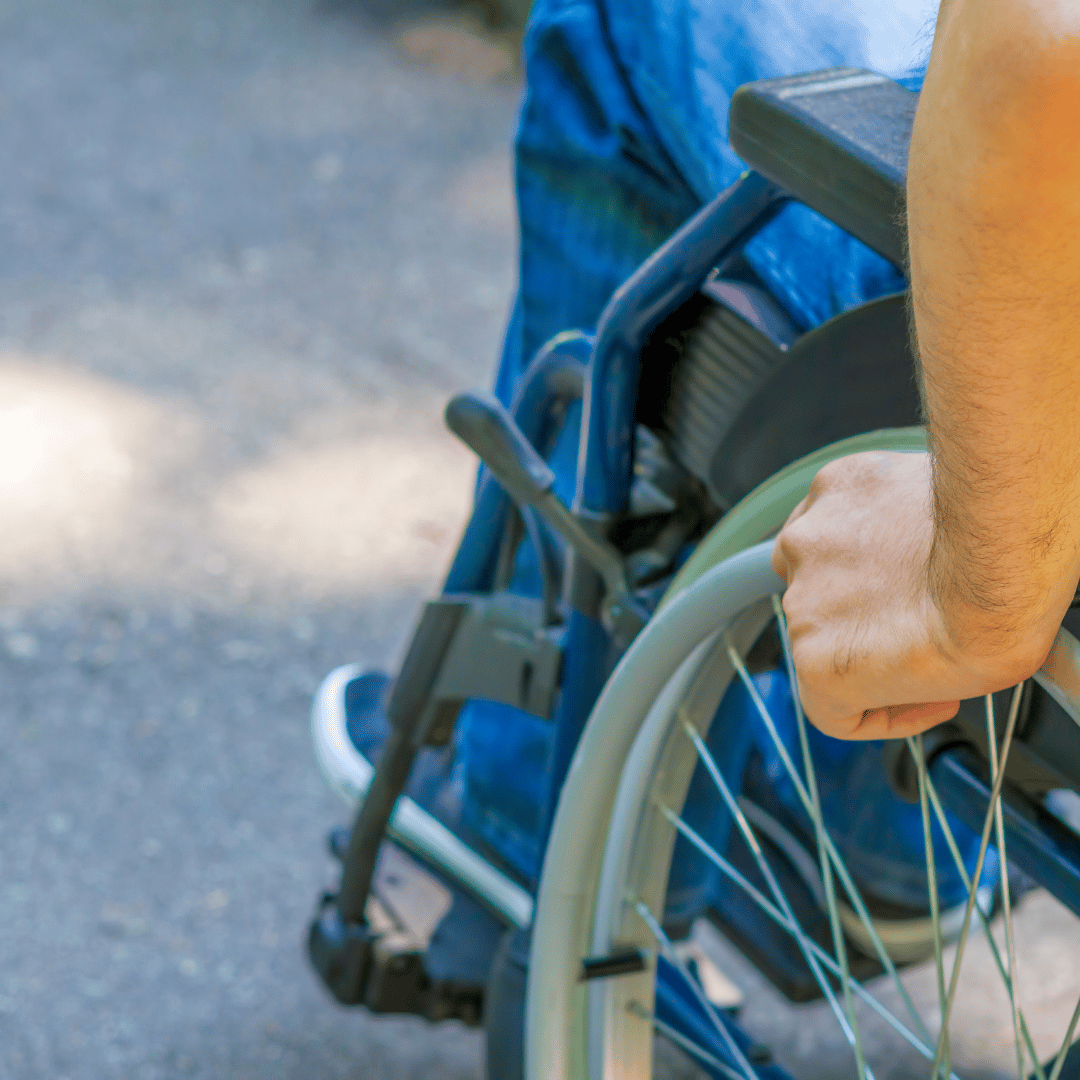
- Assistive Devices: Wheelchairs, braces, walkers, and other adaptive equipment play a crucial role in mobility and functionality. Advanced neuroprosthetics and robotic exoskeletons are also becoming more accessible.
- Surgical Interventions: For cases of spinal cord compression or instability, surgical procedures may be performed to decompress the spinal cord, stabilize the spine, or repair nerve damage.
- Pharmacological Treatments: Medications are used to manage symptoms such as spasticity, neuropathic pain, bladder dysfunction, and bowel issues, significantly improving comfort and function.
- Complementary Therapies: Approaches like acupuncture, yoga, and meditation are sometimes integrated into care plans for pain management, stress reduction, and overall well-being.
A comprehensive treatment plan often combines several of these approaches, tailored to the individual's specific type and cause of paralysis, aiming to optimize functional recovery and enhance their quality of life.
Considering advanced treatment options or medical tourism for paralysis or other complex conditions? Explore PlacidWay's network of world-class healthcare providers and personalized solutions to find the right path for your health journey.


.png)



.png)
.png)




-(2).png)














Share this listing