


Transformative Stem Cell Therapy for Paralysis: Dr. Pravin Patel's Breakthrough Protocol
For decades, a diagnosis of paralysis following a traumatic spinal cord injury, stroke, or severe neurological disorder was considered an absolute, irreversible endpoint. Patients and their families were routinely instructed to adapt to a lifetime of profound immobility, chronic pain management, and heavy reliance on mechanical assistive devices. Modern medical science, however, is rewriting the rules of neurological recovery through the power of targeted regenerative medicine.
Today, the landscape of motor recovery is experiencing a paradigm shift. Paralysis treated with stem cells by Dr. Pravin Patel at the Innovative Hospital & Research Center is demonstrating that damaged nerve tissues can indeed be stimulated to repair and regenerate. Watch to understand how highly advanced cellular therapies are bridging the gap between irreversible nerve damage and restored independence, attracting global medical tourists to this premier medical institution.
Video Chapters & Quick Navigation
The Devastating Reality of Spinal Cord Injuries and Paralysis
When the spinal cord sustains a severe traumatic injury, the communication superhighway between the brain and the rest of the body is abruptly severed. This disconnection leads to various degrees of paralysis, ranging from paraplegia affecting the lower limbs to quadriplegia impacting the entire body. Traditional medical approaches have historically focused on preventing further injury immediately after the trauma, rather than actively repairing the damaged neural pathways.
The standard of care for decades relied heavily on aggressive physical therapy, occupational training, and psychological counseling to help patients manage their new reality. While these supportive therapies remain crucial for maintaining muscle tone and preventing contractures, they do not address the root cause of the immobility: dead and dormant nerve cells. The inability of the central nervous system to regenerate itself efficiently has remained one of the greatest challenges in modern medical science.
However, the narrative surrounding neurological damage is evolving at a rapid pace. Researchers and clinicians have recognized that the environment surrounding a spinal cord injury is highly toxic to cellular survival, filled with inflammatory markers and scar tissue. Overcoming this hostile environment is the absolute first step required to restore lost motor functions and improve the patient's overall quality of life.
The Shift to Regenerative Medicine and the Stem Cell Solution
Regenerative medicine has introduced an entirely new methodology for approaching catastrophic nerve damage. Rather than accepting the damaged tissue as permanent, treatments now focus on utilizing the body’s own biological building blocks to initiate a profound healing response. Stem cell therapy for paralysis recovery stands at the very forefront of this medical revolution, offering a biological bridge across damaged neural segments.
Stem cells are unique, unspecialized cells characterized by their extraordinary ability to divide, multiply, and differentiate into specific types of cells that the body desperately needs. In the context of neurological trauma, mesenchymal stem cells (MSCs) are particularly valuable due to their potent regenerative properties. These cells can be harvested safely from the patient's own bone marrow or adipose (fat) tissue, ensuring a high degree of biocompatibility and virtually eliminating the risk of tissue rejection.
Autologous vs. Allogeneic Cell Sourcing
The success of regenerative treatments heavily depends on the source and quality of the cells being utilized. Autologous stem cell treatments, which use the patient's own biological material, remain the gold standard for treating severe neurological deficits. This method ensures that the patient's immune system recognizes the introduced cells as self, allowing for a seamless integration process.
In cases where a patient's own cells may be depleted due to age or underlying health conditions, highly purified allogeneic cells from ethically sourced, rigorously screened donors can be utilized. Leading institutions ensure that all cellular products undergo extensive laboratory processing and expansion to achieve the highest possible therapeutic yield before administration.
Mechanisms of Action: How Stem Cells Repair Nerve Damage
The fundamental question many patients ask is exactly how stem cells are capable of reversing paralysis when nothing else works. The healing process is multifaceted, relying on several distinct biological mechanisms that occur simultaneously. First and foremost is immunomodulation; stem cells actively secrete anti-inflammatory cytokines that cool down the chronic inflammation surrounding the spinal cord injury site.
Once the toxic, inflammatory environment is neutralized, the stem cells begin the process of angiogenesis, which is the formation of new blood vessels. A robust blood supply is critical because it delivers essential oxygen and nutrients to the starving, dormant neurons in the affected area. This renewed blood flow awakens cells that survived the initial trauma but were unable to function due to a lack of metabolic support.
Neurogenesis and Axonal Sprouting
The most profound mechanism of action is neurogenesis—the actual stimulation of new nerve cell growth. Stem cells release powerful neurotrophic factors that encourage existing neurons to extend new axons across the area of injury. This axonal sprouting essentially creates biological detours around the scar tissue, re-establishing the critical communication links between the brain and the paralyzed muscles.
Furthermore, these therapies promote remyelination, a process where the protective myelin sheath surrounding nerve fibers is repaired. Much like repairing the insulation on a frayed electrical wire, restoring the myelin sheath allows electrical signals to travel from the brain to the limbs with normal speed and efficiency, leading to measurable improvements in voluntary movement.
Dr. Pravin Patel: A Pioneer in Indian Regenerative Medicine
The clinical application of these complex biological processes requires an exceptional level of medical expertise and precision. Dr. Pravin Patel has emerged as a leading authority in the field of regenerative medicine, dedicating his career to pushing the boundaries of what is medically possible for paralysis patients. His profound understanding of cellular biology and neuroanatomy has positioned him as a pioneer in developing highly effective, targeted stem cell protocols.
Dr. Pravin Patel's approach is deeply rooted in personalized medicine, recognizing that no two spinal cord injuries are exactly alike. He conducts exhaustive pre-treatment evaluations, utilizing advanced diagnostic imaging and neurological assessments to map the exact nature and extent of the nerve damage. This meticulous preparation ensures that the subsequent stem cell deployment is optimized for maximum therapeutic impact.
Inside the Innovative Hospital & Research Center
Executing world-class regenerative treatments requires infrastructure that meets the highest global medical standards. The Innovative Hospital & Research Center serves as the premier clinical backdrop for Dr. Patel’s groundbreaking work. This facility is not just a standard medical center; it is a highly specialized hub equipped with state-of-the-art cellular processing laboratories and advanced surgical theaters.
The center boasts strict adherence to international safety and sterilization protocols, ensuring that all cellular manipulations are conducted in pristine, highly controlled environments. Furthermore, the hospital features comprehensive diagnostic wings that allow real-time monitoring of a patient's neurological progress throughout the duration of their treatment protocol.
A Multidisciplinary Approach to Patient Care
Beyond the advanced technology, the Innovative Hospital & Research Center prides itself on a truly multidisciplinary approach to patient care. Dr. Patel collaborates closely with a dedicated team of neurologists, specialized physical therapists, occupational therapists, and pain management experts.
This collaborative environment ensures that every aspect of the patient's recovery is seamlessly managed under one roof. By integrating high-end cellular therapy with rigorous physical rehabilitation, the hospital creates a synergistic healing environment that drastically improves long-term patient outcomes.
The Comprehensive Stem Cell Treatment Protocol
Understanding the exact journey a patient undertakes can help demystify the process and alleviate treatment anxieties. The protocol utilized by Dr. Pravin Patel for paralysis treated with stem cells is highly structured and typically spans several consecutive weeks. The journey begins with a minimally invasive extraction procedure, usually harvesting highly potent mesenchymal stem cells from the patient’s own bone marrow under local anesthesia.
Once harvested, the biological material is rapidly transported to the onsite laboratory where it undergoes a specialized concentration process. This crucial step separates the most viable, regenerative stem cells from the surrounding tissue, creating a super-concentrated biological serum.
The final and most critical phase is the targeted administration of the cells. To ensure the stem cells bypass the blood-brain barrier and reach the central nervous system directly, Dr. Patel often utilizes intrathecal injections. By carefully injecting the concentrated cells directly into the spinal canal fluid, the regenerative agents are delivered immediately to the epicenter of the neurological damage.
Traditional Rehabilitation vs. Advanced Stem Cell Therapy
To fully appreciate the impact of Dr. Patel’s regenerative protocols, it is essential to understand how this modern approach contrasts with the limitations of conventional paralysis management. The table below outlines the distinct differences between traditional care and advanced cellular treatments.
| Feature/Aspect | Traditional Rehabilitation Therapy | Stem Cell Therapy for Paralysis |
|---|---|---|
| Primary Mechanism | Maintains existing muscle mass, prevents contractures, and teaches compensatory movements. | Actively regenerates damaged neural tissue, promotes neurogenesis, and restores connectivity. |
| Target Area | Musculoskeletal system and psychological adaptation. | Central nervous system and injured spinal cord segments directly. |
| Potential for Neurological Recovery | Extremely limited. Does not reverse nerve death or create new pathways. | High potential for restoring lost sensation, bladder control, and voluntary limb movement. |
| Inflammation Management | Relies on synthetic pharmaceutical drugs which often carry heavy side effects. | Utilizes natural, cellular-derived anti-inflammatory cytokines for sustained biological healing. |
Synergizing Stem Cells with Advanced Neurological Rehabilitation
It is a common misconception that stem cell injections serve as a standalone magical cure. In reality, Dr. Pravin Patel emphasizes that the introduction of stem cells creates a window of heightened neuroplasticity—a state where the brain and spinal cord are highly receptive to forming new connections. To fully capitalize on this biological window, aggressive and highly specialized physical therapy is absolutely mandatory.
The Innovative Hospital & Research Center implements intensive post-injection rehabilitation protocols. Therapists use advanced techniques such as robotic gait training, functional electrical stimulation (FES), and localized hyperbaric oxygen therapy to force the newly forming neural pathways to activate.
This repetition of guided movement trains the newly sprouted axons to communicate properly with the paralyzed muscles. Without this targeted physical conditioning, the newly formed nerve connections may remain dormant and fail to translate into meaningful improvements in voluntary motor control.
Success Rates and Measurable Improvements in Mobility
When investigating the best hospital for paralysis treatment in India, patients rightfully prioritize clinical outcomes and verifiable success rates. Under the care of Dr. Pravin Patel, a significant percentage of patients experience distinct, life-altering improvements following their regenerative therapy cycles. While total reversal of paralysis in severe, long-standing cases remains challenging, the functional gains achieved are profound.
Patients frequently report the return of deep tissue sensation, a critical milestone that helps prevent pressure ulcers and injuries. More advanced recoveries include the restoration of vital autonomic functions, such as improved bladder and bowel control, which dramatically enhances personal dignity and reduces the need for constant caregiver intervention.
In many documented cases, patients progress from being entirely wheelchair-dependent to achieving assisted standing or even short-distance walking with the help of braces. These incremental victories represent monumental shifts in the patient’s overall quality of life, transforming despair into tangible, ongoing neurological progress.
Why International Patients Choose India for Paralysis Treatment
The global demand for affordable regenerative medicine for spinal cord injury has placed India firmly on the map as a leading destination for medical tourism. In countries like the United States, Canada, and the United Kingdom, advanced stem cell therapies are often classified as experimental, making them either completely inaccessible or prohibitively expensive. Consequently, patients are seeking viable, safe alternatives abroad.
India offers a unique confluence of world-class medical expertise, cutting-edge cellular technology, and significantly reduced treatment costs. The cost of stem cell treatment for paralysis in India is often a mere fraction of what clinics in North America or Europe would charge. This drastic price reduction does not equate to a compromise in quality; rather, it reflects lower operational costs and a highly favorable currency exchange rate.
Furthermore, institutions like the Innovative Hospital & Research Center operate with an incredibly high volume of complex neurological cases. This high patient turnover means that specialists like Dr. Pravin Patel possess a depth of hands-on, practical experience that is rarely matched by their Western counterparts.
Navigating the Logistics of Medical Tourism for Stem Cell Therapy
Embarking on international travel for major medical intervention can seem daunting, especially for patients living with significant physical mobility challenges. However, established medical tourism facilitators and specialized hospital coordinators have streamlined this process to be as stress-free and accommodating as possible. The entire journey is meticulously planned to ensure patient comfort and safety from the moment they arrive.
- Remote Pre-Consultations: Before booking flights, patients submit their medical records, MRI scans, and neurological reports for a comprehensive remote review by Dr. Pravin Patel and his expert team.
- Customized Treatment Itineraries: Upon approval, a detailed day-by-day medical itinerary is generated, outlining the exact dates for pre-operative testing, cell extraction, stem cell administration, and necessary physical therapy sessions.
- Wheelchair-Accessible Accommodations: Hospital coordinators assist in booking highly vetted, fully wheelchair-accessible hotels or luxury recovery apartments located within close proximity to the medical center.
- Dedicated Ground Transportation: Specialized, medically equipped transport vehicles are arranged for all airport transfers and daily clinic visits, ensuring smooth logistics for paralyzed individuals.
- Language and Visa Assistance: Dedicated patient concierges provide vital assistance with securing rapid medical visas and offer continuous translation services to eliminate any language barriers during treatment.
Frequently Asked Questions About Paralysis Reversal
As patients explore alternative treatments for spinal cord injury paralysis, several common questions naturally arise regarding safety, efficacy, and treatment timelines. A major concern is the safety profile of mesenchymal stem cell injections. Because these protocols primarily utilize the patient's own adult stem cells, the risk of tumor formation or severe immune rejection is virtually eliminated, making it a highly safe biological procedure.
Another frequent inquiry revolves around the timeline for visible results. Regenerative medicine is not an overnight fix; it is a biological process that requires time and patience. While some patients report reduced spasticity and improved sensation within a few weeks, significant motor improvements and measurable nerve regeneration typically unfold over a period of three to six months following the final injection.
Finally, patients often wonder if age or the duration of their injury disqualifies them from treatment. While early intervention generally yields the most robust results, advanced stem cell therapies have shown remarkable success even in patients who have been paralyzed for several years. Dr. Pravin Patel evaluates each case individually, ensuring that only those with a legitimate potential for neurological improvement are accepted into the treatment program.
Take the First Step Toward Neurological Recovery
Do not let a diagnosis of paralysis dictate the rest of your life. PlacidWay Medical Tourism connects you directly with Dr. Pravin Patel and the world-class team at the Innovative Hospital & Research Center. Discover how cutting-edge, affordable stem cell therapy in India can help restore your mobility, sensation, and independence. Let us handle the complex logistics while you focus entirely on your healing journey.
REQUEST A FREE CONSULTATION & QUOTE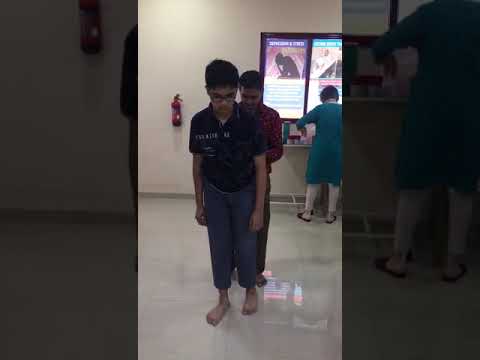


















Share this listing