
Effective Cartilage Repair: Stem Cells in India
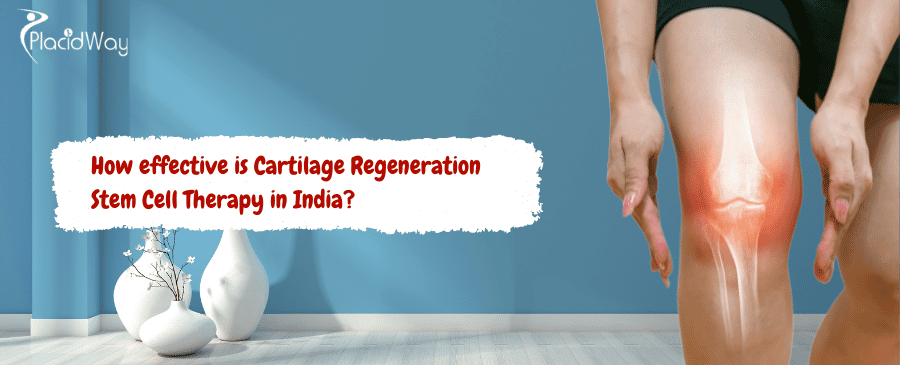
Dealing with joint pain and cartilage degradation can severely impact your quality of life. As traditional treatments like physical therapy or corticosteroid injections sometimes fall short of providing long-term relief, many patients explore regenerative medicine. Seeking cartilage regeneration stem cell therapy in India has become an increasingly popular option for those looking to manage joint issues. India combines modern medical infrastructure with experienced orthopedic specialists, offering these advanced biological treatments to both domestic and international patients.
Understanding how these therapies work, their realistic outcomes, and the logistics of traveling for medical care is vital for making an informed health decision. Regenerative medicine is a rapidly evolving field, and while it holds promise for symptom management, it is crucial to approach it with realistic expectations and proper medical guidance.
Key Takeaways
- Stem cell therapy aims to reduce joint inflammation and promote natural healing, though complete cartilage regrowth is uncommon.
- Outcomes are highly individualized; patients with mild to moderate cartilage wear typically see better results than those with severe, bone-on-bone arthritis.
- Treatments usually utilize autologous cells (harvested from your own body) to minimize the risk of immune rejection.
- Prices in India are generally lower than in Western nations, but the procedure is often an out-of-pocket expense.
- International patients must carefully plan their medical travel, ensuring sufficient time for post-treatment monitoring before flying home.
How does stem cell therapy aim to repair cartilage?
Cartilage has a notoriously poor blood supply, which is why it struggles to heal itself after injury or prolonged wear and tear. When mesenchymal stem cells (MSCs) are injected into a damaged joint, they do not necessarily turn into new cartilage right away. Instead, they act as cellular communicators. They secrete specific proteins and growth factors that modulate the immune system, dial down chronic inflammation, and stimulate the local environment to begin tissue repair.
This process is known as paracrine signaling. By altering the harsh, inflamed environment of an arthritic joint, the therapy may help slow down further cartilage degradation. Patients often experience reduced stiffness and pain as the joint environment becomes healthier, even if thick layers of new cartilage are not visibly reformed on imaging scans.
It is helpful to view this therapy as a biological tool for managing joint disease rather than a structural reset. While microscopic repair can occur, the primary clinical benefit noted in many studies is functional improvement and pain relief, which can significantly enhance daily mobility.
Who makes an ideal candidate for regenerative joint treatments?
Not everyone with joint pain is suited for regenerative medicine. Orthopedic specialists carefully evaluate patients to determine if stem cell injections are appropriate. The therapy is most frequently recommended for individuals experiencing early to mid-stage osteoarthritis, cartilage defects from sports injuries, or partial tendon and ligament tears.
Patients with advanced, end-stage arthritis—where the cartilage is completely worn away resulting in bone grinding on bone—are generally poor candidates for stem cell therapy. In these severe cases, mechanical joint replacement surgery remains the most reliable standard of care. Additionally, individuals with active infections, certain blood disorders, or active cancers are typically contraindicated for stem cell procedures.
A thorough pre-treatment assessment involving physical examinations, medical history reviews, and imaging (like MRI or X-rays) is necessary. A qualified healthcare professional must determine if the potential benefits outweigh the risks based on your unique anatomical and physiological profile.
What results can patients typically expect from this therapy?
The effectiveness of regenerative treatments does not happen overnight. Because the therapy relies on biological processes, improvements occur gradually. Some patients notice an initial reduction in pain within a few weeks due to the anti-inflammatory effects of the injection, but tissue remodeling and functional gains often take between three to six months to peak.
Clinical observations show a wide spectrum of responses. A subset of patients may achieve profound relief that delays the need for invasive surgery for years. Others might experience only mild, temporary improvement, and a small percentage may notice no significant change at all. Variables influencing success include the patient's age, metabolic health, adherence to post-treatment physical therapy, and the underlying cause of the cartilage damage.
What types of stem cells are utilized by clinics?
The source of the stem cells plays a crucial role in the safety and regulatory compliance of the procedure. The vast majority of orthopedic stem cell treatments utilize adult stem cells extracted directly from the patient during a minimally invasive outpatient procedure. Using your own cells (autologous) drastically reduces the risk of immune rejection or disease transmission.
| Cell Source | Extraction Method | Characteristics |
|---|---|---|
| Bone Marrow (BMAC) | Needle aspiration, usually from the pelvic bone. | Rich in growth factors and hematopoietic cells; long track record in orthopedics. |
| Adipose Tissue (SVF) | Mini-liposuction, typically from the abdomen or thighs. | Yields a high number of mesenchymal stem cells; requires processing. |
Some facilities may also discuss the use of allogeneic (donor) cells, such as those derived from umbilical cord tissue. However, patients must exercise caution and ensure that any clinic using donor cells adheres strictly to national regulatory guidelines, as the use of expanded donor cells carries different risk profiles and regulatory statuses.
What are the potential risks and complications of joint stem cell injections?
No medical procedure is entirely devoid of risk. When undergoing regenerative therapies, the immediate risks are usually related to the physical injection and extraction processes. Patients may experience bruising, soreness, or bleeding at the site where bone marrow or fat was harvested. In the treated joint, a temporary increase in pain, stiffness, and swelling is common in the days following the injection as the biological response is triggered.
More severe complications, though uncommon in sterile clinical environments, include joint infections or damage to surrounding nerves and blood vessels. From a broader medical perspective, stem cell therapy for joint pain is still categorized by many global health authorities as investigational. Because the long-term data is still being compiled, there remains a theoretical risk regarding the unpredictable behavior of concentrated cells, although adverse cellular growth (tumors) is exceptionally rare with adult, non-manipulated autologous cells.
Patients must disclose their full medical history and current medications to their treating physician to mitigate risks. If complications arise after returning home, immediate consultation with a local orthopedic specialist is imperative.
What are the estimated expenses for this procedure?
Affordability is a primary driver for patients seeking treatment internationally. The total cost can fluctuate based on several factors, including the specific joint being treated, the source and processing method of the stem cells, and the geographic location of the clinic (metropolitan hubs like Mumbai or Delhi may have different pricing structures than smaller cities).
When calculating potential expenses, patients must look beyond the base medical fee. Estimates should also account for pre-treatment consultations, diagnostic imaging (like advanced MRIs), laboratory tests, and post-procedure physical therapy. Because this therapy is widely considered experimental, health insurance providers rarely cover the cost, making clear financial planning essential.
How long does rehabilitation and recovery take after treatment?
The recovery timeline for regenerative joint injections is quite different from that of invasive joint replacement surgery. In the immediate aftermath, patients are usually advised to rest the joint. For weight-bearing joints like knees or hips, physicians often recommend using crutches or wearing a supportive brace for a few days to a couple of weeks to protect the injected cells and minimize stress on the joint.
Once the initial post-injection inflammation subsides, guided physical therapy becomes a critical component of the recovery process. A specialized physiotherapist will design a program to gently restore range of motion, strengthen the muscles supporting the joint, and improve biomechanics without overloading the healing tissue.
Patients should plan for a transition period where high-impact activities (like running or jumping) are restricted. Resuming normal physical activities is typically a gradual process managed under the guidance of your healthcare provider, often taking 8 to 12 weeks depending on your initial joint health.
How is the safety of stem cell treatments regulated in India?
Navigating the regulatory landscape is crucial for patient safety. In India, the ICMR, in collaboration with the Department of Biotechnology (DBT), provides the National Guidelines for Stem Cell Research. These guidelines stipulate that while certain well-established stem cell therapies (like bone marrow transplants for blood disorders) are approved standard care, many other applications—including those for orthopedic joint repair—are often categorized under clinical trial or experimental frameworks.
This means that legitimate facilities offering these treatments should operate with strict oversight, ethical committee approvals, and transparent patient informed consent processes. Medical tourists must be vigilant. It is highly recommended to seek treatment at institutions that clearly align with national regulatory standards and accurately present the therapy as investigational rather than a guaranteed cure.
Reputable specialists will openly discuss the experimental nature of the therapy, the realistic odds of success, and alternative evidence-based treatments, ensuring you make a decision based on facts rather than marketing claims.
How should you prepare for medical tourism in India for joint treatments?
Traveling across borders for medical care requires careful coordination. Begin by gathering your complete medical history, including recent X-rays, MRI scans, and physician notes. Sharing these documents during a preliminary telehealth consultation allows Indian specialists to assess your eligibility before you book a flight.
Logistically, international patients usually require an Indian Medical Visa (or Medical Attendant Visa for companions). It is advisable to arrive a few days before your scheduled procedure to acclimatize and undergo in-person diagnostic tests. Post-procedure, you should plan to stay locally for at least 5 to 7 days. This buffer allows your medical team to monitor your initial recovery, manage any acute pain or swelling, and ensure you are stable enough for long-haul air travel.
Finally, establish a plan for continuity of care. Before leaving India, secure a detailed medical report outlining the exact cells used, the injection locations, and the rehabilitation protocol. You will need to share this with your local orthopedic doctor or physical therapist back home to ensure your recovery is safely monitored.
Why Choose PlacidWay for Medical Tourism?
Researching international healthcare options can feel overwhelming. PlacidWay serves as a global medical tourism platform designed to help patients explore healthcare possibilities around the world. Here are a few ways PlacidWay can assist you:
- Global Network: Provides access to informational profiles of numerous healthcare facilities and specialists internationally, including those in India.
- Educational Resources: Offers articles, patient guides, and cost estimates to help you understand the landscape of international medical travel.
- Direct Connections: Facilitates initial communication between patients and international clinics, allowing you to ask questions directly to the providers.
- Multilingual Support: Features a platform that helps bridge communication gaps for patients exploring care in different countries.
- Comprehensive Comparisons: Allows users to compare different medical destinations, treatment approaches, and estimated costs in one place.
Frequently Asked Questions
Is stem cell therapy for joint cartilage painful?
The procedure involves injections and tissue extraction, which can cause discomfort. However, local anesthesia is typically used to minimize pain during the harvesting (from bone marrow or fat) and injection processes. Post-procedure soreness is common.
Can stem cells completely regrow lost cartilage in severe arthritis?
Current evidence suggests stem cell therapy primarily provides symptomatic relief and reduces inflammation rather than completely regrowing thick, native cartilage, especially in severe bone-on-bone osteoarthritis. It is not a structural cure for advanced joint disease.
How long do the effects of the treatment typically last?
Duration of relief varies by individual. Some patients report reduced pain and improved mobility for one to three years, while others may experience shorter-term benefits or require future treatments to maintain joint function.
Will I need multiple sessions for optimal joint relief?
Many protocols involve a single comprehensive treatment session. However, depending on the patient's response and the condition's severity, a medical professional might recommend follow-up booster injections after a certain period.
Can I fly immediately after receiving stem cell joint injections?
It is usually advised to wait at least 48 to 72 hours before flying. This allows your medical team to monitor for any immediate swelling, infection, or adverse reactions at the injection sites, and reduces the risk of deep vein thrombosis (DVT) associated with flying after procedures.
How does India compare to other countries for regenerative joint medicine?
India offers advanced medical facilities, English-speaking healthcare professionals, and costs that are often significantly lower than in Western countries, making it a frequent destination for regenerative therapies and medical tourism.
Does health insurance cover stem cell therapy in India?
Most international and domestic health insurance plans consider orthopedic stem cell therapy investigational and typically do not cover the costs, meaning patients usually pay entirely out of pocket for these treatments.
What happens if the regenerative treatment does not work for me?
If stem cell therapy does not provide sufficient relief, standard orthopedic treatments remain viable options. These can include physical therapy, prescription medications, or surgical interventions like arthroscopy or partial/total joint replacement.
Are there age limits for receiving stem cell joint therapy?
While there is no strict upper age limit, advanced age can sometimes reduce the quantity and vitality of your own stem cells. Eligibility is evaluated on an individual basis by a qualified specialist based on your overall health.
Can I combine stem cell therapy with other orthopedic procedures?
Yes, in some cases, stem cells or platelet-rich plasma (PRP) are used as adjunctive therapies alongside minimally invasive surgical procedures like arthroscopy to potentially aid the biological healing process post-surgery.
Explore Your Joint Health Options
Gather the information you need to make an informed decision about regenerative therapies and medical travel.
Request Treatment InformationReferences
- Efficacy of Mesenchymal Stem Cells in Osteoarthritis – National Institutes of Health (NIH) / PubMed
- National Guidelines for Stem Cell Research – Indian Council of Medical Research (ICMR)
- Patient Guide to Stem Cell Treatments – International Society for Stem Cell Research (ISSCR)
- Orthobiologics and Joint Preservation – American Academy of Orthopaedic Surgeons (AAOS) OrthoInfo
- Consumer Update on Stem Cell Therapies – U.S. Food and Drug Administration (FDA)
- Medical Tourism Considerations – World Health Organization (WHO)
























Share this listing