


Role of Stem Cell Transplants in Leukemia Treatment: India Guide
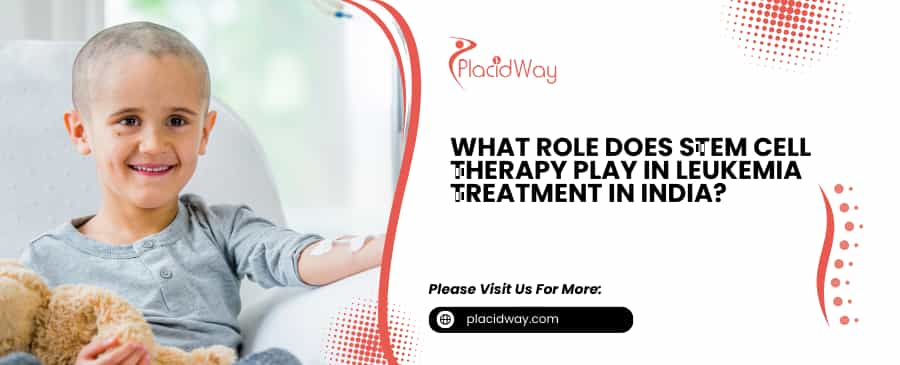
Welcome to an insightful discussion about one of the most promising avenues in modern medicine: stem cell therapy. If you or a loved one is battling leukemia, you've likely heard about the profound impact this treatment can have. In India, specifically, stem cell therapy has emerged as a cornerstone in the fight against various forms of leukemia, offering renewed hope and improved outcomes for countless patients. This advanced medical approach is not just a treatment; it's a potential path to recovery, leveraging the body's own regenerative capabilities.
Many individuals seeking effective leukemia treatment often explore options globally, and India stands out due to its world-class medical infrastructure, highly skilled healthcare professionals, and relatively affordable costs. We understand you have many questions about how stem cell therapy works, its effectiveness, and what it entails, especially when considering treatment in India. This blog post aims to answer these crucial questions, providing clear, concise information to help you understand the significant role stem cell therapy plays in leukemia treatment in India.
What is stem cell therapy for leukemia and how does it work?
Stem cell therapy, often referred to as a bone marrow transplant, is a crucial procedure for leukemia patients. Leukemia is a cancer of the blood-forming tissues, including the bone marrow, lymphatic system, and spleen. The goal of stem cell therapy is to replace the unhealthy, cancerous blood-forming cells with healthy ones. This is achieved by first destroying the patient's existing bone marrow, which contains the cancerous cells, using high doses of chemotherapy and/or radiation.
Once the diseased bone marrow is eradicated, healthy blood-forming stem cells are introduced into the patient's bloodstream, typically intravenously. These transplanted stem cells then migrate to the bone marrow, where they begin to multiply and produce new, healthy red blood cells, white blood cells, and platelets. This process, known as engraftment, essentially rebuilds the patient's immune system and blood-producing capabilities, offering a chance at long-term remission or cure for various types of leukemia.
How effective is stem cell therapy in treating leukemia in India?
The effectiveness of stem cell therapy for leukemia in India is generally very high, especially for patients who are good candidates for the procedure. India has invested significantly in its healthcare infrastructure, establishing numerous state-of-the-art hospitals and cancer centers equipped with advanced technology for stem cell transplants. These facilities are staffed by highly qualified hematologists, oncologists, and transplant specialists with extensive experience in performing these complex procedures.
Success rates depend on several factors, including the type and stage of leukemia, the patient's overall health, the source of the stem cells (autologous or allogeneic), and the degree of match between donor and recipient. While outcomes vary, many patients in India experience successful engraftment and significant improvement, leading to long-term remission. The robust medical expertise and commitment to patient care contribute to India's growing reputation as a preferred destination for advanced leukemia treatment.
What types of leukemia are typically treated with stem cell therapy?
Stem cell therapy, predominantly in the form of allogeneic (donor) stem cell transplants, is a standard treatment option for several types of leukemia. It is most commonly employed for:
- Acute Myeloid Leukemia (AML): Often used for patients in remission but at high risk of relapse, or those whose cancer has returned.
- Acute Lymphoblastic Leukemia (ALL): Frequently recommended for high-risk patients, those with certain genetic mutations, or if the disease relapses after initial chemotherapy.
- Chronic Myeloid Leukemia (CML): While targeted therapies are the first line of treatment, a stem cell transplant may be considered for patients who don't respond to these drugs or have an aggressive form of the disease.
- Chronic Lymphocytic Leukemia (CLL): Less common, but can be an option for younger, fitter patients with high-risk CLL who haven't responded to other treatments.
The decision to proceed with a stem cell transplant is made after careful consideration of the leukemia type, its prognosis, and the patient's overall health, as it is an intensive procedure with potential side effects. The medical team in India thoroughly evaluates each case to determine the most appropriate course of treatment.
What are the different kinds of stem cell transplants used for leukemia?
There are two primary types of stem cell transplants utilized in the treatment of leukemia:
- Allogeneic Transplant: This is the most common type for leukemia. It involves using stem cells from a donor. The donor can be a matched related donor (a sibling with a matching tissue type, called HLA) or a matched unrelated donor found through national or international registries. The advantage of allogeneic transplants is the "graft-versus-leukemia" effect, where the donor's immune cells recognize and attack residual leukemia cells, reducing the risk of relapse.
- Autologous Transplant: In this procedure, the patient's own stem cells are collected, stored, and then reinfused after high-dose chemotherapy. While it eliminates the risk of graft-versus-host disease (a complication of allogeneic transplants), it doesn't offer the graft-versus-leukemia effect and carries the risk of reinfusing cancerous cells if the original collection wasn't completely free of them. Autologous transplants are less frequently used for leukemia unless specific circumstances warrant it, or for other blood cancers like lymphoma or multiple myeloma.
Indian hospitals offer both types of transplants, with extensive networks for finding suitable allogeneic donors, ensuring patients have access to the best possible donor match for their specific condition.
What is the typical process for a stem cell transplant for leukemia in India?
The journey of a stem cell transplant for leukemia in India is a multi-stage process, requiring meticulous planning and execution:
- Evaluation and Preparation: Patients undergo a comprehensive series of tests to assess their overall health, the extent of their leukemia, and their suitability for transplant. If an allogeneic transplant is planned, extensive donor search and matching (HLA typing) are performed. Patients are also educated about the procedure and potential side effects.
- Conditioning Regimen: This phase involves high-dose chemotherapy and/or radiation therapy. Its purpose is to destroy the patient's cancerous bone marrow cells and suppress their immune system to prevent rejection of the new stem cells. This is a very intense period, usually lasting several days.
- Stem Cell Infusion: After conditioning, the healthy stem cells (from the donor or previously collected from the patient) are infused intravenously, much like a blood transfusion. These cells then travel to the bone marrow, where they begin the process of engraftment.
- Recovery and Post-Transplant Care: This is a critical period where the patient is kept in a sterile environment to prevent infections, as their immune system is severely compromised. They receive supportive care, including blood transfusions, antibiotics, and anti-fungal medications. Regular blood tests monitor engraftment and blood count recovery. Patients typically remain in the hospital for several weeks, followed by an extended outpatient recovery period, where they are closely monitored for complications like graft-versus-host disease.
Indian transplant centers provide comprehensive care throughout this demanding process, ensuring patient comfort and safety.
What are the advantages of choosing India for leukemia stem cell therapy?
India has emerged as a leading destination for medical tourism, particularly for complex treatments like leukemia stem cell therapy, due to several compelling advantages:
- Advanced Medical Infrastructure: India boasts numerous JCI-accredited hospitals and specialized cancer centers equipped with cutting-edge technology and infrastructure comparable to the best globally.
- Expert Medical Professionals: Indian oncologists, hematologists, and transplant surgeons are highly qualified, often trained in Western countries, and possess extensive experience in performing a high volume of complex stem cell transplants.
- Cost-Effectiveness: A significant draw for international patients is the considerably lower cost of treatment in India compared to North America or Europe, without compromising on quality of care.
- Reduced Waiting Times: Patients often face shorter waiting periods for consultations and procedures, allowing for timely intervention, which is crucial in cancer treatment.
- Comprehensive Patient Support: Many Indian hospitals offer dedicated international patient services, assisting with travel, accommodation, language interpretation, and local logistics, making the entire experience smoother for medical tourists.
These factors combine to make India an attractive and reliable option for individuals seeking high-quality and affordable stem cell therapy for leukemia.
What is the approximate cost of stem cell therapy for leukemia in India?
Understanding the financial aspect of such a critical treatment is vital for many patients and their families. The cost of stem cell therapy for leukemia in India is one of its most compelling aspects for international patients. While exact figures can vary widely based on several factors, here's a general overview:
| Type of Transplant | Approximate Cost Range (USD) |
|---|---|
| Allogeneic (Donor) Transplant | $20,000 - $50,000 |
| Autologous (Patient's Own) Transplant | $15,000 - $35,000 |
These costs typically include pre-transplant evaluation, the conditioning regimen, the stem cell infusion, hospital stay, medications during hospitalization, and initial follow-up care. Factors influencing the final cost include the specific hospital chosen, the duration of the hospital stay, any complications that may arise, and the need for specialized medications. Even with these variations, the cost remains substantially lower, often one-fifth to one-tenth, of what one might expect in countries like the US or UK, making high-quality treatment accessible to a broader population.
What are the potential risks and long-term outcomes of stem cell therapy for leukemia?
While stem cell therapy offers significant hope for leukemia patients, it is an intensive procedure with potential risks and complications. Understanding these is crucial for informed decision-making:
- Infection: A major risk due to the severely weakened immune system post-conditioning.
- Graft-versus-Host Disease (GVHD): A unique complication of allogeneic transplants where donor immune cells attack the recipient's healthy tissues. It can range from mild to severe.
- Organ Damage: High-dose chemotherapy and radiation can affect organs like the liver, kidneys, lungs, and heart.
- Relapse: Despite successful engraftment, there is always a risk that the leukemia may return.
- Other Side Effects: Nausea, fatigue, mouth sores, hair loss, and anemia are common during the initial recovery phase.
Despite these risks, the long-term outcomes for successful stem cell therapy can be life-changing. Many patients achieve complete remission and live many years post-transplant, often leading to a cure. The dedicated medical teams in India prioritize patient safety and employ advanced supportive care strategies to manage and mitigate these risks, focusing on improving overall survival and quality of life for patients. Regular follow-up and adherence to post-transplant guidelines are essential for optimal long-term outcomes.
How can international patients access stem cell therapy for leukemia in India?
For international patients considering stem cell therapy for leukemia in India, the process is streamlined to ensure a smooth and hassle-free experience. Here's a general outline:
- Initial Consultation and Medical Records Submission: Patients typically begin by sending their detailed medical reports, diagnostic scans, and current treatment history to the international patient department of chosen Indian hospitals or a medical tourism facilitator. This allows the medical team to review the case and provide an initial assessment and treatment plan with estimated costs.
- Treatment Plan and Visa Assistance: Once a treatment plan is approved, the hospital or facilitator will provide an invitation letter, which is crucial for obtaining a medical visa for India. They often assist with the visa application process, explaining requirements and necessary documents.
- Travel and Accommodation Arrangements: Patients receive guidance on travel arrangements, including flight bookings and airport transfers. Many hospitals offer or recommend accommodation options, either within the hospital premises or in nearby serviced apartments, suitable for long-term stays.
- Arrival and Treatment: Upon arrival, patients undergo a final evaluation before beginning the treatment. Dedicated international patient coordinators assist with all logistical needs, including language interpretation, ensuring clear communication with the medical team.
Indian hospitals are well-versed in catering to international patients, providing a supportive environment throughout their treatment journey.
What post-transplant care and recovery can patients expect in India?
The recovery phase after a stem cell transplant is as critical as the transplant itself and requires vigilant care. In India, hospitals ensure comprehensive post-transplant support:
- Hospital Stay: Immediately after the transplant, patients spend several weeks in a sterile hospital environment, often in isolation, to protect them from infections while their new immune system develops. During this time, they receive supportive care including blood product transfusions, nutrition, and medications to prevent infections and manage side effects.
- Outpatient Monitoring: Once discharged from the hospital, patients are required to stay in the vicinity of the medical facility for several weeks or even months for close outpatient follow-up. This involves frequent clinic visits for blood tests, medication adjustments, and monitoring for any signs of complications like infection or graft-versus-host disease (GVHD).
- Medication Management: Patients will be on a regimen of immunosuppressants to prevent GVHD (in allogeneic transplants), antibiotics, antifungals, and antivirals to prevent infections. The medical team provides detailed instructions on medication schedules and potential side effects.
- Long-Term Follow-up and Rehabilitation: Recovery is a gradual process that can extend for months to years. Patients receive guidance on diet, lifestyle modifications, and rehabilitation to regain strength and resume normal activities. Indian hospitals often provide long-term follow-up plans, ensuring continuous support and monitoring of the patient's health and detection of late complications.
The commitment to thorough post-transplant care in India helps ensure the best possible long-term health outcomes for leukemia patients.
Looking for advanced medical solutions for leukemia treatment or other healthcare needs? Explore PlacidWay to connect with leading global healthcare providers and find the best options tailored to your requirements.


.png)



.png)
.png)
.png)
.png)





-(6).png)











Share this listing