


Stem Cell Therapy for Muscular Dystrophy in India: Cost & Success Rates
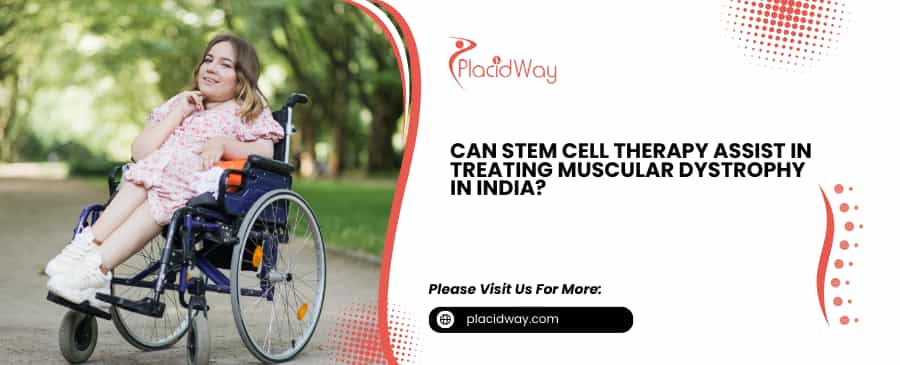
Muscular dystrophy is a group of genetic disorders that cause progressive weakness and loss of muscle mass. It's a challenging condition that significantly impacts daily life, and for many, the search for effective treatments is ongoing. India has emerged as a hub for advanced medical research and treatments, including regenerative medicine, prompting many to wonder about the role of stem cell therapy in managing muscular dystrophy.
The prospect of using stem cells to repair damaged muscle tissue and potentially slow the progression of muscular dystrophy offers a glimmer of hope. While still largely considered experimental for this specific condition, research in India, alongside global efforts, is exploring how these remarkable cells could be harnessed. This article aims to provide a clear understanding of where stem cell therapy stands in treating muscular dystrophy in India, addressing common questions and what patients might expect.
How does stem cell therapy work for muscular dystrophy?
The mechanism behind stem cell therapy for muscular dystrophy revolves around the unique properties of stem cells to self-renew and differentiate into various cell types. In this context, certain types of stem cells, particularly mesenchymal stem cells (MSCs), are often used. These cells are introduced into the body, either intravenously or directly into affected muscles.
Once administered, these stem cells are believed to contribute to muscle regeneration by:
- Replacing Damaged Cells: Potentially differentiating into new muscle cells (myocytes) or contributing to their formation.
- Anti-inflammatory Effects: Releasing molecules that reduce inflammation in damaged muscle tissues, which is a significant factor in disease progression.
- Growth Factor Secretion: Secreting growth factors that support the survival and proliferation of existing muscle cells and satellite cells (adult stem cells in muscles).
- Immunomodulation: Modulating the immune system to prevent further muscle damage.
This multi-pronged approach aims to create a more conducive environment for muscle repair and slow the degeneration process.
What types of muscular dystrophy might benefit from stem cell therapy?
While research is broad, a significant focus of stem cell therapy for muscular dystrophy is on Duchenne Muscular Dystrophy (DMD) due to its severe and progressive nature, primarily affecting young boys. DMD involves a deficiency in dystrophin, a protein crucial for muscle integrity.
Other forms of muscular dystrophy being explored include:
- Becker Muscular Dystrophy (BMD): A milder form of DMD, also related to dystrophin deficiency.
- Limb-Girdle Muscular Dystrophy (LGMD): A group of disorders that primarily affect voluntary muscles, particularly those around the hips and shoulders.
- Facioscapulohumeral Muscular Dystrophy (FSHD): Characterized by progressive muscle weakness in the face, shoulders, and upper arms.
The effectiveness can vary depending on the specific type of muscular dystrophy, the stage of the disease, and the individual patient's response to the therapy. Each type presents unique challenges that researchers are working to address with targeted stem cell approaches.
Is stem cell therapy for muscular dystrophy legally approved in India?
India's regulatory landscape for stem cell therapy, particularly for conditions like muscular dystrophy, is overseen by the Indian Council of Medical Research (ICMR) and the Central Drugs Standard Control Organization (CDSCO). While stem cell research is actively encouraged, the use of unproven stem cell therapies outside of approved clinical trials is a significant concern.
Currently, stem cell therapy for muscular dystrophy is primarily available under clinical trial protocols or within research settings, meaning it is not yet recognized as a standard, approved medical treatment. Patients considering these therapies should ensure they are participating in ethically approved and scientifically rigorous clinical trials to ensure safety and potential efficacy. It is crucial to verify that any clinic offering such treatments adheres strictly to national guidelines and regulations.
What is the typical cost of stem cell therapy for muscular dystrophy in India?
The cost of stem cell therapy for muscular dystrophy in India is highly variable because it is an experimental treatment, and there is no standardized protocol or pricing. Several factors contribute to the overall expenditure:
- Type and Source of Stem Cells: Whether autologous (from the patient) or allogeneic (from a donor), and the specific type of cells used (e.g., MSCs from bone marrow, adipose tissue, or umbilical cord).
- Number of Treatment Cycles: Patients often require multiple sessions over several months to achieve potential benefits.
- Clinic and Facilities: Reputable clinics with advanced facilities and experienced specialists typically have higher costs.
- Ancillary Services: This may include diagnostic tests, hospital stays, post-treatment care, rehabilitation, and medication.
It's vital for patients and their families to obtain a detailed cost breakdown from any prospective clinic and understand what is included in the quoted price. While India offers these treatments at a fraction of the cost in Western countries, due diligence regarding the clinic's credentials and treatment approach remains paramount.
What are the potential risks and side effects of stem cell therapy for muscular dystrophy?
As with any medical procedure, especially experimental ones, stem cell therapy carries potential risks and side effects. It is essential to discuss these thoroughly with healthcare providers before considering treatment. The primary risks include:
- Infection: Any invasive procedure carries a risk of infection at the injection site or systematically.
- Immune Reaction/Rejection: While less common with autologous (patient's own) cells, allogeneic (donor) cells can potentially trigger an immune response.
- Tumor Formation (Teratomas): A rare but serious concern, especially with certain types of pluripotent stem cells, though less common with adult mesenchymal stem cells typically used.
- Adverse Reactions: Potential side effects could include fever, pain, headaches, or allergic reactions to the cell culture media.
- Procedural Risks: Risks associated with cell harvesting (e.g., bone marrow aspiration) or injection procedures.
Choosing a reputable clinic that follows strict sterility protocols and has experienced medical staff can significantly mitigate many of these risks. Comprehensive patient evaluation before therapy is also crucial to assess individual suitability and minimize potential complications.
How can international patients access stem cell therapy for muscular dystrophy in India?
For international patients considering stem cell therapy for muscular dystrophy in India, navigating the process can seem complex. Medical tourism facilitators play a crucial role in simplifying this journey. These facilitators act as intermediaries, connecting patients with accredited clinics and experienced medical professionals in India. Their services typically include:
- Clinic and Doctor Selection: Helping patients choose clinics that specialize in regenerative medicine and have a good track record.
- Travel Logistics: Assisting with visa applications, flight bookings, airport transfers, and local transportation.
- Accommodation: Arranging suitable lodging options, from hotels to serviced apartments, often close to the treatment facility.
- Language Support: Providing interpreters if needed, though many medical professionals in India speak English.
- Treatment Coordination: Scheduling appointments, managing medical records, and ensuring a smooth communication flow between the patient and the medical team.
It is advisable to choose a facilitator with a strong reputation and clear communication channels to ensure a safe and well-organized medical journey.
What should patients consider when choosing a stem cell clinic in India for muscular dystrophy?
Selecting the right stem cell clinic is paramount, especially for an experimental treatment like muscular dystrophy. Patients and their families should conduct thorough research and consider several critical factors:
- Accreditation and Licensing: Ensure the clinic is officially recognized and adheres to national and international healthcare standards. Look for accreditations from bodies like NABH (National Accreditation Board for Hospitals & Healthcare Providers).
- Physician Qualifications and Experience: Verify the qualifications, experience, and specialization of the doctors and medical team involved in stem cell therapy.
- Transparency and Ethical Practices: The clinic should provide clear, realistic information about the treatment, potential benefits, risks, and costs, without making exaggerated claims of cure.
- Research and Clinical Trials: Inquire if the clinic is involved in ongoing, peer-reviewed clinical trials for muscular dystrophy and if their treatment protocols are evidence-based.
- Patient Testimonials and Reviews: While anecdotal, reviews can offer insights into patient experiences, but should not be the sole basis for decision-making.
- Post-Treatment Care: Understand what follow-up care and rehabilitation services are provided after the stem cell treatment.
A reputable clinic will prioritize patient safety and ethical guidelines above all else.
Are there clinical trials for stem cell therapy for muscular dystrophy ongoing in India?
India is an active participant in global regenerative medicine research, and as such, there are indeed clinical trials for stem cell therapy for muscular dystrophy being conducted within the country. These trials are essential for rigorously testing the safety and efficacy of new treatments under controlled conditions. They often involve different types of stem cells, varying administration methods, and different stages or types of muscular dystrophy.
Participation in a clinical trial can offer access to cutting-edge treatments that are not yet widely available. However, it also means that the outcomes are not guaranteed, and patients must meet specific eligibility criteria. Interested individuals should consult with their doctors and explore databases like the Clinical Trials Registry - India (CTRI) or international registries to find information on ongoing or upcoming trials.
Why is India becoming a popular destination for medical tourism for muscular dystrophy treatments?
India's rise as a global medical tourism destination is attributed to a combination of factors that make it attractive for patients seeking a range of treatments, including experimental therapies for conditions like muscular dystrophy. These factors include:
- Cost-Effectiveness: Medical procedures and treatments in India are significantly more affordable compared to Western countries, without compromising on quality.
- Advanced Medical Facilities: India boasts state-of-the-art hospitals and clinics equipped with modern technology and infrastructure.
- Highly Skilled Medical Professionals: Many Indian doctors and surgeons are internationally trained, experienced, and proficient in English, facilitating easier communication with international patients.
- Growing Expertise in Regenerative Medicine: India has made substantial investments in research and development in stem cell therapy and other regenerative treatments, leading to a growing pool of specialists.
- Comprehensive Support Services: The presence of an established medical tourism industry ensures that patients receive end-to-end support, from travel arrangements to post-treatment care.
These elements combine to offer a compelling option for those exploring alternative or experimental treatments for muscular dystrophy outside their home countries.
If you or a loved one are exploring advanced treatment options for muscular dystrophy, including potential stem cell therapies, consider connecting with PlacidWay. We specialize in connecting patients with reputable global healthcare providers and medical tourism solutions, helping you navigate complex medical journeys with confidence.


.png)




.png)
-(5).png)
.png)




.png)

-(2).png)
-(6).png)









Share this listing