
IVF Genetic Tests in Cairo: A Guide to PGT-A & PGT-M
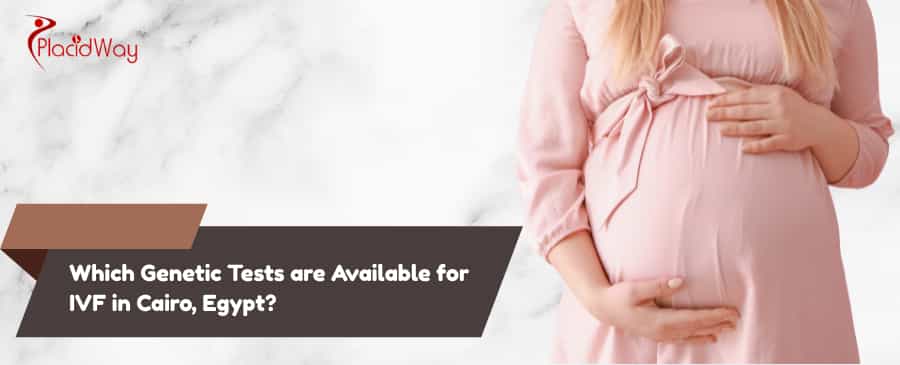
If you are navigating the complex world of fertility treatments, you have likely come across the term genetic testing for IVF in Cairo. Cairo has established itself as a premier destination for international patients because it combines world-class laboratory technology with significantly lower costs than Europe or the United States. In simple terms, genetic testing during an IVF cycle allows doctors to examine the DNA of your embryos before they are placed in the uterus. This ensures that only the healthiest embryos are selected, which is a game-changer for couples who have experienced repeated miscarriages or have known hereditary conditions.
In Cairo, the focus is on Preimplantation Genetic Testing (PGT). Whether you are looking for PGT-A to screen for chromosomal abnormalities like Down syndrome, or PGT-M to avoid passing on a specific family disease like Sickle Cell Anemia, the city's specialized labs are equipped with Next-Generation Sequencing (NGS). This technology provides a 99% accuracy rate in identifying the genetic makeup of an embryo.
Choosing to include genetic screening in your IVF plan is not just about medical safety; it is about peace of mind. By identifying "euploid" (chromosomally normal) embryos, the chances of a successful live birth increase dramatically, especially for women over the age of 35. In the following sections, we will break down every specific test available in Egypt, how much they cost, and what the legal requirements are for international patients.
What is PGT-A (Preimplantation Genetic Testing for Aneuploidy)?
PGT-A is the most common form of genetic testing for IVF in Cairo. Every human cell should have 23 pairs of chromosomes. If an embryo has an extra chromosome or is missing one (a condition called aneuploidy), it usually fails to implant or results in a miscarriage. By using chromosomal screening, embryologists can identify which embryos are "balanced" and which are not.
This test is highly recommended for women over 35, couples with a history of recurrent pregnancy loss, or those who have had multiple failed IVF cycles. In Cairo, this procedure is performed by taking a tiny biopsy of the embryo on Day 5 or Day 6 (the blastocyst stage). The results help your doctor prioritize the best embryo for transfer, often leading to a higher pregnancy rate in the first attempt.
What is PGT-M (Preimplantation Genetic Testing for Monogenic Disorders)?
Unlike general screening, PGT-M is a "bespoke" test. It is used when one or both parents are known carriers of a specific genetic mutation. Cairo's advanced labs can create a unique "probe" to look specifically for that gene in the embryos created during your IVF cycle.
Common conditions screened via PGT-M in Egypt include:
- Beta-Thalassemia (very common in the Mediterranean region)
- Sickle Cell Disease
- Cystic Fibrosis
- Tay-Sachs Disease
- Spinal Muscular Atrophy (SMA)
By selecting only the embryos that do not carry the disease, couples can ensure that the next generation is free from life-altering hereditary conditions.
What is PGT-SR (Preimplantation Genetic Testing for Structural Rearrangements)?
Some individuals are healthy but carry a "balanced translocation," meaning pieces of their chromosomes have swapped places. While this doesn't affect the parent, it often leads to embryos with "unbalanced" DNA, which causes high rates of miscarriage or birth defects. PGT-SR in Cairo specifically looks for these structural issues.
This test is less common than PGT-A but is vital for couples who have been diagnosed with these specific chromosomal issues through a Karyotype test. Cairo's labs use high-resolution technology to ensure that the transferred embryo has a stable genetic structure, significantly improving the chances of a full-term pregnancy.
How Much Does Genetic Testing for IVF Cost in Cairo?
When compared to the US or UK, where genetic screening costs can exceed $5,000, Cairo is incredibly affordable. Most clinics offer a flat fee for the first 4 to 8 embryos, with a smaller charge for any additional embryos tested. This transparency allows patients to plan their budget without fear of hidden costs.
Below is a detailed cost comparison to give you a better perspective on why fertility tourism in Egypt is growing:
| Service Type | Cairo, Egypt (Avg) | United Kingdom (Avg) | USA (Avg) |
|---|---|---|---|
| Standard IVF/ICSI Cycle | $2,500 - $3,000 | $6,500 - $9,000 | $15,000 - $25,000 |
| PGT-A Screening Add-on | $700 - $1,000 | $2,500 - $4,000 | $4,000 - $6,000 |
| PGT-M/SR Specialized Test | $1,000 - $1,500 | $3,500+ | $6,000+ |
| Total Estimated Cost | $3,200 - $4,500 | $9,000 - $13,000 | $19,000 - $31,000 |
Is Gender Selection Available in Cairo via PGT-A?
Many couples visit Cairo specifically for family balancing. Because PGT-A examines all 23 pairs of chromosomes, it naturally reveals whether an embryo is male (XY) or female (XX). In Egypt, it is legally permissible for married couples to choose the gender of the embryo they wish to transfer, provided they are doing so to balance their existing family.
The process is 99.9% accurate. It is often bundled with genetic health screening, so parents can ensure they are choosing a healthy child of their preferred gender. This dual benefit makes IVF with gender selection one of the most requested services by international patients from the Gulf region and Europe.
What is the Process for Embryo Biopsy in Cairo?
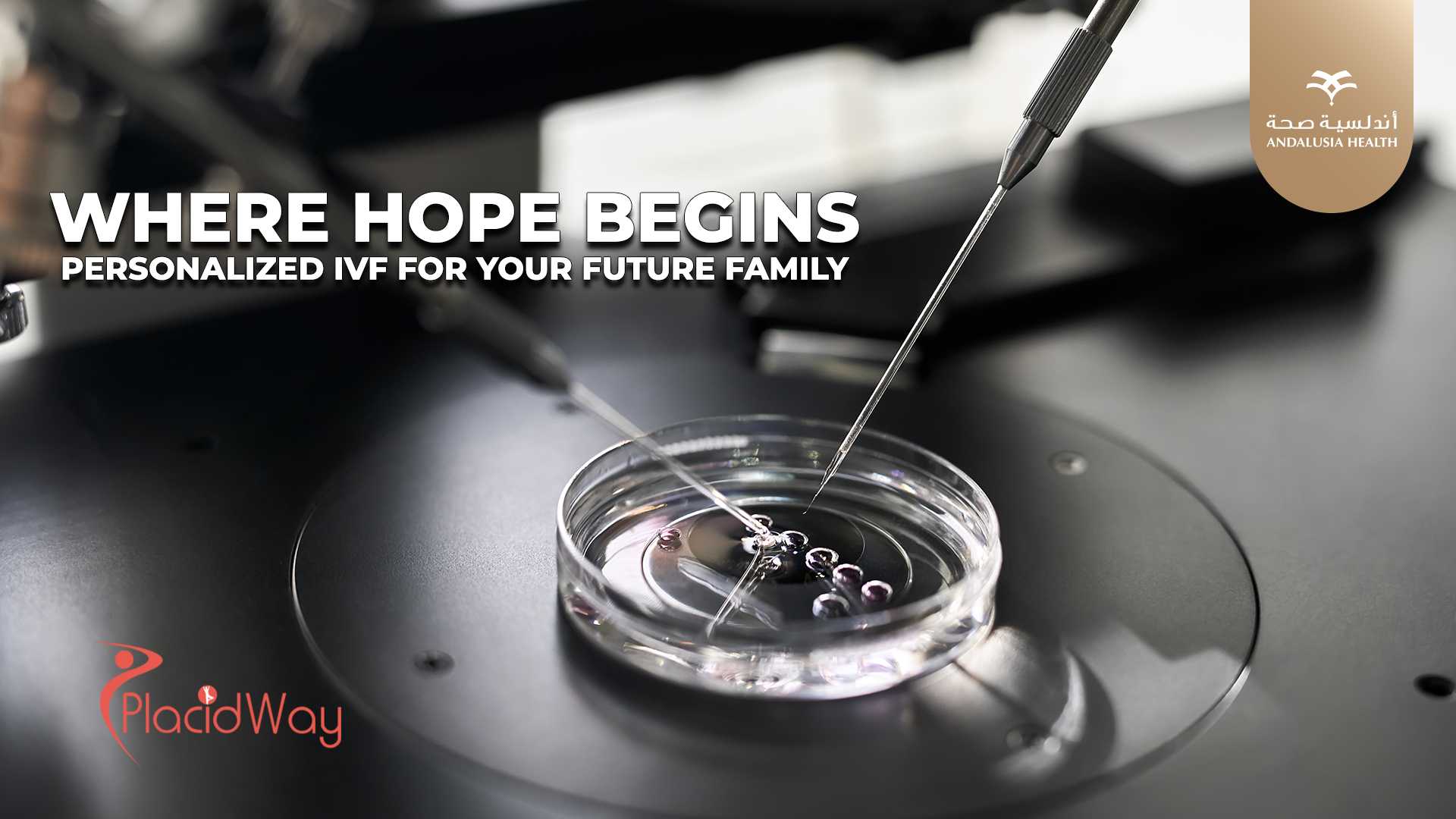
Modern Cairo labs use laser-assisted biopsy, which is the safest method available. By taking cells from the outer layer (trophectoderm) rather than the inner cell mass (which becomes the baby), the risk of damaging the embryo is virtually zero.
Once the biopsy is done, the embryos are vitrified (flash-frozen). The results from the genetic lab usually take 7 to 14 days. Once the "normal" or "balanced" embryos are identified, the patient undergoes a Frozen Embryo Transfer (FET) in a subsequent cycle, which often has higher success rates because the mother's body has recovered from the stimulation medications.
What are the Legal Requirements for IVF in Egypt?
Egypt follows clear ethical and religious guidelines regarding Assisted Reproductive Technology (ART). The use of donor eggs, donor sperm, or surrogacy is strictly prohibited. The treatment must use the gametes of the husband and wife.
For international patients, this means you must bring an official, often translated, copy of your marriage certificate. These regulations ensure that all procedures are halal-compliant and follow local laws, providing a structured and safe environment for couples seeking fertility treatments in Cairo.
How Does Genetic Testing Improve IVF Success Rates?
In a standard IVF cycle without testing, doctors select embryos based on their visual appearance (morphology). However, an embryo can look "beautiful" under a microscope but have an incorrect number of chromosomes. Genetic testing removes this guesswork.
Studies show that PGT-A supported cycles result in:
- Lower miscarriage rates (under 10% in most cases).
- Faster "time to pregnancy" (fewer failed cycles).
- Reduced risk of multiple pregnancies, as doctors feel more confident transferring a single healthy embryo.
What is a Karyotype Test for Couples?
Before you even begin an IVF cycle in Cairo, many specialists will recommend a Parental Karyotype. This simple blood test maps your own chromosomes to see if you have any "silent" translocations or inversions.
If a parent has a balanced translocation, the medical team will automatically recommend PGT-SR for the embryos. This proactive approach ensures that the treatment plan is tailored to your specific genetic profile, saving time and emotional stress.
Are There Any Risks to Genetic Testing for Embryos?
While the biopsy procedure itself is very safe, the main "risk" of genetic screening is the possibility that all embryos in a cycle are found to be abnormal. While this is disappointing, it prevents the patient from undergoing a painful and expensive transfer that would have inevitably resulted in a failed cycle or miscarriage.
In Cairo, clinics use Next-Generation Sequencing (NGS), which is the gold standard in the industry. This technology is much more sensitive than older methods like FISH (Fluorescent In Situ Hybridization) and provides a more comprehensive view of the embryo's health.
Why Choose Cairo for Genetic IVF Testing?
Beyond the medical benefits, Cairo offers a supportive environment for international patients. Most doctors speak fluent English and have been trained in Europe or North America. The fertility centers are equipped with the latest incubators and AI-driven embryo scoring software.
Additionally, the ease of travel and the availability of luxury accommodations at affordable prices make the two-to-three-week stay in Cairo comfortable. You can receive world-class fertility care while benefiting from the city's rich culture and hospitality.
Does Insurance Cover Genetic Testing for IVF in Egypt?
Because genetic testing is usually an "add-on," patients should expect to pay out-of-pocket. However, because the cost of IVF in Cairo is so low, many patients find that the total cost including testing is still 70% cheaper than a basic cycle in their home country.
Always check with your provider, but most clinics in Cairo will provide you with a detailed invoice and medical report that you can use to file a claim if your policy allows for fertility reimbursement.
Can PGT Detect All Genetic Diseases?
It is important to have realistic expectations. Genetic testing for IVF is excellent at identifying specific, known issues. It can't guarantee a "perfect" child, as many conditions are caused by environmental factors or complex combinations of genes that science cannot yet map during the embryo stage.
However, for known risks like Down syndrome, Trisomy 18, and Thalassemia, the tests are incredibly reliable. Your fertility specialist in Cairo will walk you through exactly what your chosen test can and cannot see.
What is the Timeline for Getting Genetic Results in Cairo?
Because the embryos are frozen during this time, there is no rush. You can return home after the egg retrieval and wait for the results. Once the report is ready, you will have a video consultation with your doctor to discuss which embryos are suitable for transfer.
The actual embryo transfer is a quick, 15-minute procedure that does not require anesthesia. It is usually scheduled for your next medical cycle, giving your hormones time to return to baseline levels.
Ready to take the next step in your fertility journey? Explore affordable and high-quality healthcare options with PlacidWay, your trusted partner for global medical tourism and advanced IVF solutions.
Explore IVF Options on PlacidWay




.png)
.png)
.png)





.jpg)

.png)











Share this listing