


Safety Standards and Clinic Accreditation in Mexico
-(1).png)
For millions of Americans and Canadians, the dream of a perfect smile is often shattered by the exorbitant price tag attached to dental care at home. When faced with quotes of $50,000 or more for full mouth restoration, many people feel hopeless. However, just across the southern border, a thriving dental tourism industry in Mexico is offering a viable, high-quality solution that is changing lives daily.
Choosing to travel for full mouth dental implants in Mexico is no longer just about saving money—though the financial relief is massive. It is about accessing world-class care in modern, state-of-the-art clinics that rival, and often surpass, those found in the United States. From the bustling dental hub of Los Algodones to the resort cities of Cancun and Tijuana, Mexico has established itself as the global leader in restorative dentistry.
In this comprehensive guide, we will explore exactly why patients are flocking to Mexico for their smile makeovers. We will address your concerns about safety, break down the costs of procedures like All-on-4 and All-on-6, and look at the qualifications of Mexican dentists. If you are considering crossing the border to restore your smile and confidence, here is everything you need to know.
How much can I save on full mouth dental implants in Mexico?
The primary driver for dental tourism is undoubtedly cost. In the United States, dental insurance often has low annual caps (usually around $1,500), which barely covers a single crown, let alone a full mouth reconstruction. In Mexico, the cost of living and labor is lower, and dentists are not burdened by the same skyrocketing malpractice insurance rates and student loan debts as their American counterparts. These savings are passed directly to you.
However, a lower price does not mean lower quality. The savings come from the economic difference between the two countries, not from cutting corners on materials. Below is a detailed cost comparison to illustrate the potential savings for major dental procedures.
| Dental Procedure | Average Cost in USA | Average Cost in Mexico | Estimated Savings |
|---|---|---|---|
| Single Titanium Implant (Abutment + Crown) | $4,000 - $5,500 | $1,200 - $1,600 | 70% |
| All-on-4 (Per Arch) | $24,000 - $30,000 | $8,000 - $11,000 | 65% |
| All-on-6 (Per Arch) | $28,000 - $35,000 | $10,000 - $13,500 | 60% |
| Full Mouth Restoration (Both Jaws) | $50,000 - $80,000 | $18,000 - $25,000 | 70% |
| Bone Graft (Per Unit) | $600 - $1,200 | $300 - $500 | 50% |
Are dental implants in Mexico safe?
Safety is often the biggest hesitation for new patients. It is important to know that the top dental clinics in Mexico cater almost exclusively to international patients. As such, they adhere to rigorous sterilization and safety protocols that match or exceed US standards (OSHA compliance). They use autoclaves for sterilization and ensure a sterile surgical environment to prevent infection.
To ensure your safety, look for clinics that are members of the American Dental Association (ADA) or have accreditations from international bodies like the Joint Commission International (JCI). Thousands of patients undergo successful surgery every month without complications. The key is research—avoid street-side bargain dentists and stick to established dental centers with verified reviews.
What qualifications do Mexican implantologists have?
There is a misconception that Mexican dentists are less educated than their northern neighbors. In reality, the specialists performing complex procedures like full mouth restoration are the elite of the dental community. Many have completed their postgraduate training at prestigious US institutions such as Loma Linda University, NYU, or UCLA.
Furthermore, you will find that many specialists are members of the American Academy of Implant Dentistry (AAID) and the International Congress of Oral Implantologists (ICOI). They regularly attend global conferences to stay updated on the latest techniques. In Mexico, specialists tend to focus solely on their niche—so an implantologist does implants all day, every day, gaining a level of experience that general dentists in the US might lack.
What is the All-on-4 procedure?
The All-on-4 technique is the gold standard for full mouth restoration. It involves placing four titanium implants in the jawbone: two straight in the front and two angled in the back. This angulation avoids the need for bone grafting in many cases and maximizes contact with the existing bone. A full arch of prosthetic teeth is then screwed onto these four implants.
This solution is permanent (non-removable by the patient) and functions like natural teeth. It restores 90% of chewing power, allowing you to eat steak, apples, and nuts again. Unlike traditional dentures, All-on-4 does not slip, requires no adhesive, and prevents the jawbone loss that typically occurs when teeth are missing.
Do Mexican clinics use the same implant brands as the US?
One of the reasons the success rate is so high is the quality of materials. Top clinics in Mexico do not use generic or cheap knock-offs. They utilize the exact same global brands your dentist in New York or London would use, such as Nobel Biocare, Straumann, BioHorizons, and Zimmer.
This is crucial for long-term maintenance. If you ever need a screw tightened or a part replaced years down the line while you are back home, any local dentist will have the tools to work on these major brands. Before booking, you can always ask the clinic for the specific brand names they use and verify their authenticity.
How long does the full mouth restoration process take?
Full mouth restoration is not a single-day event, although you will leave with teeth on day one. The standard protocol involves two stages.
Trip 1 (Surgery Phase): The dentist extracts any remaining bad teeth, places the implants, and attaches a temporary acrylic denture. This trip usually lasts 3 to 5 days. You return home to let the bone heal and fuse with the implants (osseointegration).
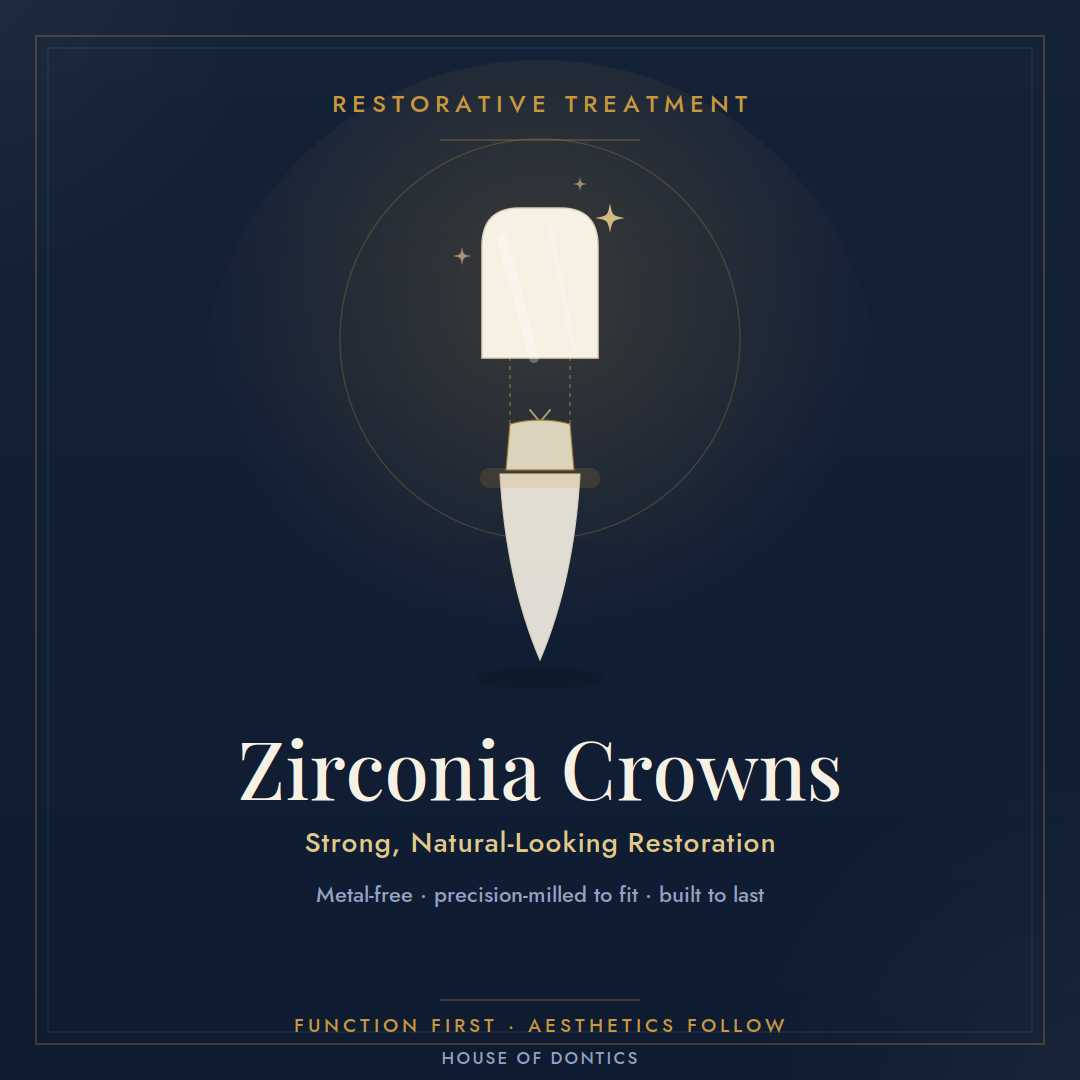
Trip 2 (Restoration Phase): After 4 to 6 months of healing, you return to Mexico. The dentist removes the temporary set, takes new impressions, and fits your permanent, high-durability teeth (often Zirconia or Porcelain). This trip typically lasts 5 to 7 days to allow for lab work and final adjustments. The result is a smile that can last a lifetime.
Do Mexican dentists speak English?
Communication is vital for medical procedures, and Mexican clinics understand this. In border towns like Los Algodones (known as Molar City) and Tijuana, practically everyone speaks English. The dentists often study in English-speaking environments, and the clinics cater almost 100% to American and Canadian tourists.
You will not need a translator. From the receptionist who books your appointment to the surgeon explaining your post-op care, English is the operating language. This eliminates the fear of misunderstandings and ensures you feel comfortable asking questions about your procedure.
What are the best locations for dental implants in Mexico?
Mexico offers different "flavors" of dental tourism depending on your location and preferences. Los Algodones, located near Yuma, Arizona, has the highest concentration of dentists per square mile in the world. It is small, safe, and walkable, making it perfect for seniors driving across the border.
Tijuana is ideal for those in Southern California, offering high-tech clinics just minutes from San Diego. For those who want to recover in paradise, Cancun and Puerto Vallarta offer world-class dental centers alongside beautiful beaches, allowing you to turn a medical trip into a relaxing holiday (pre-surgery, at least!).
Is the water used in dental clinics safe?
A common concern for tourists in Mexico is the tap water ("Montezuma's Revenge"). However, modern dental clinics never use tap water for patient care. They utilize independent water filtration and distillation systems to ensure that the water spraying into your mouth is completely sterile and safe.
Infection control is a top priority. Just like in US hospitals, the water lines are regularly cleaned and treated to prevent biofilm buildup. You can rest assured that the fluids used during your surgery meet the highest medical safety standards.
Do Mexican dental clinics offer guarantees or warranties?
Unlike many US dentists who do not guarantee medical procedures, competitive Mexican clinics often provide warranties to instill trust. If an implant fails to integrate (which happens in a small percentage of cases globally) or a crown chips within the warranty period, they will fix it for free.
It is important to read the fine print. Usually, the warranty covers the remedial work at the clinic but does not cover your flights or hotel costs to return. Choosing a clinic with a strong warranty policy is a good indicator of their confidence in their work quality.
What is the difference between All-on-4 and All-on-6?
While All-on-4 is the most famous term, All-on-6 is often the preferred choice if the patient has enough bone. By adding two extra implants, the pressure of chewing is distributed more evenly across the jaw. This can extend the lifespan of the prosthesis and feels even more secure.
The cost difference is usually minimal in Mexico (often just $1,000-$2,000 more), whereas in the US, adding two implants could increase the price by $10,000. Your implantologist will take a CT scan (3D X-ray) during your consultation to determine if you have enough bone volume for six implants or if the angled All-on-4 approach is better for your anatomy.
Can I get financing for dental work in Mexico?
Since Mexican clinics cannot legally pursue debt collection across the border, they rarely offer monthly payment plans directly to international patients. However, many partner with financing services like Citerra Finance or United Medical Credit that specialize in medical tourism loans.
Most patients pay using credit cards, cash (which often secures an extra discount), or wire transfers. It is advisable to sort out your financing before you travel so you can focus entirely on your recovery once you arrive.
What happens if I have a dental emergency back home?
Post-op complications are rare, but they can happen. If you have a minor issue, like a loose screw on your temporary denture, you can see a local dentist in the US. Because Mexican clinics use standard systems like Nobel or Straumann, your local dentist will have the compatible screwdriver to tighten it.
For more serious concerns, your Mexican clinic is your first point of contact. They often have dedicated patient coordinators who can assess your situation via video call and advise whether you need to return to Mexico or if it can be managed locally. This ongoing support is part of the package at reputable centers.
How do I organize my trip for dental implants?
The logistics of dental tourism are easier than you might think. Clinics in places like Los Algodones or Tijuana often provide free shuttle services from the nearest US border parking lot or San Diego Airport. You simply walk across or fly in, and they pick you up.
Additionally, these clinics have partnerships with local hotels, offering corporate rates to their patients. Some high-end packages even include your hotel stay in the total cost. When you book your appointment, ask the patient coordinator about their "concierge services" to make your travel seamless.
Why is the consultation important?
Before any surgery begins, a comprehensive evaluation is mandatory. In Mexico, this usually involves a 3D CT Scan (CBCT), which is often free or very low cost compared to the US. This scan allows the surgeon to see the nerves, sinuses, and bone volume in 3D.
This step ensures there are no surprises during surgery. You will discuss your aesthetic goals—tooth shape, shade, and size. It is a collaborative process where the dentist explains the realistic outcomes, ensuring you walk away with not just a healthy mouth, but the smile you have always wanted.
Ready to Restore Your Smile and Confidence?
Don't let high costs stand in the way of your dental health. Join the thousands of happy patients who have transformed their lives with affordable, world-class dental implants in Mexico.
Get a free quote and connect with top-rated implant specialists today.





.png)










Share this listing