


How Thailand’s Long-Term Rehab Programs Help Build Lasting Sobriety
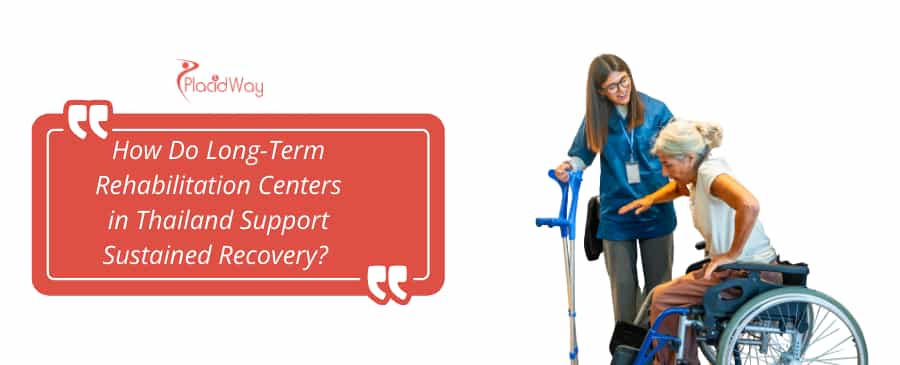
Addiction is a complex battle that often requires more than just a few weeks of detox to truly overcome. If you or a loved one is struggling, the idea of stepping away from daily life for an extended period might seem daunting, yet it is often the most effective path to lasting sobriety. This is where Long-Term Rehabilitation Centers in Thailand have emerged as a leading solution for people worldwide.
Thailand offers a unique combination of high-quality medical care, affordability, and a naturally therapeutic environment that is hard to find elsewhere. By removing yourself from the stressors and triggers of your home environment, you can focus entirely on healing. These centers don't just treat the symptoms of addiction; they dig deep into the root causes, equipping you with the tools needed for sustained recovery.
In this guide, we will explore exactly how these comprehensive facilities operate, why they are so effective, and answer the practical questions you likely have about costs, visas, and safety. Whether you are looking for luxury amenities or a standard evidence-based program, understanding the landscape of rehab in Thailand is your first step toward a healthier future.
How does the environment in Thailand aid recovery?
One of the most powerful aspects of choosing Thailand for rehabilitation is the physical setting itself. Unlike clinical, hospital-like settings often found in Western countries, Thai rehab centers are frequently located in tranquil areas such as the mountains of Chiang Mai or the quiet beaches of islands like Phuket/Koh Samui. This natural beauty plays a crucial role in lowering cortisol levels (stress) and helping patients find a sense of peace that has likely been missing from their lives for years.
Being thousands of miles away from home also provides a necessary physical and psychological break. It creates a "safe container" where old habits, dealers, and enabling relationships are physically inaccessible. This distance allows you to reinvent yourself and adopt new habits without the immediate pressure of your regular social circle or work environment interfering with your progress.
Furthermore, the culture of Thailand, often called the "Land of Smiles," is deeply rooted in Buddhism and compassion. This influences the care you receive; staff members are typically warm, non-judgmental, and attentive. The integration of nature—lush gardens, open-air therapy rooms, and sunshine—helps regulate sleep patterns and improve overall mood, which is vital during the early, difficult stages of recovery.
What is the cost of long-term rehab in Thailand?
Cost is often the deciding factor for many families seeking treatment. Thailand offers exceptional value because the lower cost of living and labor allows centers to provide luxury-standard facilities and highly qualified international staff at a fraction of Western prices. You are not paying for "budget" healthcare; you are paying for premium care that simply costs less to deliver.
Most packages in Thailand are "all-inclusive," covering accommodation, meals, therapy (individual and group), excursions, and often airport transfers. There are generally no hidden fees for basic medical care or laundry, which can add up in other countries. This transparency helps families budget effectively for a 60 or 90-day stay without fear of spiraling costs.
Below is a comparison table to help you understand the potential savings:
| Region | Estimated Monthly Cost (Standard) | Estimated Monthly Cost (Luxury) |
|---|---|---|
| Thailand | $8,000 - $10,000 | $12,000 - $15,000 |
| United States | $25,000 - $40,000 | $50,000 - $80,000+ |
| United Kingdom | $10,000 - $18,000 | $25,000 - $45,000 |
| Australia | $15,000 - $25,000 | $30,000 - $50,000 |
Why is long-term rehab more effective than short-term?
Research consistently shows that longer stays in treatment lead to better outcomes. A standard 28-day program is often just enough time to detox and physically stabilize, but it rarely provides enough time to address the underlying psychological issues driving the addiction. In a long-term program (60, 90 days, or more), the "fog" of addiction lifts, allowing for true cognitive restructuring.
During the first month, your brain is still recovering from the chemical imbalance of substance abuse. By the second and third months, you are physically stronger and mentally sharper, enabling you to engage more deeply in trauma therapy, cognitive behavioral therapy (CBT), and counseling. You have the time to practice new coping mechanisms in a safe environment before testing them in the real world.
Long-term care also builds a stronger community. You bond with peers who are on the same journey, creating a network of support that often lasts years after you leave. The extended duration proves to yourself that you can live without substances, building the confidence necessary for sustained recovery.
What types of therapies are used in Thailand rehabs?
One of the hallmarks of Long-Term Rehabilitation Centers in Thailand is their integrative approach. They do not rely on a single method but combine the best of modern Western psychology with Eastern wellness traditions. You can expect to participate in Cognitive Behavioral Therapy (CBT), which helps identify and change negative thought patterns, as well as Dialectical Behavior Therapy (DBT) for emotional regulation.
In addition to talk therapy, holistic treatments play a massive role. Most centers include daily physical activities like yoga and meditation, which are essential for reconnecting the mind and body. Art therapy, sound healing, and even adventure therapies like hiking or elephant sanctuary visits are common. These activities help patients rediscover joy and passion in life without the need for drugs or alcohol.
Physical fitness is also emphasized, with many centers offering personal training or Muay Thai (Thai boxing). This not only rebuilds physical strength often lost during addiction but also provides a healthy outlet for frustration and energy. The goal is to treat the "whole person"—mind, body, and spirit.
Are Thailand rehabilitation centers safe and regulated?
Safety is a top priority for international patients. The rehabilitation industry in Thailand is regulated by the Ministry of Public Health. Legitimate centers must undergo rigorous inspections to maintain their licenses. Many top-tier facilities also voluntarily seek international accreditation from bodies like CARF (Commission on Accreditation of Rehabilitation Facilities) or retain partnerships with major international hospitals.
Staffing levels in Thai rehabs are typically very high, often with a 1:1 staff-to-client ratio. The clinical teams usually consist of Western-trained and licensed psychologists, counselors, and medical doctors who speak fluent English. This ensures that there is no language barrier when discussing complex emotional issues.
Security within the facilities is also strict. They are gated communities with 24/7 security personnel to ensure that no unauthorized substances enter the premises and that residents are safe and privacy is protected. This is particularly important for high-profile clients seeking anonymity.
How do I get a visa for long-term rehab in Thailand?
Navigating visa requirements is easier than it might seem. For many nationalities, you can arrive in Thailand on a visa exemption (often 30 or 60 days) or a standard tourist visa. Once you are in the country and enrolled in a licensed facility, the rehab center's administrative team typically helps you process an extension at the local immigration office, allowing you to stay for the duration of your treatment.
For those planning a stay of 90 days or more from the outset, you may apply for a Non-Immigrant Visa Category "O" (Medical Treatment) at a Thai embassy in your home country before traveling. This requires a letter of acceptance from the rehabilitation center and proof of medical necessity. The center you choose will guide you through exactly which documents you need.
It is crucial to coordinate with the admissions team of your chosen facility *before* you book your flight. They handle these situations daily and can provide the specific invitation letters required to ensure your entry and stay in Thailand are legal and stress-free.
What is the difference between luxury and standard rehab in Thailand?
While the clinical treatment—therapy, counseling, and group work—is often excellent across the board, the hospitality experience differs significantly between standard and luxury centers. A "standard" rehab in Thailand is still very comfortable, comparable to a nice 3-star hotel. You might have a private room or share with one other person, and meals are nutritious and tasty but served in a cafeteria style.
Luxury rehabs, on the other hand, feel like 5-star resorts. You can expect private villas, often with private pools, en-suite bathrooms with premium amenities, and a stronger focus on privacy. The food is often prepared by executive chefs, catering to specific gourmet preferences. Amenities might include full-service spas, extensive gyms, and private chauffeurs.
The choice depends on your budget and your need for privacy and comfort. For some executives or high-profile individuals, the isolation and luxury amenities are necessary to feel comfortable enough to focus on recovery. For others, the community feel of a standard center is just as effective.
How is dual diagnosis treated in Thailand?
A significant percentage of people struggling with addiction also face co-occurring mental health disorders, known as dual diagnosis. This might include depression, anxiety, PTSD, or bipolar disorder. If a rehab only treats the addiction and ignores the mental health issue, relapse is almost guaranteed. Thailand’s top centers are well-equipped to handle this.
These facilities employ full-time psychiatrists and clinical psychologists who can diagnose and treat these underlying conditions. Treatment is integrated, meaning your addiction counseling and mental health therapy happen concurrently. For example, you might have a session on relapse prevention in the morning and a trauma-informed therapy session in the afternoon.
If medication is required to manage a mental health condition, it is prescribed and monitored by licensed medical professionals. The holistic activities, such as meditation and mindfulness, also play a massive role in regulating the nervous system, which is beneficial for anxiety and trauma recovery.
What happens during medical detox in Thailand?
Detox is the first, critical step of recovery. Attempting to detox alone can be dangerous and is often unsuccessful. In Thailand, medical detox is conducted either within the rehab facility (if they have a hospital license) or at a partner international hospital nearby. The process is overseen by doctors and nurses who specialize in addiction medicine.
The priority during detox is safety and comfort. Medical staff may administer medications to ease withdrawal symptoms, reduce cravings, and prevent complications like seizures. This allows your body to clear the substances while you rest. You are not expected to attend intense therapy sessions during this phase; the focus is purely on physical stabilization.
Once you are physically stable and clear-headed—usually after 5 to 7 days, depending on the substance—you will transition into the residential treatment program. This seamless transition from medical care to therapeutic recovery is a key benefit of the Thai rehab system.
Can my family visit or be involved in treatment?
Addiction is often called a "family disease" because it affects everyone close to the individual. Most reputable centers in Thailand recognize this and integrate family therapy into the treatment plan. In the early stages, this is often done via secure video calls, allowing family members to express their feelings and learn about addiction boundaries.
As treatment progresses, some centers offer a designated "Family Week" or allow loved ones to visit the facility. During this time, families might participate in joint counseling sessions to address past hurts and build a plan for the future. This helps create a supportive home environment for when the patient returns.
However, contact is usually restricted during the first week or two of treatment (the "blackout period"). This allows the patient to focus entirely on themselves without outside distractions or emotional triggers from home. Rest assured, the staff keeps the family updated on their loved one's progress during this time.
What relapse prevention strategies are taught?
Getting sober is one thing; staying sober is another. A major component of long-term rehab is teaching you relapse prevention. This involves mapping out your specific triggers—whether they are emotional (stress, loneliness), environmental (certain bars, friends), or physical (pain, fatigue).
Therapists work with you to create a "toolbox" of coping strategies. If you feel a craving, what do you do? You might learn breathing exercises, "urge surfing" techniques, or how to "play the tape forward" to see the consequences of using. You will also role-play high-risk situations, such as turning down a drink at a wedding or handling a stressful day at work.
By the time you leave, you will have a written Continuing Care Plan. This isn't just a vague idea of "trying hard"; it is a detailed schedule of meetings, therapy appointments, and healthy routines to follow the moment you step off the plane back home.
Is there aftercare support after returning home?
Recovery doesn't end when you check out of the center. In fact, the transition back home is often the most vulnerable time. Top Thailand rehab centers include aftercare programs as part of their package. This typically involves weekly online group sessions where you can reconnect with your peers and counselors to discuss challenges you are facing back in the "real world."
Some packages also include one-on-one therapy sessions via Zoom for the first few months. Additionally, these centers often have extensive alumni networks. Being part of a global community of alumni provides a sense of belonging and accountability.
If you need in-person support in your home city, the rehab center usually has a network of trusted therapists or sober living houses they can refer you to. They ensure the baton is passed smoothly so you are never left without support.
What should I pack for rehab in Thailand?
Packing for rehab in Thailand is different from packing for a regular vacation. The climate is tropical, so focus on lightweight, breathable fabrics like cotton and linen. You will need activewear for yoga and gym sessions, as well as swimwear for the pool or beach visits. Modest clothing is recommended for visiting temples or cultural sites.
Do not bring toiletries containing alcohol (like certain mouthwashes), as these will be confiscated. Bring a supply of any prescription medications you are currently taking, in their original packaging with the doctor's script. It is also wise to bring a journal, as writing is a big part of the recovery process.
Leave expensive jewelry, excessive cash, and unapproved electronics at home. Most centers have strict rules about laptop and phone usage to ensure you stay focused on recovery, though they may allow limited access at specific times.
12-Step vs. Non-12-Step: Which is better?
You will find both 12-Step (based on Alcoholics Anonymous principles) and Non-12-Step (secular, evidence-based) models in Thailand. Some centers are strictly one or the other, while many offer a hybrid approach. 12-Step programs are excellent for building community and finding a spiritual anchor, relying on the concept of surrendering to a higher power.
Non-12-Step programs, often utilizing CBT or SMART Recovery, view addiction as a behavioral issue that can be corrected through self-empowerment and cognitive tools. If you are uncomfortable with the spiritual aspect of AA, a Non-12-Step program might be more suitable.
The "better" program is simply the one that resonates with you. When researching centers, ask about their philosophy. A good center will explain their approach clearly and help you decide if it aligns with your values.
How does the culture in Thailand influence recovery?
The cultural backdrop of Thailand is a hidden ingredient in the success of treatment there. In many Western cultures, addiction is heavily stigmatized, leading to shame. In Thailand, the Buddhist influence fosters an attitude of Metta (loving-kindness) and compassion. The local staff treat patients with deep respect and dignity, never as "addicts" or "criminals."
This absence of judgment creates a safe space for vulnerability. Practices like mindfulness and "living in the moment" are not just therapy buzzwords in Thailand; they are a way of life. Being immersed in this culture helps patients learn to slow down, breathe, and appreciate the present—skills that are the antithesis of the chaotic nature of addiction.
Additionally, the concept of "Sanuk" (finding enjoyment in whatever you do) is prevalent. Recovery in Thailand is serious work, but it is also designed to be an enjoyable, life-affirming experience rather than a punishment.
What are the success rates of Thailand rehab centers?
Defining "success" in addiction treatment is complex, as recovery is a lifelong journey. However, completion of treatment is a strong predictor of long-term sobriety. Long-Term Rehabilitation Centers in Thailand boast very high completion rates. Because patients are in a comfortable, supportive, and enclosed environment far from home, the temptation to "leave against medical advice" (AMA) is much lower than in a local clinic.
Furthermore, the focus on long-term stays (minimum 28 days, but usually longer) aligns with clinical data suggesting that longer treatment leads to better results. By addressing physical health, mental trauma, and lifestyle habits simultaneously, these centers provide a solid foundation that stands the test of time.
While no center can guarantee 100% sobriety forever—that depends on the individual's commitment—the comprehensive, high-quality care in Thailand gives you the very best possible fighting chance.
Taking the step to seek help is the most important decision of your life. Thailand offers a sanctuary where you can heal your body, clear your mind, and rebuild your spirit without the crushing financial burden often found in the West. If you are ready to explore your options for a safe, effective, and life-changing recovery journey, professional guidance is just a click away.














Share this listing