
What treatment


20+ Key FAQs on Yoga/Meditation in Thailand
Questions About Yoga/Meditation in Thailand? Start Here
Trusted Medical Tourism Platform Since 2007
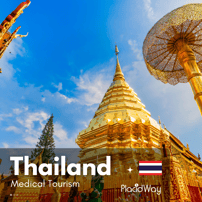
How Do Long-Term Rehabilitation Centers in Thailand Support Sustained Recovery?
Long-term rehabilitation centers in Thailand support sustained recovery by offering affordable, holistic, and evidence-based treatment programs in serene environments, allowing individuals 60 to 90 days to break addiction cycles away from daily triggers. Addiction is a complex battle that often requires more than just a few weeks of detox to truly overcome. If you or a loved one is struggling, the idea of stepping away from daily life for an extended period might seem daunting, yet it is often the most effective path to lasting sobriety. This is where Long-Term Rehabilitation Centers in Thailand have emerged as a leading solution for people worldwide. Thailand offers a unique combination of high-quality medical care, affordability, and a naturally therapeutic environment that is hard to find elsewhere. By removing yourself from the stressors and triggers of your home environment, you can focus entirely on healing. These centers don't just treat the symptoms of addiction; they dig deep into the root causes, equipping you with the tools needed for sustained recovery. In this guide, we will explore exactly how these comprehensive facilities operate, why they are so effective, and answer the practical questions you likely have about costs, visas, and safety. Whether you are looking for luxury amenities or a standard evidence-based program, understanding the landscape of rehab in Thailand is your first step toward a healthier future. How does the environment in Thailand aid recovery? “The environment in Thailand aids recovery by providing a serene, tropical setting that reduces stress and removes individuals from toxic triggers at home, fostering a peaceful mindset essential for healing.” One of the most powerful aspects of choosing Thailand for rehabilitation is the physical setting itself. Unlike clinical, hospital-like settings often found in Western countries, Thai rehab centers are frequently located in tranquil areas such as the mountains of Chiang Mai or the quiet beaches of islands like Phuket/Koh Samui. This natural beauty plays a crucial role in lowering cortisol levels (stress) and helping patients find a sense of peace that has likely been missing from their lives for years. Being thousands of miles away from home also provides a necessary physical and psychological break. It creates a "safe container" where old habits, dealers, and enabling relationships are physically inaccessible. This distance allows you to reinvent yourself and adopt new habits without the immediate pressure of your regular social circle or work environment interfering with your progress. Furthermore, the culture of Thailand, often called the "Land of Smiles," is deeply rooted in Buddhism and compassion. This influences the care you receive; staff members are typically warm, non-judgmental, and attentive. The integration of nature—lush gardens, open-air therapy rooms, and sunshine—helps regulate sleep patterns and improve overall mood, which is vital during the early, difficult stages of recovery. What is the cost of long-term rehab in Thailand? “Long-term rehab in Thailand typically costs between $8,000 and $15,000 per month, which is significantly lower than the $40,000 to $80,000 often charged for comparable luxury treatment in the US or UK.” Cost is often the deciding factor for many families seeking treatment. Thailand offers exceptional value because the lower cost of living and labor allows centers to provide luxury-standard facilities and highly qualified international staff at a fraction of Western prices. You are not paying for "budget" healthcare; you are paying for premium care that simply costs less to deliver. Most packages in Thailand are "all-inclusive," covering accommodation, meals, therapy (individual and group), excursions, and often airport transfers. There are generally no hidden fees for basic medical care or laundry, which can add up in other countries. This transparency helps families budget effectively for a 60 or 90-day stay without fear of spiraling costs. Below is a comparison table to help you understand the potential savings: Region Estimated Monthly Cost (Standard) Estimated Monthly Cost (Luxury) Thailand $8,000 - $10,000 $12,000 - $15,000 United States $25,000 - $40,000 $50,000 - $80,000+ United Kingdom $10,000 - $18,000 $25,000 - $45,000 Australia $15,000 - $25,000 $30,000 - $50,000 Why is long-term rehab more effective than short-term? “Long-term rehab is more effective because it gives the brain more time to heal, allows for deeper therapeutic work, and helps firmly establish new habits, significantly reducing the risk of relapse compared to 28-day programs.” Research consistently shows that longer stays in treatment lead to better outcomes. A standard 28-day program is often just enough time to detox and physically stabilize, but it rarely provides enough time to address the underlying psychological issues driving the addiction. In a long-term program (60, 90 days, or more), the "fog" of addiction lifts, allowing for true cognitive restructuring. During the first month, your brain is still recovering from the chemical imbalance of substance abuse. By the second and third months, you are physically stronger and mentally sharper, enabling you to engage more deeply in trauma therapy, cognitive behavioral therapy (CBT), and counseling. You have the time to practice new coping mechanisms in a safe environment before testing them in the real world. Long-term care also builds a stronger community. You bond with peers who are on the same journey, creating a network of support that often lasts years after you leave. The extended duration proves to yourself that you can live without substances, building the confidence necessary for sustained recovery. What types of therapies are used in Thailand rehabs? “Thailand rehabs use a blend of evidence-based Western therapies like CBT and DBT, alongside holistic Eastern practices such as yoga, meditation, mindfulness, and Muay Thai boxing for a comprehensive approach.” One of the hallmarks of Long-Term Rehabilitation Centers in Thailand is their integrative approach. They do not rely on a single method but combine the best of modern Western psychology with Eastern wellness traditions. You can expect to participate in Cognitive Behavioral Therapy (CBT), which helps identify and change negative thought patterns, as well as Dialectical Behavior Therapy (DBT) for emotional regulation. In addition to talk therapy, holistic treatments play a massive role. Most centers include daily physical activities like yoga and meditation, which are essential for reconnecting the mind and body. Art therapy, sound healing, and even adventure therapies like hiking or elephant sanctuary visits are common. These activities help patients rediscover joy and passion in life without the need for drugs or alcohol. Physical fitness is also emphasized, with many centers offering personal training or Muay Thai (Thai boxing). This not only rebuilds physical strength often lost during addiction but also provides a healthy outlet for frustration and energy. The goal is to treat the "whole person"—mind, body, and spirit. Are Thailand rehabilitation centers safe and regulated? “Yes, reputable rehabilitation centers in Thailand are licensed by the Ministry of Public Health and often hold international accreditations, ensuring high standards of safety, medical care, and professional ethics.” Safety is a top priority for international patients. The rehabilitation industry in Thailand is regulated by the Ministry of Public Health. Legitimate centers must undergo rigorous inspections to maintain their licenses. Many top-tier facilities also voluntarily seek international accreditation from bodies like CARF (Commission on Accreditation of Rehabilitation Facilities) or retain partnerships with major international hospitals. Staffing levels in Thai rehabs are typically very high, often with a 1:1 staff-to-client ratio. The clinical teams usually consist of Western-trained and licensed psychologists, counselors, and medical doctors who speak fluent English. This ensures that there is no language barrier when discussing complex emotional issues. Security within the facilities is also strict. They are gated communities with 24/7 security personnel to ensure that no unauthorized substances enter the premises and that residents are safe and privacy is protected. This is particularly important for high-profile clients seeking anonymity. How do I get a visa for long-term rehab in Thailand? “Most patients enter on a standard tourist visa or a visa exemption (30-60 days) and can extend it locally, while some centers assist in applying for a Non-Immigrant Medical Visa (Category O) for longer stays.” Navigating visa requirements is easier than it might seem. For many nationalities, you can arrive in Thailand on a visa exemption (often 30 or 60 days) or a standard tourist visa. Once you are in the country and enrolled in a licensed facility, the rehab center's administrative team typically helps you process an extension at the local immigration office, allowing you to stay for the duration of your treatment. For those planning a stay of 90 days or more from the outset, you may apply for a Non-Immigrant Visa Category "O" (Medical Treatment) at a Thai embassy in your home country before traveling. This requires a letter of acceptance from the rehabilitation center and proof of medical necessity. The center you choose will guide you through exactly which documents you need. It is crucial to coordinate with the admissions team of your chosen facility *before* you book your flight. They handle these situations daily and can provide the specific invitation letters required to ensure your entry and stay in Thailand are legal and stress-free. What is the difference between luxury and standard rehab in Thailand? “Luxury rehabs offer private pool villas, gourmet dining, and spa treatments with a lower client count, while standard rehabs provide comfortable but shared or simpler accommodations and standard meals, though clinical care quality often remains high in both.” While the clinical treatment—therapy, counseling, and group work—is often excellent across the board, the hospitality experience differs significantly between standard and luxury centers. A "standard" rehab in Thailand is still very comfortable, comparable to a nice 3-star hotel. You might have a private room or share with one other person, and meals are nutritious and tasty but served in a cafeteria style. Luxury rehabs, on the other hand, feel like 5-star resorts. You can expect private villas, often with private pools, en-suite bathrooms with premium amenities, and a stronger focus on privacy. The food is often prepared by executive chefs, catering to specific gourmet preferences. Amenities might include full-service spas, extensive gyms, and private chauffeurs. The choice depends on your budget and your need for privacy and comfort. For some executives or high-profile individuals, the isolation and luxury amenities are necessary to feel comfortable enough to focus on recovery. For others, the community feel of a standard center is just as effective. How is dual diagnosis treated in Thailand? “Dual diagnosis is treated by integrated clinical teams who address addiction and co-occurring mental health disorders like depression or anxiety simultaneously, using medication management and specialized therapies.” A significant percentage of people struggling with addiction also face co-occurring mental health disorders, known as dual diagnosis. This might include depression, anxiety, PTSD, or bipolar disorder. If a rehab only treats the addiction and ignores the mental health issue, relapse is almost guaranteed. Thailand’s top centers are well-equipped to handle this. These facilities employ full-time psychiatrists and clinical psychologists who can diagnose and treat these underlying conditions. Treatment is integrated, meaning your addiction counseling and mental health therapy happen concurrently. For example, you might have a session on relapse prevention in the morning and a trauma-informed therapy session in the afternoon. If medication is required to manage a mental health condition, it is prescribed and monitored by licensed medical professionals. The holistic activities, such as meditation and mindfulness, also play a massive role in regulating the nervous system, which is beneficial for anxiety and trauma recovery. What happens during medical detox in Thailand? “Medical detox in Thailand is a supervised process where medical professionals manage withdrawal symptoms using medication and 24/7 monitoring to ensure safety and comfort before therapy begins.” Detox is the first, critical step of recovery. Attempting to detox alone can be dangerous and is often unsuccessful. In Thailand, medical detox is conducted either within the rehab facility (if they have a hospital license) or at a partner international hospital nearby. The process is overseen by doctors and nurses who specialize in addiction medicine. The priority during detox is safety and comfort. Medical staff may administer medications to ease withdrawal symptoms, reduce cravings, and prevent complications like seizures. This allows your body to clear the substances while you rest. You are not expected to attend intense therapy sessions during this phase; the focus is purely on physical stabilization. Once you are physically stable and clear-headed—usually after 5 to 7 days, depending on the substance—you will transition into the residential treatment program. This seamless transition from medical care to therapeutic recovery is a key benefit of the Thai rehab system. Can my family visit or be involved in treatment? “Yes, many centers encourage family involvement through online family therapy sessions during treatment and may allow scheduled visits or a 'family week' towards the end of the program to rebuild relationships.” Addiction is often called a "family disease" because it affects everyone close to the individual. Most reputable centers in Thailand recognize this and integrate family therapy into the treatment plan. In the early stages, this is often done via secure video calls, allowing family members to express their feelings and learn about addiction boundaries. As treatment progresses, some centers offer a designated "Family Week" or allow loved ones to visit the facility. During this time, families might participate in joint counseling sessions to address past hurts and build a plan for the future. This helps create a supportive home environment for when the patient returns. However, contact is usually restricted during the first week or two of treatment (the "blackout period"). This allows the patient to focus entirely on themselves without outside distractions or emotional triggers from home. Rest assured, the staff keeps the family updated on their loved one's progress during this time. What relapse prevention strategies are taught? “Relapse prevention strategies include identifying personal triggers, developing coping mechanisms for stress, creating a solid exit plan, and practicing mindfulness to manage cravings without acting on them.” Getting sober is one thing; staying sober is another. A major component of long-term rehab is teaching you relapse prevention. This involves mapping out your specific triggers—whether they are emotional (stress, loneliness), environmental (certain bars, friends), or physical (pain, fatigue). Therapists work with you to create a "toolbox" of coping strategies. If you feel a craving, what do you do? You might learn breathing exercises, "urge surfing" techniques, or how to "play the tape forward" to see the consequences of using. You will also role-play high-risk situations, such as turning down a drink at a wedding or handling a stressful day at work. By the time you leave, you will have a written Continuing Care Plan. This isn't just a vague idea of "trying hard"; it is a detailed schedule of meetings, therapy appointments, and healthy routines to follow the moment you step off the plane back home. Is there aftercare support after returning home? “Yes, reputable Thai rehabs provide robust aftercare support, including ongoing online group therapy, individual counseling calls, and referrals to local support groups in your home country.” Recovery doesn't end when you check out of the center. In fact, the transition back home is often the most vulnerable time. Top Thailand rehab centers include aftercare programs as part of their package. This typically involves weekly online group sessions where you can reconnect with your peers and counselors to discuss challenges you are facing back in the "real world." Some packages also include one-on-one therapy sessions via Zoom for the first few months. Additionally, these centers often have extensive alumni networks. Being part of a global community of alumni provides a sense of belonging and accountability. If you need in-person support in your home city, the rehab center usually has a network of trusted therapists or sober living houses they can refer you to. They ensure the baton is passed smoothly so you are never left without support. What should I pack for rehab in Thailand? “Pack light, breathable clothing for the tropical climate, swimwear, comfortable walking shoes, toiletries (alcohol-free), current prescriptions, and a small amount of cash, leaving valuables and expensive jewelry at home.” Packing for rehab in Thailand is different from packing for a regular vacation. The climate is tropical, so focus on lightweight, breathable fabrics like cotton and linen. You will need activewear for yoga and gym sessions, as well as swimwear for the pool or beach visits. Modest clothing is recommended for visiting temples or cultural sites. Do not bring toiletries containing alcohol (like certain mouthwashes), as these will be confiscated. Bring a supply of any prescription medications you are currently taking, in their original packaging with the doctor's script. It is also wise to bring a journal, as writing is a big part of the recovery process. Leave expensive jewelry, excessive cash, and unapproved electronics at home. Most centers have strict rules about laptop and phone usage to ensure you stay focused on recovery, though they may allow limited access at specific times. 12-Step vs. Non-12-Step: Which is better? “Neither is inherently 'better'; 12-Step programs focus on community and spiritual surrender, while Non-12-Step programs (like SMART Recovery) focus on self-empowerment and cognitive tools, so the best choice depends on your personal beliefs.” You will find both 12-Step (based on Alcoholics Anonymous principles) and Non-12-Step (secular, evidence-based) models in Thailand. Some centers are strictly one or the other, while many offer a hybrid approach. 12-Step programs are excellent for building community and finding a spiritual anchor, relying on the concept of surrendering to a higher power. Non-12-Step programs, often utilizing CBT or SMART Recovery, view addiction as a behavioral issue that can be corrected through self-empowerment and cognitive tools. If you are uncomfortable with the spiritual aspect of AA, a Non-12-Step program might be more suitable. The "better" program is simply the one that resonates with you. When researching centers, ask about their philosophy. A good center will explain their approach clearly and help you decide if it aligns with your values. How does the culture in Thailand influence recovery? “Thai culture, rooted in Buddhism and mindfulness, promotes a non-judgmental, compassionate atmosphere (Metta), which helps reduce the shame and stigma often felt by those struggling with addiction.” The cultural backdrop of Thailand is a hidden ingredient in the success of treatment there. In many Western cultures, addiction is heavily stigmatized, leading to shame. In Thailand, the Buddhist influence fosters an attitude of Metta (loving-kindness) and compassion. The local staff treat patients with deep respect and dignity, never as "addicts" or "criminals." This absence of judgment creates a safe space for vulnerability. Practices like mindfulness and "living in the moment" are not just therapy buzzwords in Thailand; they are a way of life. Being immersed in this culture helps patients learn to slow down, breathe, and appreciate the present—skills that are the antithesis of the chaotic nature of addiction. Additionally, the concept of "Sanuk" (finding enjoyment in whatever you do) is prevalent. Recovery in Thailand is serious work, but it is also designed to be an enjoyable, life-affirming experience rather than a punishment. What are the success rates of Thailand rehab centers? “While global addiction success rates are hard to quantify, Thailand rehabs often report higher completion rates due to the immersive, long-term nature of the programs, with 60-90 day stays showing significantly better outcomes than shorter interventions.” Defining "success" in addiction treatment is complex, as recovery is a lifelong journey. However, completion of treatment is a strong predictor of long-term sobriety. Long-Term Rehabilitation Centers in Thailand boast very high completion rates. Because patients are in a comfortable, supportive, and enclosed environment far from home, the temptation to "leave against medical advice" (AMA) is much lower than in a local clinic. Furthermore, the focus on long-term stays (minimum 28 days, but usually longer) aligns with clinical data suggesting that longer treatment leads to better results. By addressing physical health, mental trauma, and lifestyle habits simultaneously, these centers provide a solid foundation that stands the test of time. While no center can guarantee 100% sobriety forever—that depends on the individual's commitment—the comprehensive, high-quality care in Thailand gives you the very best possible fighting chance. Taking the step to seek help is the most important decision of your life. Thailand offers a sanctuary where you can heal your body, clear your mind, and rebuild your spirit without the crushing financial burden often found in the West. If you are ready to explore your options for a safe, effective, and life-changing recovery journey, professional guidance is just a click away. ...
Read more details

How Do Medical Wellness Retreats in Thailand Address Stress and Burnout?
Medical wellness retreats in Thailand address stress and burnout by combining advanced medical diagnostics—like cortisol and hormone testing—with traditional Thai healing therapies, mindfulness practices, and nutritional therapy to restore the nervous system and hormonal balance. We have all felt it—that heavy, dragging exhaustion that sleep just doesn't seem to fix. You wake up tired, your mind is racing before you've even had coffee, and the smallest tasks feel like climbing a mountain. This is burnout, and in our hyper-connected, always-on world, it is becoming a silent epidemic. While a week on a beach sounds nice, true recovery often requires more than just a change of scenery; it requires a deep biological and mental reset. This is where medical wellness retreats in Thailand are changing the game. Thailand has long been known as the "Land of Smiles," famous for its hospitality and stunning tropical landscapes. But recently, it has evolved into a global hub for serious, science-backed health restoration. These aren't just spas where you get a nice massage (though that is certainly part of it). These are sophisticated medical facilities tucked away in paradise, where doctors, nutritionists, and traditional healers work together to figure out exactly why you are depleted. In this guide, we are going to look at exactly how these retreats work. We will explore the specific therapies they use to lower stress and burnout, the medical tests that pinpoint your imbalances, and how the unique blend of Eastern wisdom and Western science can get you back to feeling like yourself again. Whether you are a stressed executive or just someone looking for a fresh start, understanding this approach could be the first step toward real healing. Why is Thailand considered a top destination for burnout recovery? Thailand is a top destination for burnout recovery because it offers a unique "East meets West" approach, combining affordable, high-quality medical care with deeply ingrained cultural traditions of mindfulness, massage, and hospitality in a stress-reducing tropical environment. Thailand holds a special place in the world of wellness because it doesn't just import wellness concepts; it lives them. The culture itself is rooted in Buddhism and mindfulness, creating an atmosphere of calm that is palpable the moment you arrive. For someone dealing with chronic stress, simply being in an environment where patience and kindness are cultural norms can lower blood pressure and reduce anxiety triggers immediately. Beyond the atmosphere, Thailand has invested heavily in becoming a medical tourism leader. You aren't just getting "wellness" in a vague sense; you are getting access to JCI-accredited hospitals and clinics that rival those in the West, but at a fraction of the cost. The combination of medical expertise with the natural healing power of the tropical climate creates the perfect conditions for your nervous system to switch from "fight or flight" to "rest and digest." What is the difference between a spa resort and a medical wellness retreat? A spa resort focuses on relaxation and pampering services like facials and basic massages, while a medical wellness retreat utilizes doctors and clinical diagnostics to treat specific health conditions like adrenal fatigue, hormonal imbalances, and chronic burnout. It is easy to confuse the two, but the distinction is vital for someone suffering from actual burnout. A spa resort is wonderful for relaxation, but it treats the symptoms temporarily. You might feel good for an hour after a massage, but the underlying chemical imbalances causing your stress remain untouched. A medical wellness retreat, on the other hand, operates under the supervision of healthcare professionals. At a medical retreat, your stay typically begins with a consultation with a doctor or a naturopath. They might check your blood pressure, run blood panels, or analyze your body composition. The goal is to identify the root cause of your exhaustion—is it thyroid dysfunction? Adrenal insufficiency? Vitamin deficiencies? The program is then tailored to fix these physiological issues, rather than just masking them with relaxation techniques. How do these retreats diagnose the severity of my stress? Retreats diagnose stress severity using comprehensive medical screenings, including cortisol rhythm testing, heavy metal toxicity analysis, heart rate variability (HRV) monitoring, and detailed lifestyle assessments to pinpoint physiological stress markers. One of the most powerful aspects of these programs is the data they provide. You stop guessing why you are tired and start seeing the numbers. Most high-end Thailand wellness retreats use technology like Heart Rate Variability (HRV) monitors to see how your autonomic nervous system is functioning. If your HRV is low, it's a clear sign your body is stuck in a stress response state. Additionally, they often employ functional medicine tests. This can include saliva tests to map your cortisol curve throughout the day. A healthy person has high cortisol in the morning and low at night; a burnt-out person might have a "flat" curve or a reversed one (tired in the morning, wired at night). By diagnosing these specific patterns, doctors can prescribe precise supplements and IV therapies to nudge your biology back into alignment. What is the cost of medical wellness retreats in Thailand? A 7-day medical wellness retreat in Thailand typically costs between $1,500 and $3,500 depending on the level of luxury and medical inclusions, which is generally 50-70% cheaper than comparable programs in the US or Europe. Cost is a major factor for many people, and this is where Thailand shines. You can access world-class facilities for a price that might only get you a basic hotel room in other countries. The cost usually includes accommodation, all meals (specialized for your health), medical consultations, daily treatments, and airport transfers. Here is a comparison of estimated costs for a comprehensive 7-day stress recovery program: Destination Est. Cost (7 Days) Inclusions Typical Thailand $1,500 - $3,500 Full medical checkup, daily massage, meals, private villa, nursing care. USA (e.g., Arizona/Cali) $5,000 - $9,000 Consultation, group classes, meals, standard room (medical tests often extra). Switzerland $10,000 - $25,000+ Advanced medical spa, luxury holistic care, highly specialized diagnostics. Australia $3,500 - $6,000 Wellness consultation, naturopathy, meals, eco-lodge stay. As you can see, the value proposition in Thailand is incredibly high, allowing you to stay longer—which is often necessary for true burnout recovery—without breaking the bank. How does Nuad Thai (Traditional Massage) help with burnout? Nuad Thai helps burnout by working along the body's energy lines (Sen) to release deep muscular tension and improve circulation, which physically lowers cortisol levels and signals the parasympathetic nervous system to relax. While Western massage often focuses on muscle relaxation, Nuad Thai is an ancient therapeutic art that views the body as a network of energy lines. When you are burnt out, this energy is believed to be stagnant or blocked, leading to physical stiffness and mental fog. Thai massage uses rhythmic pressure and assisted stretching to "unblock" this flow. From a scientific perspective, the deep pressure applied during these sessions stimulates the vagus nerve. This is the main controller of your "rest and digest" system. By physically manipulating the body into a state of release, Thai massage forces your brain to drop its defensive guard. It is not just about feeling loose; it is about resetting the physical feedback loop that keeps your brain feeling stressed. What role does nutrition play in the recovery programs? Nutrition in these programs focuses on anti-inflammatory, gut-healing foods that support brain health, often eliminating sugar, caffeine, and processed foods to stabilize blood sugar and reduce the biological burden on the body. You cannot heal a stressed mind with an inflamed body. Medical wellness retreats in Thailand place a huge emphasis on food as medicine. When you are stressed, your gut health often suffers, leading to poor absorption of nutrients that your brain needs to function. These programs typically provide a curated menu that is rich in probiotics, prebiotics, and essential fatty acids. Expect to eat plenty of fresh tropical fruits (like papaya and pineapple which aid digestion), turmeric (a powerful anti-inflammatory), and coconut. Many retreats will remove common stressors like caffeine and alcohol entirely. While this "detox" might cause a headache for the first day or two, the result is steady, sustained energy levels rather than the spikes and crashes that contribute to adrenal fatigue. Are herbal therapies used to treat stress symptoms? Yes, therapies like "Luk Pra Kob" (Herbal Compress) use heated medicinal herbs such as lemongrass, kaffir lime, and turmeric to penetrate deep into muscles, releasing essential oils that calm the nervous system and relieve tension headaches. Thailand is famous for its herbal medicine. One of the most effective treatments for stress is the herbal compress ball. A bundle of specific herbs is steamed until hot and then pressed rhythmically against your body. The heat dilates your blood vessels, increasing oxygen flow to tired muscles, while the aromatherapy aspect works directly on your limbic system—the brain's emotional center. Other common herbal interventions include adaptogenic teas. Herbs like Jiaogulan (often called "Southern Ginseng") grow natively in Thailand and are frequently served to guests. These adaptogens help the body regulate its response to stress, supporting the adrenal glands without overstimulating them like coffee does. How long should I stay to see real results? While a 3-day stay can provide temporary relief, experts generally recommend a minimum of 10 to 14 days for burnout recovery to allow time for the nervous system to fully reset and for new habits to take root. If you are dealing with genuine burnout, a weekend is simply not enough. Your body needs time to downregulate. The first few days of a retreat are often spent just "landing"—letting go of the adrenaline that keeps you going in your daily life. This phase can actually feel exhausting as your body finally realizes how tired it is. By day 5 or 6, the restorative therapies start to take hold, and energy levels begin to rise naturally. Staying for two weeks allows you to go through the full cycle: detoxification/rest, deep restoration, and finally, rebuilding resilience. Longer stays also give you time to learn the tools (like meditation or breathing techniques) that you will need to maintain your health when you return home. Do these retreats address sleep disorders like insomnia? Yes, sleep recovery is a core pillar, often utilizing sleep tracking technology, melatonin-rich nutrition, evening relaxation rituals, and acupuncture to restore natural circadian rhythms disrupted by chronic stress. Insomnia is a classic symptom of burnout. You are "tired but wired." Thai wellness retreats tackle this aggressively. They don't just give you a sleeping pill; they retrain your body's clock. This might involve morning sunlight exposure protocols to boost serotonin (which converts to melatonin later) and strict blue-light blocking in the evenings. Some medical retreats offer specific "Sleep Enhancement" packages. These might include a sleep study (polysomnography) to check for apnea or restlessness. Treatments often involve evening massages with calming oils like lavender or jasmine, and acupuncture sessions specifically targeted to calm the "Shen" (spirit) and ground your energy before bed. What role does mindfulness and meditation play? Mindfulness and meditation are foundational tools used to lower cortisol and improve emotional regulation, with many retreats offering private sessions with Buddhist monks or experienced guides to teach "Metta" (loving-kindness) meditation. In the West, meditation is often seen as a productivity hack. In Thailand, it is a way of life. Wellness retreats here strip away the "performance" aspect of meditation and help you find stillness. For a burnt-out mind that is constantly ruminating on work or problems, this training is essential. You might engage in "Walking Meditation" in lush tropical gardens or practice "Yoga Nidra" (yogic sleep), which induces a state of deep conscious relaxation. The goal is to strengthen your mental "brakes"—the ability to stop a runaway stress response before it spirals into anxiety. Learning these techniques gives you a portable toolkit for handling stress back in the office. Is there medical supervision available 24/7? Most dedicated medical wellness retreats in Thailand have nursing staff available 24/7 and doctors on-site during daytime hours to monitor vitals, manage detox symptoms, and adjust treatments as needed. This is a key differentiator from a standard hotel. When you are undergoing a deep physical reset, especially if it involves fasting or intense detoxification, your body can react. You might experience headaches, nausea, or emotional volatility. Knowing that medical professionals are on hand provides a safety net that allows you to relax completely. For those with pre-existing conditions like hypertension or diabetes, this supervision is non-negotiable. The medical team ensures that your diet and treatments don't interfere with your medications and that your recovery is safe and controlled. They act as your health partners throughout the entire stay. Can I utilize Chelation or IV Vitamin Therapy? Yes, many top-tier Thai medical retreats offer IV Vitamin Drips (like Myer's Cocktail) and Chelation therapy to remove heavy metals and boost cellular energy, which helps bypass comprised digestion for immediate nutrient absorption. Biohacking meets tropical paradise. IV therapy is extremely popular in Thai medical wellness because it delivers nutrients directly to the bloodstream. If your gut is compromised from stress (leaky gut or IBS), oral supplements might not be absorbed well. An IV drip of Magnesium, Vitamin C, and B-Complex can provide an immediate "lift" to your energy levels. Chelation therapy is another specialized offering aimed at removing heavy metals (like lead or mercury) from the body, which some practitioners believe contribute to chronic fatigue and brain fog. These advanced therapies are administered by nurses and are part of the integrated approach to cleaning out the biological "noise" that contributes to burnout. How does the tropical environment itself aid recovery? The tropical environment aids recovery through "Forest Bathing" and increased Vitamin D absorption from sunlight, which naturally boosts serotonin levels and improves mood while reducing blood pressure. Never underestimate the healing power of nature. Thailand's lush greenery, humidity, and sunlight act as natural therapies. The concept of "biophilia" suggests that humans have an innate need to connect with nature. Being surrounded by the sights and sounds of the jungle or the ocean lowers heart rate and muscle tension automatically. The humidity in Thailand is also beneficial for the respiratory system and skin, often referred to as a "natural sauna." Sweating is a primary detoxification pathway. Simply sitting on a veranda breathing in the oxygen-rich air from the surrounding tropical flora can be as therapeutic as a clinical treatment. It grounds you and pulls you out of your head and into your body. Are digital detox rules enforced? Many retreats encourage or enforce a digital detox policy in public areas to prevent dopamine overstimulation and ensure guests fully disconnect from work stressors and social media anxiety. One of the biggest drivers of modern burnout is the inability to disconnect. We are constantly pinged by emails and notifications. To combat this, many retreats create "tech-free zones" or encourage you to leave your devices in a safe at reception. It can feel uncomfortable at first, like losing a limb. However, after 24 to 48 hours, most guests report a sense of liberation. Without the constant dopamine hits from your phone, your brain's reward system begins to normalize. You start to notice the taste of your food, the sound of the birds, and your own thoughts. This digital silence is crucial for the psychological aspect of stress recovery. What happens after I leave the retreat? Top medical wellness retreats provide post-retreat support plans, including dietary guidelines, exercise prescriptions, and follow-up telehealth consultations to help you integrate healthy habits back into your daily high-stress environment. The "re-entry" into normal life is the most dangerous time for relapse. You might feel amazing in Thailand, but what happens when you land back in a stressful office environment? The best programs prepare you for this transition. Before you leave, you will often have an exit consultation to review your medical data and progress. You will be armed with a plan. This might include a list of supplements to continue, a 15-minute morning routine to maintain your cortisol balance, or specific dietary rules to follow. Some centers even offer remote coaching for a few months to keep you accountable. The goal is not just to heal you for a week, but to change how you operate in the world permanently. Ready to find the perfect medical wellness retreat to reset your life? Explore PlacidWay today for comprehensive options in medical tourism and healthcare services tailored to your wellness needs. Explore PlacidWay Today...
Read more detailsShare with AI
Share this page with AI assistants to get summaries and insights


Explore Yoga Meditation: Stories, Testimonials, and Procedures
Watch in-depth videos covering everything from Yoga Meditation success stories to detailed procedure explanations. Learn what to expect and hear from real patients.

Personalized Stem Cell Therapy for Autism in Kuala Lumpur, Malaysia by FirstCell – Dr. Vignesh Sugumaran
Stem Cell Therapy
FirstCell Malaysia
Kuala Lumpur, Malaysia

Penile Prosthesis Guide | Doç. Dr. Zülfü Sertkaya
Urology
Assoc. Prof. Dr. Zülfü Sertkaya - Urology in Istanbul, Turkey
Istanbul, Turkey
Medical Tourism in Istanbul, Turkey – Transforming Lives with Expert Healthcare
Addiction Treatment
Medical Park Hospitals Group in Istanbul, Turkey
Istanbul, Turkey
Unlock the Best Yoga Meditation Packages Just for You
Discover the ultimate Yoga Meditation packages designed to meet your health and wellness goals. Choose the perfect fit for your journey.
Price starting from $1,200
Detox Retreat Package in Bologna, Italy by Palazzo di Varignana
Palazzo di Varignana
- Ayurveda
Bologna, Italy

Price starting from $1,850
Yoga & Mindfulness Retreat Package in Bologna, Italy by Palazzo di Varignana
Palazzo di Varignana
- Ayurveda
Bologna, Italy
Price starting from $1,700
Deep Sleep Retreat Package in Bologna, Italy by Palazzo di Varignana
Palazzo di Varignana
- Ayurveda
Bologna, Italy
Price starting from $3,200
La Dolce Vita Retreat Package in Bologna, Italy by Palazzo di Varignana
Palazzo di Varignana
- Ayurveda
Bologna, Italy







