


Medical Wellness Retreats for Stress and Burnout in Thailand
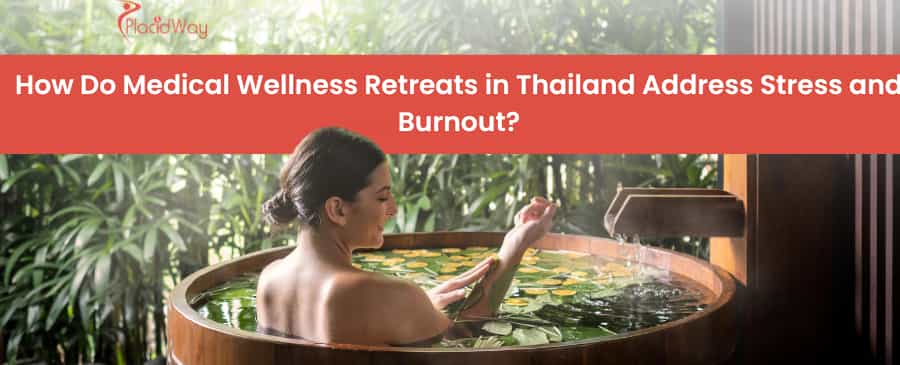
We have all felt it—that heavy, dragging exhaustion that sleep just doesn't seem to fix. You wake up tired, your mind is racing before you've even had coffee, and the smallest tasks feel like climbing a mountain. This is burnout, and in our hyper-connected, always-on world, it is becoming a silent epidemic. While a week on a beach sounds nice, true recovery often requires more than just a change of scenery; it requires a deep biological and mental reset.
This is where medical wellness retreats in Thailand are changing the game. Thailand has long been known as the "Land of Smiles," famous for its hospitality and stunning tropical landscapes. But recently, it has evolved into a global hub for serious, science-backed health restoration. These aren't just spas where you get a nice massage (though that is certainly part of it). These are sophisticated medical facilities tucked away in paradise, where doctors, nutritionists, and traditional healers work together to figure out exactly why you are depleted.
In this guide, we are going to look at exactly how these retreats work. We will explore the specific therapies they use to lower stress and burnout, the medical tests that pinpoint your imbalances, and how the unique blend of Eastern wisdom and Western science can get you back to feeling like yourself again. Whether you are a stressed executive or just someone looking for a fresh start, understanding this approach could be the first step toward real healing.
Why is Thailand considered a top destination for burnout recovery?
Thailand holds a special place in the world of wellness because it doesn't just import wellness concepts; it lives them. The culture itself is rooted in Buddhism and mindfulness, creating an atmosphere of calm that is palpable the moment you arrive. For someone dealing with chronic stress, simply being in an environment where patience and kindness are cultural norms can lower blood pressure and reduce anxiety triggers immediately.
Beyond the atmosphere, Thailand has invested heavily in becoming a medical tourism leader. You aren't just getting "wellness" in a vague sense; you are getting access to JCI-accredited hospitals and clinics that rival those in the West, but at a fraction of the cost. The combination of medical expertise with the natural healing power of the tropical climate creates the perfect conditions for your nervous system to switch from "fight or flight" to "rest and digest."
What is the difference between a spa resort and a medical wellness retreat?
It is easy to confuse the two, but the distinction is vital for someone suffering from actual burnout. A spa resort is wonderful for relaxation, but it treats the symptoms temporarily. You might feel good for an hour after a massage, but the underlying chemical imbalances causing your stress remain untouched. A medical wellness retreat, on the other hand, operates under the supervision of healthcare professionals.
At a medical retreat, your stay typically begins with a consultation with a doctor or a naturopath. They might check your blood pressure, run blood panels, or analyze your body composition. The goal is to identify the root cause of your exhaustion—is it thyroid dysfunction? Adrenal insufficiency? Vitamin deficiencies? The program is then tailored to fix these physiological issues, rather than just masking them with relaxation techniques.
How do these retreats diagnose the severity of my stress?
One of the most powerful aspects of these programs is the data they provide. You stop guessing why you are tired and start seeing the numbers. Most high-end Thailand wellness retreats use technology like Heart Rate Variability (HRV) monitors to see how your autonomic nervous system is functioning. If your HRV is low, it's a clear sign your body is stuck in a stress response state.
Additionally, they often employ functional medicine tests. This can include saliva tests to map your cortisol curve throughout the day. A healthy person has high cortisol in the morning and low at night; a burnt-out person might have a "flat" curve or a reversed one (tired in the morning, wired at night). By diagnosing these specific patterns, doctors can prescribe precise supplements and IV therapies to nudge your biology back into alignment.
What is the cost of medical wellness retreats in Thailand?
Cost is a major factor for many people, and this is where Thailand shines. You can access world-class facilities for a price that might only get you a basic hotel room in other countries. The cost usually includes accommodation, all meals (specialized for your health), medical consultations, daily treatments, and airport transfers.
Here is a comparison of estimated costs for a comprehensive 7-day stress recovery program:
| Destination | Est. Cost (7 Days) | Inclusions Typical |
|---|---|---|
| Thailand | $1,500 - $3,500 | Full medical checkup, daily massage, meals, private villa, nursing care. |
| USA (e.g., Arizona/Cali) | $5,000 - $9,000 | Consultation, group classes, meals, standard room (medical tests often extra). |
| Switzerland | $10,000 - $25,000+ | Advanced medical spa, luxury holistic care, highly specialized diagnostics. |
| Australia | $3,500 - $6,000 | Wellness consultation, naturopathy, meals, eco-lodge stay. |
As you can see, the value proposition in Thailand is incredibly high, allowing you to stay longer—which is often necessary for true burnout recovery—without breaking the bank.
How does Nuad Thai (Traditional Massage) help with burnout?
While Western massage often focuses on muscle relaxation, Nuad Thai is an ancient therapeutic art that views the body as a network of energy lines. When you are burnt out, this energy is believed to be stagnant or blocked, leading to physical stiffness and mental fog. Thai massage uses rhythmic pressure and assisted stretching to "unblock" this flow.
From a scientific perspective, the deep pressure applied during these sessions stimulates the vagus nerve. This is the main controller of your "rest and digest" system. By physically manipulating the body into a state of release, Thai massage forces your brain to drop its defensive guard. It is not just about feeling loose; it is about resetting the physical feedback loop that keeps your brain feeling stressed.
What role does nutrition play in the recovery programs?
You cannot heal a stressed mind with an inflamed body. Medical wellness retreats in Thailand place a huge emphasis on food as medicine. When you are stressed, your gut health often suffers, leading to poor absorption of nutrients that your brain needs to function. These programs typically provide a curated menu that is rich in probiotics, prebiotics, and essential fatty acids.
Expect to eat plenty of fresh tropical fruits (like papaya and pineapple which aid digestion), turmeric (a powerful anti-inflammatory), and coconut. Many retreats will remove common stressors like caffeine and alcohol entirely. While this "detox" might cause a headache for the first day or two, the result is steady, sustained energy levels rather than the spikes and crashes that contribute to adrenal fatigue.
Are herbal therapies used to treat stress symptoms?
Thailand is famous for its herbal medicine. One of the most effective treatments for stress is the herbal compress ball. A bundle of specific herbs is steamed until hot and then pressed rhythmically against your body. The heat dilates your blood vessels, increasing oxygen flow to tired muscles, while the aromatherapy aspect works directly on your limbic system—the brain's emotional center.
Other common herbal interventions include adaptogenic teas. Herbs like Jiaogulan (often called "Southern Ginseng") grow natively in Thailand and are frequently served to guests. These adaptogens help the body regulate its response to stress, supporting the adrenal glands without overstimulating them like coffee does.
How long should I stay to see real results?
If you are dealing with genuine burnout, a weekend is simply not enough. Your body needs time to downregulate. The first few days of a retreat are often spent just "landing"—letting go of the adrenaline that keeps you going in your daily life. This phase can actually feel exhausting as your body finally realizes how tired it is.
By day 5 or 6, the restorative therapies start to take hold, and energy levels begin to rise naturally. Staying for two weeks allows you to go through the full cycle: detoxification/rest, deep restoration, and finally, rebuilding resilience. Longer stays also give you time to learn the tools (like meditation or breathing techniques) that you will need to maintain your health when you return home.
Do these retreats address sleep disorders like insomnia?
Insomnia is a classic symptom of burnout. You are "tired but wired." Thai wellness retreats tackle this aggressively. They don't just give you a sleeping pill; they retrain your body's clock. This might involve morning sunlight exposure protocols to boost serotonin (which converts to melatonin later) and strict blue-light blocking in the evenings.
Some medical retreats offer specific "Sleep Enhancement" packages. These might include a sleep study (polysomnography) to check for apnea or restlessness. Treatments often involve evening massages with calming oils like lavender or jasmine, and acupuncture sessions specifically targeted to calm the "Shen" (spirit) and ground your energy before bed.
What role does mindfulness and meditation play?
In the West, meditation is often seen as a productivity hack. In Thailand, it is a way of life. Wellness retreats here strip away the "performance" aspect of meditation and help you find stillness. For a burnt-out mind that is constantly ruminating on work or problems, this training is essential.
You might engage in "Walking Meditation" in lush tropical gardens or practice "Yoga Nidra" (yogic sleep), which induces a state of deep conscious relaxation. The goal is to strengthen your mental "brakes"—the ability to stop a runaway stress response before it spirals into anxiety. Learning these techniques gives you a portable toolkit for handling stress back in the office.
Is there medical supervision available 24/7?
This is a key differentiator from a standard hotel. When you are undergoing a deep physical reset, especially if it involves fasting or intense detoxification, your body can react. You might experience headaches, nausea, or emotional volatility. Knowing that medical professionals are on hand provides a safety net that allows you to relax completely.
For those with pre-existing conditions like hypertension or diabetes, this supervision is non-negotiable. The medical team ensures that your diet and treatments don't interfere with your medications and that your recovery is safe and controlled. They act as your health partners throughout the entire stay.
Can I utilize Chelation or IV Vitamin Therapy?
Biohacking meets tropical paradise. IV therapy is extremely popular in Thai medical wellness because it delivers nutrients directly to the bloodstream. If your gut is compromised from stress (leaky gut or IBS), oral supplements might not be absorbed well. An IV drip of Magnesium, Vitamin C, and B-Complex can provide an immediate "lift" to your energy levels.
Chelation therapy is another specialized offering aimed at removing heavy metals (like lead or mercury) from the body, which some practitioners believe contribute to chronic fatigue and brain fog. These advanced therapies are administered by nurses and are part of the integrated approach to cleaning out the biological "noise" that contributes to burnout.
How does the tropical environment itself aid recovery?
Never underestimate the healing power of nature. Thailand's lush greenery, humidity, and sunlight act as natural therapies. The concept of "biophilia" suggests that humans have an innate need to connect with nature. Being surrounded by the sights and sounds of the jungle or the ocean lowers heart rate and muscle tension automatically.
The humidity in Thailand is also beneficial for the respiratory system and skin, often referred to as a "natural sauna." Sweating is a primary detoxification pathway. Simply sitting on a veranda breathing in the oxygen-rich air from the surrounding tropical flora can be as therapeutic as a clinical treatment. It grounds you and pulls you out of your head and into your body.
Are digital detox rules enforced?
One of the biggest drivers of modern burnout is the inability to disconnect. We are constantly pinged by emails and notifications. To combat this, many retreats create "tech-free zones" or encourage you to leave your devices in a safe at reception. It can feel uncomfortable at first, like losing a limb.
However, after 24 to 48 hours, most guests report a sense of liberation. Without the constant dopamine hits from your phone, your brain's reward system begins to normalize. You start to notice the taste of your food, the sound of the birds, and your own thoughts. This digital silence is crucial for the psychological aspect of stress recovery.
What happens after I leave the retreat?
The "re-entry" into normal life is the most dangerous time for relapse. You might feel amazing in Thailand, but what happens when you land back in a stressful office environment? The best programs prepare you for this transition. Before you leave, you will often have an exit consultation to review your medical data and progress.
You will be armed with a plan. This might include a list of supplements to continue, a 15-minute morning routine to maintain your cortisol balance, or specific dietary rules to follow. Some centers even offer remote coaching for a few months to keep you accountable. The goal is not just to heal you for a week, but to change how you operate in the world permanently.
Ready to find the perfect medical wellness retreat to reset your life?
Explore PlacidWay today for comprehensive options in medical tourism and healthcare services tailored to your wellness needs.
Explore PlacidWay Today





.png)










Share this listing