


How to Get Smile Makeover in Mexico?
.png)
Thinking about heading south for a brand new smile? You aren't alone. Thousands of people flock to border towns and resort cities every year, drawn by the promise of affordable dental work. But before you book that flight, we need to have a real talk about the risks of getting a smile makeover in Mexico.
It's easy to get swept up in the glossy before-and-after photos and the price tags that are 70% cheaper than back home. However, dental tourism isn't just a vacation with a dentist appointment thrown in; it's a serious medical decision involving foreign laws, different health standards, and logistical challenges.
In this guide, we aren't here to scare you off—plenty of people get great results. But we are here to make sure you go in with your eyes wide open. We'll cover everything from safety standards and legal protections to the quality of materials and the hidden dangers of rushed treatments. Let's dig into the details so you can make a safe, smart choice for your smile.
Are smile makeovers in Mexico safe?
Safety is usually the first thing on everyone's mind. The short answer is that Mexico has world-class dentists, but it also has unregulated clinics that you need to avoid. The safety of your smile makeover in Mexico depends entirely on who you choose to do the work. Unlike in the US or Canada, where regulatory boards are extremely strict and uniform, oversight in Mexico can be inconsistent.
Top-tier clinics in major dental tourism hubs often cater specifically to international patients and maintain US-standard sterilization protocols (like OSHA standards). However, smaller, "hole-in-the-wall" clinics might cut corners to offer those rock-bottom prices. You have to be your own inspector.
The real danger often lies in "over-treatment." Some less reputable dentists might suggest aggressive procedures—like crowning every single tooth—when less invasive veneers or bonding would suffice. Safety isn't just about clean tools; it's about getting the right diagnosis that prioritizes your long-term oral health over a quick profit.
What happens if something goes wrong with my dental work in Mexico?
This is probably the most significant risk of dental tourism that people overlook. In the US, if a dentist messes up, you can sue for malpractice. In Mexico, the legal system works very differently. Malpractice insurance isn't mandatory for dentists in the same way, and the legal pathway to sue a doctor is incredibly complex, slow, and rarely favors the foreign patient.
If you return home and your veneers pop off or an implant fails, you can't simply demand a refund or sue for damages from your living room. You are effectively on your own. This is why vetting your dentist is non-negotiable.
Some reputable clinics offer their own "guarantees" or warranties, promising to fix failed work for free. However, you must read the fine print. Usually, these warranties only cover the remedial work itself, not your flights, hotels, or lost wages to return to Mexico to get it fixed.
How much does a smile makeover cost in Mexico vs. USA?
The massive cost difference is the main driver for dental tourism. You can often save enough to pay for a luxury vacation and still have money left over. However, it is vital to compare apples to apples. Make sure the cost of smile makeover Mexico quotes include everything: consultation, X-rays, temporaries, and the final restorations.
Here is a typical price breakdown for common smile makeover procedures:
| Procedure | Average Cost in USA | Average Cost in Mexico | Potential Savings |
|---|---|---|---|
| Porcelain Veneer (Per Tooth) | $1,200 - $2,500 | $350 - $550 | 75% |
| Zirconia Crown | $1,500 - $2,500 | $400 - $600 | 70% |
| Full Arch Implant (All-on-4) | $25,000 - $40,000 | $9,000 - $12,000 | 65% |
| Laser Teeth Whitening | $500 - $800 | $200 - $350 | 50% |
While the savings are real, be wary of prices that seem too low even for Mexico. If a clinic is offering veneers for $150, they are likely using composite resin (plastic) rather than high-quality porcelain, or they are using unauthorized dental labs.
Do Mexican dentists use the same quality materials as US dentists?
One common myth is that Mexican dentists use "substandard" materials. The truth is, the dental supply chain is global. Top clinics in Tijuana, Cancun, or Los Algodones import the exact same brands your local dentist uses—Nobel Biocare implants, Ivoclar Vivadent porcelain, and 3M bonding agents.
However, the risk lies with unregulated clinics. To cut costs, they might use generic or counterfeit materials that look good for a week but fail within a year. Poor quality porcelain can stain, chip, or look opaque and unnatural ("Chiclet teeth").
Always ask the clinic specifically what brand of materials they use. A trustworthy dentist will be proud to tell you they use legitimate, FDA-approved materials and may even provide a certificate of authenticity for your implants or crowns.
What is a "ghost dentist" and how do I avoid them?
This is a shady practice that unfortunately happens in busy, volume-focused clinics. You might have your consultation with the charming, English-speaking head dentist who has certificates all over the wall. But once you are numb and in the chair, a different person comes in to do the grinding and drilling.
Sometimes this person is a junior associate, but in worst-case scenarios, it could be a dental student or an assistant. This is dangerous because a smile makeover requires precision. Removing too much enamel during veneer preparation can lead to permanent nerve damage and the need for root canals later.
To protect yourself, ask explicitly during the consultation: "Will you be the one performing the entire procedure?" If they mention a team, ask to meet the specific specialist who will be touching your teeth.
Do dentists in Mexico speak English fluently?
Communication is critical for a cosmetic procedure. You need to be able to explain exactly what you hate about your current smile and what you want the new one to look like. "I want them white" can mean "natural pearl" to you and "refrigerator white" to the dentist.
In popular areas like Los Algodones (Molar City) or Tijuana, the lead dentists are often fluent in English. Many have even trained in the US. However, miscommunications can happen with receptionists or assistants regarding medication instructions or aftercare.
If you feel like there is a language barrier during your initial inquiry (email or phone), take that as a red flag. If they can't understand you when you are trying to book the appointment, they won't understand you when you are trying to explain that your bite feels "off" during the procedure.
Is the water used in Mexican dental clinics safe?
We all know the rule about not drinking tap water in certain parts of Mexico. This concern extends to dental chairs. Dental units use water to cool the drill and rinse your mouth. If that water comes directly from the municipal supply without filtration, it could introduce bacteria into your bloodstream, especially if you are having gum surgery or extractions.
High-quality clinics use self-contained water systems with distilled or sterile water to prevent cross-contamination. When you are vetting a clinic, it is a perfectly valid question to ask: "What type of water system do you use for your dental units?" If they look confused, look elsewhere.
Can I fly home immediately after a smile makeover?
One of the logistical risks of getting a smile makeover in Mexico is the rush to get home. Patients often try to fly out the same day their permanent crowns or veneers are cemented. This is a mistake.
First, your bite (how your teeth come together) often feels different once the anesthesia wears off. If your bite is high, it can cause excruciating pain, jaw issues, and even crack the new porcelain. You need to be in the city for at least 24-48 hours after the final cementation so the dentist can make final adjustments.
Second, if you had any laser gum contouring or deep cleaning associated with your makeover, flying too soon can be uncomfortable due to cabin pressure changes, though this is more critical for extractions and sinus lifts.
Will my US dentist fix bad work done in Mexico?
This is a harsh reality that many patients face. If you come back with a loose crown or an infected gum line, your local dentist might refuse to treat that specific tooth. Why? Because if they touch it, they arguably become liable for the entire restoration.
They might offer to remove the Mexican work and start over (at full US price), but they are rarely willing to simply "patch up" another dentist's work, especially if the materials or techniques used are unfamiliar to them. This can leave you in a difficult position where you either have to pay double to fix it locally or fly back to Mexico for a warranty repair.
What is the risk of "over-treatment"?
In a smile makeover in Mexico, the goal is to preserve as much natural tooth structure as possible. Veneers are thin shells that require minimal shaving of the tooth. Crowns, however, require grinding the tooth down to a nub. Crowns are more invasive and carry a higher risk of future root canals.
A significant risk in dental tourism is a dentist recommending crowns for your entire mouth because they are easier and faster to place than delicate veneers, or because they cost more. If a dentist suggests grinding down perfectly healthy teeth for crowns just for cosmetic reasons, get a second opinion immediately.
How can I verify a Mexican dentist's credentials?
Don't just trust the certificates hanging on the lobby wall; these can be printed by anyone. Every legitimate dentist in Mexico has a professional license number called a Cédula Profesional. You can actually check this number on the Mexican government's website to verify their license and specialty.
Additionally, look for dentists who are members of the American Academy of Cosmetic Dentistry (AACD) or the American Dental Association (ADA) as international members. These memberships suggest a commitment to keeping up with North American standards of care and ethics.
Are there hidden costs in Mexico dental packages?
The price you see on the website isn't always the price you pay at the desk. While dental work in Mexico is cheaper, you need to budget for the extras. Sedation (laughing gas or IV sedation) is rarely included in the base price and can add hundreds of dollars.
Also, check the payment methods. Many clinics offer a "cash discount" and will charge an extra fee if you pay by credit card. And don't forget the cost of your "temporaries"—the plastic teeth you wear while the lab makes your permanent ones. Some clinics include them; others charge $50-$100 per tooth.
Does the "One Week Smile Makeover" actually work?
Clinics market "dental vacations" where you fly in on Monday and fly out on Friday with a new smile. While possible with in-house CAD/CAM technology, this timeline is tight. A truly great smile makeover often requires a "try-in" phase where you wear the temporaries to see how they feel and look.
If the timeline is too compressed, the lab might rush the artistry of your porcelain, resulting in teeth that look bulky or fake. Furthermore, if you had gum contouring (trimming the gum line), your gums need time to heal before the final veneers are placed. Cementing porcelain onto swollen gums is a recipe for chronic inflammation and "red lines" around your new teeth.
What are the risks of traveling alone for dental work?
Dental anxiety is real, and many patients opt for sedation. If you are sedated, you cannot legally or safely drive, and navigating a foreign city or crossing a border on foot while woozy is dangerous. You are vulnerable to theft or getting lost.
Even without sedation, extensive dental work is exhausting. Having a travel companion ensures someone can pick up your prescriptions, help you communicate with the hotel staff if you are in pain, and act as a second set of ears during the dentist's instructions.
Do Mexican dental clinics offer warranties?
A warranty is a good sign of confidence, but it is not insurance. A typical warranty might cover the replacement of a fractured veneer or a failed implant fixture. However, clarify the terms:
- Does it cover the lab fee?
- Does it cover the dentist's time?
- Does it require you to return to Mexico every 6 months for a cleaning to keep the warranty valid?
Many patients are shocked to learn their 5-year guarantee was voided because they got their teeth cleaned at home in Ohio instead of flying back to Tijuana.
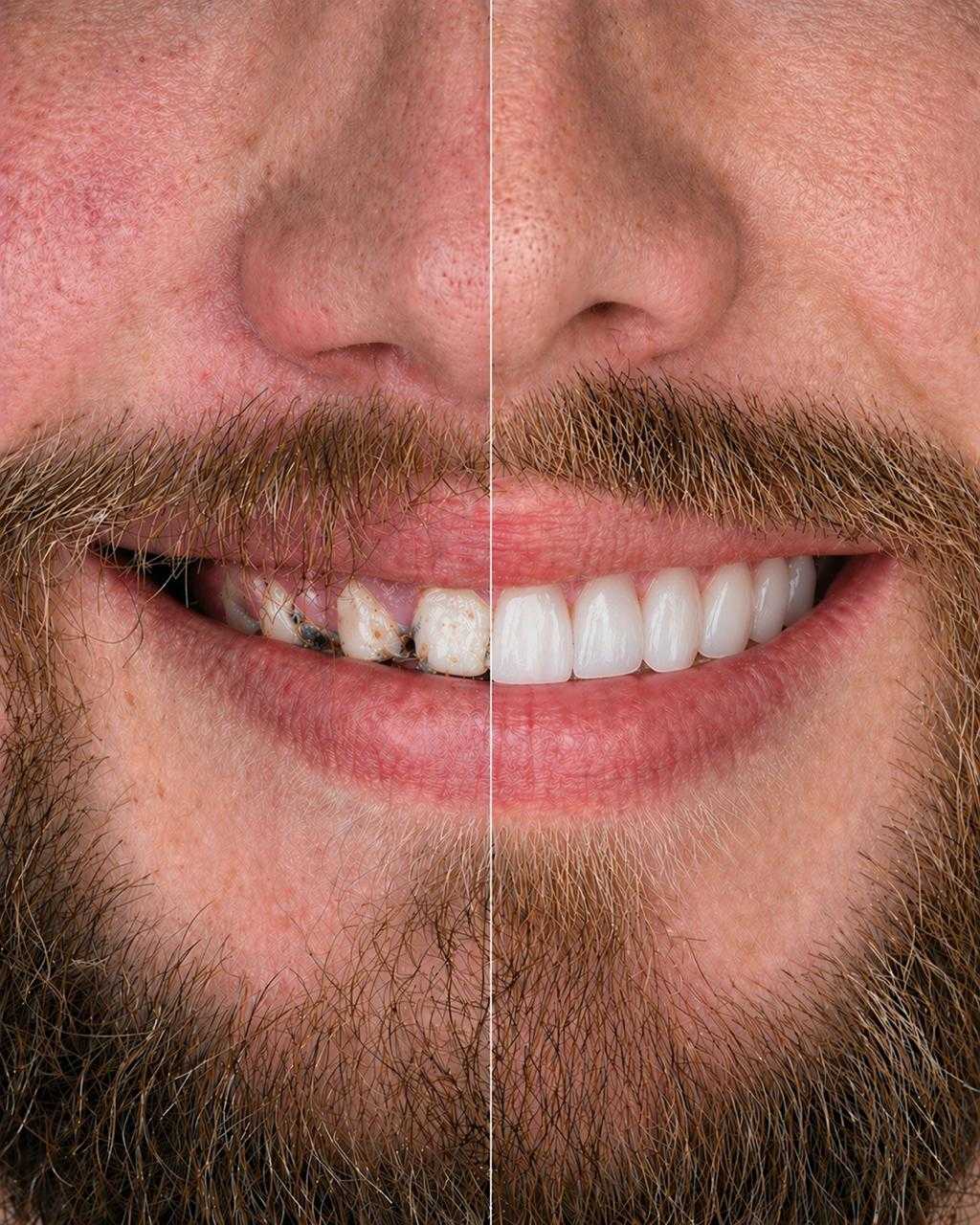
What should I look for in "Before and After" photos?
The clinic's Instagram page is their resume. But photos can be deceiving. When reviewing cases:
- Check the gums: In the "after" photo, the gums should look pink and tight, not angry, red, or swollen.
- Look for texture: Real teeth have texture. If the teeth look like flat white Chiclets, the lab work is poor.
- Reverse image search: Use Google Lens on their best photos. If the same photo pops up for a clinic in Turkey and another in Thailand, it's a stolen stock image.
Ask the dentist to show you cases specifically they have done, not just "clinic" photos.
Ready to Restore Your Smile?
Don't navigate the risks alone. Get access to certified, pre-screened clinics and transparent quotes for your smile makeover.
Get a Free Quote & Consultation
















Share this listing