


Contents
Why Consider Cosmetic Dentistry in Mexico?
Wish to improve your dental care and enhance your smile? Consider having Cosmetic Dentistry in Mexico to get the desired aesthetic. Wheater you look for teeth whitening, porcelain veneers, or dental crowns, clinics in Mexico provide it all.
For Americans and Canadians, Mexico is a more economical choice for cosmetic dentistry. Read this guide to meet your clinic and dentist in Mexico at an affordable cost.
Affordable Packages for Cosmetic Dentistry in Mexico
Cosmetic dentistry packages in Mexico range between $120 and $11,500, depending on the type of procedure. You can find a package for dental crowns at only $120 USD, or a full-mouth zirconium rehab package at the price of $11,500 USD.
By choosing some of the packages from our list, you'll save over 50% of your money. You also have the chance to enjoy a vacation in a stunning Mexico.
See our all-inclusive packages below to know their price and inclusions.
Price starting from $490
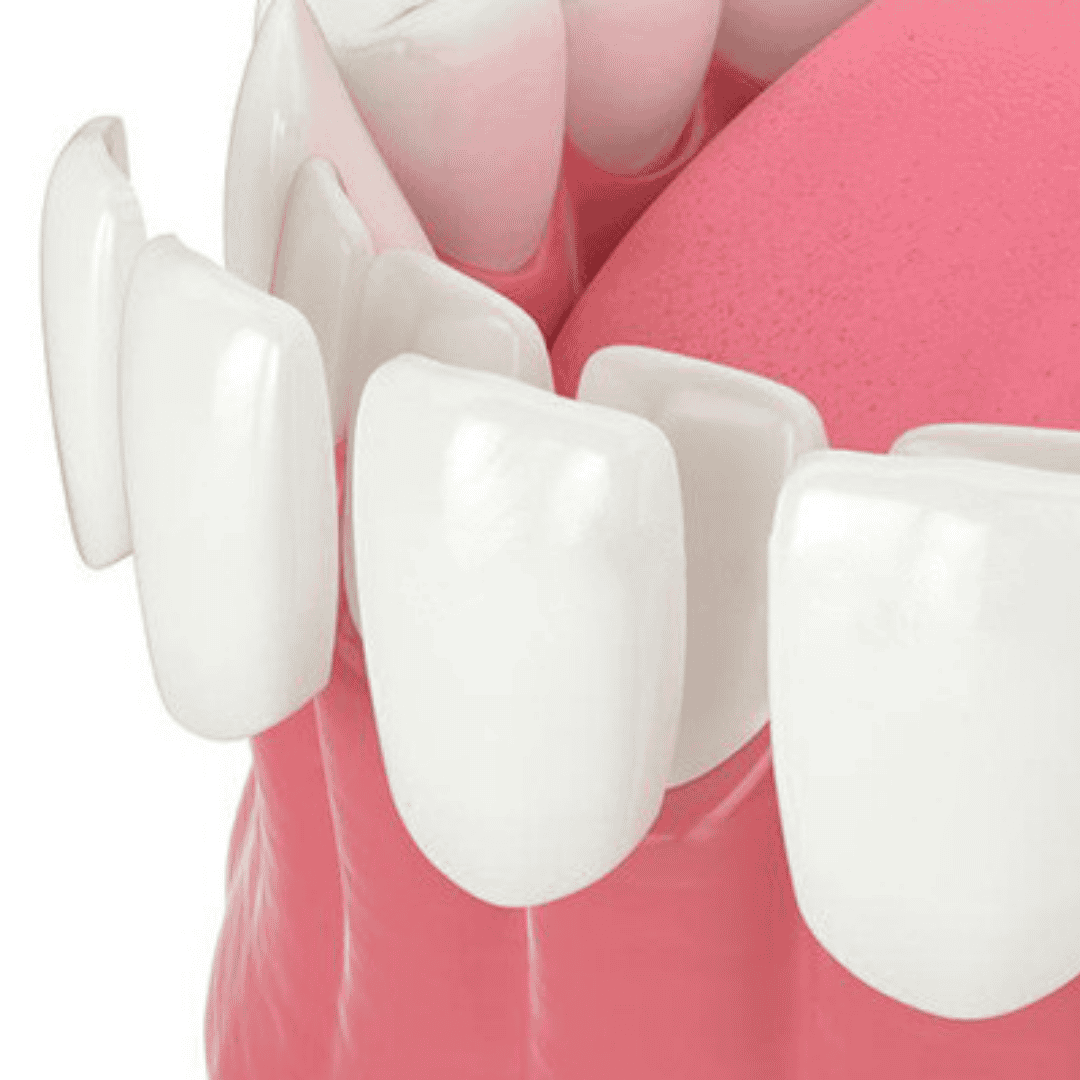
Veneers in Los Algodones, Mexico - Package by SANI Dental
Sani Dental Group
- Dentistry
Los Algodones, Mexico

Price starting from $10,000
Top Package for Full Mouth Restoration Mexico - Cost $10,000
PlacidWay Mexico Medical Tourism
- Dentistry
Tijuana,Mexicali, Mexico

Price starting from $11,500
Full Mouth Zirconium Rehab Package in Los Algodones Mexico
Rancherito Dental
- Dentistry
Los Algodones, Mexico
.png)
Price starting from $8,900
Marietta All on 6 Dental Implants Package in Los Algodones, Mexico
Marietta Dental Care Los Algodones
- Dentistry
Los Algodones, Mexico
Cost of Cosmetic Dentistry in Mexico
The cosmetic dental procedures in Mexico will help you save more than 70%. For example, teeth whitening cost in Mexico $200 while in USA over $640. Dental implants in Mexico will cost you $1,000 on average, while in the US $3,500.
You don't need to worry about the treatment quality in Mexico since it meets US standards. Cosmetic dentistry can be done with one or more procedures in one day. Depending on that, the cost of a smile makeover will vary and also on the following factors
- Number of procedures performed
- Dentist’s experience
- The material used
- Your oral health condition
Dentistry Centers Cost Comparison in Mexico
| Provider | Procedure | Price |
|---|---|---|
| All On X Dental Studio: Leading Dental Clinic in Los Algodones | Teeth Whitening, Dentistry | $200 |
| All On X Dental Studio: Leading Dental Clinic in Los Algodones | Dentures (Full mouth) Abroad, Dentistry | $500 |
| Easy Dental | Dental Bridges, Dentistry | $280 |
| Easy Dental | Dental Implants, Dentistry | $1000 |
Dentistry Cost Comparison in Mexico
| Country | Procedure | Price |
|---|---|---|
| United States | Dental Implants, Dentistry | $3500 |
| United States | Dental Crowns, Dentistry | $1750 |
Top Dental Clinics for Smile Restoration in Mexico
Finding the best clinic for your smile makeover in Mexico can be stressful if you don't know where to look for. Therefore, we have compiled the list of top 6 dental clinics which advantages you can see below
- Use high-quality brands
- Latest technology and advanced equipment
- Maintain the high safety and sterilization protocols
- Offer state-of-the-art facility
- Experienced dentists work in these clincis
- Provide a guarantee on dental treatments
And here are the clinics profiles:
Sani Dental Group Playacar
Playa Del Carmen, Mexico

Marietta Dental Care Los Algodones
Los Algodones, Mexico
Dental Artistry Dental Center
Nuevo Progreso, Mexico
All On X Dental Studio: Leading Dental Clinic in Los Algodones
Los Algodones, Mexico
Elizondo Dental Group
Mexicali, Mexico
Top Videos to Watch about Smile Makeover in Mexico
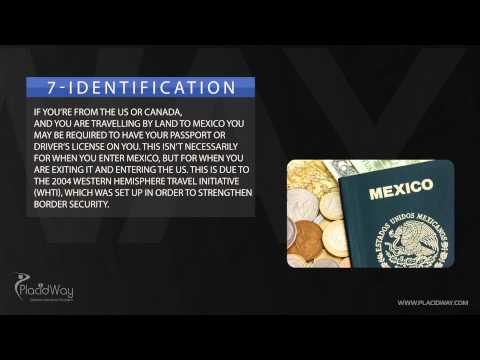
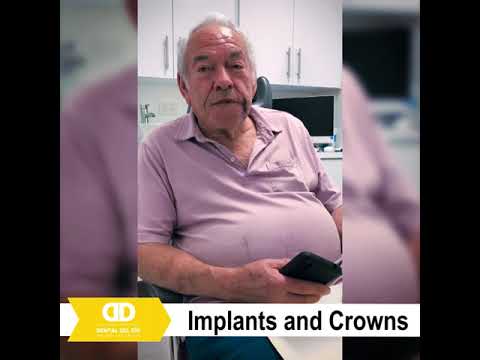
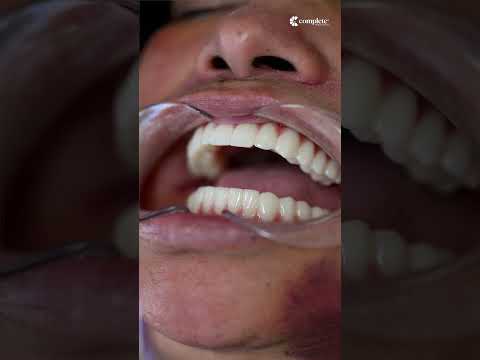
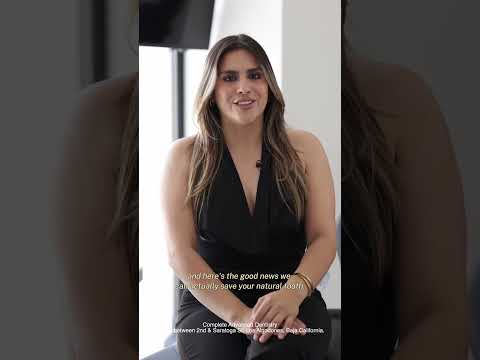
In this section, you will find top videos that talk more about cosmetic dentistry in Mexico. You will also see the patient testimonial after his smile makeover in one of the top clinics in Mexico.
Watch the videos below.



Cosmetic Dentistry in Mexico Reviews
Read former patient reviews below to know more about different cosmetic dental work procedures performed at the top Mexican clinics. Check successful patient stories and learn from their experience.

Important Questions About Dental Work in Mexico
If you were looking for answers to the questions regarding dental work in Mexico, clinics, dentists and cost, you've come to the right place. We have answered the top questions you can read in this section.
Is it safe to get dental implants in Mexico
Getting dental implants in Mexico has become an increasingly popular option for individuals seeking affordable and high-quality dental care. Generally, it is safe to get dental implants in Mexico, provided you do thorough research, choose a reputable clinic, and understand the process. This guide will walk you through the essential aspects of dental implant safety in Mexico, helping you make an informed decision. Many people are drawn to Mexico for dental procedures due to significant cost savings compared to the US and Canada. However, the primary concern is often whether the quality and safety standards are comparable. The good news is that numerous Mexican dental clinics adhere to international standards, employing experienced, often US-trained, dentists and utilizing modern technology. Let's delve into the common questions and concerns people have about getting dental implants in Mexico. What are Dental Implants? "Dental implants are artificial tooth roots, typically made of titanium, that are surgically placed into the jawbone beneath your gums to hold a replacement tooth or bridge." Dental implants serve as a strong foundation for fixed (permanent) or removable replacement teeth that are made to match your natural teeth. They are an excellent long-term solution for missing teeth because they fuse with your jawbone through a process called osseointegration. This provides stable support for artificial teeth, preventing them from slipping or shifting in your mouth, which is a common problem with dentures or bridges. There are several types of dental implants, including endosteal (in the bone) and subperiosteal (on the bone). Endosteal implants are the most common type. The success of a dental implant largely depends on the health of the patient's jawbone and their commitment to oral hygiene. Why Consider Dental Implants in Mexico? "Many people consider dental implants in Mexico primarily due to the significant cost savings, access to high-quality care from experienced professionals, and the opportunity to combine dental treatment with travel." The cost of dental implants in countries like the United States can be prohibitively expensive for many. Mexico offers a much more affordable alternative, often with savings of 50-70% for the same procedures using similar high-quality materials and technology. This affordability doesn't necessarily mean a compromise on quality. Many Mexican dentists are highly trained, with some having received education and certifications in the US or Europe. Furthermore, popular dental tourism destinations in Mexico, such as Los Algodones (often called "Molar City"), Tijuana, Cancun, and Puerto Vallarta, have numerous clinics equipped with state-of-the-art technology. Patients can often receive prompt treatment without long waiting lists. The proximity to the US also makes it a convenient option for many North Americans. Is it Actually Safe to Get Dental Implants in Mexico? "Yes, it is generally safe to get dental implants in Mexico, provided you choose accredited clinics with qualified dentists and modern equipment. Many clinics adhere to international hygiene and safety standards comparable to those in the US and Europe." The safety of dental implants in Mexico is a valid concern, but a blanket statement about it being unsafe is inaccurate. Like anywhere in theworld, the quality of dental care can vary. However, reputable clinics in Mexico prioritize patient safety and often hold international accreditations (e.g., from the American Dental Association or the International Organization for Standardization - ISO). These clinics follow strict sterilization protocols and use high-quality materials, including FDA-approved implants from well-known international brands. Tens of thousands of US and Canadian patients successfully receive dental treatment in Mexico each year. The key is diligent research to identify established clinics with positive patient reviews and certified professionals. Many dentists in popular Mexican dental tourism spots are bilingual, facilitating clear communication. What are the Risks Associated with Dental Implants in Mexico? "The risks associated with dental implants in Mexico are similar to those in any other country and include infection, implant failure, nerve damage, or sinus problems. Choosing a qualified and experienced implantologist and a clinic with high sterilization standards can minimize these risks." Any surgical procedure, including dental implant placement, carries potential risks. These include: Infection at the implant site. Implant failure, where the implant doesn't integrate with the jawbone (osseointegration). Nerve damage, which can cause pain, numbness, or tingling in your natural teeth, gums, lips, or chin. Sinus problems, if implants placed in the upper jaw protrude into one of your sinus cavities. Damage to surrounding structures, such as other teeth or blood vessels. While these risks exist, they are not necessarily higher in Mexico if you select a reputable clinic. Factors that can increase risk include smoking, poor oral hygiene, and pre-existing medical conditions like uncontrolled diabetes. A thorough pre-operative assessment by your Mexican dentist will help identify and mitigate these risks. How Do Costs for Dental Implants in Mexico Compare to the US? "Dental implants in Mexico can cost significantly less than in the US, often ranging from $750 to $2,000 per implant, including the abutment and crown, compared to $3,000 to $6,000 or more per implant in the US." The primary driver for dental tourism in Mexico is the substantial cost difference. For example, a single dental implant procedure that might cost $4,000 in the US could be around $1,200 in Mexico. For full-mouth restorations like All-on-4 implants, savings can be even more dramatic, potentially tens of thousands of dollars. These lower costs are due to several factors, including lower labor costs, reduced overhead expenses (rent, utilities), and a generally lower cost of living in Mexico. It's important to get a detailed quote that includes all aspects of the procedure – the implant itself, the abutment, the crown, surgical fees, and any necessary imaging or bone grafting – to make an accurate comparison. How Do I Find a Qualified Dentist in Mexico for Implants? "To find a qualified dentist for dental implants in Mexico, look for credentials such as specialization in implantology or oral surgery, years of experience, patient testimonials, and memberships in reputable dental associations (Mexican or international)." Research is crucial. Start by looking for dentists who have specific training and experience in dental implant procedures. Many top Mexican dentists have received training in the US or Europe and are members of organizations like the Mexican Dental Association or even the American Dental Association (ADA). Check online reviews and testimonials, but be discerning. Look for detailed reviews that discuss the specific clinic and dentist. Before-and-after photos can also be helpful. Don't hesitate to ask the clinic directly about the dentist's qualifications, the number of implant procedures they've performed, and their success rates. What Should I Look for in a Mexican Dental Clinic? "When choosing a Mexican dental clinic for implants, look for international accreditations, modern technology (like 3D CBCT scanners), strict sterilization protocols, English-speaking staff, transparent pricing, and positive patient reviews." A reputable clinic will be transparent about its practices and qualifications. Key things to verify include: Accreditation and Certifications: Look for clinics accredited by bodies like the ISO or recognized by dental tourism facilitators. Technology and Equipment: Modern clinics use advanced diagnostic tools like digital X-rays and 3D Cone Beam Computed Tomography (CBCT) scanners for precise implant placement. They should also have an in-house lab or work with a high-quality one. Sterilization and Hygiene: The clinic should follow international sterilization standards (e.g., using autoclaves) to prevent cross-contamination and infection. Ask about their protocols. Materials Used: Inquire about the brands of implants they use (e.g., Nobel Biocare, Straumann, Zimmer Biomet are well-known international brands). Ensure they are made from biocompatible materials like titanium. Communication: Ensure the staff and dentist can communicate clearly in your language. Clear Treatment Plan and Pricing: Get a detailed treatment plan in writing, outlining the procedures, timeline, and total costs, including any potential additional charges. Are the Materials Used for Dental Implants in Mexico Safe and High-Quality? "Yes, reputable dental clinics in Mexico often use the same high-quality, internationally recognized brands of dental implants and materials (like titanium) that are used in the US and Europe, ensuring safety and durability." This is a common concern, but established Mexican dental clinics catering to international patients understand the importance of using high-quality materials for dental implants. They often source their implants, crowns, and other prosthetic components from reputable global manufacturers. These materials are typically FDA-approved or meet equivalent international standards. Always ask your chosen clinic about the specific brand and type of implants they use. You can then research these brands independently. Cheaper is not always better, so ensure the cost savings are not due to substandard materials. What is the Success Rate of Dental Implants in Mexico? "The success rate of dental implants in Mexico, when performed by qualified professionals in reputable clinics, is generally high, often cited as 95-98%, which is comparable to success rates in the US and other developed countries." The success of a dental implant procedure depends on various factors, including the dentist's skill, the quality of the implant, the patient's jawbone health and density, and post-operative care and oral hygiene. Reputable clinics in Mexico that use high-quality materials and experienced implantologists achieve success rates that are on par with international standards. It's important to follow all pre- and post-operative instructions provided by your dentist to maximize the chances of successful osseointegration and long-term implant stability. What About Sterilization and Hygiene Standards in Mexican Dental Clinics? "Many top dental clinics in Mexico, particularly those catering to dental tourists, adhere to stringent sterilization and hygiene protocols, often meeting or exceeding US CDC or OSHA guidelines, to ensure patient safety." Concerns about hygiene are understandable when considering medical treatment abroad. However, established Mexican dental clinics invest heavily in maintaining high standards of cleanliness and sterilization. This includes using autoclaves for instrument sterilization, disposable materials where appropriate, and maintaining a clean clinical environment. You can ask clinics about their specific sterilization methods. Look for certifications or memberships that indicate adherence to quality control. Some clinics even offer virtual tours or will gladly show you their sterilization facilities during an in-person consultation. How is Communication with Dentists and Staff in Mexico? "In popular dental tourism destinations in Mexico, many dentists and clinic staff are bilingual, speaking fluent English, which minimizes communication barriers and ensures patients fully understand their dental implant treatment." Clear communication is vital for any medical procedure. Recognizing this, most dental clinics in Mexico that serve international patients employ English-speaking dentists, hygienists, and administrative staff. This ensures that you can discuss your concerns, understand the proposed treatment plan for your dental implants, and ask questions comfortably. If you are concerned, you can confirm the language capabilities of the staff when you first contact the clinic. Patient coordinators are often available to assist with communication and logistical arrangements. What Does the Dental Implant Procedure in Mexico Typically Involve? "The dental implant procedure in Mexico generally involves an initial consultation and imaging, implant placement surgery, a healing period for osseointegration (typically 3-6 months), and finally, the attachment of the abutment and crown." The process for getting dental implants in Mexico is similar to how it's done elsewhere: Consultation and Planning: This includes a thorough oral examination, X-rays, and possibly 3D CBCT scans to assess your jawbone and plan the implant placement. Implant Placement: The titanium implant post is surgically placed into your jawbone. This is usually done under local anesthesia. Osseointegration: This is the healing phase where the implant fuses with the jawbone. It can take several months. A temporary crown or denture might be used during this time. Some patients may need to return home during this healing period or stay in Mexico if preferred and feasible. Abutment Placement: Once osseointegration is complete, a small connector post called an abutment is attached to the implant. Crown Placement: The final custom-made crown (the artificial tooth) is then attached to the abutment. The entire process can take several months from start to finish, often requiring two trips to Mexico unless the clinic offers immediate load implants (which aren't suitable for everyone). What About Follow-Up Care After Getting Implants in Mexico? "Reputable dental clinics in Mexico provide clear instructions for aftercare and may offer remote consultations or coordinate with your local dentist for follow-up, though significant issues might require a return trip." Post-operative care is crucial for the success of your dental implants. Your Mexican dentist will provide detailed instructions on oral hygiene, diet, and managing any discomfort after the surgery. Many clinics will schedule a follow-up appointment before you leave Mexico. For long-term follow-up, you might need to establish care with a local dentist in your home country. Some Mexican clinics may have partnerships or be willing to communicate with your home dentist regarding your treatment. It's wise to discuss the plan for follow-up care before committing to the procedure. Understand the clinic's policy on warranties or guarantees for their work and what happens if complications arise after you return home. Are there any Guarantees or Warranties on Dental Implants in Mexico? "Many reputable dental clinics in Mexico offer guarantees or warranties on their dental implant work, which can range from 1 to 5 years or more, covering implant failure or issues with the prosthetic. It's important to get the terms in writing." A clinic that stands by its work will often provide a guarantee for their dental implants and restorations. The terms of these guarantees can vary significantly between clinics, so it's crucial to understand what is covered (e.g., implant material, surgical procedure, crown), the duration of the guarantee, and any conditions that might void it (e.g., poor oral hygiene, not attending regular check-ups, certain medical conditions). Always request the guarantee or warranty policy in writing before starting treatment. This provides a level of assurance and recourse if something goes wrong with your dental implants. How Do I Handle Travel and Accommodation for Dental Implants in Mexico? "Many dental clinics in Mexico catering to international patients can assist with travel and accommodation arrangements, sometimes offering packages that include hotel stays and airport transfers, making the process smoother for dental implant patients." To make the experience as seamless as possible, many Mexican dental clinics offer services beyond just the dental treatment. This can include: Assistance with booking flights. Arranging local transportation (e.g., airport pickup, rides to and from the clinic). Recommendations or partnerships with nearby hotels, sometimes at discounted rates. Patient coordinators who can help with logistics and answer any non-medical questions. Discuss these services with the clinic when planning your trip. Some popular dental tourism destinations are also tourist-friendly, offering plenty of amenities and attractions if you plan to combine your treatment with a vacation. What Payment Methods are Accepted for Dental Implants in Mexico? "Most dental clinics in Mexico accept various payment methods for dental implants, including cash (USD is widely accepted), credit cards, debit cards, and sometimes wire transfers or financing options." Before traveling, confirm the accepted payment methods with your chosen clinic. While credit cards are common, be aware of any potential foreign transaction fees your card issuer might charge. Some clinics might offer a slight discount for cash payments. It's also wise to inquire about payment schedules – whether full payment is required upfront or if it can be made in installments corresponding to different stages of the dental implant treatment. Ensure you receive a clear, itemized bill for all services. Ready to explore your options for safe and affordable dental implants? PlacidWay can help you connect with reputable and experienced dental providers in Mexico and around the world. Discover high-quality healthcare services tailored to your needs and budget. Explore PlacidWay today!
Who are the Best Dentists in Mexico?
The best dentists in Mexico are board-certified specialists located in major hubs like Los Algodones, Cancun, and Tijuana. They provide premium dental care at prices fifty to seventy percent lower than standard United States and Canadian clinics. Key Takeaways: International Quality and Savings Massive Cost Savings: Patients typically save up to seventy percent on complex full-mouth restorations. Advanced Technology: Top facilities utilize 3D CBCT scanners, CAD/CAM milling, and state-of-the-art sterilization. Global Standards: Specialists often hold memberships with prestigious international associations. Convenient Locations: Clinics in border towns and resort cities are designed specifically for international visitors. No Language Barrier: Leading professionals and their medical staff are fully bilingual. How much does dental work cost in Mexico compared to domestic prices? Patients can save thousands of dollars on complex treatments without sacrificing quality. The dental work cost in Mexico is generally fifty to seventy-five percent lower than what patients pay in their home countries. Understanding the pricing landscape is the primary reason millions cross the border annually. The significant price difference is not a reflection of lower quality, but rather the result of a lower cost of living, reduced overhead for clinic operators, and subsidized medical education. This economic dynamic allows leading professionals to pass profound savings directly to their international patients. To provide a clearer picture of the financial advantages, here is a standard comparison of highly sought-after procedures: Single Titanium Implant: A procedure that might cost upwards of four thousand dollars locally can be completed for approximately eight hundred to one thousand two hundred dollars. Porcelain Veneers: Patients seeking a cosmetic smile makeover can expect to pay around two hundred and fifty to four hundred dollars per tooth, compared to over a thousand domestically. All-on-4 Restorations: Full arch replacements are exceptionally cost-effective, often priced between eight thousand and twelve thousand dollars per arch, saving patients tens of thousands overall. Zirconia Crowns: Highly durable and aesthetically pleasing crowns typically range from three hundred to four hundred and fifty dollars. Root Canal Therapy: Endodontic treatments are usually priced between two hundred and three hundred dollars, performed by dedicated specialists. What are the best destination cities for medical tourism in Mexico for dental care? Major border towns and beautiful resort cities are the absolute top choices for international patients. These locations cater heavily to medical tourism in Mexico with optimized infrastructure. Los Algodones, widely known as Molar City, is arguably the most famous destination globally for oral healthcare. Located just steps across the border from Yuma, Arizona, this small town hosts over three hundred clinics within a few walkable blocks. It is entirely designed around catering to seniors and medical tourists, offering an incredibly safe, walkable, and welcoming environment. Tijuana is another massive hub, perfectly situated just south of San Diego, California. It appeals to a younger demographic and professionals looking for highly advanced, luxurious facilities. The city boasts towering medical plazas equipped with cutting-edge technology, and many clinics offer fast-pass medical lane access to bypass border traffic on the return journey. For those who wish to combine their treatment with a tropical vacation, Cancun and Puerto Vallarta are unparalleled. These resort cities feature boutique facilities operated by master specialists. Patients can recover while enjoying ocean views, taking advantage of all-inclusive hotel packages that frequently partner with local medical professionals to provide a seamless healing holiday. Fun Fact Los Algodones has the highest concentration of dentists per square mile anywhere in the world! The town is so focused on international patients that English is spoken just as widely as Spanish, and businesses accept US dollars almost exclusively. Are the materials used for dentistry in Mexico safe and durable? Top facilities exclusively use internationally recognized, FDA-approved brands for all procedures. This commitment ensures your dentistry in Mexico meets or exceeds global safety and durability standards. A common misconception is that lower prices equate to inferior materials. In reality, elite practitioners import their materials from the exact same global suppliers used by top professionals in North America and Europe. They understand that international patients demand longevity and aesthetic perfection, which can only be achieved with premium supplies. For restorative work, specialists utilize high-grade titanium posts from world-renowned brands like Nobel Biocare, Straumann, and Hiossen. These brands are recognized universally, meaning that if you ever need an adjustment back home, your local provider will easily recognize the hardware and have the appropriate tools to work with it. When it comes to cosmetic finishes, top laboratories work with authentic E-max porcelain and monolithic Zirconia. These materials provide unmatched natural translucency and incredible bite strength. Many top-tier facilities even feature in-house CAD/CAM milling machines, allowing them to design and carve your custom crowns from solid blocks of premium porcelain right before your eyes. How can patients verify the quality of a dental clinic in Mexico? Verifying credentials through board certifications and international accreditations is a vital step. Finding a reputable dental clinic in Mexico requires looking beyond marketing and examining real qualifications. The first indicator of a high-quality professional is their educational background. Many of the leading specialists have completed postgraduate fellowships or specialized training programs in the United States, Europe, or at highly ranked national universities. Look for professionals who proudly display their degrees and specialty certificates on their public profiles. Membership in recognized organizations is another strong trust signal. Elite practitioners are often active members of the American Dental Association, the International Congress of Oral Implantologists, or the local regulatory body, the Asociacion Dental Mexicana. These memberships require practitioners to adhere to strict ethical guidelines and participate in continuous medical education. Finally, patient testimonials and facility accreditations paint a comprehensive picture. Look for clinics that hold ISO standardization certificates for sterilization protocols. Reading extensive, verified reviews from previous international visitors can provide real-world insights into the bedside manner, cleanliness, and long-term success of the treatments provided at a specific center. Expert Insight Always ask to see before-and-after photos of cases similar to yours. A master specialist will have a massive portfolio of successful restorations and will be completely transparent about the specific brands of materials they intend to use for your treatment plan. Why is the dental implants cost in Mexico so much lower than in other countries? The pricing difference is primarily driven by national economics rather than clinical shortcuts. Understanding why the dental implants cost in Mexico is so affordable gives patients immense peace of mind. The cost of running a specialized medical practice south of the border is a fraction of what it costs in major northern cities. Commercial real estate, utility costs, and administrative staffing expenses are significantly lower. Because overhead is drastically reduced, clinic owners do not need to inflate procedural prices to keep their doors open. Furthermore, the government heavily subsidizes higher education. Doctors graduate from rigorous medical programs with very little to no student loan debt. Unlike their northern counterparts who often start their careers hundreds of thousands of dollars in debt, local specialists are not forced to charge exorbitant fees just to pay off educational loans. Finally, malpractice insurance costs and general liability overhead are substantially lower. The streamlined administrative requirements mean less bureaucratic red tape, allowing professionals to focus their financial resources on acquiring the absolute best technology, such as 3D panoramic scanners and high-end sterilization centers, while keeping the final bill incredibly affordable. Is there a language barrier when visiting Mexican dental specialists? Language barriers are virtually nonexistent at facilities specializing in cross-border healthcare. Clinics catering to international patients employ fully fluent English-speaking doctors and administrative staff. Effective communication is the cornerstone of successful medical care. Recognizing this, premium facilities make fluency in English a mandatory requirement for their patient-facing staff. From the moment you send your first email to the final handshake after your procedure, you will be interacting with professionals who understand exactly what you need. Many of the top specialists have actually spent years studying or practicing in English-speaking countries, making their medical vocabulary completely flawless. They can explain complex surgical concepts, detail post-operative care instructions, and answer your nuanced questions with perfect clarity and deep empathy. In addition to bilingual doctors, these elite centers utilize dedicated international patient coordinators. These coordinators are your personal guides throughout the journey, handling everything from filling out medical history forms in English to explaining the breakdown of your treatment invoice, ensuring you never feel lost in translation. How does the remote consultation process work for international patients? The consultation process begins securely online long before you cross the border. Virtual assessments help specialists determine your specific needs and provide highly accurate cost estimates remotely. To make the journey as efficient as possible, highly rated centers utilize advanced telemedicine protocols. Before booking any appointments, you will be asked to provide recent panoramic X-rays or a 3D CBCT scan from your local provider, along with a few clear photos of your current smile. A master specialist will carefully review these digital files to assess bone density, root health, and structural alignment. Based on this thorough review, they will draft a comprehensive, itemized treatment plan. This document outlines the required procedures step-by-step, specifies the materials to be used, indicates the estimated timeframe, and provides an exact financial quote. Following the delivery of the treatment plan, you will typically have a virtual video call with the specialist or their lead coordinator. This gives you the opportunity to ask detailed questions about the surgical approach, discuss alternative options, and build a strong foundation of trust from the comfort of your living room. Do Mexican dental professionals offer warranties on their procedures? Yes, reputable practitioners provide comprehensive written warranties on both their workmanship and the materials used. This profound commitment provides ultimate peace of mind for traveling patients. Elite clinics stand firmly behind the quality of their restorative work. It is incredibly common to find facilities offering warranties ranging from two to five years on cosmetic work like porcelain veneers and zirconia crowns. If a crown chips or a veneer detaches under normal usage conditions, the clinic will repair or replace it at zero additional cost. For structural procedures, the warranties are even more robust. Many master implantologists offer lifetime guarantees on the titanium posts themselves. If an implant fails to integrate with the jawbone properly, they will remove it, allow the area to heal, and place a new post entirely free of charge. It is important to note that these warranties come with standard patient responsibilities. To keep the guarantee valid, patients must adhere strictly to post-operative care instructions, maintain excellent daily oral hygiene, and ideally return for routine annual cleanings and checkups to ensure the longevity of the restorations. How long does it take to complete complex full mouth restorations? Treatment timelines vary significantly based on individual healing capabilities and procedure complexity. Many simple restorations take a single day, while full architectural reconstructions require two separate visits. Because these clinics understand that international patients are operating on tight travel schedules, they run incredibly efficient operations. Procedures like root canals, single crowns, and full sets of porcelain veneers can frequently be completed in a single trip of roughly three to five days. In-house milling technology speeds this up drastically. For more intense surgical procedures, such as All-on-4 or traditional titanium posts, a two-trip approach is standard medical protocol. During the first trip, extractions and bone grafting are performed, and the foundational posts are surgically placed. The patient is usually fitted with a temporary healing denture before returning home to recover. After a mandatory healing period of four to six months allowing for successful osseointegration, the patient returns for their second trip. During this final visit, the master prosthodontist takes highly detailed impressions and attaches the permanent, flawless zirconia teeth, completing the transformative smile makeover. Why Choose PlacidWay for your dental journey across the border? Navigating international healthcare is infinitely safer with a trusted global partner. PlacidWay ensures you connect exclusively with top-rated specialists transparently, affordably, and securely. Making decisions about overseas medical care can feel overwhelming without expert guidance. PlacidWay acts as your premier advocate, removing the guesswork and ensuring a streamlined clinical experience. Here is why thousands trust PlacidWay for their cross-border healthcare needs: Rigorous Clinical Vetting: We partner exclusively with facilities that meet strict criteria for hygiene, technology, and specialist credentialing. Every center in our network is thoroughly evaluated to ensure absolute patient safety and world-class standards. Transparent Pricing Models: We believe in complete financial clarity. PlacidWay negotiates directly with top-tier centers to provide you with all-inclusive estimates, ensuring there are absolutely no hidden fees or unexpected surgical surcharges. Dedicated Patient Advocacy: Our knowledgeable team assists you throughout the entire clinical coordination process. From transferring X-rays to scheduling virtual consultations, we act as a seamless bridge between you and the surgical specialists. Access to Verified Patient Reviews: We maintain a massive repository of real patient testimonials and before-and-after portfolios, allowing you to make a highly informed decision based on authentic, proven results. Post-Treatment Follow-up Support: Our commitment does not end when your procedure finishes. We maintain communication post-treatment to ensure you are healing properly, completely satisfied with your new smile, and fully aware of your warranty protections. Frequently Asked Questions About Cross-Border Dentistry Can I use my domestic dental insurance at Mexican clinics? Many top-tier facilities accept major international PPO insurance plans. While they might not be able to bill your insurance directly in every case, they provide the necessary itemized receipts and paperwork for you to submit a claim for reimbursement upon returning home. Do Mexican dentists use the same anesthesia protocols as my local doctor? Yes, highly rated specialists use the exact same FDA-approved local anesthetics, such as lidocaine and articaine. For complex surgeries, many clinics also offer IV sedation administered by a licensed anesthesiologist to ensure a completely pain-free experience. How soon can I fly after getting oral surgery abroad? For minor treatments like crowns or fillings, you can usually fly the same day. For major surgeries involving sinus lifts or multiple extractions, specialists typically recommend waiting 48 to 72 hours to prevent discomfort from cabin pressure changes. What happens if I experience complications after returning home? Reputable practitioners offer comprehensive warranties on their work. If a complication arises, they will often fix the issue free of charge. Some premium facilities also partner with networks in your home country to address minor adjustments locally without requiring a return trip. Are cross-border dental facilities sanitary and highly sterilized? Top destinations feature state-of-the-art sterilization centers that meet or exceed international safety standards. They use medical-grade autoclaves, implement strict cross-contamination protocols, and open sealed, sterilized instruments directly in front of the patient. Can I cross the border back home immediately after my treatment? Yes, if you only received local anesthesia, you are perfectly fine to walk or drive back across the border immediately. If you received IV sedation, you must have a companion with you and should rest for a few hours before traveling. Do I need a passport to visit border town dental clinics? Yes, a valid passport or a passport card is required to re-enter your home country by land or air. While border agents sometimes allow re-entry with a birth certificate and driver license, having a valid passport is strongly recommended to avoid delays. What are the standard payment methods accepted for international treatments? Most recognized centers accept major credit cards, debit cards, cash, and sometimes traveler checks. Some may offer discounts for cash payments. Financing through third-party medical loan companies is also increasingly common for international patients. Is it better to drive or walk across the border for my appointment? Walking is generally preferred because border traffic for vehicles can be highly unpredictable and involve long wait times. Most top facilities are located within a five-minute walk from the pedestrian crossing, making it incredibly convenient. Will my local dentist be willing to provide follow-up care? Many local practitioners are happy to assist with routine cleanings and minor adjustments. However, some may be hesitant to work directly on major structural work performed abroad due to liability. It is advisable to maintain a good relationship with your local provider and share your treatment records. Transform Your Smile with Confidence Today Stop paying premium domestic prices for life-changing oral care. PlacidWay instantly connects you with thoroughly vetted, globally certified specialists across top destinations. Receive a comprehensive virtual consultation, review transparent itemized costs, and start your journey toward a perfect, healthy smile safely. Get Your Free Quote Now * Responses typically within 24 hours. Privacy completely guaranteed.
Best Cosmetic Dentists in Mexico
If you are looking for a qualified dentist for cosmetic dental work in Mexico, you'll find him here. We will help you choose the right dentist for your smile makeover needs. Mexican dentists boasts the following credentials:
- Board-certified dentists
- Over 5 years of experience
- Specialists in cosmetic dentistry
- Speak English fluently
- Provide follow-up after the treatment
See more in their profiles.
.png)
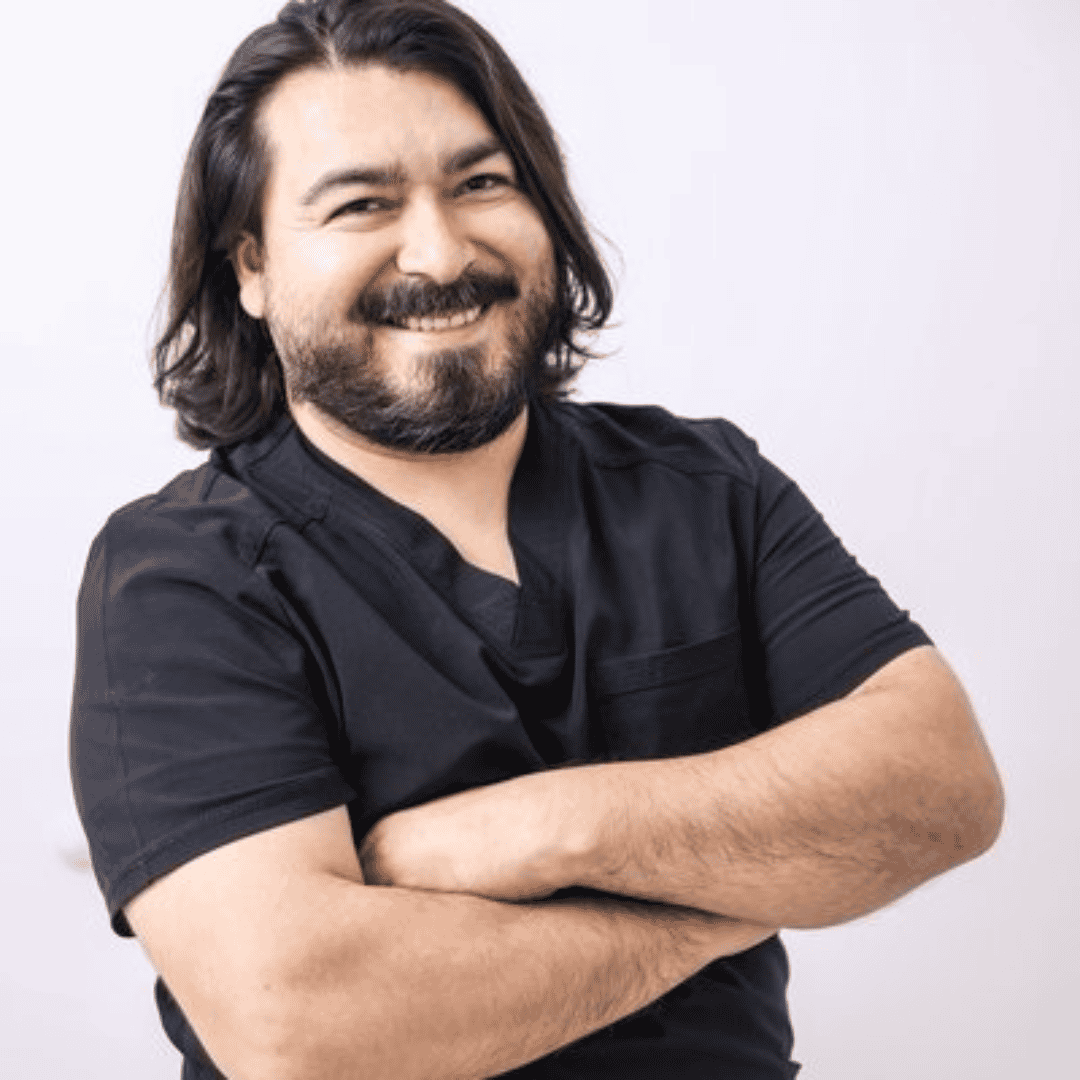
Dr. Rene Rosas
CAD/CAM Technology Dental Artistry Dental Center
- Maxillofacial Surgeon
Nuevo Progreso, Mexico
Dra. Nadia Cortez
CAD/CAM Technology Dental Artistry Dental Center
- Orthodontist
Nuevo Progreso, Mexico

Dra. Paulina Corona
CAD/CAM Technology Dental Artistry Dental Center
- Periodontist
Nuevo Progreso, Mexico
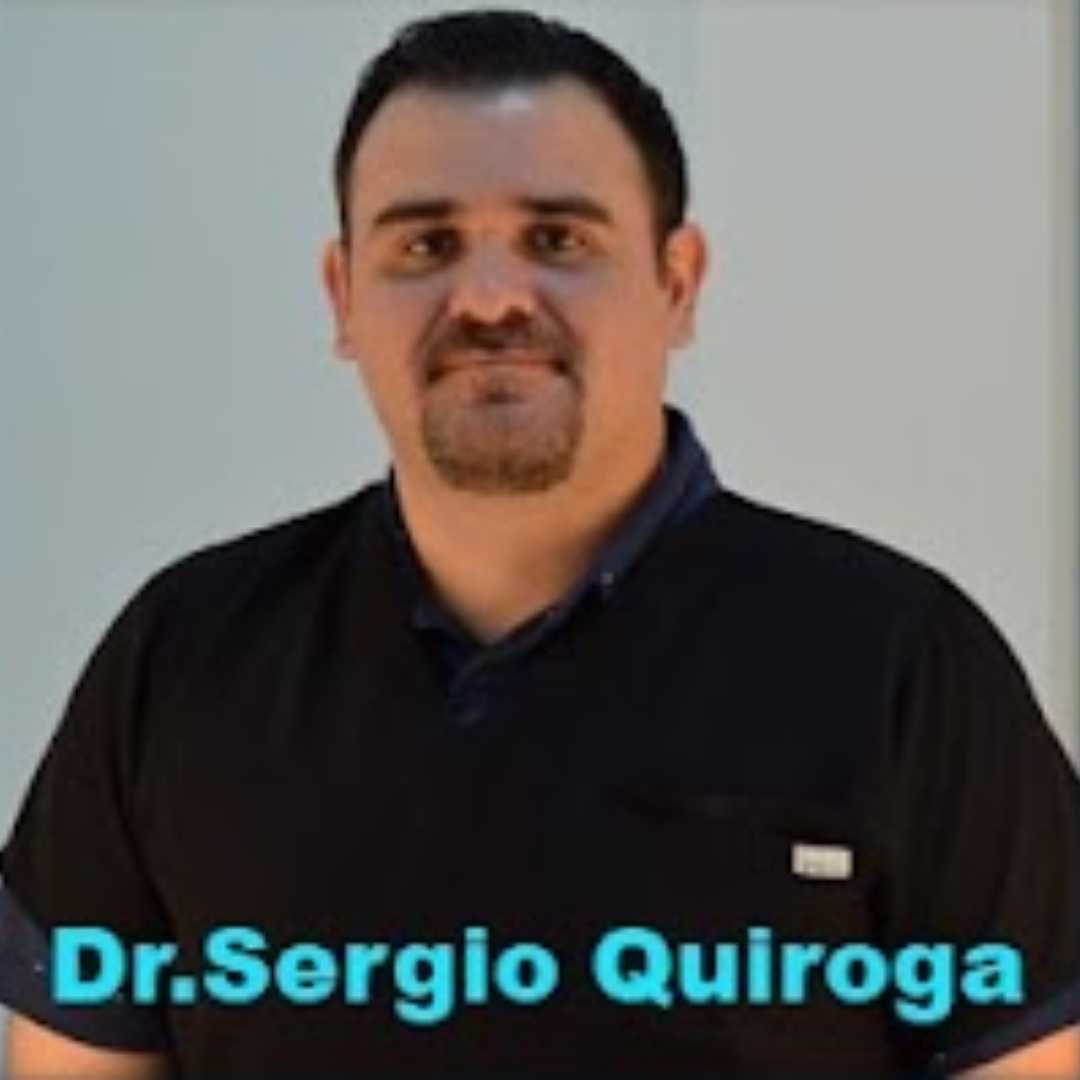
Dr. Sergio Quiroga
CAD/CAM Technology Dental Artistry Dental Center
- Dental - General Dentistry
Nuevo Progreso, Mexico
Go for Dental Vacations in Mexico & Also Explore Top Places
Mexico is a country famous for dental tourism. In addition to low-cost dental work, patients from North America come here to explore various places and attractions.
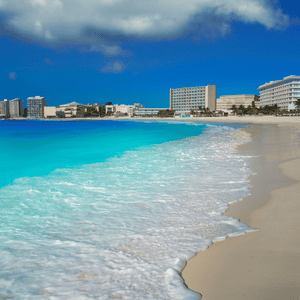
Mexico offers everything from historic monuments and delicious cuisine to sunny beaches. Here are a few things you can do during your stay in Mexico for cosmetic dentistry:
|
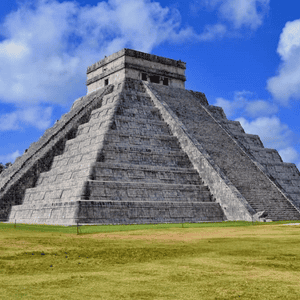
Visit the Chichen Itza heritage site
|
|
Enjoy in Cancun Beach
|
|
Try Mexican food
|

Achieve a Beautiful Smile with Cosmetic Dentistry in Mexico!
Cosmetic dentistry in Mexico provides a variety of choices so you can achieve a beautiful smile. PlacidWay will guide you to find the best clinic and cosmetic dentist in Mexico. Contact us for more information and get your free quote!






.png)
.png)

.png)
.png)
.png)










Share this listing