

Contents
You finally decide it is time to fix that lingering toothache or get those implants, only to see a quote from your local dentist that looks like a down payment on a house. For many patients in the United States and Canada, getting comprehensive dental work feels like choosing between a healthy smile and emptying their savings account. The struggle is completely real, which is why thousands of people cross the border every year seeking a more practical solution. Finding quality dental treatment in Nogales, Mexico, offers a way to get the care you need without the massive financial burden.
On average, a full dental treatment plan here costs around $3,500, though simpler procedures like crowns or fillings are significantly less. When looking into your options, do not just focus on the price tag. You should verify that the clinic holds local accreditations, such as certifications from the Asociación Dental Mexicana (ADM) or health clearance from Cofepris, ensuring they meet national safety standards.
Key Insights
Take a look at the overview below to compare costs, packages, and top-rated clinics to see which option works best for your dental journey.
Figuring out the total cost of traveling for medical care can quickly become confusing if you are piecing it together yourself. Dental packages are designed to bundle the essential parts of your trip, taking the guesswork out of your border crossing. A standard package usually includes your consultations, X-rays, the actual dental procedures, and sometimes local medications.
Reviewing these bundles helps you understand exactly what you are paying for before you leave home. Check out the packages below to compare what each clinic includes and find the most convenient option for your treatment plan.

Price starting from $2,070
Dental Implants with Crown and Abutments Package in Nogales, Mexico by Nogales Periodental
Nogales Periodental - Dental Clinic in Mexico
- Dentistry
Nogales, Mexico
The biggest question on everyone's mind before crossing the border is always about the final bill. Comprehensive dental treatment in Nogales generally costs around $3,500, representing a massive saving compared to average quotes in the US or Canada. Individual procedures are also highly accessible, with a single dental crown often starting at just a few hundred dollars.
This price difference comes from the lower cost of living and administrative overhead in Mexico, not a drop in material quality. Browse the pricing details below to compare procedure costs and see exactly how much you might save on your specific dental needs.
Dentistry Centers Cost Comparison in Nogales, Mexico
| Provider | Procedure | Price |
|---|---|---|
| Nogales Periodental - Dental Clinic in Mexico | Dental Implants, Dentistry | $2070 |
Dentistry Cost Comparison in Mexico
| Country | Procedure | Price |
|---|---|---|
| United States | Dental Implants, Dentistry | $3500 |
Picking a clinic abroad should feel less like booking a resort and more like hiring a trusted professional for your health. When researching facilities for your dental care in Nogales, look past the glossy lobby photos and focus on their credentials. You want to confirm the clinic is registered with the Mexican health authority, Cofepris, and follows strict sterilization protocols.
It is completely acceptable to ask the staff directly about their hygiene standards, the dental materials they use, and their licensing details. Compare the clinics listed below to check their certifications, facility standards, and overall patient ratings so you can make a safe, informed choice.
Nogales Periodental - Dental Clinic in Mexico
Nogales, Mexico
Inter DentalWorks
Nogales, Mexico
Reading about a medical facility is helpful, but seeing it with your own eyes offers a completely different level of comfort. Video tours give you a genuine look inside the treatment rooms, sterilization areas, and the general environment where you will be receiving care. Listening to dentists explain their approach can help ease the anxiety of traveling for healthcare.
It bridges the gap between a website description and the actual experience. Watch the videos below to compare the clinic atmospheres and get a clearer picture of what to expect when you arrive.
Nothing builds confidence quite like hearing from someone who has already been exactly where you are right now. Patient reviews offer unfiltered insights into how a clinic handles everything from complex surgeries to simple communication and follow-up care. Pay attention to how past patients describe the dentist's bedside manner and overall pain management.
These shared experiences often reveal details that official brochures leave out. Read through the patient reviews below to compare firsthand experiences and find a team that makes you feel comfortable and understood.

Traveling for medical care naturally brings up a lot of questions about logistics, safety, and the procedures themselves. Below are some of the most common questions patients ask when planning their dental trip south of the border.
Do I need a passport to cross into Nogales for dentistry?
Yes, United States and Canadian citizens are required to present a valid passport or an approved Western Hemisphere Travel Initiative (WHTI) document, like a passport card, to re-enter the US after their appointment.
Is it safe to walk across the border for my appointment?
Yes, most popular dental clinics are located just blocks from the pedestrian crossing in a heavily monitored tourist and medical zone. Thousands of patients safely make this short walk every day.
Will the dentists in Nogales speak English?
Yes, the vast majority of clinics that cater to international patients have fluent English-speaking staff and doctors, ensuring clear communication regarding your treatment plan.
Can I use my American dental insurance in Mexico?
Some clinics accept US PPO insurance directly, but typically you will need to pay out of pocket and submit an itemized receipt to your insurance provider for potential reimbursement.
What kind of materials do they use for crowns and implants?
Reputable clinics use globally recognized brands for titanium implants and high-grade porcelain or zirconia for crowns, the exact same materials used by dentists in the US and Canada.
How many trips will I need for dental implants?
You typically need two trips. The first visit is for the surgical implant placement, followed by a healing period of three to six months. The second visit is for attaching the permanent crown.
Are the sterilization standards the same as in the US?
Top clinics follow strict international sterilization protocols and are regulated by Cofepris, the Mexican health authority. It is always best to confirm a clinic's specific hygiene practices before booking.
What payment methods are accepted at the clinics?
Most modern clinics accept major credit cards, cash in US dollars, and sometimes digital transfers. Be aware that paying with a credit card may incur a small international transaction fee.
Can I drive my own car into Nogales?
You can, but many patients prefer to park their vehicles in paid lots on the Arizona side and walk across. This helps avoid heavy border traffic and the need to purchase temporary Mexican auto insurance.
What happens if I need follow-up care after I return home?
Quality clinics offer warranties on their work and will coordinate follow-up visits if something goes wrong. However, you will usually need to travel back to the clinic for adjustments or repairs.
How Much Does Dental Implants Cost in Nogales, Mexico?
A single dental implant in Nogales, Mexico, typically costs between $750 and $1,500, not including the abutment or crown. Full mouth restorations like All-on-4 may range from $8,000 to $15,000 per arch, depending on materials and clinical needs. For many patients facing extensive tooth loss, restorative dentistry can represent a significant financial investment. As a result, finding an accurate estimate for dental implants cost in Nogales, Mexico is often the first step in exploring cross-border healthcare options. Located just across the border from Arizona, this destination has become a widely accessed hub for medical travelers seeking dental rehabilitation. Pursuing dental implants in Nogales, Mexico requires careful consideration of not just the financial estimates, but also the safety protocols, necessary preparatory procedures, and the logistics of traveling for care. This guide explores the essential factors you should understand before deciding if cross-border implant dentistry is the right path for your oral health needs. Key Takeaways Patients often find significant estimated savings compared to average treatment prices in the United States or Canada. Total expenses vary widely based on implant materials, diagnostic imaging, and required pre-treatments like bone grafting. Thorough medical screening is vital, as systemic conditions and poor bone density can affect a patient's eligibility for surgery. Dental implant placement requires a multi-stage process, meaning patients will typically need to arrange multiple trips across the border. Establishing a relationship with a local dentist in your home country is essential for long-term maintenance and managing potential complications. What factors influence the cost of dental implants in Nogales? The cost of dental implants varies based on the chosen implant material, the need for preparatory procedures like bone grafts, and the overall complexity of your specific clinical case. When evaluating treatment estimates, it is important to recognize that an implant is not a single product, but a comprehensive system consisting of the titanium post, an abutment, and a custom crown. Some clinics advertise the price of the post alone, which can make initial quotes seem artificially low. Always ask for a comprehensive breakdown of the entire restoration process. Additionally, the materials selected play a major role in the final price. Standard titanium implants are the industry norm and generally highly cost-effective. However, patients with metal allergies or specific aesthetic preferences may opt for zirconia implants, which typically carry a higher price tag. The brand of the implant (such as Straumann or Nobel Biocare) can also affect the cost. Procedure / Component Estimated Cost Range in Nogales Single Titanium Implant (Post Only) $750 - $1,500 Abutment and Standard Crown $400 - $800 Bone Grafting (Per Site) $200 - $600 All-on-4 Full Arch Restoration $8,000 - $15,000 *Note: These prices are broad estimates. Individual clinic pricing and specific patient needs will dictate actual costs. What is the step-by-step procedure for getting a dental implant? Getting a dental implant generally involves a primary consultation, surgical placement of the titanium post, a distinct healing period for bone integration, and the final attachment of a custom crown. The journey usually begins with a comprehensive evaluation at a dental implant clinic in Nogales, Mexico. During this phase, the dental team will perform 3D imaging (such as a CBCT scan) to evaluate your bone density, nerve pathways, and sinus locations. If extractions or bone grafting are required, they are often performed during this initial stage or shortly after. Once the jawbone is prepared, the oral surgeon or implantologist places the titanium implant post into the bone beneath the gums. This surgical appointment is typically performed under local anesthesia. Afterward, the patient enters a crucial healing phase known as osseointegration, where the jawbone naturally grows around and fuses with the implant surface. This healing phase typically requires three to six months. During this time, patients wear a temporary prosthesis if necessary. Once integration is confirmed successful via follow-up imaging, an abutment (a connecting piece) is attached to the implant, and the final, custom-fabricated crown is secured in place. Are dental implants safe for everyone? While highly effective for many, dental implants are not suitable for everyone; patients with uncontrolled diabetes, active gum disease, or severe bone loss may face contraindications or require alternative treatments. Safety and eligibility are paramount concerns in implant dentistry. A patient's medical history profoundly impacts the success rate of the surgery. Conditions that impair the immune system or restrict blood flow can severely disrupt the bone healing process. For instance, individuals with uncontrolled diabetes have a notably higher risk of implant failure and postoperative infections. Active periodontal (gum) disease is another major contraindication. Placing an implant into an environment with active bacterial infection can lead to peri-implantitis, a condition that degrades the bone supporting the new implant. Dentists require periodontal disease to be fully treated and managed before moving forward with implant placement. Furthermore, certain medications, such as bisphosphonates used for osteoporosis, or lifestyle habits like heavy tobacco use, can negatively affect bone healing. It is crucial for patients to provide a fully transparent medical history during their consultation so a qualified healthcare provider can accurately assess individual risks and appropriateness for surgery. How do I choose a reliable dental implant clinic in Nogales, Mexico? Selecting a reliable clinic involves verifying the dental professional's credentials, ensuring the facility utilizes modern diagnostic imaging, and confirming they follow stringent sterilization protocols. When evaluating facilities, look for concrete evidence of professional training and clinical standards. Considerations should include: Specialized Training: Check if the practitioner placing the implants is an oral and maxillofacial surgeon, a periodontist, or a dentist with documented advanced training in implantology. Diagnostic Technology: Ensure the clinic utilizes Cone Beam Computed Tomography (CBCT) scanners. 3D imaging is widely considered a standard of care for safely planning implant placement. Material Transparency: Reputable clinics should be willing to disclose the specific brands and materials of the implants they use, providing you with tracking information or passports for the hardware. Infection Control: The clinic should openly discuss their sterilization protocols and adhere to international hygiene standards to mitigate the risk of cross-contamination. Clear Communication: Choose a clinic where language is not a barrier to understanding your medical consent, treatment plan, and cost breakdown. What are the risks and potential complications of dental implants? Potential risks of implant surgery include infection at the surgical site, injury to surrounding teeth or nerves, sinus complications, and the possibility that the implant fails to integrate with the jawbone. As with any surgical procedure, dental implant placement carries inherent risks. A primary concern is infection at the implant site, which can occur during the healing phase or years later if oral hygiene is neglected. If an infection deepens, it can cause the bone around the implant to recede, potentially leading to the loss of the device. Nerve damage is a rare but serious risk, particularly when placing implants in the lower jaw. If the implant is placed too close to the inferior alveolar nerve, it can cause persistent numbness, tingling, or pain in the natural teeth, gums, lips, or chin. Accurate 3D imaging heavily mitigates this risk by allowing the dentist to map nerve pathways precisely. Implants placed in the upper jaw can sometimes protrude into the sinus cavities, leading to sinus problems or infections. Finally, osseointegration failure—where the bone fails to fuse properly with the titanium post—can happen. If an implant fails, it typically must be removed, the bone allowed to heal, and the procedure potentially attempted again at a later date. How long is the recovery period after dental implant surgery? Initial surgical recovery usually takes a few days, but the critical internal healing process, known as osseointegration, typically requires three to six months before final restorations can be safely applied. Recovery from dental implant surgery occurs in two distinct phases. The immediate postoperative phase involves managing swelling, minor bleeding, and discomfort at the surgical site. This acute healing phase usually lasts roughly three to seven days. During this time, patients are often advised to rest, apply ice packs to reduce facial swelling, and stick to a strictly soft food diet to avoid agitating the surgical area. The secondary, much longer phase of recovery is largely invisible. Osseointegration is the biological process where bone cells attach themselves to the surface of the titanium implant. This integration provides the rock-solid foundation necessary to withstand the intense pressures of chewing. Depending on bone quality, patient health, and whether bone grafting was required, this internal healing can take several months. Rushing this phase and placing a permanent crown too early can result in micro-movements that disrupt bone healing, ultimately causing the implant to fail. Your dental provider will use imaging to confirm integration is complete before moving to the restorative phase. Will I need a bone graft or sinus lift before getting implants? You may require a bone graft or sinus lift if your jawbone lacks the necessary height, width, or density to securely support and anchor a dental implant over the long term. When a natural tooth is lost or extracted, the jawbone in that specific area ceases to receive the stimulation it normally gets from chewing forces. As a result, the body naturally begins to resorb, or dissolve, that bone tissue. If a tooth has been missing for an extended period, the resulting bone loss can leave insufficient structure to house a standard implant safely. In cases of inadequate bone width or density, a bone graft is often recommended. This procedure involves placing bone grafting material (which can be synthetic, bovine, or derived from human tissue) into the deficient area to stimulate new bone growth. This creates a sturdier foundation, though it typically adds several months to the overall treatment timeline as the graft heals. If you require implants in the upper premolar or molar regions, the sinus floor may be positioned too low to allow for proper implant length without puncturing the sinus cavity. A sinus lift involves gently elevating the sinus membrane and packing bone graft material beneath it, creating adequate vertical bone height for safe implant placement. How does medical tourism in Nogales, Mexico work for dental patients? Medical tourism in this border city often involves patients driving or walking across the US-Mexico border for scheduled appointments, taking advantage of lower clinical overhead costs while managing travel logistics. Participating in medical tourism in Nogales, Mexico requires some distinct logistical planning compared to visiting a local dentist. Because Nogales directly borders Arizona, many patients choose to drive to the border town of Nogales, Arizona, park their vehicles on the US side, and simply walk across the pedestrian border crossing. Many reputable dental clinics are located just a few blocks from the port of entry within designated commercial and medical zones. Some clinics also provide private shuttle services that pick patients up from border parking lots or nearby airports in Tucson or Phoenix, facilitating easier transit. When engaging in cross-border care, you must account for the fact that dental implants require multiple visits spanning several months. Patients need to factor the costs of travel, lodging, and time off work into their total budget estimates. It is also important to maintain realistic expectations and understand that international care requires careful vetting and self-advocacy. What types of dental implants are available in Nogales? Clinics typically offer standard titanium implants, metal-free zirconia implants, mini implants for specific structural limitations, and full-arch solutions like the All-on-4 or All-on-6 techniques. Patients traveling for treatment will find a variety of implant solutions tailored to different clinical needs: Standard Endosteal Implants: Usually made of titanium, these are the most common type, shaped like small screws, and are placed directly into the jawbone to replace single or multiple teeth. Zirconia Implants: An alternative for those with metal sensitivities. These ceramic implants are white, offering excellent aesthetics and biocompatibility, though they are often more expensive and may not be suitable for all load-bearing areas. Mini Dental Implants (MDIs): Narrower than standard implants, these are sometimes used to stabilize lower dentures or placed in areas with narrow bone width where a standard implant will not fit. All-on-4 / Full Arch Restorations: This technique utilizes four to six strategically angled implants to support a full fixed bridge, replacing an entire upper or lower set of teeth. It is a popular option for patients with extensive tooth loss aiming to avoid removable dentures. What should I plan for dental implant aftercare and follow-up? Proper aftercare requires maintaining rigorous daily oral hygiene, avoiding excessive biting force during healing, and scheduling regular professional cleanings and examinations with a local dentist. Long-term success heavily depends on diligent aftercare. While the implant itself cannot decay like a natural tooth, the surrounding gum tissue and bone remain highly susceptible to periodontal disease. Plaque buildup can lead to peri-implantitis, a damaging inflammatory condition that can ultimately cause the implant to loosen and fail. Daily maintenance includes brushing twice a day with a soft-bristled toothbrush, flossing meticulously around the implant crown (using specialized floss if recommended), and utilizing an antimicrobial mouth rinse. If you grind your teeth at night (bruxism), your dentist may recommend wearing a nightguard to protect the ceramic crown and reduce stress on the implant. Critically, medical tourists must establish a relationship with a local dentist in their home country. You will need routine X-rays and professional cleanings to ensure the implant remains stable. If complications—such as persistent pain, swelling, or a loose crown—arise after returning home, having a local professional readily available for prompt intervention is vital for your safety. Why Choose PlacidWay for Medical Tourism in Nogales? Navigating cross-border healthcare options can be complex. PlacidWay acts as a specialized resource for patients exploring international medical and dental options. Here are several factual ways the platform assists patients: Extensive Provider Network: PlacidWay connects patients with a wide directory of international dental clinics and healthcare facilities. Comparative Tools: The platform allows users to compare multiple facilities, helping patients evaluate different clinic profiles in one centralized location. Direct Communication: Patients can use the platform to submit inquiries and receive quotes directly from international dental providers. Educational Resources: PlacidWay provides informational guides and articles to help patients understand the general scope of medical travel. Transparent Information Gathering: The service facilitates an organized approach to gathering necessary details about procedures, enabling more informed patient choices. Frequently Asked Questions (FAQs) How long do dental implants typically last? With proper oral hygiene, regular dental check-ups, and a healthy lifestyle, dental implants can often last for many years, and in some cases, a lifetime. However, the crown attached to the implant may need replacement due to normal wear and tear over time. Can I get a dental implant and crown on the same day in Nogales? Some clinics offer immediate load implants, which allow a temporary crown to be placed on the same day as the surgery. However, this is only suitable for patients with excellent bone density, and a permanent crown is usually placed months later after healing. Do dental clinics in Nogales accept US dental insurance? Most Mexican dental clinics operate on a fee-for-service basis and do not directly bill US insurance companies. However, some clinics can provide the necessary itemized paperwork and billing codes for you to submit a claim for out-of-network reimbursement, depending on your policy. Is it safe to travel to Nogales, Mexico for dental work? Many patients travel safely to Nogales by taking standard precautions, such as crossing during daylight hours and staying within established medical and tourist districts near the border. Always review current government travel advisories before planning your trip. Does getting a dental implant hurt? The surgical placement of a dental implant is performed under local anesthesia, so you should not feel pain during the procedure. Post-operative discomfort, swelling, and mild soreness are common for a few days and are typically managed with prescribed or over-the-counter pain relievers. How do I maintain my dental implants once I return home? Maintain your implants just like natural teeth by brushing twice daily, flossing, and using antibacterial mouthwash. It is crucial to schedule regular cleanings and examinations with a local dentist in your home country to monitor the health of the implant and surrounding gums. What happens if my dental implant fails after leaving Mexico? If complications or failure occur after you return home, you must consult a local dentist or oral surgeon immediately. Managing complications internationally can be logistically challenging and may result in additional out-of-pocket costs in your home country. Can smokers get dental implants in Nogales? Smokers can receive implants, but smoking significantly increases the risk of complications, infection, and implant failure by impeding blood flow and bone healing. Dentists typically strongly advise patients to quit smoking several weeks before and after the procedure. Are the materials used in Nogales the same as in the US? Many established clinics in Nogales use internationally recognized implant brands and high-quality materials, such as titanium and zirconia, comparable to those used in the US. Patients should always ask their clinic to specify the exact brand and material being used. Do I need a passport to visit a dentist in Nogales? Yes, US citizens need a valid passport book or passport card to re-enter the United States after crossing the land border into Nogales, Mexico. Ensure your travel documents are up to date before scheduling your appointment. Compare Treatment Options If you are considering restorative dentistry, you can use PlacidWay to gather information, review clinic profiles, and request estimates for your care. Request Treatment Information References Dental implant surgery – Mayo Clinic Implants – American Dental Association (ADA) Dental Implants: What You Should Know – U.S. Food and Drug Administration (FDA) Medical Tourism – Centers for Disease Control and Prevention (CDC) Tooth Loss in Adults – National Institute of Dental and Craniofacial Research (NIDCR) Mexico Travel Advisory – U.S. Department of State Medical Disclaimer: The information provided in this article is for educational and informational purposes only and does not constitute medical or dental advice. The content is not intended to be a substitute for professional medical diagnosis, treatment, or specific recommendations. Always seek the advice of a qualified dentist or physician with any questions you may have regarding a medical condition or treatment plan. Never disregard professional medical advice or delay in seeking it because of something you have read in this article. Individual patient results, risks, and recovery times may vary.
What is the Average Price of Dental Veneers in Nogales, Mexico?
The average price for dental veneers in Nogales, Mexico typically ranges from $350 to $500 per tooth. Costs vary based on the material used, such as porcelain or composite resin, the complexity of your case, and the specific clinic chosen. Many patients seeking cosmetic dental enhancements are drawn to options just across the U.S. border. If you are exploring the possibility of getting dental veneers in Nogales, understanding the financial investment, the procedure, and the logistics of cross-border care is essential. Dental veneers are custom-made shells designed to cover the front surface of your teeth, improving their appearance by changing their color, shape, size, or length. While the procedure can offer significant aesthetic benefits, it requires careful consideration of the costs, materials, and clinical processes involved. Key Takeaways The estimated price range for a single veneer in Nogales is between $350 and $500. Porcelain veneers are generally more expensive but offer greater durability compared to composite resin. The procedure typically requires irreversible removal of tooth enamel. Nogales is a popular border destination due to its proximity to Arizona and walkable clinic access. Patients should factor travel expenses, potential multiple visits, and aftercare into their total budget. Why Do Patients Travel to Nogales for Dental Veneers? Patients often travel to Nogales because the cost of cosmetic dental care is typically lower than in the United States, and the border town offers convenient geographic access for North American residents. The rise of medical tourism in Mexico has transformed border towns like Nogales into active hubs for dental care. For many individuals, the primary motivation for crossing the border is economic. The overhead costs for dental practices in Mexico, including administrative expenses and facility operations, are generally lower than those in the U.S. or Canada. These reduced operational costs are often reflected in the prices offered to patients. Additionally, Nogales is located immediately adjacent to Nogales, Arizona. This geographic proximity allows many patients to drive to the border, park on the U.S. side, and walk to their appointments. This eliminates the need for expensive flights or extended hotel stays, making the logistics of receiving dental care much more straightforward for residents of the American Southwest. While the potential for lower costs is appealing, it is important to remember that cosmetic dentistry requires precision and skill. Traveling for care means you must carefully research facilities, understand the limitations of cross-border treatments, and prepare for the fact that you are operating outside your home country's healthcare regulations. What Factors Influence the Dental Veneers Cost in Nogales? The dental veneers cost in Nogales is influenced by the type of material selected, the number of teeth being treated, the complexity of your dental needs, and the specific pricing structure of the clinic. Although the average price often falls between $350 and $500 per tooth, this is only an estimate. Your final bill will depend on several variables. The most significant factor is the material. High-quality porcelain or zirconia veneers are more expensive to manufacture in a dental laboratory than composite resin veneers, which are often shaped directly onto the tooth by the dentist. Another major factor is the scale of the treatment. A single veneer to repair a chipped tooth will cost significantly less than a full "smile makeover" requiring six to eight veneers on the upper teeth. Furthermore, some patients require preparatory dental work before veneers can be applied. If you need treatment for gum inflammation, cavity fillings, or root canals, these procedures will add to your overall expenses. Finally, fees can vary from one facility to another. A clinic with in-house laboratory equipment, such as CAD/CAM milling machines for same-day restorations, may have different pricing models than a clinic that sends impressions to an off-site lab. How Do Porcelain and Composite Veneers Compare? Porcelain veneers are typically more durable, stain-resistant, and expensive, whereas composite veneers are more affordable and require less enamel removal but may not last as long. When discussing treatment with a dentist, you will likely choose between porcelain and composite resin. Porcelain veneers are thin ceramic shells custom-crafted in a laboratory. They closely mimic the light-reflecting properties of natural teeth and are highly resistant to stains from coffee, tea, and smoking. However, they usually require the removal of a small amount of healthy tooth enamel to ensure a proper fit. Composite veneers are made from a tooth-colored resin material similar to what is used for dental fillings. The dentist applies the resin directly to the tooth, shapes it, and cures it with a special light. This process can often be completed in a single visit and is generally less expensive. The trade-off is that composite resin is more prone to chipping and staining over time. Feature Porcelain Veneers Composite Veneers Estimated Cost (Nogales) $350 - $500+ per tooth $150 - $250+ per tooth Durability High (Typically 10-15 years) Moderate (Typically 5-7 years) Stain Resistance Excellent Moderate Tooth Preparation Requires enamel removal Minimal to no enamel removal What is the Typical Process for Getting Dental Veneers? The process generally involves an initial consultation, preparation of the teeth by removing a thin layer of enamel, taking impressions, and finally bonding the custom veneers to the teeth. The journey to receiving veneers usually spans two to three appointments, depending on the technology available at the clinic. During the first visit, the dentist will evaluate your oral health, discuss your aesthetic goals, and take x-rays to ensure your teeth and gums are healthy enough for the procedure. If you proceed with porcelain veneers, the next step is preparation. The dentist will administer local anesthesia and gently reshape the tooth surface by removing a fraction of a millimeter of enamel. This step is irreversible. Next, the dentist takes physical impressions or digital scans of your teeth, which are sent to a dental laboratory where your custom veneers are crafted. You may receive temporary veneers to protect your teeth while you wait. During the final visit, the dentist will remove the temporaries and temporarily place the new veneers to check their fit, shape, and color. Once any necessary adjustments are made, your teeth are cleaned, polished, and etched to create a strong bonding surface. A special cement is applied, and the veneers are permanently bonded to your teeth using a curing light. Important Consideration: The removal of tooth enamel is a permanent procedure. Once a tooth has been prepped for a porcelain veneer, it will always require a covering. If a veneer eventually fails or breaks down the line, it must be replaced. Are There Hidden Fees When Visiting a Dental Clinic in Nogales? While reputable clinics strive for transparency, patients should budget for potential extra costs such as consultation fees, x-rays, temporary veneers, medications, and travel expenses. When evaluating quotes from a dental clinic in Nogales, it is crucial to ask what is specifically included in the quoted price per tooth. A seemingly low price might only cover the cost of the veneer itself, leaving you to pay extra for essential parts of the procedure. Common additional costs that patients sometimes overlook include initial consultation fees, panoramic x-rays or 3D scans, local anesthesia, and the cost of temporary veneers worn between appointments. You should also ask if adjustments or follow-up visits are included in the primary fee. Beyond clinical costs, you must account for logistical expenses. This includes gas, tolls, border parking fees, potential hotel stays if your treatment requires multiple consecutive days, and meals. Requesting a comprehensive, itemized treatment plan in writing before committing to the procedure can help you avoid unexpected financial surprises. How Long Do Dental Veneers Typically Last? With proper oral hygiene and regular dental check-ups, porcelain veneers often last between 10 and 15 years, while composite resin veneers typically last between 5 and 7 years before needing replacement. Dental veneers are long-lasting, but they are not permanent. The lifespan of your restorations depends heavily on the material used, the skill of the dentist placing them, and how well you care for them after returning home. Porcelain is a highly resilient material that can withstand normal biting forces, but it is not indestructible. Factors that can shorten the lifespan of your veneers include teeth grinding (bruxism), using your teeth as tools (such as opening packaging or biting nails), and chewing on hard objects like ice or hard candies. If a veneer chips, cracks, or debonds from the tooth, it usually cannot be repaired and must be entirely replaced. Gum health also plays a vital role. If your gums recede due to periodontal disease or aggressive brushing, the edge of the veneer may become visible, compromising the aesthetic result and potentially leaving the underlying tooth vulnerable to decay. What Are the Potential Risks and Complications? Potential risks include tooth sensitivity, gum irritation, a mismatched color, veneer chipping or dislodgement, and the possibility of underlying tooth decay if the veneer is improperly sealed. As with any medical or dental procedure, receiving veneers carries inherent risks. Because the procedure involves stripping away a layer of protective enamel, some patients experience increased tooth sensitivity to hot and cold temperatures. This sensitivity is often temporary, resolving within a few weeks, but in some cases, it can be persistent. Another risk is poor bonding. If the veneer is not sealed perfectly against the tooth surface, bacteria can enter the microscopic gap, leading to decay underneath the veneer. This can be difficult to detect and may require the removal of the veneer and significant restorative work, such as a root canal or a dental crown, to fix. Aesthetic complications can also occur. The color of a porcelain veneer cannot be altered once it is cemented in place. If the shade does not perfectly match your surrounding teeth, or if your natural teeth discolor over time while the veneer remains the same shade, you may be left with a mismatched smile. Who is Considered a Suitable Candidate for Veneer Placement? Suitable candidates generally have healthy teeth and gums, sufficient enamel for the bonding process, and specific cosmetic concerns such as severe discoloration, minor misalignment, or chipped teeth. Veneers are an excellent option for many people, but they are not suitable for everyone. A qualified dentist must evaluate your oral health before approving you for the procedure. You must be free of active gum disease, tooth decay, and root canal infections. If these conditions are present, they must be resolved before cosmetic work can begin. Patients who clench or grind their teeth (a condition known as bruxism) may not be ideal candidates for veneers, as the immense pressure can cause the thin porcelain to fracture or detach. If a dentist determines you have mild bruxism, they may require you to wear a protective nightguard while sleeping to protect your investment. Additionally, if your teeth are severely misaligned or if you have large gaps, orthodontic treatments like braces or clear aligners might be medically preferable to placing thick veneers to mask the spacing issues. How Should Patients Care for Their New Dental Veneers? Caring for veneers involves maintaining excellent oral hygiene, avoiding excessive biting forces on hard objects, wearing a nightguard if you grind your teeth, and attending regular dental check-ups. Aftercare is critical for maximizing the longevity of your dental work. You should treat your veneered teeth much like your natural teeth. This means brushing at least twice a day with a non-abrasive fluoride toothpaste and flossing daily to prevent gum disease and decay around the margins of the veneers. While porcelain is highly stain-resistant, the cement used to bond them can sometimes discolor over time. Minimizing your intake of highly pigmented foods and beverages, such as red wine, coffee, and dark berries, can help maintain a bright smile. Smoking is also discouraged, as it can stain both natural teeth and composite materials. Importantly, traveling for dental care means your local dentist back home will be responsible for your long-term maintenance. You should be transparent with your local provider about the treatments you received abroad so they can properly monitor the integrity of the restorations during your routine, biannual cleanings. How Does Medical Tourism Work for Border Towns Like Nogales? Medical tourism in border towns involves patients crossing land borders to receive healthcare services, often capitalizing on lower costs while relying on local infrastructure for accommodation and transportation. The dynamic of border dental tourism is somewhat different from traveling deep into a foreign country. Many patients seeking care in Nogales choose to stay on the U.S. side of the border. They park in designated lots in Nogales, Arizona, and walk through the pedestrian border crossing. A large concentration of dental clinics is located within just a few blocks of the port of entry, catering specifically to international patients. While the convenience is high, patients must still prepare appropriately. You need proper documentation to return to your home country, typically a valid passport. It is also wise to understand that regulatory standards for dental clinics in Mexico differ from those in the U.S. or Canada. Before planning a trip, patients should consult with a healthcare professional at home to determine if they are physically suitable for the planned procedure and the associated travel. Furthermore, prospective patients should verify the credentials, hygiene standards, and emergency protocols of any clinic they intend to visit. Expert Insight: Always have a clear plan for what you will do if complications arise after you return home. Ensure you have the budget to address unexpected dental needs locally, as returning to a foreign clinic for minor repairs is not always practical. Why Choose PlacidWay for Medical Tourism in Mexico Navigating international healthcare options requires thorough research and organized information. PlacidWay is a medical tourism platform designed to help patients explore healthcare possibilities around the world. Here are factual ways PlacidWay can assist you: Extensive Directory: PlacidWay provides a comprehensive directory of medical and dental facilities across numerous global destinations, including Mexico. Cost Comparisons: The platform allows users to view estimated pricing for various treatments, helping patients compare options across different regions. Provider Profiles: Patients can access detailed profiles that list clinic accreditations, available technologies, and dentist credentials to aid in their research. Communication Tools: PlacidWay facilitates direct communication and inquiries between prospective patients and international healthcare providers. Educational Resources: The site offers articles, guides, and resources designed to educate patients on the logistics and considerations of seeking care abroad. Frequently Asked Questions (FAQs) Do I need a passport to visit a dentist in Nogales? Yes. While you may occasionally cross the land border with other identification, U.S. and Canadian citizens generally need a valid passport or passport card to re-enter their home country after visiting Mexico. Can I drive across the border into Nogales for my dental appointment? Many patients choose to park their vehicles on the U.S. side of the border in Nogales, Arizona, and walk across to the dental clinics, which are often located within walking distance of the pedestrian crossing. Are dental veneer consultations available in Nogales? Yes, most dental clinics in Nogales offer initial consultations. During this visit, the dentist will examine your teeth, take x-rays or digital scans, and determine if you are a suitable candidate for veneers. How many visits does it take to get porcelain veneers in Nogales? Getting porcelain veneers typically requires two to three visits. The first is for consultation and tooth preparation, while subsequent visits are for fitting and bonding the custom-made veneers. Does dental insurance cover veneers in Mexico? Because veneers are generally considered a cosmetic procedure, most dental insurance plans do not cover them, regardless of whether the treatment is done domestically or internationally. You should check your specific policy details. Can I get veneers if I have existing gum disease? No, active gum disease (periodontitis) or tooth decay must be fully treated and resolved before any cosmetic procedures like veneers can be safely placed. Healthy gums are required to support the restorations. Do veneers require shaving down my natural teeth? Yes. Traditional porcelain veneers usually require removing a thin layer of enamel from the front of your teeth so the veneer fits properly and looks natural. This process is irreversible. Is it safe to travel to Nogales for dental care? Tens of thousands of patients visit border towns like Nogales for dental care annually. However, travelers should always review current government travel advisories, stay in well-lit tourist areas, and exercise standard situational awareness. What happens if a veneer chips after I return home? If a complication occurs after you return home, you will need to either travel back to your treating clinic in Mexico or visit a local dentist for repairs, which would likely incur out-of-pocket costs locally. How soon after getting veneers can I eat normally? You can usually eat normally once the numbness from any local anesthesia wears off. However, dentists often recommend sticking to softer foods for the first few days while you adjust to your new bite. Compare Treatment Options Worldwide Explore global healthcare facilities, review estimated costs, and gather the information you need to make an informed decision about your dental care. Request Treatment Information References Veneers – American Dental Association (ADA) Dental Veneers: Benefits, Procedure, Costs & Results – Cleveland Clinic Medical Tourism – Centers for Disease Control and Prevention (CDC) Mexico Travel Advisory – U.S. Department of State Tooth Decay – National Institute of Dental and Craniofacial Research (NIDCR) Oral health: A window to your overall health – Mayo Clinic Medical Disclaimer: The information provided in this article is for educational and informational purposes only and does not constitute medical or dental advice. Dental procedures, including veneers, carry inherent risks and require a thorough evaluation by a qualified healthcare professional. Costs, recovery times, and outcomes vary by individual. Always consult with a licensed dentist to determine if this treatment is appropriate for your specific health needs before traveling abroad for medical care.
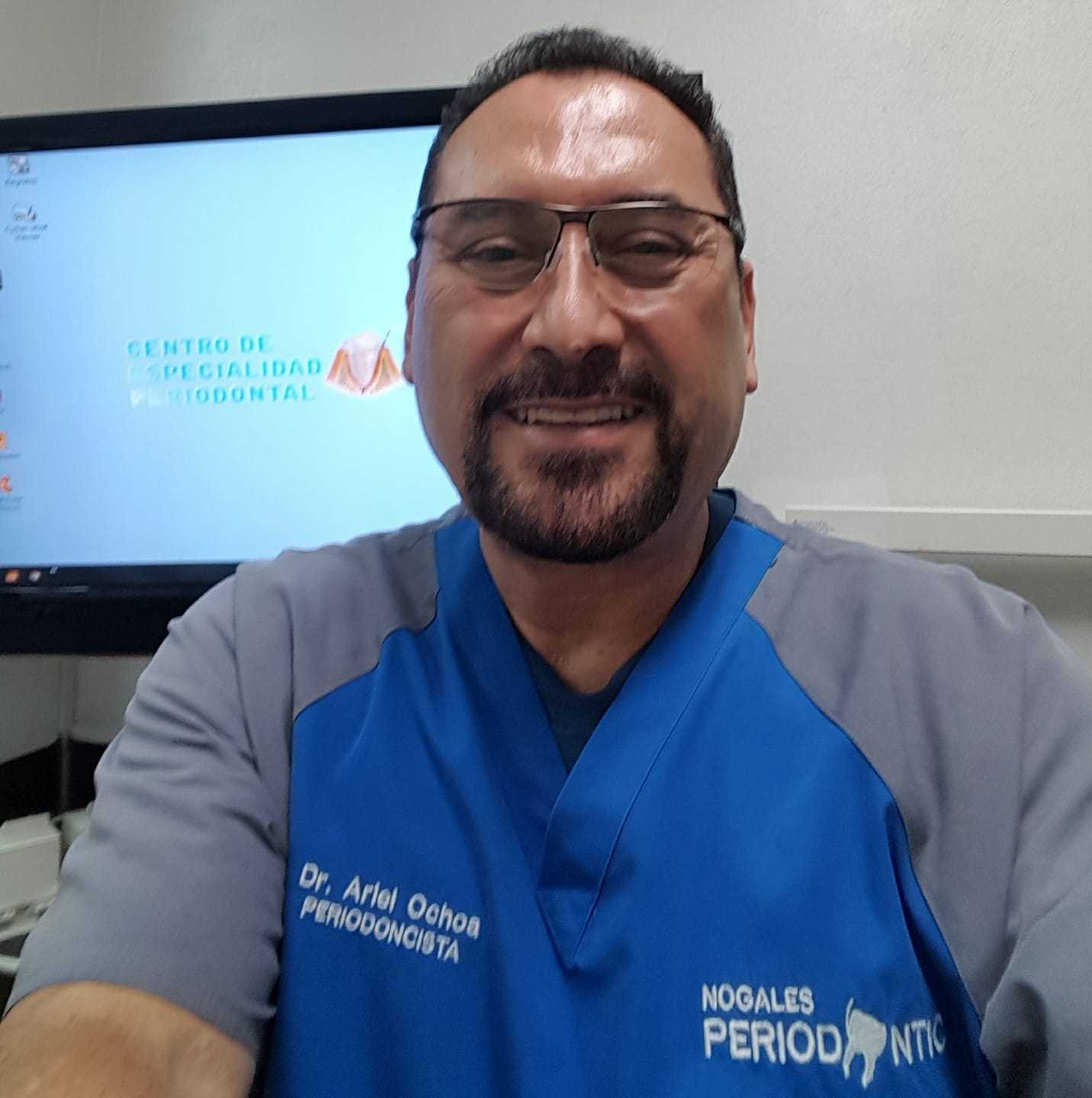
Your results depend entirely on the skill and experience of the person holding the instruments. When choosing a dentist for complex work like implants or full-mouth restorations, you need to verify their specific qualifications and postgraduate training. Look for specialists who hold memberships in international organizations or have completed specialized implantology courses.
A general dentist is great for cleanings, but specialized surgeries require a dedicated expert. Review the dentist profiles below to compare their educational backgrounds, specialties, and years of experience to ensure you are in the safest hands possible.
Planning a trip for medical care can feel intimidating, but Nogales is arguably one of the most accessible destinations for North American patients. Located right on the border of Arizona, this lively city has built a massive infrastructure specifically catering to medical and dental tourists. Patients predominantly travel from Arizona, California, Nevada, and even parts of Canada, drawn by the simple logistics of border crossing.
Instead of dealing with international flights, most people simply drive down Interstate 19, park their car on the US side in Nogales, Arizona, and walk across the pedestrian border. The primary medical and dental district is located within a few blocks of the port of entry, making it incredibly convenient.
| Closest US Airport | Tucson International Airport (TUS), about 1 hour away |
| Border Wait Times | Walking across takes minutes; driving back can take 1-2 hours |
| Currency | US Dollars are universally accepted in the dental district |
| Getting Around | Walking is the easiest method for border-zone clinics |
While the area immediately across the border is heavily policed and generally safe for tourists during the day, it is always wise to stick to your itinerary and return before dark. Take a look at the local travel resources below to compare accommodation options and plan a smooth, stress-free trip.
Making the decision to travel for your dental health is a big step, but you do not have to navigate the details on your own. Gathering the right information allows you to confidently choose a clinic that meets your medical needs and budget. Our team is here to help you connect with certified professionals, answer your logistical questions, and organize a treatment plan that makes sense for you.
By requesting an estimate, you can get a clearer picture of your expected costs and timelines without any obligation. Let us assist you in finding a qualified clinic so you can focus on getting your smile back.
References
- Medical Tourism Safety Guidelines – Centers for Disease Control and Prevention
- Dental Tourism & Patient Safety – American Dental Association
- Health Regulations and Clinic Standards – Cofepris
- Mexico International Travel Information – U.S. Department of State
- Information on Restorative Dental Care – National Institutes of Health

























Share this listing