


Ibogaine Brain Detoxification from Opioid Addiction in Mexico
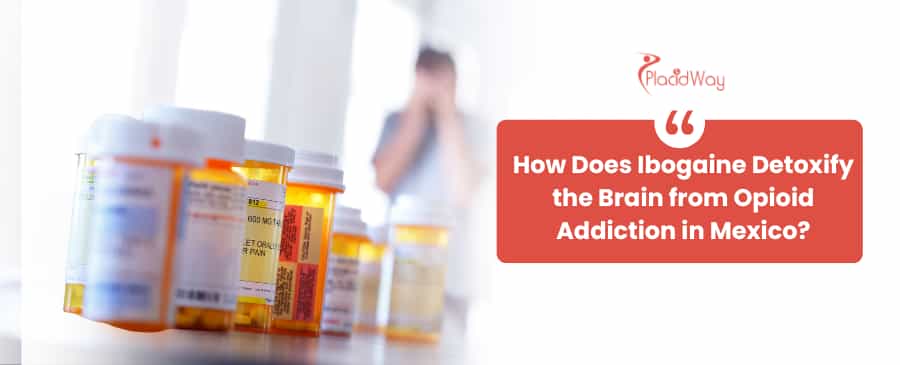
Opioid addiction is often described as a prison where the bars are made of chemical dependence. You might have tried traditional rehabs, methadone clinics, or cold turkey, only to find yourself pulled back by the sheer agony of withdrawal or the relentless mental craving. This is where Ibogaine treatment in Mexico has emerged as a radical alternative, offering what many describe as a "hard reset" for the brain.
Unlike traditional treatments that often substitute one drug for another, Ibogaine is a naturally occurring psychoactive alkaloid derived from the root bark of the African shrub Tabernanthe iboga. It works differently. It doesn't just mask the pain; it targets the biological roots of addiction. In Mexico, where the treatment is legal and regulated, specialized clinics are using this powerful substance to help people break free from fentanyl, heroin, and prescription opioids in a matter of days rather than months.
If you are researching this, you are likely looking for a way out that feels permanent. You want to understand the science, the safety, and the reality of undergoing Ibogaine detox. In this guide, we will walk through exactly how this compound interacts with your brain chemistry, why Mexico has become the global hub for this therapy, and what you can honestly expect from the process.
What is the mechanism behind Ibogaine's ability to stop withdrawals?
The most terrifying aspect of quitting opioids is the withdrawal. It is physically agonizing. Ibogaine addresses this by metabolizing in the liver into a compound called Noribogaine. This metabolite floods the brain and occupies the opioid receptors—specifically the mu-opioid receptors—that are screaming for drugs. However, unlike methadone or suboxone, it doesn't create a new dependency or a "high" in the traditional sense.
Instead, it normalizes the receptor density. Chronic opioid use downregulates your receptors, meaning you need more drug to feel normal. Ibogaine seems to reverse this downregulation rapidly. Patients often report waking up after their treatment session with zero physical withdrawal symptoms—no shaking, no sweating, and no bone pain. It effectively fast-forwards the brain through the worst of the physical detox process.
This "interruption" is crucial. By bypassing the acute withdrawal phase, individuals can focus immediately on recovery without fighting a losing battle against their own biology. It provides a window of clarity that is rarely achieved in standard detox protocols.
How does Ibogaine affect dopamine and brain chemistry?
Addiction hijacks the brain's reward system, specifically the dopamine pathways. Opioids flood the brain with artificial dopamine, causing the brain to stop producing it naturally. When you quit, you crash. Ibogaine treatment helps to restore balance to these neurochemical systems. It interacts with serotonin and dopamine transporters to "reset" the baseline mood and reward function.
This reset is why many patients feel a sudden lift in the "brain fog" or depression that usually plagues early recovery. The treatment appears to increase the expression of Glial Cell Line-Derived Neurotrophic Factor (GDNF), a protein that promotes the survival and regeneration of neurons. Essentially, it promotes neuroplasticity, giving the brain the flexibility to learn new habits and break old cycles.
- Dopamine Reset: Restores ability to feel natural pleasure.
- Serotonin Regulation: mood stabilization.
- Neuroplasticity: Enhances the brain's ability to rewire itself away from addictive patterns.
What is the cost of Ibogaine treatment in Mexico?
Cost is a major factor for families considering this option. Unlike standardized US healthcare, prices in Mexico can vary significantly based on the level of luxury and medical supervision provided. It is vital to understand that "cheaper" is often dangerous when dealing with a potent psychoactive substance that affects the heart.
Below is a breakdown of what you might expect to pay and what those costs cover:
| Treatment Tier | Estimated Cost (USD) | What is Typically Included? |
|---|---|---|
| Basic / Standard | $5,000 - $7,000 | 5-7 day stay, basic medical screening (EKG/Liver panel), nurse supervision, shared or simple private room. |
| Medical / All-Inclusive | $7,500 - $10,000 | 7-10 day stay, full ACLS medical staff, cardiac monitoring during flood, private suite, pre- and post-counseling, nutritional support. |
| Luxury / Extended | $10,500 - $15,000+ | 10-14+ day stay, 5-star amenities, holistic therapies (massage, yoga), extensive aftercare planning, potential booster doses. |
Note: While high costs can be daunting, paying for a clinic with a full medical team and emergency equipment is non-negotiable for safety.
Why is Ibogaine treatment legal in Mexico but not in the US?
The legal landscape drives the industry to Mexico. In the United States, Ibogaine is classified as Schedule I, alongside heroin and LSD, largely due to its hallucinogenic properties and a history of political decisions dating back to the 1960s. This makes clinical trials and legal administration nearly impossible stateside.
Mexico, however, does not classify Ibogaine as a controlled substance. This allows medical professionals to administer it legally. Over the years, this has allowed Mexican clinics to develop extensive protocols and expertise that simply doesn't exist in countries where the drug is banned. The legality ensures that reputable centers can operate openly, partnering with hospitals and employing licensed doctors to oversee the detox process.
What is the "psychoactive phase" and how does it help recovery?
Detox is physical, but recovery is mental. Ibogaine is unique because it forces a confrontation with the self. Patients describe the experience as a "waking dream" that lasts for 4 to 8 hours. During this time, the brain generates intense visual and emotional content, often replaying childhood memories or traumatic events that contributed to the addiction.
This isn't a recreational "trip." It is often described as stern and objective. You might see your life from a third-person perspective, allowing you to forgive yourself or understand the root cause of your pain without the usual emotional baggage. This psychological breakthrough is often what keeps people sober long-term—they aren't just physically clean; they have resolved the internal conflict that drove them to use in the first place.
Is Ibogaine safe for everyone?
Safety is the most critical conversation in this field. Ibogaine slows the heart rate and can prolong the QT interval (the time it takes for the heart to recharge between beats). If a patient has a pre-existing heart condition or takes certain medications that interact with Ibogaine, this can lead to fatal arrhythmias.
This is why "underground" treatments are dangerous. A legitimate clinic in Mexico will require a comprehensive medical panel before you even book a flight. This includes a 12-lead EKG and a stress test. If a clinic is willing to treat you without seeing your heart health data, run the other way. Safety protocols must include constant cardiac monitoring during the treatment session itself.
What is Noribogaine and why is it important?
While Ibogaine does the heavy lifting during the "flood" dose, its metabolite, Noribogaine, is the unsung hero of the aftercare phase. Ibogaine is processed by the liver and converted into Noribogaine, which stores in the body's fat cells and is released slowly over time—sometimes for weeks or months.
This creates an "afterglow" effect. Patients often report feeling a sense of well-being, reduced anxiety, and a complete lack of cravings for a significant period after leaving the clinic. This chemical safety net provides a crucial buffer period where the individual can reintegrate into life, start therapy, and build healthy habits without fighting the daily urge to use.
Can Ibogaine treat Fentanyl addiction specifically?
Fentanyl has changed the game because it stores in fat cells, unlike heroin which leaves the system quickly. If you take Ibogaine while Fentanyl is still in your system, it can precipitate intense withdrawal or cause adverse reactions. Therefore, treating Fentanyl addiction with Ibogaine requires a specific approach.
Clinics in Mexico have adapted by stabilizing patients on short-acting opioids (like morphine) for a few days before administering the Ibogaine. This "switch" ensures the Fentanyl leaves the body safely. Once the system is clear of the synthetic opioid, the Ibogaine flood dose can be administered effectively to reset the receptors. Do not trust a clinic that promises to treat Fentanyl addiction on day one of arrival.
How does Ibogaine compare to Suboxone or Methadone?
Suboxone and Methadone are considered the "gold standard" in Western medicine because they stabilize lives, but they often leave patients feeling trapped. They are opioid agonists, meaning you are still dependent on an opioid to function. Getting off Suboxone can be even harder than getting off heroin due to its long half-life.
Ibogaine treatment is fundamentally different because it is not a maintenance drug. You take it once (or a few times) and you are done. The goal is total abstinence. It offers a way to get off the maintenance drugs themselves. Many patients travel to Mexico specifically to detox from Methadone or Suboxone because they cannot endure the months of withdrawal associated with tapering off those medications.
What is the "Gray Day"?
After the intense visual and physical journey of the treatment, the next 24 hours are known as the "Gray Day." It isn't necessarily sad, but you will feel drained. Your body has just undergone a massive metabolic and neurological event. You might feel like you just ran a marathon.
During this time, the psychoactive effects have worn off, but the Noribogaine is starting to work. It is a day for rest, hydration, and processing what you saw. You won't be in withdrawal, but you likely won't feel ready to run laps either. Good clinics protect this space, keeping stimulation low and allowing you to sleep and eat as you regain your strength.
What medical tests are required before traveling?
To ensure you are a safe candidate, you will need to send medical data to the clinic before you book your flight. The liver panel is crucial because the liver must be healthy enough to metabolize the Ibogaine into Noribogaine. If your liver enzymes are too high, the treatment may not work effectively or could be dangerous.
The EKG is non-negotiable. Doctors are looking for a naturally prolonged QT interval. If you have this genetic marker or if years of drug abuse have damaged your heart rhythm, Ibogaine could cause cardiac arrest. Some clinics may ask for further cardiac testing like a stress echo if you are over a certain age or have a history of heart issues.
How long does the entire process take?
Rushing this process is a recipe for failure. A typical itinerary involves arriving and spending 2-3 days stabilizing. This allows you to hydrate, get comfortable, and let short-acting drugs clear your system. The treatment itself happens on day 3 or 4.
After the treatment and the Gray Day, you need a few days of observation. The brain is sensitive, and you need to ensure your physical strength returns before traveling. Clinics offering "weekend treatments" should be avoided. The body needs time to recalibrate, and jumping straight back into a high-stress environment can trigger a relapse.
Can you relapse after Ibogaine?
There is a dangerous myth that Ibogaine is a "magic bullet." It is not. It is a massive opportunity—a reset button. But if you press reset and then immediately download the same viruses (behaviors, environments, stressors), the system will crash again. Ibogaine detox clears the physical dependence and gives you insight, but it doesn't do the daily work of sobriety for you.
Success rates are significantly higher for those who have a post-treatment plan. This means going into a sober living environment, engaging in therapy, or joining a support group immediately upon returning home. The "afterglow" window is the best time to cement these new habits.
What is the difference between Iboga Root Bark and Ibogaine HCL?
For opioid detox, Ibogaine HCL (hydrochloride) is the preferred standard in medical clinics. It is about 99% pure Ibogaine. This allows doctors to calculate exact dosages based on body weight and medical needs, minimizing unpredictable side effects.
The Root Bark or "Total Alkaloid" (TA) extracts contain other compounds that can be harder on the body and the heart. While they are valued in spiritual contexts (like Bwiti ceremonies in Gabon), they are generally considered less safe for the specific medical purpose of interrupting severe opioid withdrawal. Medical clinics stick to HCL to ensure precision and safety.
Who is NOT a candidate for Ibogaine treatment?
Exclusion criteria are strict for a reason. Because Ibogaine is psychologically intense, it can exacerbate conditions like schizophrenia, bipolar disorder with mania, or psychosis. The treatment requires a stable enough mental state to process the "visions" and insights.
Physically, anyone with a history of heart failure, blood clots, or uncontrolled high blood pressure is at high risk. Honesty during the intake process is life-saving. Doctors can sometimes manage mild conditions, but hiding a serious medical history to get approved can lead to tragic outcomes.
How to choose a reputable clinic in Mexico?
The surge in demand has led to a mix of world-class medical facilities and questionable "pop-up" providers in Mexico. When vetting a clinic, ask specific questions: Do they have a defibrillator and crash cart in the room? Is a doctor present (not just on call) during the flood dose? What is their protocol for a medical emergency?
Look for reviews that mention the staff's attentiveness and the facility's cleanliness. PlacidWay can assist in identifying clinics that meet rigorous international standards, ensuring that you are entrusting your brain and heart to professionals who understand the complexities of this powerful treatment.
Ready to Break Free from Addiction?
Finding a safe, trusted Ibogaine clinic in Mexico doesn't have to be a guessing game. If you are looking for accredited medical facilities that specialize in opioid detox, we can help guide you to the right solution.
Explore Ibogaine Clinics on PlacidWay



.png)










Share this listing